
零售

Search documents
从“经营商品”转向“经营场景” 武汉老商业重获新生
Xin Lang Cai Jing· 2026-01-28 19:57
专家表示,武汉老牌商业的焕新之路,还将向更深层次延伸,成为推动城市能级跃升、引领中部消费升 级的关键支撑。随着武汉国际化消费环境不断完善,老牌商业将进一步释放消费潜力,带动区域商业高 质量发展。 武汉的破局之道,不在于摒弃百年商脉,而在于以"守正创新"激活商业基因。近年来,武汉锚定国际消 费中心城市、国家商贸物流中心建设目标,为商业焕新筑牢政策支撑、搭建发展平台。商业体主动打破 路径依赖,从"经营商品"转向"经营场景与用户",在业态创新中守住民生本质,在文化深挖中重塑核心 价值,实现了从"规模扩张"到"价值深耕"的质变,让老牌商业重获时代生命力。 作为城市商业"活化石"的汉正街,跳出低端批发的老路,以武汉国际时装周为纽带集聚500余位设计 师,推动"汉派制造"向"汉派品牌"升级,凭全国30%的女装裤裙、40%的男装市场份额,年销售服装超 20亿件,重拾"汉派商业"的行业话语权;3.29万平方米直播集聚区与跨境电商联动,让"汉派设计"从长 江之畔走向全球。与汉正街相隔不到2公里的江汉路步行街,摆脱"大而全"的同质化怪圈,引入华中首 家二次元主题商场,搭配裸眼3D大屏、非遗市集等多元场景,让百年老街在"文商旅"融 ...


贵阳年货市场渐热
Xin Lang Cai Jing· 2026-01-28 19:57
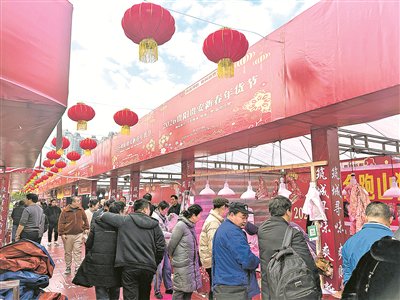
Core Viewpoint - The 2026 Guiyang Guian Spring Festival Goods Fair is experiencing a surge in consumer activity as the Spring Festival approaches, with various markets bustling with shoppers purchasing traditional goods [2] Group 1: Event Overview - The 2026 Guiyang Guian Spring Festival Goods Fair is actively taking place at Zhucheng Square, featuring a festive atmosphere with decorations such as red lanterns [2] - A variety of local and regional specialty goods, including local products, cured meats, and fresh fruits and vegetables, are available, attracting many shoppers [2] Group 2: Market Activity - Many vendors at the fair are offering various discounts, contributing to the lively shopping environment [2] - The Guiyang Zhengxin Comprehensive Market is also seeing increased activity, with a notable rise in customers purchasing traditional items like candies and nuts, indicating a pre-peak shopping phase [2] - According to a local store owner, daily customer traffic has increased by one-third compared to usual, with expectations of a significant consumer surge in the following week based on past trends [2]

联动国资国潮 拓展北京消费国际新空间
Bei Jing Shang Bao· 2026-01-28 16:20
Core Viewpoint - The development of Beijing as an international consumption center is a significant strategic shift in national policy, moving from export and investment-driven growth to a focus on domestic demand and consumption leadership, as evidenced by economic data showing that final consumption expenditure contributed 52% to economic growth in 2025 [1] Group 1: Economic Trends - The contribution of final consumption expenditure to economic growth reached 52% in 2025, marking consumption as the primary driver of China's economic development [1] - The consumer market is increasingly characterized by a younger demographic, with individuals aged 18-35 making up 58% of the consumer base, indicating a shift towards a more discerning and value-driven consumption logic [1] Group 2: National Brand Preference - 85.79% of consumers show a preference for domestic brands, establishing a consumption pattern dominated by local brands, with a focus on younger generations and middle-income, highly educated groups [2] - Chinese brands have shown improved performance in trust metrics, achieving positive net trust levels in developed markets for the first time, according to the 2025 China Brand Global Trust Index (GTI) [2] Group 3: Strategic Recommendations - To enhance the effectiveness of Beijing as an international consumption center, it is recommended to avoid homogenization and instead leverage the city's unique cultural heritage and local resources to create a distinctive consumption ecosystem [2] - The establishment of a Beijing National Trend Innovation Brand Incubation Center is suggested to accelerate the online and international processes of domestic products, promoting the integration of local culture, manufacturing, and shopping experiences [2] - Utilizing e-commerce platforms to facilitate the sale of national trend brands and time-honored products can help overcome spatial limitations and enhance the international influence of local goods [3]
2025年北京消费市场量质齐升
Bei Jing Shang Bao· 2026-01-28 16:20
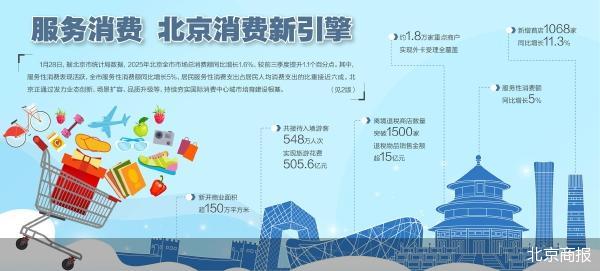
Core Insights - Beijing's total market consumption is projected to grow by 1.6% year-on-year in 2025, with service consumption showing strong performance, increasing by 5% [1][3] - The city is focusing on innovation in business formats, expanding consumption scenarios, and upgrading quality to strengthen its foundation as an international consumption center [1][3] Service Consumption as a Core Engine - Service consumption is becoming the dominant force in Beijing's market, with a 5% year-on-year increase in service consumption [3] - The integration of online and offline channels is accelerating, with 51.9% of businesses in wholesale, retail, accommodation, and catering sectors having an online presence, up by 2.4 percentage points [3] - Online retail sales reached 581.53 billion yuan, accounting for 42.5% of total social retail sales, an increase of 1.4 percentage points [3] - Retail sales of certain upgraded and essential goods are performing well, with jewelry, cosmetics, and grain and oil products increasing by 39.5%, 12.6%, and 5.7% respectively [3] Structural Adjustments in Consumption Market - The total retail sales of social consumer goods in Beijing decreased by 2.9% year-on-year, but the decline has narrowed by 2.2 percentage points compared to the previous three quarters [3][4] - The consumption market is undergoing structural adjustments influenced by changes in business models, consumer demand, and lifestyle transformations [4] Diverse Business Formats and Night Economy - The number of new flagship stores in Beijing exceeded 1,000 for the first time, reaching 1,068, a year-on-year increase of 11.3% [5] - The night economy has expanded significantly, with the number of consumption points increasing from 22 in 2019 to 139 in 2025 [6] - Nighttime consumer activities are thriving, with a 23.3% year-on-year increase in foot traffic during the National Day holiday [6] Quality and Fashion Leading Consumption - The cultivation of Beijing as an international consumption center is enhancing the leading role of service consumption, providing a "Beijing model" for the national market [8] - The focus on quality, style, and brand development is becoming increasingly important in the competitive market landscape [8] - Fashion consumption is expected to emerge as a significant growth point during the 14th Five-Year Plan period, driven by innovation and cultural significance [9]
服务消费领航 多元业态赋能 2025年北京消费市场韧性十足
Bei Jing Shang Bao· 2026-01-28 14:13
Group 1 - The core viewpoint of the articles highlights the significant growth and transformation of Beijing's consumer market, particularly emphasizing the role of service consumption as a key driver of economic activity [1][2][10] - In 2025, Beijing's total market consumption is projected to grow by 1.6% year-on-year, with service consumption increasing by 5%, indicating a shift towards a more service-oriented economy [1][4] - The integration of online and offline retail channels is accelerating, with the penetration rate of enterprises in wholesale and retail, accommodation, and catering sectors reaching 51.9%, up by 2.4 percentage points year-on-year [2][4] Group 2 - The retail sales of social consumer goods in Beijing are expected to decline by 2.9% year-on-year, although the decline is narrowing compared to previous quarters, reflecting a structural adjustment in the consumption market [4] - Certain categories, such as gold and jewelry, cosmetics, and staple food, have shown positive growth, with retail sales increasing by 39.5%, 12.6%, and 5.7% respectively [4] - The penetration rate of new energy vehicles is rising, with retail sales of these products increasing by 13.2% year-on-year, driven by policies promoting consumption and the popularity of new models [4] Group 3 - The emergence of new retail formats and the "first store economy" is becoming a key indicator of urban commercial attractiveness, with over 1,068 new first stores opened in 2025, marking an 11.3% increase [5][8] - The night economy is expanding, with the number of night economy consumption points increasing from 22 in 2019 to 139 in 2025, indicating a growing demand for nighttime activities [8] - The integration of traditional cultural elements with modern consumption trends is evident, as seen in the rise of local brands and international brands adapting to local culture [8][12] Group 4 - The focus on quality and fashion in consumption is becoming more pronounced, with the development of a diverse range of consumer experiences that cater to high-quality and multi-faceted lifestyles [10][12] - The concept of "fashion consumption" is evolving, with expectations that it will become a significant growth point in the market, driven by innovation and cultural resonance [12][13] - The importance of fashion consumption as a commercial and social value is highlighted, indicating its potential to drive consumer trends and create substantial market value [13]
聚政企协同之力 激活广州新春服务消费动能
Zhong Guo Jing Ying Bao· 2026-01-28 13:45
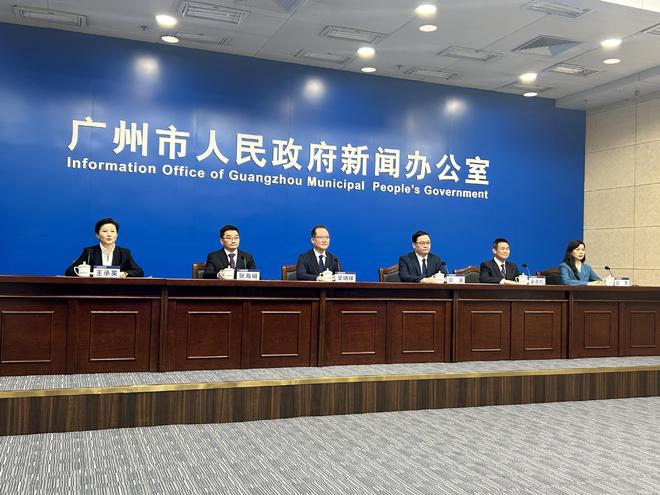
Core Viewpoint - Guangzhou is launching a series of initiatives themed "Guangdong Goods Go Global, The Most Guangzhou New Year" to stimulate the service consumption market, focusing on personalized, diverse, and high-quality demands from citizens and tourists [1][3]. Group 1: Policy and Strategic Initiatives - The Guangzhou government, in collaboration with local enterprises, announced a comprehensive plan for service consumption for the 2026 New Year, emphasizing strengthening local consumption, deepening national market engagement, and expanding global reach [3][4]. - The city aims to create a consumption upgrade model that integrates commerce, culture, tourism, and retail sectors [3][4]. Group 2: Consumer Engagement and Experience - Guangzhou is leveraging the Lunar New Year shopping season to create a cultural consumption experience, involving 35 Chinese time-honored brands and 150 local brands to enhance the festive shopping atmosphere [4][6]. - The government plans to distribute 50 million yuan in dining vouchers to boost food consumption, enhancing the "Food in Guangzhou" brand [4][5]. Group 3: Technological Integration in Tourism - The city is breaking traditional tourism models by incorporating technology to create immersive experiences, such as smart transportation services and AI-driven hospitality options [6][7]. - New initiatives include autonomous buses and intelligent hotels, aiming to elevate the quality of tourism services and promote a high-quality, personalized travel experience [6][7]. Group 4: Local Brand Development - Local enterprises are innovating service consumption scenarios, with attractions like the Chimelong Resort integrating local culture into their offerings, enhancing the overall visitor experience [7][8]. - Miniso is creating unique shopping environments that reflect Lingnan culture, while Vipshop is promoting local fashion brands through special events, contributing to the local economy [7][8].
1月28日美股盘前要闻
Sou Hu Cai Jing· 2026-01-28 13:27
钛媒体App 1月28日消息,美股盘前要闻: 1. 美国股指期货涨跌不一,截至目前,道琼斯指数期货跌0.03%,标普500指数期货涨0.21%,纳斯达克 100指数期货涨0.85%。 2. 欧洲斯托克50指数跌0.43%,英国富时100指数跌0.51%,法国CAC40指数跌1.41%,德国DAX30指数 跌0.65%,富时意大利MIB指数跌0.95%。 3. 北京时间周四凌晨3点,美联储即将公布2026年的首份利率决议;市场普遍预期,美联储将在本周政 策会议上维持利率不变。 4. 本周四和周五,特斯拉、Meta、微软和苹果将公布财报,华尔街对"七巨头"业绩充满信心,预计整体 盈利增长率达20.3%。 5. 加密货币巨头Tether囤金140吨,是除已知的主权国家与大型银行外全球最大的黄金储备持有者。 9. 德州仪器美股盘前涨超8%,公司第四季度每股盈利1.27美元,营收44.2亿美元,略低于华尔街预期, 但对当前季度预期高于市场预期。 10. 美股存储股盘前普涨,希捷科技涨超10%,西部数据涨超8%,闪迪涨超5%,美光科技涨超4%。 11. 美国联合包裹运送服务公司(UPS)27日宣布,计划今年减少约3万个运 ...




北大国发院最新报告:促消费的关键在于看见个体的需求
Sou Hu Cai Jing· 2026-01-28 13:11
Core Insights - The article emphasizes the shift in China's economic growth engine from external to internal demand, highlighting the importance of "domestic demand" in the current economic landscape [1][4] - The "2026 Life Economy Report" suggests that the key to boosting consumption lies in recognizing and addressing the nuanced, specific needs of consumers rather than relying solely on traditional economic stimuli [1][4][9] Group 1: Internal Demand Dynamics - The report identifies a significant disconnect between consumer purchasing power and the availability of products that resonate with their specific desires, leading to a lack of conversion from intent to action [4][6] - Consumers are increasingly seeking products that cater to detailed personal preferences, moving beyond generic needs to specific lifestyle requirements [3][4] - The report argues that these "invisible demands" represent the largest variable for future growth in China's internal demand [3][4] Group 2: Addressing Competition and Market Dynamics - The phenomenon of "involution" in the market is attributed to a lack of differentiation among products, forcing companies into price wars that ultimately harm innovation and quality [5][6] - The report advocates for a shift from price competition to value competition, emphasizing the importance of understanding consumer lifestyles and needs [6][8] - By leveraging user-generated content and community insights, companies can better identify and respond to consumer demands, creating a more effective supply-demand cycle [8][9] Group 3: The Life Economy Concept - The "Life Economy" is defined as a new paradigm that focuses on specific consumer needs and experiences, fostering a two-way interaction between demand and supply [8][10] - This model encourages businesses to engage in C2B (consumer-to-business) reverse customization, allowing for more tailored products that consumers are willing to pay a premium for [8][10] - The report highlights the strategic significance of decentralized demand discovery mechanisms in enhancing internal demand resilience and promoting economic vitality [9][10] Group 4: Societal and Economic Implications - The life economy not only aims to stimulate consumption but also seeks to reshape societal confidence and expectations regarding economic prospects [11][14] - By focusing on individual consumer experiences and aspirations, businesses can contribute to a more sustainable economic growth model that aligns with the evolving demands of the population [11][14] - The integration of diverse supply forms to meet personalized demands is seen as a pathway to establish a virtuous cycle of production and consumption [13][14]

亚马逊“手滑”泄密?裁员尚未官宣,AWS员工却先收到了“已被裁”的内部邮件
3 6 Ke· 2026-01-28 13:06
Core Insights - Amazon is undergoing a new round of layoffs, particularly affecting its Amazon Web Services (AWS) division, which was inadvertently revealed through an internal email sent to employees [1][2] - The email, sent by AWS Vice President Colleen Aubrey, mistakenly informed employees about job cuts before any official announcement was made, leading to confusion among staff [2][3] Layoff Details - The layoffs are expected to impact thousands of employees across multiple core business units, including AWS, retail, Prime Video, and human resources [4][5] - The specific number of layoffs and the proportion of affected employees in different departments remain unclear, but this is part of a broader organizational restructuring plan [4][6] Project Dawn - The layoffs have been internally referred to as "Project Dawn," a term that had not been publicly disclosed prior to this incident [3] - The communication surrounding the layoffs emphasizes the difficulty of the decisions and the strategic intent to prepare AWS for future success, consistent with Amazon's previous messaging during layoffs [3][7] Historical Context - This round of layoffs follows a previous announcement in October, where Amazon disclosed plans to cut approximately 14,000 corporate jobs, indicating a larger goal of reducing the workforce by about 30,000 employees [4][6] - If fully realized, the layoffs would represent nearly 10% of Amazon's corporate workforce, which could significantly impact its internal organizational structure [6] AI and Efficiency - Amazon's CEO Andy Jassy has linked the layoffs to a strategy aimed at reducing middle management and bureaucratic processes, with a focus on enhancing decision-making and operational efficiency through AI [7] - The internal email referenced a blog post by Amazon's HR head, suggesting that the integration of AI into operations could allow the company to achieve more with fewer employees [7]

新华百货:公司已于2013年建立财务共享中心
Zheng Quan Ri Bao Zhi Sheng· 2026-01-28 12:41
证券日报网讯 1月28日,新华百货在互动平台回答投资者提问时表示,公司已于2013年结合自身业务特 点建立财务共享中心,后续陆续对包括超市、电器及物流等各业态财务进行整合,实现集团化财务管 理;目前通过SAP、财资云、九章及商维宝等系统,对财务核算、资金收支、费用报销及资产进行了统 一管控;同时门店各项营业款、供应商结算、月度纳税申报及预算考核等,均由财务共享中心负责,实 现统一标准、统一结算、统一考核,助力提升账务处理效率与数据准确性;公司基于内部管控维度需 要,后续将从系统覆盖率、自动化率、数据整合能力更进一步提升;财务共享中心的数量与划分标准, 是结合集团跨区域业务布局及板块管理需求确定的,整体架构以支撑业务高效运转为核心目标。目前共 设立1个财务共享中心,实现区域化高效响应与专业化分工的结合。 (编辑 丛可心) ...
