
电力

Search documents
系统化规模化推进特高压产业链保持高景气度
Zhong Guo Zheng Quan Bao· 2026-02-08 20:22
Core Insights - The article highlights the significant investment plan of 4 trillion yuan by the State Grid Corporation during the 14th Five-Year Plan, marking a new phase in the construction of ultra-high voltage (UHV) power transmission systems [1][2] - The involvement of private enterprises in UHV projects, as evidenced by the Xinjiang UHV project, indicates a shift towards diversified investment models in the sector, which is expected to inject new momentum into industry development [1][3] Policy Support - The National Development and Reform Commission and the National Energy Administration have introduced a series of supportive policies since 2025, facilitating project approvals and environmental assessments for UHV projects [2] - By the end of 2025, China is expected to have completed 42 UHV projects, significantly enhancing energy resource allocation capabilities and system resilience [2] Exploration of Diverse Development Paths - The Xinjiang UHV project, with a total investment of 31.1 billion yuan, will allow private enterprises to invest, marking a significant breakthrough in private capital participation in state-led UHV construction [2][3] - The project aims to transport over 40 billion kilowatt-hours of electricity annually, primarily harnessing solar and wind resources from the southern Xinjiang region [3] Industry Chain Benefits - The acceleration of UHV construction and investment innovation is expected to maintain high prosperity across the entire industry chain, with significant orders for upstream equipment manufacturers [4] - Companies like China Xidian, a core supplier of UHV equipment, reported a 29.27% year-on-year increase in contract liabilities, indicating a substantial growth in order backlog [4] Strategic Importance - UHV infrastructure is increasingly recognized as a national-level key infrastructure that ensures energy security, promotes clean energy consumption, and stimulates effective investment [5] - The collaborative push from policies, funding, and market dynamics is leading the UHV industry into a new phase of high-quality development, with industry chain companies poised to benefit continuously [5]

公用事业行业周报:关注电煤需求弹性,把握电力投资节奏-20260208
SINOLINK SECURITIES· 2026-02-08 15:18
Investment Rating - The industry is rated as "Buy" with an expected increase of over 15% in the next 3-6 months [6] Core Insights - Focus on the elasticity of electricity coal demand, particularly the low base effect in the first half of the year. The electricity consumption in the first half of 2025 is expected to grow significantly due to a low base, with industrial electricity consumption contributing only 40% to the total increase, which is much lower than its usual share [2] - The coal-fired power generation is also anticipated to see high growth in the first half of the year due to a low base, with a year-on-year decline of 2.15% in coal power generation volume [2] - The demand for electricity coal may be driven by overseas data centers and industrialization, which could lead to a tighter supply of imported coal [2] - The report emphasizes the importance of monitoring the marginal demand for coal, which could become a driving force for coal price changes [2] Summary by Sections Section 1: Electricity Demand - The first half of 2025 is expected to see high growth in electricity consumption due to a low base effect, particularly in high-energy-consuming industries [2] - Emerging manufacturing sectors are showing strong demand, contributing to a positive outlook for electricity consumption growth in the first half of 2026 [2] Section 2: Coal Power Generation - Coal power generation is projected to experience high growth in the first half of 2025, with a significant decline in the previous year providing a low base for comparison [2] - The report anticipates that the installed capacity of coal power may not see significant growth, which could lead to better-than-expected coal power generation [2] Section 3: Investment Opportunities - The report suggests focusing on large and medium-sized state-owned enterprises, particularly those enhancing market value management and capital operations [3] - Specific companies highlighted include Guiguan Electric Power, Huadian International, and others that are expected to benefit from improved hydrological data and market conditions [4]
华泰证券:风险偏好下降驱动的调整波段或接近尾声
Xin Lang Cai Jing· 2026-02-08 15:06
Core Viewpoint - The report from Huatai Securities indicates that the A-share market experienced a decline this week, driven primarily by a decrease in risk appetite, with a notable shift between high and low-performing stocks [1] Summary by Categories Market Overview - The overall external macro risks have been initially priced in, with a cooling of financing funds and a narrowing of net outflows from ETFs, while both domestic and foreign institutional investors have shown a net inflow against the trend [1] Structural Analysis - The report suggests that segments with floating profits, crowded trading, and significant performance verification pressures have largely completed their initial pricing, indicating that the adjustment phase may be nearing its end [1] Calendar Effect - The report notes that the calendar effect for February in the A-share market is relatively positive, recommending a gradual increase in portfolio flexibility [1] Investment Strategy - The focus should be on selecting high-beta and relatively high valuation-cost performance segments within industries experiencing a reversal in prosperity or a continuation of improvement trends, particularly in lithium battery chains, communication equipment, semiconductors, certain building materials, and chemicals [1] - For low-beta segments, attention should be given to agriculture [1] - From a mid-term perspective, it is advised to overweight the upstream sectors of the power chain, insurance, and the aerospace industry chain [1]

两大央企出售新能源公司股权!
Xin Lang Cai Jing· 2026-02-08 14:45
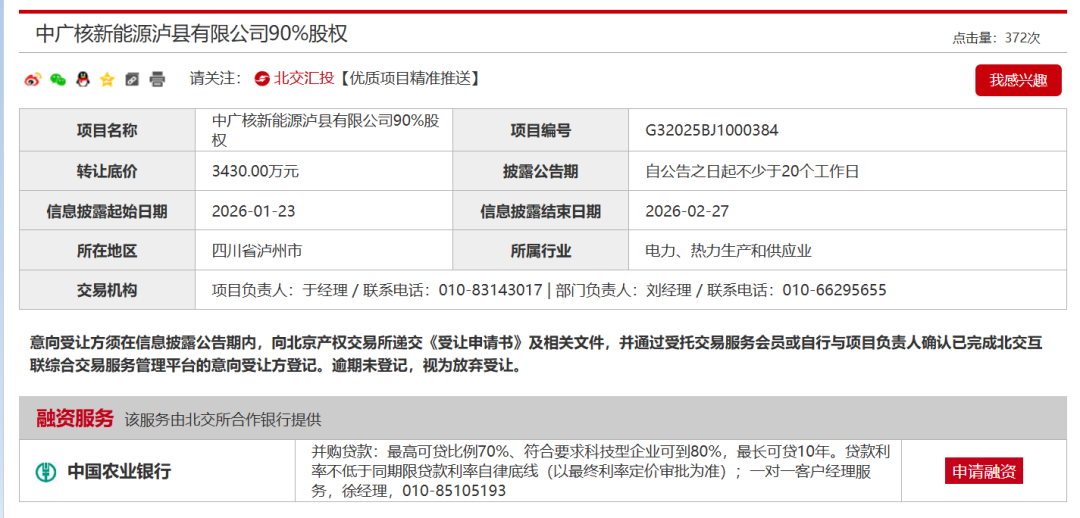
Core Viewpoint - Beijing Property Exchange has recently disclosed two equity transfer projects involving renewable energy companies under China General Nuclear Power Group (CGN) and China Southern Power Grid, indicating a growing interest in the renewable energy sector in China [1][6]. Group 1: Project Details - **Project One: CGN New Energy Luzhou Co., Ltd. 90% Equity** - Transferor: CGN Wind Power Co., Ltd. (regulated by the State-owned Assets Supervision and Administration Commission) [1][6] - Listing Price: 34.3 million yuan [1][6] - Disclosure Period: January 23, 2026, to February 27, 2026 [1][6] - Shareholders: CGN Wind Power Co., Ltd. (90%), Luzhou Jingyuan Energy Co., Ltd. (10%) [1][6] - Asset Scale: Established in 2022 with a registered capital of 45 million yuan (paid-in capital of 41.48 million yuan), focusing on photovoltaic and wind power clean energy business [1][6] - Special Terms: The acquirer must assume a debt of 7.9435 million yuan from the transferor and commit to not using the "CGN" brand; additionally, the remaining 3.3 million yuan of registered capital must be paid [1][6]. - **Project Two: China Southern Power Grid Comprehensive Energy (Hezhou) Co., Ltd. 51% Equity** - Transferor: China Southern Power Grid Comprehensive Energy Co., Ltd. [4][8] - Listing Price: 156.72189 million yuan [4][8] - Shareholders: China Southern Power Grid Comprehensive Energy Co., Ltd. (51%), China Resources Power New Energy Investment Co., Ltd. (49%) [4][8] - Asset Scale: Registered capital of 193.59183673 million yuan, with paid-in capital of 176.93877551 million yuan; the transferor has subscribed 98.73183673 million yuan and paid in 90.23877551 million yuan [4][8].

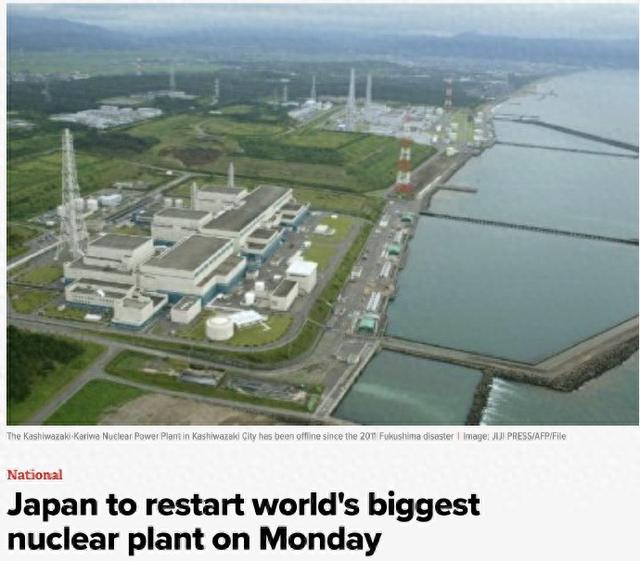
日本将重启世界最大核电站
Xin Lang Cai Jing· 2026-02-08 14:24
Core Viewpoint - Japan is set to restart the world's largest nuclear power plant, the Kashiwazaki-Kariwa Nuclear Power Plant, next week after a previous restart plan was halted due to a malfunction in the alarm system [1][3]. Group 1: Plant Operations - Tokyo Electric Power Company (TEPCO) had previously restarted one of the reactors at the Kashiwazaki-Kariwa plant on January 21, but it was shut down the next day due to an alarm triggered by a monitoring system [3]. - The alarm was caused by a configuration error in the system, which detected a minor change in current within a cable that was still within safe limits [3]. - The Kashiwazaki-Kariwa plant has the largest installed capacity globally, but only one of its seven reactors will be restarted this time [3]. Group 2: Energy Policy and Public Sentiment - As a resource-scarce nation, Japan is advancing its nuclear power revival plan to reduce dependence on fossil fuels [3]. - There is significant local opposition to the restart, with a survey conducted in September showing that approximately 60% of residents in Niigata Prefecture oppose the restart of the nuclear plant [3].
股市直播|杉杉股份:控股股东及其子公司签署重整投资协议;萃华珠宝:公司主要银行账户被冻结股票交易10日起被实施其他风险警示
Shang Hai Zheng Quan Bao· 2026-02-08 13:40
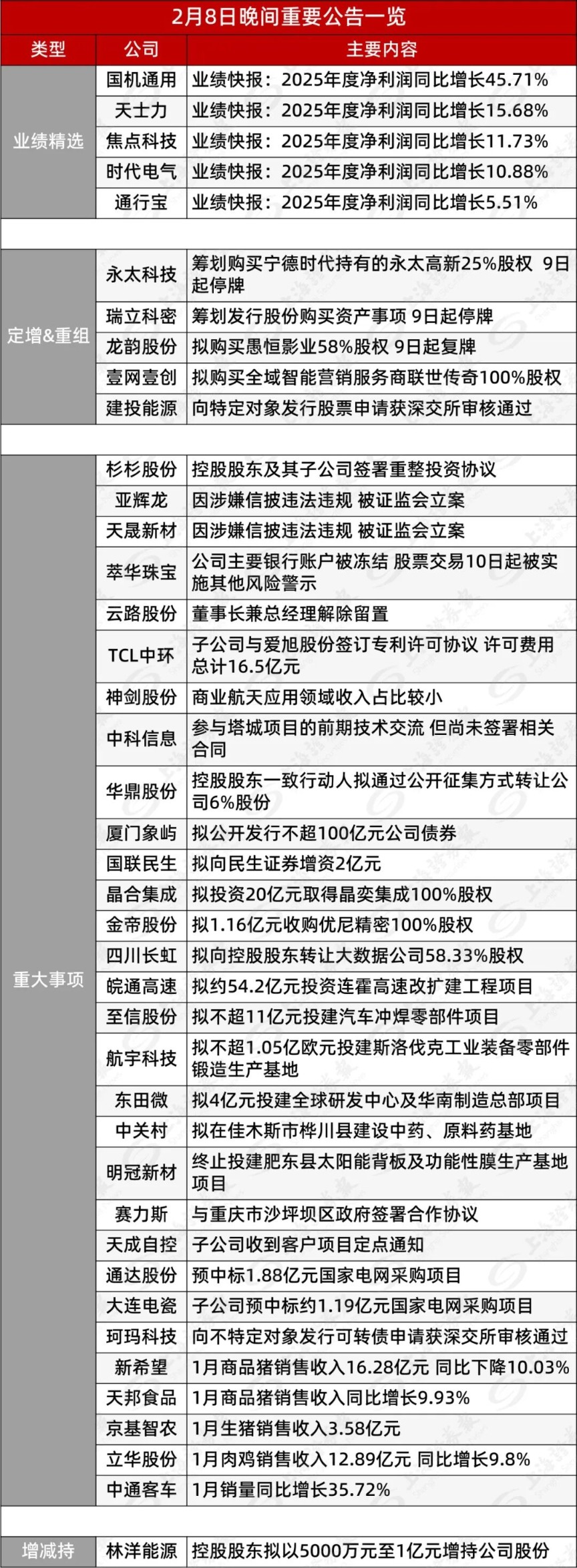
Performance Highlights - Guomachine General reported a net profit of 585.16 million yuan for 2025, a year-on-year increase of 45.71% with total revenue of 899 million yuan, up 17.32% [5] - Tianshili achieved a net profit of 1.105 billion yuan, a 15.68% increase year-on-year, despite a revenue decline of 3.08% to 8.236 billion yuan [5] - Focus Technology's net profit rose by 11.73% to 504 million yuan, with total revenue reaching 1.92 billion yuan, up 15.06% [5] - Times Electric reported a net profit of 4.105 billion yuan, a 10.88% increase, with total revenue of 28.761 billion yuan, up 15.46% [5] - Tongxingbao's net profit increased by 5.51% to 221 million yuan, with total revenue of 1.068 billion yuan, up 19.24% [5] Capital Increase & Restructuring - Ruili Kemi is planning to issue shares to acquire a 16% stake in its subsidiary, with trading suspended from February 9 [6] - Longyun Co. intends to acquire a 58% stake in Yuheng Film and Television, with trading resuming on February 9 [6] - Yingwang Yingchuang is set to acquire 100% of Lianshi Legend, a smart marketing service provider [6] - Jiantou Energy's application for a specific stock issuance has been approved by the Shenzhen Stock Exchange [6] - Shanshan Co. signed a restructuring investment agreement with its controlling shareholder [6] Major Events - Aihuilong received a notice of investigation from the China Securities Regulatory Commission for suspected information disclosure violations [9] - Tiansheng New Materials also received a notice of investigation for similar reasons [10] - Cloud Road Co. announced the lifting of the detention of its chairman and general manager [10] - TCL Zhonghuan's subsidiary signed a patent licensing agreement with Aiyu Co. for a total fee of 1.65 billion yuan [11] - Shenjian Co. reported that its aerospace business revenue is relatively small, accounting for less than 1% of total revenue [11] Investment Projects - Wantong Expressway plans to invest approximately 5.42 billion yuan in the renovation and expansion of the Lianhuo Expressway [15] - Zhixin Co. intends to invest up to 1.1 billion yuan in an automotive welding parts project [15] - Hangyu Technology plans to invest up to 1.05 million euros in a forging production base in Slovakia [15] - Dongtianwei is set to invest 400 million yuan in a global R&D center and manufacturing headquarters in South China [15] - Zhongguancun is planning to build a modern digital factory for traditional Chinese medicine in Jiamusi City [15] Stock Trading Updates - The stock of Cuihua Jewelry will be suspended for one day starting February 9 due to the freezing of its main bank accounts [4] - The stock of Longyun Co. will resume trading on February 9 after a suspension [23] - Ruili Kemi and Yongtai Technology will be suspended from trading starting February 9 [24]





瞒不住了!中国10万亿度电不止是用电多,核心底牌让老美无力抗衡
Sou Hu Cai Jing· 2026-02-08 13:37
2025年中国全社会用电量定格在103682亿千瓦时,成为全球首个突破10万亿度用电大关的国家,这一数字直接改写了全球能源格局。 核心问题随之而来:中国为何能达成这一全球独有的成就? 这串数字的分量在全球坐标系中格外震撼,相当于2.5个美国的全年用电量,远超欧盟、俄罗斯、印度、日本四大经济体的用电总和,实现了全球用电领域 的一家独大。 2025年7、8月,中国还接连创下月度用电量破万亿的全球纪录,单月用电量就抵得上日本或东盟一整年的消耗,背后是中国全产业链全速运转的硬核实力。 从1996年1万亿到2025年10万亿,29年实现10倍增长,中国用电的狂飙之路,就是中国式现代化的加速之路,而这10万亿度电里,藏着改变世界的结构性密 码。 10万亿度电的流向,勾勒出中国经济的发展脉络,第二产业仍是用电基本盘,2025年用电66366亿千瓦时、占比64%,这是制造业大国的天然底色,也印证 着中国全球制造业第一大国的地位。 但不同以往的是,第二产业用电增速仅3.7%,低于全社会5%的平均水平,高耗能行业用电占比持续下降,制造业用电结构正加速向高端化、绿色化转型。 高技术及其装备制造业成为第二产业用电新增长极,2025年 ...

俄军精准打击乌克兰能源枢纽,核电外送中断,全境被迫陷入大停电
Sou Hu Cai Jing· 2026-02-08 13:10
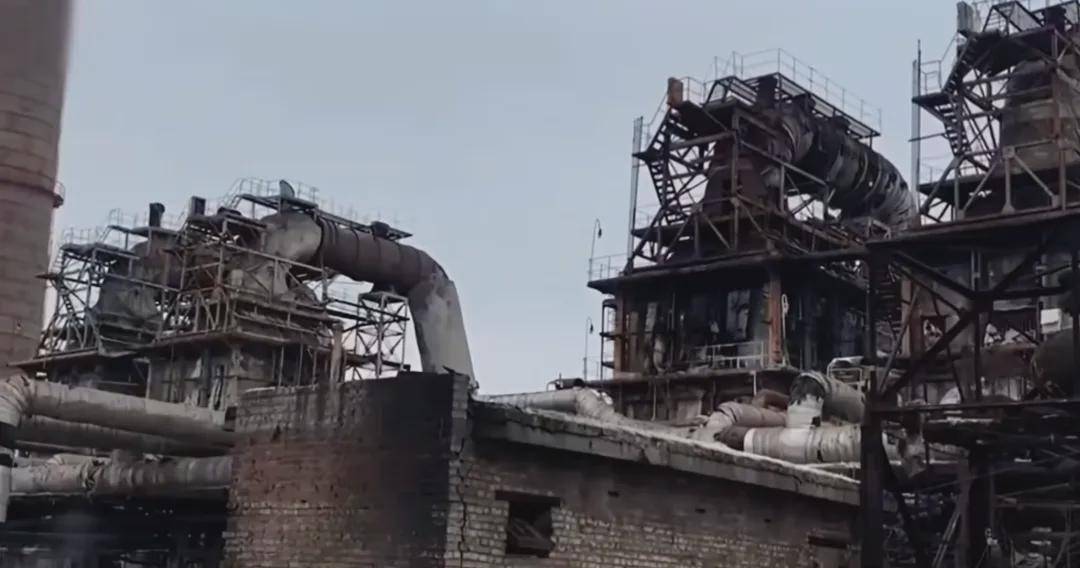
Core Insights - A large-scale attack by Russian armed forces targeted Ukraine's energy infrastructure, launching 408 drones and 39 missiles [1][3] - The attack specifically aimed at 750 kV and 330 kV main transmission lines and key substations, which are critical for connecting nuclear power plants to the national grid [1] Group 1 - The assault disrupted the energy supply by damaging the transmission network rather than directly targeting nuclear power plants [3] - Ukraine's energy ministry reported a severe situation, leading to an emergency expansion of power outages across most regions due to damage to backbone nodes of the power grid [3] - The national energy company of Ukraine had to significantly reduce the output of operating nuclear units in the Kyiv control area, entering an "emergency production limit mode" [3] Group 2 - Some nuclear units temporarily disconnected from the grid due to protective measures triggered by severe fluctuations in grid frequency, resulting in extreme electricity shortages across the country [3] - The Director General of the International Atomic Energy Agency (IAEA) confirmed that military activities led to reduced power output from Ukrainian nuclear plants due to damage to substations and disrupted transmission lines [3] - The IAEA chief called for maximum restraint from all parties, emphasizing that the deteriorating energy system situation poses a substantial challenge to global nuclear safety [3]
“钱花不出去!” AI故事被忽视的风险,正急剧升温
Hua Er Jie Jian Wen· 2026-02-08 13:09
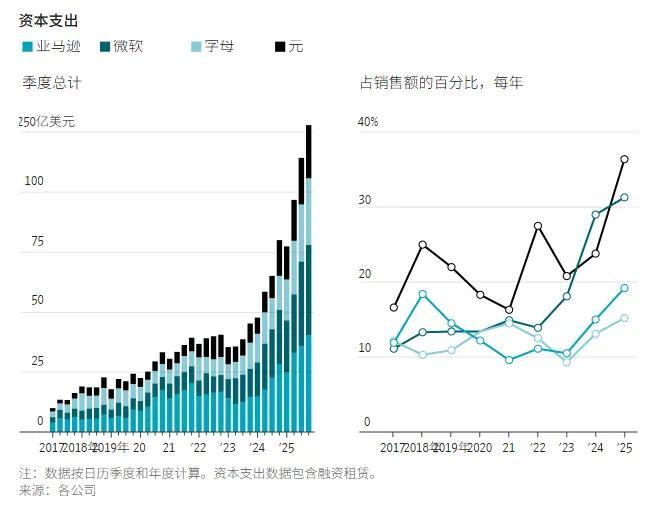
Group 1 - The core narrative is that the story of AI is shifting from "software eating the world" to "hardware being constrained by the world," highlighting a growing risk in the investment landscape due to political and physical limitations on data center expansion [1][4][15] - A rare bipartisan consensus has emerged between Senator Bernie Sanders and Governor Ron DeSantis regarding the need to halt the rapid increase of data centers, driven by public concerns over the negative impacts of AI [2][4] - The political landscape is changing, with states like New York, Arizona, Georgia, and Texas considering legislation to pause new data center projects or eliminate tax incentives, reflecting a growing backlash against the expansion of AI infrastructure [2][4] Group 2 - The anticipated capital expenditure of approximately $600 billion in 2026 faces skepticism regarding its feasibility, as major tech companies plan to spend $670 billion on AI infrastructure this year alone [4][6] - The energy demand from data centers is projected to double by 2035, raising concerns about the current U.S. electrical grid's ability to meet this demand, which could hinder the construction of new data centers [8][9] - The Texas power grid operator ERCOT is implementing a review process for power consumption projects, causing delays and uncertainty for tech companies, which could jeopardize their expansion plans and the associated capital expenditures [9][10] Group 3 - The financial markets are reacting to the risk of unspent capital, leading to significant sell-offs in tech stocks, as investors reassess the viability of AI-related investments in light of potential physical constraints [10][12] - The shift in market sentiment has resulted in a "de-leveraging" trend, with funds moving from high-beta tech stocks to more defensive sectors like chemicals and regional banks, indicating a growing fear of an AI valuation bubble bursting [12][13] - The market faces a dilemma: either trust that the electrical grid can expand to accommodate the projected $600 billion in capital expenditures or acknowledge that physical limitations have been reached, which would have severe implications for AI demand and investment [13][15]
更好发挥央国企扩投资作用,国常会锚定新兴产业等重点领域
Di Yi Cai Jing· 2026-02-08 13:07
Core Viewpoint - Central state-owned enterprises (SOEs) are increasingly focusing on effective investment to stabilize economic growth and enhance development momentum, with specific targets and measures being established for investment expansion [1][2]. Group 1: Investment Policies and Measures - The State Council, led by Premier Li Qiang, has emphasized the importance of effective investment policies, particularly in infrastructure, urban renewal, public services, and emerging industries, to support long-term development and competitive advantages [1]. - The National Development and Reform Commission (NDRC) has organized the early release of a list of key projects and central budget investment plans for 2026, with a funding scale of approximately 295 billion yuan [6][7]. - The government is focusing on enhancing investment efficiency and promoting both physical and human capital, with a significant portion of projects directly benefiting people [7][8]. Group 2: Role of Central SOEs - Central SOEs are recognized as a crucial force in stabilizing investment, with recent meetings highlighting the need for increased investment in key areas to support national economic goals [2][3]. - The National Grid plans to invest 4 trillion yuan in fixed assets during the 14th Five-Year Plan period, marking a 40% increase compared to the previous plan [2]. - The average annual growth rate of investment in emerging industries by central SOEs has exceeded 20% during the 14th Five-Year Plan, with a projected investment of 2.5 trillion yuan in strategic emerging industries by 2025 [3]. Group 3: Emerging Industries and Future Investments - The establishment of a special fund for strategic emerging industries, initiated by the State-owned Assets Supervision and Administration Commission (SASAC), aims to support sectors such as artificial intelligence, aerospace, and quantum technology, with an initial scale of 51 billion yuan [4]. - Central SOEs are expected to optimize the layout of state-owned economies by accelerating the transformation of traditional industries while increasing investments in emerging sectors like commercial aerospace and renewable energy [3][5]. - The National Investment Fund has focused on strategic emerging industries, with cumulative investments exceeding 200 billion yuan, indicating a strong commitment to future-oriented sectors [3].