电动汽车

Search documents
鲍威尔重磅发声,美股、黄金、加密货币集体大涨
21世纪经济报道· 2025-08-22 15:19
Group 1 - The core viewpoint of the article highlights that the U.S. stock market, gold, and cryptocurrencies experienced a collective surge following comments from Federal Reserve Chairman Jerome Powell, indicating a potential openness to interest rate cuts due to rising risks in the labor market and economic growth [1][8]. - Major U.S. stock indices saw significant gains, with the Dow Jones up 1.98%, S&P 500 up 1.64%, and Nasdaq up 1.97% during Powell's speech [1]. - Large tech stocks also rose, with Tesla increasing by over 5% [2]. Group 2 - The Nasdaq Golden Dragon China Index saw an increase of 2.72%, with notable gains from Chinese companies: NIO up over 13%, Kingsoft Cloud up nearly 10%, XPeng up 5%, and Alibaba up nearly 4% [3]. - Spot gold prices rose over 1% to $3374.48 per ounce, while silver prices increased over 2% to $38.965 per ounce [5]. - Cryptocurrencies experienced a collective rise, with Bitcoin reaching $115,860 (up 2.27%) and Ethereum rising to $4,614.22 (up nearly 8%) [7][8]. Group 3 - Powell emphasized that the U.S. economy remains resilient despite high tariffs and tightening immigration policies, but there are signs of significant slowdown in the labor market and economic growth [8]. - He noted that while inflation remains a concern, the rising risks in the labor market may lead the Fed to consider rate cuts in September [8]. - The Fed's revised long-term goals and monetary policy strategy statement included the removal of the "average inflation targeting" and a return to a more flexible inflation target [9].

特斯拉上涨5.07%,报336.35美元/股,总市值10848.80亿美元
Jin Rong Jie· 2025-08-22 14:33
Group 1 - Tesla's stock price increased by 5.07% to $336.35 per share, with a total market capitalization of $1,084.88 billion as of August 22 [1] - As of June 30, 2025, Tesla's total revenue was $41.831 billion, a year-over-year decrease of 10.62%, while net profit attributable to shareholders was $1.581 billion, down 43.33% year-over-year [1] - Tesla is recognized as the world's first vertically integrated sustainable energy company, offering end-to-end clean energy products including generation, storage, and consumption [1] Group 2 - Tesla is planning to launch electric vehicles to cater to a wide range of consumer and commercial vehicle markets, including Model 3, Model Y, Model S, Model X, Cybertruck, Tesla Semi, and a new Tesla Roadster [2] - The electric vehicles feature advanced technology in power systems, autonomous driving, and Full Self-Driving (FSD) hardware, providing advantages in range, charging flexibility, acceleration, handling, safety, and user-friendly infotainment features [2] - Tesla vehicles can enable additional features through wireless updates, contributing to savings in charging, maintenance, and overall ownership costs [2]

比亚迪、陕煤、隆基、宁德时代,盘点院士增选中的“明星资本”
2 1 Shi Ji Jing Ji Bao Dao· 2025-08-22 13:45
Core Insights - The announcement of the 2025 academician candidate list reflects the evolving landscape of China's industrial innovation, showcasing the rise of technology companies in sectors like new energy and high-end equipment, alongside the transformation of traditional industries [1][2] Group 1: Technological Leadership - The candidate list prominently features representatives from the new energy, aerospace, and digital technology sectors, indicating a strong presence of listed companies in these fields [3] - Notable figures include Wu Kai, Chief Scientist of CATL, and Lian Yubo, Chief Scientist of BYD, both of whom are recognized for their contributions to the global battery and electric vehicle markets [3] - In the aerospace sector, key designers from China Commercial Aircraft Corporation and Aviation Industry Corporation of China have been included, highlighting advancements in large aircraft and helicopter technologies [3] - The software sector is represented by Wu Qingbo from Kirin Software, which has become a leading player in China's push for software independence, boasting over 500 patents and extensive ecosystem compatibility [3] Group 2: Traditional Industry Transformation - The list also features experts from traditional industries, showcasing their innovative capabilities and value redefinition [5] - Notable candidates include Shang Jian, Chief Engineer of Shaanxi Coal and Chemical Industry Group, which holds significant coal reserves and plays a crucial role in energy supply [5] - Zhang Jianguo from China Pingmei Shenma Group and Wang Xiangzeng from Yanchang Petroleum Group are also recognized for their contributions to the coal and oil sectors, respectively, emphasizing the ongoing evolution within traditional energy [5][6] - China Baowu Steel Group's Chief Scientist, Li Guobao, represents advancements in low-carbon metallurgy, with the group being a major player in the global steel industry [6] Group 3: Market Reactions and Future Outlook - The capital market has responded positively to the candidate list, with companies like CATL and BYD achieving market capitalizations exceeding 1 trillion yuan, reflecting investor confidence in the integration of industry and academia [7] - The ongoing entry of more industry giants into the academician ranks signals China's acceleration towards a technology innovation system that is enterprise-led and market-oriented, contributing to high-quality economic development [7]

中国日本商会会长答一财:多个日本经济团体计划赴华考察,关注中国创新活力
Di Yi Cai Jing· 2025-08-22 09:22
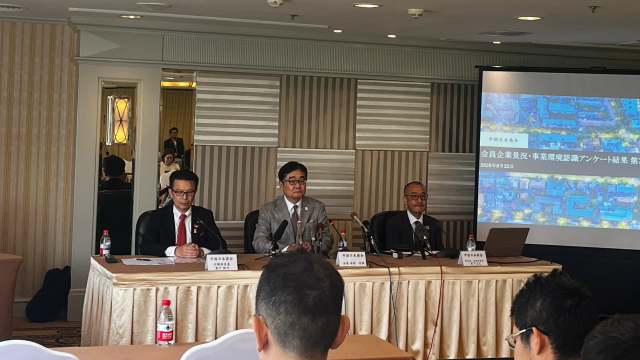
Core Insights - Japanese companies maintain a positive long-term investment outlook in China, with 54% of surveyed firms considering China as one of their top three important markets, an increase of 1 percentage point from the previous survey [1][3] - There is a notable interest from Japanese economic groups in China's innovation capabilities, with plans for multiple delegations to visit China for potential collaboration opportunities [1][3] Investment Intentions - 16% of surveyed companies plan to "significantly increase" or "increase" their investments this year, while 40% intend to maintain their investment levels compared to last year [3] - The most optimistic sectors for investment include household services (38%), non-durable goods (37%), and the steel, non-ferrous metals, and metal products sectors (26%) [3] - Companies expressing intentions to increase investment specifically mentioned plans to invest in startups, enhance R&D, and focus on areas such as artificial intelligence, automation, and solar energy [3] Business Environment Evaluation - 63% of companies reported being "very satisfied" or "satisfied" with the business environment, consistent with the previous survey [4] - The resumption of visa-free policies has led to a significant increase in business travel, and companies can now source necessary components domestically, reducing reliance on imports [4] - The Chinese government plans to expand visa-free access for Japanese citizens starting from November 30, 2024, which is expected to further facilitate personnel exchanges [4] Differentiated Development Trends - Despite the overall positive investment sentiment, 60% of companies reported facing pressure from declining sales prices, with only 28% experiencing revenue growth, a decrease of 6 percentage points from the last survey [5] - The disparity in business performance across different industries and regions is highlighted, with China's GDP being five times that of Japan, indicating dynamic changes in industry evolution and regional development [5] - Companies are advised to adapt to current market conditions by enhancing product value and differentiating designs rather than engaging in price wars, while also taking advantage of lower prices for certain components to reduce manufacturing costs [5]
资金跑步入场!A500ETF基金涨1.88%,聚焦A股核心资产
Zheng Quan Zhi Xing· 2025-08-22 06:09
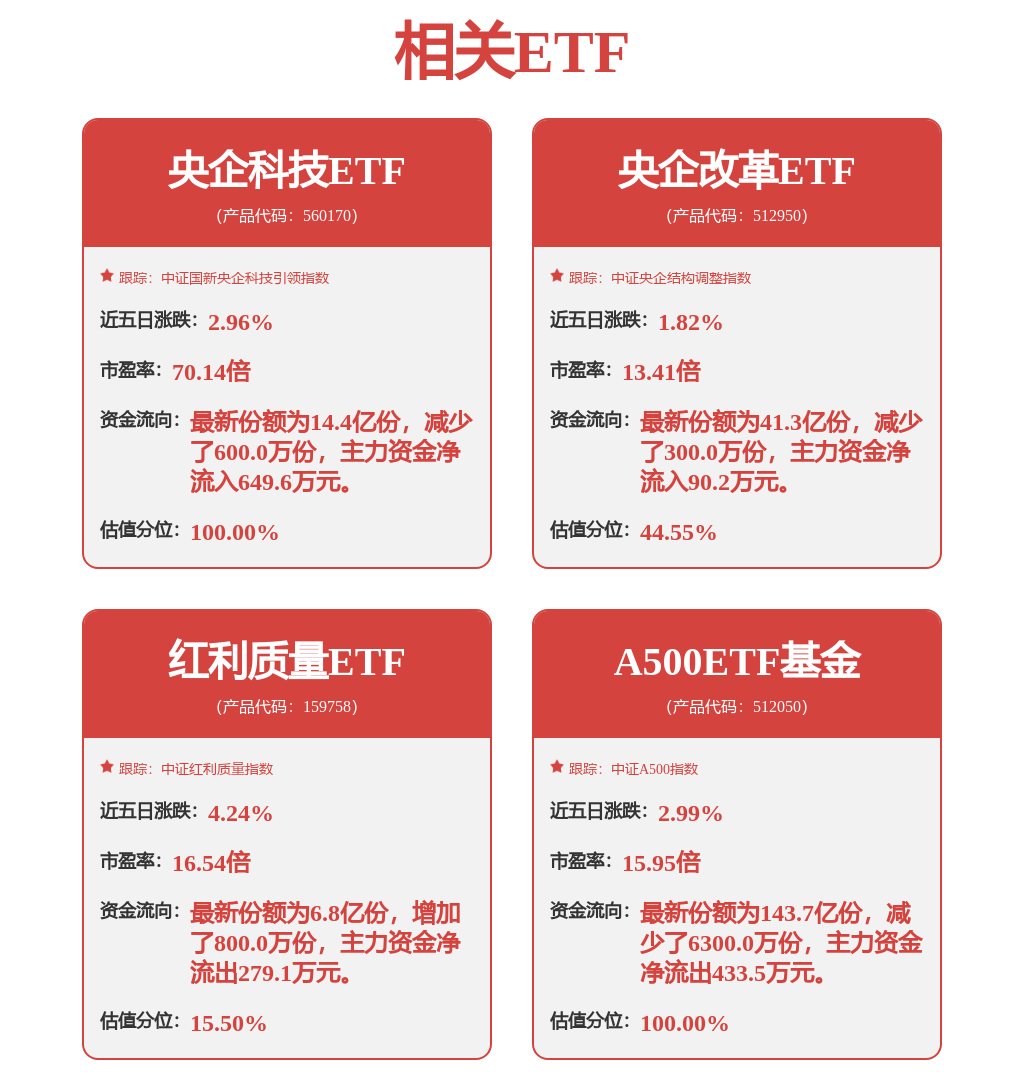
Group 1 - The A-shares market has shown strong performance, with the Shanghai Composite Index surpassing 3800 points, reaching a nearly 10-year high [1] - The A500 ETF fund (512050) has increased by 1.88%, with several holdings hitting the daily limit, and the fund's trading volume exceeding 4.4 billion yuan, ranking first among its peers for several consecutive days [1] - Korean investors have significantly increased their investments in Chinese assets, making China the second-largest overseas investment destination for South Korean investors, with a cumulative trading volume in the Hong Kong stock market exceeding 5.8 billion USD this year [1] Group 2 - The new generation of core A500 ETF fund (512050) and A500 Enhanced ETF fund (512370) allows investors to easily allocate to core A-share assets [2] - The A500 ETF tracks the CSI A500 Index, employing a dual strategy of industry-balanced allocation and leading company selection, covering all 35 sub-industries [2] - The fund has a natural "barbell" investment attribute, with a focus on high-growth sectors such as AI, pharmaceuticals, new energy power equipment, and defense industry, compared to the CSI 300 Index [2]
李斌:第二代ES8确实犯了错误,第三代ES8的使命就是修正这个错误
Xin Lang Ke Ji· 2025-08-22 02:56
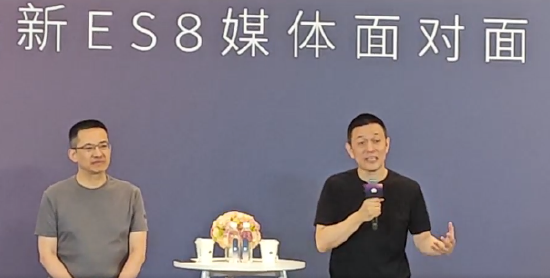
专题:蔚来公司李斌、秦力洪媒体会 8月22日,蔚来汽车创始人李斌在全新ES8见面会上,谈到新车定价时表示,今天能定这个价格,是基 于蔚来在创新技术、研发投入、管理提效,供应链策略,方方面面综合能力的体现。 "并不是说今天只是为了市场的竞争去做这个事情。也是因为可以从成本结构上,并不是去低于成本去 做这个事,并不是说牺牲毛利率去做这个事情。"他说。 对于以前是不是成本太高的问题,李斌表示,也无法穿越回去了。 他直言,要做又创新成本又可控的车,这是挑战。如果只是做成本低的车,在中国那么发达成熟供应 链,想做便宜的车还能做出来。但是做一个企业又好,安全性能又高,技术含量又高又能真正领先的智 能电动汽车,确实有挑战,不是一个容易的事情。 对于第二代ES8,李斌直言,确实犯了一些错误,在研发初期未能明确成本定义的问题,导致后续研发 中遇到挑战。 所以,李斌表示,第三代ES8从出生的时候他就在那个位置,就是四十多万的大三排SUV。 "所以简单来讲,全新ES8在立项的时候,他的使命就是要去修正这样一个错误,回到它应该有的位 置,回到舒服的定价区间,是比较合理的一个区间。"他说。 昨日晚间,全新第三代蔚来ES8正式开启预售, ...

韩国资金大举流入中国市场!58亿美元交易额创新高,年轻投资者成主力军
Sou Hu Cai Jing· 2025-08-22 00:34
机构积极布局中国主题产品 韩国金融机构敏锐捕捉到投资者需求变化,纷纷推出针对性产品和服务。未来资产证券举办"中国股票购买挑战赛",吸引持有中国上市企业股票价值超过 100万韩元的客户参与。新韩投资证券推出为期一年的佣金促销活动,免除新会员投资中国内地和香港股票的在线交易佣金。 券商业绩特别是海外业务收入超出市场预期。韩国Kiwoom证券今年第一季度收入录得3.66万亿韩元,同比增长38.46%,营业利润为3255亿韩元,比市场预 期高出15%。海外股票交易手续费收入从上一年的372亿韩元大幅增长至674亿韩元,大中华区相关业务增长贡献显著。 韩国资产管理公司加大中国资产挂钩产品的设立力度。韩国投资管理公司在7月推出两只中国股票ETF,其中"ACEBYDValueChainActive"主要投资比亚迪及 相关企业,"ACEChinaAIBigTechTOP2+Active"则聚焦中国人工智能技术相关重点企业。韩国投资者更倾向配置自动驾驶、AI和可再生能源等新兴产业成长 股,而非传统行业。 投资群体结构性变化推动资金流入 韩国投资者对中国资产的关注呈现出明显的代际特征。早期投资中国股票的韩国人主要集中在具有在华工 ...

中国资产吸引力大增!韩国“欧巴”迷上中国科技股
Zheng Quan Shi Bao Wang· 2025-08-22 00:25
Group 1 - Korean investors have significantly increased their investments in Chinese assets, with Hong Kong becoming the second-largest overseas investment destination for South Korea [1][2] - The cumulative trading volume in the Hong Kong stock market by Korean investors has exceeded $5.8 billion this year, with net purchases of Chinese stocks amounting to approximately $499 million [1][3] - The performance of China-themed ETFs listed in South Korea has been impressive, with some products achieving monthly returns exceeding 60% [1] Group 2 - Younger generations in South Korea are increasingly interested in investing in Chinese stocks, influenced by easier access to information and travel opportunities [2][6] - The number of active stock trading accounts in South Korea has reached 69.3 million, indicating a highly active retail investor base [2] - Korean asset management companies are launching products linked to Chinese assets, such as ETFs focused on electric vehicles and artificial intelligence [5][6] Group 3 - Korean investors are particularly focused on high-growth sectors in the Chinese market, including electric vehicles, batteries, artificial intelligence, and technology [3][7] - The net buying of Chinese stocks by Korean individual investors has turned positive for the first time in three years, with a notable increase in custodial funds in the Hong Kong market [3][7] - Korean financial institutions are actively promoting investment in Chinese stocks through various initiatives and fee waivers [4][6] Group 4 - The optimism among Korean investors regarding Chinese assets is driven by favorable policies and valuation opportunities, with expectations of continued market recovery [7][8] - Analysts predict that the revaluation of Chinese stocks will persist until 2026, supported by economic stimulus measures and structural changes in the market [7][8] - Despite short-term uncertainties, the long-term outlook for investment in China remains positive due to domestic demand recovery and manufacturing competitiveness [8] Group 5 - Investors are increasingly recognizing the global competitiveness of Chinese companies in sectors like new energy, AI, and consumer goods, leading to a shift in investment focus [6][10] - The average returns on Chinese stocks held by Korean investors have outperformed those of local stocks, with some reporting gains of 15% to 20% [10] - There is a growing trend among investors to increase their allocation to Chinese assets as a core component of their investment strategy [10]

深度|中国资产吸引力大增!韩国“欧巴”迷上中国科技股
证券时报· 2025-08-22 00:16
Core Viewpoint - Korean investors are increasingly buying Chinese assets, making China the second-largest overseas investment destination for South Korea, with significant net purchases in the Hong Kong stock market and a notable recovery in investor confidence [1][2]. Group 1: Investment Trends - As of August 20, 2023, the cumulative trading volume of Korean investments in the Hong Kong stock market exceeded $5.8 billion, second only to the U.S. market [1]. - Korean funds have net bought approximately $499 million in Chinese stocks this year, reversing a trend of net selling over the past three years, which totaled $985 million [1]. - The performance of Chinese-themed ETFs listed in South Korea has been impressive, with some products achieving monthly returns exceeding 60%, outperforming many U.S. index ETFs [1]. Group 2: Demographics and Market Entry - There is a growing interest among younger generations in South Korea to invest in Chinese stocks, influenced by easier access to information and travel opportunities due to visa policy changes [4]. - The number of active stock trading accounts in South Korea reached 69.3 million, indicating a highly active retail investor base [4]. Group 3: Sector Focus - Korean investors are particularly interested in high-growth sectors in the Chinese market, including electric vehicles, batteries, artificial intelligence, and technology [5]. - The net buying of Chinese stocks by Korean individual investors has turned positive for the first time in three years, with a significant increase in investment sentiment [5]. Group 4: Institutional Response - Korean asset management companies are launching products linked to Chinese assets to attract investors, including ETFs focused on electric vehicles and AI [8]. - Major Korean securities firms are hosting events and offering promotional activities to encourage investment in Chinese stocks, reflecting a positive outlook on the market [7]. Group 5: Market Outlook - The optimism among Korean investors regarding Chinese assets is expected to persist, driven by favorable policies and a recovering market [10]. - Analysts predict that the revaluation of Chinese stocks will continue until 2026, supported by economic stimulus measures and structural changes in the market [11]. - Despite short-term uncertainties, the long-term investment potential in sectors like electric vehicles and AI is viewed positively by Korean investors [11].
智驾巨头宣传“翻车”
汽车商业评论· 2025-08-21 23:44
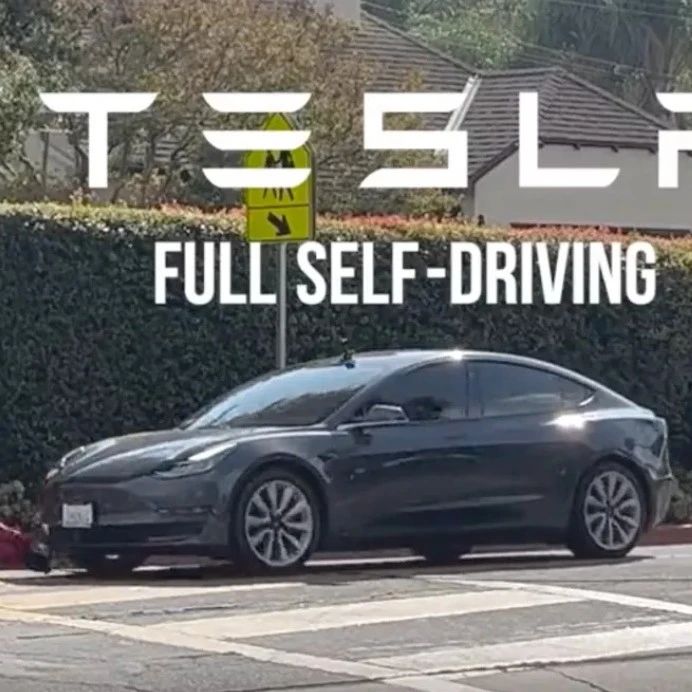
Core Viewpoint - The article discusses a legal case against Tesla regarding its Full Self-Driving (FSD) software, highlighting allegations of misleading marketing and the lack of necessary hardware for achieving promised autonomous driving capabilities [4][6][12]. Group 1: Legal Allegations - Tesla is accused of misleading customers about the capabilities of its FSD software, claiming it could achieve Level 4-5 autonomous driving without the required hardware [4][6]. - A federal judge has indicated that Tesla lacks the hardware to fulfill its promises and has not demonstrated long-distance autonomous driving with any vehicle [4][11]. - The lawsuit has been certified into two subclasses, one for customers who purchased FSD between October 2016 and May 2017, and another for those who opted out of Tesla's arbitration agreement [5][12]. Group 2: Marketing and Consumer Impact - Tesla's direct-to-consumer sales model complicates its defense, as customers are likely influenced by the company's marketing claims [8][11]. - The case could reshape how automakers market advanced driver-assistance systems, especially in light of increasing scrutiny from regulators [13][15]. - The lawsuit seeks to prevent Tesla from making similar claims in the future, which could have broader implications for the automotive industry [5][12]. Group 3: Financial and Market Implications - Following the announcement of the lawsuit, Tesla's stock price dropped, reflecting investor concerns about the potential financial liabilities stemming from the case [13][15]. - If the court finds Tesla intentionally exaggerated its FSD capabilities, the company could face billions in damages, impacting its profitability and consumer trust in the electric vehicle sector [13][19]. - The ongoing legal challenges come at a time when Tesla is also facing declining sales in key markets, further complicating its growth narrative [13][15]. Group 4: Regulatory Environment - The article notes that the legal landscape for autonomous driving is shifting, with increasing demands for accountability from manufacturers [18][19]. - A recent ruling in Florida has set a precedent for holding Tesla accountable for its marketing practices and the perceived safety of its autonomous systems [18][19]. - Regulatory bodies are likely to push for clearer standards regarding the marketing and functionality of autonomous driving systems, which could affect Tesla and its competitors [21][22].