文旅

Search documents
这座苏北三线城市,竟成了韩国人的「高尔夫天堂」
创业邦· 2025-11-20 04:01
Core Viewpoint - The article highlights the growing trend of South Korean golfers visiting Yancheng, China, due to the 30-day visa exemption policy, which has significantly boosted local tourism and the golf industry [6][20]. Group 1: South Korean Golf Tourism - Over 5 million South Koreans have engaged in golf, making it a popular sport in the country [6]. - Yancheng has become a favored destination for South Korean golfers, offering affordable golf experiences compared to Korea [8][11]. - The Yancheng airport has seen a 60% increase in the number of South Korean visitors this year, with nearly 80% of all inbound travelers being from Korea [16] [18]. Group 2: Economic Impact - Each South Korean golf tourist spends three times more than an average visitor, positively impacting local businesses such as hotels and restaurants [16]. - The Yancheng golf course has gained popularity, ranking first on South Korean social media platforms for golf course recommendations [10]. Group 3: Local Development Strategies - Yancheng's tourism department aims to leverage the influx of South Korean tourists to enhance the city's reputation in Korea and expand inbound tourism [20]. - The article suggests that other regions in China can learn from Yancheng's experience to develop their own sports tourism strategies, focusing on local attractions and unique offerings [22][23]. Group 4: Future Prospects - The article emphasizes the need for continuous investment in infrastructure and services to convert short-term tourism spikes into long-term economic benefits [25]. - The goal is to achieve a sports industry scale exceeding 7 trillion yuan by 2030, which requires a strategic approach to tourism and sports development [25].


这些城市,正在大赚老外的周末钱
21世纪经济报道· 2025-11-19 15:05
Core Insights - The number of foreign tourists entering China without a visa is significantly increasing, enhancing the international influence of Chinese cities and boosting tourism foreign exchange revenue [1] - The continuous growth of South Korean tourists is a highlight, with cities like Shanghai, Qingdao, and Zhangjiajie seeing an influx of visitors [1] - Kunming is also popular among South Asian and Southeast Asian tourists, nearing its 2024 annual visitor levels by the third quarter of 2025 [1] Group 1: Shanghai's Tourism Dynamics - Since the implementation of the visa-free policy for South Korean passport holders in November 2024, the number of South Korean tourists in Shanghai has surged, making them the largest source of overnight visitors in 2024 with over 446,000 arrivals [4] - By September 2025, the total number of South Korean tourists in Shanghai reached 619,800, marking a year-on-year increase of 121.09%, solidifying their position as the top inbound tourist group [5] - Factors contributing to this growth include the visa-free policy, low travel costs (approximately 700 RMB for a one-way ticket), and convenient transportation (2-hour flight) [5] Group 2: Qingdao's Challenges - Qingdao has historically attracted South Korean tourists, with 507,900 arrivals in 2019, but recent data shows a decline compared to Shanghai, with only 360,000 arrivals by November 2025 [5] - The city faces pressure to enhance its appeal and attract more South Korean tourists for weekend trips to capitalize on the "weekend economy" [5] Group 3: Kunming's Strategic Goals - Kunming aims to become the "first city for inbound consumption" from South Asia and Southeast Asia, with a focus on enhancing consumer experiences rather than just increasing visitor numbers [7][8] - The city has a strong foundation for attracting tourists from Thailand and Malaysia, with 554,700 and 226,000 visitors respectively in 2019 [8] - As of mid-2025, Kunming's inbound tourist numbers grew by 48.8%, with South Asian and Southeast Asian tourists making up over 60% of the total [9] Group 4: Future Prospects for Other Cities - Cities like Hangzhou and Chengdu are also positioning themselves to attract international tourists through events and improved services [12] - Hangzhou ranked 140th globally for international conferences, indicating its competitive edge in attracting visitors [12] - The overall trend suggests a significant potential for growth in foreign tourist numbers entering China via air travel, driven by expanded visa-free policies and increased international flight routes [13]

云浮谋变:一座广东“山城”的走红与转型
2 1 Shi Ji Jing Ji Bao Dao· 2025-11-19 10:50
Group 1: Economic Transformation - Yunfu has seen a significant increase in tourism, with over 700,000 visitors recorded by early November, largely due to the recent hockey event [1] - The city's economic output reached 130 billion yuan, marking a 4% year-on-year growth, positioning Yunfu among the top ten in growth rates within the province [1] - The local stone industry is transitioning from a focus on raw material sales to cultural branding, exemplified by the creation of the stone art IP "Qu Xiaobao" [1][3] Group 2: Stone Industry Development - Yunfu is recognized as one of China's three major stone material bases, with over 7,164 market entities and more than 200,000 employees in the stone industry [3] - The industry faces challenges such as low added value and homogeneous competition, necessitating a shift towards brand development and innovative marketing strategies [5][6] - The introduction of cultural and creative elements into the stone industry is seen as a pathway for growth, with recent recognition as a provincial-level characteristic industrial cluster [8][9] Group 3: Rural Revitalization and Modern Agriculture - The local coffee shop, established in a repurposed pigsty, has become a popular destination, generating daily revenues of up to 6,000 yuan [10][12] - The village has initiated various community-driven projects, including a children's restaurant and cultural centers, enhancing local employment and economic vitality [12][13] - Modern agriculture in Yunfu is adopting a "small but refined" approach, focusing on high-quality breeding and efficient livestock management, supported by significant research and development efforts [16]
百个项目筑引擎 山西寿阳全速赴“新”程
Yang Guang Wang· 2025-11-19 02:06
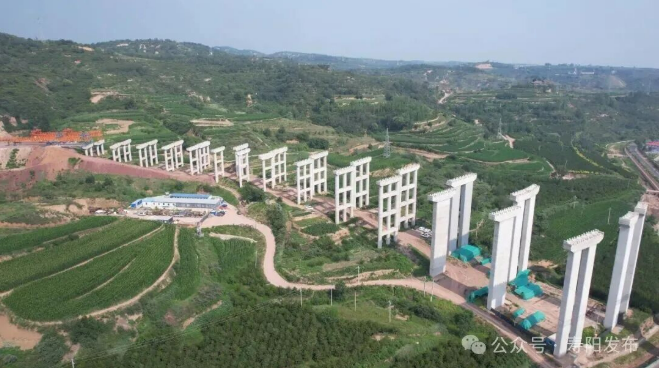
Core Insights - The article highlights the ambitious development plans of Shouyang County, aiming to implement 146 key projects by 2025 with a total investment of 46 billion yuan and an annual planned investment of 12.326 billion yuan [1] - Shouyang County has achieved significant economic growth, with key projects driving fixed asset investment (FAI) growth, maintaining the highest total and growth rate in the city [1][3] - The "Double Hundred Project" initiative is central to Shouyang's strategy for high-quality development, focusing on major engineering projects and distinctive actions to enhance economic and social development [1][12] Investment and Economic Growth - From January to September, Shouyang County's FAI reached 6.26 billion yuan, with a growth rate of 31.6%, consistently outperforming the city average for 29 months [4] - The county has initiated 97 projects, a 33% increase from the previous year, with major projects accounting for 75.1% of total investment [4] - The county secured 706 million yuan in funding from higher authorities, marking a 325.3% year-on-year increase, which injects strong momentum into the economy [4] Industrial Development - Shouyang County is focusing on establishing a modern industrial system through the "Hundred Projects" initiative, integrating agriculture, industry, and services [5] - The county has invested 1.82 billion yuan in a national modern agricultural industrial park, establishing corn as the primary industry, with a total output value exceeding 7 billion yuan [5] - Industrial transformation is supported by 28 projects with a total investment of 19.9 billion yuan, enhancing the economic development landscape [6] Infrastructure and Public Services - Shouyang County has invested 5.53 billion yuan in 73 public welfare projects over the past four years, with public welfare spending accounting for over 80% of the general public budget [9][11] - New infrastructure projects include hospitals, schools, and improved water supply systems, significantly enhancing living conditions and public services [11] - The county's urban infrastructure improvements have led to a 3% increase in forest coverage and a 10% increase in village-level 5G network coverage [11] Future Outlook - The "Double Hundred Project" is expected to continue driving economic transformation and improving living standards, contributing to Shouyang's high-quality development [12]
四川出台促进服务消费“十九条” 让百姓的日子更“活色生香”
Si Chuan Ri Bao· 2025-11-19 02:01
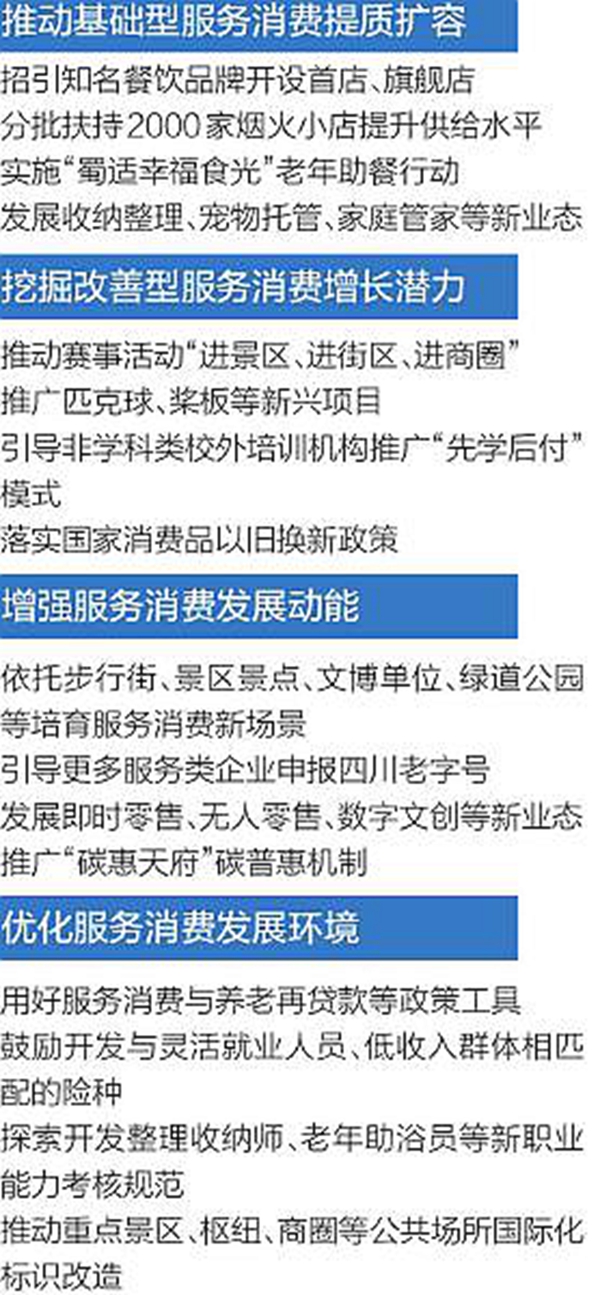
Group 1 - The core viewpoint of the news is the implementation of a comprehensive plan to enhance service consumption quality and expand its capacity in Sichuan Province, focusing on various sectors including dining, elderly care, and cultural tourism [2][3][4] - The plan includes nurturing 2,000 distinctive local shops to improve urban liveliness and convenience, alongside initiatives to enhance community elderly care services and develop new home service industries [4][5] - The strategy aims to tap into the growth potential of improved service consumption by promoting sports events and outdoor activities, as well as enhancing non-academic training services [4][6] Group 2 - The plan outlines 19 measures across four main areas: improving basic service consumption, exploring growth potential in improved service consumption, enhancing development momentum for service consumption, and optimizing the consumption environment [3][4] - New service consumption scenarios and business models will be developed, leveraging commercial complexes, pedestrian streets, and cultural sites to create unique and international service experiences [5][6] - Financial support will be strengthened for key service consumption sectors and the elderly care industry through various policy tools, aiming to meet diverse consumer needs and stimulate economic growth [6]
北京将迎来又一利好!
清华金融评论· 2025-11-19 01:30
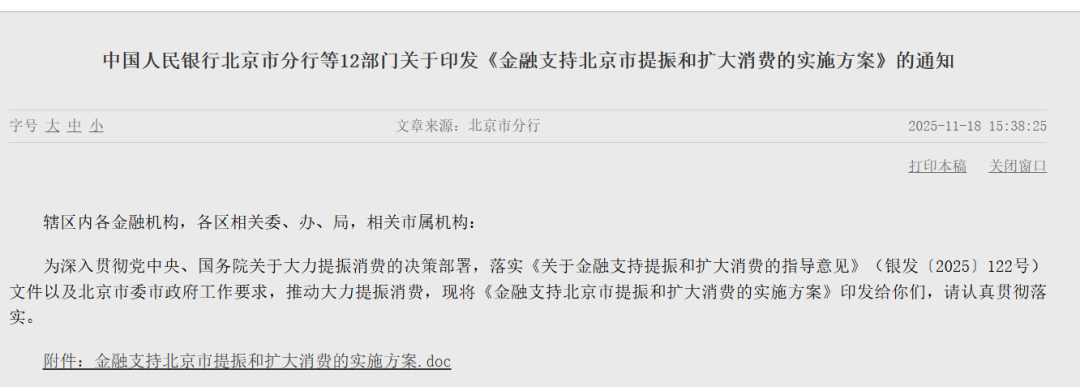
Core Viewpoint - The article outlines a comprehensive plan by the People's Bank of China and 12 other departments to enhance financial support for consumption in Beijing, aiming for significant improvements in financial services by 2030, particularly in sectors like accommodation, dining, cultural tourism, education, and elder care [5][6]. Summary by Sections Overall Goals - The plan aims to elevate the financial service level in Beijing's consumption sector by 2030, focusing on increasing loan balances and credit support in key areas such as accommodation, dining, cultural tourism, education, and elder care [6]. Key Areas of Financial Support - **Consumer Credit Support**: Emphasis on increasing auto loans, optimizing financial products for various purchasing scenarios, and promoting green consumption through financial incentives [7]. - **Cultural and Sports Consumption**: Financial institutions are encouraged to innovate financing models and increase credit for cultural and sports events, leveraging Beijing's status as a cultural center [8]. - **Accommodation and Dining Services**: Support for creating unique dining and cultural experiences, with financial incentives for businesses to enhance consumer engagement [9]. - **Elder Care and Domestic Services**: Financial institutions are urged to collaborate with service providers to offer tailored financial services for domestic workers and elder care facilities [9]. - **Infrastructure and Trade Systems**: Financial support for upgrading commercial infrastructure and optimizing loan conditions for businesses in the consumption sector [10]. Supporting Consumer Demand - **Employment and Income Support**: Initiatives to lower financing costs for small and micro enterprises, enhancing their capacity to create jobs [10]. - **Services for the Elderly**: Financial institutions are encouraged to develop services tailored to the elderly population, including payment solutions and dedicated financial products [11]. - **Foreign Consumer Services**: Enhancements in payment services for foreign visitors, including expanding the use of foreign cards and optimizing payment processes [11]. Enhancing Financial Institution Services - **Credit Support**: Financial institutions are urged to provide differentiated and convenient financial services, focusing on the consumption sector's diverse needs [12]. - **Bond Market Financing**: Encouragement for companies in cultural, tourism, and education sectors to issue bonds to raise funds [12]. - **Equity Financing**: Support for quality enterprises in the consumption industry to raise funds through equity markets [12]. Policy Coordination - **Monetary Policy**: Implementation of supportive monetary policies to encourage lending in key consumption sectors [13]. - **Fiscal Policy**: Introduction of interest subsidy policies to lower financing costs for consumers and service providers [14]. - **Insurance System**: Development of insurance products tailored to the needs of the elderly and low-income groups [14]. Financial Environment Optimization - **Payment Environment**: Initiatives to enhance the payment experience for consumers, including the promotion of digital currency [15]. - **Consumer Rights Protection**: Establishment of mechanisms to protect consumer rights and enhance financial literacy [16]. Organizational Support - **Coordination and Evaluation**: Strengthening collaboration among financial departments and relevant authorities to ensure effective implementation of the plan [17]. - **Experience Sharing**: Financial institutions are encouraged to share best practices and promote awareness of financial support policies [17].

释放数据要素价值 让数字红利更好惠及发展
Si Chuan Ri Bao· 2025-11-18 23:21
"以就业为例,传统的就业监测面临监测样本与采集手段滞后、动态预警与前瞻研判能力薄弱等难 点。"四川省人力资源和社会保障信息中心数据部部长罗婷婷介绍,如今借助就业大数据平台,不 仅可以精准捕捉灵活就业、平台用工等新业态群体就业信息,也能实时追踪就业岗位变动、人员 流动等情况。 让数据为具体业务赋能 □四川日报全媒体记者 尹梦奇 11月18日,中国联通数据要素赋能四川数字经济成果发布会上,来自全国数字经济领域的行业专 家、企业高层齐聚一堂,探讨如何让数字红利更好惠及经济运行和产业转型。 经济监测调度可"指尖轻点知全局" 数据是数字经济时代的"石油"。而要让数据要素"供得出、流得动、用得好",最终实现赋能数字 经济高质量发展,则事关数据基础设施这一关键"底座"。 "数据基础设施要解决的是流通和安全的问题。"成都数据集团董事长邓建平介绍,例如,成都市 城市可信数据空间在"管住一级、放活二级"的数据资源开发利用模式基础上,构建开放的可信数 据资源体系,支撑安全合规高效地开展公共数据原始数据供给。 要发挥好数据要素的乘数效应,也离不开场景需求牵引。如今,打造高质量的示范应用场景,已 成为四川促进数据资源有序开发利用的"催 ...

西安:“暖经济”点燃冬日消费新热潮
Sou Hu Cai Jing· 2025-11-18 17:38
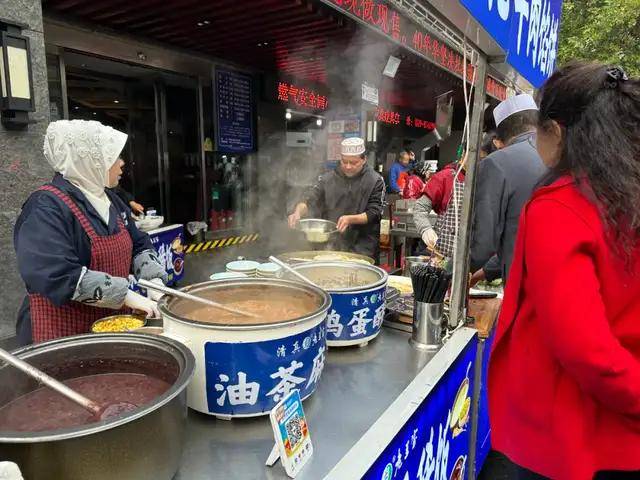
Core Viewpoint - The "warm economy" in Xi'an is thriving as temperatures drop, influencing various sectors from food to home appliances and experiential consumption [1][5][10] Group 1: Food and Beverage Sector - Traditional hot foods and new-style hot drinks are gaining popularity, with significant increases in customer traffic at local eateries [3][5] - Data from Meituan shows that the search volume for "hot pot" and "shabu-shabu" in Xi'an has surged by 438.6% and 322.4% respectively compared to the same period last year [5] - Sales of hot pot-related dishes have increased by 360.99%, while shabu-shabu dishes have seen a rise of 423.82% year-on-year [5] Group 2: Home Appliances - Energy-efficient heating appliances, such as electric heaters and smart electric blankets, are becoming popular, supported by government subsidies [7][9] - The sales of home warming products, including plush bedding and hand warmers, have seen a notable increase in recent weeks [7] Group 3: Experiential Consumption - The demand for wellness experiences, such as hot spring hotels, has risen, with a 32% increase in searches for these accommodations in Xi'an [10] - The trend indicates a shift from basic heating needs to emotional and experiential satisfaction, reflecting a broader consumer preference for comfort and social experiences [10][12] - The growth in experiential consumption is expected to be sustained as consumers continue to seek emotional comfort and spiritual fulfillment [12] Group 4: Policy Support - The Xi'an Municipal Bureau of Commerce has implemented a subsidy program for green appliances, enhancing consumer enthusiasm for energy-efficient products [9] - This policy allows consumers to receive discounts of up to 15% or a maximum of 2000 yuan on eligible purchases, stimulating the market for energy-saving home appliances [9]
603843,三度停牌核查!其间26个涨停!
证券时报· 2025-11-18 13:34
Core Viewpoint - *ST Zhengping's stock has experienced a significant increase of 221.93% from September 1, 2025, to November 18, 2025, leading to a serious deviation from its fundamentals and the overall market performance [2][4]. Group 1: Stock Performance and Trading Suspensions - The company announced a trading suspension starting November 19, 2025, due to abnormal stock trading activities, with an expected suspension period of no more than 10 trading days [4]. - The stock has hit the daily limit up for five consecutive trading days following its previous resumption, indicating potential irrational market behavior [4]. - The company has undergone multiple trading suspensions and reviews due to significant stock price fluctuations, raising concerns about market sentiment and speculative trading [4]. Group 2: Financial Performance and Risks - In 2024, the company reported a revenue of 1.362 billion and a net loss of 484 million, with a further loss of 99 million reported in the first three quarters of 2025 [5]. - The company faces a risk of delisting due to an inability to provide a clear audit opinion for its 2024 annual report and ongoing financial losses [5]. - The company has a high debt ratio of 92.49%, indicating significant financial strain and limited capacity for future investments [6]. Group 3: Business Operations and Future Prospects - *ST Zhengping is involved in infrastructure construction, cultural tourism, and non-ferrous metal mining, with efforts to expand into new energy and intelligent computing services [5]. - The company has obtained mining permits but faces challenges in resource extraction due to insufficient operational capacity and funding [6]. - The future development of mining resources is uncertain due to various factors, including funding limitations and market conditions [6].

刚刚!利好,来了!
Zhong Guo Ji Jin Bao· 2025-11-18 11:23
Core Viewpoint - The People's Bank of China and 12 other departments have issued a plan to enhance and expand consumption in Beijing, aiming to improve financial services in various sectors by 2030, thereby supporting the city's development as an international consumption center [2][18]. Group 1: Overall Goals - The plan aims to enhance financial service levels in Beijing's consumption sector by 2030, focusing on increasing loan balances and credit support in areas such as accommodation, dining, cultural tourism, education, and elder care [4][18]. Group 2: Financial Support for Key Areas - Increased credit support for consumer goods, particularly in automotive loans, with incentives for new energy vehicles and reduced penalties for early loan settlements [5][19]. - Promotion of cultural tourism and sports consumption by leveraging Beijing's status as a "Double Olympic City," encouraging financial institutions to innovate financing models [7][19]. - Expansion of financial services in the accommodation and dining sectors, supporting the development of local brands and themed consumption districts [8][20]. - Support for the growth of domestic services such as housekeeping and elder care, including innovative financial solutions for service providers [9][20]. - Encouragement of infrastructure development and trade circulation systems to enhance consumption [10][21]. Group 3: Support for Employment and Specific Demographics - Continued support for small and micro enterprises through interest subsidies on initial loans, aimed at boosting employment [11][22]. - Optimization of financial services for the elderly, including the issuance of dedicated cards to facilitate their consumption [12][22]. - Improvement of consumption services for foreign visitors, focusing on payment service enhancements in key areas [13][22]. Group 4: Enhancing Financial Institution Services - Financial institutions are encouraged to provide differentiated and convenient services to meet diverse consumer needs, including collaboration with e-commerce platforms [14][23]. - Increased support for bond market financing for cultural, tourism, and educational enterprises, promoting quality upgrades in consumer products [15][24]. - Development of equity financing options for quality enterprises in the consumption industry through various market mechanisms [16][24]. Group 5: Policy Coordination and Consumer Environment - Strengthening the role of monetary policy to encourage financial institutions to increase credit in key consumption sectors [25][26]. - Implementation of fiscal policies to reduce consumer credit costs and support small businesses [26][27]. - Enhancing the payment environment to stimulate consumption, including promoting digital currency initiatives [27][28]. Group 6: Organizational Support - Emphasis on coordination among financial departments and relevant authorities to ensure effective implementation of the consumption support plan [28][29]. - Financial institutions are urged to promote policies and products related to consumption support to ensure widespread access to financial services [28][29].