集成电路

Search documents
振华风光(688439.SH):已形成抗辐照高可靠放大器、精密仪表放大器、辐照级R/D转换器等近20款产品
Ge Long Hui· 2025-12-10 07:45
格隆汇12月10日丨振华风光(688439.SH)在投资者互动平台表示,公司在民用航天领域的布局主要依托 高可靠集成电路技术优势,聚焦信号链及电源管理器等系列产品的研发与应用。公司已形成抗辐照高可 靠放大器、精密仪表放大器、辐照级R/D转换器等近20款产品,抗辐照总剂量提升至100krad(Si)以上, 其中多款产品入选商业卫星选用目录并形成订单。核心产品涵盖放大器、专用转换器、系统集成封装电 路及抗辐照器件等完整谱系,部分产品已通过用户验证并应用。未来,随着商业航天战略推进及商业卫 星组网需求增长,公司将持续深化在商业航天、低轨卫星等领域的研发与客户拓展。 ...

昱镁科技(东莞)有限公司成立 注册资本50万人民币
Sou Hu Cai Jing· 2025-12-10 06:47
Core Viewpoint - Recently, Yumei Technology (Dongguan) Co., Ltd. was established with a registered capital of 500,000 RMB, focusing on various sectors including integrated circuit design and new materials technology [1] Group 1: Company Overview - Yumei Technology (Dongguan) Co., Ltd. has a registered capital of 500,000 RMB [1] - The company operates in multiple areas such as integrated circuit design, new materials technology research and promotion, and hardware product development [1] Group 2: Business Scope - The business scope includes integrated circuit design, new materials technology research, hardware product manufacturing and retail, and sales of high-performance non-ferrous metals and alloys [1] - Additional activities involve metal material sales, manufacturing, casting, and processing of non-ferrous metals and alloys [1] - The company is also engaged in the research and sales of surface functional materials, metal tools manufacturing, and mechanical equipment development and sales [1]
11月CPI同比升至20个月新高,发生了什么
第一财经· 2025-12-10 04:01
Core Viewpoint - The article discusses the latest Consumer Price Index (CPI) and Producer Price Index (PPI) data released by the National Bureau of Statistics, highlighting a recovery in consumer spending and the impact of various factors on price changes in November 2024 [3]. Group 1: CPI Analysis - In November, the CPI increased by 0.7% year-on-year, the highest since March 2024, driven primarily by a turnaround in food prices, which shifted from a 2.9% decline to a 0.2% increase [3]. - Fresh vegetable prices saw a significant change, rising by 14.5% year-on-year after nine consecutive months of decline, contributing approximately 0.49 percentage points to the CPI [3]. - Core CPI, excluding food and energy, rose by 1.2% year-on-year, maintaining a growth rate above 1% for three consecutive months, with notable increases in household appliances and clothing prices [6]. Group 2: PPI Analysis - The PPI increased by 0.1% month-on-month in November, marking the second consecutive month of growth, influenced by seasonal demand increases in certain domestic industries [8]. - Year-on-year, the PPI decreased by 2.2%, with the decline rate widening by 0.1 percentage points compared to the previous month, primarily due to high comparison bases from the previous year [9]. - Prices in key industries such as coal mining and photovoltaic equipment manufacturing showed a narrowing of year-on-year decline rates, indicating improvements in market competition and production capacity management [9]. Group 3: Future Outlook - The article suggests that the CPI is likely to continue rising in the coming months due to low comparison bases and effective consumption promotion policies, with a projected central inflation level of around 0.7% for the fourth quarter [10]. - The PPI is expected to show positive changes that could benefit business operations and economic circulation, emphasizing the need for continued expansion of domestic demand and effective investment [10].

贸易顺差首超万亿美元 中国外贸韧性源自哪
Sou Hu Cai Jing· 2025-12-10 02:37
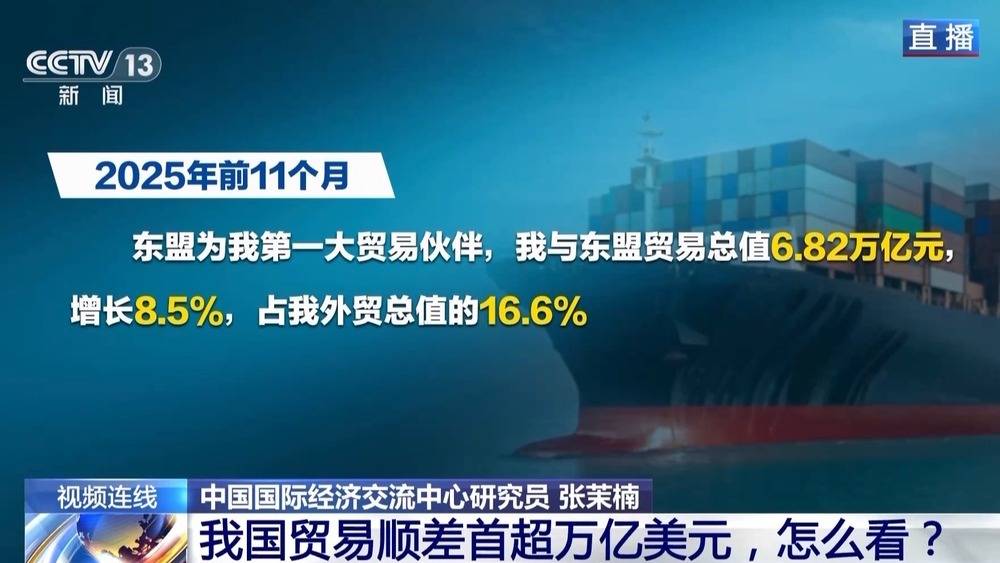
Core Insights - China's trade surplus has exceeded $1 trillion for the first time in the first 11 months of the year, with private enterprises accounting for 57.1% of the total foreign trade value [1] Group 1: Trade Resilience - China's position as the largest trading and manufacturing nation globally is a key factor in its trade resilience, supported by a comprehensive industrial structure and supply chain [2][4] - The diversification of trade, particularly with emerging markets, has contributed significantly to trade growth, with notable increases in trade with ASEAN and the EU [2][4] Group 2: Trade Structure Optimization - The trade structure is continuously optimizing, moving towards high-end industrial chains, with industrial products like integrated circuits, machinery, and automobiles being the main drivers of trade growth [4] - Despite a decline in exports to the U.S., China's overall trade surplus has increased, indicating a strengthening of trade relationships with other countries [5] Group 3: China-EU Trade Dynamics - There has been a significant shift in the trade structure between China and the EU, with a 14.8% increase in exports to the EU in November, and a projected trade deficit for the EU with China exceeding €350 billion [6] - The similarity in the top traded products between China and the EU suggests a shift from vertical to horizontal division of labor, which may lead to increased trade tensions [6] Group 4: Future Trade Strategies - China aims to balance trade relations with the EU by increasing imports of services and agricultural products, as well as enhancing investments in the EU [7] - Future macroeconomic adjustments will focus on counter-cyclical and cross-cyclical measures, utilizing structural policy tools for more precise market support [8]
上海前10月经济指标呈现韧性定力
Sou Hu Cai Jing· 2025-12-10 01:52
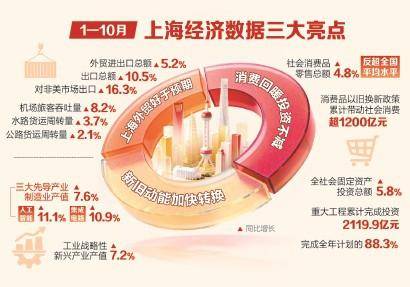
Core Viewpoint - Shanghai's economy demonstrates strong resilience amid complex external conditions, achieving a notable GDP growth of 5.5% in the first three quarters of the year [2]. Group 1: Trade and Transportation - Shanghai's foreign trade performance has exceeded expectations, with total import and export volume increasing by 5.2% year-on-year from January to October, and exports rising by 10.5%, particularly with a 16.3% increase in exports to non-US markets, showcasing the competitive edge of Chinese and Shanghai enterprises [3]. - Passenger throughput at airports has seen a significant increase of 8.2% during the same period, while waterway and road freight turnover grew by 3.7% and 2.1%, respectively [3]. - The financial sector also showed positive trends, with major financial markets in Shanghai recording a total transaction volume of 29.678 trillion yuan, a year-on-year increase of 12.7% [3]. Group 2: Economic Structure and Growth Drivers - The structural transformation of Shanghai's economy is accelerating, with the output of the three leading industries in manufacturing growing by 7.6% from January to October, including integrated circuits and artificial intelligence, which grew by 10.9% and 11.1%, respectively [5]. - The output of strategic emerging industries in the industrial sector increased by 7.2%, indicating the continuous strengthening of new productive forces [5][6]. Group 3: Consumer and Investment Trends - The total retail sales of consumer goods in Shanghai increased by 4.8% year-on-year, surpassing the national average for the first time, with the "old for new" consumption policy driving over 120 billion yuan in social consumption [8]. - Fixed asset investment in Shanghai grew by 5.8% year-on-year, with significant projects completing investments of 211.99 billion yuan, achieving 88.3% of the annual target [8]. - Urban renewal projects are accelerating, with the completion of various housing renovations and the initiation of 25 "urban village" transformation projects [8].
国家统计局解读:11月居民消费持续恢复 CPI同比涨幅扩大 核心CPI继续上涨
智通财经网· 2025-12-10 01:51
——国家统计局城市司首席统计师董莉娟解读2025年11月份CPI和PPI数据 智通财经APP获悉,12月10日,国家统计局城市司首席统计师董莉娟解读2025年11月份CPI和PPI数据。 11月份,居民消费持续恢复,居民消费价格指数(CPI)环比略降0.1%,同比上涨0.7%,扣除食品和能源 价格的核心CPI同比上涨1.2%。受国内部分行业供需结构优化、国际大宗商品价格传导等因素影响,工 业生产者出厂价格指数(PPI)环比上涨0.1%,同比下降2.2%。董莉表示,CPI同比涨幅扩大主要是食品价 格由降转涨拉动,CPI环比下降主要受服务价格季节性下降影响。本月PPI环比运行的主要特点:一是国 内部分行业需求季节性增加带动其价格上涨。二是输入性因素影响国内有色金属和石油相关行业价格走 势分化。PPI同比下降主要受上年同期对比基数走高影响。 原文如下: 2025年11月份CPI同比涨幅扩大 核心CPI继续上涨 11月份,居民消费持续恢复,居民消费价格指数(CPI)环比略降0.1%,同比上涨0.7%,扣除食品和能源 价格的核心CPI同比上涨1.2%。受国内部分行业供需结构优化、国际大宗商品价格传导等因素影响,工 业生 ...
高质量发展积极因素正在增多 承压之下结构更优后劲更足 上海前10月经济指标呈现韧性定力
Jie Fang Ri Bao· 2025-12-10 01:28
Core Viewpoint - Shanghai's economy demonstrates strong resilience with a GDP growth of 5.5% in the first three quarters of the year, despite external pressures and a high growth base from the previous year [1] Group 1: Trade and Transportation - Shanghai's foreign trade performed better than expected, with total imports and exports increasing by 5.2% year-on-year from January to October, and exports rising by 10.5%, particularly to non-US markets which grew by 16.3% [2] - Airport passenger throughput increased by 8.2% due to holiday travel, while waterway and road freight turnover grew by 3.7% and 2.1% respectively [2] - The financial sector saw a total transaction volume of 29.678 trillion yuan in major financial markets, a year-on-year increase of 12.7%, with the issuance of technology innovation bonds exceeding 1 trillion yuan [2] Group 2: Economic Structure and Growth Drivers - The economic structure in Shanghai is transforming, with the three leading industries showing a manufacturing output growth of 7.6%, and specific sectors like integrated circuits and artificial intelligence growing by 10.9% and 11.1% respectively [4] - The strategic emerging industries in the industrial sector also saw a production value increase of 7.2%, indicating the growth of new productive forces [4][5] Group 3: Consumer and Investment Trends - Social retail sales in Shanghai increased by 4.8% year-on-year from January to October, surpassing the national average for the first time, with the "old for new" consumption policy driving over 120 billion yuan in social consumption [6] - Fixed asset investment in Shanghai grew by 5.8% year-on-year, with significant projects completing investments of 211.99 billion yuan, achieving 88.3% of the annual target [6] - Urban renewal projects are accelerating, with the completion of various housing renovations and the initiation of 25 "urban village" transformation projects [6] Group 4: Employment and Future Outlook - Employment remains stable, prices are generally steady, and the income gap between urban and rural residents is narrowing [7] - Despite ongoing external pressures and internal structural adjustments, Shanghai aims to maintain strategic focus on high-quality development and seize new opportunities for future growth [7]
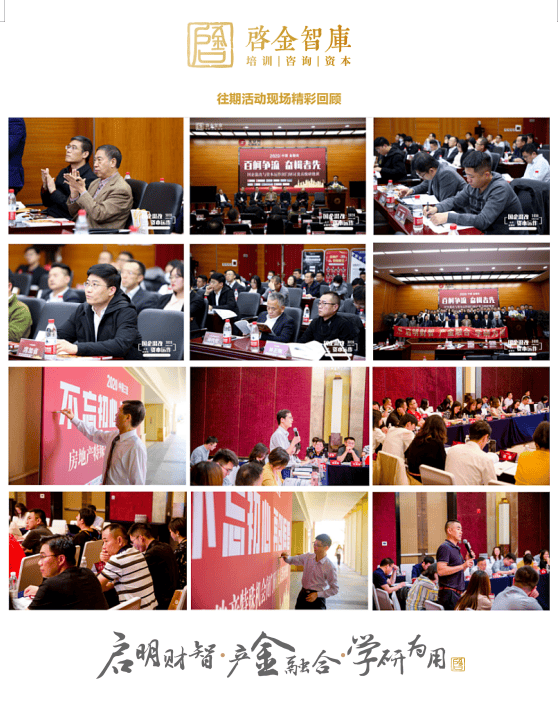
上市公司收并购、控制权交易、并购基金的最新交易设计实操和典型案例分析专题培训
Sou Hu Cai Jing· 2025-12-10 01:00
邀请函 上市公司并购、控制权交易、并购基金的最新交易设计实操和典型案例分析专题培训 2025年12月20-21日【上海】 并购重组是上市公司实现市值管理的重要举措之一,自2024.9.24并购六条以来已经一年多,系列配套政 策利好不断、新质生产力领域成为并购热点、国资参与进入快车道、交易数量金额持续增长、并购路径 日益多元化、创新方案频出、私募基金模式灵活创新。 当然也有很多中止、否决、停滞不前案例,对于上市公司并购的资金需求大、多方决策博弈、胜券率 高、交易模式多样、交易设计复杂、前中后周期长,离不开对最新政策监管了解、尽调谈判决策、产业 形势研判、交易方案设计、估值定价调整、财税法律风控、配套融资匹配、市值管理、国资特别关注、 私募基金参与模式热点、并购后整合管控等专业知识和最新实操的深入理解和熟练运用。 在此背景下,产融公会&启金智库 将于 2025年12月20-21日(周六/日)在 上海 举办 《上市公司并购、 控制权交易、并购基金的最新交易设计实操和典型案例分析专题培训》,本次是2025年上市公司并购重 组重整专题第10期,2024年已举办了6期,本期特邀4位行业实战派资深主讲嘉宾,深入分享最新经验 ...
(一到四)研发费用加计扣除政策要点
蓝色柳林财税室· 2025-12-10 00:47
欢迎扫描下方二维码关注: 企业开展研发活动中实际发生的研发 费用,未形成无形资产计入当期损益的, 在按规定据实扣除的基础上,再按照实际 发生额的100%在税前加计扣除;形成无形 资产的。按照无形资产成本的200%在税前 摊销。 作为投资或者受让的无形资产有关法律 规定或者合同约定了使用年限的,可以按照 法律规定或者合同约定的使用年限分期摊销。 集成电路企业和工业母机企业 开展研发活动中实际发生的研发费用, 未形成无形资产计入当期损益的,在按规 定据实扣除的基础上,在2023年1月1日至 2027年12月31日期间,再按照实际发生额 的120%在税前扣除;形成无形资产的,在 上述期间按照无形资产成本的220%在税前 8 CHITE 2 委托、合作、集中研发费用的加计扣除: (1) 企业委托境内的外部机构或 个人进行研发活动发生的费用 按照费用实际发生额的80%计入委托方研发费用 并按规定计算加计扣除; 委托境外 (不包括境外个人) 进行研发活动所发生的费用,按照费用实际 发生额的80%计入委托方的委托境外研发费 用。委托境外研发费用不超过境内符合条件 的研发费用三分之二的部分,可按规定在企 业所得税前加计扣除。 ...

大国五年丨山海协同陆海联动,绘就万里山河新画卷
Xin Hua She· 2025-12-10 00:46
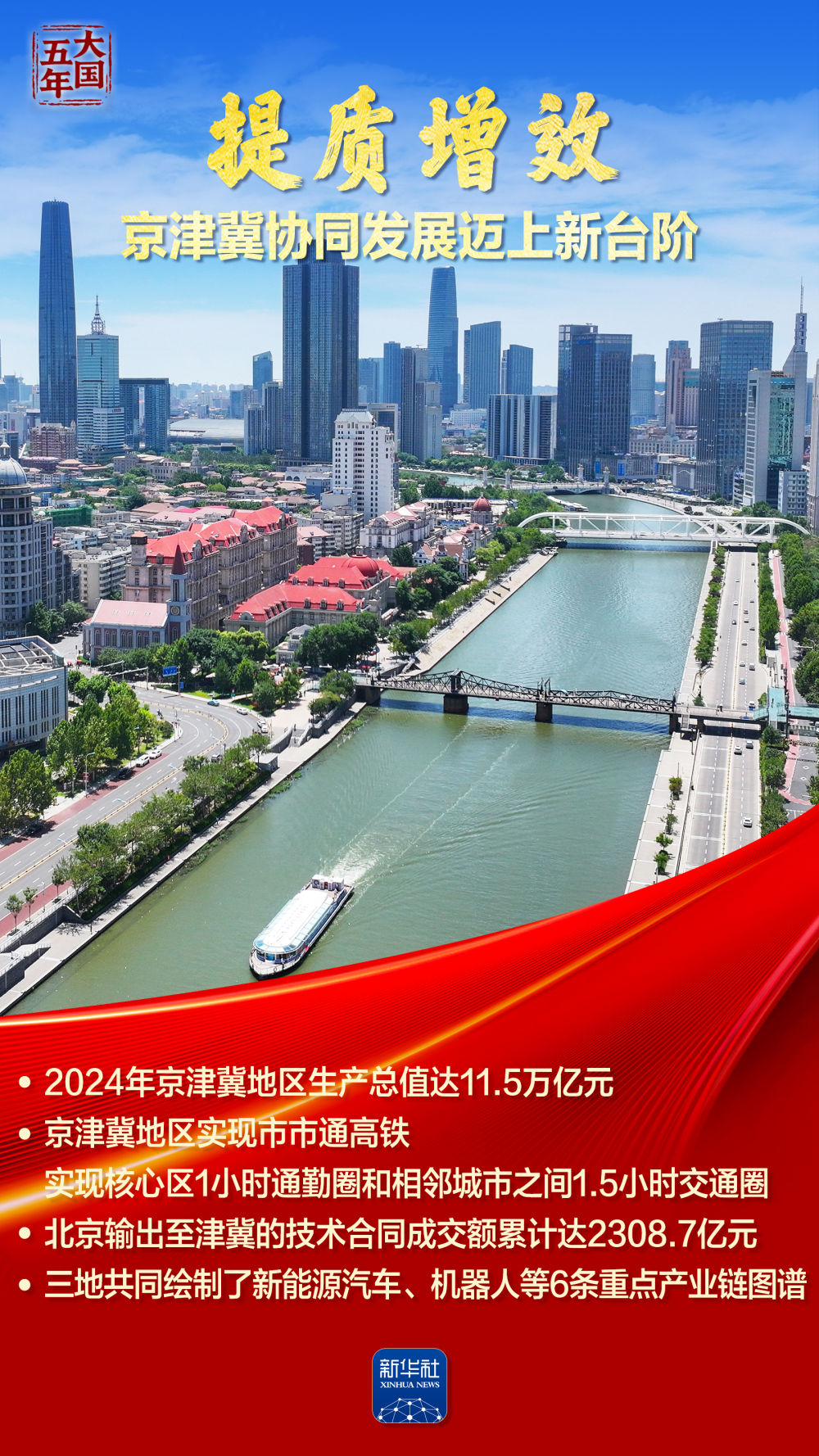
Group 1: Economic Development and Regional Coordination - The economic output of the Beijing-Tianjin-Hebei, Yangtze River Delta, and Guangdong-Hong Kong-Macao Greater Bay Area is expected to exceed 40% of the national total by 2024 [1] - The Northeast region's grain production accounted for 25.3% of the national total last year, indicating a strong strategic support for the region [12] - The "West-East Power Transmission" capacity has surpassed 300 million kilowatts, while the computing power of the "East Data West Calculation" eight major hub nodes accounts for approximately 70% of the national total [16] Group 2: Industry and Innovation - The Yangtze River Delta has a research and development expenditure accounting for 3.34% of its GDP, exceeding the national average by nearly 0.7 percentage points [7] - The economic total of the Guangdong-Hong Kong-Macao Greater Bay Area has surpassed 14 trillion yuan, with the "Shenzhen-Hong Kong-Macao" innovation cluster ranking first globally [8] - The Northeast region is focusing on developing modern agriculture and constructing a modern industrial system with distinctive advantages [12] Group 3: Infrastructure and Connectivity - The Beijing-Tianjin-Hebei region has achieved high-speed rail connectivity between all cities, creating a one-hour commuting circle in the core area and a 1.5-hour transportation circle between neighboring cities [4] - The high-speed rail mileage in the Greater Bay Area exceeds 3,000 kilometers, making the one-hour living circle a reality [10] - Over 60% of the national expressway main lines and high-speed rail main corridors pass through the central region, accelerating the construction of major transportation hubs [14]