航空

Search documents
中国宏观周报(2026年2月第4周):部分工业品生产恢复-20260302
Ping An Securities· 2026-03-02 03:46
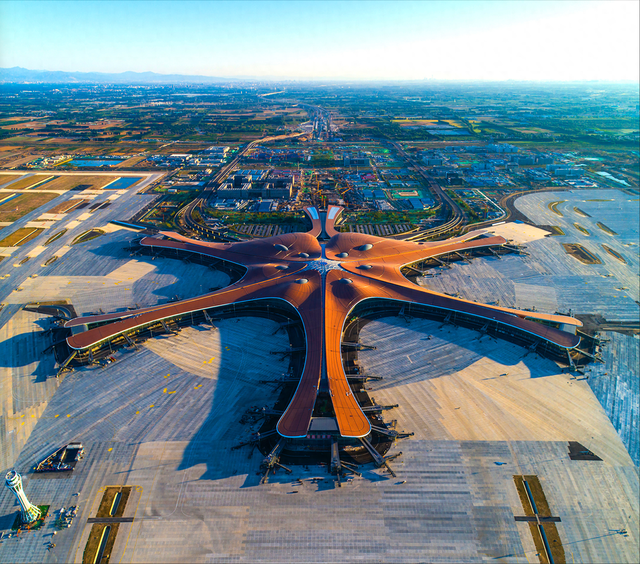
Industrial Sector - After the Spring Festival, daily average pig iron production and float glass operating rates have increased, indicating a recovery in industrial production[2] - Cement clinker capacity utilization rate has decreased, while asphalt operating rates have also shown a decline[2] - The operating rate of polyester in the textile sector has improved, while weaving industry rates have seasonally weakened[2] Real Estate - New home sales in 30 major cities have seen a year-on-year decline of 24.6%, but this is an improvement of 2.1 percentage points compared to December 2025[2] - The second-hand housing listing price index has increased by 0.11% week-on-week as of February 16[2] Domestic Demand - Retail sales of home appliances have decreased by 12.3% year-on-year, but this represents a 10.1 percentage point improvement from previous values[2] - Domestic flight operations have increased by 17.8% year-on-year, with a growth rate improvement of 10.8 percentage points compared to the previous week[2] - National retail and catering sales during the Spring Festival have grown by 5.2% year-on-year, surpassing the 4.1% growth during the 2025 Spring Festival[2] External Demand - Port cargo throughput has increased by 15.1% year-on-year, with container throughput rising by 19.3%[2] - Exports to South Korea and Japan have grown by 23.5% year-on-year, with a significant acceleration of 25.8 percentage points compared to the previous month[2] Prices - The Nanhua Industrial Price Index has risen by 2.5%, with the non-ferrous metals index increasing by 4.5%[2] - The agricultural product wholesale price index has decreased by 3.1% week-on-week, reflecting seasonal declines[2]
特朗普没有“速战速决”!全球市场直面“伊朗冲击”,焦点是“持续时间”
华尔街见闻· 2026-03-02 02:27
Core Viewpoint - The ongoing military conflict involving the U.S. and Israel against Iran has escalated, with significant implications for global oil prices and market dynamics, particularly in the context of the Strait of Hormuz and energy supply disruptions [1][5][10]. Group 1: Military Conflict and Market Impact - President Trump's recent statements indicate a commitment to continue military actions against Iran until all objectives are met, suggesting a prolonged conflict [1]. - Goldman Sachs warns that the duration of the conflict has become a critical variable influencing oil, gold, and U.S. stock market trends, replacing the initial outbreak of hostilities as the primary concern [5][10]. - The potential for a significant increase in oil prices (10%-15%) is anticipated if markets reopen, with Brent crude possibly exceeding $80 per barrel [3]. Group 2: Strait of Hormuz and Oil Supply - The Strait of Hormuz, a vital passage for approximately 20% of global oil transport, has not been physically closed, but shipping volumes have significantly decreased due to market fears and self-imposed pauses [2][4]. - Current shipping disruptions are attributed to insurance companies withdrawing coverage and industry pauses in response to U.S. Navy requests, rather than direct actions from Iran or military strikes on oil infrastructure [2][4]. Group 3: Economic and Inflation Concerns - Goldman Sachs highlights the risk of a return to the "2022 energy shock scenario," which could lead to persistent inflationary pressures and complicate monetary policy for central banks [6][9]. - The current macroeconomic environment shows structural changes in inflation dynamics, with high fiscal spending and AI investment contributing to elevated inflation expectations [7][8]. Group 4: Asset Class Implications - For commodities, Goldman Sachs suggests that if commodity price increases become sustainable, the market will shift from a simple risk-hedging approach to a more complex interplay of inflation, growth, and distribution factors [12][13]. - In the equity market, the outlook is predominantly negative, with significant impacts expected only from severe and prolonged oil supply disruptions [14]. - The foreign exchange market may favor the U.S. dollar and Japanese yen as preferred safe-haven assets amid rising oil prices and supply shocks [16].


聚焦:美伊冲突推升航运资产风险溢价,快递反内卷延续:交通运输行业周报(20260223-20260301)
Huachuang Securities· 2026-03-01 13:30
Investment Rating - The report maintains a "Buy" recommendation for the shipping sector and highlights the ongoing positive sentiment in the oil shipping market [2][42]. Core Insights - The escalation of the US-Iran conflict has increased the risk premium for shipping assets, particularly affecting oil transportation through the Strait of Hormuz, which is crucial for global energy and shipping markets [1][10]. - The VLCC spot rates have surged to $200,000 per day, with significant weekly increases across various routes, indicating a strong upward trend in shipping rates [2][26]. - The express delivery sector is experiencing a recovery in volume growth, with major players like Zhongtong and Yuantong outperforming the market [3][43]. Summary by Sections Oil Shipping - The US-Iran conflict has heightened attention on the Strait of Hormuz, through which approximately 11% of global maritime trade passes, including 34% of oil exports [1][11]. - VLCC spot rates have increased significantly, with the Clarkson VLCC-TCE index reaching $200,000, a 40.1% increase week-on-week [2][26]. - Investment recommendations include focusing on the oil shipping sector, particularly companies like COSCO Shipping Energy, China Merchants Energy Shipping, and China Merchants Jinling [2][42]. Express Delivery - The express delivery industry is undergoing a "de-involution" phase, with regulatory efforts aimed at creating a more orderly competitive environment [3][43]. - The volume growth in the express delivery sector has shown improvement, with a year-on-year increase of 5.8% in cumulative collection volume as of February 22 [3][46]. - Leading companies such as Zhongtong and Yuantong are recommended for investment due to their strong market positions and growth potential [3][48][49]. Industry Data Tracking - Domestic civil aviation passenger volume increased by 6.3% year-on-year during the Spring Festival period, indicating a recovery in air travel [7][54]. - The air cargo price index at Pudong Airport showed a year-on-year increase of 7.4%, reflecting a positive trend in air freight [7][73]. - The Baltic Dry Index (BDI) and the Shanghai Containerized Freight Index (SCFI) have also shown upward movements, indicating a strengthening in shipping demand [7][77].
聚焦:美伊冲突推升航运资产风险溢价,快递反内卷延续:交通运输行业周报(20260223-20260301)-20260301
Huachuang Securities· 2026-03-01 11:26
Investment Rating - The report maintains a "Buy" recommendation for the shipping sector and highlights a positive outlook for the express delivery industry [2][3]. Core Insights - The escalation of the US-Iran conflict is driving up the risk premium for shipping assets, particularly affecting oil transportation [10][11]. - The express delivery sector is experiencing a continuation of anti-competitive practices, with volume growth exceeding expectations [3][46]. Summary by Sections Oil Transportation - The US-Iran conflict has intensified, potentially increasing the risk premium for shipping assets. Approximately 11% of global maritime trade passes through the Strait of Hormuz, including 34% of oil exports and 30% of LPG exports [11][10]. - VLCC spot rates have surged to $200,000, with a week-on-week increase of 40.1%. The one-year VLCC charter rate has also risen to $100,000 per day, reflecting a 9% increase [2][26]. - The report emphasizes three factors contributing to the bullish sentiment in the VLCC market: the US-Iran conflict, the rise of Long Jin as a major VLCC operator, and increased compliance trade demand due to sanctions [42][38]. Express Delivery - The anti-competitive practices in the express delivery sector are being addressed by the State Post Bureau, which has identified it as a key focus for 2026 [43]. - The sector's volume growth is gradually recovering, with a year-on-year increase of 5.8% in cumulative collection volume as of February 22 [46]. - Leading companies like Zhongtong and Yuantong are outperforming the market, with Zhongtong's volume growth at 9.3% compared to the industry average of 5% [47][48]. Industry Data Tracking - Domestic civil aviation passenger volume increased by 6.3% year-on-year before the Spring Festival, with average ticket prices also rising [54][55]. - The air cargo price index at Pudong Airport showed a year-on-year increase of 7.4% as of February 23 [73]. - The BDI and SCFI indices have shown increases of 5% and 7% respectively, indicating a positive trend in the shipping market [77].
交通运输行业周报:以美对伊朗发动军事打击,霍尔木兹海峡关闭对全球油运市场造成深远影响-20260301
Bank of China Securities· 2026-03-01 10:52
Investment Rating - The report rates the transportation industry as "Outperform" [2] Core Insights - The military strike by the US against Iran and the closure of the Strait of Hormuz have profound impacts on the global oil transportation market, potentially leading to supply chain disruptions and increased oil transportation costs [3][15] - Tesla's Cybercab, designed for fully autonomous driving, has been launched, marking a significant step towards the original dedicated era of Robotaxi services [3][17] - A strategic partnership between Youjia Innovation, Didi, and Wall Street Technology aims to advance the large-scale deployment of driverless logistics vehicles, filling a market gap for vehicle-grade autonomous logistics [3][32] - The pre-sale ticket prices for economy class flights during the 2026 Spring Festival have shown a year-on-year increase, indicating stable industry performance as demand is released [3][34] - Uber has launched the Uber Air service supported by Joby, integrating ground and air travel booking, which validates the commercial viability of eVTOL [3][41] Industry Dynamics - The Baltic Air Freight Price Index has decreased month-on-month and year-on-year, while domestic air freight flights have seen a decline [4][44] - The shipping and port sector has experienced an increase in domestic shipping rates, while dry bulk freight rates have also risen [4][52] - The express logistics sector reported a 2.30% year-on-year increase in business volume and a 0.70% increase in revenue as of December 2025 [4] - The average number of international flights operated daily in the last week of February 2026 was 1992.86, reflecting a month-on-month increase of 3.73% and a year-on-year increase of 19.22% [4] - The number of trucks passing through national highways decreased by 40.04% from February 9 to February 15 [4] Investment Recommendations - Focus on opportunities in the shipping sector, particularly oil transportation, dry bulk, and container shipping due to geopolitical tensions, with recommendations for China Merchants Energy Shipping and COSCO Shipping [5] - Consider investments in low-altitude economy and autonomous driving sectors, recommending CITIC Offshore Helicopter and monitoring Cao Cao Mobility [5] - Explore investment opportunities in the travel sector driven by increased demand during the Spring Festival, recommending Air China, China Southern Airlines, and China Eastern Airlines [5] - Look into international market expansion opportunities in express logistics, recommending SF Express and Jitu Express [5] - Pay attention to investment opportunities in the highway sector, recommending Sichuan Chengyu Expressway and other major expressway companies [5]






节后价格延续高景气,持续验证周期拐点
Changjiang Securities· 2026-03-01 08:07
丨证券研究报告丨 行业研究丨点评报告丨航空 [Table_Title] 节后价格延续高景气,持续验证周期拐点 报告要点 [Table_Summary] 自 2019 年以来,航空供给的年化复合增速不到 3%,显著低于长期增速,受制于资本开支和设 备供应,未来供给仍将维持低个位数。2023 年以来,需求虽未爆发式增长,但增速始终超过供 给,参考全球,需求仍将维持中高个位数的增长。由于飞机利用率达到历史高位,航班客座率 不断创造新高,国内和国际机票价格持续转正,航空已经走过底部区间,逐步从弱平衡走向紧 平衡。考虑到国内民航反内卷、延长假期和服务消费的增量政策,在航空产能出海的环境下, 国际航线量价弹性释放,继续看好推荐高弹性标的,首选港股三大航及 A 股民营航司。 分析师及联系人 [Table_Author] SAC:S0490512020001 SAC:S0490520020001 SAC:S0490520080027 SFC:BQK468 韩轶超 赵超 张银晗 请阅读最后评级说明和重要声明 %% %% %% %% research.95579.com 1 [Table_Title2] 节后价格延续高景气,持续 ...
航空淡季不淡把握加仓机会,油运大周期加速持续看好
ZHONGTAI SECURITIES· 2026-03-01 02:20
Investment Rating - The report maintains an "Overweight" rating for the transportation industry [2] Core Insights - The aviation sector is expected to perform well despite the off-peak season, driven by strong travel demand and favorable oil prices. The report highlights a potential for increased passenger volume and ticket prices, indicating a positive outlook for airline investments [4][5] - The logistics and express delivery sectors are also showing signs of recovery, with companies like YTO Express and SF Express leading in business volume growth. The report emphasizes the importance of quality improvement in the express delivery industry, driven by policies aimed at reducing competition and enhancing profitability [5][6] - The shipping industry is experiencing upward pressure on oil shipping prices due to geopolitical factors and supply constraints, suggesting a favorable investment environment for oil shipping companies [6] Summary by Sections Aviation - The report notes that during the Spring Festival travel period, passenger volume increased by 6.5% year-on-year, with an average seat occupancy rate of 86.9% [4] - Airlines such as China Southern Airlines and Spring Airlines are highlighted for their strong performance and growth potential, with recommendations for investment based on their operational efficiency and market positioning [12] Logistics - The express delivery sector saw significant growth in January, with YTO Express reporting a year-on-year increase of 29.75% in business volume [5] - The report suggests that the express delivery industry is poised for quality improvements, driven by "anti-involution" policies and advancements in automation [5] Shipping - The report indicates that the BDTI index for oil shipping has risen by 11.42% month-on-month and 126.25% year-on-year, reflecting strong demand and supply constraints [6] - Investment opportunities are identified in companies like COSCO Shipping Energy and China Merchants Energy, which are expected to benefit from the favorable market conditions [6]



美股变天了
格隆汇APP· 2026-02-28 09:57
Core Viewpoint - The article discusses a significant shift in the U.S. stock market, where retail investors are excited about AI advancements while institutional investors are selling off high-margin software stocks in favor of heavy asset companies, indicating a potential long-term trend towards valuing physical assets over digital ones [2][3][4]. Group 1: Market Dynamics - The phenomenon is termed "HALO trading," which stands for Heavy Assets, Low Obsolescence, reflecting a market preference for companies with substantial physical assets that are less likely to become obsolete [4]. - There is a growing concern that AI could disrupt the software industry by making traditional software services easily replicable, thus diminishing their competitive edge and valuation [10][12]. - The market is currently pricing in "scarcity," as physical assets cannot be easily replicated like software, leading to a surge in investments in sectors like semiconductors and infrastructure [21][22]. Group 2: Performance Comparison - Since 2025, heavy asset portfolios have outperformed light asset portfolios by 35%, indicating a significant shift in investment strategy [26]. - The article lists various heavy asset sectors that have seen substantial gains, including silver, oil and gas drilling, and semiconductor equipment, with some sectors experiencing increases of over 70% [27]. - The performance of heavy asset companies is attributed to their ability to meet the increasing demand for physical infrastructure driven by AI, which has created a massive incremental market [28]. Group 3: Structural Changes - The article highlights that the construction of physical assets requires significant time and investment, making them less susceptible to rapid technological changes compared to software [32]. - The geopolitical landscape is shifting, leading to a renewed focus on domestic manufacturing and critical materials, which are now viewed as strategic resources [30]. - The HALO trading strategy encompasses various sectors, including materials, utilities, and defense, which are expected to benefit from the long-term demand for physical infrastructure [34][35]. Group 4: Software Industry Outlook - Despite concerns about the future of software stocks, major companies like Salesforce and SAP have maintained high profit margins, suggesting that the software industry may still hold value [45]. - The article posits that AI will not replace existing software but will integrate with it, enhancing its capabilities rather than rendering it obsolete [42][44]. - The fear of software becoming worthless may present a buying opportunity, as the market may be overreacting to the potential impact of AI [47].

7.4到6.84,人民币升值"核爆"!国内通胀、资产价格要全面起飞?
Sou Hu Cai Jing· 2026-02-28 04:27
Core Viewpoint - The offshore and onshore RMB exchange rates against the US dollar have both surpassed the 6.84 mark, marking a significant appreciation from a low of 7.4, described as a "nuclear explosion" level of increase [1][3]. Exchange Rate Movement - Since February 20, the RMB has experienced five consecutive days of appreciation, with the offshore RMB rising over 600 basis points, nearly 1% [3]. - By February 26, the offshore RMB had appreciated nearly 1400 basis points, reaching a 2% increase, breaking through key levels of 6.9 and 6.85 [5]. - On February 26, the RMB's midpoint against the dollar was reported at 6.9228, an increase of 93 basis points from the previous day, marking a new high since mid-May 2023 [5]. Factors Driving Appreciation - The stabilization of Sino-US economic relations since November 2025 has been a crucial factor, enhancing market confidence in the RMB [12]. - The depreciation of the US dollar, influenced by a criminal investigation into the Federal Reserve Chairman, has also contributed to the RMB's strength [12]. - Positive domestic economic signals, such as a rebound in PPI and a bullish stock market, have attracted global capital towards RMB assets, further supporting the currency's appreciation [14]. - The release of pent-up demand for foreign exchange, driven by high export growth, has accelerated the RMB's rise [14]. Impact on Inflation - Concerns about domestic inflation rising due to RMB appreciation are somewhat valid, but the actual impact is expected to be mild, leading to input-driven deflation rather than inflation [18]. - A 10% nominal trade-weighted appreciation of the RMB could lower CPI inflation by approximately 0.1 percentage points and PPI inflation by about 1 percentage point [20]. - The current PPI is still in a deflationary zone, and the deflationary pressure from RMB appreciation highlights the importance of boosting domestic demand [22]. Asset Price Effects - The appreciation of the RMB is expected to have a more pronounced impact on domestic asset prices, but it will not lead to a "full-scale surge" across all asset types [24]. - Industries with high import dependency, such as petrochemicals and industrial metals, will benefit from reduced import costs, enhancing profitability and asset values [26]. - Sectors with dollar-denominated debt, like aviation and real estate, will see improved financial conditions due to the RMB's strength [28]. - Core RMB assets, including banks and insurance, are likely to attract more global capital, driving steady price increases [30]. - However, not all assets will benefit; real estate in lower-tier cities may continue to struggle due to demographic and economic factors [32]. Future Outlook - The RMB's significant appreciation from 7.4 to 6.84 will bring changes to the domestic economy and capital markets, but these changes are not expected to be revolutionary [34]. - The appreciation trend may continue for a while but is unlikely to be a one-sided increase, with potential for increased volatility as the exchange rate approaches a reasonable range [36]. - The strengthening of the RMB reflects the improvement of domestic economic strength and market confidence in the Chinese economy, which is beneficial for long-term economic development and asset security for individuals [38].
19号线南延、三大公园联通等,大兴精耕482个“十五五”重点项目
Bei Jing Ri Bao Ke Hu Duan· 2026-02-28 04:11
Core Viewpoint - Daxing District is seizing new opportunities in the "14th Five-Year Plan" period, with 482 key projects underway across various sectors, including transportation, ecology, healthcare, education, and industry, aimed at injecting new momentum into high-quality development in southern Beijing [1][3]. Group 1: Transportation Development - Daxing is promoting the south extension of Metro Line 19, which will activate the area east of the Jingkai Expressway [4] - The southern road network will be further improved to support development around Beijing Daxing International Airport [4] - The planned Daxing International Tourism Resort will leverage the airport's "magnetic" and "first station" effects to attract entertainment projects [4] Group 2: Ecological Initiatives - Daxing will connect three major parks and create new public parks, garden blocks, urban galleries, and small green spaces to integrate a "15-minute park leisure circle" into residents' lives [6] - Infrastructure in key areas will be enhanced, with the introduction of quality medical and educational resources from institutions like Capital Medical University and An Ding Hospital [6] Group 3: Industrial Development - Daxing's industrial strategy focuses on the integration of innovation, industry, finance, and talent [6] - The district aims to attract high-end talent and facilitate the transformation of scientific achievements from central urban areas [6] - Key industrial parks will undergo upgrades, with a focus on aviation, biomedicine, hydrogen energy, digital economy, and commercial aerospace sectors [9]