脑机接口

Search documents
A股异动丨脑机接口板块拉升 创新医疗涨超3%
Ge Long Hui A P P· 2026-02-04 03:18
Core Viewpoint - The news highlights the recent surge in stock prices for Innovation Medical, Weisi Medical, and Jiachuan Video, driven by the announcement of China's first "Traditional Chinese Medicine Brain-Computer Interface" equipment being deployed, which has been tested in space on the Shenzhou series manned spacecraft [1] Group 1 - Innovation Medical's stock rose over 3% in the short term [1] - Weisi Medical and Jiachuan Video saw their stock prices increase by more than 1% [1] - The "Traditional Chinese Medicine Brain-Computer Interface" technology is now operational and has been utilized for space-based experiments [1]


中国市场智见-市场格局稳健,捕捉分化机遇
2026-02-04 02:32
Summary of the Conference Call Transcript Industry Overview - The report focuses on the **Chinese market**, particularly the **A-share** and **Hong Kong markets**. It discusses the current market dynamics and liquidity conditions amidst global market volatility [1][2]. Key Points and Arguments 1. **Market Liquidity and Conditions**: - Despite recent global market fluctuations, the liquidity in the Chinese market remains robust, supported by effective cooling measures in the A-share market and a strengthening US dollar against the RMB [1][2]. - The A-share market has shown a preference for large-cap stocks over small-cap stocks, especially as the Chinese New Year approaches, which typically tightens liquidity [2][11]. 2. **Performance Expectations**: - Large-cap stocks are expected to outperform small-cap stocks in the short term, as their relative performance has dropped to a five-year low [2][29]. - The report suggests that if global volatility decreases, Hong Kong stocks may outperform A-shares due to their relatively attractive valuations and lighter positions among global investors [2][36]. 3. **Regulatory Environment**: - Discussions around potential regulatory changes, such as setting a market cap threshold for A+H dual-listed IPOs and limiting single-country exposure for onshore global products (excluding Hong Kong), could enhance the quality of new listings and attract more capital [2][36]. - The "national team" has sold approximately $77 billion to cool down the overheated market, indicating a significant intervention to stabilize market sentiment [12][25]. 4. **Market Sentiment**: - The Morgan Stanley A-share sentiment index has returned to a normal range, indicating a reduction in speculative behavior and short-term participation [11][25]. - The sentiment index dropped from an extreme level of 93% on January 12 to 65% by January 28, reflecting a cooling in market enthusiasm [11][12]. 5. **Investment Flows**: - There has been a notable outflow from domestic passive funds since mid-January, reflecting the impact of the national team's selling activities [15][20]. - The report highlights a shift in investment flows from bonds back to equities, driven by rising yields on government bonds [25][26]. 6. **Geopolitical Factors**: - Increased geopolitical uncertainty in other regions is expected to enhance the attractiveness of Chinese assets, particularly in Hong Kong, which is seen as a natural entry point for global investors [2][36]. - The report notes that the recent strengthening of the RMB against the USD is expected to continue, further supporting the market [2][37]. Additional Important Insights - The report emphasizes the importance of monitoring global market volatility, as sustained high volatility could negatively impact the performance of the Hong Kong market relative to A-shares [10][39]. - The potential for further regulatory tightening appears to be diminishing, which could provide a more stable environment for investment [25][32]. - The report also discusses the implications of the upcoming Chinese New Year on market liquidity and investor behavior, suggesting that cash demands during the holiday may lead to profit-taking [36][39]. This summary encapsulates the key insights and arguments presented in the conference call, providing a comprehensive overview of the current state and outlook of the Chinese market.
未知机构:中泰医药脑机动态定期更新近期部分重要进展1赵继宗-20260204
未知机构· 2026-02-04 02:15
Summary of Key Points from Conference Call Records Industry Overview - The conference call focuses on the brain-computer interface (BCI) industry, highlighting recent advancements and developments in the field of medical technology related to brain-machine interfaces and rehabilitation robotics. Core Insights and Arguments 1. The release of the "Clinical Application Path Management Expert Consensus for Implantable Brain-Computer Interfaces (2026 Edition)" led by Academician Zhao Jizong aims to promote the scientific, safe, and orderly development of iBCI clinical translation [1] 2. The Ministry of Civil Affairs issued guidelines to advance technological innovation in civil affairs, emphasizing the application of humanoid robots, brain-computer interfaces, and artificial intelligence in various areas such as disability prevention, elderly care, and rehabilitation [1][2] 3. Neuralink announced that its first brain-computer interface product, "Telepathy," has enrolled 21 patients in clinical trials [1] 4. Qiangnao Technology launched a medical-grade product "Zhuanzhuo Xin" for children with ADHD, which consists of rehabilitation training software and a single-channel EEG collector, both of which have received Class II medical device registration from the National Medical Products Administration [1] 5. Fourier, an early player in the rehabilitation robotics industry, plans to introduce brain-computer interface solutions integrated with embodied intelligence for rehabilitation [1] 6. Fudan University and Huashan Hospital's neurosurgery department released clinical trial data on the "UltraBrainPad," a domestically developed ultrasound diagnostic and therapeutic device that opens the blood-brain barrier for glioblastoma patients, significantly increasing drug concentration in the brain [2] 7. Ybrain is recruiting former executives from Samsung Electronics and VUNO to promote a non-oral antidepressant based on tDCS and EEG technology, aiming to create an AI mental health ecosystem [2] 8. Neofect, a South Korean digital healthcare company, announced a collaboration with the HanDe Consortium to commercialize brain-computer interfaces, focusing on developing a brain-controlled rehabilitation robot system for stroke patients over a 36-month period [2] Additional Important Content - Future attention is recommended on the release of the 14th Five-Year Plan post the Two Sessions, upcoming approvals for invasive products, IPO filings from brain-machine companies, and clinical data releases from leading companies [2] - Investment suggestions include focusing on companies such as Aipeng Medical, Xiangyu Medical, Innovation Medical, Meihao Medical, Kefu Medical, Mailande, Weisi Medical, Sanbo Brain Science, Yanshan Technology, Chengyitong, and Lepu Medical, as well as potential IPO candidates like Qiangnao Technology and Borui Kang [2] - Risk factors highlighted include policy changes and the risk of commercialization of products or services not meeting expectations [3]
未来已来 时不我待(有感而发)
Ren Min Ri Bao· 2026-02-03 22:00
Group 1 - The core viewpoint emphasizes the rapid development and strong emergence of future industries in China, including advancements in robotics, commercial aerospace, and brain-computer interfaces, indicating a positive growth trend [1] - Future industries are characterized by their forward-looking, strategic, and disruptive nature, serving as a new driving force for high-quality economic and social development [1] - The cultivation of future industries is crucial for seizing technological and industrial leadership, enhancing productivity, and improving the quality of life for citizens [1] Group 2 - The integration of future industries with the real economy is essential, as demonstrated by advancements in shipbuilding, low-altitude economy services, and intelligent transformation of enterprises [2] - The active role of enterprises is vital for the acceleration of future industries, with a focus on innovation driven by real economic demands and technological breakthroughs [2] - Encouraging the concentration of innovative resources in enterprises and fostering leading technology firms will propel industries towards high-end fields [2] Group 3 - National and local governments are establishing substantial funds to support future industries, with a focus on long-term investments in hard technology [3] - Challenges such as core technology breakthroughs and infrastructure improvements need to be addressed through enhanced policies and support systems [3] - A collaborative industrial approach is necessary for the sustainable growth of future industries, leveraging the advantages of a new national system [3]
上海:更大力度培育壮大长期资本耐心资本
Zhong Guo Zheng Quan Bao· 2026-02-03 20:27
Economic Growth Targets - The main expected target for Shanghai's economic and social development in 2023 is a GDP growth of around 5% [1][2] - The local general public budget revenue is projected to grow by 2% [2] - The ratio of total R&D expenditure to GDP is expected to reach approximately 4.6% [2] Future Industry Development - Shanghai aims to accelerate the construction of a modern industrial system, focusing on future industries such as brain-computer interfaces, quantum computing, silicon photonics, and 6G [1][3] - The city plans to implement a cultivation plan for future industries and promote the development of advanced intelligent factories, with a target of adding over 50 such factories this year [1][3] Financial Sector Enhancements - The report emphasizes the need to enhance the competitiveness and influence of Shanghai as an international financial center [4] - It outlines plans to deepen financial system reforms, improve the interconnectivity of bond markets, and explore the establishment of an offshore financial system [3][4] - There is a focus on increasing long-term and patient capital, improving the integration of finance and industry, and directing more financial resources towards supporting domestic demand, technological innovation, advanced manufacturing, green development, and small and medium-sized enterprises [3][4]
“十五五”期间地区生产总值年均计划增长5%左右 江苏:奋力书写“强富美高”新篇章
Shang Hai Zheng Quan Bao· 2026-02-03 18:19
Core Insights - Jiangsu aims for an average GDP growth of around 5% during the "15th Five-Year Plan" period, with a focus on high-quality development and integration of technological and industrial innovation [6][7] - The province's GDP reached 14.2 trillion yuan during the "14th Five-Year Plan," with an average annual growth of 5.7% and significant contributions from manufacturing and service sectors [3][4] - Jiangsu plans to invest heavily in infrastructure, targeting 240 billion yuan in transportation, 45 billion yuan in water conservancy, and 170 billion yuan in energy by 2026 [7] Economic Performance - Jiangsu's GDP per capita reached 167,000 yuan, with public budget revenue exceeding one trillion yuan during the "14th Five-Year Plan" [3] - The manufacturing sector accounted for 33.5% of the GDP, while the service sector contributed 54% [3] - The province has maintained the highest level of new loans in the country for four consecutive years, with a strong presence in the stock market [3] Innovation and Technology - Jiangsu's R&D investment intensity reached 3.38%, with an average of 34.2 high-value invention patents per ten thousand people [3] - The province has established six national technology innovation centers and over 480 joint innovation centers with enterprises [3] - Plans for 2026 include the establishment of 10 provincial concept verification centers, 30 benchmark incubators, and 10 provincial manufacturing pilot platforms to enhance innovation [7] Industrial Development - Jiangsu has deepened the "1650" industrial system construction, with 14 national advanced manufacturing clusters and a strategic emerging industry fund exceeding 200 billion yuan [4] - The province aims to enhance the international competitiveness of its manufacturing base by focusing on high-quality development in key industries [4][8] - Future industries such as quantum technology, biomanufacturing, and hydrogen energy are prioritized for development [8]


各地“投资任务书”竞逐未来新动能
Zheng Quan Ri Bao· 2026-02-03 16:29
Group 1 - Effective investment is seen as a stabilizing force for growth, with a focus on "big projects" across various regions [1] - For instance, Henan plans to implement over 1,000 key provincial projects with an annual investment of 1 trillion yuan, while Shanghai aims for a major engineering investment of 255 billion yuan [1] - Beijing emphasizes optimizing the implementation of key projects and maintaining a strong project reserve, with a total investment of no less than 200 billion yuan aimed at private capital [1] Group 2 - Regions are focusing on cultivating new productive forces to activate new momentum for high-quality development, with Zhejiang supporting private enterprises in new infrastructure and productive sectors [2] - Henan is accelerating the construction of a new energy system and optimizing its power grid structure, while also advancing projects in digital infrastructure [2] - The layout of these initiatives shows three characteristics: precise direction focusing on AI, bio-manufacturing, and low-altitude economy; practical paths; and emphasis on regional collaboration [2] Group 3 - The next steps should focus on promoting the cross-regional allocation of innovative elements and constructing a comprehensive support system for "basic research + technological breakthroughs + industrialization of results" [3]
加快场景培育 打通前沿科技落地应用“最后一公里”
Xin Lang Cai Jing· 2026-02-03 13:39
Group 1 - The article discusses the challenges faced by new technologies and products in entering the market due to a lack of application cases and validation, leading to the phenomenon of "heroes having no place to showcase their skills" [1] - The implementation of the "Opinions on Accelerating Scene Cultivation and Open Promotion of Large-Scale Application of New Scenes" aims to address these issues by providing a platform for new technologies and products to be tested and validated in real-world scenarios [1] - The article emphasizes the importance of creating real application scenarios to facilitate the industrialization process of emerging technologies [1] Group 2 - The article highlights the role of a public training platform in reducing the initial investment costs for startups, allowing them to train robots in realistic environments [5][6] - The training process generates valuable data that supports algorithm iteration, which is crucial for the advancement of robotics technology [5][6] - The article mentions that the government is providing policy support to lower the barriers for the application of new technologies, facilitating the transition from training to real-world application [6] Group 3 - The article outlines the development stages of new technologies, emphasizing the need for feasibility validation in real scenarios and the importance of sustainable business models [8] - It discusses the "West Brain Valley" in Chengdu, which is fostering the growth of brain-computer interface companies and facilitating the application of cutting-edge technologies in clinical settings [10] - The article points out that systematic verification in real scenarios is essential for both technical and commercial validation of new technologies [12] Group 4 - The article describes the challenges faced by autonomous driving technologies, including regulatory and safety concerns, and the need for open testing environments [14][16] - It highlights the efforts made by Wuhan to create a supportive infrastructure for intelligent connected vehicles, including the establishment of a testing ground and regulatory reforms [14][16] - The article notes that the integration of government guidance, enterprise leadership, and market operations has created a strong ecosystem for innovation in the automotive industry [17] Group 5 - The article concludes that scenes have become a key innovation resource, acting as a bridge between technology and industry, and promoting the large-scale commercialization of new technologies and products [19] - It emphasizes China's advantages in having a vast market and rich application scenarios, which can accelerate the transition of new technologies from laboratories to everyday life [19] - The implementation of various measures is expected to stimulate innovation and drive high-quality economic development [19]

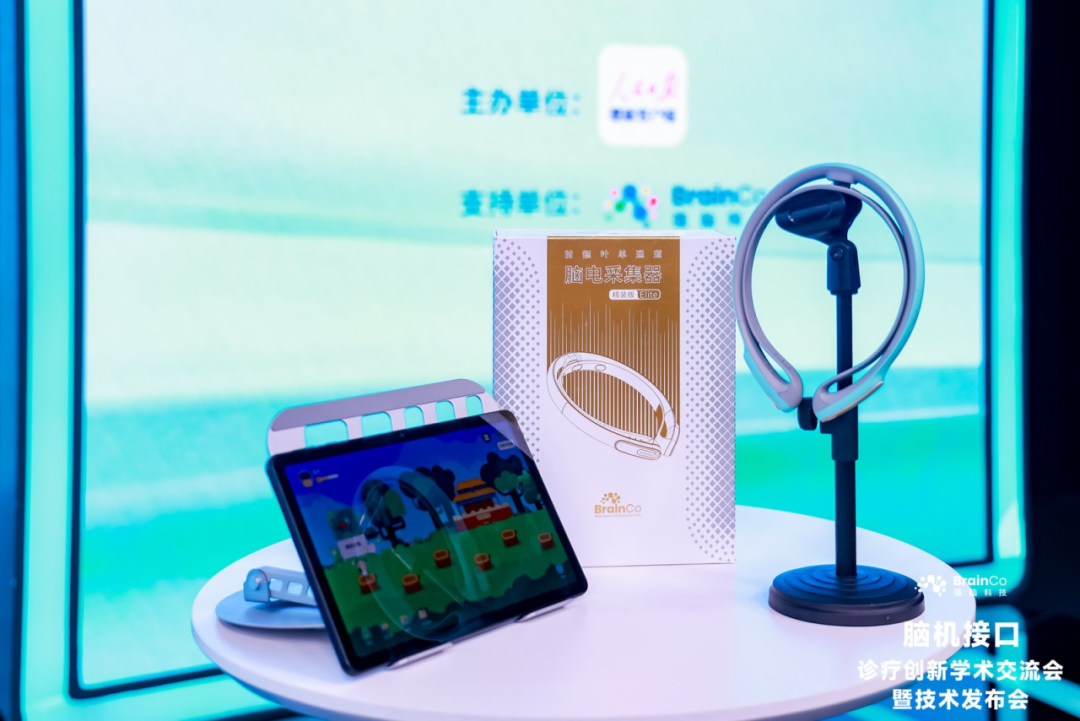
从消费电子到医疗器械:强脑科技“专注欣”医疗版获批,加速商业化转型
Jin Rong Jie· 2026-02-03 10:47
Core Insights - Strong Brain Technology has announced that its ADHD intervention product "Focus Xin" has received medical device registration in China, becoming the world's first brain-computer interface product for children with ADHD to obtain joint certification for both software and hardware [1][4] - This approval marks a significant step in the clinical application of non-invasive brain-computer interface technology, providing evidence-based non-drug rehabilitation options for approximately 23 million children with ADHD in China [1][4] Product Overview - "Focus Xin" consists of a rehabilitation training software for ADHD and a single-channel EEG collector, utilizing non-invasive brain-computer interface technology based on neurofeedback mechanisms [3] - The product allows users to wear a lightweight headband to collect EEG signals, with the system analyzing attention status in real-time and guiding children through attention training via gamified tasks [3] - Compared to traditional multi-channel EEG devices, "Focus Xin" offers advantages such as lightweight design, ease of use, and lower operational barriers, enhancing its feasibility for home and grassroots medical institutions [3] Clinical Validation - The clinical efficacy of "Focus Xin" has been validated through rigorous studies, showing significant improvements in children's attention, self-control, and executive function [3] - Research indicates that the product's effects are more pronounced when used in conjunction with medication, particularly for younger children aged 6-7 [3] Market Context - The prevalence of ADHD in China is approximately 6.4%, with a total patient population of around 23 million, but the current treatment rate is below 10%, indicating a substantial treatment gap [4] - Existing mainstream medication treatments have limitations, such as poor adherence, noticeable side effects, and high relapse rates after discontinuation, highlighting the need for non-drug interventions like "Focus Xin" [4] - The Chinese ADHD treatment market was valued at approximately 8.3 billion yuan in 2023, with projections to exceed 34 billion yuan by 2030, indicating a growing market for digital therapies [4] Company Background - Strong Brain Technology was founded in 2015 by Han Bicheng, focusing on the development of non-invasive brain-computer interface technology [4] - The company has established three product lines: intelligent bionics, smart health, and smart education, and completed a 2 billion yuan equity financing round in January 2026, with a valuation exceeding 1.3 billion USD [4] - The approval of "Focus Xin" signifies the company's strategic shift from consumer products to compliant medical products, establishing high entry barriers and laying the foundation for commercial replication [4] Future Implications - The certification of "Focus Xin" allows it to enter hospital procurement systems and opens possibilities for future integration with health insurance and commercial insurance [5] - Experts emphasize the unique advantages of brain-computer interface technology in creating an integrated system for diagnosis, treatment, and rehabilitation, advocating for collaborative mechanisms among hospitals, enterprises, schools, and communities to promote the technology's widespread application [5] - The approval of "Focus Xin" not only represents a milestone for Strong Brain Technology but also provides a replicable model for the medicalization of brain-computer interface technology, with potential for digital therapies to reshape the treatment paradigm for children's neurodevelopmental disorders [5]