
外卖

Search documents
美团王莆中谈外卖“大战”:行业处于非理性状态 单量存在大量泡沫
Guang Zhou Ri Bao· 2025-07-16 15:47
Core Viewpoint - The intense competition in the food delivery sector, described as the largest subsidy war in China's internet industry, has led to a significant increase in daily order volume, surpassing 200 million within just ten days [2] Group 1: Market Competition - Major players like Alibaba, Meituan, and JD have entered the food delivery market, resulting in a rapid increase in order volume [2] - Meituan's CEO Wang Pu Zhong emphasized the unsustainable nature of the current subsidy-driven competition, calling for a return to rationality in the industry [3][5] - Wang highlighted that the majority of current order volumes are inflated and do not reflect genuine market demand, indicating a bubble in the industry [3][5] Group 2: Business Strategy - Meituan aims to respond to competition with more efficient and lower-cost strategies, such as optimizing order structures through in-store pickup [3] - The company maintains a high proportion of valuable orders, with over 70% of orders priced above 30 yuan [4] - Wang noted that the current subsidy strategies employed by competitors are not sustainable and could lead to higher losses due to inadequate system capabilities [3] Group 3: Industry Impact - The ongoing subsidy war has led to a significant increase in order volumes in certain cities, but it has also disrupted traditional dining practices and pricing structures [5] - Wang expressed concerns that the long-term effects of the subsidy war could damage established price perceptions in the restaurant industry [5] - The food delivery business model is characterized by thin margins, making it vulnerable to aggressive competition [7] Group 4: Financial Implications - Estimates suggest that Meituan, JD, and Alibaba may collectively spend up to 250 billion yuan monthly on subsidies [6] - Wang believes that a scenario where all three companies exhaust their cash reserves is unlikely, as each has its own strategic priorities beyond the subsidy war [6] - The food delivery sector's profit margins are low compared to other internet sectors, with the industry generating only 30 billion yuan in profit last year [7]


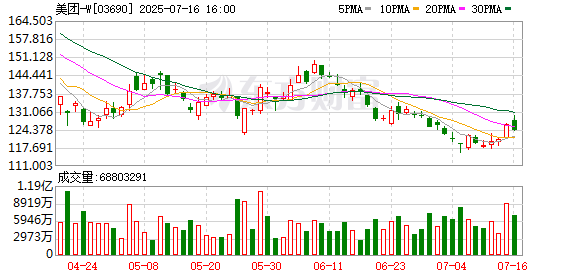
京东、美团 比拼骑手福利
财联社· 2025-07-16 14:28
Core Viewpoint - The competition between JD and Meituan in the food delivery sector has intensified, leading both companies to announce welfare benefits for their delivery riders, aiming to improve their brand image and consumer trust [1][4]. Group 1: Welfare Initiatives - Meituan announced a "heat prevention insurance" for over 3 million riders starting from July 1, with an estimated investment of 1.6 billion yuan for rider protection this summer [1][2]. - JD has invested 2 billion yuan to enhance benefits for its full-time riders, including monthly allowances for heat and cold protection, and plans to provide 150,000 electric bikes with a buyback program for riders who complete a certain number of deliveries [2][4]. - Meituan is expanding its "work injury insurance" to 17 provincial-level regions and is piloting pension insurance subsidies [2][3]. Group 2: Brand Reputation and Consumer Trust - The initiatives by Meituan and JD are seen as a strategy to convert "rider rights" into brand reputation assets, aiming to recover from past negative publicity and enhance consumer loyalty [4]. - The focus on rider welfare is expected to create a healthier platform economy, balancing consumer benefits, labor rights, and sustainable development [1][4].

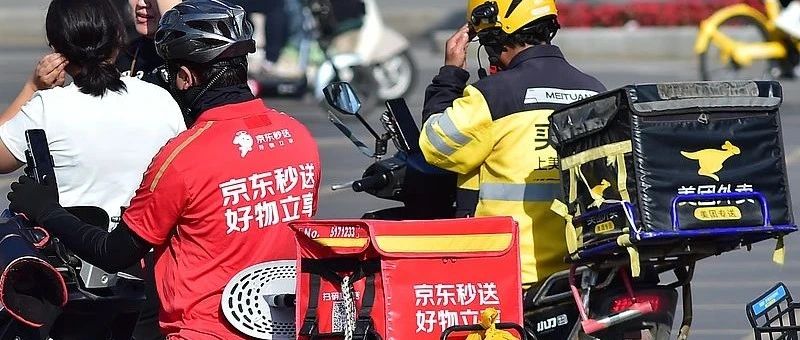
美团王莆中:饿了么去年天天搞免单,成本太高无法持续
Xin Lang Ke Ji· 2025-07-16 14:07
Core Viewpoint - The CEO of Meituan's core local business segment, Wang Puzhong, criticized Ele.me's unsustainable promotional strategy of offering free meals, indicating that such high costs cannot be maintained in the long term [1] Group 1: Competitive Landscape - Wang Puzhong highlighted that Meituan's system capabilities surpass those of its competitors, allowing for targeted promotions and efficient user engagement [1] - He pointed out that other platforms are facing issues with "negative orders" and extremely low-income orders, which he attributes to a lack of operational precision and risk control in extreme marketing strategies [1] Group 2: Business Strategy - Meituan did not initially intend to engage in aggressive competition but felt compelled to respond to market dynamics [1] - The company claims that, with its system capabilities, it could easily increase order volumes if it chose to adopt a similar subsidy strategy as its competitors, stating it could scale from 150 million to 160 million or even 200 million orders if desired [2]
将提供累计4亿元专项扶持 外卖平台与“头部”商家已共建5500多家品牌卫星店
Guang Zhou Ri Bao· 2025-07-16 13:04
Core Insights - Meituan's food delivery service has partnered with 800 leading brands to establish over 5,500 brand satellite stores, aiming for a total of 10,000 stores by the end of 2025 [2] - The new satellite stores will implement "Internet + Bright Kitchen" live streaming in their kitchens, with the first 10,000 stores receiving a total of 400 million yuan in support from Meituan [2][3] - The collaboration with Meituan to build brand satellite stores has become a new trend in the restaurant industry, with major brands like Haidilao, Laoxiangji, Quanjude, Donglaishun, and Waipojia participating [2] Operational Value - The operational model of satellite stores has shown to help merchants reduce costs and ensure food quality, particularly in hot pot, barbecue, and Western-style fast food sectors [2] - By reducing dining area space and focusing solely on takeout, satellite store operators can lower overall operational costs by 50% to 70%, while improving labor and space efficiency by 70% [2] - The payback period for costs has been shortened from 24 months to 8-10 months compared to traditional stores [2] Support and Services - Meituan will provide a total of 400 million yuan in support for the first 10,000 merchants participating in the satellite store initiative by 2025, including store assistance funds and exclusive traffic subsidies [3] - An online and offline service system has been established to support satellite store operations, utilizing AI for business opportunity identification, operational diagnosis, and data analysis [3] - Since February, 117,000 merchants have activated the "Bright Kitchen" live streaming feature on Meituan, with expectations of over 200,000 merchants participating by the end of 2025 [3]
美团王莆中:我们不想卷,但不能不反击
news flash· 2025-07-16 12:53
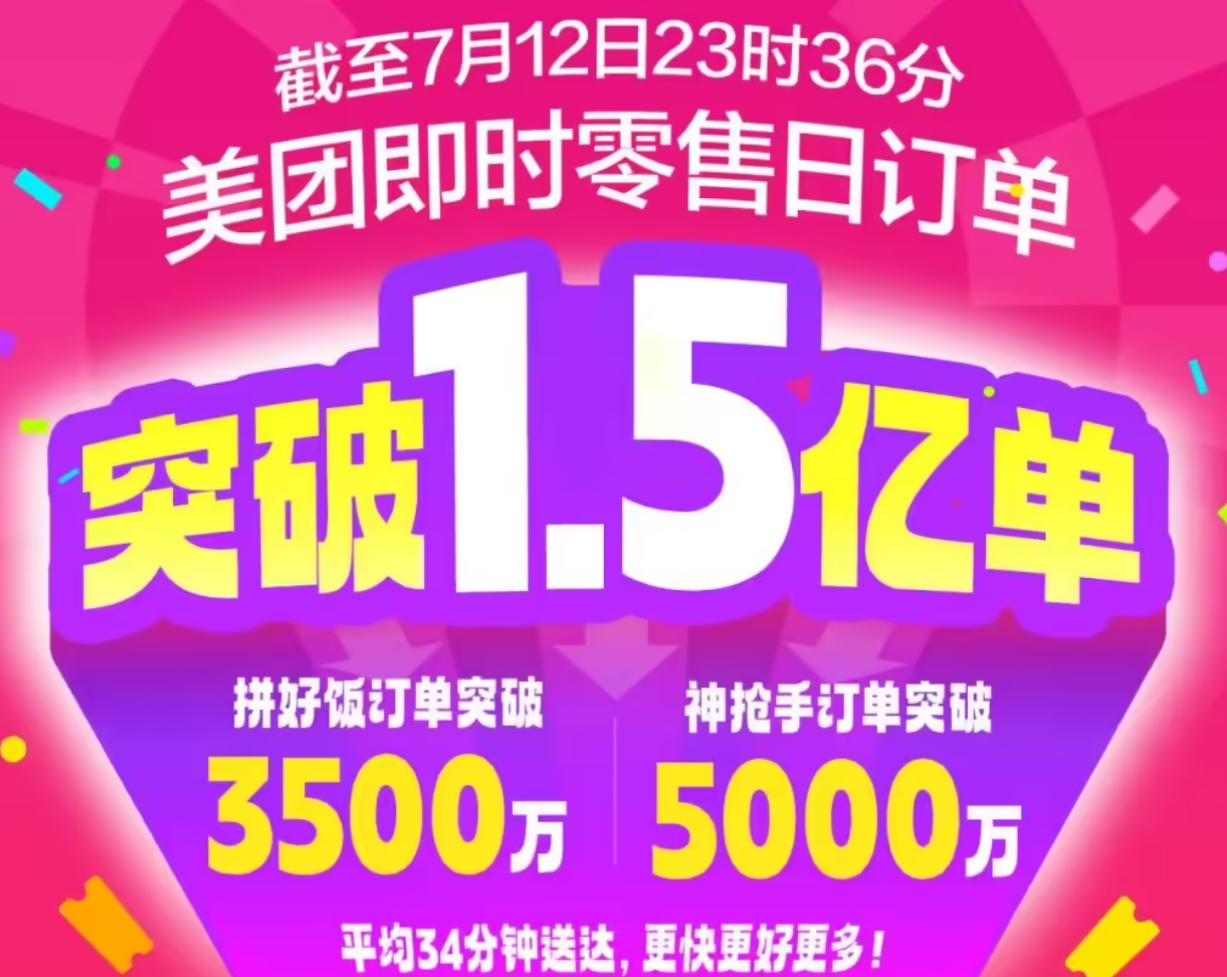
Core Viewpoint - Alibaba is aggressively entering the food delivery market with a substantial subsidy of 50 billion, aiming to surpass Meituan in order volume, which is perceived as an irrational competition by Meituan's CEO [1] Group 1: Competitive Landscape - Meituan's CEO believes Alibaba's strategy is designed to intimidate them, banking on the assumption that Meituan cannot match the financial resources [1] - Alibaba has set an ambitious target to exceed Meituan's order volume, indicating a high-stakes competition in the food delivery sector [1] Group 2: Financial Implications - Meituan reported a record single-day order volume of 150 million, countering speculation that they incurred a loss of 800 million on that day [1] - Meituan's actual expenditure is significantly lower than Alibaba's, suggesting a more efficient use of resources in the competitive landscape [1]

新一轮“外卖大战”再升级 高盛预计竞争将持续至下半年
Xi Niu Cai Jing· 2025-07-16 12:19
Core Viewpoint - The recent competition among major platforms like Meituan, Taobao Flash Sale, and JD Delivery has intensified, leading to significant promotional activities and a surge in order volumes, but also exposing issues related to order cancellations and merchant pressures [1][5][7]. Group 1: Promotional Activities - Meituan has issued "0 yuan purchase" coupons, allowing consumers to redeem drinks from various brands [1]. - Taobao Flash Sale has provided large red envelopes and discounts such as "18.8 off 18.8" to attract customers [1]. - JD Delivery has subsidized 100,000 portions of crayfish at a price of 16.18 yuan each, available from 6 PM to 2 AM [1]. Group 2: Order Volume and User Engagement - Meituan reported over 150 million daily orders on July 12, with specific segments like "Pin Hao Fan" and "Shen Qiang Shou" contributing significantly [1]. - Taobao Flash Sale and Ele.me announced a new daily order record of over 80 million, with active users exceeding 200 million and a week-on-week net increase of 15% [3]. - The order punctuality rate for Taobao Flash Sale remains stable at 96% [3]. Group 3: Merchant and Consumer Issues - Consumers have raised concerns about Meituan's "0 yuan purchase" program, citing forced cancellations of orders without consent [5]. - Similar complaints have emerged for Taobao Flash Sale, where merchants have reported being unable to fulfill orders due to the pressure from large discounts [7]. Group 4: Market Outlook and Financial Implications - Goldman Sachs predicts that the competition in the food delivery market will continue into the second half of the year, with a projected 30% year-on-year growth in order volume [7]. - The total investment by Alibaba, JD, and Meituan in the food delivery sector reached 25 billion yuan (approximately 3 billion USD) in June alone [7]. - Future losses are anticipated for Alibaba and JD's food delivery businesses, estimated at 41 billion yuan and 26 billion yuan respectively, while Meituan's EBIT is expected to decline by 25 billion yuan [7].
独家对话美团王莆中:我们不想卷,但不能不反击
晚点LatePost· 2025-07-16 11:52
Core Viewpoint - The article discusses the intense competition in the food delivery market in China, highlighting the significant financial investments made by major players like Alibaba and JD.com, and the resulting impact on Meituan's operations and strategies [4][10][40]. Group 1: Market Competition - The competition has escalated from a subsidy war to what is described as the largest subsidy battle in Chinese internet history, with JD.com and Alibaba announcing a combined investment of 80 billion [4][10]. - Meituan's daily order volume reached historical highs, with reports of 1.2 billion and 1.5 billion orders in recent weeks [4][11]. - The CEO of Meituan, Wang Puzhong, emphasizes that the food delivery industry is characterized by thin margins and that the current competition is irrational and harmful to the industry [7][10]. Group 2: Company Strategy - Wang Puzhong notes that Meituan is forced to respond to aggressive competition, stating that not retaliating would label the company as a loser [10][34]. - The company has managed to achieve high order volumes with lower resource expenditure compared to competitors [11][12]. - Meituan's strategy includes leveraging its system capabilities to maintain order volume while ensuring a balance between cost and user experience [50][67]. Group 3: Industry Insights - The article highlights that the current surge in order volume is largely driven by a bubble, with many orders being of low value and unsustainable [14][30]. - Wang Puzhong argues that the competition is creating a distorted pricing environment, which is not sustainable in the long run [30][42]. - The CEO expresses concern that the ongoing subsidy wars are damaging the established pricing perceptions in the restaurant industry, which may not recover once subsidies cease [42][46]. Group 4: Financial Performance - Meituan's operational profit margin is reported to be around 3%, which is considered one of the most successful in the global context of food delivery [51][66]. - The company aims to maintain a balance between scale and profitability, focusing on increasing the average revenue per user (ARPU) rather than merely expanding the user base [46][66]. - Wang Puzhong emphasizes that the food delivery business is inherently challenging to profit from, with many competitors failing to achieve profitability [51][72].

洗盘!做好准备了,周四,A股迎来变盘了
Sou Hu Cai Jing· 2025-07-16 11:37
Market Overview - The market experienced a typical washout structure with a rapid afternoon pullback followed by a quick rebound, closing down only 0.03% [1] - Trading volume shrank to 1.733 trillion, falling below 1.5 trillion again, with 8 stocks hitting the limit down while 3,277 stocks rose [1] Market Sentiment - Current market sentiment indicates a low probability of a significant rise, with major players like Huijin merely stabilizing the market until uncertainties around tariffs and interest rate cuts are resolved [3] - The market is characterized by a lack of profit effects, leading to widespread pessimism among investors [3] Sector Performance - The Hang Seng Medical Index has reached a new high, while the Hang Seng Technology Index has seen a rebound due to recovery in e-commerce and food delivery sectors [3] - Key sectors such as liquor, securities, banks, and real estate are expected to see slight upward movements without major surges [6] Future Outlook - The A-share market is anticipated to undergo a shift, with the Shanghai Composite Index likely to rise by over 0.5% soon, as the ChiNext has rebounded for several days [6] - The market is expected to continue its upward oscillation, with individual stocks experiencing rotation in performance [6] Market Dynamics - The current market is described as a slow bull, characterized by upward oscillation rather than a true bull market, with indices showing gains but individual stock performance varying widely [8] - The three major indices have rebounded by several points, but the overall sentiment does not reflect a genuine bull market experience [8]

外卖攻防战,一场事先张扬的烧钱比赛
3 6 Ke· 2025-07-16 11:13
Group 1 - The core point of the article is the intense competition among Alibaba's Taobao Flash Sale, Meituan, and JD.com in the instant retail and food delivery market, driven by aggressive subsidy strategies and market restructuring efforts [1][2][3][4][19] - Taobao Flash Sale has integrated local retail to enhance its market share and has seen a significant increase in user activity and order volume since its launch, indicating the potential for synergy between e-commerce and instant retail [3][4] - Meituan is responding to the competitive pressure by enhancing its supply chain and operational strategies, including increasing the coverage of its promotional coupons and adjusting its business development (BD) metrics to maintain its market position [12][13][19] Group 2 - The subsidy strategies employed by Taobao Flash Sale are designed to narrow the gap with Meituan in terms of fulfillment, merchant engagement, and consumer perception, providing a critical window for growth [4][6][20] - Meituan's approach to countering competitors involves leveraging its established merchant ecosystem and delivery network to maintain a competitive edge, while also adapting its promotional strategies to match those of Taobao Flash Sale [11][19] - The ongoing battle for market share is reshaping the dynamics of instant retail, with companies like Alibaba and JD.com aiming to disrupt Meituan's established "scale efficiency" narrative through targeted restructuring and aggressive marketing tactics [2][21]

外卖商战烽烟起,餐饮行业迎新机,南王科技供应链优势凸显
Quan Jing Wang· 2025-07-16 11:02
Group 1: Market Overview - The online food delivery market in China is projected to reach 1.64 trillion yuan in 2024 and 1.7469 trillion yuan in 2025, indicating strong growth momentum and unprecedented development opportunities for the restaurant industry [1][2] - Major food delivery platforms like Meituan, Taobao Flash Sale, and JD have intensified competition, with Taobao Flash Sale reporting daily order volumes exceeding 80 million and Meituan surpassing 150 million [1] Group 2: Industry Dynamics - The ongoing competition in the food delivery sector has led to significant income growth for delivery riders, with average monthly earnings reported at over 12,500 yuan for active riders on Taobao Flash Sale and 9,793 yuan for Meituan's riders [1] - The integration of digital products in restaurant operations is increasing, with 94.2% of restaurants using ordering/cash register systems and 89.3% utilizing external traffic platforms [2] Group 3: Company Spotlight - Nanwang Technology - Nanwang Technology, established in 2010, specializes in environmentally friendly packaging and has rapidly responded to the booming food delivery market by expanding its product offerings [3][4] - The company has invested in a new smart industrial park in Fujian, capable of producing over 2.247 billion paper packaging products annually, to meet the surging demand for food delivery packaging [4][5] Group 4: Supply Chain and Innovation - Nanwang Technology has established long-term partnerships with major paper manufacturers to ensure stable supply and quality of raw materials, enhancing its supply chain management capabilities [5][6] - The company employs over 400 advanced production machines for flexible printing and automated bag-making, achieving a high level of production efficiency and quality control [6][7] Group 5: Environmental Initiatives - Nanwang Technology has developed fluorine-free oil-resistant paper to address environmental concerns associated with traditional fluorinated agents, contributing to the industry's green transformation [7] - The company is actively involved in setting industry standards for food contact materials, promoting sustainable practices within the packaging sector [6][7]