
潮玩

Search documents
消费主题基金业绩显著分化新消费成机构布局重点
Shang Hai Zheng Quan Bao· 2025-09-28 15:12
Core Viewpoint - The performance of consumer-themed funds has shown significant divergence this year, with many high-performing products focusing on new consumption-related assets. Institutions believe that while the long-term potential of the consumer sector is promising, short-term fundamentals still require data validation, making new consumption a key focus for future investments [2]. Group 1: Fund Performance - As of September 25, among 206 funds with "consumption" in their names, Hai Futong Consumption Preferred Mixed A ranked first with a net value increase of 135.42% over the past year, while several other products also saw increases exceeding 80% [2]. - Conversely, three consumer-themed funds had net value increases of less than 10% over the same period, indicating a stark contrast in performance [2]. Group 2: Fund Holdings - High-performing consumer funds predominantly hold shares in leading new consumption companies. For instance, as of the end of Q2, Chao Hong Ji, a jewelry industry leader, accounted for 4.87% of Hai Futong Consumption Preferred Mixed A's portfolio, with its stock price rising over 150% this year [2]. - Another example is Yongying Emerging Consumption Intelligent Selection Mixed Fund A, which held 9.11% of its portfolio in Pop Mart, with the stock price increasing by 193.23% year-to-date [2]. Group 3: Market Trends and Insights - Multiple fund managers acknowledge that while the consumer sector faces short-term fundamental challenges, structural opportunities are emerging. They emphasize that boosting consumption is a long-term strategy and express optimism about consumer stocks [4]. - Investment in the consumer sector heavily relies on fundamental data, and if consumption rebounds due to stock market wealth effects, undervalued consumer stocks may become attractive [4]. - A fund manager highlighted the importance of identifying segments with low penetration but high growth potential, such as trendy toys, beauty products, pet food, and gaming, which represent new lifestyle trends and offer opportunities for market expansion [4].




叶国富又一个IPO,估值102亿港元
2 1 Shi Ji Jing Ji Bao Dao· 2025-09-28 14:52
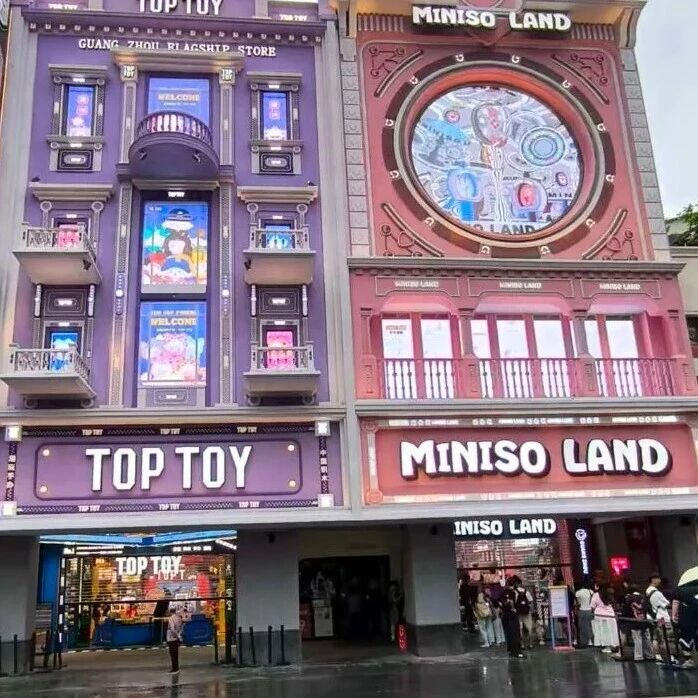
Core Viewpoint - TOP TOY International Group Limited has submitted its IPO application to the Hong Kong Stock Exchange, with expectations of strong growth in the collectible toy market, driven by its unique positioning and expansion strategies [1][2]. Company Performance - TOP TOY's revenue for the years 2022, 2023, and 2024 is projected to be 679 million, 1.461 billion, and 1.909 billion RMB respectively, with operating profits improving from a loss of 37 million RMB in 2022 to a profit of 396 million RMB in 2024 [3]. - In the first half of this year, TOP TOY reported revenue of 1.36 billion RMB and a gross profit of 441 million RMB, indicating a positive trend in operational performance [3]. Market Position and Growth - TOP TOY is recognized as the fastest-growing collectible toy brand in China, with a compound annual growth rate (CAGR) of over 50% in GMV from 2022 to 2024 [3]. - The company has expanded its store count to 299, including 15 overseas locations primarily in Southeast Asia [4]. IP Strategy - TOP TOY currently holds 17 proprietary IPs and 43 licensed IPs, with revenue from licensed IPs significantly surpassing that from proprietary IPs [4][5]. - The company has seen a rise in IP licensing fees, increasing from 8.718 million RMB in 2022 to 32.78 million RMB in 2024, indicating a growing reliance on licensed IPs for revenue [5]. Original IP Development - TOP TOY is focusing on enhancing its original IP portfolio, with successful launches of new IPs this year, such as 'Right Right Sauce,' which generated over 10 million RMB in sales within a month [6]. - The company has made strategic acquisitions of IPs like 'Glutinous Rice' and 'Moldy,' with expectations for significant revenue growth from these assets [7]. Market Outlook - The collectible toy market in China is projected to grow from 20.7 billion RMB in 2019 to 58.7 billion RMB in 2024, with a CAGR of 23.2% [8]. - The potential for growth in the IP sector is substantial, with a significant gap in consumer awareness and engagement compared to markets like Japan and North America [8][9]. - TOP TOY aims to differentiate itself from competitors like Pop Mart by adopting a unique market strategy and expanding its overseas presence, which remains an area of growth potential [9].
叶国富又一个IPO,估值102亿港元
21世纪经济报道· 2025-09-28 14:49
Core Viewpoint - TOP TOY International Group Limited has submitted its IPO application to the Hong Kong Stock Exchange, with expectations of strong growth in the collectible toy market, driven by its unique positioning and expansion strategy [1][6]. Company Overview - TOP TOY is a collectible toy brand under Miniso Group, established to tap into the "interest consumption" trend amid Miniso's financial struggles [5]. - The company has shown significant revenue growth, with projected revenues of 6.79 billion, 14.61 billion, and 19.09 billion RMB for 2022, 2023, and 2024 respectively [6]. Financial Performance - TOP TOY's operating profit has improved from a loss of 0.37 billion RMB in 2022 to a profit of 2.90 billion RMB in 2023 and 3.96 billion RMB in 2024 [6]. - The company reported a revenue of 13.6 billion RMB in the first half of this year, with a gross profit of 4.41 billion RMB [6]. Market Position and Growth - TOP TOY is recognized as the fastest-growing collectible toy brand in China, with a compound annual growth rate (CAGR) of over 50% from 2022 to 2024 [6]. - The company has expanded its store count to 299, including 15 overseas locations primarily in Southeast Asia [6]. IP Strategy - TOP TOY relies heavily on licensed IP for revenue, with licensing fees increasing from 8.72 million RMB in 2022 to 32.78 million RMB in 2024 [7]. - The company is focusing on developing its own IP, with successful launches of original IPs that have garnered significant consumer interest [7][8]. Market Potential - The collectible toy market in China is projected to grow from 207 billion RMB in 2019 to 587 billion RMB by 2024, with a CAGR of 23.2% [10]. - There is a significant growth opportunity for IP consumption in China, with current penetration rates much lower than in developed markets [11]. Competitive Landscape - The market is expected to remain competitive, with no single player dominating, and TOP TOY aims to differentiate itself from competitors like Pop Mart [11]. - The company is also exploring international markets, with revenue from outside mainland China increasing from 0 to 52.5 million RMB in the first half of 2025 [12].
IPO周报|摩尔线程科创板过会;极飞科技、TOP TOY、优艾智合赴港上市
IPO早知道· 2025-09-28 14:25
Group 1: IPO Developments - Different Group, the parent company of BeBeBus, officially listed on the Hong Kong Stock Exchange on September 23, 2025, under the stock code "6090," becoming the "first stock in maternal and infant consumption technology" [3] - The company, founded in 2018, focuses on designing and selling parenting products, with its first brand, BeBeBus, covering key parenting scenarios such as travel, sleep, feeding, and hygiene care [3] - According to Frost & Sullivan, BeBeBus ranks first among durable parenting product brands targeting mid-to-high-end consumers in China based on 2024 GMV [3] Group 2: Financial Performance of Different Group - Different Group's founder and chairman, Wang Boyan, emphasized the company's commitment to R&D and global market expansion during the listing speech [4] - The stock opened with a rise of over 40% on its debut [4] Group 3: Moer Thread's IPO Approval - Moer Thread's IPO application for the Sci-Tech Innovation Board was approved on September 26, 2025 [5] - Established in 2020, Moer Thread specializes in the research, design, and sales of full-function GPUs and related products, aiming to provide computing acceleration platforms for AI and high-performance computing [5] - The company reported a revenue of 702 million yuan for the first half of 2025, surpassing the total revenue from 2022 to 2024, which was approximately 608 million yuan [5][6] Group 4: Moer Thread's Product Development - Moer Thread has launched four generations of GPU architecture chips from 2021 to 2024, with the latest being the intelligent SoC chip "Changjiang" [6] - The company's products have achieved performance levels close to or on par with international standards, with the MTT S80 graphics card's performance nearing that of NVIDIA's RTX 3060 [6] Group 5: Ji Fei Technology's IPO Submission - Guangzhou Ji Fei Technology Co., Ltd. submitted its IPO prospectus to the Hong Kong Stock Exchange on September 25, 2025, aiming for a main board listing [8] - Ji Fei Technology ranks second globally in the agricultural robot and agricultural drone industries, with market shares of 10.7% and 17.1% respectively [8] - The company reported revenues of 605 million yuan, 614 million yuan, and 1.066 billion yuan from 2022 to 2024, with a revenue increase from 730 million yuan to 745 million yuan in the first half of 2025 [8] Group 6: TOP TOY's IPO Submission - TOP TOY International Group Limited submitted its IPO prospectus to the Hong Kong Stock Exchange on September 26, 2025, with major underwriters including JPMorgan, UBS, and CITIC Securities [11] - Founded in 2020, TOP TOY has become the largest and fastest-growing trendy toy brand in China, achieving a GMV of 2.4 billion yuan in 2024 [11] - The company reported revenues of 679 million yuan, 1.461 billion yuan, and 1.909 billion yuan from 2022 to 2024, with a revenue increase from 858 million yuan to 1.36 billion yuan in the first half of 2025 [11][12] Group 7: You Ai Zhi He's IPO Submission - Hefei You Ai Zhi He Robot Co., Ltd. submitted its IPO prospectus to the Hong Kong Stock Exchange on September 26, 2025, planning to list under Chapter 18C [14] - Established in 2017, You Ai Zhi He focuses on mobile robotic solutions for various industries, ranking first in the industrial mobile robot sector globally based on 2024 revenue [14] - The company reported revenues of 78 million yuan, 108 million yuan, and 255 million yuan from 2022 to 2024, with a revenue increase from 100 million yuan to 127 million yuan in the first half of 2025 [15]

第一批用Labubu理财的年轻人,已经后悔了
Sou Hu Cai Jing· 2025-09-28 14:14
Core Insights - The article discusses the rise and fall of Labubu, a collectible toy that has gained immense popularity and is seen as a cultural phenomenon among young consumers [4][10][25] - It highlights the speculative nature of the market surrounding Labubu, where initial high prices have led to significant declines, indicating a potential bubble [11][12][35] Group 1: Market Dynamics - Labubu's price surged due to its unique social attributes and viral marketing, but after a week of release, prices began to drop significantly, with ordinary versions selling between 79-120 yuan and some hidden versions dropping below 500 yuan [10][11] - The third-generation hidden version "Ben Wo" saw a price drop from 4523 yuan to 809 yuan, a decline of over 80% [11] - The speculative frenzy around Labubu has led to a market correction, with prices reflecting a return to more sustainable levels [12][35] Group 2: Consumer Behavior - Young consumers initially viewed Labubu as a form of emotional expression and companionship, but the market has shifted towards viewing it as an investment opportunity [27][31] - The trend of renting Labubu for social status has emerged, with celebrities and influencers driving its popularity [23] - The average consumer spending on collectible toys has decreased by 12% year-on-year, indicating a shift from investment to immediate experience [47] Group 3: Company Strategy - The company behind Labubu, Pop Mart, has seen explosive growth, with revenue from the Labubu series increasing by 668% year-on-year, but this has masked a lack of innovation in other IPs [47] - Pop Mart is adjusting its strategy to address market volatility by expanding its IP portfolio and enhancing consumer engagement through new products and experiences [49][51] - The company is also focusing on regional differentiation in its global strategy, adapting products to local markets and enhancing brand value through collaborations [51]
三里屯片区式更新改造等14个项目获评北京城市更新“最佳实践”
Xin Jing Bao· 2025-09-28 13:18
Core Insights - The Fourth Beijing Urban Renewal Forum, themed "People's City, Organic Renewal," commenced on September 28 and will run until mid-October, featuring a series of activities including policy discussions and best practice sharing [1][2] - A total of 40 projects were awarded, including 14 "Best Practices" and 26 "Excellent Projects," focusing on the renovation of old residential areas, factories, and public spaces [1][2] Group 1: Event Highlights - The opening ceremony featured participants from various industries sharing their experiences with urban renewal projects, alongside the debut of the MOLLY immersive theme park [2] - The event showcased the transformation of the Zhongguancun area into a high-quality commercial complex, attracting over 30,000 daily visitors [3] Group 2: Awarded Projects - Notable awarded projects include the revitalization of the Sanlitun area, which emphasizes integrated urban development and improved public services [3][4] - The Longxindian Old Town project aims to create a comprehensive landmark district that merges culture, tourism, commerce, and residential spaces [4] Group 3: Community Engagement - The "Beijing Urban Renewal Experience Week" was launched to allow citizens to engage with and experience the outcomes of urban renewal, supported by a 5 million yuan voucher initiative [5][6] - Various sports events and cultural activities are planned to enhance community interaction and showcase urban renewal achievements [6] Group 4: Future Planning - The "14th Five-Year Plan" is nearing completion, with new strategies for the "15th Five-Year Plan" focusing on urban renewal as a key development driver [7] - Plans include optimizing approval processes, enhancing funding channels, and promoting innovative urban renewal models [7][8]
轻工造纸行业周报:关注短期回调的潮玩&烟草,传统轻工布局性价比逐步显现-20250928
SINOLINK SECURITIES· 2025-09-28 11:46
Investment Rating - The report provides a positive outlook for the home furnishing sector, new tobacco, and packaging industries, while indicating a stable recovery for the paper industry and a potential upward trend for trendy toys and light consumer goods [3][4][6]. Core Insights - The home furnishing sector is expected to benefit from the easing of real estate policies, with a focus on companies with high dividend support and growth certainty for 2025 [4][9]. - The new tobacco sector shows resilience, with significant growth in e-cigarette exports to the U.S. and a favorable regulatory environment for heated tobacco products [10][11]. - The paper packaging industry is experiencing stable demand, with price increases anticipated due to seasonal demand and inventory reductions [11][12]. - The light consumer goods and trendy toys sectors are witnessing innovation and brand development, with a focus on new product cycles and market expansion [13][14]. Summary by Sections Home Furnishing Sector - Domestic demand is expected to recover as financial policies are implemented, while export figures show a slight decline due to tariffs imposed by the U.S. [4][9]. - Key companies to watch include 欧派家居, 索菲亚, and 顾家家居, which are positioned for growth in the domestic market [4][9]. New Tobacco Sector - E-cigarette exports from China increased by 4.25% year-on-year, with exports to the U.S. rising by 32.62% [10][16]. - Companies like 思摩尔国际 are highlighted for their strategic positioning in the market [10][11]. Paper Packaging Sector - Prices for various paper products remain stable, with a notable increase in demand leading to anticipated price hikes post-holidays [11][12]. - Recommended companies include 裕同科技 and 太阳纸业, which are expected to benefit from market conditions [11][12]. Light Consumer Goods and Trendy Toys - The sector is focusing on new product launches and expanding offline channels, with companies like 泡泡玛特 and 名创优品 leading the way [13][14]. - The AI glasses market is also emerging, with significant growth potential as new technologies are introduced [13][14]. Key Data and Trends - The report tracks various industry metrics, including furniture export data, domestic retail sales, and the performance of key sectors [16][23][34].

叶国富又要收获一家上市公司,TOP TOY冲刺港股
2 1 Shi Ji Jing Ji Bao Dao· 2025-09-28 11:16
Core Viewpoint - TOP TOY International Group Limited has submitted its IPO application to the Hong Kong Stock Exchange, with expectations of strong growth in the collectible toy market, driven by its unique positioning and expanding IP portfolio [2][9]. Company Overview - TOP TOY is a subsidiary of MINISO Group, focusing on collectible toys and operates independently from MINISO, which emphasizes daily consumer goods [3]. - The company was established in 2020, with its first store opening in Guangzhou, aiming to tap into the "interest consumption" trend amid MINISO's financial struggles [3][4]. Financial Performance - TOP TOY's revenue for 2022, 2023, and 2024 is projected to be 679 million, 1.461 billion, and 1.909 billion RMB, respectively, with operating profits turning positive in 2023 and 2024 [5]. - In the first half of this year, the company reported revenue of 1.36 billion RMB and a gross profit of 441 million RMB, indicating a positive trend in operational performance [5]. Market Position and Growth - TOP TOY is recognized as the fastest-growing collectible toy brand in China, with a compound annual growth rate (CAGR) of over 50% in GMV from 2022 to 2024 [5]. - As of September 2025, the company plans to operate 299 stores, including 15 overseas, primarily in Southeast Asia [6]. IP Strategy - The company relies heavily on licensed IP for revenue, with licensing fees increasing from 8.718 million RMB in 2022 to 32.78 million RMB in 2024, and further rising to 19.711 million RMB in the first half of this year [7]. - TOP TOY is actively developing its own IP, with successful launches in 2023, including the "Yoyo" series, which generated over 10 million RMB in sales within a month [8]. Market Outlook - The collectible toy market in China is expected to grow from 20.7 billion RMB in 2019 to 58.7 billion RMB by 2024, with a CAGR of 23.2% [9]. - The market is anticipated to continue expanding, with significant potential for new entrants and diverse IP offerings [10].
付鹏:谷子经济存泡沫风险,LABUBU投资价值在IP持久性
Feng Huang Wang Cai Jing· 2025-09-28 11:14
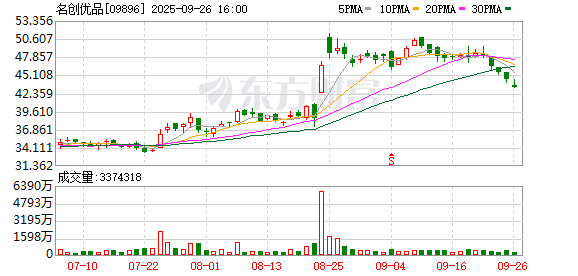
Core Insights - The forum "Phoenix Bay Area Finance Forum 2025" held in Guangzhou focused on the theme "New Pattern, New Path" and gathered global elites from politics, business, and academia to explore development opportunities amidst changing circumstances [1] Group 1: Investment Opportunities - The upstream sector of artificial intelligence has demonstrated clear profit models and is considered a viable investment track that has already shown results [1] - The "Guzi Economy," particularly in the潮玩 IP industry, has a straightforward profit model but carries potential bubble risks [1] Group 2: Market Dynamics - A "futures-spot linkage" model was used to explain the relationship between stock prices of related companies and the physical潮玩 products, indicating that enthusiasm in the spot market can drive stock prices up, but a bubble burst in the spot market could lead to significant stock price declines [1] Group 3: User Engagement and Longevity - The core challenge and investment value of the IP economy lie in the durability of user engagement, with a reference to Sanrio's Hello Kitty as an example of an IP that has sustained long-term value over decades [1] - There is hope for the continued development of Chinese IP, but its ability to maintain longevity over decades remains to be seen [1]
奇梦岛WAKUKU联名款席卷中网,快闪店人气持续爆棚
Jing Ji Wang· 2025-09-28 09:19
未来,奇梦岛将继续拓展"潮玩+体育""潮玩+时尚"等跨界合作模式,持续推动中国原创IP走向更广阔的 舞台。 编辑:侯隽 据介绍,本次推出的"WAKUKU×中网"系列限定潮玩共10款,包括"胖哒哒限定款毛绒公仔800%"和"酷 满贯限定款毛绒吊卡"等,自首发之日起便引发粉丝排队购买。其中,WAKUKUx中网胖哒哒限定毛绒 公仔系列还入选了"2025年服贸会文旅服务专题十大文创好物"。不少观众表示,这些设计独特、赛事专 属的潮玩产品,不仅具有纪念价值,也成为分享中网体验的特别方式。 为增强互动体验,奇梦岛快闪店设置了多个功能区域,并将不定时在中网赛场举行品牌活动,包括:新 品展示区集中呈现WAKUKU定制产品;巨型WAKUKU装置拍照打卡区,吸引观众合影参与社交媒体传 播;限量发售区则持续迎来抢购热潮,多次出现产品上架即"秒空"的情况。这一全景式消费场景,为体 育赛事注入了更多趣味性与年轻活力。 奇梦岛相关负责人表示:"我们很高兴能与中国网球公开赛这一国际级赛事合作,将潮玩文化带入中网 这样的世界级体育场景。希望通过WAKUKU这一原创IP,让更多年轻群体在感受网球运动魅力的同 时,也能体验到中国潮玩所传递的情感 ...