外卖

Search documents
美团拼好饭升级评分体系:“店铺分”变“商品分”
Guan Cha Zhe Wang· 2025-07-10 10:41
Core Insights - Meituan's "Pinduoduo" has upgraded its merchant scoring system from "store score" to "product score," incorporating both subjective user reviews and objective metrics like purchase and repurchase rates [1][2] - The new scoring system allows consumers to make more informed purchasing decisions based on individual product ratings, which directly influences their buying behavior [1] - The upgrade aims to help merchants focus on their best-selling products, enhancing efficiency and reducing costs through economies of scale [1] Summary by Sections - **Scoring System Upgrade** - The upgrade from "store score" to "product score" provides a more accurate measure of product quality from the consumer's perspective [1] - The new system includes user evaluations and metrics such as purchase frequency, allowing for a comprehensive assessment of product performance [1] - **Consumer Impact** - The "product score" serves as a crucial decision-making tool for consumers, influencing their choice to purchase [2] - Consumers are increasingly prioritizing product ratings, which are seen as a reflection of the quality and service provided by restaurants [2] - **Merchant Strategy** - The new scoring system encourages merchants to focus on quality and service rather than solely competing on price [2] - By directing more traffic to high-quality products, the platform aims to foster a competitive environment that emphasizes product excellence [2]



摩根士丹利下调阿里目标价,补贴大战或持续至双11
第一财经· 2025-07-10 10:12
摩根士丹利于7月10日发布研究报告,将阿里巴巴美股目标价从180美元下调至150美元。该行指 出,预计阿里巴巴在截至6月的第一财季,于外卖和闪购业务上的投入已达约100亿元,这将导致其 短期盈利承压。 摩根士丹利进一步预计,阿里在第二财季的相关投入可能翻倍至200亿元,将拖累其淘天集团与本地 生活集团的EBITA同比下跌超过40%。尽管如此,该行仍看好阿里巴巴AI赋能的潜力,并维持其电 商偏好排序:阿里 > 美团 > 京东。 此次目标价下调的背景是阿里巴巴、美团、京东三大平台在即时零售领域展开的激烈竞争,尤其是围 绕"外卖"业务的补贴大战。截至发稿,今日阿里巴巴港股股价下跌0.68%至102.2港元,京东股价 下跌2.47%至122.2港元,美团股价下跌1.43%至117.5港元。 同样关注阿里近期动向的开源证券,在其7月7日的研报中表示,尽管淘天集团短期内因加大闪购投 入而面临压力,但电商技术服务费贡献的收入增量,以及积极投入AI基础设施建设有望推动云业务增 长提速,可部分对冲资本开支(capex)增加的影响。该机构看好阿里中长期在用户、供应链及物流 方面的优势,有助于其抢占即时零售市场份额。基于此,开源证 ...
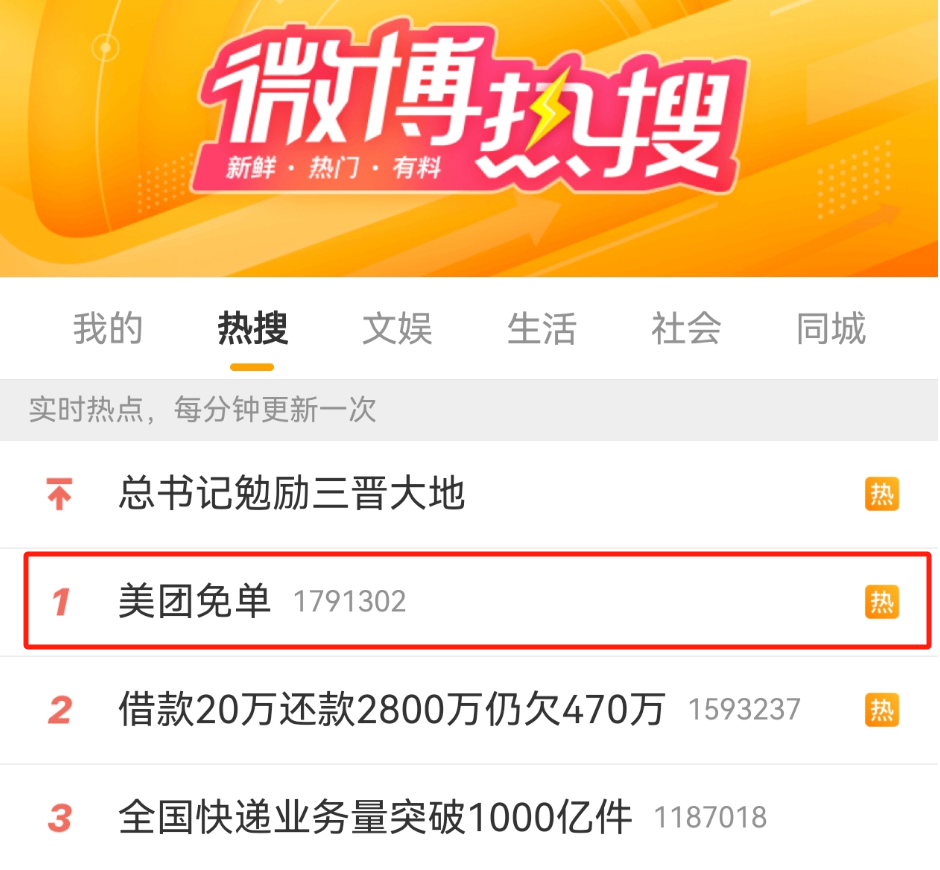
沸腾!美团免单,热搜第一
Zhong Guo Ji Jin Bao· 2025-07-10 10:11
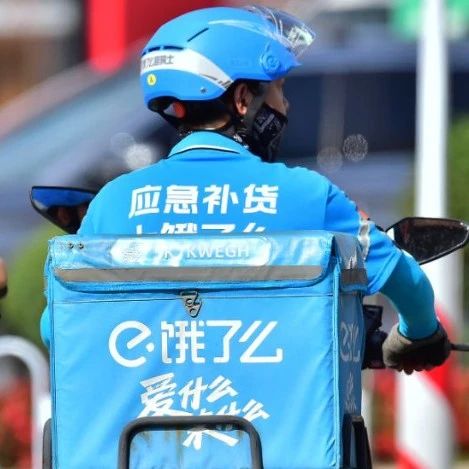
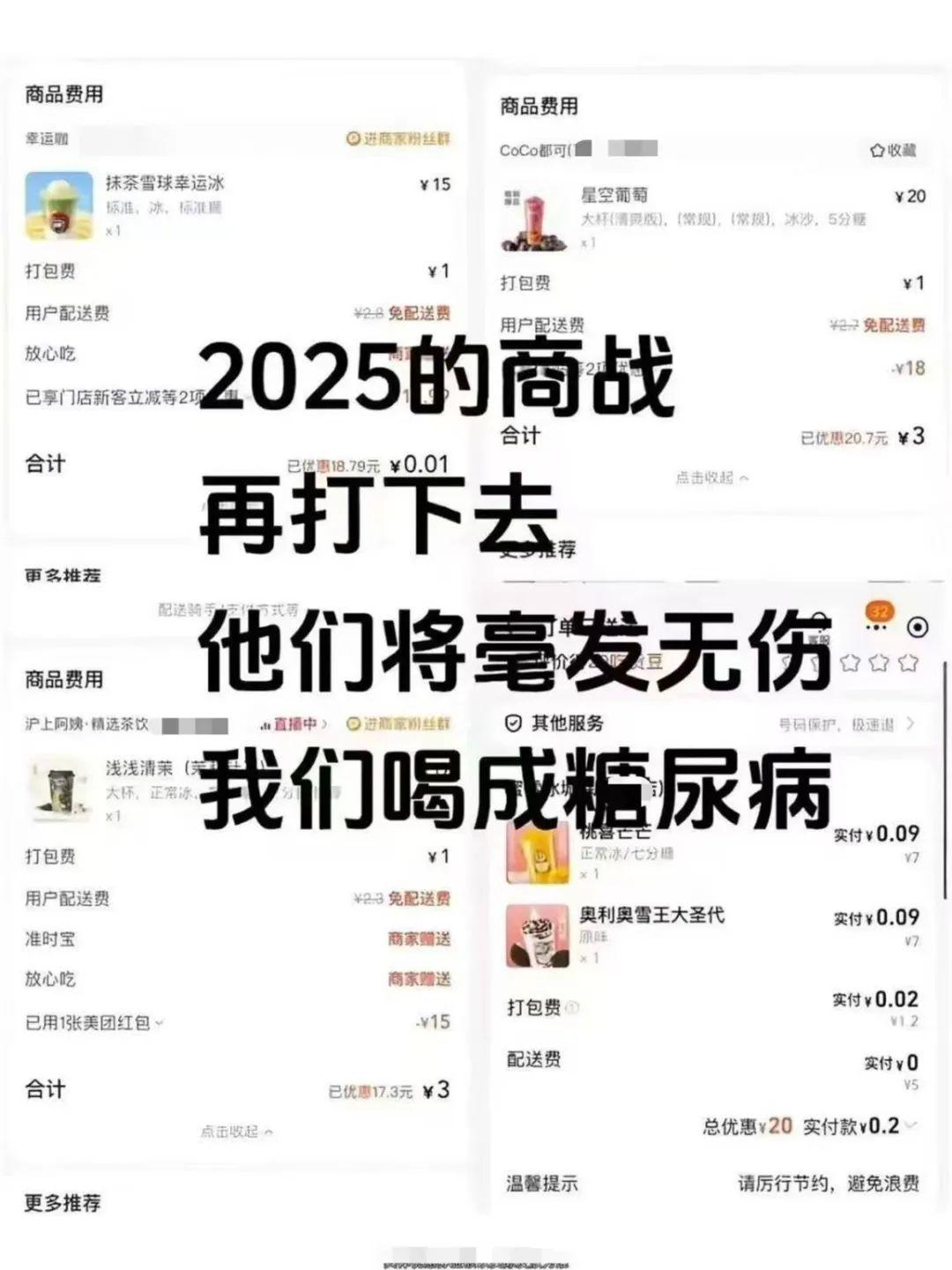
Core Viewpoint - The takeaway from the recent news is that the food delivery giants are engaged in a new round of subsidy wars, with Meituan's "免单" (free order) promotion gaining significant attention on social media, indicating a competitive landscape in the food delivery market [1][3][4]. Group 1: Meituan's Promotion - Meituan's "免单" promotion quickly rose to the top of Weibo's trending topics, with users sharing their experiences and strategies for obtaining free orders [1][4][6]. - The promotion allows users to receive a free order of up to 20 yuan, which will be credited to their Meituan wallet [6][10]. - The promotional period for Meituan's free order campaign is from July 1 to July 31, 2025, with limited daily quotas available [10][12]. Group 2: Competitive Landscape - The summer of 2023 has seen food delivery giants like Meituan and JD.com engage in aggressive subsidy strategies to capture market share, with JD.com announcing a plan to invest over 10 billion yuan in subsidies [13][14]. - As of July 8, JD.com reported that nearly 200 restaurant brands had achieved over 1 million sales on its platform, indicating a growing competitive environment [14]. - The market is evolving into a three-player competition among Meituan, Ele.me, and JD.com, marking a shift from a duopoly to a more competitive landscape [14]. Group 3: Impact on New Tea Beverage Market - The current subsidy campaigns have significantly benefited the new tea beverage sector, with many consumers opting for low-cost items like tea due to the abundance of no-threshold coupons [15][17]. - Data from Nayuki Tea indicates that the number of takeaway orders surged to over 1 million within 48 hours, reflecting a 50% increase compared to previous periods [17]. - The promotional strategies are particularly effective for smaller players in the tea and low-cost fast food segments, as they can quickly gain market share through targeted subsidies [17].
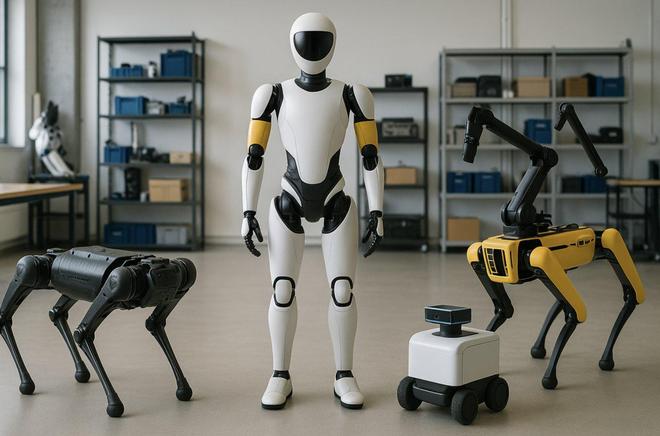
外卖补贴大战之外,美团悄悄“买下”半个机器人赛道
Tai Mei Ti A P P· 2025-07-10 10:03
Group 1 - Meituan has significantly increased its daily order volume to over 100 million through substantial subsidies, demonstrating its dominance in the food delivery market amidst competition from JD.com [2] - The company is also accelerating its investments in the retail sector, having led multiple funding rounds for startups in the robotics and AI fields, including a recent $122 million round for Itstone Intelligent [2][5] - Over the past three years, Meituan has invested in 30 robotics and related companies, positioning itself as a major player in the robotics sector [5][6] Group 2 - Meituan's CEO Wang Xing has outlined a strategic focus on three new directions for the next decade: grocery retail, international expansion, and technology [2][3] - The company aims to leverage AI to build a comprehensive local business ecosystem, although it has not yet developed its own large language models like competitors [5][6] - Meituan's strategy in AI includes enhancing employee efficiency, creating AI-native products, and developing its internal language models to support AI applications [6] Group 3 - The robotics industry is still in its early stages, with challenges in developing large models for robots compared to language models like ChatGPT [8] - Meituan's investment in companies like Galaxy General, which has achieved record funding, reflects a focus on practical applications of robotics in retail, such as automated pharmacies [10][11] - The collaboration between Meituan and Galaxy General aims to implement robotics in various sectors, including offline retail and smart logistics, indicating a long-term vision for automation in retail [12]

汇丰:阿里会继续为“外卖大战”烧钱,但股价调整已经到位
华尔街见闻· 2025-07-10 09:57
Core Viewpoint - Alibaba is expected to increase investments in instant retail and food delivery services in the coming quarters, which will significantly impact short-term profitability, but these factors are already reflected in the stock price. The strong growth momentum in cloud computing and leading position in AI provide long-term value support [1][7]. Group 1: Investment Strategy and Market Position - HSBC maintains a "Buy" rating for Alibaba but lowers the target price from $176 to $150, indicating a potential upside of 38.9% from the current stock price of $107.99 [1]. - Since April 2024, competition in food delivery and instant retail has intensified, with Meituan launching a three-year support plan worth 100 billion RMB and JD.com initiating a one-year subsidy project worth 10 billion RMB [1][2]. - Alibaba's food delivery strategy was launched later, with a one-year subsidy plan worth 500 billion RMB starting on July 2 [2]. Group 2: Market Share and Growth - Alibaba's market share in food delivery and instant retail has rapidly increased from over 20% in 2024 to 36% by July 5, 2025, while Meituan holds 55% and JD.com 9% [2]. - This growth is attributed to the integration of Ele.me and Fliggy into Taobao and Tmall, leadership consolidation, aggressive subsidy strategies, and traffic support [2]. Group 3: Financial Projections - HSBC has raised revenue forecasts for Alibaba for FY26-28 by 3-8%, reflecting accelerated growth in instant retail and food delivery orders, but has lowered profit expectations by 7-22% [9]. - For FY26, Alibaba is expected to incur losses of 2.7 RMB per order in food delivery and 3.7 RMB per order in instant shopping, with an overall loss of 55 billion RMB in local life services [9][10]. - The peak of investment is anticipated in the September quarter, with normalization expected in the second half of FY26 [9]. Group 4: Cloud Computing and AI Outlook - HSBC remains optimistic about Alibaba's cloud computing prospects, forecasting over 20% year-on-year growth in cloud revenue for FY26, driven by strong AI demand [10][16]. - Although there may be quarterly fluctuations in cloud business gross margins, they are expected to maintain a high single-digit level [10]. - In the generative AI infrastructure as a service (GenAI IaaS) market, Alibaba ranks first with a market share of 23.5% in the second half of 2024, benefiting from its leading scale, strong product capabilities, and large enterprise customer base [16].

沸腾!美团免单,热搜第一!
中国基金报· 2025-07-10 09:52
Core Viewpoint - The article discusses the ongoing "subsidy war" among food delivery giants in China, highlighting Meituan's recent promotional campaign that has gained significant attention on social media, particularly through its "free meal" initiative [1][2][4]. Group 1: Meituan's Promotion - Meituan's "free meal" campaign quickly became a trending topic on Weibo, with users sharing their experiences and strategies for obtaining free meals [1][4]. - The promotional period for Meituan's campaign is from July 1 to July 31, 2025, with limited daily free meal slots available [9]. - During the promotional week from July 8 to July 13, 2025, Meituan offered 10,000 free meals daily, with a special allocation of 100,000 meals on July 9 [11]. Group 2: Competitive Landscape - The food delivery sector is experiencing a new round of subsidy wars, with major players like Taobao and JD.com also launching aggressive promotional strategies [12][13]. - Taobao announced a plan to distribute 50 billion yuan in subsidies over the next 12 months to attract consumers and merchants [13]. - JD.com has initiated a "Double Hundred Plan," committing over 10 billion yuan to support brand sales, with significant growth in order volumes reported [14]. Group 3: Impact on New Tea Beverage Market - The current subsidy initiatives are particularly beneficial for the new tea beverage market, as consumers are increasingly opting for low-cost items like tea during this promotional period [16]. - The demand for tea beverages has surged, with some stores reporting overwhelming order volumes due to the "0 yuan purchase" promotions [17]. - Nai Xue's Tea reported a 50% increase in order volume within 48 hours of the subsidy launch, with some stores experiencing a 230% increase in sales [18].

外卖大战的尽头,是骑手和商家的眼泪
3 6 Ke· 2025-07-10 09:26
Core Viewpoint - The recent competition among food delivery platforms has led to increased consumer reliance on delivery services, but it has also resulted in delays and operational inefficiencies, particularly in the delivery of non-beverage items [1][20][32]. Group 1: Market Dynamics - The food delivery market is experiencing a new wave of competition, with platforms like Taobao and Meituan engaging in aggressive subsidy wars, reminiscent of past battles in the industry [4][16]. - Taobao has announced a substantial subsidy of 50 billion yuan over a year, significantly impacting order volumes, particularly for beverages like coffee and milk tea, which saw a surge of over 200% in order volume [4][5][17]. - The competition has led to a situation where the majority of orders are concentrated in the beverage category, causing operational strain on delivery services and restaurants [6][14][24]. Group 2: Consumer Behavior - Consumers are increasingly drawn to low-cost beverage options due to substantial subsidies, leading to a spike in orders that outstrip the capacity of many beverage outlets [14][23]. - The low price point of beverages makes them highly elastic in demand, allowing consumers to order more frequently, which exacerbates delivery delays for other food categories [14][22][26]. - The phenomenon of consumers hoarding beverages during promotional periods has been noted, indicating a shift in purchasing behavior driven by discounts [9][11]. Group 3: Operational Challenges - The influx of orders, particularly for beverages, has overwhelmed many restaurants and delivery personnel, leading to significant delays in service and a decline in on-time delivery rates [20][24][30]. - The operational inefficiencies have resulted in delivery personnel being stuck in long queues at beverage outlets, which detracts from their ability to fulfill other food orders in a timely manner [24][25]. - The competition has led to some restaurants temporarily halting their delivery services due to the inability to manage the surge in orders effectively [25][26]. Group 4: Strategic Implications - The current focus on beverage orders undermines the platforms' broader strategic goals of diversifying their offerings beyond food delivery to include instant retail [15][17]. - The heavy reliance on beverage orders may hinder the platforms' ability to establish a reputation for reliable delivery of a wider range of products, potentially limiting future growth [15][20]. - The ongoing subsidy wars may create a temporary boost in consumer engagement but could lead to long-term operational challenges and resource misallocation [19][36].


外卖激战大街小巷,有骑手两天挣800
36氪· 2025-07-10 09:00
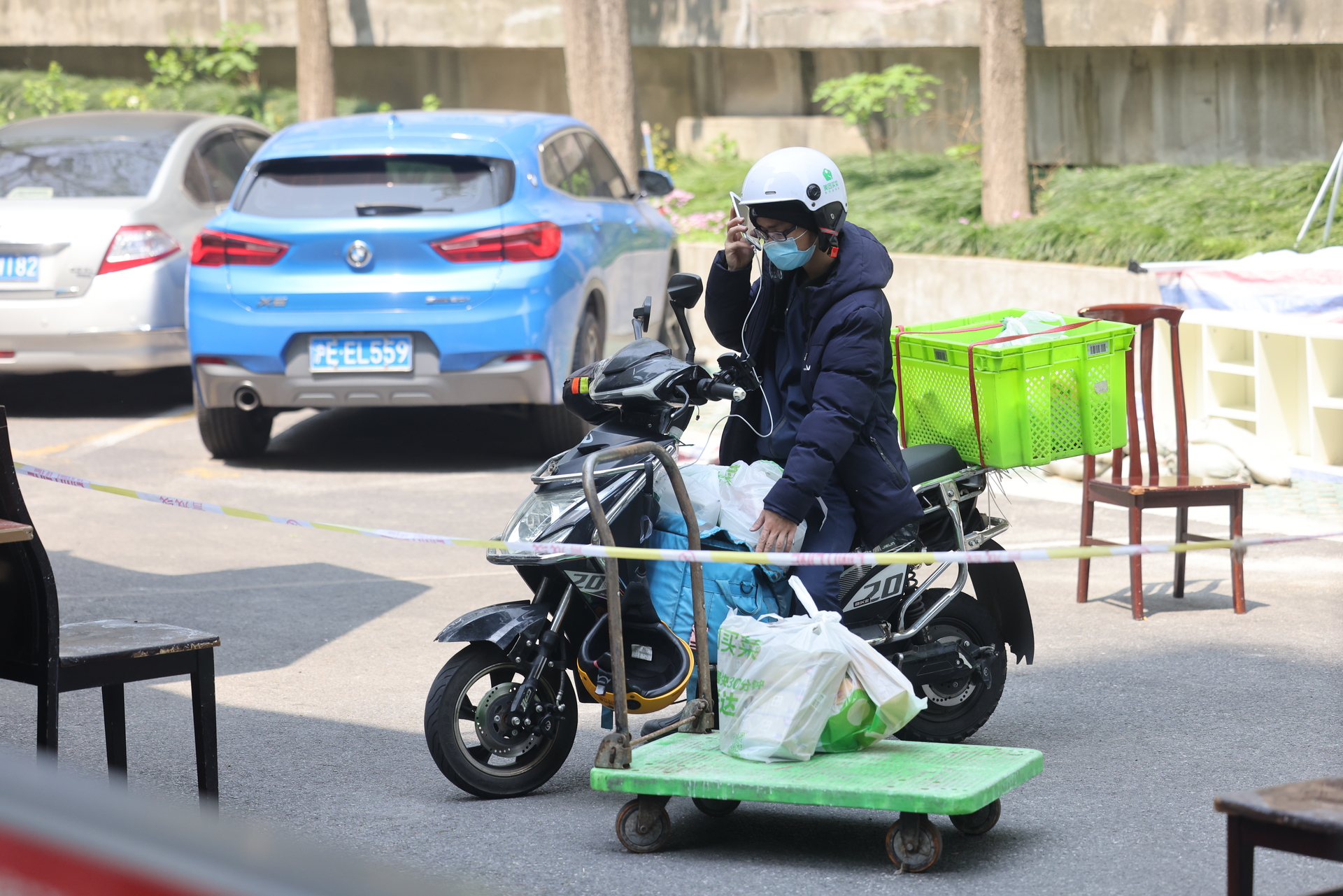
以下文章来源于时代财经APP ,作者庞宇 时代财经APP . 聚焦于企业财经新闻,互联网新闻信息服务许可证编号:44120230006 商家打单机"快冒烟"。 文 | 庞宇 编辑 | 罗丽娟 来源| 时代财经APP(ID: tf-app) 封面来源 | 视觉中国 刚过去的7月第一个周末,外卖补贴大战掀起高潮,相关话题冲上多个平台热搜。阿里巴巴旗下淘宝闪购、美团两大平台"天降"优惠券,彻底点燃消费者的 热情,史无前例的"爆单"盛况让商家和骑手始料未及。 "太突然了""一下就爆单了""骑手都忙疯了""后面实在忙不过来只能暂时关闭线上外卖渠道。"——回忆起这场补贴风暴,杭州本地某连锁超市的店长向时代 财经表示。 不停地吐出订单的打单机、忙得不可开交的店员和骑手、以及刷屏各大社交平台的"薅羊毛"晒图,共同创造了中国互联网史上难得一见的即时零售对决图 景。 而这一盛况仍将持续上演。时代财经从接近阿里人士处了解到,上周六是阿里巴巴制定的百日闪购增长计划的第一个冲单日。自7月起,淘宝闪购推出"超级 星期6"活动,消费者每个周六都可在这里买到优惠力度更大的商品,领取涵盖5个时段的加码券包,包括早餐、午餐、晚餐、下午茶及夜宵时 ...

摩根士丹利下调阿里目标价,补贴大战或持续至双11
Di Yi Cai Jing· 2025-07-10 07:10
外卖三国杀结局未定,轰轰烈烈的平台补贴大战对阿里巴巴、美团、京东三家上市公司业绩影响几何? 摩根士丹利于7月10日发布研究报告,将阿里巴巴美股目标价从180美元下调至150美元。该行指出,预计阿里巴巴在截至6月的第一财季,于外卖和闪购业务 上的投入已达约100亿元,这将导致其短期盈利承压。 摩根士丹利进一步预计,阿里在第二财季的相关投入可能翻倍至200亿元,将拖累其淘天集团与本地生活集团的EBITA同比下跌超过40%。尽管如此,该行 仍看好阿里巴巴AI赋能的潜力,并维持其电商偏好排序:阿里 > 美团 > 京东。 瑞银预计,竞争压力加大将令京东、美团及阿里未来数月股价表现可能受压。 7月9日,交银国际发布研报,维持对美团的目标价165港元,并给予"买入"评级。该行认为,尽管补贴战可能持续至年底,美团有机会实现运营利润持平。 交银国际分析指出,美团在外卖领域的领先优势以及其在商户和骑手端的强大运营能力,是维持其市场份额的核心因素。同时,该行也提示,补贴退潮后用 户黏性的变化仍需观察。 美团在7月5日发布战报显示,当日即时零售日单量突破1.2亿单,其中餐饮外卖超1亿单。交银国际认为这一峰值得益于行业补贴战的推动,尤 ...
“史诗级外卖大战”为何此时到来,各家的核心战力又是什么
Zheng Quan Zhi Xing· 2025-07-10 06:25
Core Insights - The article discusses the intensifying competition in the food delivery market, particularly driven by the entry of JD.com, which has disrupted the previously stable duopoly of Meituan and Ele.me [1][3][4] - The competition is not just about increasing food delivery orders but is fundamentally about securing key traffic entry points in the burgeoning instant retail market, projected to exceed 2 trillion yuan by 2030 [6][9][15] Market Dynamics - Meituan holds a dominant market share of approximately 70%, with over 770 million users and around 8 million couriers handling 60-70 million orders daily [4][6] - Ele.me, with a market share of about 25%, processes over 20 million orders daily, supported by Alibaba's extensive ecosystem [6][4] - JD.com has entered the market with a strategy focused on quality and low commission, leveraging its supply chain advantages to challenge Meituan directly [6][12] Competitive Strategies - The competition has escalated with unprecedented subsidy levels, leading to a single-day order volume exceeding 200 million across platforms [1][6] - Meituan's strength lies in its extensive and efficient local delivery network, enabling a promise of 30-minute delivery in most areas [11] - JD.com's competitive edge is its robust supply chain infrastructure and quality control, allowing it to excel in categories requiring product assurance [12] - Ele.me benefits from deep integration within Alibaba's digital ecosystem, facilitating cross-platform traffic and user engagement [13] Future Outlook - The current subsidy war may not yield a clear winner in the short term, with the market likely to see a coexistence of Meituan, JD.com, and Ele.me [14][15] - The focus may shift from subsidy battles to efficiency battles, where the true winners will be those who can balance user demands, rider rights, and merchant profitability [15] - The instant retail market is viewed as a significant growth opportunity, with all three companies recognizing its importance for future revenue streams [9][15]