
可持续航空燃料

Search documents
绿色燃料行业深度系列报告一:可持续航空燃料(SAF)深度:欧盟需求强烈,SAF价格持续上涨
Xinda Securities· 2025-12-27 15:21
Investment Rating - The report maintains a "Positive" investment rating for the sustainable aviation fuel (SAF) industry, consistent with the previous rating [2]. Core Insights - The demand for SAF is rapidly increasing, driven by strong EU regulations and rising prices. As of December 16, 2025, European SAF prices reached $2300-$2320 per ton, a 25% increase since the beginning of the year, while domestic prices rose to $2100-$2300 per ton, up 24% [4][8]. - The HEFA (Hydroprocessed Esters and Fatty Acids) process currently dominates the market, but other technologies like PtL (Power-to-Liquid) show significant long-term cost reduction potential. McKinsey predicts cost reductions of 22% for HEFA, 32% for ATJ (Alcohol-to-Jet), 24% for FT (Fischer-Tropsch), and 67% for PtL from 2020 to 2050 [4][24]. - Global SAF blending policies are accelerating, with significant increases in production and consumption expected. IATA forecasts that by 2025, SAF production will reach 0.06 million tons, accounting for 2% of total fuel demand, and by 2050, global demand could reach 350 million tons [4][32]. - China's SAF industry is rapidly expanding, with an expected total capacity exceeding 10.65 million tons per year by 2027, positioning the country as a major global exporter [4][5]. Summary by Sections 1. Aviation Industry Decarbonization Drives SAF Demand - SAF prices are driven by supply and demand dynamics, with expectations of maintaining high levels in the future due to geopolitical factors and regulatory frameworks [8][11]. - The aviation sector's carbon emissions are significant, with a need for low-carbon fuel alternatives to meet decarbonization goals [12][15]. 2. Global SAF Blending Policies Accelerate Production and Consumption - The SAF industry is heavily influenced by policy drivers, with various countries implementing specific blending targets and incentives to support SAF adoption [32][33]. - The EU's ReFuelEU Aviation regulation mandates increasing SAF blending ratios, aiming for 2% by 2025 and 70% by 2050 [33]. 3. Investment Recommendations - Companies with established HEFA processes and early capacity releases are expected to benefit from rising demand and prices. Key companies to watch include HaiXin Energy, PengYao Environmental, ShanGao Environmental, and LangKun Technology [4][5].



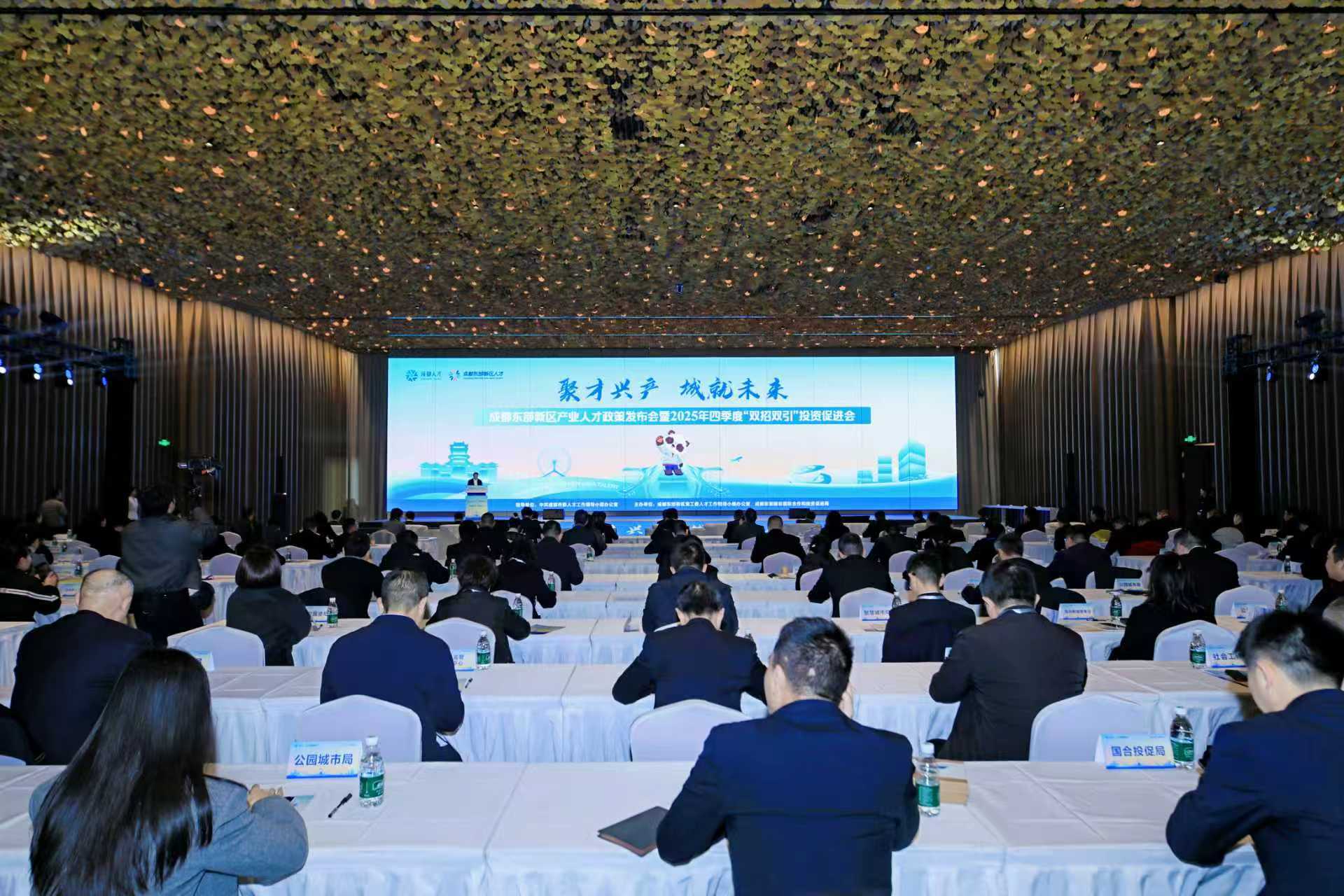
发布“产业人才政策八条”,成都东部新区加快构建产才融合新生态
Mei Ri Jing Ji Xin Wen· 2025-12-26 06:11
Core Viewpoint - The Chengdu Eastern New Area has launched the "Eight Measures for Industrial Talent Policy" to enhance the integration of talent and industry, aiming to create a nationally influential innovation talent hub [5][4]. Group 1: Policy Announcement - The "Eight Measures for Industrial Talent Policy" includes a comprehensive policy framework that covers talent introduction, cultivation, project support, and living guarantees [5][4]. - The policy shifts from a universal support model to a precision empowerment model, focusing on industry needs [5][4]. - A key breakthrough is the restructuring of the talent evaluation system, emphasizing actual performance and contributions over traditional metrics like education and titles [5][4]. Group 2: Talent Evaluation and Support - The policy introduces a multi-channel approach for talent evaluation, allowing parks and enterprises to participate in the recognition process [6]. - The support measures have been adjusted from fixed subsidies to more flexible options like housing funds and consumption vouchers [6]. - The policy is tailored to key industries such as sustainable aviation fuel, life health, and low-altitude economy, ensuring comprehensive coverage of critical areas [7]. Group 3: Talent Service System - The Chengdu Eastern New Area has established a talent service call center to enhance the efficiency of talent services, transitioning from passive responses to proactive support [8]. - High-level talent representatives have been issued "Talent Green Cards," which provide access to various services and rewards, enhancing their sense of belonging [10]. - A series of talent-intensive projects have been signed, covering key sectors like low-altitude economy and intelligent manufacturing, showcasing the results of the "Double Recruitment and Double Introduction" initiative [10]. Group 4: Future Development and Industry Focus - The Chengdu Eastern New Area is focusing on a "345+9" industrial system, targeting sectors such as air economy, high-end equipment manufacturing, and biotechnology [11]. - Experts from leading universities are providing intellectual support for the collaborative development of talent and industry [12]. - The area aims to create a vibrant and opportunity-rich environment, attracting talent to transform from transient visitors to integral contributors to the region's development [13].

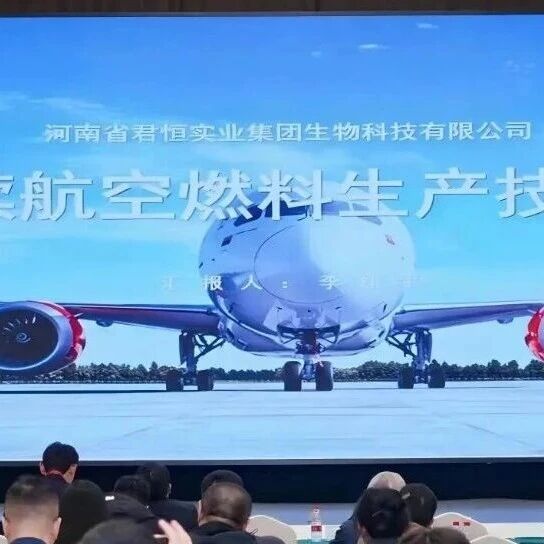
演讲分享⑦ | 收率70%:一家民企让地沟油"直接上岗"变SAF
合成生物学与绿色生物制造· 2025-12-22 02:40
Core Viewpoint - The article discusses the advancements in Sustainable Aviation Fuel (SAF) technology, particularly focusing on Junheng Biotechnology's innovative approach to converting waste cooking oil into clean aviation fuel, addressing the challenges of traditional methods and highlighting the potential for significant carbon emissions reduction in the aviation industry by 2050 [2][3]. Group 1: SAF Market and Technology Overview - The global aviation industry is projected to emit over 2 billion tons of carbon annually by 2050, with SAF technology expected to contribute 65% of the necessary emissions reductions to achieve carbon neutrality [2]. - Junheng Biotechnology has delivered over 300,000 tons of SAF to the international market and is constructing the world's largest SAF production facility, capable of processing 1 million tons of waste oil annually [3][25]. - The HEFA (Hydroprocessed Esters and Fatty Acids) technology is identified as the most commercially viable route for SAF production, expected to dominate the Chinese SAF market by 2030 [7][25]. Group 2: Challenges in SAF Production - Traditional SAF production methods face significant challenges due to the complex composition of waste oils, which contain various contaminants that can damage catalysts [10][12]. - The stringent requirements for feedstock purity in conventional methods lead to high costs and environmental concerns due to waste generation from extensive pre-treatment processes [16][20]. Group 3: Junheng's Innovative Approach - Junheng's strategy simplifies the pre-treatment process by allowing waste cooking oil to undergo only basic washing before entering the hydrogenation unit, significantly reducing investment costs and environmental impact [19][20]. - The company has developed a robust catalyst capable of withstanding high levels of contaminants, enabling efficient conversion of waste oils into SAF without extensive pre-treatment [21][23]. Group 4: Comparative Analysis of SAF Technologies - Other SAF production technologies, such as AtJ (Alcohol-to-Jet) and G-FT (Gasification-Fischer Tropsch), face their own challenges, including high raw material costs and technical issues like tar formation [28][34]. - PtL (Power-to-Liquid) technology, while theoretically capable of high emissions reductions, currently suffers from low energy efficiency and high production costs, making it less competitive without policy support [39][43]. Group 5: Future of China's SAF Industry - The Chinese SAF industry is still in its pilot phase, with a lack of comprehensive policy frameworks compared to the EU's established blending mandates [48][50]. - Junheng's advancements demonstrate that technological innovation can lower costs and enhance competitiveness in the SAF sector, with expectations for HEFA technology to lead in the short term while G-FT may gain traction in the medium term [51][53].
大能源行业2025年第49周周报(20251207):SAF政策履约倒计时未来半年价格易涨难跌-20251209
Hua Yuan Zheng Quan· 2025-12-09 08:26
Investment Rating - Investment rating: Positive (maintained) [5] Core Insights - 2025 marks the first year for mandatory SAF (Sustainable Aviation Fuel) blending in Europe, with the EU requiring 2% SAF in aviation fuel and the UK aiming for at least 2% SAF in total aviation fuel demand [6][12] - The UK has reported a 70% compliance rate for SAF blending from January to October 2025, with total fuel consumption of 10 billion liters and SAF consumption of 1.63 million liters [7][13] - The supply of SAF is tight due to high profitability of HVO (Hydrotreated Vegetable Oil) products in Europe, leading to limited SAF production capacity [7][13] - HVO prices are expected to remain high, influencing SAF prices to also stay elevated in the short term [8][16] Summary by Sections Environmental Policy - The EU's ReFuelEU Aviation mandates a gradual increase in SAF blending from 2% in 2025 to 70% by 2050, with penalties for non-compliance [6][12] - The UK plans to implement SAF directives starting January 1, 2025, aiming to reduce CO2 emissions by 2.7 million tons by 2030 [6][12] Market Performance - The UK’s fuel consumption for 2025 is projected at 12 billion liters, with a remaining target of 0.77 billion liters to be achieved by the end of the year [7][13] - The tight supply of SAF is attributed to the higher profitability of HVO production, causing some facilities to shift focus from SAF to HVO [7][13] Future Outlook - Demand for HVO is expected to rise, further supporting high SAF prices, with a projected global SAF demand of 15.5 to 30.9 million tons by 2030 [8][16] - The actual supply of SAF may fall short of demand due to project delays in the EU and the US, leading to a significant supply-demand gap in the long term [8][16] Investment Recommendations - Focus on SAF production companies, particularly those that have received export whitelist status, such as Hai Xin Neng Ke, Jia Ao Environmental Protection, and Zhuo Yue Xin Neng [9][19] - As downstream capacity expands, upstream oil demand is expected to grow, suggesting attention to companies like Shan Gao Huan Neng and Lang Kun Technology [9][19]
2026年石化化工年度策略
2025-11-28 01:42
Summary of the Conference Call on the Petrochemical and Chemical Industry Strategy for 2026 Industry Overview - The petrochemical and chemical industry is currently experiencing a bottoming phase due to excessive capital expenditure driven by surging demand for new energy, leading to a supply-demand mismatch. Capital expenditure has significantly contracted in 2024, limiting new capacity additions. With the global interest rate cut cycle and improved trade relations, demand is expected to recover, benefiting stock trading strategies [1][2]. Key Insights and Arguments - **Oil Price Forecast**: It is anticipated that the oil price will stabilize around $60 per barrel in 2026, supported by OPEC+ halting production increases and a reduction in U.S. shale oil output. The price may fluctuate between $60 and $65, with potential temporary dips below $50 [4]. - **Natural Gas Demand**: The demand for natural gas is expected to grow significantly due to its role as a transitional clean energy source, with a projected 50% increase in apparent consumption by 2040 compared to 2024 or 2025. This trend is favorable for upstream companies like PetroChina [4][7]. - **Potash and Phosphate Industry**: International potash prices are expected to remain high due to natural demand growth and oligopolistic market conditions. Domestic companies like Yara International may see increased volumes due to China's strong reliance on potash resources. In the phosphate sector, the value of phosphate rock is being reassessed due to its application in energy storage, with demand expected to rise [5][6][8]. - **Fluorochemical Industry**: The fluorochemical sector is projected to have a positive outlook in 2026, with rising prices for refrigerants and PVDF driven by battery demand. The domestic PVDF industry operates at only 50% capacity, but a tight balance is expected for lithium battery-grade PVDF in 2026 [9]. - **Sustainable Aviation Fuel (SAF)**: 2025 marked the beginning of SAF in Europe, with mandatory blending requirements. The demand and prices for SAF are expected to rise, with significant growth potential in regions like Singapore, South Korea, and Japan [10]. Additional Important Insights - **Investment Opportunities**: The report highlights investment opportunities in various segments, including potash, phosphate, fluorochemical, and sustainable aviation fuel. The overall growth rate in these sectors is expected to remain robust over the next couple of years, promising good investment returns [12]. - **Impact of Battery Technology**: The demand for phosphate rock in the battery sector is projected to grow rapidly, with phosphate rock usage in battery production nearing 20%. The declining quality of domestic phosphate rock will further increase consumption rates, driving price and value reassessment [8]. - **Performance of Major Companies**: PetroChina is expected to benefit from stable growth in its natural gas business, while Sinopec may see recovery in its refining segment, aided by low-cost advantages and expanded overseas price differentials [7]. This summary encapsulates the key points from the conference call, providing a comprehensive overview of the petrochemical and chemical industry's outlook for 2026, along with specific investment opportunities and company performances.
中信证券:碳减排“工具箱”升级深化行业结构性调整 关注绿色赛道投资机遇
Zhi Tong Cai Jing· 2025-11-20 00:51
Core Viewpoint - During the "14th Five-Year Plan" period, China's low-carbon development strategy remains steadfast, with expectations for a comprehensive upgrade of the carbon reduction "toolbox" centered on carbon markets and green certificate markets, which will drive structural adjustments across multiple industries [2][3]. Group 1: Carbon Market Insights - The carbon market in China is set to undergo "capacity expansion + quota allocation" reforms, with an expected increase in carbon emissions coverage to 77% by 2030, leading to a long-term rise in carbon prices to 80-90 yuan per ton [4]. - The anticipated carbon market supply from CCER methodologies could reach 480-750 million tons by 2030, enhancing the market's overall supply [4]. - The carbon price increase is expected to facilitate the elimination of outdated production capacity in emission-intensive industries, providing competitive advantages to green enterprises [4]. Group 2: Green Certificate Market Dynamics - The green certificate market currently faces downward price pressure due to oversupply, but improvements in supply-demand dynamics are expected, with prices projected to rise to 6-6.5 yuan per certificate by 2026 [5]. - The transition from "certificate and electricity separation" to "certificate and electricity integration" is anticipated, driven by domestic demand for green electricity and international policies like CBAM [5]. - High green electricity consumption ratio enterprises will gain a first-mover advantage, particularly those located in regions with abundant renewable energy [5]. Group 3: Product Carbon Footprint Management - The concept of product carbon footprint management is emerging as a new paradigm in corporate carbon management, aimed at enhancing corporate "green competitiveness" [6]. - The establishment of carbon footprint accounting standards and certification systems is underway, which will benefit exporting companies and those in raw materials and long supply chains [6]. Group 4: Investment Opportunities - The upgrade of the carbon reduction toolbox is expected to create investment opportunities in green sectors, such as sustainable aviation fuel and green electricity direct connection industries [7]. - Low-carbon enterprises in high-emission sectors, such as steel, will have cost advantages and profit potential in the carbon market, while data centers and aluminum smelting companies with high green electricity consumption ratios will face lower transition risks [7]. - Companies with higher product carbon footprint management levels in long supply chains and exporting industries will exhibit greater resilience and "green competitiveness" [7].

国信证券晨会纪要-20251111
Guoxin Securities· 2025-11-11 01:17
Macro and Strategy - The macroeconomic review indicates a shift from "disconnection between stocks and bonds" to "stocks and bonds being sourced from the same origin," highlighting a year where stock performance outpaced bonds, with the Shanghai Composite Index rising from 3351 points at the end of the previous year to around 4000 points by the end of October 2025 [7] - The report discusses the AI wave, emphasizing that it is not a repeat of the 2000 internet bubble, as the current market is driven by profitable "cash cow" companies rather than speculative stocks [9][10] Industry and Company Insights - The sustainable aviation fuel (SAF) industry is receiving a boost from the EU's announcement of a €3.3 billion investment plan to support decarbonization in aviation and shipping, with a projected SAF demand of 358 million tons by 2050 [10][11] - The report highlights the strong performance of the consumer services sector, particularly in Hainan, where duty-free shopping saw a 35% year-on-year increase following the implementation of new policies [12] - New Industry (300832.SZ) reported a revenue increase of 0.39% year-on-year for the first three quarters of 2025, with a notable improvement in overseas business gross margins surpassing domestic levels [19][20] - Xiangyu Medical (688626.SH) showed a revenue growth of 6.00% year-on-year in the first three quarters of 2025, although net profit faced pressure due to increased R&D and marketing investments [23][24] - The report on Steady Medical (300888.SZ) indicates a 30.1% year-on-year revenue growth in the first three quarters of 2025, driven by a strong performance in both medical consumables and health consumer products [26][27] Financial Engineering - The financial engineering report notes that 5401 A-share companies disclosed their Q3 2025 financial results, with many analysts highlighting significant earnings surprises in their assessments [31]
可持续航空燃料(SAF)行业点评:欧盟推出 33 亿欧元投资计划,稳定可持续燃料行业投资者信心
Guoxin Securities· 2025-11-10 08:49
Investment Rating - The report maintains an "Outperform" rating for the sustainable aviation fuel (SAF) industry, indicating expected performance above the market average [2][29]. Core Insights - The European Union (EU) has launched a €3.3 billion investment plan to support the decarbonization of the aviation and shipping sectors, focusing on the development of renewable and low-carbon fuel production systems [3][10]. - The demand for SAF is primarily driven by policy initiatives, with the EU aiming for a 2% blending target by 2025 and a long-term goal of 70% by 2050. The International Air Transport Association (IATA) projects SAF demand to reach 358 million tons by 2050, indicating significant growth potential [4][6]. - The EU's ambitious decarbonization goals require an estimated €100 billion investment by 2035 to meet future SAF demand, with the recent investment plan signaling a commitment to stabilize investor confidence and expand the renewable fuel production and usage [4][10][14]. Summary by Sections Investment and Policy Framework - The EU's Sustainable Transport Investment Plan (STIP) outlines a roadmap for promoting the use of renewable and low-carbon fuels, aiming for a 90% reduction in transport-related carbon emissions by 2050 [10][14]. - The plan includes specific investment allocations, such as €2 billion for developing sustainable alternative fuels and €1.53 billion for synthetic aviation fuels [14][16]. Market Dynamics - SAF prices have surged due to high production costs compared to traditional jet fuel, with the price reaching $2,650 per ton as of November 10, 2023, a 47.22% increase from the beginning of the year [4][18]. - The scarcity of SAF raw materials, such as used cooking oil (UCO), is expected to sustain high market demand and prices [4][18]. Company Recommendations - The report recommends investing in companies like Jiaao Environmental and Zhuoyue New Energy, which are positioned as leaders in the SAF market with significant production capacities [5][23]. Jiaao Environmental has a SAF production capacity of 500,000 tons and has received export licenses, while Zhuoyue New Energy is expanding its biodiesel and SAF production capabilities [5][23].
势银数据 | 中国SAF项目建设快于需求释放,出口市场仍是消化存量关键
势银能链· 2025-10-27 03:31
Core Insights - The article highlights the rapid development of Sustainable Aviation Fuel (SAF) projects in China, indicating a significant increase in planned capacity and the need for export to manage production levels [3][5][6]. Industry Overview - Since the beginning of 2025, 47 new SAF projects have been planned, surpassing the total number of publicly announced projects before 2024, leading to a total planned capacity of over 13.28 million tons per year [3][6]. - As of September 2025, the SAF project startup rate exceeds 25%, with a built capacity of 1.156 million tons per year [4][9]. - China has four factories with SAF export licenses, totaling approximately 1.2 million tons of SAF export quotas [5][18]. Project Development - The SAF industry in China is characterized by a "supply-first, demand-abroad" model, indicating that while production capacity is expanding, domestic demand needs to be stimulated [5]. - There are currently 16 ongoing projects and 10 completed projects, with a startup rate exceeding 25% [9][12]. - The SAF projects are primarily concentrated in provinces such as Jiangsu, Hebei, Xinjiang, Inner Mongolia, Chongqing, and Shandong, with significant progress in several other provinces [12]. Technological and Economic Factors - The HEFA (Hydroprocessed Esters and Fatty Acids) route remains dominant due to its maturity and the established collection chain for used cooking oil (UCO) in China, despite rising UCO prices impacting production costs [15]. - New technologies are being explored, with successful tests of the Fischer-Tropsch synthesis SAF project and contracts signed for Honeywell's MTJ technology, indicating a diversification of technological approaches [15]. Policy and Support - The SAF sector has seen increased policy support, including the inclusion of the entire SAF supply chain in the 2025 Green Finance Support Project Directory, allowing companies to apply for low-cost green loans [18]. - Significant investments and standards have been introduced, such as the first SAF-specific policy in Chengdu and the release of industry standards for quantifying SAF's carbon footprint [18]. - The export sector has also seen advancements, with the issuance of a second batch of SAF export licenses, increasing the number of licensed factories to four [18]. Company Quotas - The following companies have received SAF export quotas: - Lianyungang Jiaao New Energy Co., Ltd.: 372,400 tons [19] - Yigao Environmental Energy Technology (Zhangjiagang) Co., Ltd.: 260,000-300,000 tons [19] - Shandong Haike Chemical Co., Ltd.: 370,000 tons [19] - Shandong Sanju Bioenergy Co., Ltd.: 158,000 tons [19]

2025年石化化工行业10月投资策略:石化化工稳增长方案出台,细分行业供需面有望优化
Guoxin Securities· 2025-09-30 07:33
Core Insights - The introduction of the "Stabilizing Growth Work Plan for the Petrochemical Industry (2025-2026)" aims to guide this pillar industry of the national economy to maintain reasonable growth while achieving high-quality development, focusing on "stabilizing growth, adjusting structure, and promoting innovation" [1][17][18] - The plan sets a target for an average annual growth of over 5% in industry value added from 2025 to 2026, while also pursuing improvements in economic efficiency and innovation capabilities [1][17] Industry Analysis Petrochemical Industry - The plan is expected to promote the elimination of outdated production capacity and lead to healthier industry development, optimizing the supply side of the chemical industry [2][18] - The plan emphasizes the need to strengthen the planning and layout of major petrochemical and modern coal chemical projects, strictly control new refining capacity, and reasonably determine the scale and pace of new ethylene and paraxylene capacity [2][18] Fertilizer Industry - The plan aims to strengthen raw material supply security and stabilize production foundations for the fertilizer industry, requiring long-term agreements with suppliers of coal, phosphate rock, and natural gas [19] - The plan also encourages the optimization of product structure and the development of new fertilizers [19] Chemical Products Pricing - As of September 28, 2025, the China Chemical Product Price Index (CCPI) was reported at 3969 points, down 8.4% from January 2, 2025 [20] - The manufacturing PMI slightly rose to 49.4%, indicating limited improvement in the economic environment, with the production index at 50.8% [20] Investment Recommendations Potash Fertilizer - The global potash fertilizer industry is characterized by oligopoly, with a tight supply-demand balance, and prices are expected to remain high [21] - The company "Yaqi International" is highlighted for its significant potash resources and ongoing capacity expansion, with a projected production capacity of 5 million tons by 2025 [21] Pesticides - The pesticide industry is expected to see a recovery in prices due to increased demand from South America and limited export growth from India and the US [22] - "Lier Chemical" is recommended as a leading company in the chlorinated pyridine herbicide and glyphosate sectors [22] Fluorochemicals - The fluorochemical sector is anticipated to benefit from the implementation of quota systems for refrigerants starting in 2024, with a focus on the long-term price increase of refrigerants [23] - Companies such as "Juhua Co., Ltd." and "Dongyue Group" are recommended for their strong market positions in refrigerants and fluorinated liquids [23] Sustainable Aviation Fuel (SAF) - The European Union's mandatory addition of 2% SAF in 2025 is expected to drive up prices for bio-jet fuel products, with "Zhuoyue New Energy" recommended for its competitive advantages in production capacity [24][9]


