
液冷技术

Search documents
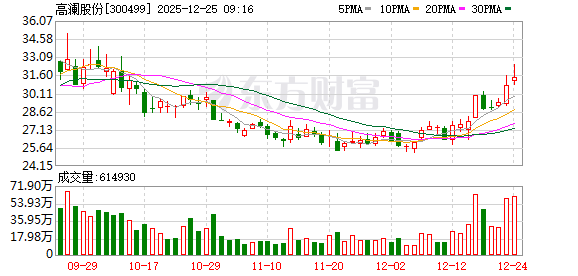
高澜股份:公司已储备冷板式、浸没式及集装箱式液冷等多种液冷技术
Zheng Quan Ri Bao Wang· 2025-12-25 09:42
Core Viewpoint - The company has developed various liquid cooling technologies to meet the efficient heat dissipation needs of data centers and intelligent computing centers, effectively reducing PUE [1] Group 1: Technology and Product Development - The company has reserved multiple liquid cooling technologies, including cold plate, immersion, and containerized liquid cooling [1] - These technologies are specifically designed to address the high-efficiency cooling requirements of data centers and intelligent computing centers [1] Group 2: Market Expansion - The application areas of the company's products are expanding from direct current transmission, flexible AC transmission and distribution, and high-power electrical drive to include oil and petrochemicals, rail transportation, shipping, medical equipment, data centers, and energy storage power stations [1]

高澜股份:公司已形成微通道液冷技术储备但尚未产业化
Zheng Quan Ri Bao Wang· 2025-12-25 09:38
Group 1 - The company, Gaolan Co., Ltd. (stock code: 300499), has been researching microchannel liquid cooling technology for several years and has developed a certain level of technical reserves [1] - However, the company has not yet achieved industrial application of this technology [1]
高澜股份:多年前便布局微通道液冷技术的相关研究,目前已形成一定技术储备
Mei Ri Jing Ji Xin Wen· 2025-12-25 01:15
Group 1 - The company has been researching microchannel liquid cooling technology for several years and has developed a certain level of technical reserves [2] - However, the company has not yet achieved industrial application of this technology [2]

隔离器上游缺口—偏振片与法拉第片
2025-12-17 02:27
Summary of Key Points from Conference Call Records Industry Overview - The isolator market is facing supply-demand imbalances due to tight upstream material supplies, specifically Faraday rotators and polarizers, primarily controlled by overseas manufacturers such as Sumitomo, Coherent, Hoya, and Corning. This has led to price increases, creating opportunities for domestic manufacturers like Xinhua Guang and Fuzhijing [1][2][4] - Global infrastructure demand remains strong, but North America is experiencing shortages, impacting related supply chains. Space computing, as part of broader infrastructure, is expected to address ground energy shortages through commercial space technology [1][5][19] Key Insights and Arguments - The isolator is crucial in optical communication for ensuring unidirectional light transmission, with increasing demand and quality requirements, especially in North America [2] - The financial results of Broadcom and Oracle have caused market fluctuations, but the underlying demand remains strong. Concerns about AI demand and supply chain issues are significant [1][6][8] - The AI sector shows notable valuation disparities, with core AI stocks like TSMC and NVIDIA being relatively undervalued, while segments like power, fuel cells, and storage are overvalued [8] - NVIDIA's H200 offers significant cost-performance advantages, attracting major organizations like Alibaba and Tencent, and is pivotal in advancing AI technology [3][12][14] Market Dynamics - Broadcom's lack of a substantial upward revision in its 2026 guidance has led to market anxiety, despite strong financial performance. The stock dropped 10% post-earnings release due to concerns over AI demand and supply chain capabilities [6][7] - Oracle's recent financial performance raised concerns about cash flow and order fulfillment, particularly regarding its collaboration with OpenAI [9] Technological Developments - Companies are accelerating model iterations, with advancements like GPT-5.2 and Gemini 3.3 Pro showcasing different strengths in AI capabilities. NVIDIA maintains a competitive edge in computing power, although Google's TPU project has significant experience [10][11] - The light communication industry is thriving due to its high demand and favorable commercial landscape, with leading companies like Zhongji Xuchuang and Xinyi Sheng expanding their advantages in silicon photonics [17][18] Future Trends - Space computing is expected to grow significantly, driven by events like frequent rocket launches and the potential IPO of SpaceX, addressing energy supply issues through high-density solar energy [19][20][21] - Liquid cooling technology is gaining attention, with established companies maintaining dominance due to their experience and case studies, while new entrants face challenges in post-installation support and operational risks [22][23][24]
通源环境牵头组建液冷技术创新联合体成功获批
Zheng Quan Ri Bao· 2025-12-01 11:37
Core Insights - The "Hefei All-Scenario Immersion Oil-Based Liquid Cooling Technology Innovation Consortium" led by Tongyuan Environment has been approved, marking a significant step in high-end cooling technology and injecting new momentum into green computing infrastructure construction [2] Group 1: Industry Context - The rapid development of the digital economy and the advancement of "dual carbon" goals have created unprecedented cooling pressures for new infrastructure such as data centers, 5G base stations, and new energy storage [2] - High power consumption and high heat flux density have become core bottlenecks restricting computing power enhancement and energy efficiency optimization [2] Group 2: Company Initiatives - Tongyuan Environment, focusing on environmental protection and energy conservation, has responded actively to national calls for technological innovation [2] - The consortium includes key players such as PetroChina Karamay Petrochemical Co., Shenzhen Green Cloud Technology Co., China Unicom (Anhui) Industrial Internet Co., H3C Technologies Co., and Hefei University of Technology, forming a cross-domain innovation alliance [2] - The consortium integrates a complete industrial chain resource from cooling working fluids, liquid cooling systems, application scenarios to research support, aiming to provide more efficient, safer, and greener cooling solutions for computing power infrastructure [2]


美利信20251125
2025-11-26 14:15
Summary of the Conference Call for 美丽信 Industry and Company Overview - The conference call discusses 美丽信, a company involved in the deployment of 5.5G base stations and liquid cooling technology, with a focus on expanding its overseas customer base and enhancing profitability from 2026 onwards [2][4]. Core Points and Arguments 1. **5.5G Base Station Liquid Cooling Deployment**: 美丽信 plans to deploy 5.5G base stations using liquid cooling solutions, which are expected to significantly enhance profit margins compared to traditional base station components starting in 2026 [2][4]. 2. **North American Market Projects**: The company anticipates that its new generation autonomous driving and energy storage projects in North America will contribute incremental revenue from 2026, particularly with a growth expectation exceeding 50% in the U.S. energy storage market [2][4]. 3. **Semiconductor Business Growth**: The subsidiary "于来生" has made breakthroughs with clients in Shanghai and Shenzhen, and the acceleration of domestic substitution is expected to lead to a definitive increase in semiconductor production capacity by 2026 [2][4]. 4. **Liquid Cooling Technology Advantages**: 美丽信 has accumulated expertise in liquid cooling technology, which is projected to save 30% of energy for data centers, addressing the pressing electricity shortage in the U.S. [2][6]. 5. **Market Opportunities for Liquid Cooling**: Predictions indicate that by 2027, the market share of liquid cooling for non-NV series chips will significantly exceed that of NV series chips, presenting substantial market opportunities for 美丽信 [2][6]. Additional Important Insights 1. **Valuation Comparison**: Similar companies like 英维克 have market valuations exceeding 70 billion, while 美丽信's current valuation is only 9 billion, indicating significant room for valuation growth [3][5]. 2. **Collaborative Efforts**: The company is leveraging its past experience in electromechanical fields and is actively pursuing collaborations, particularly with Taiwanese teams, to enhance its market presence [5][6]. 3. **Diverse Application Prospects**: Major companies like Google are increasingly adopting liquid cooling solutions for various ACI chips, GPUs, and CPUs, indicating a broadening application landscape for 美丽信's technology [6].
浪潮、新华三、绿色云图、中石油、中化蓝天等演讲,参观国家超算中心,液冷论坛11.27乌镇召开!
傅里叶的猫· 2025-11-24 05:32
Core Insights - The article emphasizes the rapid growth of liquid cooling technologies, particularly immersion cooling, as essential for meeting the demands of modern data centers driven by the explosion of artificial intelligence technology [8][9] - It highlights the significant market potential for liquid cooling solutions in China, projecting the liquid cooling server market to reach $2.37 billion in 2024, a 67% increase from 2023, and expects the market to exceed 180 billion RMB by 2030 [8] Industry Trends - The article discusses the transition from traditional air cooling to liquid cooling methods, with immersion cooling being recognized for its superior thermal conductivity and energy efficiency [8] - It notes the challenges faced by the domestic immersion cooling technology, including the need for localization of core materials and overcoming technical bottlenecks in dual-phase cooling systems [9] Market Opportunities - The article outlines the expected growth of the liquid cooling materials market, estimating it to reach between 36 billion to 45 billion RMB [8] - It mentions various technological routes for cooling liquids, including fluorinated liquids, synthetic oils, and bio-based coolants, indicating a diverse landscape of innovation [8] Event Information - The first "Cooling Liquid and Liquid Cooling Technology Forum" is scheduled for November 27-28, 2025, in Wuzhen, Zhejiang, focusing on material innovation and the commercial application of efficient liquid cooling technologies [9][18] - The forum aims to gather leading companies and research institutions to discuss breakthroughs in materials, technological advancements, and application scenarios [9][18]

全球AI争霸背后的电力较量:能源焦虑与联想(00992)液冷的爆发式增长
智通财经网· 2025-11-21 05:34
Core Insights - The AI competition has shifted from chip supply to power supply, highlighting a critical bottleneck in the industry [1][2] - Nvidia's market valuation has surged from $4 trillion to $5 trillion, driven by exponential growth in AI infrastructure demand, with global data center investments projected to reach $3 trillion [1][2] - The energy consumption of AI has expanded significantly, with predictions that global AI inference demand will reach petawatt-hours by 2026, potentially overwhelming power grids [3][4] Energy Crisis in AI - AI's energy consumption is increasingly distributed across model inference, with daily requests leading to exponential energy use, matching or exceeding training energy demands [3][4] - By 2030, global AI data centers will require an additional 96 gigawatts of power, equivalent to Sweden's annual output or 100 nuclear power plants [3][4] Cost Implications - A data center with a power demand of 1 gigawatt could incur annual electricity costs between $700 million and $876 million, with larger centers potentially reaching 10 gigawatts [4][5] - Energy efficiency improvements of just 1% can save companies hundreds of millions in long-term costs, emphasizing the critical nature of energy supply for tech firms [5] Strategies for Energy Supply - Major tech companies are adopting aggressive strategies to ensure energy supply, including building their own power plants [6][8] - Companies like xAI are constructing integrated facilities that combine data centers with on-site power generation to mitigate grid dependency [6][8] Global Energy Strategies - The U.S. faces power shortages due to aging infrastructure, prompting companies to self-generate energy [6][9] - In contrast, China is leveraging policy and clean energy advantages to meet AI power demands, with a massive $1.2 trillion hydropower project expected to fulfill 75% of national AI power needs [9] Cooling Technology - AI data centers consume significant power for cooling, necessitating advanced cooling technologies to manage heat effectively [11][12] - Liquid cooling technology is becoming essential for AI chip deployment, with the market for cooling expected to grow significantly [15][20] Lenovo's Position in Liquid Cooling - Lenovo has established itself as a leader in liquid cooling technology, with a 154% year-over-year revenue growth in its liquid cooling segment [17][19] - The company’s solutions have been successfully implemented in various critical sectors, showcasing its competitive advantages and market recognition [19][20]

英威腾:公司液冷技术按系统架构分包括冷板式、喷淋式、浸没式
Zheng Quan Ri Bao· 2025-11-10 08:41
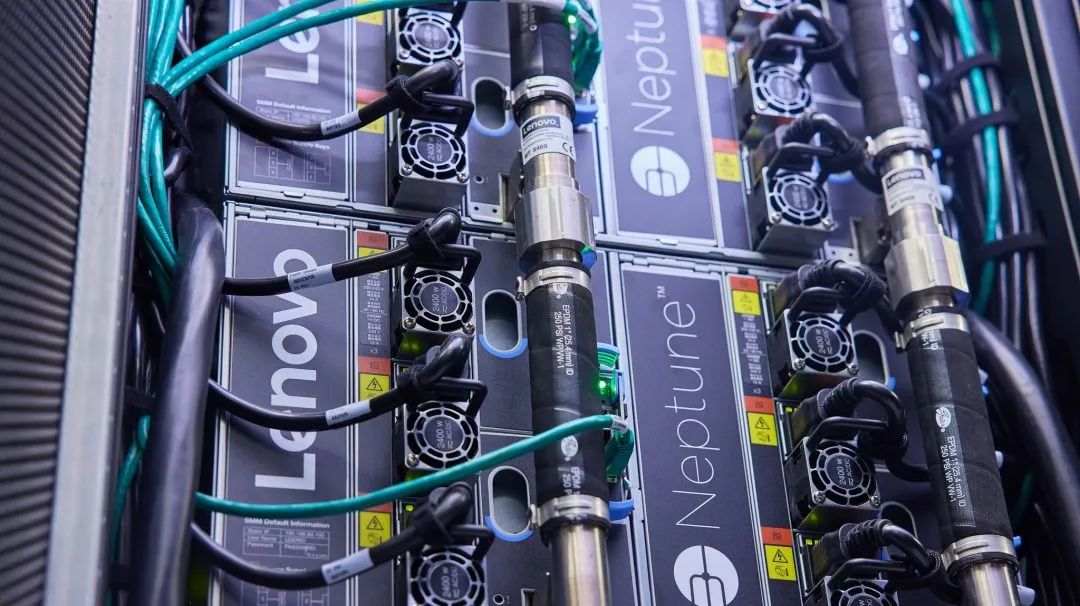
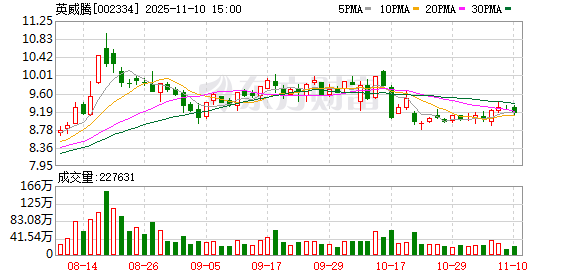
Core Viewpoint - The company, Invt, has a comprehensive and diverse liquid cooling technology solution, which includes cold plate, spray, and immersion cooling systems, highlighting its energy-saving performance advantages [2] Group 1 - The company's liquid cooling technology is categorized into three system architectures: cold plate, spray, and immersion [2] - Invt emphasizes the completeness and diversity of its liquid cooling solutions [2] - The energy-saving performance of the company's products is noted as a significant advantage [2]

永臻股份披露三季报:构筑多元增长曲线 长期成长价值凸显
Zhong Guo Zheng Quan Bao· 2025-10-28 05:43
Core Viewpoint - Yongzhen Co., Ltd. reported a revenue of 9.049 billion yuan for the first three quarters of 2025, reflecting a year-on-year growth of 57.81%, although the net profit attributable to shareholders showed a decline due to industry pressures [1] Group 1: Financial Performance - The company achieved a revenue of 9.049 billion yuan in the first three quarters, marking a 57.81% increase year-on-year [1] - Despite strong revenue growth, the net profit attributable to shareholders experienced a decline due to industry challenges [1] Group 2: Business Strategy and Growth - Yongzhen Co., Ltd. is actively diversifying its growth avenues by expanding into liquid cooling, energy storage, and robotics, aiming to build a multi-faceted growth curve [1][2] - The company has set ambitious shipment targets for its photovoltaic frames, aiming for 600,000 tons, 800,000 tons, and 1 million tons from 2025 to 2027, indicating management's confidence in long-term growth [1] Group 3: Liquid Cooling Technology - The acquisition of Zhejiang Jienowei Automotive Lightweight Technology Co., Ltd. allows Yongzhen to enter the liquid cooling technology sector, leveraging advanced "flat extrusion" technology for high-precision cooling plates [2] - The company plans to achieve a production capacity of 100,000 tons for liquid cooling plates by the end of 2026, with initial production lines expected to start in late 2023 [2] Group 4: Energy Storage Initiatives - Yongzhen is investing 1.31 billion yuan to build a 1.8GWh energy storage station in Baotou, Inner Mongolia, which has received policy support and is expected to provide stable returns [3] - A strategic cooperation agreement with BYD will enhance Yongzhen's capabilities in energy storage project development and supply chain integration [3] Group 5: Robotics Sector - The company is establishing a foothold in the humanoid robotics sector, utilizing over 20 years of expertise in aluminum alloy materials to supply critical components [3] - Yongzhen aims to explore the application of lightweight materials in robotics, positioning itself for growth as the industry transitions to mass production [3] Group 6: Overall Business Outlook - Yongzhen has developed a diversified business model that combines its core photovoltaic operations with emerging sectors like liquid cooling, energy storage, and robotics [4] - Despite short-term fluctuations in performance, the company is expected to achieve high-quality long-term growth as industry conditions improve and new business segments mature [4]