瓶装水

Search documents
网购同款售价约5到7元,星巴克回应“22元一瓶矿泉水被吐槽”:卖得不错
Sou Hu Cai Jing· 2025-11-14 07:38
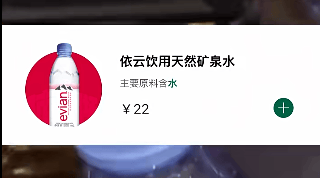
Core Points - A recent social media post questioned Starbucks' pricing of Evian water at 22 yuan per bottle, claiming "nobody buys it," which sparked widespread discussion [1] - On e-commerce platforms, Evian water is priced around 5 to 7 yuan per bottle, highlighting a significant price discrepancy [1] Group 1 - A Starbucks employee in Shanghai stated that the Evian water sells well, particularly among customers who prefer it over coffee during business meetings [3] - The employee attributed the price difference to varying supply channels, asserting that the 22 yuan price has been consistent and that there is a steady demand for it [3] - A lawyer noted that the pricing is publicly disclosed to consumers and does not involve coercion, categorizing it as a market behavior [3] Group 2 - Some netizens perceive the purchase of high-priced bottled water as a sign of vanity, while others argue that Starbucks' premium pricing strategy aims to enhance brand value [3] - Professor Mei Zhigang from Central China Normal University commented that both views are inappropriate, emphasizing that Starbucks has a specific product positioning and that consumer choices reflect individual motivations and payment capabilities [3]


进博会观察|外资重新定义中国市场
Jing Ji Guan Cha Wang· 2025-11-08 02:21
Group 1: Event Overview - The 8th China International Import Expo (CIIE) attracted over 4,108 companies from 155 countries and regions, marking a record high in participation [2][3] - Malaysia's bilateral trade with China is projected to reach $212.04 billion in 2024, a year-on-year increase of 11.4%, solidifying China's position as Malaysia's largest trading partner for 16 consecutive years [2] - The expo serves as a vital platform for Malaysian companies to enter the Chinese market, facilitating quick connections within the business ecosystem [2] Group 2: Corporate Participation and Impact - Companies like KraussMaffei and Cargill have reported significant business opportunities and partnerships formed during the expo, highlighting the event's role in fostering cross-industry collaborations [4][6] - Shanghai Zhenhua Heavy Industries announced contracts worth $390 million with 11 suppliers on the first day of the expo, showcasing the platform's effectiveness in meeting procurement needs [7] - Baker Hughes has shifted from exporting products to local manufacturing in China, responding to the growing demand for localized production in the aerospace sector [8][9] Group 3: Market Trends and Consumer Insights - The expo has seen a shift towards localized production and tailored consumer products, with companies adapting their offerings to meet the specific demands of the Chinese market [12][13] - There is a growing trend among multinational companies to enhance their local manufacturing capabilities in response to China's increasing demand for high-end products [9][10] - The health-conscious consumer trend in China is driving companies to innovate and diversify their product lines, as seen with Spritzer's focus on sparkling water [12][13] Group 4: Economic and Policy Context - The CIIE is viewed as a gateway for global companies to access the Chinese market, with many expressing confidence in China's stable development environment amid global trade uncertainties [3][15] - China's openness index has significantly improved, reflecting the country's commitment to expanding its market access and enhancing the business environment for foreign investors [14][15] - Companies like Evonik are increasing their investments in China, with plans for multiple projects to enhance local production capabilities, indicating a long-term commitment to the Chinese market [16]

帮主郑重:唠透富豪榜!钟睒睒五连冠背后的财富门道
Sou Hu Cai Jing· 2025-11-07 16:14
Group 1 - The core point of the article highlights the significant wealth changes among China's billionaires, particularly noting Zhong Shanshan's rise to the top with an increase of $26.3 billion, nearing $80 billion in total wealth [1][3] - Zhong Shanshan's success is attributed to his focus on the "essential needs" sector, specifically in the beverage industry, which remains stable regardless of economic fluctuations, providing consistent cash flow [3] - The article also points out the emergence of new billionaires like Zhang Yiming and others in the technology and new consumption sectors, indicating a shift in wealth towards areas driven by youth demand and technological advancements [3] Group 2 - The decline of traditional industries is exemplified by Wang Jianlin's exit from the billionaire list, reflecting the challenges faced by the real estate sector amid liquidity issues [3] - The fluctuations in the billionaire rankings are seen as a representation of changing market trends, emphasizing that there are no permanent wealthy individuals, only those who adapt to evolving sectors [3] - The article suggests that investment strategies should align with either stable essential sectors or emerging trends, mirroring the wealth logic of billionaires [3]
昆仑山矿泉水携手名校EMBA网球精英赛,共创健康生活新风尚
Cai Fu Zai Xian· 2025-11-07 07:35
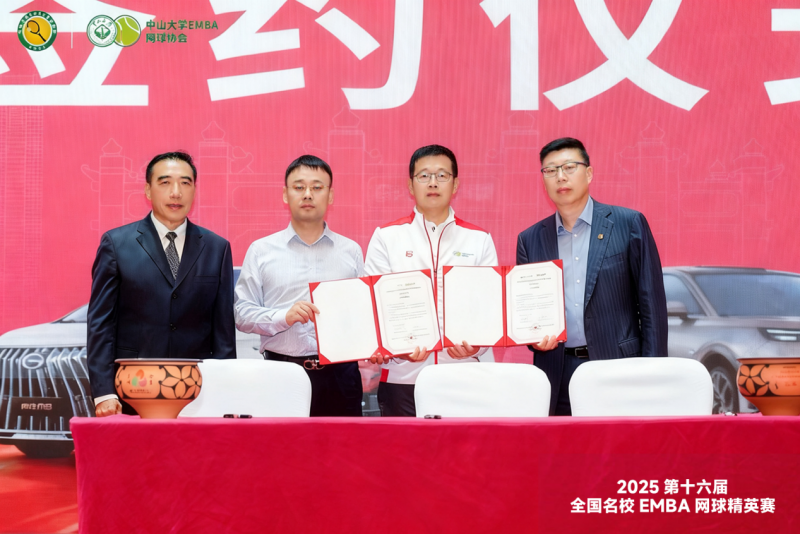
Core Points - The signing of Kunlun Mountain Mineral Water as the platinum sponsor for the 16th National EMBA Tennis Elite Tournament highlights the company's commitment to supporting tennis in China [1][5][8] - The tournament, which will take place from December 5 to 7, 2025, in Guangzhou, is a prestigious event for EMBA students and executives, attracting over 500 elite participants from 24 top universities [5][6] - Kunlun Mountain Mineral Water aims to meet the hydration needs of athletes during the high-intensity matches, providing a reliable source of drinking water [6][10] Company Initiatives - Kunlun Mountain Mineral Water has previously sponsored the China Open Tennis Tournament, reinforcing its association with tennis and promoting the message of "drinking Kunlun Mountain Mineral Water while playing tennis" [8][13] - The company is expanding its partnerships with sports clubs across China, sponsoring local tennis events to promote the sport and advocate for healthy drinking habits [8][10] - The brand's philosophy of "Mountain Peak, Water Extreme" aligns with the growing trend of health-conscious living, as tennis participation in China has exceeded 25 million, reflecting a societal shift towards healthier lifestyles [10][11][13] Product Features - The mineral water sourced from the Yuzhu Peak at an altitude of 6000 meters undergoes over 50 years of natural filtration and mineralization, ensuring high-quality hydration for athletes [6][11] - The water's natural weak alkalinity helps neutralize acidity in the body post-exercise, while its rich mineral content supports quicker recovery for tennis players [6][11]
第八届进博会|通讯:酒香也怕巷子深——亚美尼亚展商借进博会开拓中国市场
Xin Hua She· 2025-11-07 00:42
Core Viewpoint - Armenia is leveraging the China International Import Expo (CIIE) to expand its market presence in China, showcasing its unique products such as bottled spring water, brandy, wine, and other local specialties [1][2][3] Group 1: Product Offerings - Armenian exhibitors are presenting a variety of products including natural spring water, brandy, wine, pomegranate wine, tea, honey, and handicrafts at the CIIE [1] - The spring water is marketed as pure, natural, and beneficial for health, appealing to health-conscious Chinese consumers [1] Group 2: Market Opportunities - The CIIE provides a valuable opportunity for Armenian companies to enter the Chinese market, which has been described as a "niche" for Armenian products [2] - The participation of 13 Armenian companies at the expo marks a significant step, with many of them being first-time exhibitors eager to establish connections and gain orders from Chinese consumers [2] Group 3: Bilateral Relations - The establishment of a strategic partnership between China and Armenia in August has led to a steady increase in bilateral trade [3] - The deepening relationship and ongoing Belt and Road Initiative cooperation are expected to enhance business opportunities for both countries [3]
钟睒睒4次当首富,凭什么?26年18位首富更迭,藏着中国经济秘密
Sou Hu Cai Jing· 2025-10-29 06:43
Group 1 - The core point of the article highlights the rise of Zhong Shanshan as the richest person in China, with a net worth of 530 billion, marking his fourth time at the top of the Hurun Rich List, reflecting the potential of the Chinese consumer market and the rise of national brands [1][3] - The article discusses the historical context of the changes in China's richest individuals over the past 26 years, indicating a shift from traditional industries to consumer-driven sectors [3][4] - Zhong Shanshan's wealth primarily comes from his companies, Nongfu Spring and Wantai Biological Pharmacy, showcasing the dual engine of his financial success [9][11] Group 2 - The article details Zhong Shanshan's four-time ascension to the top, with specific wealth figures and growth percentages for each year, illustrating the trajectory of his financial success [7][8][12] - The analysis of the wealth sources indicates that Nongfu Spring holds a significant market position in the bottled water industry, benefiting from consumer trends and product innovation [11][12] - The article emphasizes the importance of consumer brand value and the strategic diversification of Zhong's investments, particularly in the biopharmaceutical sector, which provides additional support for his wealth growth [58][59] Group 3 - The historical overview of China's richest individuals from 1999 to 2025 reveals a clear trend of increasing wealth, reflecting the rapid economic development in China [18][21] - The article categorizes the evolution of wealth creation models, indicating a shift from resource-driven to innovation-driven approaches in the current economic landscape [50][52] - The regional distribution of wealth highlights the concentration of billionaires in coastal and major urban areas, reflecting the economic development patterns in China [53][54]
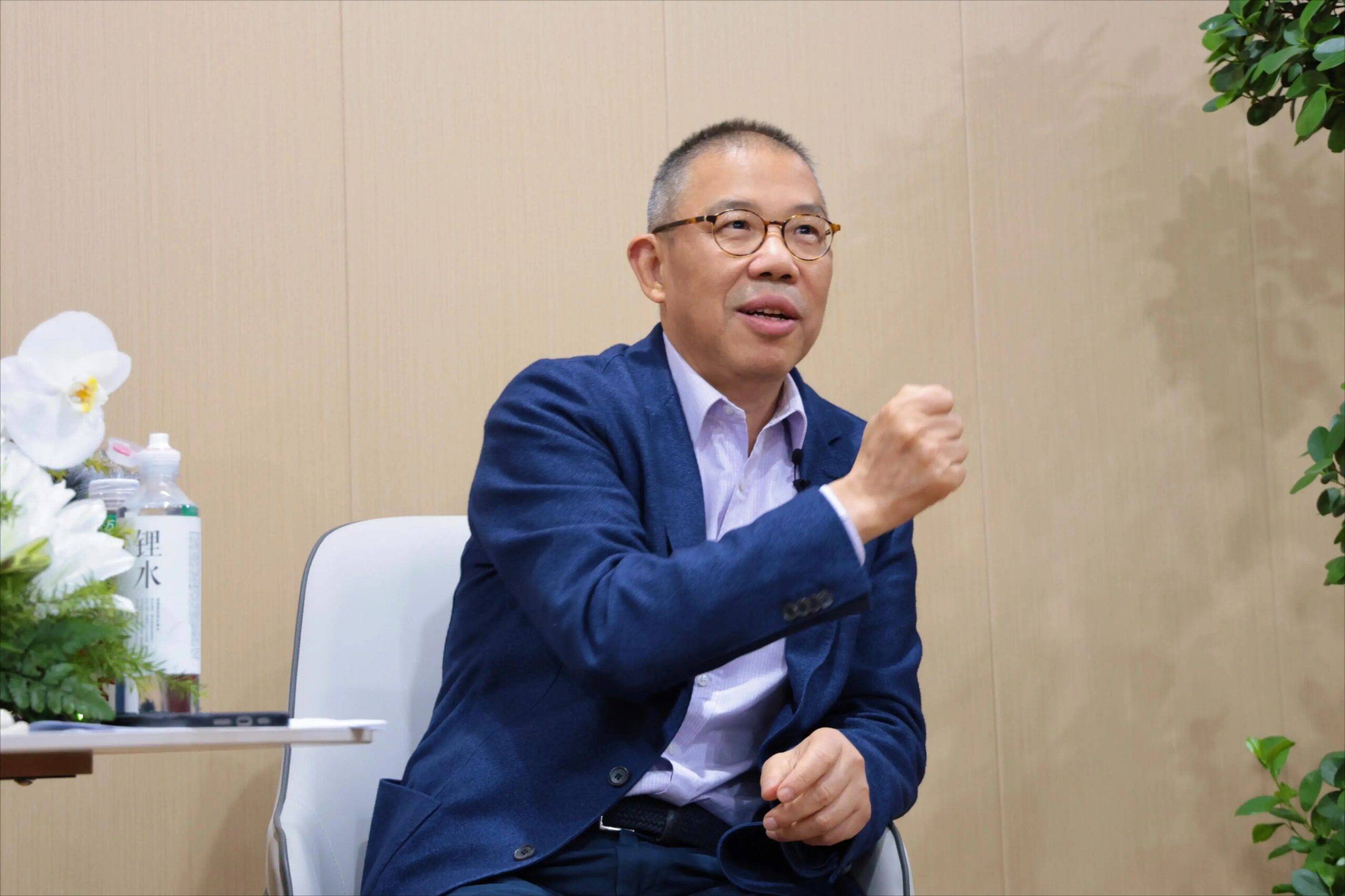
近30万亿财富大洗牌!钟睒睒四当首富,雷军年增2000 亿财富,房地产仅1人上榜
Sou Hu Cai Jing· 2025-10-28 10:04
Group 1 - The 2025 Hurun Rich List shows a significant increase in wealth, with 1,434 entrepreneurs having over 5 billion in wealth, an increase of 340 from last year, and total wealth reaching nearly 30 trillion, up by 9 trillion [1] - The list features 15 new billionaires, bringing the total to 41, and 268 new individuals with wealth over 1 billion, indicating a rapid expansion of wealth among the elite [1] - Notable new entrants include Lei Jun and Li Shufu in the top ten, with Lei Jun gaining nearly 200 billion this year, making him the "growth king" with a total wealth of 326 billion [1] Group 2 - The list reflects a clear industry reshuffle, with new wealth being generated in sectors like industrial products, health, and consumer goods, while real estate has seen a significant decline, with only one representative remaining in the top 100 [2] - The emergence of new billionaires such as Wang Ning from Pop Mart and Chen Tian Shi from Cambrian, who capitalized on the AI computing trend, highlights the shift towards innovative industries [2] - The changes in the list serve as a barometer for the Chinese economy, showcasing the dynamics of industry upgrades and the impact of innovation on wealth distribution [3]

价格补贴、反内卷与产能过剩
虎嗅APP· 2025-10-07 13:11
Group 1 - The article discusses the phenomenon of price competition and overcapacity in various industries, using oil, water, and milk as case studies [5] - The first case study focuses on the oil crisis of the 1970s, highlighting how low oil prices prior to the crisis led to a significant change in consumer behavior and the automotive industry in the U.S. [6][10] - It explains that the low oil prices were not solely due to exploitation by capitalist countries but were also driven by the need to expand market size and create consumer habits [9] Group 2 - The second case study examines the pricing strategies in Japan's retail sector, particularly the phenomenon where 2L bottled water is cheaper than 550ml, illustrating competitive pricing and consumer sensitivity [11][13] - It notes that this pricing strategy is a result of long-term deflation and competitive pressure, leading to a situation where retailers use lower-priced larger bottles to attract customers [12][14] Group 3 - The final case study addresses the "milk dumping" incidents during the Great Depression in the U.S., where milk was discarded instead of being distributed to those in need [16][21] - It outlines the complexities behind this phenomenon, including actions taken by farmers, industry associations, and government interventions aimed at stabilizing milk prices [17][19]

价格补贴、反内卷与产能过剩
Hu Xiu· 2025-10-06 13:16
Group 1: Oil Price Dynamics - The article discusses the historical context of low oil prices before the 1970s, highlighting that the average retail price of gasoline in the US was about 36 cents per gallon in 1970, which is equivalent to approximately $2.5 today when adjusted for inflation [2] - The low oil prices prior to the 1970s were attributed to the initial use of oil primarily for lighting and the discovery of easily extractable oil reserves in the Middle East, which contributed to a significant expansion of the petrochemical industry [3][5] - The article argues against the notion that capitalist countries intentionally suppressed oil prices to exploit oil-producing nations, suggesting instead that low prices were a strategy to expand market size and create consumer habits [6][8] Group 2: Price Competition in Japan - The article highlights the phenomenon of price competition in Japan from 2000 to 2020, where a discount store maintained prices at 100 yen for most products, reflecting a long-term deflationary environment [11][12] - It discusses the pricing strategy of bottled water in Japan, where a 2L bottle is often cheaper than a 550ml bottle due to competitive pricing tactics employed by convenience stores to attract customers [14][15] - The pricing dynamics illustrate how retailers use loss leaders and competitive pricing strategies to maintain customer traffic and increase overall sales, despite the apparent price distortion [17][18] Group 3: Historical Context of Milk Disposal - The article recounts the "milk dumping" events during the Great Depression in the US, where farmers disposed of milk due to plummeting demand and prices, leading to a complex interplay of market forces and protests [19][21] - It explains that the milk dumping was not solely due to market conditions but also involved organized actions by farmers and industry associations to raise prices through reduced supply [22][23] - The US government intervened during this period by implementing policies to stabilize milk prices, including the Agricultural Adjustment Act, which aimed to reduce production and increase prices [24][25][26]
瓶装水“中场战事”:“价格战”下头部企业多元化布局谋突破
Xi Niu Cai Jing· 2025-09-29 10:22
Core Insights - The bottled water industry is experiencing a significant shift from a "price war" to a "value competition," driven by changing consumer demands and market dynamics [2][5][9] Company Performance - Nongfu Spring reported strong growth in the first half of 2025, achieving revenue of 25.62 billion yuan, a year-on-year increase of 15.6%, and a net profit of 7.62 billion yuan, up 22.2% [3][4] - In contrast, China Resources Beverage faced a sharp decline, with revenue falling to 6.206 billion yuan, down 18.52%, and a net profit drop of 28.63% [3][4] - China Resources Beverage's bottled water revenue decreased by 24.1% to 5.251 billion yuan, significantly impacting its overall performance [4] Market Dynamics - The competition in the bottled water market is intensifying, with companies focusing on product innovation, brand value, and channel transformation rather than just pricing [2][5][7] - Consumer preferences are shifting towards higher quality and health-oriented products, leading to increased demand for natural and mineral waters [5][6] - The rise of instant retail channels has changed consumer shopping habits, with instant retail now accounting for 18% of the market [5][6] Strategic Initiatives - Nongfu Spring is expanding its product line and market presence, including launching new products like "Nongfu Spring" ice and entering the Hong Kong market [7][8] - China Resources Beverage is accelerating its innovation efforts, planning to release 14 new SKUs in 2025, covering various beverage categories [8] - Wahaha is making significant strides in the market, leveraging channel strategies to penetrate first-tier markets [4][8] Future Outlook - The bottled water market is expected to see further differentiation in performance as consumer demand evolves and competition intensifies [9] - Companies will need to enhance their innovation capabilities and adapt to changing market conditions to remain competitive [7][9]