火锅

Search documents
海底捞进军寿司赛道
Bei Jing Shang Bao· 2025-10-22 15:38
Core Insights - Haidilao has entered the sushi market with its new brand "Rushi Sushi," offering over 200 affordable dishes, primarily priced at 9.9 yuan and 15 yuan, capitalizing on the growing popularity of sushi in China [1][3][5] Business Strategy - The new sushi brand features a Japanese-style design and a self-service ordering system, catering to solo diners and emphasizing freshness with cold-chain delivery of key ingredients like Norwegian salmon and tuna [3][4] - Haidilao's "Pomegranate Plan" aims to incubate and develop new restaurant brands, resulting in a diverse portfolio of 14 second brands, with "other restaurant revenue" increasing by 227% year-on-year [5][6] Market Trends - The sushi market has seen significant growth, with over 23,000 sushi restaurants in China, and more than 50% of these offering meals at an average price below 35 yuan [7][8] - The competitive landscape includes established international brands, indicating both opportunities and challenges for Haidilao as it seeks to capture market share [6][8] Operational Challenges - Haidilao faces distinct operational challenges in the sushi segment compared to its core hotpot business, particularly in supply chain management and the need for high-quality seafood sourcing [8][9] - The company must balance its main hotpot business with new ventures, ensuring that supply chain quality and cost management are effectively addressed [9][10]



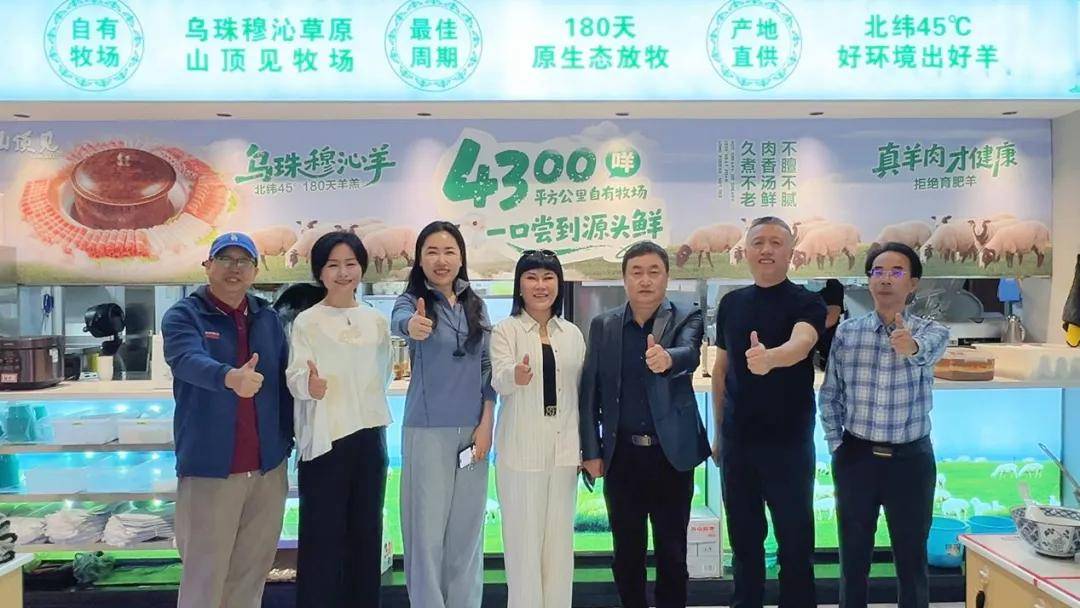
石家庄企业家考察团到访山顶见火锅——共谱河北市场新篇章
Sou Hu Cai Jing· 2025-10-21 12:08
Core Insights - The visit by the Shijiazhuang entrepreneur delegation aimed to evaluate the brand strength of Shanting Jian Hotpot and reach a strategic consensus on partnership and investment opportunities in Hebei Province [1][3] Group 1: Company Overview - Shanting Jian Hotpot's founder, Wang Guangyu, showcased the company's comprehensive industrial layout and operational capabilities during the visit [3] - The brand emphasizes a full industry chain system, including ingredient sourcing, standardized production in central kitchens, and cold chain logistics, highlighting its core competitiveness in quality control and operational efficiency [3] Group 2: Operational Strategy - The founder discussed the standardized management system and talent training mechanisms in place to ensure consistent and high-quality dining experiences across all locations [3] - The integration of local calligraphy and painting art into the restaurant's space design reflects the brand's cultural philosophy, creating a differentiated competitive advantage through an innovative "catering + culture" model [3] Group 3: Strategic Collaboration - The delegation highly praised Shanting Jian Hotpot's full industry chain layout and standardized operational capabilities, indicating a strong interest in investment [3] - Both parties reached multiple agreements on market expansion in Hebei Province and regional supply chain collaboration, marking a significant step forward in their partnership [3] - The collaboration aims to leverage each party's strengths in industrial resources and regional markets to jointly explore new opportunities in the North China market [3]
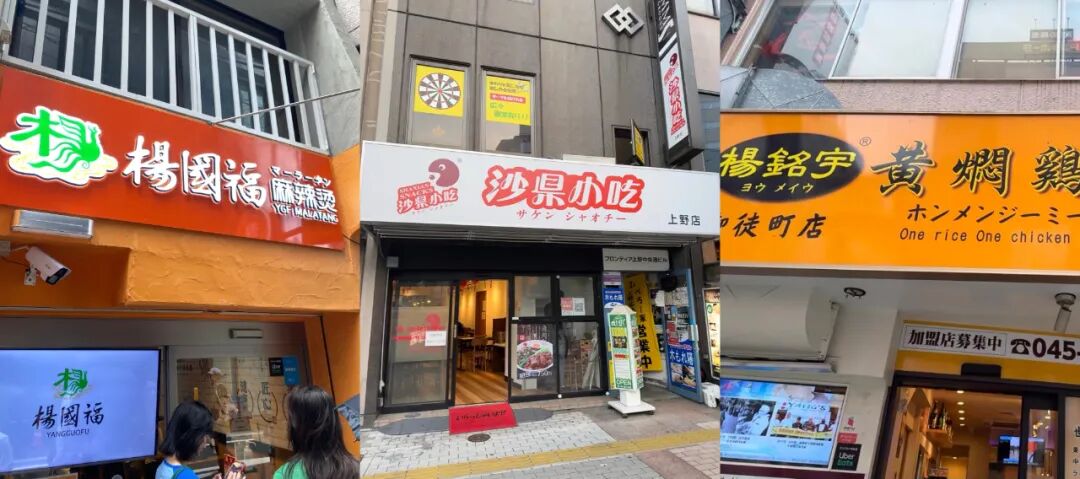
日本街头,正被中国“拼好饭”攻陷
3 6 Ke· 2025-10-17 01:45
Core Insights - The article discusses the rising popularity of Chinese street food, particularly spicy hot pot (麻辣烫), in Japan, highlighting how these foods have transformed from local staples to trendy, high-end dining experiences for young Japanese consumers [1][3][21] Group 1: Popularity of Chinese Street Food in Japan - Spicy hot pot has become a new social currency in Japan, with an average price of 2000 yen (approximately 95 RMB) for 500 grams, making it a premium choice compared to traditional Japanese meals [3][9] - The experience of queuing for hot pot has turned into a social media event, with young people eagerly sharing their experiences online [3][5] - The selection process for ingredients is likened to shopping for cosmetics, enhancing the overall dining experience [5][11] Group 2: Cultural Adaptation and Innovation - Chinese dishes have been localized in Japan, with unique adaptations such as ice cream-filled fried dough sticks and strawberry-flavored mapo tofu, appealing to local tastes [13][18] - The core recipes of these dishes remain unchanged, but their presentation and marketing have been revamped to create a sense of luxury and exclusivity [12][20] Group 3: Global Expansion of Chinese Cuisine - The article emphasizes that Chinese cuisine is gaining traction globally, with examples like Din Tai Fung in Dubai and Liu Yishou hot pot in New York, showcasing the versatility and appeal of Chinese flavors [23][25] - The supply chain advantages from Chinese pre-made food companies ensure consistent quality and lower costs, facilitating the global expansion of these once-local street foods [21][25]
海底捞全国首家亲子友好店开业 门店月客流同比新增超千桌
Xin Lang Cai Jing· 2025-10-16 12:42
Core Insights - Haidilao opened its first family-friendly restaurant in Shenzhen's Nanshan District at the end of July this year, which has seen a significant increase in customer traffic in its first month of operation compared to the same period last year [2] - The restaurant reported over a thousand additional tables served year-on-year, with 50% of weekend customers being families [2] Summary by Categories - **Store Features** - The family-friendly restaurant includes a variety of play facilities such as a ball pit, sand area, graffiti wall, building block game area, interactive projection slide, and reading corner to cater to children of different age groups [2] - **Customer Engagement** - To enhance parent-child interaction, the restaurant collaborates with professional interest organizations to host various themed craft activities [2]

李亚鹏的创业魔咒:每次跨界都精准卡在风口变坑口的关键时刻!
Xin Lang Cai Jing· 2025-10-15 06:22
Core Insights - The news highlights the recent trending topic of Li Yapeng's divorce, which has drawn significant public attention due to his failed business ventures and substantial debts [1][3]. Group 1: Business Ventures - Li Yapeng's entrepreneurial journey is characterized as a series of missteps, often entering industries just as they begin to decline, earning him the label of a "reverse indicator" in business [4][12]. - His investment in the Snow Mountain Art Town project, which cost 3.5 billion, was made during a downturn in the real estate market, leading to a significant loss and a forced sale of 51% of the stake for 190 million, along with an additional 40 million in debt [6]. - The launch of a hotpot restaurant during the rise of e-commerce and a marriage platform "Xiyuan" also exemplifies his tendency to enter markets after they have peaked, resulting in poor timing and execution [8][10]. Group 2: Market Timing and Strategy - Li Yapeng's ventures often coincide with market saturation, as seen in the white liquor industry where he invested heavily only when competition intensified [8]. - His late entry into the electric vehicle market, investing 800 million when leading players had already established dominance, further illustrates his struggle with market timing [10]. - The early success of the "Xiyuan" project, which was on the verge of acquisition, was squandered when he declined the offer, marking a missed opportunity in his entrepreneurial journey [12]. Group 3: Lessons Learned - The narrative serves as a cautionary tale for entrepreneurs, emphasizing that having a celebrity status and passion is insufficient without market awareness and operational skills [12]. - The experiences of Li Yapeng highlight the importance of timing in business, suggesting that entering a market at the right moment is more critical than inherent talent [12].

Third Space获投资;八马茶业通过上市聆讯;复朗集团总裁将辞任
Sou Hu Cai Jing· 2025-10-14 14:41
Investment Dynamics - Yonghui Supermarket has established a new trading company in Beijing with a registered capital of 10 million yuan, focusing on food internet sales, telecommunications, and internet information services, which could create additional revenue streams for the company in the long term [3] - Third Space, a luxury gym in London, secured a £75 million bank loan from OakNorth, following a previous loan of £38.5 million in June 2023, indicating investor confidence in the gym's growth potential amid increasing consumer health demands [5] - Guizhou Southern Dairy announced the suspension of its listing application on the Beijing Stock Exchange due to the need for supplementary audit matters, with projected 2024 revenue of 1.817 billion yuan and net profit of 209 million yuan, ranking 20th among 36 listed dairy companies [7] - Eight Horse Tea has passed the listing hearing at the Hong Kong Stock Exchange, aiming for a main board listing with projected revenues of 1.818 billion yuan, 2.122 billion yuan, and 2.143 billion yuan from 2022 to 2024, showing growth rates of 16.8% and 1.0% for 2023 and 2024 respectively [10][11] - Haidilao has opened a budget conveyor sushi restaurant in Hangzhou, indicating its strategy to diversify into the sushi market, leveraging its supply chain to create a differentiated product offering [13] Brand Dynamics - Luckin Coffee has launched a venue leasing cooperation across 39 cities, focusing on school locations, which is expected to enhance brand coverage in a rapidly growing coffee market [19] - LOEWE and Swiss sports brand On have collaborated to launch a limited edition Cloudsolo sneaker, which is anticipated to generate high-margin revenue for LOEWE while attracting high-net-worth customers for On [16] Personnel Dynamics - Cargill appointed Andrew MacPherson as the new CEO of Teys, coinciding with Cargill's acquisition of Teys, which is expected to enhance operational capabilities and market reach [22][23] - China Resources Beer announced a management reshuffle, appointing Jin Hanquan as executive director and president, which aims to strengthen leadership amid increasing competition in the premium beer segment [26] - The global luxury fashion group, Richemont, announced the resignation of its CEO and CFO, Chen Jiyu, who will leave on October 27, 2025, raising questions about the future leadership and performance of the group [28]




人均150元火锅时代终结?
3 6 Ke· 2025-10-13 12:59
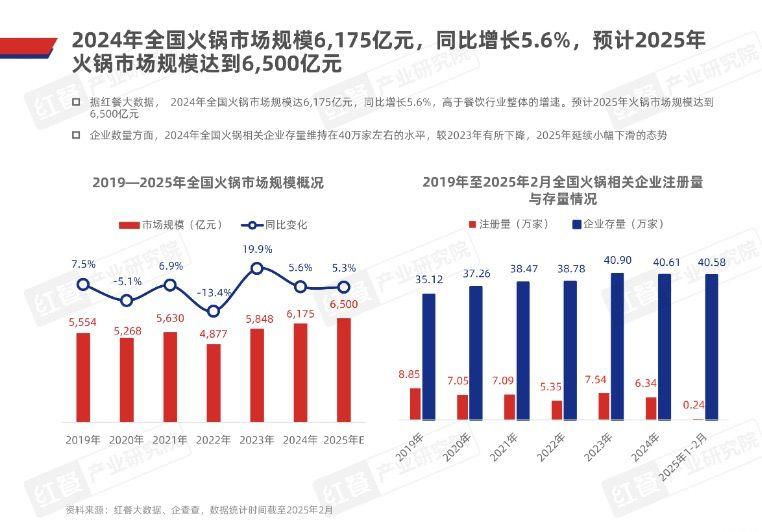
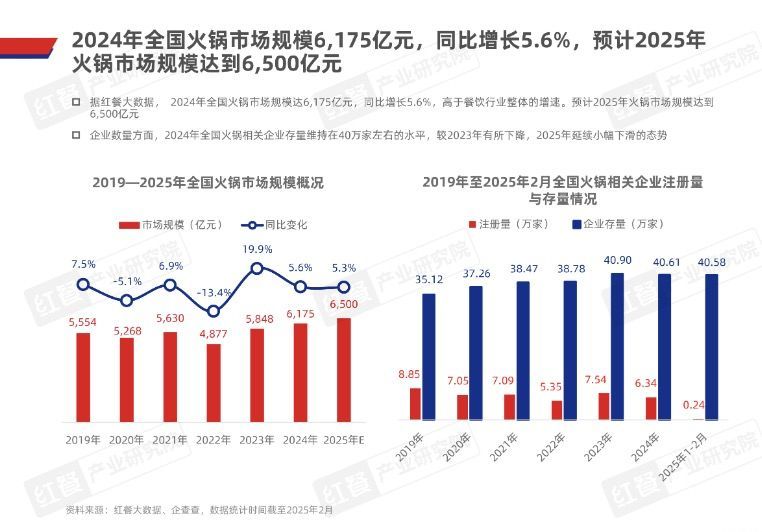
Core Insights - The hot pot industry is experiencing a significant shift from "incremental competition" to "stock competition," with a noticeable slowdown in market growth [6][8] - The main battleground for hot pot consumption is shifting towards affordable price ranges, with a marked increase in stores offering average spending of 70 RMB or less, while those above 90 RMB are declining sharply [3][8] Industry Overview - The national hot pot market is projected to reach 617.5 billion RMB in 2024, maintaining a year-on-year growth of 5.6%, although this is a decline compared to 2023 [6] - The number of hot pot establishments is expected to decrease from approximately 535,500 in Q3 2024 to about 504,800 by Q1 2025 [6] Consumer Behavior - Consumer spending in the hot pot sector has been on a downward trend, dropping from over 80 RMB to around 70 RMB by the end of 2024 [8] - The proportion of stores with average spending above 90 RMB has decreased by 16.9 percentage points, while those at 70 RMB or below have increased by 20.9 percentage points [8] Company Performance - Brands like Ba Nu and Cou Cou are facing declining average spending, with Ba Nu's customer spending dropping from 150 RMB in 2023 to 138 RMB in 2025, and Cou Cou's from 143.8 RMB to 137.8 RMB [10][12] - Ba Nu's same-store sales fell by 9.9% from 2023 to 2024, despite an increase in table turnover rates [15] Competitive Strategies - The industry consensus is shifting towards "price reduction for survival," with companies like Hai Di Lao and Nan Hot Pot announcing significant price cuts to adapt to market conditions [9][10] - Ba Nu is cautiously adjusting its product offerings and pricing strategies to maintain competitiveness, while Cou Cou is struggling to adapt to the changing market dynamics [15][16] Consumer Feedback - Consumers express dissatisfaction with the perceived value of mid-to-high-end hot pot brands, indicating that price reductions have not effectively addressed their expectations [17][19] - The challenge for brands is to maintain quality perception while adjusting to lower price points, as many consumers feel that the quality has diminished over time [20] Future Outlook - The hot pot industry is facing systemic challenges, and companies may need to diversify their offerings beyond traditional hot pot to sustain growth [21]
“人均150元火锅时代”翻篇,门店排队两小时背后:巴奴、湊湊客单价失守
Mei Ri Jing Ji Xin Wen· 2025-10-13 08:50
Core Insights - The hot pot industry in China is experiencing a significant shift from "incremental competition" to "stock competition," with a noticeable slowdown in market growth and a focus on price-sensitive consumers [5][6][10] Industry Overview - The national hot pot market size for 2024 is projected to be 617.5 billion RMB, reflecting a 5.6% year-on-year growth, although this is a decline compared to 2023 [5] - The number of hot pot restaurants is expected to decrease from approximately 535,500 in Q3 2024 to 504,800 by Q1 2025 [5][6] Consumer Behavior - There is a marked shift towards budget-friendly hot pot options, with establishments charging 70 RMB or less seeing a 20.9% increase in market share, while those charging over 90 RMB have seen a 16.9 percentage point decline [6] - Consumer spending in the hot pot sector has decreased from over 80 RMB to around 70 RMB by the end of 2024 [6] Company Performance - Brands like Ba Nu and Cou Cou are facing declining average spending per customer, with Ba Nu's average dropping from 150 RMB in 2023 to 138 RMB in 2025, and Cou Cou's from 143.8 RMB to 137.8 RMB [8][9] - Ba Nu has adjusted its product offerings to maintain competitiveness, including changes to its menu and pricing strategies [13][14] Competitive Strategies - The industry consensus has shifted towards "price reduction for survival," with companies like Hai Di Lao reporting a drop in average spending to 97.9 RMB [7] - Ba Nu and Cou Cou are implementing various strategies, such as membership programs and smaller portion options, to attract price-sensitive consumers [14][15] Market Challenges - Despite efforts to lower prices, consumer perception of value remains a challenge, with many feeling that the quality of offerings has diminished [15][17] - The hot pot industry is facing systemic challenges, leading some companies to explore alternative revenue streams, such as launching sub-brands [18]
【马河坎】经营餐饮火锅,首要任务你最需要知道的是什么?
Sou Hu Cai Jing· 2025-10-12 02:26
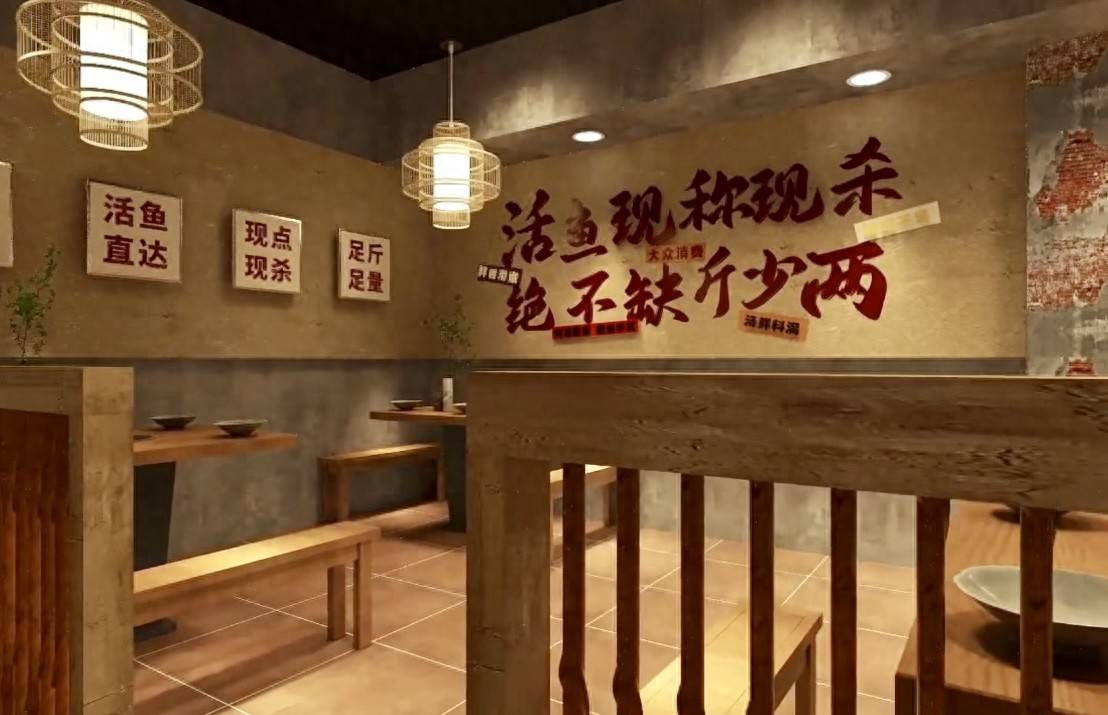
在火锅行业 "火" 遍大江南北,新店扎堆开、老店拼守成的当下,不少经营者总在纠结:该怎么搞营销吸引客流?要不要跟风推出网红菜品?其实,这些都 不是经营的核心 —— 真正决定一家火锅店长存的 "首要任务",是守住 "让顾客愿意反复来吃" 的根本,而这根本,藏在 "安全、稳定、共情" 三个看似朴 素,却最容易被忽略的维度里。 对餐饮行业而言,食品安全是 "1",其他的营销、服务、环境都是后面的 "0"—— 没有这个 "1",再花哨的包装也只是空中楼阁。尤其是火锅品类,从锅底 熬制到食材处理,从蘸料储存到餐具消毒,每一个环节都直接关系到顾客的健康,一旦出问题,几乎没有挽回的余地。 很多经营者会觉得 "食品安全是标配,没必要特意强调",但恰恰是 "标配" 的坚守,才是留住顾客的关键。具体要怎么做?不是挂个 "卫生许可证" 就万事大 吉,而是要让顾客 "看得见、吃得放心": 明厨亮灶,让过程透明:把锅底熬制区、食材切配区做成明档,让顾客能看到师傅如何清洗蔬菜、如何现切鲜肉、如何按标准配比熬制锅底。比如标 注 "牛油锅底采用 XX 品牌纯牛油,无添加剂""毛肚每日新鲜配送,当天未售完直接销毁",用可视化的操作打消顾客的顾 ...
第十四届齐鲁火锅节定档2026年5月
Qi Lu Wan Bao· 2025-10-11 03:57
火锅赛道的战局,正前所未有地激烈。一边是新开门店超过18.5万家的蓬勃野心,一边是超过21万家门 店黯然离场的残酷现实。 而在这个快速变革的时代,行业信息的交流、发展趋势的把握、商业模式的更替、市场深耕的广度与深 度、产品的更新换代,正深深地影响着火锅产业的发展。选择一个对的平台,往往意味着抢占了市场的 先机。 而这个平台,已在北方市场深耕数年。CHICE中国火锅产业链博览会暨齐鲁火锅节(简称齐鲁火锅节) 立足山东,辐射华东与北方部分省市,已连续成功举办十三届。作为中国火锅餐饮领域首个获得UFI国 际认证的行业盛会,这里不仅是品牌的秀场,更是火锅产业链的战略要地与生意增量的核心战场,更是 广大火锅供应链公司、门店洽谈合作、交流选品的重要平台。 据悉,第十四届齐鲁火锅节,将于 2026年5月22-24日,在济南山东国际会展中心再度启航。 为什么是山东?为什么是齐鲁火锅节? 锚定"超级市场",坐拥地利之便:山东,这个餐饮消费的"万亿重镇",坐拥超过3万家火锅门店,其市 场密度与消费能力位居全国前列。这并非一个孤立的繁荣点,而是与河南、江苏、河北等周边省份共同 构成的北方火锅"黄金消费圈"。立足山东,便是扼住了北方 ...