
磷化工

Search documents
财政部回应“取消光伏产品出口退税”:有利于产业结构合理调整,综合整治“内卷式”竞争
Sou Hu Cai Jing· 2026-01-20 10:51
Core Viewpoint - The Chinese government is adjusting its export tax rebate policy, particularly for solar, phosphor chemical products, and batteries, to promote high-quality economic development and green transformation [3]. Group 1: Policy Changes - The Ministry of Finance announced that starting from April 1, 2026, export tax rebates for solar, phosphor chemical products, and batteries will be canceled, following a reduction in tax rebate rates in December 2024 [3]. - This policy adjustment aims to enhance resource efficiency, reduce environmental pollution, and lower carbon emissions, aligning with China's transition to a greener economy [3]. Group 2: Economic Implications - The changes in export tax rebates are intended to guide reasonable adjustments in industrial structure and promote industrial transformation and upgrading [3]. - The policy is part of a broader strategy to combat "involution" competition and foster high-quality economic development [3].

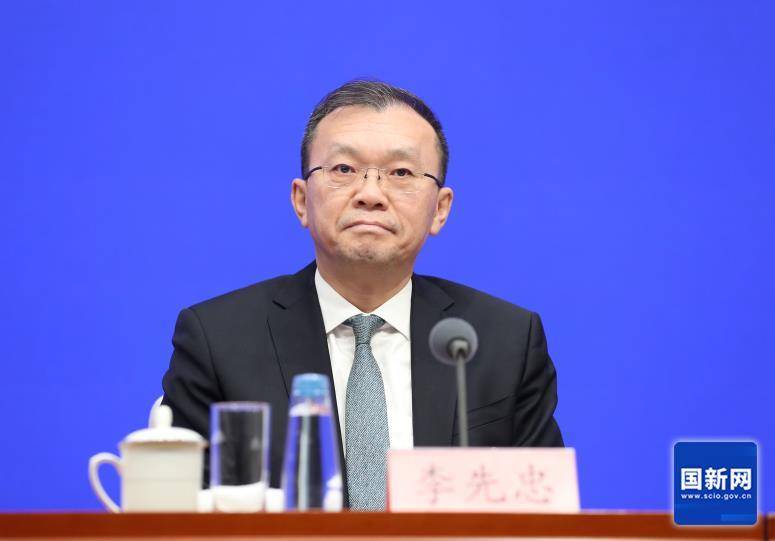
兴发集团董事长李国璋:锚定新材料板块 夯实第二增长曲线丨e公司访谈
Sou Hu Cai Jing· 2026-01-20 06:35
Core Viewpoint - Xingfa Group aims to transform from a resource-dependent cyclical enterprise to an innovation-driven, diversified technology materials platform, targeting over 100 billion yuan in revenue during the 14th Five-Year Plan period [3][19]. Resource Foundation - The company's resource base, particularly its phosphate rock reserves of approximately 800 million tons, is crucial for its growth, with plans to double phosphate production capacity in the next 3 to 5 years [6][7]. - The supply-demand balance for phosphate rock remains tight, with prices expected to stay high due to limited new capacity and increasing demand from the lithium iron phosphate sector [6][7]. Traditional Business Strength - Xingfa Group has established significant scale and integration advantages in traditional chemical sectors such as glyphosate and organic silicon, which provide performance elasticity and cash flow stability [9][10]. - The company leads in glyphosate production with an annual capacity of 230,000 tons, maintaining a strong market position despite price fluctuations [10]. Emerging Business Growth - The company is focusing on new energy materials and specialty chemicals as core growth engines, with expectations for the new energy materials segment to exceed 30 billion yuan in revenue by 2026 [12][15]. - A recent contract with BYD for 80,000 tons/year of lithium iron phosphate processing is expected to enhance profitability and secure a place in the core supply chain of leading battery manufacturers [13][15]. Advanced Material Development - The company is entering the commercialization phase for black phosphorus, with stable production capabilities and expanding applications in various sectors, including aerospace [17][18]. - Significant advancements in specialty chemicals, such as high-end phosphating agents and sodium hypophosphite, have positioned the company as a key player in high-margin markets [18]. Future Outlook - The company is committed to achieving its ambitious revenue target through collaborative development across multiple dimensions, aiming to become a high-tech, comprehensive new materials enterprise [19].

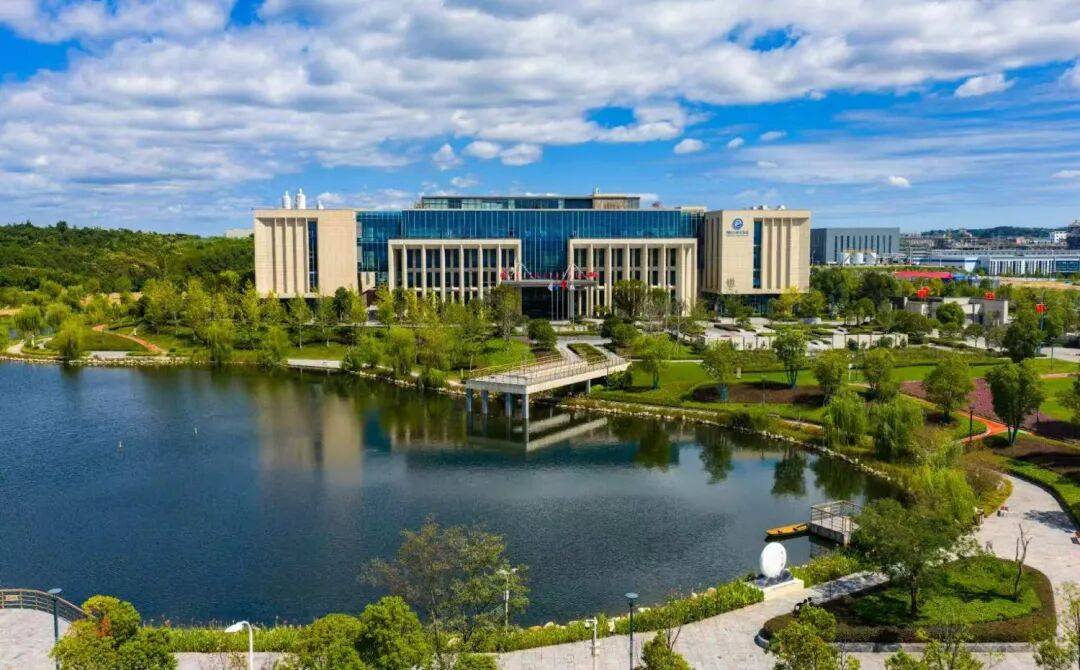
兴发集团董事长李国璋:锚定新材料板块 夯实第二增长曲线
Zheng Quan Shi Bao· 2026-01-19 18:12
Core Viewpoint - Xingfa Group is transforming from a resource-dependent cyclical enterprise to an innovation-driven, diversified technology materials platform, aiming to exceed 100 billion yuan in revenue during the 14th Five-Year Plan period [2][3]. Resource Base - The company has approximately 800 million tons of phosphate rock reserves, making it one of the few phosphate chemical leaders with high self-sufficiency in resources [3]. - Plans to double phosphate mining capacity in the next 3 to 5 years, focusing on regions like Hubei and Sichuan, while also exploring overseas markets such as Egypt [3]. Demand Dynamics - The rapid development of the lithium iron phosphate industry is reshaping phosphate demand, with an estimated annual increase of over 6 million tons in phosphate demand due to lithium iron phosphate production [4]. - Overall, conservative estimates suggest an annual increase in phosphate demand of about 8 million tons, which aligns with the expected supply growth [4]. Traditional Business Strengths - The company has established significant scale and integration advantages in traditional chemical sectors such as glyphosate, phosphate fertilizers, and organosilicon [6]. - Glyphosate production capacity stands at 230,000 tons per year, ranking first in China and second globally, providing resilience against price fluctuations [7]. Emerging Business Segments - The company is focusing on cultivating new energy materials and specialty chemicals as core engines for industrial upgrading and value growth [9]. - A recent contract with BYD for 80,000 tons per year of lithium iron phosphate processing is expected to enhance profitability and secure a place in the core supply chain of leading battery manufacturers [9]. Innovation and R&D - The company invests over 1 billion yuan annually in R&D, with a team of 800, leading to advancements in new materials and a focus on black phosphorus, which is nearing commercialization [12]. - The company is also expanding its production capacity for lithium-related products, with plans to increase lithium dihydrogen phosphate capacity from 100,000 tons to 150,000 tons by mid-2026 [10]. Market Position and Future Outlook - The specialty chemicals segment achieved a revenue share of 17% in the first three quarters of 2025, with a gross margin exceeding 25% [11]. - The company aims for the new energy materials segment to exceed 30 billion yuan in revenue during the 14th Five-Year Plan, driven by integrated supply chain advantages [11].
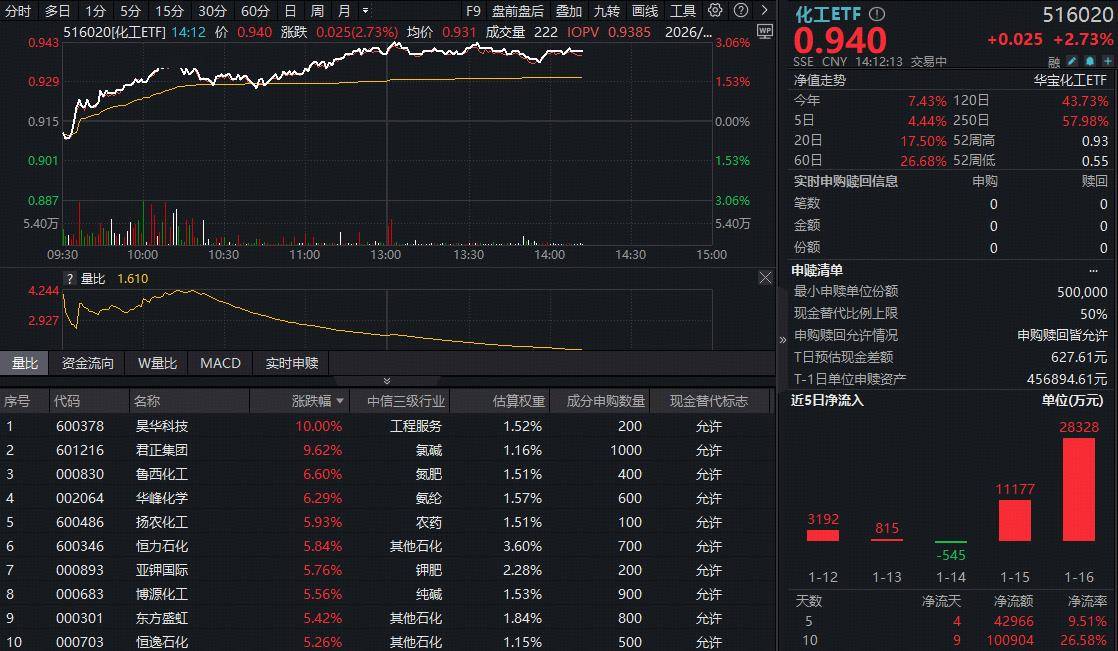
ETF盘中资讯|氟化工龙头涨停,化工板块午后继续猛攻!机构:供需双底确立,2026年或迎“戴维斯双击”
Sou Hu Cai Jing· 2026-01-19 06:33
Group 1 - The chemical sector continues to show strength, with the Chemical ETF (516020) experiencing a price increase of 2.73% as of the latest update [1][2] - Key stocks in the sector include Haohua Technology, which reached the daily limit, and Junzheng Group, which surged over 9%, along with other notable gains from companies like Luxi Chemical and Huafeng Chemical [1][2] - Since 2025, the Chemical ETF has shown a cumulative increase of 47.53%, significantly outperforming major indices such as the Shanghai Composite Index (22.38%) and the CSI 300 Index (20.25%) [1][3] Group 2 - The chemical industry has seen negative growth in capital expenditure since 2024, but the "anti-involution" trend and the clearing of outdated overseas capacities are expected to lead to a contraction in supply [4] - The "14th Five-Year Plan" emphasizes expanding domestic demand, which is anticipated to drive growth in chemical product demand, especially with the onset of a U.S. interest rate cut cycle [4] - A potential turning point for the chemical industry is expected in 2026, with a shift from valuation recovery to earnings growth, referred to as the "Davis Double Play" [4] Group 3 - The Chemical ETF (516020) tracks the CSI Sub-Industry Chemical Theme Index, with nearly 50% of its holdings concentrated in large-cap leading stocks, including Wanhua Chemical and Salt Lake Co., allowing investors to capitalize on strong investment opportunities [5] - The ETF also includes exposure to various sub-sectors such as phosphate and nitrogen fertilizers, fluorochemicals, and others, providing a comprehensive investment approach within the chemical sector [5] - The fund does not charge a sales service fee, with specific subscription and redemption fee structures outlined for investors [5][6]


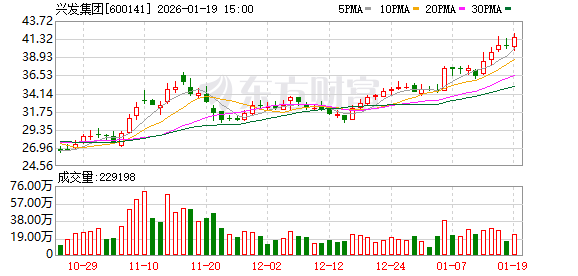
再论2026年化工行业投资机会
2026-01-19 02:29
Summary of Key Points from the Conference Call Industry Overview - The chemical industry is expected to recover to standard or even overweight allocation levels due to improved industry sentiment and performance indicators such as revenue, profit, and gross margin starting from Q2 2025 [1][3][4]. Core Insights and Arguments - **Current State of Chemical Sector**: The basic chemical and petrochemical sectors are currently under-allocated, although there has been a recent uptick. Historical data suggests that these sectors typically outperform the market in the first two quarters following the initiation of a five-year plan [3][4]. - **Impact of European Capacity Closures**: Europe has closed approximately 11 million tons of chemical production capacity since 2023, alleviating supply-demand pressures in both domestic and international markets [1][6]. - **Investment in Infrastructure**: The State Grid's planned investment of 4 trillion RMB over the next five years is expected to drive demand in related chemical sectors [1][6]. Subsector Highlights - **Refrigerants**: The refrigerant sector is anticipated to maintain high levels of profitability due to the ongoing implementation of quota schemes. Prices are expected to stabilize at high levels, with shorter procurement cycles for downstream air conditioning manufacturers [1][5]. - **Phosphate Chemicals**: Phosphate rock prices remain stable, supported by unexpected demand in energy storage. Recent price increases in glyphosate and other pesticide varieties indicate a positive outlook for this sector [1][7]. Oil Price Projections - Oil prices are projected to stabilize between $55 and $60 per barrel in 2026, with potential geopolitical factors causing temporary spikes. The overall sentiment regarding oil prices remains optimistic, which is crucial for the petrochemical sector [2][11]. Potential Investment Opportunities - **High-Performing Sectors**: The refrigerant and phosphate chemical sectors are highlighted as areas of sustained high sentiment and favorable market expectations for investment in 2026 [1][5][17]. - **Recovery Potential**: Sectors currently experiencing low sentiment, such as refining and polyester, organic silicon, and PVC, may see a rebound due to limited new capacity and price elasticity [17][12]. - **Traditional Chemical Stocks**: Companies with reasonable or undervalued valuations, such as Wanhua Chemical and Huayu Chemical, may present opportunities for valuation recovery if industry sentiment improves [13][17]. Emerging Trends - **New Materials**: The new materials sector is expected to see continuous demand growth driven by applications in robotics, aerospace, and biofuels. Key areas include electronic chemicals and lightweight materials [14][18]. - **AI and Semiconductor Growth**: The development of AI applications and semiconductor chips is anticipated to drive sustained demand growth in the coming years [15]. Conclusion - The chemical industry is poised for recovery, with specific subsectors like refrigerants and phosphates showing strong potential. Investment strategies should focus on both high-performing sectors and those with recovery potential, while keeping an eye on emerging trends in new materials and technology applications [1][17].
A股磷化工板块短线走低
Xin Lang Cai Jing· 2026-01-19 01:35
Group 1 - ST Hezhong's stock price fell by 4.24% [1] - Other companies such as Luoping Zinc Electric, Liuguo Chemical, China Chemical, Guotou Fengle, Huilong Co., and Chenhua Co. also experienced declines [1]
笃行实干结硕果 砥砺奋进开新局
Xin Lang Cai Jing· 2026-01-18 18:28
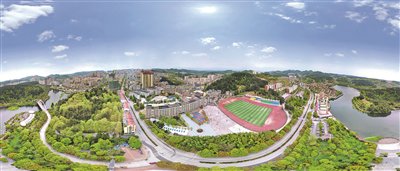
Core Viewpoint - The article highlights the significant economic and industrial development in Kaiyang County during the "14th Five-Year Plan" period, showcasing a strong focus on high-quality growth, industrial transformation, and rural revitalization. Group A: Industrial Development - Kaiyang County has seen rapid growth in its phosphate and phosphate chemical industries, with GDP increasing from 24 billion to 36.8 billion yuan, averaging an annual growth of 8.2% [8] - The county's tax revenue has also risen from 500 million to 1.3 billion yuan, with an average annual growth of 21.1% [8] - Guizhou Anda Technology Energy Co., Ltd. has successfully transitioned from traditional phosphate products to new energy materials, becoming a major supplier of lithium-ion battery cathode materials for companies like BYD [9][10] - The county has established a production capacity of 11 million tons of phosphate rock, 150,000 tons of yellow phosphorus, and 154,000 tons of phosphoric acid, supporting industrial growth [10] - The new energy battery materials sector is expanding, with production capacities for lithium iron phosphate and lithium hexafluorophosphate reaching significant levels, aiming for a production value increase of over 100% in 2025 [11][12] Group B: Agricultural and Rural Development - Kaiyang County has been recognized as a national rural revitalization demonstration county, focusing on integrating agriculture with multiple industries [12] - The county is developing specialty crops like medicinal herbs and edible fungi, with a significant project for cultivating mushrooms providing employment for local villagers [13] - The tea industry is also thriving, with local products gaining national recognition and contributing to farmers' income through innovative processing methods [13][14] - The total agricultural output value is projected to reach 8.1 billion yuan by 2024, with significant increases in grain production and rural residents' disposable income [14] Group C: Tourism Development - The county has transformed its tourism sector by focusing on extreme sports and outdoor activities, attracting a younger demographic [15][16] - Tourism revenue has exceeded 10 billion yuan annually, with over 9 million visitors each year, establishing Kaiyang as a top county for tourism in China [18] - The county is also developing a wellness and homestay tourism industry, leveraging its unique climate and natural resources to enhance visitor experiences [17][18] Group D: Future Development Plans - The "15th Five-Year Plan" outlines ambitious goals for economic growth, industrial upgrades, and rural revitalization, aiming for significant improvements in living standards and social governance [19][20] - The county plans to focus on building a trillion-yuan industrial cluster centered on phosphate and fluorine chemicals, alongside promoting new urbanization and tourism [19][20]
信达证券:涨价或是重要的景气主线
Xin Lang Cai Jing· 2026-01-18 07:29
Core Conclusion - The market's upward momentum has slowed down this week, with active trading funds causing turnover rates to spike, surpassing the high point of August 2025. The spring market is still in progress, and a period of sideways consolidation after excessive short-term trading is normal. Although there are indications of a short-term cooling in policy, the overall stance remains accommodative [1][5]. Market Trends - The market style is shifting, with thematic sentiment cooling and strong sectors returning to the prosperity line. In the liquidity bull market phase, the profit effect is spreading, and price increases are considered a key prosperity line. The current narrative around commodities is driven by de-globalization and supply chain restructuring, leading to a re-pricing of key resource products [1][5]. Commodity Price Dynamics - Long-term, commodity prices tend to move in tandem, even during periods of economic downturn, as seen from 1970 to 1980 when prices continued to rise until 1980. There is optimism for a new super cycle in commodity prices. In the short to medium term, the focus should be on supply constraints, with potential expansion from emerging industry demand to the recovery of traditional demand. Beneficiaries on both supply and demand sides include non-ferrous metals (precious metals, copper, aluminum, strategic metals, rare earths), new energy (new energy materials, power batteries), chemical products (phosphate chemicals, fluorine chemicals), and storage chips [1][3][6]. Supply and Demand Factors - The current commodity price cycle is primarily driven by supply chain security. On the supply side, the control of strategic resources is intensifying amid great power competition, leading to increased scarcity in key mineral sectors. On the demand side, real needs driven by the AI technology revolution, energy transition, and military spending are boosting demand for strategic metals like copper, aluminum, lithium, and rare earths. A weak dollar cycle may support the elevation of commodity price levels [2][6]. Price Movement Patterns - Historically, during a commodity price increase, there are price rotations among commodities due to their interdependencies and relationships within the supply chain. For instance, during the demand expansion-driven price increase from 2009 to 2011, copper led the rise, followed by crude oil and soybeans. In the supply constraint-driven price increase from 2016 to 2018, oil and black commodities rose first, with chemical products showing sustained price increases [2][6]. Future Outlook - There is a strong belief in the potential for a new super cycle in commodity prices. The focus for the current price increase should be on supply constraint elasticity, with expansion likely moving from emerging industry demand to the recovery of traditional demand. Key supply constraints include production capacity limits for critical resources like copper and rare earths, capacity restrictions driven by "anti-involution" policies, and supply shortages driven by high AI demand. Demand opportunities are expected to arise from the transition between new and old driving forces in sectors like new energy vehicles, photovoltaics, and AIDC [3][7].

湖北襄阳奋力打造中西部发展的区域性中心城市
Xin Lang Cai Jing· 2026-01-17 09:29
Group 1: Core Objectives - The city of Xiangyang aims to accelerate its development as a provincial sub-center city during the "14th Five-Year Plan" period, contributing to the regional development of the Han River Basin and the southern Xiangfan Basin [1] - Xiangyang plans to transform its industrial structure from a single-industry focus to a multi-support model, establishing a modern industrial system that leverages its advantages [2] Group 2: Economic Development Initiatives - By 2025, Xiangyang will implement the "Two Capital Three Capabilities" project, aiming to attract over 456 projects with a total investment of 350.4 billion yuan, achieving an 88.9% commencement rate for major investment projects [2] - The city will enhance its automotive, modern chemical, and agricultural processing industries while fostering new energy materials, high-end equipment manufacturing, biomanufacturing, and low-altitude economy sectors [2] Group 3: Urban and Rural Integration - Xiangyang is committed to promoting new urbanization and rural revitalization, aiming for a modern, livable, and resilient city that supports agricultural modernization [3] - The city is actively renovating historical sites, such as the ancient city, to enhance urban aesthetics and community engagement [3][4] Group 4: Consumer and Cultural Development - Xiangyang is focusing on expanding new consumption models, leveraging cultural resources to boost economic growth, and enhancing its identity as a cultural tourism destination [7] - The city has 59 A-level tourist attractions, and efforts are underway to develop high-quality cultural tourism to contribute to Hubei's goal of becoming a world-renowned cultural tourism destination [7] Group 5: Social Welfare and Employment - During the "14th Five-Year Plan" period, Xiangyang has achieved significant progress in social welfare, including the creation of 510,000 new urban jobs and an increase in per capita disposable income exceeding 40,000 yuan [8] - The city plans to conduct over 600 recruitment events and provide various social services to enhance the quality of life for its residents [8]

晋宁区2025年经济发展持续向好
Xin Lang Cai Jing· 2026-01-16 19:05
Core Viewpoint - In 2025, JinNing is committed to "grasping industry and focusing on manufacturing," aiming for stable growth in the industrial economy and the cultivation of 11 large-scale enterprises, with an expected industrial added value growth of 6.6% from January to November 2025 [1] Industrial Development - The Erjie Chemical Park has passed provincial evaluation, with 9 high-tech enterprises in the phosphate chemical sector, and the output value of phosphate chemicals is steadily increasing, projected to reach 10.5 billion yuan [1] - JinNing is focusing on modernizing the entire flower industry chain, maintaining its core position as a national fresh-cut flower production area, with an annual output accounting for 16% of the national total, over 2,500 flower enterprises, and 113 professional cooperatives [1] - The establishment of 38 high-end green production demonstration bases for flowers and the market transformation of 8 independently developed new varieties have been achieved, with 47 enterprises successfully launching remote auction systems [1] Economic Growth and Tourism - The "721" mechanism for flower benefit linkage has contributed to an increase of 30.23 million yuan in collective income for villages [1] - JinNing is also developing "all-region tourism" and "modern commercial logistics" as new economic engines, with the rural tourism effect gradually expanding, and the ancient Dian tourism resort being recognized as a typical case for "medical and health institutions" in Yunnan [1] - The number of tourists in the region is expected to grow by 11%, with tourism spending surpassing 320 million yuan [1] Logistics and Retail - The international freight trains "Zheng He" and "Lanmei Yunnan" are operating regularly, with Tengjun International Land Port becoming the first "Double 5A" logistics hub in the province [1] - The growth rate of total retail sales of consumer goods has maintained the highest in the city for seven consecutive quarters [1]