
超市

Search documents
700多款商品常年降价 这家平价超市明年加速在长三角“开疆拓土”
Sou Hu Cai Jing· 2025-12-24 21:26
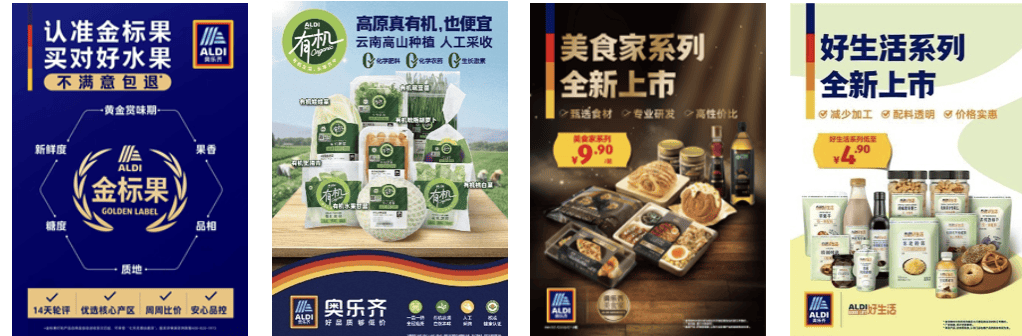
东方网12月24日报道:在理性消费成为主流的当下,主打"没有套路的天天低价"的连锁超市正迎来新的发展机遇。近日,全球连锁精选平价超市 奥乐齐在上海透露,2025年其累计已有超700款产品实现长期降价,最高降幅达45%。在持续让利消费者的同时,该品牌也宣布了2026年的雄心勃 勃的扩张计划:将继续加密上海门店布局,并加速挺进江苏南京、镇江、扬州等地。 此外,今年还全新推出了主打优质食材的"美食家系列"、践行健康饮食的"好生活系列"和高质价比的"有机系列"三大自有品牌。 一个值得上海市民期待的消息是,奥乐齐即将与上海滩初代"网红"面包房的指定供应商达成合作,将严选经典配方,还原正宗口感,让藏在市民 味觉记忆里的老味道重回身边。 "真降价":超600款商品不过十元,主打一个"一篮子省钱" "没有复杂的满减,就是直接便宜。"这已成为许多奥乐齐消费者的共识。据奥乐齐方面介绍,品牌在2025年持续践行其"天天低价"的承诺,全年 共有超700款产品实现长期降价,更有超过600款商品的价格被控制在9.9元及以下。 "好品质":选水果看"糖度",还将联手老牌网红面包房供应商 在持续降价的同时,奥乐齐也在品质上做"加法",力图打 ...

奥乐齐明年在华将扩至百店
第一财经· 2025-12-24 08:44
Group 1 - The core viewpoint of the article is that the German discount supermarket brand Aldi plans to expand its presence in the Chinese market, aiming to reach 100 stores by the first quarter of next year [1] - Currently, Aldi operates over 80 stores in China, primarily as direct-operated stores [1] - The company plans to open approximately 30 new stores in 2025, with an acceleration in growth expected in 2026, leading to even more new openings [1] - About 90% of Aldi's offerings in China consist of private label products [1]
奥乐齐明年在华将扩至百店
Di Yi Cai Jing· 2025-12-24 08:22
Core Insights - The core viewpoint of the article is that the German discount supermarket brand Aldi plans to expand its presence in the Chinese market, aiming to reach 100 stores by the first quarter of next year [1] Company Expansion - Aldi currently operates over 80 stores in China, primarily as direct-operated stores [1] - The company plans to open approximately 30 new stores in 2025, with an acceleration in growth expected in 2026, leading to even more new openings [1] Product Offering - About 90% of Aldi's products in China are private label items [1]
超市推火锅堂食再拼“餐饮+”
Bei Jing Shang Bao· 2025-12-23 16:04
Core Insights - The retail transformation is cyclical, with supermarkets refocusing on in-store dining, particularly hot pot services, as a response to e-commerce and community fresh food competition [1][3] - Supermarkets are leveraging their fresh supply chain advantages to offer a full range of hot pot ingredients, indicating a shift in traditional supermarket strategies [1][4] Group 1: Hot Pot Offerings - Recent observations show that Hema and Yonghui supermarkets have launched hot pot dining options, with prices ranging from 78 to 88 yuan for set meals and 3 to 15 yuan per ingredient [3][5] - The introduction of self-service hot pot at Yonghui is currently limited to select locations, with a focus on enhancing the in-store dining experience [3][6] Group 2: Consumer Experience and Engagement - The shift from selling products to selling experiences is evident, as supermarkets seek to innovate and expand service boundaries [4][6] - The hot pot dining experience is seen as a way to attract customers back to physical stores, with potential for increased impulse purchases during visits [6][7] Group 3: Strategic Considerations - Supermarkets are advised to pilot their dining initiatives in high-traffic locations and focus on specific categories like hot pot to refine their models before broader implementation [7][8] - The success of this dining integration depends on metrics such as repeat purchase rates, overall sales growth, and supply chain efficiency [7][8] Group 4: Challenges and Opportunities - The integration of dining and retail operations presents both challenges and opportunities, requiring careful management of space and customer experience [8] - The hot pot segment is viewed as a promising area for growth, combining family dining and social interaction, but it also necessitates adaptation to flexible production and rapid response in product development [7][8]
三江购物跌2.00%,成交额1.20亿元,主力资金净流出285.12万元
Xin Lang Cai Jing· 2025-12-23 02:26
机构持仓方面,截止2025年9月30日,三江购物十大流通股东中,香港中央结算有限公司位居第五大流 通股东,持股381.67万股,相比上期减少87.82万股。 三江购物今年以来股价涨37.36%,近5个交易日跌5.35%,近20日跌7.74%,近60日跌0.54%。 12月23日,三江购物盘中下跌2.00%,截至10:06,报14.67元/股,成交1.20亿元,换手率1.47%,总市值 80.34亿元。 今年以来三江购物已经8次登上龙虎榜,最近一次登上龙虎榜为11月26日。 资金流向方面,主力资金净流出285.12万元,特大单买入107.30万元,占比0.90%,卖出228.96万元,占 比1.91%;大单买入1783.67万元,占比14.91%,卖出1947.13万元,占比16.27%。 资料显示,三江购物俱乐部股份有限公司位于浙江省宁波市海曙区环城西路北段197号,成立日期1995 年9月22日,上市日期2011年3月2日,公司主营业务涉及社区生鲜超市。主营业务收入构成为:食品 53.56%,生鲜34.99%,日用百货8.90%,其他(补充)2.03%,针纺0.53%。 三江购物所属申万行业为:商贸零售-一 ...

新华财经早报:12月23日
Xin Hua Cai Jing· 2025-12-23 00:33
Group 1: Monetary Policy and Economic Measures - The People's Bank of China announced a one-time credit repair policy that will not display overdue information in personal credit reports for eligible individuals, applicable to overdue amounts not exceeding 10,000 yuan, with a repayment deadline of March 31, 2026 [1] - The one-year and five-year Loan Prime Rates (LPR) in China remain unchanged at 3% and 3.5%, respectively, marking seven consecutive months of stability [1] - The National Development and Reform Commission reported a reduction in domestic gasoline and diesel prices by 170 yuan and 165 yuan per ton, effective from December 22, 2023 [1] Group 2: Corporate Developments - China Energy Engineering Corporation won a bid for a photovoltaic power generation project in Saudi Arabia [5] - Caoran Co., Ltd. signed a significant order worth 4.033 billion yuan through its wholly-owned subsidiary [5] - Lingyi Technology plans to acquire a 35% stake in Limin Da for 875 million yuan, gaining control of the company [5] Group 3: Regulatory Changes and Market Reactions - The State Administration for Market Regulation will implement a pilot reform for CCC certification marks on high-risk products, including power banks, starting in March 2026 [1] - The Shanghai Futures Exchange announced a limit on the maximum number of day trades for non-futures company members in silver futures contracts, effective December 24, 2025 [1] - The European Union extended economic sanctions against Russia for an additional six months, affecting multiple sectors including trade and finance [3]

央企巨头华润有多强?旗下上市公司或远超你想象,认识几个
Sou Hu Cai Jing· 2025-12-22 19:11
Core Insights - China Resources Group is a powerful state-owned enterprise that extends beyond traditional perceptions, being involved in various sectors that impact daily life [1][6] - The company ranks 67th in the Fortune Global 500 for 2023, with revenue reaching 651.4 billion yuan and a profit of 64.3 billion yuan in the first three quarters, both exceeding the average growth of state-owned enterprises [5] Business Diversification - China Resources Group operates 18 listed companies across A-shares and H-shares, covering six core sectors: consumer goods, healthcare, real estate, energy, technology, and more [1][5] - The company has a significant presence in the food and beverage sector, with Snow Beer holding over 30% market share and Yibao bottled water at 21% [3] Healthcare Contributions - The company plays a crucial role in healthcare, with products like 999 Cold Medicine and various prescription drugs from its subsidiaries, enhancing public health [3][4] - China Resources Medical operates 146 healthcare institutions, including 13 top-tier hospitals, providing a comprehensive healthcare ecosystem [4] Energy and Technology - China Resources Power has a total installed capacity of 80,000 megawatts, with 45% from renewable sources, and is actively pursuing investments in wind and solar energy [4] - China Resources Microelectronics leads in the semiconductor industry, particularly in the domestic MOSFET market, and has achieved mass production of silicon carbide chips [4] Financial Performance and Innovation - The company has shown strong financial performance, with a revenue of 204.3 billion yuan and a profit of 19.2 billion yuan in the first quarter of 2023, reflecting robust growth capabilities [5] - China Resources is focused on innovation, exploring hydrogen energy, biodegradable plastics, and advancements in third-generation semiconductor technology [5]
超市跨界火锅堂食 盒马、永辉们的“餐饮化”竞争再起
Bei Jing Shang Bao· 2025-12-22 04:13
Core Insights - The retail industry is witnessing a resurgence in "dine-in" services as supermarkets like Hema and Yonghui introduce hot pot dining options, leveraging their fresh supply chain advantages to attract consumers [1][3] - This trend reflects a broader transformation in traditional supermarkets as they adapt to competition from e-commerce and community fresh food services [1][4] Group 1: Market Trends - Supermarkets are launching hot pot dining services with prices ranging from 78 to 88 yuan for set meals, while Yonghui offers self-service hot pot with ingredient pricing at various tiers [3] - The "dining+" strategy aims to reconnect supermarkets with consumers by integrating dining experiences into retail spaces, which has been positively received on social media [3][6] Group 2: Consumer Behavior - Consumers are increasingly seeking value and experiential dining, preferring lower prices than traditional restaurants while enjoying the interactive cooking experience [6] - The hot pot dining experience encourages additional purchases, as customers often buy drinks and snacks while dining, enhancing overall sales [5][8] Group 3: Operational Challenges - Supermarkets face challenges in merging retail and dining operations, requiring careful testing and specialized teams to manage product development and service [7] - The success of this dining model depends on key metrics such as repeat purchase rates, average transaction values, and overall sales growth from dining areas [8] Group 4: Future Opportunities - The integration of dining services may lead to customized supply chain developments, such as exclusive hot pot bases and pre-prepared dishes, creating opportunities for upstream suppliers [8] - Supermarkets must also consider the spatial design of dining and shopping areas to ensure a harmonious customer experience, addressing potential issues like noise and odors [8]

小象超市北京开店,美团与阿里形成「生鲜1V1」态势
3 6 Ke· 2025-12-22 02:14
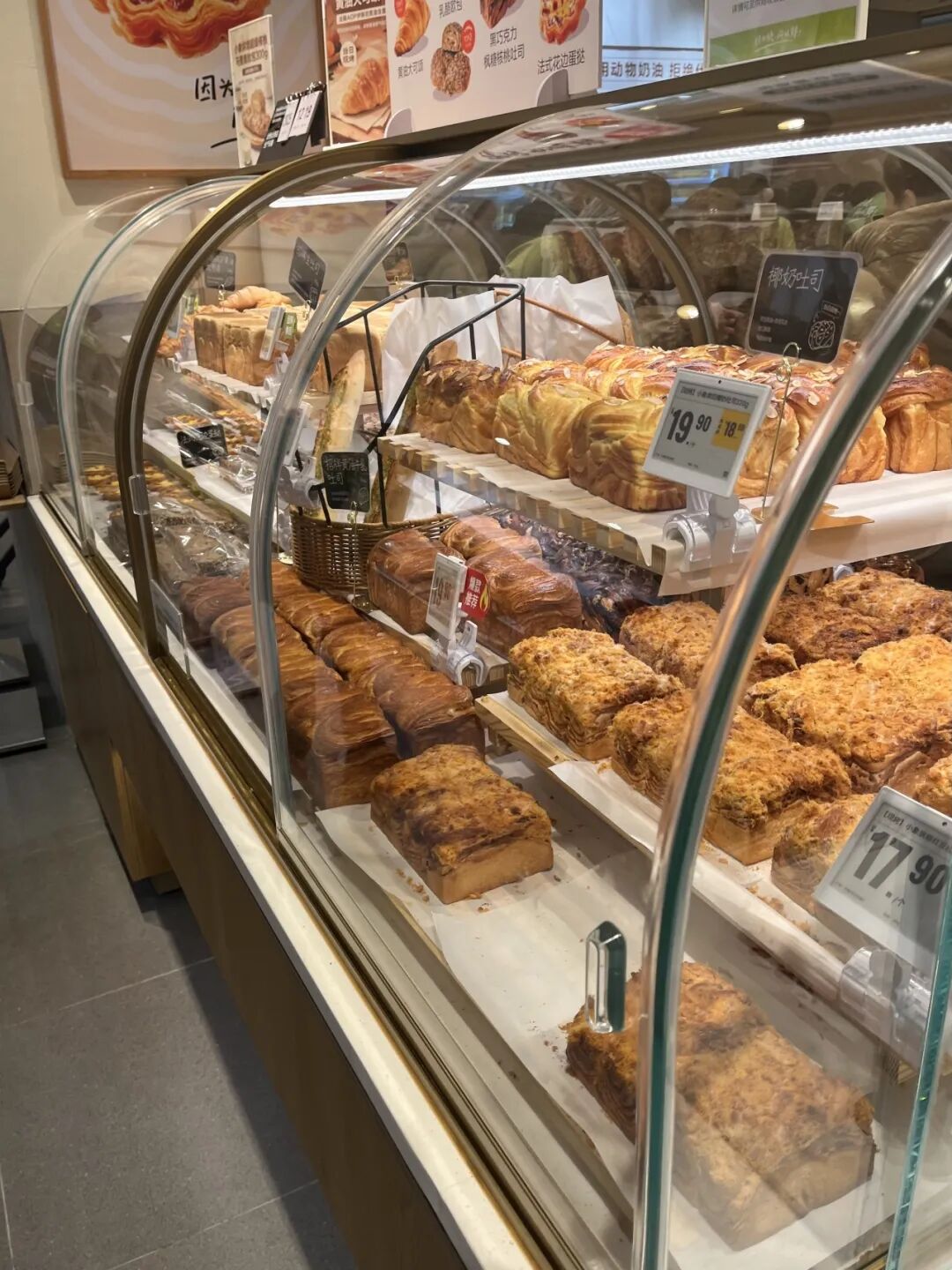
Core Insights - Meituan's Xiaoxiang Supermarket aims to compete with Hema Fresh, Wumart's Pangu Store, and JD's Seven Fresh by targeting consumers with certain purchasing power and a demand for quality and shopping experience [1][15] - The offline store of Xiaoxiang Supermarket complements Meituan's existing online infrastructure, creating a competitive landscape against Hema [1][15] - The supermarket's strategy focuses on enhancing the shopping experience and leveraging supply chain advantages in fresh produce, alcohol, and prepared foods [1][6][12] Store Experience and Layout - Xiaoxiang Supermarket's layout and style are similar to Wumart's Pangu Store, emphasizing service details and cleanliness [1][2] - The store features a mix of standardized pre-packaged products and a rich variety of live seafood, along with a dining area and a bakery section [2][12] - The supermarket enhances customer service by providing tips on product selection and offering free services like steak cooking and melon peeling [4][12] Product Strategy - Xiaoxiang Supermarket emphasizes high-quality self-operated products, including strawberries, juices, and rice, while ensuring safety and quality through direct sourcing [6][8] - The product range is more extensive than Wumart's Pangu Store but still lags behind Hema in novelty and variety [8][10] - The introduction of third-party brands in the prepared food section creates a mini food market atmosphere [10][12] Competitive Landscape - Meituan's Xiaoxiang Supermarket and Happy Monkey discount stores form a three-tier structure in the fresh produce market, competing directly with Alibaba's Hema and its associated logistics [15][18] - The competition is framed within the broader trend of integrating online and offline retail, with fresh produce becoming a focal point for consumer demand [15][16] - The market is characterized by a shift towards medium-sized supermarkets replacing large hypermarkets, with a focus on unique experiences and high-quality offerings [21][23] Future Outlook - Meituan plans to expand Xiaoxiang Supermarket to all first- and second-tier cities, indicating a significant growth strategy [15][25] - The company aims to enhance its supply chain capabilities and product innovation to compete effectively against established players like Hema [25] - The ongoing competition in the fresh produce sector is expected to accelerate as consumer preferences evolve towards integrated shopping experiences [25]


永辉超市跌2.08%,成交额12.66亿元,主力资金净流出4441.13万元
Xin Lang Cai Jing· 2025-12-22 01:54
Group 1 - The core point of the news is that Yonghui Supermarket's stock has experienced fluctuations, with a recent decline of 2.08% and a year-to-date drop of 11.04%, despite a notable increase of 40.65% over the past 20 days [1] - As of September 30, 2025, Yonghui Supermarket reported a revenue of 42.434 billion yuan, a year-on-year decrease of 22.21%, and a net profit attributable to shareholders of -710 million yuan, a significant decline of 811.60% [2] - The company has a market capitalization of 51.183 billion yuan and has seen significant trading activity, including a net inflow of 6.56 billion yuan on December 16, 2025 [1] Group 2 - Yonghui Supermarket's main business segments include food and daily necessities (56.78%), fresh and processed products (38.42%), other revenues (3.30%), and rental income (1.51%) [1] - The company has not distributed any dividends in the past three years, with a total payout of 7.101 billion yuan since its A-share listing [3] - As of September 30, 2025, the number of shareholders decreased by 14.02% to 309,400, while the average circulating shares per person increased by 16.30% to 29,332 shares [2]