
先进制造业

Search documents
总投资超1100亿元 北京2025年第二批面向民间资本公开推介120个项目
Bei Jing Shang Bao· 2025-12-15 08:14
Group 1 - The core viewpoint of the article highlights the Beijing Municipal Development and Reform Commission's initiative to promote 120 projects aimed at attracting private capital, with a total investment of approximately 1,106 billion yuan and an expected private capital investment of about 331 billion yuan [1][2] Group 2 - The distribution of projects by industry includes 14 in technology innovation, 6 in advanced manufacturing, 25 in commercial services, 18 in infrastructure, 10 in public services, 17 in cultural tourism and sports, 13 in urban renewal, 9 in agriculture and rural areas, and 8 in housing construction [1] - The top six districts with the highest number of projects are Fangshan District (37 projects), Shijingshan District (11 projects), Changping District (9 projects), Pinggu District (9 projects), Fengtai District (8 projects), and Yanqing District (8 projects) [1] - The districts with the largest total investment include Fengtai District (approximately 181 billion yuan), Tongzhou District (approximately 168 billion yuan), Daxing District (approximately 148 billion yuan), Miyun District (122 billion yuan), Xicheng District (approximately 98 billion yuan), and Fangshan District (approximately 91 billion yuan) [1] Group 3 - The types of private capital participation include 66 equity investment projects with a total investment of approximately 349 billion yuan and expected private investment of about 161 billion yuan; 10 debt investment projects with a total investment of approximately 85 billion yuan and expected private investment of about 10 billion yuan; 26 cooperative operation projects with a total investment of approximately 632 billion yuan and expected private investment of about 128 billion yuan; and 18 franchise projects with a total investment of approximately 40 billion yuan and expected private investment of about 32 billion yuan [1] Group 4 - In the first half of the year, the first batch of publicized projects included 119 projects with a total investment of approximately 1,244 billion yuan, while the second batch consists of 120 projects with a total investment of approximately 1,106 billion yuan, bringing the total projected investment for the year to over 2,300 billion yuan [2]
广西:力争到2027年,建成1个国家级先进制造业集群、20个自治区级先进制造业集群
Zheng Quan Shi Bao Wang· 2025-12-15 06:29
人民财讯12月15日电,广西壮族自治区工业和信息化厅近日印发《广西培育先进制造业集群行动方 案》。其中提出,紧跟和服务国家产业发展布局,对标对表国家培育壮大先进制造业集群的部署要求, 聚焦构建现代化产业体系,瞄准创新能力领先、规模效应显著、一流企业集聚、生态体系完善、具有国 际竞争力和影响力等集群发展目标,以广西工业树产业林布局全景图为牵引,以企业、项目、群链、生 态为着力点,以产业协同创新、集群发展为路径,推动科技链产业链人才链资金链融合发展,构建以国 家级集群为引领、自治区级集群为骨干、特色产业集群为基础的培育体系。力争到2027年,建成1个国 家级先进制造业集群、20个自治区级先进制造业集群。 ...
广西加快先进制造业集群建设,推动智能化升级与国际标准接轨
Zhong Guo Xin Wen Wang· 2025-12-15 06:04
为营造良好产业发展生态,广西将布局一批新兴学科专业,建设一批工程师学院、现代产业学院等,优 化人才"引育留用"机制,主动对接国家产融合作平台,引导金融机构精准对接企业融资需求,探索产业 科技金融一体化融合发展新模式,常态化开展壮大实体经济调研服务,加快构建国内国际双循环市场经 营便利地。 此外,广西将建设专业化集群促进组织,支持组建一批集决策、管理、咨询功能于一体的专业服务集群 建设发展的第三方组织,推动集群相关市建立工作对接机制,强化设区市主体责任,加强集群相关市产 业规划的衔接、产业信息的互通共享,共同抓好产业集群的科技创新、招商引资、企业培育等工作。 资讯编辑:祝蓉 021-66896654 资讯监督:乐卫扬 021-26093827 资讯投诉:陈跃进 021-26093100 免责声明:Mysteel发布的原创及转载内容,仅供客户参考,不作为决策建议。原创内容版权归Mysteel所有,转载需取得Mysteel书面授 权,且Mysteel保留对任何侵权行为和有悖原创内容原意的引用行为进行追究的权利。转载内容来源于网络,目的在于传递更多信息,方 便学习与交流,并不代表Mysteel赞同其观点及对其真实性、 ...
多部门部署明年经济工作,推动更多财政资金“投资于人”
Di Yi Cai Jing Zi Xun· 2025-12-14 13:04
Group 1: Economic Policy Direction - The Central Economic Work Conference has outlined the policy direction for 2026, emphasizing the need for incremental policies to stabilize the economy and optimize expenditure structures [1][2] - The government aims to enhance the effectiveness of macroeconomic governance by integrating stock and incremental policies, focusing on both counter-cyclical and cross-cyclical adjustments [2][3] Group 2: Investment and Consumption - The government plans to implement measures to boost investment and consumption, including increasing central budget investments and optimizing the use of local government special bonds [5][6] - There is a focus on enhancing consumer spending through various initiatives, including the promotion of consumption in sectors like e-commerce and artificial intelligence [5][6] Group 3: Innovation and Industry Development - The emphasis on innovation and industry development is critical, with plans to strengthen key industrial chains and promote high-quality development actions [7][9] - State-owned enterprises are expected to play a significant role in leading these initiatives, focusing on strategic industries such as new materials, renewable energy, and advanced manufacturing [8][9] Group 4: Financial Policy Adjustments - The monetary policy will remain moderately loose, with a focus on maintaining liquidity and supporting the real economy through various financial tools [3][4] - The government aims to ensure fiscal sustainability while optimizing the structure of fiscal spending to support major national strategies [2][3]
“当美国孤注一掷AI时,中国正赢得多场科技赛跑”
Guan Cha Zhe Wang· 2025-12-14 08:47
Core Viewpoint - The article warns that while the U.S. is heavily investing in AI, it may win the AI race but lose broader economic dominance, as the U.S. is betting everything on AI while China diversifies its investments across various technologies [1][2]. Investment Trends - U.S. tech companies have invested over $350 billion in AI-related infrastructure in the past year, with projections to exceed $400 billion by 2026, significantly outpacing China's nearly $100 billion total investment in AI [2]. - In contrast, China is investing heavily in other sectors such as electric vehicles, batteries, and renewable energy, which may yield more stable returns compared to the speculative nature of AI investments [3][7]. Strategic Differences - The U.S. approach to AI is characterized by a focus on proprietary models and a belief in the transformative potential of AGI, while China adopts a more pragmatic stance, viewing AI as a tool for industrial efficiency rather than a path to superintelligence [6][7]. - China is also investing approximately $9.4 trillion in clean energy capital expenditures in 2024, overshadowing its AI investments, indicating a broader strategic focus [7]. Risks and Market Dynamics - The concentration of investment in a few major U.S. tech companies raises concerns about collective blind spots and the potential for market instability, as these companies dominate decision-making in AI investments [5][8]. - The article suggests that the narrative of an AI race serves as a lobbying tool for the U.S. tech industry, justifying high levels of spending while neglecting investments in other critical areas like clean energy [8][9]. Cultural and Economic Factors - The article posits that cultural factors in Silicon Valley may lead to excessive investment in new ideas, while economically, spending on tangible projects is often preferred over stock buybacks [8]. - There is a darker interpretation that the significant investment in AI by tech giants may be a strategy to reinforce their market dominance and prevent competition from startups, rather than a genuine commitment to advancing human welfare [9].


2026年年度策略展望:挣脱牢笼:打破历史经验的桎梏
GF SECURITIES· 2025-12-13 07:43
Group 1 - The global equity market is characterized by a "two-eight" differentiation, with a significant number of stocks in various countries experiencing declines, while A-shares show a more uniform upward trend [29] - Leading sectors in the market include technology and resources/energy, driven by the acceleration of the AI industry cycle and the revaluation of resource prices [33] - The concentration of market capitalization in major countries has reached new highs, with the top 10 companies in many markets accounting for 30%-50% of total market capitalization [41] Group 2 - A/H shares are currently at a historical low valuation compared to US stocks, providing a substantial margin of safety for investors [49] - The profitability of A-shares has shown signs of stabilization, with a notable contribution from technology-related sectors and external demand [17] - The investment landscape for 2026 is expected to see an influx of foreign capital, driven by the depreciation of the US dollar and improving fundamentals in A-shares [66] Group 3 - The AI sector remains a key investment theme, with significant opportunities in both domestic and overseas supply chains [85] - The electric power sector is experiencing a turnaround, with demand recovery and capacity clearance improving asset turnover rates [57] - The copper market is closely tied to global manufacturing trends, with its performance expected to correlate with the PMI index [58]
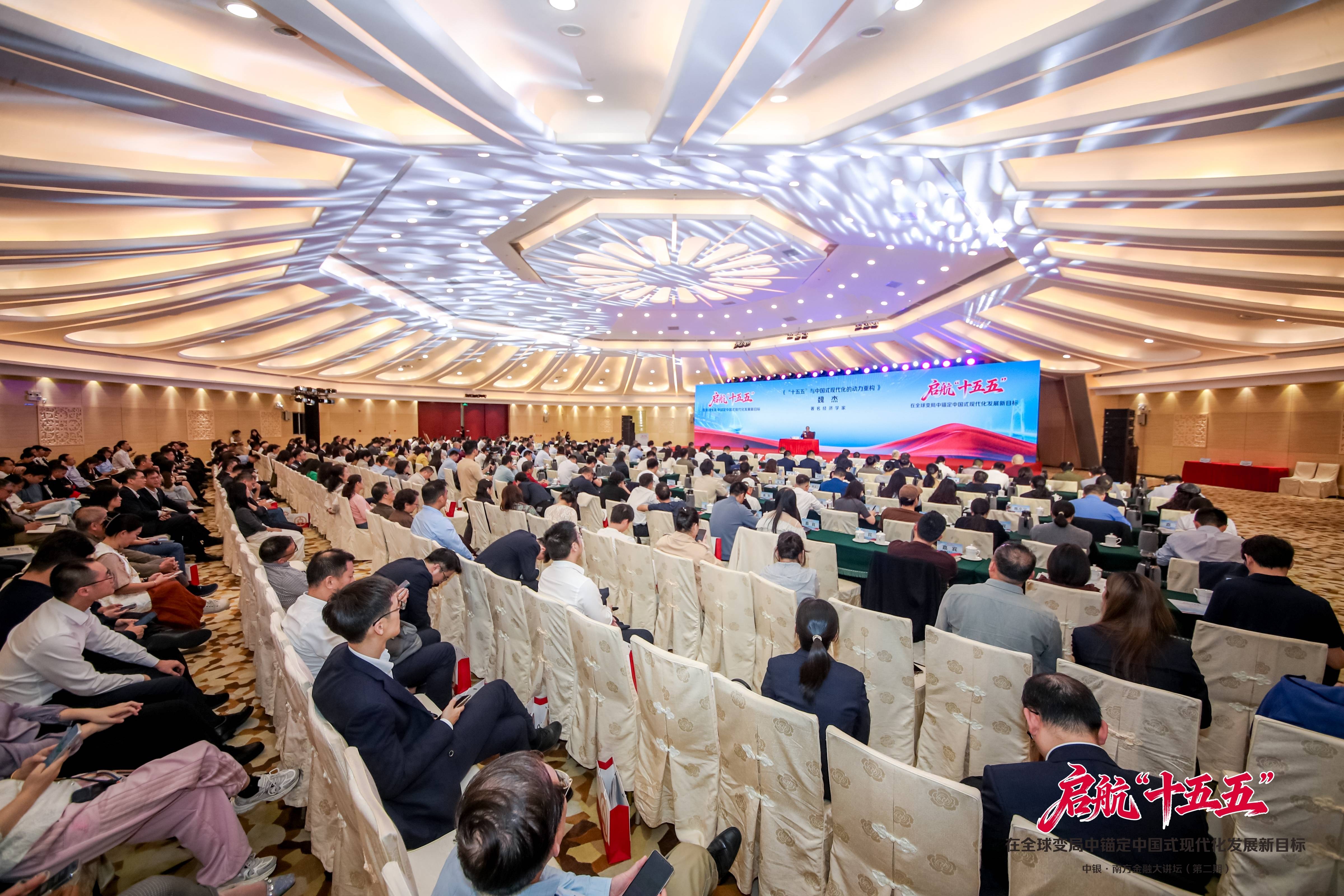
著名经济学家魏杰解码“十五五”动力重构:调整出口、有效投资、启动消费
Sou Hu Cai Jing· 2025-12-13 02:08
Core Viewpoint - The event highlighted the importance of the upcoming "15th Five-Year Plan" (2021-2025) as a critical phase for China's modernization, emphasizing the need for structural adjustments in economic growth drivers, particularly in export, investment, and consumption strategies [4][5]. Group 1: Export Adjustments - The need to reduce reliance on exports is emphasized, suggesting a shift from an export-driven economy to a more balanced approach that mitigates risks associated with global uncertainties [8]. - China should stabilize its trade relationships with ASEAN and the EU while exploring emerging markets in South America, Africa, and Central Asia to diversify export destinations [9]. - The export structure should focus on advanced manufacturing and high-tech industries, increasing the share of service trade, including intellectual property and project consulting [10]. - Future export strategies should prioritize "scarcity" by offering unique products to avoid low-price competition and associated tariff risks [13]. - Promoting the use of the Renminbi in international trade can enhance export security and reduce foreign exchange volatility [14]. - The concept of exporting production capacity is introduced, suggesting that overseas investments can yield economic returns while creating local jobs and tax revenues [15]. Group 2: Effective Investment - Investment quality, efficiency, and structure are crucial for economic growth, with a focus on meeting market demands and aligning with the modern industrial system [16]. - Key investment areas include traditional manufacturing, strategic emerging industries (like renewable energy and biotechnology), advanced manufacturing, future industries (like quantum technology), foundational industries (like agriculture), and services [17][18][22][23][24]. Group 3: Consumption Activation - Consumption is projected to be the main driver of economic growth during the "15th Five-Year Plan," with strategies to stimulate it through fiscal policies, monetary support, and innovation in supply [30][31][34]. - Adjusting housing supply and implementing supportive policies can help release pent-up demand in the real estate sector [36]. - Encouraging service-oriented consumption across various sectors can further activate domestic demand [37]. Group 4: Industry Insights - Companies should avoid low-level competition by understanding industry cycles and technological advantages, ensuring they have a sustainable competitive edge [40]. - Businesses need to interpret the "15th Five-Year Plan" by analyzing the industrial landscape, recognizing shifts in themes towards safety and high-quality development, and assessing social acceptance of their projects [42][43]. - Financial institutions should align funding with industry characteristics, particularly in strategic emerging industries and advanced manufacturing, to support long-term growth [47].
跨省协作畅通 发展动能奔腾
Hai Nan Ri Bao· 2025-12-13 00:17
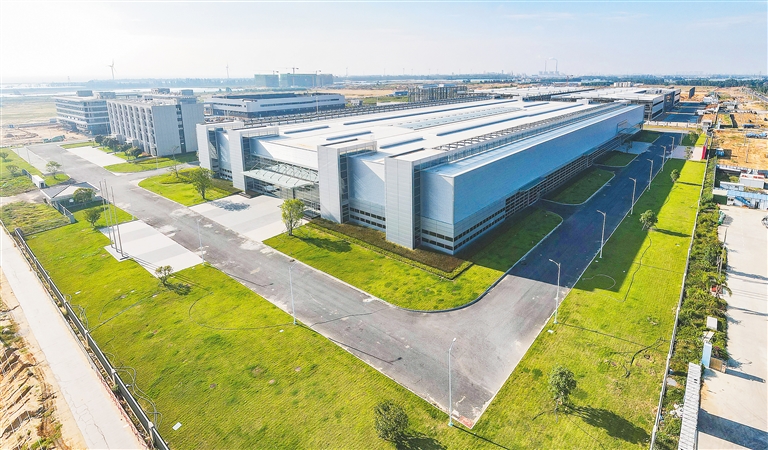
Group 1 - The core idea of the article highlights the successful establishment of a collaborative industrial park in Hainan, which has effectively addressed the electricity supply concerns for companies relocating from Hunan, showcasing a new model of cross-provincial cooperation [1][3]. - The "cross-network electricity application" mechanism has been implemented, allowing for a streamlined process where companies can apply for electricity online, facilitating smoother operations for businesses moving to the Hainan Free Trade Zone [1][2]. - The innovative "temporary and permanent electricity connection" model has simplified the electricity application process, reducing the time and costs associated with transitioning from temporary to permanent electricity supply [2][3]. Group 2 - The industrial park has attracted 30 companies, including major players like SANY Heavy Industry and Zoomlion, with total investments exceeding 13.9 billion yuan, indicating a growing advanced manufacturing ecosystem [2][3]. - The collaboration between Hunan's industrial strengths and Hainan's policy advantages exemplifies a successful integration of resources, enhancing the overall development of the Hainan Free Trade Port [3].

用好优势,不断巩固拓展经济稳中向好势头
Ren Min Ri Bao· 2025-12-13 00:15
Core Viewpoint - The central economic work conference emphasizes the importance of confidence, leveraging advantages, and addressing challenges to maintain a stable and improving economic momentum in China [1]. Economic Performance - China's economy is projected to reach approximately 140 trillion yuan, with international organizations raising their growth forecasts for 2025 [1]. - The contribution rate of China's economy to global growth has remained stable at around 30% over the past five years, despite external pressures [2]. Industrial Strength - China has established the world's largest and most comprehensive industrial system, with manufacturing value added expected to account for nearly 30% of the global total by 2024 [3]. - The country has built over 35,000 basic-level intelligent factories and 1,260 5G factories, showcasing its rapid advancements in technology and energy efficiency [3]. Market Potential - The total retail sales of consumer goods are projected to increase from 39.1 trillion yuan in 2020 to 48.3 trillion yuan in 2024, with an average annual growth rate of 5.5% [4]. - China's domestic market, supported by a population of over 1.4 billion and the largest middle-income group globally, is rapidly evolving into the largest consumer market [4]. Strategic Focus - The emphasis is on utilizing China's complete industrial system and large-scale market advantages to drive economic stability and high-quality development [2][3][4]. - The government aims to enhance domestic demand and consumer spending while addressing public concerns to foster new economic growth points [4].
工业和信息化部:启动“十五五”重大工程项目
Shang Hai Zheng Quan Bao· 2025-12-12 19:25
Group 1 - The meeting emphasized the importance of implementing the spirit of the Central Economic Work Conference and the 20th National Congress of the Communist Party, focusing on high-quality development and new industrialization as key tasks for the upcoming year [1] - The meeting called for stabilizing the industrial base, enhancing supply-demand adaptability, and promoting consumption through integrated effects of existing and new policies [1] - It highlighted the need for a high-quality development plan for the "14th Five-Year Plan" and the initiation of major engineering projects [1] Group 2 - The focus is on enhancing the self-controllability of industrial chains and implementing high-quality development actions for key industries [2] - There is an emphasis on optimizing industrial structure and promoting the transformation of traditional industries while fostering emerging pillar industries [2] - The meeting also addressed the need for high-quality development in the information and communication industry, including the advancement of 6G technology and satellite internet [2]