烘焙

Search documents
【书籍专题 · 面包大全】维也纳巧克力棒
东京烘焙职业人· 2025-10-28 08:33
Group 1 - The article discusses the recipe for Vienna chocolate bars, detailing the ingredients and their respective proportions [2][3] - The preparation process includes specific steps such as dough division, fermentation conditions, and baking temperatures [6][13][15] Group 2 - Monthly highlights include the opening of a new bakery by Haidilao, which aims to attract customers with affordable pricing [18] - The article features various topics related to the baking industry, including interviews with industry veterans and insights into successful bakery operations [19]


南京江北新区陈宇烘焙工作室(个体工商户)成立 注册资本10万人民币
Sou Hu Cai Jing· 2025-10-27 23:49
Core Viewpoint - A new individual business, Nanjing Jiangbei New District Chen Yu Bakery Studio, has been established with a registered capital of 100,000 RMB, focusing on food services and sales [1] Company Summary - The legal representative of the newly established bakery studio is Chen Yu [1] - The business scope includes licensed projects such as catering services and food sales, which require approval from relevant authorities before operation [1] - General projects include marketing planning, conference and exhibition services, and the sale of pre-packaged food, which can be conducted independently with a business license [1]
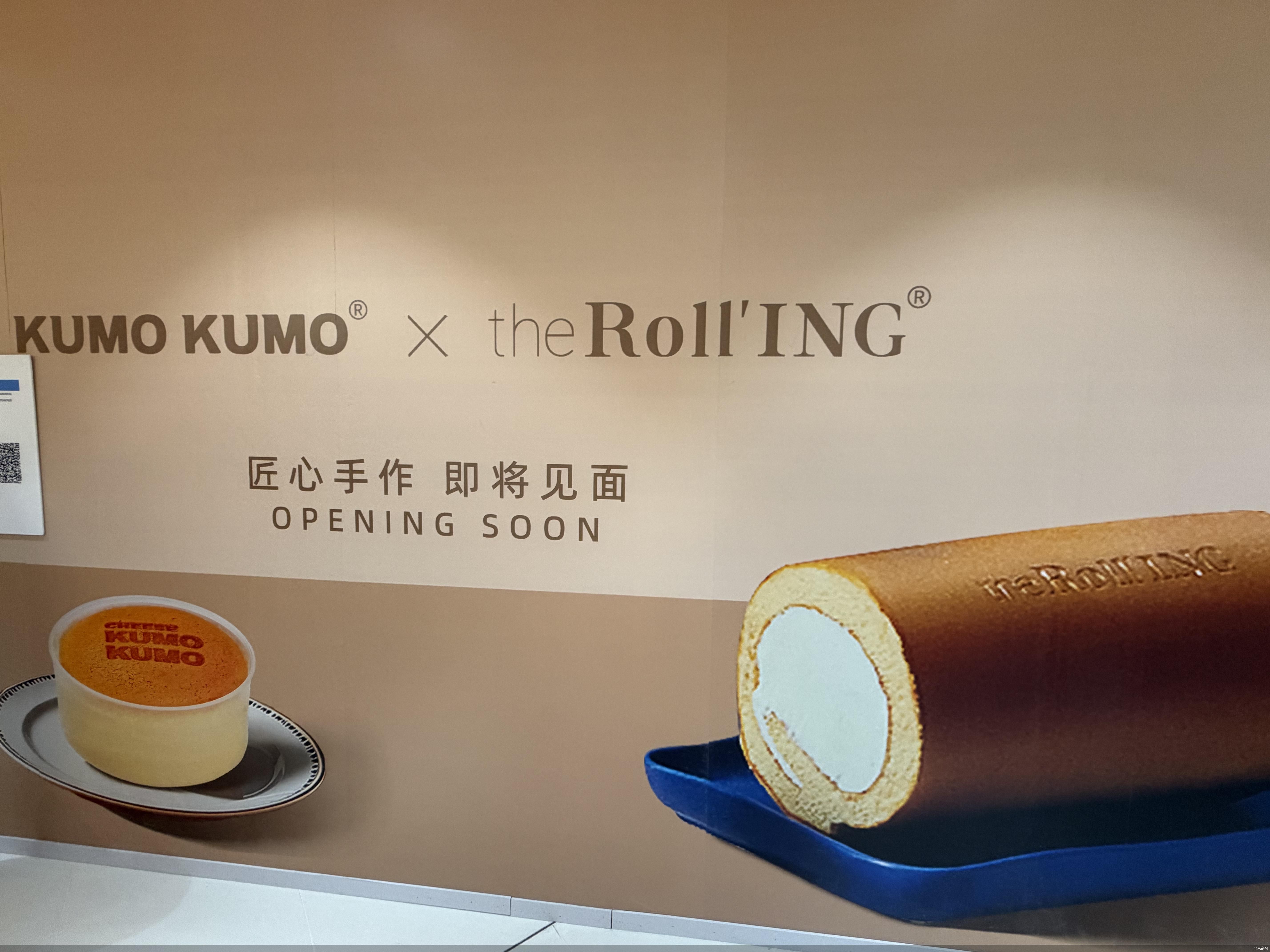
网红瑞士卷the Roll'ING热潮渐退 与兄弟品牌合体能否扛住洗牌
Bei Jing Shang Bao· 2025-10-27 13:32
Core Insights - The brand the Roll'ING is attempting a comeback by merging with its sibling brand KUMO KUMO at the Heshenghui shopping center, following a decline in popularity and a significant reduction in store numbers in Beijing [1][5][12] Company Overview - The Roll'ING initially gained immense popularity in Beijing, with long queues and high demand, but now only has two stores left in the city, indicating a sharp decline in customer interest [1][5] - The brand's pricing strategy included selling handmade Swiss rolls for around 40-50 yuan, which at times surged to 120 yuan due to high demand [5][10] - The company has shifted its strategy to include more takeout options and promotional sampling to attract customers [5][10] Franchise and Operational Challenges - Franchisees have reported insufficient support from the brand's headquarters, leading to difficulties in maintaining profitability [11][12] - The investment required to open a franchise store is approximately 100 million yuan, with a return on investment expected in 12-14 months, heavily dependent on location [10][11] - Many franchisees are experiencing losses, with some suggesting that only well-located stores can sustain operations in the long term [11][12] Market Dynamics - The bakery industry is undergoing rapid changes, with increased competition and a trend of popular brands facing declines after initial success [12][15] - The merger of KUMO KUMO and the Roll'ING is seen as a strategy to enhance product offerings, reduce costs, and improve operational efficiency [12][14] - The overall bakery market is projected to grow, with an expected market size of 1,160 billion yuan by 2025, driven by consumer demand for emotional and experiential products [14][15] Strategic Recommendations - Experts suggest that the brands need to invest in product innovation and enhance support for franchisees to improve operational success and customer loyalty [14][15] - The focus should be on maintaining a balance between trendy offerings and consistent quality to avoid the pitfalls of becoming a fleeting trend [15]
全线关停、破产清算,上海又一老牌烘焙退场
3 6 Ke· 2025-10-27 12:14
Core Points - Jing'an Bakery is closing all its stores, marking the exit of an iconic baking brand after 40 years in operation [1][2] - The company has applied for bankruptcy liquidation due to its inability to pay debts and lack of solvency [10] Company Summary - Jing'an Bakery, established in 1985, was the first Sino-foreign joint venture French bakery in Shanghai, once boasting over 80 stores at its peak [4][6] - As of September 28, 2023, the bakery had 35 stores, but most have recently closed, with only a few remaining operational [6][12] - The company aimed to reach 100 stores by the end of 2020 but failed to achieve this target [6] Industry Summary - The closure of Jing'an Bakery is part of a broader trend affecting many first-generation baking brands in China, with several others also facing significant challenges [12][15] - The baking market is still growing, with a projected market size increase of 5.2% in 2024, reaching 110.5 billion yuan [17] - Despite the growth, the closure rate for baking brands is high, with a 34.2% closure rate expected in 2024, indicating a significant market restructuring [17][18]

一周关闭61家门店,永辉、奈雪、静安面包房持续调整
3 6 Ke· 2025-10-27 10:53
Core Insights - The recent wave of store closures has significantly impacted the supermarket sector, with a total of 8 stores shutting down across various brands, including Yonghui Supermarket, CR Vanguard, and Daitonghua Supermarket [2][4] Supermarket Sector - Daitonghua Supermarket has closed two long-standing stores, with the Tai Xing store operating for 14 years and the Dan Yang Development Zone store for 19 years, primarily due to long-term losses [3][4] - CR Vanguard's store in Hangzhou, which was previously a Tesco store, closed due to lease expiration after operating since 2005 [3] - The newly opened Dehong Supermarket, which had been in operation for less than a year, closed due to lease expiration and increased competition from a nearby Hema store [3][4] - The closure of the Jiatailai Supermarket is part of an upgrade and renovation plan, with a new store expected to open in January 2026 [3] Restaurant Sector - A total of 11 restaurant locations have closed, including notable brands such as Hailofang, Penggengji, and Shanghai Old Restaurant, which has a history dating back to 1875 [4][5] - The Shanghai Old Restaurant closed two locations after 6 years of operation each, leaving only the original location still in business [4] - The tea beverage sector also saw closures, with brands like Nayuki and Peach Uncle closing stores due to lease expirations [4] Bakery Sector - The Jing'an Bakery has undergone significant downsizing, closing at least 33 out of 36 locations, while retaining only three stores [5] - The company is facing bankruptcy proceedings due to an inability to settle debts, although it claims that its direct operations remain unaffected [5] Education Sector - The education sector has also been affected, with the Bell Robot Programming Center closing at least 5 locations due to poor management [6] Other Sectors - Various other sectors, including retail, apparel, and entertainment, have seen 1-2 store closures each, indicating a broader trend of market optimization and restructuring [6]

冯卫东:我们投的鲍师傅,找到了不依赖IPO的投资盈利方式
创业家· 2025-10-27 10:10
Core Insights - The article emphasizes the long-term value of consumer investment despite recent challenges in the sector, suggesting that the current market conditions may present new opportunities for those who remain committed [1][3] Investment Strategy Adjustments - The company has expanded its investment focus to include sectors like biomedicine and low-altitude economy, categorizing consumer investments into technology and non-technology segments [1] - A shift in investment strategy has occurred, moving away from reliance on IPOs as the primary exit strategy due to the lengthy IPO process, which could take up to 50 years for all potential exits based on current rates [1][2] New Investment Approaches - The establishment of a merger and acquisition (M&A) fund is highlighted, targeting projects from diversified groups, "first-generation" entrepreneurs, and serial entrepreneurs who prefer selling businesses rather than taking them public [4] - The company is also pursuing an industrial integration fund, collaborating with industry leaders and local governments to launch investment funds focused on early and growth-stage companies [5] - A dividend strategy has been introduced, exemplified by the launch of a SPAC product in Macau, which utilizes a revenue-sharing model to invest in profitable businesses with strong cash flows [6][10] Market Outlook - The adjustments in strategy have opened up new investment opportunities that were previously inaccessible under an IPO-focused approach, allowing for a broader range of potential assets [9] - The company anticipates that these new strategies, including the industrial integration fund, M&A fund, and revenue-sharing products, will gain traction and lead to significant returns in the future [13]

【书籍专题 · 面包大全】大理石奶酪面包
东京烘焙职业人· 2025-10-27 08:33
Group 1 - The article discusses the recipe for marble cheese bread, detailing the ingredients required such as high-gluten flour, low-gluten flour, sugar, salt, egg liquid, milk, and others [2] - The filling for the bread includes cream cheese and red bean paste, each weighing 100 grams [2] - The preparation process involves multiple steps including rolling the dough, folding it, and allowing it to rest, which is crucial for achieving the desired texture [5][9][12] Group 2 - The baking process requires specific temperature settings for both the upper and lower heat, with a recommended baking time of 20 minutes [23] - The article also highlights the importance of fermentation, specifying conditions such as temperature and humidity for optimal results [19] - Surface decoration is mentioned, including the application of egg wash and the addition of crispy pineapple [20][21]

【书籍专题 · 面包大全】燕麦吐司
东京烘焙职业人· 2025-10-26 08:32
Group 1 - The article discusses the recipe for making oat toast, highlighting the ingredients and the preparation process [2][3][6] - Key ingredients include high-gluten flour, sugar, salt, dry yeast, milk, water, and oats, with specific measurements provided [2][3][4] - The preparation process involves mixing dry and wet ingredients, kneading the dough until smooth, and allowing it to rise at room temperature [6][7][8] Group 2 - The dough is divided into portions, shaped, and allowed to ferment in a mold under controlled temperature and humidity [11][19] - The final baking process requires specific temperature settings for both the upper and lower heat, with a baking time of 30 to 40 minutes [24] - The article also includes a section on various baking-related topics and interviews with industry professionals, indicating a broader context of the baking industry [28]

一周上新!热氣饼店、泽田本家、全家...海内外新品资讯抢先看 | 全球职人情报站
东京烘焙职业人· 2025-10-26 08:32
Group 1 - The article highlights the latest product launches in the baking industry, showcasing various new items from different brands, including unique flavors and seasonal offerings [2][4][5][7][10][11][12][16][18][19][20][21][23][25][28][30][32][34][39][41][44][46][49][51][55][57][59][63][67][70][73][77][79][80][82][84][86][88][91][94][96][99][100][102][104][110][112][114][117][119][120][123][125][128][129][131][135][137][139][141][143][145][146][148][149][153][155][156][160][162] - The article discusses the rise of supermarket baking and the competition among chain bakeries, indicating a shift in consumer preferences towards fresh and innovative baked goods [188] - The article mentions significant investments in the baking sector, such as Anjie's investment of 410 million yuan to enhance its baking projects, reflecting the industry's growth potential [11][172] Group 2 - The article features collaborations between brands, such as the partnership between Wuzhou and Hema to launch rice Greek yogurt, indicating a trend towards innovative product combinations [165] - The article notes the introduction of new beverage products, like the cake milk tea series from Cha Baidao, which integrates dessert elements into drinks, showcasing the blending of food categories [166] - The article highlights the expansion of brands like Bawang Tea Princess, which has opened over 200 stores in Malaysia, demonstrating the international growth of bakery and beverage brands [171]
知名烘焙品牌被曝大规模闭店
Sou Hu Cai Jing· 2025-10-26 07:04
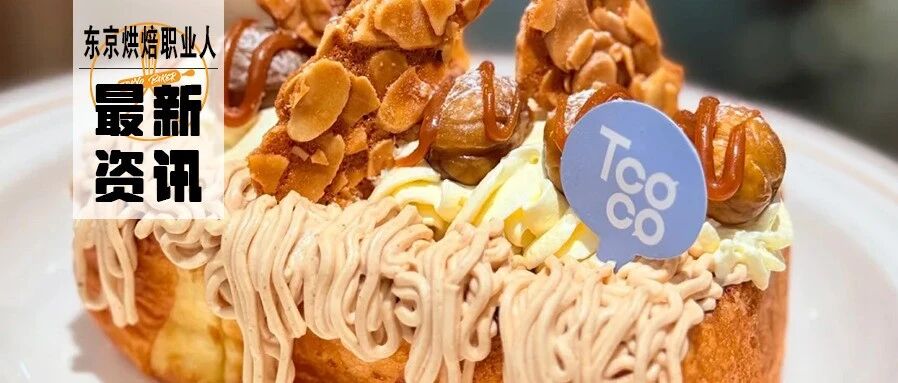
Core Insights - 85°C is experiencing significant operational challenges in mainland China, with over 40 store closures expected this year, marking the largest operational adjustment in five years due to a sales decline exceeding 20% and ongoing losses [3][4] - The company's losses in mainland China reached approximately 200 million New Taiwan Dollars (around 46.3 million RMB) in the first half of last year, with projections indicating losses could exceed 400 million New Taiwan Dollars (around 92.6 million RMB) by 2025 if operational adjustments are not made [3] - The company has announced a strategic shift in its operations in mainland China, focusing on closing underperforming stores while planning to increase franchise locations by the end of the year [3] Store Operations - As of September 16, 85°C operates a total of 659 stores, with over 200 located in Taiwan, although the pace of new store openings has slowed in recent years [4]