美妆

Search documents
香氛、唇膏、护手霜,美妆产品在“包”上出道了
2 1 Shi Ji Jing Ji Bao Dao· 2026-01-22 08:01
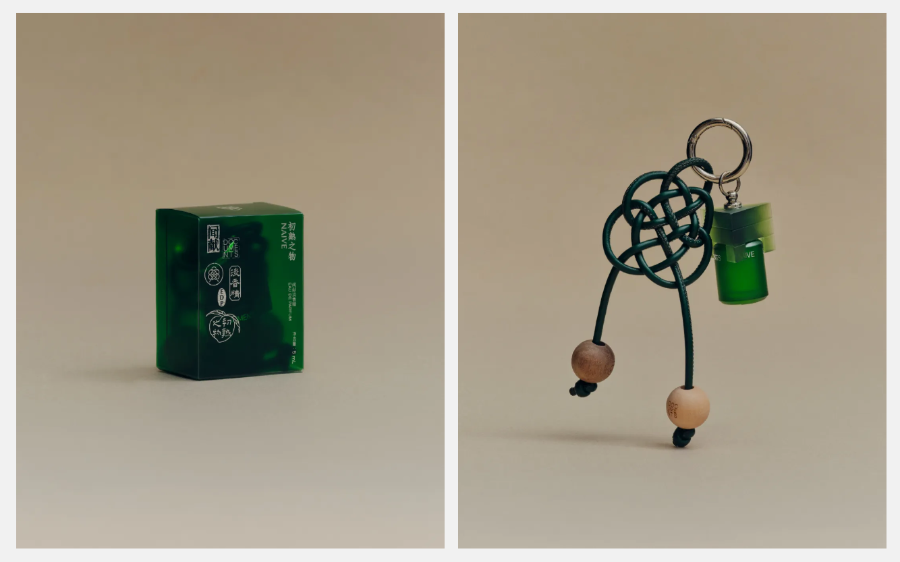
21世纪经济报道记者朱艺艺报道 从国产香氛品牌闻献的"Q香绳结包挂",到新锐个护品牌摇滚动物园联名茉莉奶白的挂链护手霜,越来越多美妆产品开始"跳 出"化妆包,争先在"包"上出道。 这些挂件式美妆产品,已从最初的香水香氛,逐渐渗透至唇膏、护手霜、防晒霜等多个品类,一方面实现美妆产品即时取用、 随时补护的场景自由,另一方面展现出年轻消费群体希望"被看见又不张扬"的个性表达。 在这股"包挂"热潮下,许多美妆品牌试图打开新的市场空间,寻求业绩增量,但目前来看,市场体量还未成气候。 美妆上"包" Z世代对于"颜值即正义"的消费心理,推动挂件式美妆产品悄然走红。 一个挂在"痛包"上的护手霜、一个引发朋友圈话题的戒指唇膏……护手霜、唇膏、防晒霜、粉饼等美妆产品,正通过挂链、环 扣、编绳等多种形态,与包具、衣服等日常物品搭配,成为年轻人新的社交货币。 根据用户说研究中心数据,2025年1月1日-12月31日,以"挂饰/挂绳/链条与护肤/彩妆/香水相关包装设计组合"为关键词的"挂饰 美妆"声量在近一年内增长迅速,声量破21.8万,同比增长高达41.8%。 这一数据印证了挂件美妆潮流的强劲势头,在这股"包挂"热潮下,不少品牌纷纷 ...

欧莱雅投资8亿!重金押注生物基和生物制造变革者
合成生物学与绿色生物制造· 2026-01-22 02:36
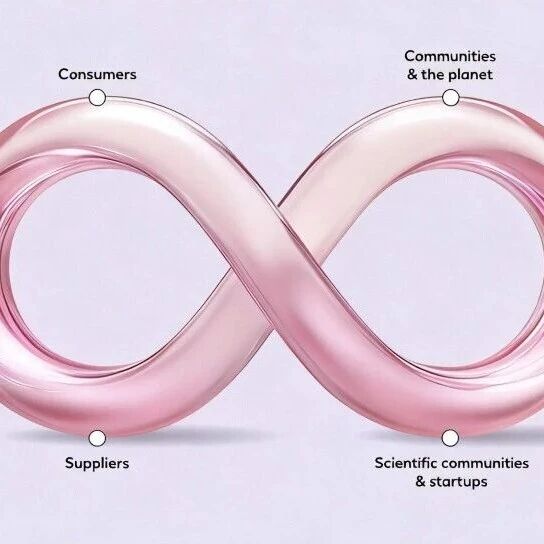
Core Insights - L'Oréal has launched a €100 million (approximately 811 million RMB) sustainable innovation accelerator project called "L'AcceleratOR," aimed at supporting startups focused on bio-based and biomanufacturing solutions [2][7][10] - The first cohort includes 13 companies selected from nearly 1,000 applications across 101 countries, focusing on sustainable packaging, natural raw materials, and data intelligence [4][6][14] Group 1: Selected Companies - The 13 selected companies include six focused on next-generation packaging and materials, such as Kelpi (UK) which uses seaweed for recyclable, low-carbon packaging, and Bioworks (Japan) which produces bio-plastics from sugarcane [4][5] - Three companies are dedicated to natural raw materials, including Biosynthis (France) which produces renewable and biodegradable raw materials [11] - One company, Neutreeno (UK), offers a digital system to help businesses calculate and reduce emissions in their supply chains [6] Group 2: Project Goals and Market Impact - The project aims to achieve L'Oréal's "L'Oréal for the Future" goal of sourcing at least 90% of bio-based materials for formulations and packaging by 2030, with 50% of all packaging materials coming from recycled or bio-based sources [7][19] - If successful, these innovations could be applied across L'Oréal's 37 global brands in over 150 countries, creating a system effect where one innovation can serve multiple market segments [14][16] Group 3: Broader Investment Strategy - L'Oréal's investment strategy extends beyond the L'AcceleratOR project, with over ten investments in sustainable innovation in the past three years, covering various regions and technologies [10][12] - The company is actively seeking partnerships and investments in China, indicating a growing interest in the bio-based materials sector within the Chinese market [18][23]
当独立品牌成为主角:第二波K-Beauty的增长逻辑变了
Sou Hu Cai Jing· 2026-01-21 13:07
韩妆增长引擎正在结构性转移 如果说第一波K-Beauty的全球扩张,依赖的是爱茉莉太平洋、LG生活健康等集团型企业的资本能力、渠道铺设与文化输出,那么正在发生的第二波浪 潮,增长的重心已经发生了根本性转移。 文|未来迹FBeauty 北美正迎来第二波K-Beauty浪潮。 "去年在迈阿密参加一次大型美妆B2B活动时,八百余家展商中,韩国品牌的数量目测大概有两百多家。"一位在美国从事跨境零售业务的行业人士在接受 《FBeauty未来迹》采访时回忆到,"业界的朋友都在感慨说K-Beauty来势汹汹,实在是太惊人了。" "在美国真正做得很成功的K-Beauty品牌,绝对不是偶然跑出来的。"她指出,"它不是单个品牌在博业绩,而是一个产业在集体出海。" 高盛最新报告指出,韩国美妆的增长引擎如今变为由大量中小品牌组成的"长尾生态",它们依托成熟的韩国ODM体系、数字原生的营销路径以及"可负担 的优质"定价策略,正在北美市场实现系统性突破。 然而就在2026年初,韩国总统李在明访华期间,将美妆等消费品贸易列为双边合作的潜在新增长点。在中韩经贸关系持续调整的背景下,这一表态被视为 为韩国消费产业、尤其是美妆行业打开新窗口的积 ...
【IPO前哨】花物堂携“半亩花田”闯关港交所,巨额营销引关注
Sou Hu Cai Jing· 2026-01-21 12:16
Core Viewpoint - The Hong Kong stock market is experiencing a surge in listings from beauty companies, with Shandong Huawutang Cosmetics Co., Ltd. planning to go public, leveraging its popular brand "Banmu Huatian" known for affordable natural skincare products targeting young consumers [2][3]. Company Overview - Huawutang, established in 2018, focuses on a brand philosophy of "flower-based skincare" and has developed a comprehensive product matrix covering body, hair, and facial care [3]. - The brand "Banmu Huatian" has gained popularity due to its competitive pricing, with products averaging around 20 RMB, which has been crucial for capturing market share [5]. Market Position - According to Frost & Sullivan data, Huawutang has become the leading domestic brand in body lotion, body scrub, and facial cleansing mousse by retail sales in 2024, with significant sales figures: 37.7 million bottles of body scrub and 56.9 million bottles of body lotion sold cumulatively by September 2025 [3][4]. - The company has successfully diversified its product offerings, with hair care revenue reaching 482 million RMB in the first nine months of 2025, a nearly 500% increase year-on-year, now accounting for 25.4% of total revenue [3]. Financial Performance - Revenue has shown rapid growth, increasing from 1.199 billion RMB in 2023 to 1.499 billion RMB in 2024, and reaching 1.895 billion RMB in the first nine months of 2025, representing a year-on-year growth of 76.7% [8][9]. - Despite the growth in revenue, the company faces challenges with profitability, as its gross margin was only 62.3% in 2024, significantly lower than competitors like Maogeping and Linqingxuan, which exceed 80% [9][10]. Marketing Strategy - Huawutang's growth is heavily driven by substantial marketing investments, with expenses reaching 637 million RMB in 2023 and increasing to 896 million RMB in the first nine months of 2025, resulting in a marketing expense ratio of 47.3% [7][9]. - The company employs celebrity endorsements and social media marketing strategies to enhance brand visibility and consumer engagement [7]. Challenges Ahead - The company’s reliance on low-priced products and high marketing costs raises questions about the sustainability of its growth model, especially as competition intensifies in the beauty industry [10]. - Huawutang needs to address the declining growth in facial care products, which saw a revenue drop from 50.1% of total revenue in 2023 to 24.4% in the first nine months of 2025, indicating a need for product differentiation and innovation [4][10].
巴西监管机构批准欧莱雅收购开云集团美妆业务
Xin Lang Cai Jing· 2026-01-21 11:18
Core Viewpoint - The Brazilian regulatory authority has approved L'Oréal's acquisition of Kering's beauty business, marking a significant strategic partnership in the luxury beauty and health sectors [1] Group 1: Transaction Details - The Brazilian Economic Protection Administrative Council (Cade) has granted unconditional approval for the transaction [1] - The agreement includes the sale of the Creed brand and licensing of beauty and fragrance products from Kering's iconic fashion houses [1] - The total value of the agreement is €4 billion, with the transaction expected to be completed in the first half of 2026 [1]
创始人要有极致的成本意识
创业家· 2026-01-21 10:39
Group 1 - The core viewpoint emphasizes that founders must have a strong cost awareness that permeates the entire organization, enabling employees to manage costs rigorously. This cost reduction is strategically driven to better allocate resources towards future growth areas, appearing as cost-saving but ultimately aimed at revenue generation [1] Group 2 - The article discusses the transition of Chinese brands from merely achieving production efficiency to occupying a significant ecological position in the industry and selling brand value. By 2026, the focus will shift from "can we produce it?" to "can we sell the brand value?" [5] - It highlights that the current decade is a golden era for lifestyle brands, particularly in sectors like beauty, home, dining, and fashion, where global markets are ripe for engagement. Brands that can emulate European brands' ability to elevate products into emotional connections with users will secure their ecological positions in a saturated market [5] - The article identifies three core elements of enduring European brands: scarcity narrative, control over the supply chain, and the definition of lifestyle [5] Group 3 - The article outlines a learning journey to Europe, focusing on luxury brand management, where participants will explore the origins and narratives of brands, the importance of emotional value, and how to reclaim pricing power through cultural storytelling [5][6][9] - Specific educational experiences include insights from L'Oréal on creating product value through a combination of technology, content, and distribution, and lessons from luxury brands like Louis Vuitton and Prada on maintaining heritage while innovating [12][20] - The program also emphasizes the significance of controlling the supply chain and understanding the materials that define luxury, as demonstrated by Loro Piana's mastery over high-quality fabrics [21]

欧莱雅入驻南沙设分拨枢纽,龙穴跨境供应链协同生态成型
2 1 Shi Ji Jing Ji Bao Dao· 2026-01-21 05:42
Core Insights - L'Oréal has officially established a regional distribution hub in the Nansha Comprehensive Bonded Zone, enhancing its supply chain capabilities in South China and the Asia-Pacific region [1] - The Global Premium Distribution Center aims to optimize cross-border trade and resource allocation, contributing to a collaborative industrial development model [1] - The center leverages advanced technologies such as AI, big data, and blockchain to provide efficient and secure supply chain solutions [1] Group 1 - The entry of L'Oréal strengthens the industrial ecosystem of the Global Premium Distribution Center, increasing the visibility and influence of the Nansha area in the global consumer supply chain [1] - The center has attracted other major international companies like Nestlé and Shein, creating a diverse cluster of consumer goods that enhances collaboration and operational efficiency [2] - The shared resources among companies, including smart warehousing and logistics, significantly reduce operational costs while improving overall supply chain efficiency [2] Group 2 - The Nansha area is focused on creating a policy-friendly environment and a collaborative industrial community, as evidenced by the ongoing attraction of benchmark enterprises like L'Oréal [3] - Future plans include enhancing platform functionalities and collaborative mechanisms to support deeper integration among businesses [3]
突破50万亿元!超大规模市场优势持续显现
Yang Shi Xin Wen· 2026-01-21 04:06
Group 1 - The total retail sales of consumer goods in 2025 reached 50.1 trillion yuan, with a growth rate of 3.7%. The contribution rate of final consumption expenditure to economic growth was 52%, highlighting its role as a main engine for economic development [1] - The retail sales of durable goods showed a positive trend, with the sales from trade-in programs reaching 2.61 trillion yuan, benefiting 366 million people. The retail volume of passenger cars reached 23.74 million units, growing by 3.8%, with a penetration rate of 53.9% for new energy vehicles [1] - Retail sales of home appliances exceeded 1.17 trillion yuan, growing by 11%, while retail sales of communication equipment, cultural and office supplies, and furniture grew by 20.9%, 17.3%, and 14.6% respectively [1] Group 2 - The retail sales of daily consumer goods grew steadily, with retail sales of grain and oil food increasing by 9.3%. Health-conscious consumption became mainstream, with organic and green agricultural products gaining popularity [2] - Retail sales of sports and entertainment products grew by 15.7%, driven by high demand for ice and snow sports, hiking, and cycling equipment. Sales of smart glasses, smartwatches, and smart bands increased by over 40% [2] - The retail sales of cosmetics grew by 5.1%, influenced by Eastern aesthetics, while gold and silver jewelry sales increased by 12.8%, reflecting consumer preference for products that blend traditional cultural elements with modern design [2] Group 3 - The release of new products in the smart connected vehicle and smartphone sectors stimulated consumer activity. Domestic brands gained popularity, with collaborations between traditional brands and new consumption brands creating innovative products and experiences [2] - The "IP + consumption" trend thrived, with sales of movie merchandise during the summer season doubling year-on-year, leading to a surge in consumer interest [2]
中信证券:GEO或将带来品牌、服务商格局重塑 维持美妆与商业行业“强于大市”评级
智通财经网· 2026-01-21 00:53
Core Viewpoint - The era of GEO has arrived, with the GenAI wave gradually reshaping information distribution logic, leading to a transformation in search paradigms, user decision-making logic, and brand focus, which may drive a new round of market restructuring [1][6] Group 1: Industry Trends - The transition to GEO is expected to alter the competitive landscape for consumer goods, as generative AI reshapes information distribution logic and SEO evolves into GEO [2] - Regulatory tightening and tax compliance are driving industry concentration, benefiting leading brands [2][3] - The emergence of new regulatory policies for e-commerce in 2025 will enhance oversight on tax payments and operational transparency, favoring compliant leading brands [3] Group 2: Market Dynamics - Offline channels are receiving policy support, which may benefit brands with a high offline presence as online growth slows and regulatory scrutiny increases [4] - Short-term opportunities may arise for third-party operators as GEO creates new marketing business opportunities, particularly for those with strong data analysis and operational capabilities [4][5] - Brands with clear efficacy claims and strong research backing are likely to benefit from AI model recommendations [5] Group 3: Investment Strategy - The focus is on brands that possess strong product and content capabilities, which are expected to directly benefit from changes in traffic dynamics on platforms like Douyin [6][7] - Continuous attention is given to the impact of GEO on traffic sources and recommendation logic within the beauty industry, emphasizing brands with significant market presence and robust research support [7]

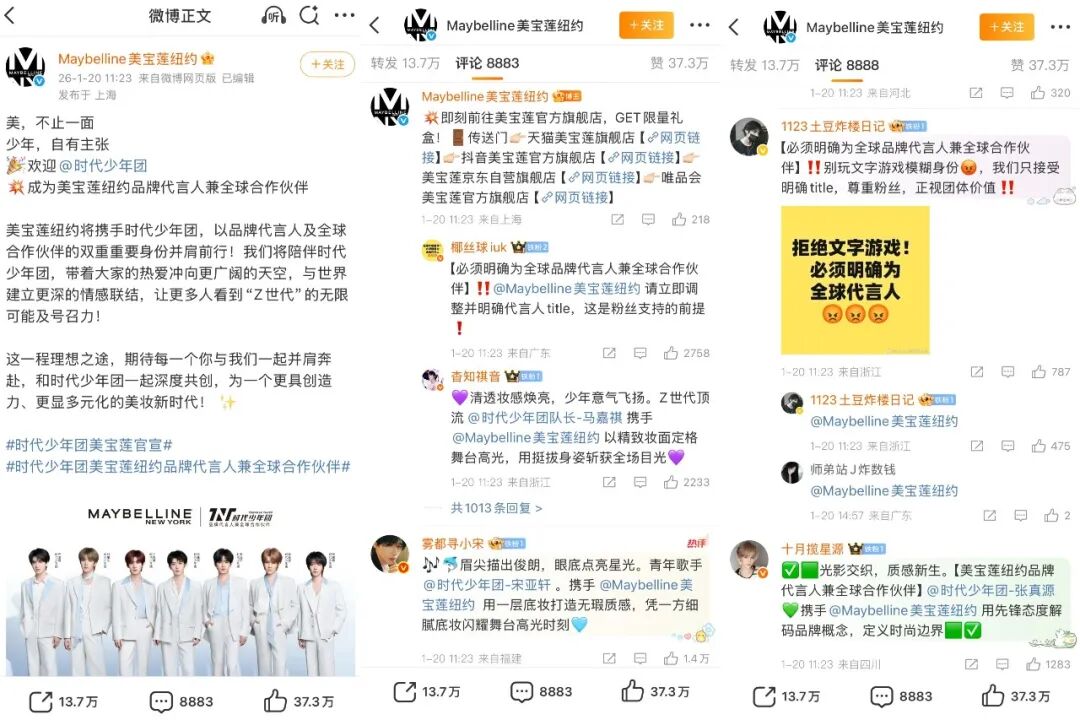
美宝莲官宣代言翻车了?
3 6 Ke· 2026-01-21 00:26
Core Viewpoint - The beauty brand Maybelline faces backlash from fans over the title of its new brand ambassador, leading to a significant impact on sales and brand perception [1][8][23] Group 1: Brand Collaboration and Fan Reactions - Maybelline announced a collaboration with the boy band Teens in Times as both brand ambassador and global partner, marking a new approach in its ambassador strategy [2][4] - The announcement generated significant social media engagement, with over 137,000 shares and nearly 400,000 likes, but also sparked criticism from fans who demanded a clearer title of "global brand ambassador" [2][4] - Fans expressed dissatisfaction with the title configuration, indicating that the lack of a "global ambassador" designation would affect their support for the brand [4][6] Group 2: Sales Impact and Market Response - Following the announcement, the sales of the "Lucky Lotus" collaboration gift box were underwhelming, with only around 800 units sold on Tmall and over 1,000 on JD, contrasting sharply with other brands that achieve millions in first-day sales [11][8] - The ongoing controversy over the ambassador title has negatively affected Maybelline's product sales, indicating a direct correlation between fan sentiment and brand performance [8][11] Group 3: Industry Trends and Risks - The trend of celebrity endorsements in the beauty industry is growing, with brands leveraging star power to boost visibility and sales, but this comes with risks, including potential backlash from fan bases [19][20] - The situation highlights the delicate balance brands must maintain between leveraging celebrity influence and managing fan expectations, as missteps can lead to significant reputational damage [23][19]