咖啡

Search documents
刚换帅、裁员又全球召回,雀巢中国能否破局?
阿尔法工场研究院· 2026-01-09 00:04
Core Viewpoint - Nestlé faces a significant challenge in the Chinese market due to a global food safety alert that has led to the recall of infant formula products, coinciding with strategic adjustments within the company [2][4]. Group 1: Product Recall and Safety Concerns - Nestlé announced a preventive recall of infant formula in 31 countries, including China, due to potential contamination from a supplier's raw material [2][4]. - The recall involves 30 batches of products from four brands, including "Liduo Jing" and "Platinum Neng En," while major products like "Super Q Neng En" and "Qifu" remain unaffected [4]. - The recall is a precautionary measure, with no reported consumer illnesses, but it raises concerns about consumer trust in Nestlé's products [4][15]. Group 2: Management Changes and Strategic Adjustments - A new management team for Nestlé's nutrition business in China has been established, led by CEO Xie Guoyao, who faces immediate challenges due to the recall [5][8]. - The merger of Nestlé's infant nutrition business with Wyeth aims to enhance operational efficiency, but the recall tests the new team's ability to manage crises and maintain consumer trust [5][8]. - The new CEO, Kais Marzouki, has been tasked with reversing a trend of declining sales in the Chinese market, which has seen a drop from 6.913 billion Swiss francs in 2019 to 5.558 billion Swiss francs in 2024 [10]. Group 3: Market Performance and Competitive Landscape - Nestlé's infant nutrition business has struggled, with market share dropping from approximately 13% in 2019 to 10.7% in 2022, facing competition from local brands like Feihe and Junlebao [5][7]. - The company has experienced a -6.1% organic growth rate in the Greater China region, with the infant nutrition segment being a significant contributor to this decline [7][10]. - Local brands are gaining market share by leveraging localized formulas and lower prices, further challenging Nestlé's position in the market [13]. Group 4: Global Restructuring and Cost-Cutting Measures - Nestlé plans to lay off 16,000 employees globally, aiming for annual cost savings of 1 billion Swiss francs by 2027, with a focus on replacing human labor with technology [12][14]. - The restructuring includes optimizing overlapping white-collar positions, which may provide financial flexibility for investment in technology and food safety in China [12][14]. - Despite these efforts, there are concerns about the impact of layoffs on research and development capabilities, as well as the potential for increased scrutiny from consumers regarding product safety [13][15]. Group 5: Future Outlook and Challenges - The year 2026 is seen as a critical period for Nestlé in China, as the effectiveness of the merged nutrition business and the new management strategies will be tested [15]. - The company must address the immediate fallout from the recall while also adapting to changing consumer demands and accelerating product innovation to regain market share [15].


中国为2025年1至11月哥伦比亚第七大出口目的地
Shang Wu Bu Wang Zhan· 2026-01-08 17:15
Core Insights - Colombia's export value reached $4.017 billion in November 2025, showing a year-on-year decline of 2.7% [1] - From January to November 2025, total exports amounted to $45.655 billion, reflecting a year-on-year growth of 1.3% [1] - The decline in exports was primarily driven by a 17.8% drop in fuel and mining products, while other major categories experienced growth [1] Product Structure - The top five exported products for the year were oil and its derivatives, coffee, coal and coke, chemical products, and non-monetary gold [1] - The fastest-growing exports included palm oil, coffee, coffee extracts, and bananas [1] Export Markets - The United States remained the largest export destination, accounting for 29.6% of total exports [1] - Other significant markets included Panama, India, the Netherlands, Brazil, Ecuador, and China [1]
高钧贤投资百万在内地卖咖啡,称夫妻财政独立,才斥千万香港买房
Sou Hu Cai Jing· 2026-01-08 12:03
现年41岁的TVB艺人高钧贤一度离巢TVB北上发展,如今在发展上呈现出多元化,不只是在内地有稳定的市场根基,偶尔还会回香港参与电视剧的拍摄。而 过去两年是高钧贤人生的高光时刻,除了娶了内地妻子为妻之外,又如愿做了父亲,加上事业发展仍然在上升期,称得上是家庭、事业两如意。高钧贤早前 被曝光已经在香港以2250万买了一套房产之外,如今他又自曝投资了七位数,在内地开咖啡店卖咖啡,正式进军内地的饮食行业。 啡,同时还结合了Livehouse,也就是说会有演出活动配合,主打清吧的性质。而之所以会选择在内地开设咖啡吧,高钧贤称,除了觉得经商环境不错之 外,也与内地给港商的优惠政策有关,他觉得吸引力很强,也觉得咖啡吧结合Livehouse的模式很新鲜,有发展的潜能。 高钧贤娶了一个能干的太太,对他来说骄傲,但是反过来说,正是因为太太很有本事,身家甚至高过他,这也就会引发他靠太太发展的嫌疑。所以他才会澄 清,在内地开设咖啡厅投资的百万,太太没有参与,并且夫妻俩是各干各的。怎么说呢,百万的投资的确不小,但是对高钧贤来说,要拿出来也是绰绰有 余。 高钧贤在TVB以香港先生冠军的身份出道,经历过受到力捧又被冷待的过程,最终2014 ...

打了一年联名战,库迪是怎么越来越酷的?
Xin Lang Cai Jing· 2026-01-08 09:41
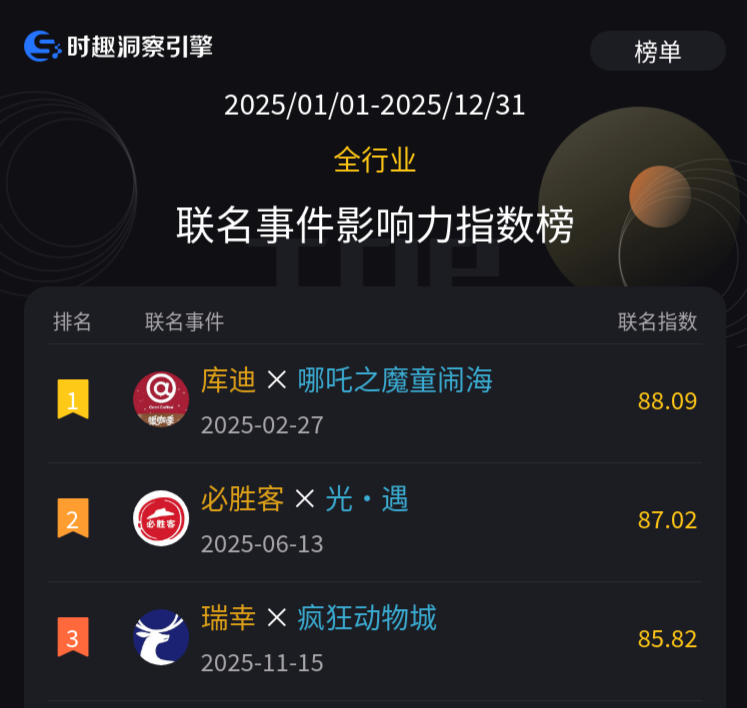
Core Insights - The article highlights the significance of brand collaborations in 2025, particularly focusing on how brands engage with younger consumers to adapt to their changing preferences [1][2]. Brand Collaboration Impact - Kudi has emerged as a representative brand, ranking first in the 2025 Brand Collaboration Influence Index, with its collaboration with "Nezha: The Devil's Child" being the most impactful event of the year [2]. - Kudi executed 26 collaboration activities in 2025, covering various IP types such as classic animations, games, sports events, and fashion designers, while maintaining attractive pricing and product quality [4]. Marketing Strategies - The "Pink Ink Paris" collaboration, launched during the New Year, became a popular DIY fashion item among consumers, showcasing Kudi's ability to blend coffee with fashion [6][8]. - Kudi's marketing strategy emphasizes emotional and aesthetic value, integrating consumer creativity into the brand experience, which enhances brand perception and loyalty [16][24]. Product and Consumer Engagement - Kudi's collaborations often align with new product launches, such as the "Pink Ink Paris" theme paired with the new "Salty Cheese" drink, enhancing the imaginative context for new flavors [21]. - The brand has established a unique mechanism for collaboration marketing, focusing on affordability and straightforward consumer engagement, avoiding complex promotional tactics [26][31]. Supply Chain and Infrastructure - Kudi has over 18,000 stores across more than 300 cities in China, allowing easy access for consumers to participate in marketing activities and purchase products [32][33]. - The brand's ability to quickly develop and produce new products is supported by a self-built supply chain, enabling it to keep pace with the rapid release of collaborations [35][36]. Brand Positioning and Audience Expansion - Kudi has successfully connected with younger audiences by sponsoring major sports events, enhancing its brand image and emotional connection with active consumers [35]. - The brand's commitment to maintaining a price point of 9.9 yuan has solidified its position in the minds of young consumers, making it a go-to choice for affordable coffee and merchandise [33].
新兴玩家不断涌入,中国咖啡市场“变阵”拉开序幕
Bei Jing Wan Bao· 2026-01-08 02:52
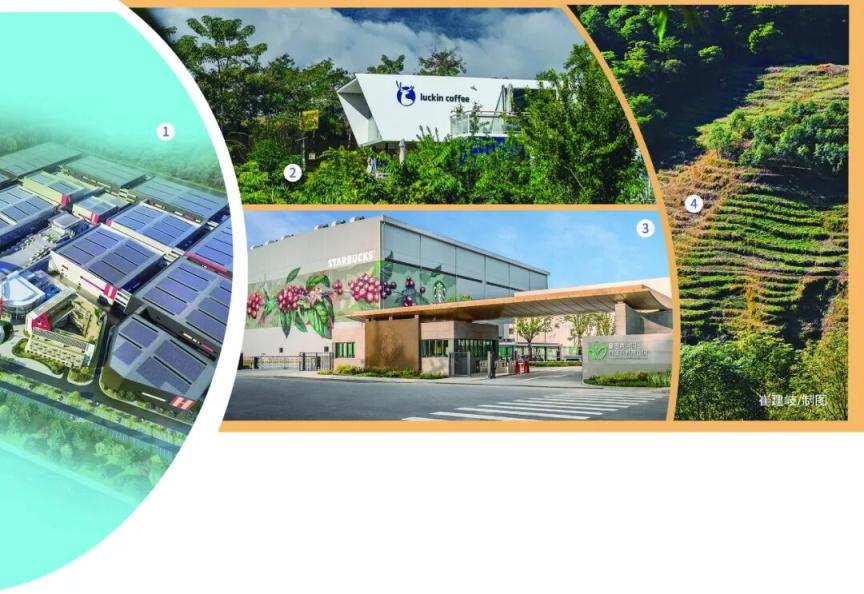
Core Insights - The coffee market in China is experiencing intense competition, shifting from price wars to supply chain control, digital operations, and penetration into lower-tier markets [2][4] - The transformation reflects a deeper change in coffee consumption culture, evolving from "social consumption" to "daily consumption" [2][3] - Domestic brands are rapidly gaining market share, leveraging low pricing strategies and digital ordering models, while international brands are seeking strategic adjustments [3][5] Market Dynamics - The initial dominance of Western brands like Starbucks and Costa is being challenged by local brands such as Luckin Coffee, which disrupted the market with lower prices and convenient services [3][4] - As of 2024, the per capita annual coffee consumption in China is projected to rise from 6 cups in 2016 to 22 cups, with significant growth in second and third-tier cities [4] - Luckin Coffee has nearly 30,000 stores, while Starbucks operates around 8,000 stores after 26 years in China [4][5] Pricing Trends - Coffee prices have been declining, with average consumer spending on coffee dropping from 41 yuan in September 2023 to 26 yuan by September 2025 [6] - The proportion of coffee shops with prices below 15 yuan has increased from 29.8% in September 2024 to 36.9% in September 2025, driven by aggressive price competition [6] - The price war has altered consumer expectations, leading to a vacuum in the 16-25 yuan price range, pushing consumers towards cheaper options or premium brands [6] Challenges and Strategies - Coffee brands face challenges such as high costs, price pressures, and severe product homogenization, leading to decreased consumer loyalty [7] - Brands are responding by launching budget sub-brands, utilizing smart devices for cost reduction, and diversifying their business models [7] - Luckin Coffee has achieved a gross margin of 63.8% through scale procurement and self-built roasting factories [7] Supply Chain Importance - The competition is shifting towards supply chain integration and restructuring, with a focus on controlling costs and ensuring quality from "seed to cup" [9][10] - Coffee bean prices have seen significant fluctuations, impacting profitability; for instance, the price of Arabica coffee futures reached a 47-year high, increasing by 118.57% over the past year [10] - Major brands are engaging in long-term procurement agreements and establishing their own roasting facilities to stabilize costs and enhance efficiency [10][11] Future Outlook - The coffee industry is expected to undergo a "de-bubbling" reshuffle, leading to increased market concentration and the emergence of brands that leverage unique supply chains or regional advantages [12] - The market is transitioning from price-driven competition to efficiency-driven value competition, emphasizing the need for brands to establish a complete value chain advantage [12]


中国咖啡市场“变阵”拉开序幕
Zheng Quan Ri Bao· 2026-01-07 17:05
Core Insights - The Chinese coffee market is experiencing intense competition, shifting from price wars to a focus on supply chain management, digital operations, and penetration into lower-tier markets [1][2][9] - The transformation in coffee consumption culture is evident, with coffee evolving from a "social consumption" to a "daily consumption" product [1][2] Market Dynamics - Domestic brands like Luckin Coffee have disrupted the market traditionally dominated by international players such as Starbucks and Costa by leveraging delivery and digital ordering models [2][3] - The proportion of consumers drinking coffee during daily activities has reached 47.89% [2] - The per capita annual coffee consumption in China is projected to rise from 6 cups in 2016 to 22 cups by 2024, with significant growth in second and third-tier cities [2] Brand Expansion - Major coffee brands such as Luckin, Kudi, and others have surpassed 10,000 stores, with Luckin nearing 30,000 locations [3] - Starbucks operates approximately 8,000 stores in China after 26 years, while some mid-tier brands have seen slower growth or even a decline in store numbers [3] Strategic Shifts - International brands are seeking strategic partnerships and restructuring to adapt to the changing market landscape, with Starbucks forming a joint venture with Boyu Capital to enhance local market expertise [8] - The competition is shifting from brand premium to efficiency and scale, with domestic brands likely to dominate the market [4] Pricing Trends - Coffee prices have been declining, with average consumer spending on coffee dropping from 41 yuan in September 2023 to 26 yuan by September 2025 [6] - The percentage of coffee shops with prices below 15 yuan has increased from 29.8% to 36.9% within a year [6] Challenges and Innovations - Coffee brands face challenges such as high costs, price pressures, and severe product homogeneity, leading to decreased consumer loyalty [7] - Brands are exploring various strategies to enhance value, including launching budget sub-brands and utilizing technology to reduce costs [7] Supply Chain Importance - The competition is increasingly focused on supply chain integration, with companies aiming to control costs and ensure quality from sourcing to retail [9][10] - Fluctuations in coffee bean prices have prompted brands to secure long-term procurement agreements and invest in roasting facilities to stabilize costs [9][10] Future Outlook - The coffee industry is expected to undergo a "de-bubbling" reshuffle, leading to increased market concentration and the emergence of brands that leverage unique supply chains and localized operations [11] - The market is transitioning from price-driven competition to efficiency-driven value competition, emphasizing the need for brands to establish comprehensive value chains [11]
喝星巴克和住亚朵的,其实都是同一类人
Xin Lang Cai Jing· 2026-01-07 09:57
Core Viewpoint - Starbucks aims to differentiate its growth strategy amidst ongoing price wars and expansion in the Chinese coffee market by enhancing its membership offerings through partnerships with brands like Atour Group, Hilton, and China Eastern Airlines [2][4][11]. Group 1: Membership Strategy - Starbucks has announced a joint membership program with Atour Group, allowing members to enjoy benefits such as free room upgrades, free breakfast, and double points when using each other's services [2]. - The company has a significant membership base, with over 160 million members expected by November 2025, and 25 million active members within 90 days [5]. - The membership demographics of Starbucks and Atour show considerable overlap, targeting digital-savvy consumers who value efficiency in their purchases [5][6]. Group 2: Market Positioning - Starbucks has previously engaged in a price reduction strategy, but the adjustments were modest and selective, reflecting a careful approach to maintain brand integrity and profitability [4][15]. - The company operates 8,566 stores in China, while competitors like Luckin Coffee and Koolearn have significantly larger store counts, indicating a competitive landscape [14]. - Starbucks' sales from membership accounted for 74.4% of its revenue in the Chinese market for the fiscal year 2024, highlighting the importance of its membership strategy [10]. Group 3: Consumer Behavior and Trends - High-value members contribute significantly to Starbucks' profits, with a strong inclination towards premium products, indicating a focus on high-margin items [9][10]. - The evolving consumer landscape in China shows a shift towards price sensitivity and a demand for quality experiences, which Starbucks must navigate carefully [19][20]. - The partnership strategy allows Starbucks to reduce customer acquisition costs by leveraging shared user bases, enhancing the value proposition for both brands [8]. Group 4: Future Considerations - Starbucks is exploring further enhancements to its membership system, including the introduction of a new tier, "Diamond Membership," to better segment its customer base and increase engagement [11]. - The company is also considering adjustments to its product pricing, offerings, and store models in response to market changes and consumer preferences [20]. - The collaboration with local capital through a joint venture may influence Starbucks' strategies in pricing and market penetration, particularly in lower-tier markets [20].

38元一杯,咖啡主理人集体在杯子上“整新活儿”
3 6 Ke· 2026-01-07 02:44
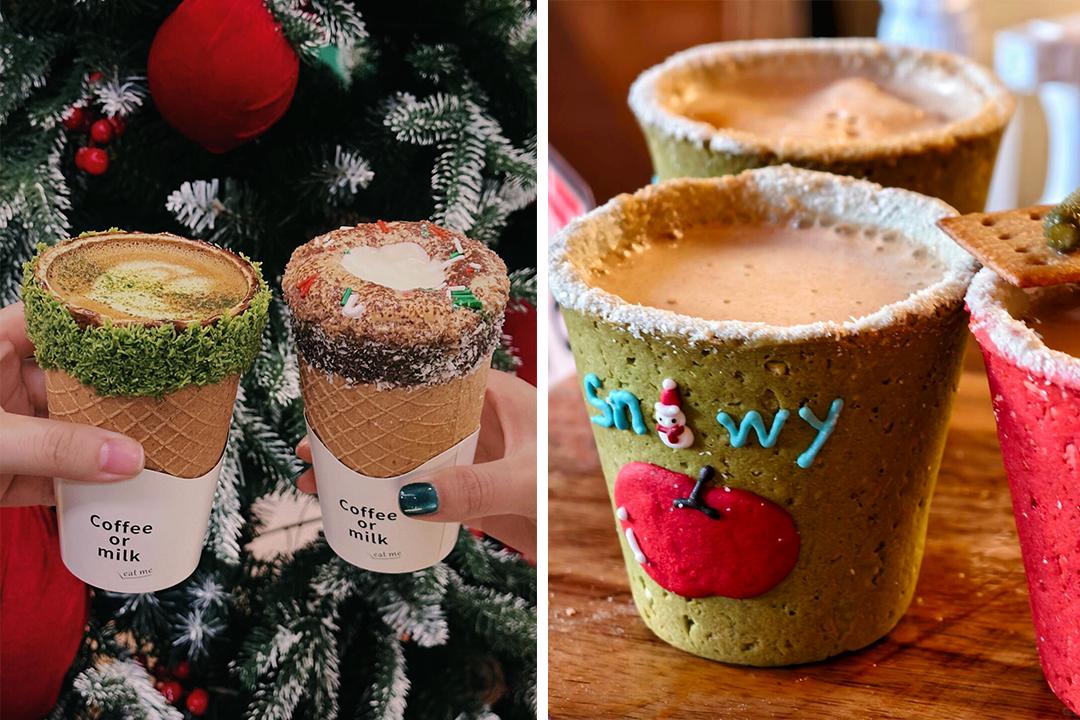
冰杯、饼干、新疆烤馕……主理人们集体盯上咖啡杯 产品、价格"卷上天"的咖啡,流行起了在咖啡杯上"整新活儿"。 最近,曲奇、脆筒等做成的"能吃的咖啡杯",乘着圣诞、元旦的东风,又火了一遍。 消费者在喝完最后一口咖啡后,可以把杯子也吃掉,践行环保理念的同时,还会有一份钱买到两份体验的惊喜感。 实际上,这并非业内首创。 如Mstand,就曾在2024年3月推出一款限定COMBO,将"可以吃的咖啡杯"升级为"燕麦纤维谷物杯",杯子一黑一白,分别为原味和可可味,里面盛有美 式、拿铁,当时就在网络上轰动一时,吸引了不少顾客到店体验。 经过互联网的发酵,该产品不仅走进了更多城市,更在不少旅游景区咖啡馆中露面,成了不少游客的打卡项目。如今,甚至衍生出了脆皮蛋糕杯、脆皮酸 奶杯等更多玩法。 主理人们对咖啡杯的微创新,远不止于此。 从2023年底的彩椒拿铁、橙子美式,到2025年夏天爆火的-86℃冰杯Dirty,再到新疆的烤馕咖啡……杯子正逐渐从容器变成内容本身。 所谓"能吃的咖啡杯",杯体大多由饼干、蛋筒做成,杯底、内壁涂有巧克力防漏,有的还会在杯口裹上坚果、冻干、花瓣等,进一步丰富口感,外观也会 更漂亮,方便拍照打卡。 而彩 ...
“爷爷的农场”冲击港股IPO;雀巢在欧洲多国召回婴儿奶粉|消费早参
Mei Ri Jing Ji Xin Wen· 2026-01-06 23:58
Group 1 - "爷爷的农场" International Holdings Limited submitted an IPO application to the Hong Kong Stock Exchange, with a projected revenue of 622 million yuan in 2023 and 875 million yuan in 2024, indicating a strong growth trajectory in the organic baby food sector [1] - The company is ranked first in the Chinese organic baby food market, highlighting the robust potential of this niche industry [1] - The IPO is expected to enhance market recognition of the sector's value and attract long-term investment in the baby economy and consumer segments [1] Group 2 - Nestlé announced a precautionary recall of infant formula in several European countries due to quality issues with a supplier's ingredient, emphasizing the importance of supply chain quality control [2] - The recall may pose challenges to Nestlé's brand reputation and could lead to a reassessment of risk management capabilities within the dairy sector [2] - This incident may dampen overall sentiment in the consumer sector, prompting investors to focus more on companies' risk management and operational stability [2] Group 3 - Starbucks China and Atour Group launched a joint membership program, aiming to enhance user engagement and repurchase rates through cross-industry collaboration [3] - The membership program is expected to cover all levels of members, with Starbucks China reaching over 160 million members by November 2025 [3] - This partnership represents a significant innovation in the retail and service sectors, potentially setting a positive example for future collaborations [3] Group 4 - Chengdu Blue Wind Group, the parent company of brands like "春娟" and "红玫瑰," has an estimated valuation of 210 million yuan based on the transfer of shares [4] - The valuation reflects the current market pricing of established daily chemical companies, despite having well-known brands under its umbrella [4] - This situation may accelerate the revaluation of the daily chemical sector, directing attention towards companies with strong brand rejuvenation capabilities and core competitiveness [4]

霸王茶姬回应店员徒手操作;盒马发布2025年“盒区房”消费力报告
Sou Hu Cai Jing· 2026-01-06 20:13
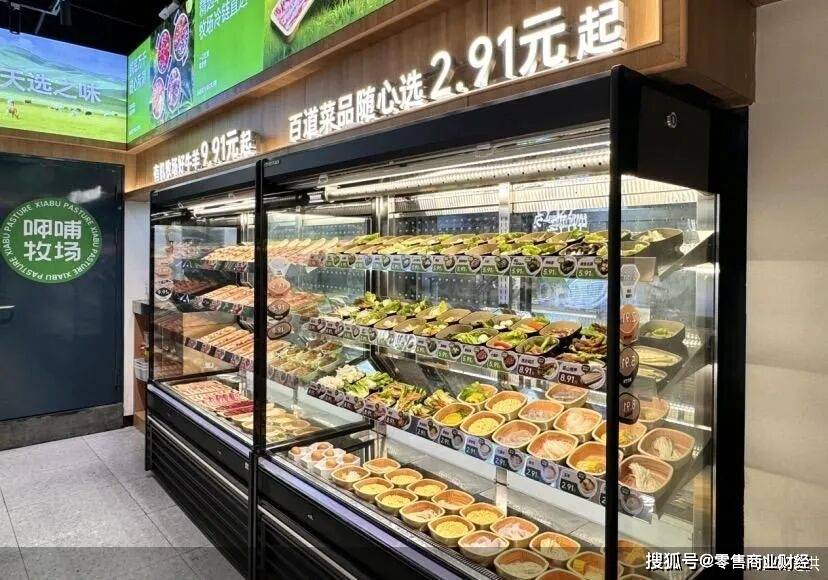
Group 1 - Bawang Chaji responded to a viral video of staff operating without gloves, confirming the incident occurred at their store in Fujian Zhangzhou. The store is now indefinitely closed for rectification, and the involved staff have been dismissed [1] - Lianhua Supermarket announced the resignation of Executive Director Zhu Dingping due to other work commitments, effective immediately. This change may raise market concerns regarding the company's strategic direction [2] - Yili Ice Cream launched a new product, "Nai Pi Zi Yogurt-flavored Ice Cream," featuring a yogurt filling and a butter-based shell, with a milk content of at least 45% [3] Group 2 - Beijing Civil Affairs Bureau signed a strategic cooperation agreement with Meituan to explore online elderly care services, aiming to address supply-demand mismatches. Meituan's elderly care services now cover over 300 cities and more than 30,000 institutions, with a 78% increase in user demand intentions and over 200% growth in transaction volume [4] - Xiaobai Xiaobai Group introduced a new self-service hot pot brand "Xiaobai Ranch" in Shanghai, targeting young consumers with affordable pricing starting at 29.82 yuan per person, including a variety of vegetables and drinks [5] - Huazhu Beverages' new production base in Wenzhou officially commenced operations, expected to produce 1.285 billion bottles of packaged drinking water annually, generating over 700 million yuan in annual output value [11] Group 3 - Grandpa's Farm International Holdings submitted a listing application to the Hong Kong Stock Exchange, reporting revenues of approximately 6.224 billion yuan for 2023 and projected revenues of 7.798 billion yuan for the first nine months of 2025 [13] - Yakult launched a new spring festival limited edition packaging featuring auspicious colors and messages, aimed at enhancing consumer engagement during the festive season [16] - Costa Coffee reported a projected loss of 13.5 million pounds (approximately 12.6 million yuan) for 2024, attributed to increased competition and rising operational costs [18]