
工业

Search documents
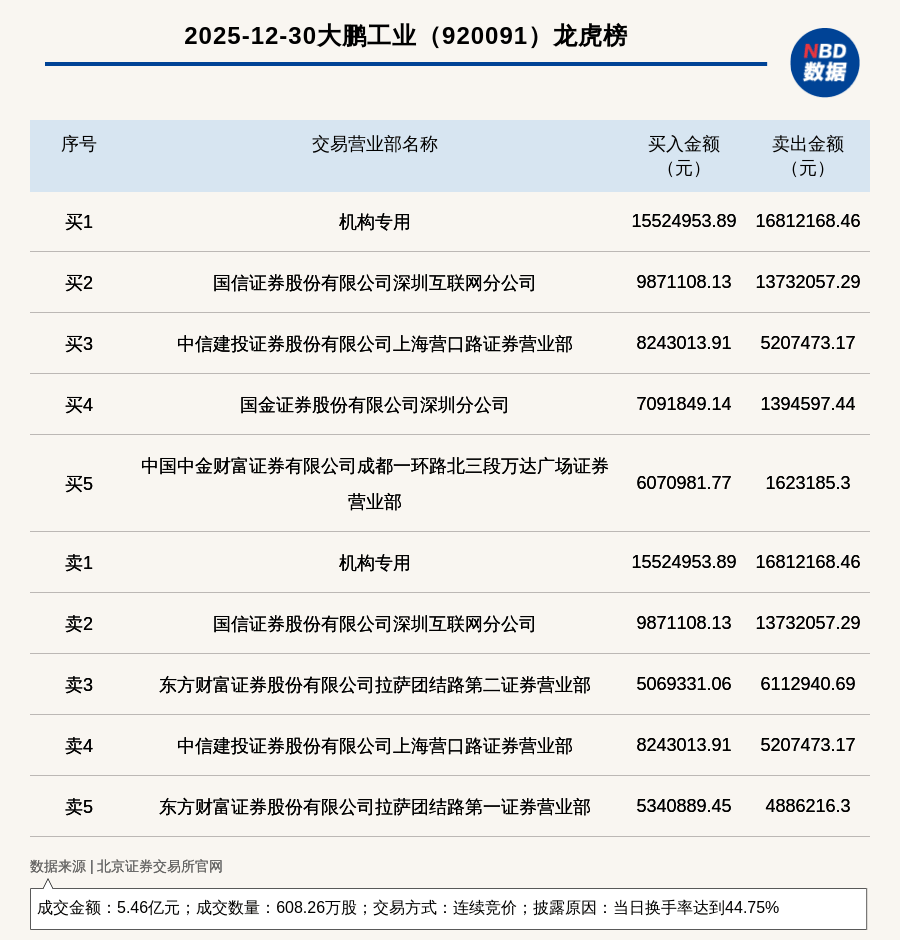
机构席位卖出1681.22万 北交所上市公司大鹏工业登龙虎榜
Sou Hu Cai Jing· 2025-12-30 11:31
(记者 曾健辉) 免责声明:本文内容与数据仅供参考,不构成投资建议,使用前核实。据此操作,风险自担。 每日经济新闻 每经讯,2025年12月30日,北交所上市公司大鹏工业(920091,收盘价:91.5元)登上龙虎榜,交易方式是连续竞价,披露原因 是当日换手率达到44.75%,成交数量608.26万股,成交金额5.46亿元。买一席位为机构专用,买入1552.5万元;卖一席位为机构 专用,卖出1681.22万元。 | | 2025-12-30大鹏工业(920091) 龙虎榜 | | | | --- | --- | --- | --- | | 序号 | 交易营业部名称 | 买入金额 | 卖出金额 | | | | (元) | (元) | | नेट ग | 机构专用 | 15524953 89 | 16812168.46 | | 址2 | 国信证券股份有限公司深圳互联网分公司 | 9871108.13 | 13732057.29 | | ポ3 | 中信建投证券股份有限公司上海营口路证券营业部 | 8243013.91 | 5207473.17 | | मेरिय | 国金证券股份有限公司深圳分公司 | 709184 ...

外贸发展韧性如何延续?丨落实会议部署 问答中国经济
证券时报· 2025-12-30 03:15
Core Viewpoint - China's merchandise trade exports have shown a year-on-year growth rate of 6.2% in the first 11 months, exceeding initial expectations despite high tariffs imposed by certain countries, reflecting the resilience brought by the long-term transformation and upgrading of the manufacturing sector and diversification of trade partners [1] Group 1: Export Performance - The export structure of China has improved, with "China Manufacturing" becoming a preferred choice for more trade partners. In the first 10 months, the export growth rates for intermediate goods and capital goods were 9.7% and 6% respectively, contributing 5.6 percentage points to overall exports [1] - Intermediate goods accounted for 47.4% of total exports in the first three quarters, an increase of 2 percentage points from the end of last year [1] Group 2: Trade Partner Diversification - The manufacturing sector's strength is a key support for export growth, while the diversification of trade partners provides greater flexibility to counter external shocks. Exports to the U.S. fell by 18.3%, but exports to non-U.S. markets such as Africa, ASEAN, India, the EU, the UK, Latin America, and Australia maintained high growth [2] - The meeting between the Chinese and U.S. presidents in Busan yielded positive results, leading to a more optimistic outlook for foreign trade in the coming year, despite ongoing trade protectionism and unilateralism [2] Group 3: Future Economic Strategies - The integration of technological and industrial innovation remains a crucial task for the upcoming economic work, with plans to enhance the self-controllability of industrial chains and implement high-quality development actions [3] - Service trade exports grew by 14.3% in the first 10 months, with knowledge-intensive services increasing by 9.5% and travel services by 52.5% [3] Group 4: Domestic Market and Trade System - Building a strong domestic demand market is essential for countering external shocks and achieving a balanced import-export structure. Measures include improving income distribution systems and enhancing social security to boost consumer spending [4] - China actively supports the multilateral trade system and has proposed initiatives to stabilize and develop the World Trade Organization's work, reflecting a commitment to open cooperation and regional trade agreements [4]

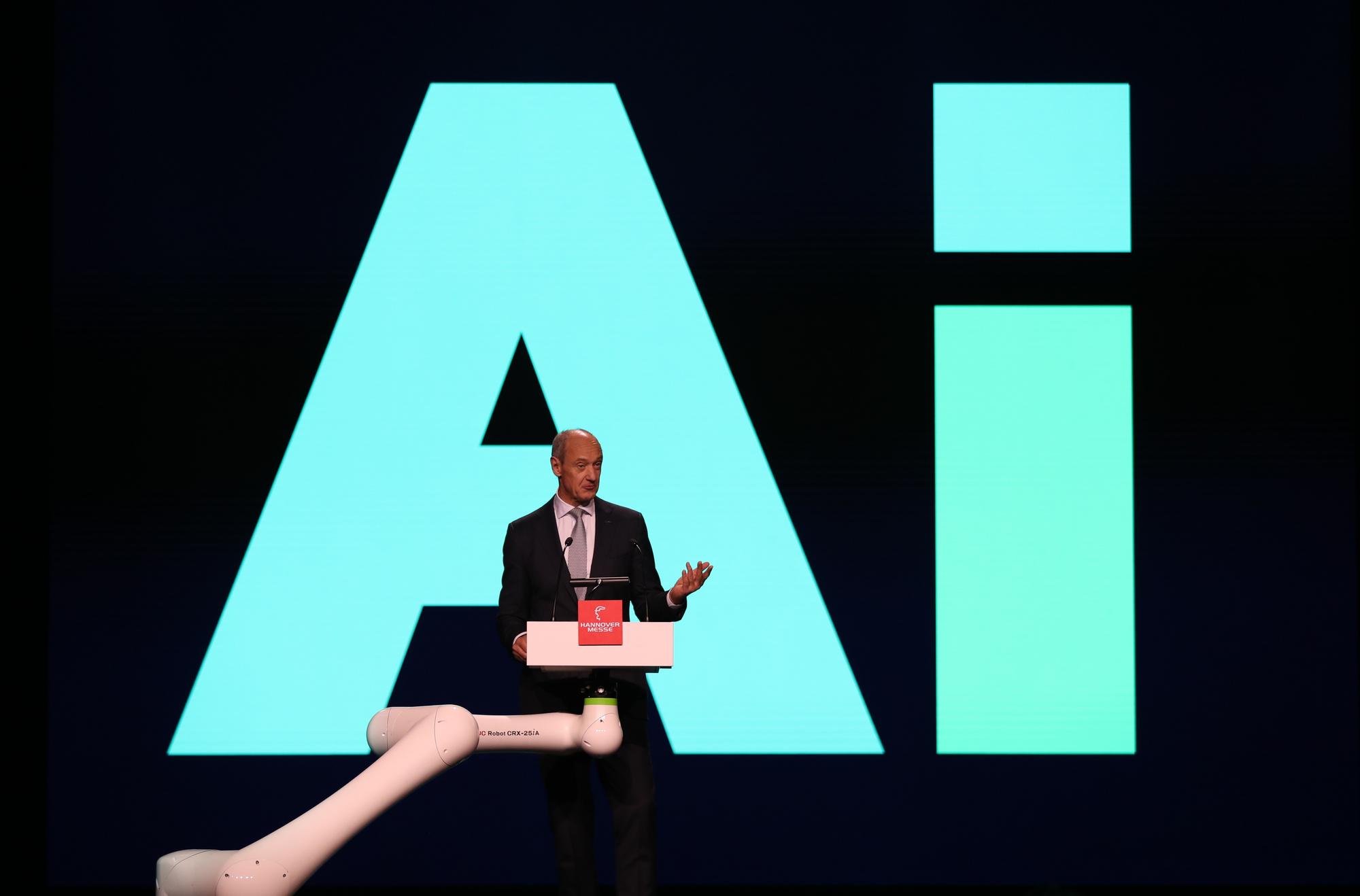
【环球财经】“人工智能时代”领衔德国年度十大热词
Xin Hua She· 2025-12-29 15:15
Group 1: Core Themes - The term "Artificial Intelligence Era" reflects the rapid integration of AI into German society, becoming a tool for work, learning, and information access, while also raising concerns about job displacement and ethical risks [2][3] - The term "TikTokification" indicates the influence of social media on the perception of information among the youth, highlighting a shift in how public discourse is shaped by technology [3] Group 2: Economic Pressures - The term "Loss of Living Standards" signifies a decline in public sentiment regarding economic security, as Germany faces consecutive economic contractions in 2023 and 2024, with rising bankruptcy and layoffs [4] - "Punitive Tariffs" and "Deal" reflect external pressures on the German economy, particularly from U.S. tariffs that are impacting German exports and contributing to economic stagnation [4][5] Group 3: Security Considerations - The term "Draft Lottery" emerges in discussions about security policy, as Germany reassesses its defense capabilities amid increasing strategic autonomy in Europe, sparking debate over fairness and individual rights [6] - "Climate Fatigue" illustrates a growing weariness among certain social groups regarding climate protection issues, particularly as living costs rise [7] Group 4: Policy and Governance - The "Special Fund" term highlights a significant fiscal policy initiative, with a proposed €500 billion fund aimed at infrastructure and climate protection, though its effectiveness has been criticized [5]
世嘉科技:12月26日召开董事会会议
Mei Ri Jing Ji Xin Wen· 2025-12-29 11:50
Group 1 - The core point of the article is that Sega Technology announced a board meeting to discuss investment agreements related to its subsidiary, highlighting its focus on strategic investments in the semiconductor sector [1] - For the first half of 2025, Sega Technology's revenue composition shows that industrial operations account for 97.18%, while other businesses contribute 2.82%, indicating a strong reliance on its core industrial segment [1] - As of the latest update, Sega Technology's market capitalization stands at 7.4 billion yuan, reflecting its position in the market [2] Group 2 - A new type of chip has been developed in China that bypasses the limitations of lithography machines, supporting AI training and embodied intelligence, and can be mass-produced using mature processes of 28 nanometers and above [2]

厦门信达:12月29日召开董事会会议
Mei Ri Jing Ji Xin Wen· 2025-12-29 11:50
Group 1 - Xiamen Xinda (SZ 000701) announced the 16th meeting of the 12th Board of Directors for the year 2025, held on December 29, 2025, combining in-person and remote participation [1] - The meeting reviewed the proposal to revise the company's Strategic Management System [1] - For the first half of 2025, Xiamen Xinda's revenue composition was as follows: 97.7% from commercial activities, 1.73% from industrial activities, and 0.57% from the service sector [1] - As of the report date, Xiamen Xinda's market capitalization was 4.6 billion yuan [1] Group 2 - A new type of chip has been developed in China, which bypasses the limitations of lithography machines, supporting AI training and embodied intelligence, and can be mass-produced using mature processes of 28 nanometers and above [1]

联诚精密:12月29日召开董事会会议
Mei Ri Jing Ji Xin Wen· 2025-12-29 11:04
Group 1 - The core point of the article is that Liancheng Precision (SZ 002921) held its first temporary board meeting of the fourth session on December 29, 2025, to discuss the election of the chairman of the board [1] - For the first half of 2025, Liancheng Precision's revenue composition was 97.15% from industrial operations and 2.85% from other businesses [1] - As of the report date, Liancheng Precision has a market capitalization of 2.3 billion yuan [1]

永太科技:公司及控股子公司累计对子公司的担保余额约32.92亿元
Mei Ri Jing Ji Xin Wen· 2025-12-29 10:27
Group 1 - The core point of the article highlights that Yongtai Technology (SZ 002326) announced a guarantee balance of approximately 3.292 billion RMB for its subsidiaries, which accounts for 123.23% of the company's latest audited net assets [1] - As of the announcement date, Yongtai Technology's market capitalization is 23.3 billion RMB [1] - For the first half of 2025, Yongtai Technology's revenue composition is as follows: industrial segment accounts for 68.92%, trade segment for 30.87%, and other businesses for 0.21% [1]

财政部:1—11月国有企业营业总收入756257.6亿元,同比增长1.0%
Jing Ji Guan Cha Wang· 2025-12-29 10:13
Core Insights - The Ministry of Finance reported that from January to November 2025, the total operating revenue of state-owned and state-controlled enterprises increased by 1.0% year-on-year, while total profits decreased by 3.1% [1][2] Revenue Summary - From January to November, the total operating revenue of state-owned enterprises reached 7,562.576 billion yuan, reflecting a year-on-year growth of 1.0% [1] Profit Summary - The total profit of state-owned enterprises for the same period was 371.945 billion yuan, showing a year-on-year decline of 3.1% [1] Tax Obligations Summary - The tax obligations of state-owned enterprises amounted to 528.03 billion yuan from January to November, which is a year-on-year increase of 0.2% [1] Debt Summary - As of the end of November, the asset-liability ratio of state-owned enterprises stood at 65.2%, which is an increase of 0.3 percentage points year-on-year [2]
国家统计局关于2024年国内生产总值最终核实的公告 - 国家统计局
Guo Jia Tong Ji Ju· 2025-12-29 09:36
Group 1 - The core point of the article is the final verification of China's GDP data for 2024, which shows a total nominal GDP of 13,480.66 billion yuan, a decrease of 10.18 billion yuan from the preliminary estimate, with a year-on-year growth of 5.0% at constant prices, consistent with the preliminary estimate [1][2][4]. Group 2 - The primary industries contributed 91.64 billion yuan with a growth rate of 3.7% [5]. - The secondary industries accounted for 490.305 billion yuan, growing at 6.8% [5]. - The tertiary industries reached 766.125 billion yuan, with a growth rate of 5.1% [5]. - The agricultural sector, including forestry, animal husbandry, and fishery, grew by 4.0% [5]. - The industrial sector, which includes manufacturing, grew by 5.5% [6]. - The construction industry saw a growth of 2.9% [6]. - The wholesale and retail sector grew by 6.5% [6]. - The transportation, warehousing, and postal sector grew by 6.7% [6]. - The accommodation and catering sector grew by 7.0% [6]. - The financial sector grew by 3.7% [6]. - The real estate sector experienced a decline of 2.2% [6]. - The information transmission, software, and IT services sector grew by 11.7% [6]. - The leasing and business services sector grew by 11.1% [6]. - Other industries grew by 3.9% [6].
国内等待政策落地,海外共振宽松预期
Yin He Zheng Quan· 2025-12-28 06:31
Domestic Economic Indicators - Industrial enterprise profits from January to November increased by 0.1% year-on-year, while profits in November alone fell by 13.1% due to weakening production and profit margins[1] - The average operating rate of blast furnaces in December recorded 78.88%, a decrease of 3.42 percentage points from the previous month[1] - Retail sales of passenger cars in December decreased by 19.5% year-on-year, with a month-on-month increase of 2.9%[1] International Economic Indicators - The U.S. GDP for Q3 2025 grew at an annualized rate of 4.3%, driven primarily by increased consumer spending, exports, and government expenditure[4] - Core PCE inflation in the U.S. rose to an annualized rate of 2.9%, indicating a marginal increase in inflationary pressures[4] - Gold prices reached a new high of $4549.95 per ounce, while silver prices hit a record high of $79.33, reflecting a strong performance in precious metals markets[1] Market Trends - The Baltic Dry Index (BDI) averaged 2339.2, showing a month-on-month increase of 6.2% and a year-on-year increase of 113.6%[1] - The average price of copper increased by 3.65% week-on-week, driven by a combination of weak dollar and improved global demand expectations[3] - The issuance of local government bonds is planned at 580 billion yuan for January 2026, with a total of 4.58 trillion yuan issued this year, exceeding the annual quota[3]