
工业软件

Search documents
不再跟着西方屁股定义“卡脖子”,这样只会被动挨打
Guan Cha Zhe Wang· 2025-10-28 12:06
Core Viewpoint - The report emphasizes that China's modernization relies on technological advancement, highlighting the importance of original innovation and the integration of technology and industry to achieve high-level self-reliance in technology [1] Group 1: Technological Innovation and Industry Integration - The "14th Five-Year Plan" outlines the need for deep integration of technological innovation and industrial innovation, with a focus on addressing "bottleneck" issues in high-end chips and industrial software [1][2] - The government is encouraged to transform specific industry challenges into national technology tasks, thereby supporting enterprises in overcoming technological barriers [2][3] Group 2: Role of Enterprises in Innovation - Enterprises are identified as the main body of technological innovation, with a call for vertical integration strategies to address complex interdisciplinary challenges [3][11] - The importance of fostering a collaborative environment between enterprises and research institutions is highlighted, allowing for timely solutions to innovation challenges [5][10] Group 3: Government's Role in Supporting Innovation - The government should act as a market rule designer and key buyer, creating a long-term vision for industry participants and breaking down information barriers [5][12] - A shift from reactive support to proactive engagement with leading enterprises and scientists is recommended to better understand future industrial development directions [4][15] Group 4: AI and Industrial Applications - The report discusses the significance of artificial intelligence (AI) in driving industrial innovation, with examples of successful applications in companies like Zhejiang University Control [13][14] - The relationship between traditional industrial enterprises and AI companies is crucial, as traditional firms provide the operational context and data necessary for AI development [15][19] Group 5: Challenges in Basic Research and Industry Needs - The need for a strategic, forward-looking, and systematic approach to basic research is emphasized, ensuring alignment with industrial demands [16][20] - The report suggests that universities and research institutions must equally value both vertical and horizontal projects to effectively serve industry innovation needs [20][21] Group 6: Non-linear Relationship Between Science, Technology, and Industry - Innovation is characterized as a practical process, where the development of technology is driven by industrial needs and experiences [25][27] - The report provides examples from the dairy and agricultural sectors to illustrate how industry-driven research can lead to significant technological advancements [22][24]



浩辰软件:前三季度营收净利双增,三维布局打造新增长曲线
Zheng Quan Shi Bao Wang· 2025-10-28 10:27
Core Insights - Suzhou Haochen Software Co., Ltd. reported a significant increase in revenue and profit for Q3 2025, with a year-on-year revenue growth of 21.50% and a net profit growth of 18.40% [1] Financial Performance - For the first nine months of 2025, the company achieved a revenue of 230 million yuan, representing a year-on-year increase of 16.34% - The net profit attributable to shareholders reached 41.55 million yuan, up 19.78% year-on-year - The company's gross profit margin for its main business has consistently remained above 90% [1] Product Development and Strategy - The company has developed a comprehensive business layout that includes 2D, 3D, cloud-based, and AI collaborative solutions, transitioning from single products to integrated design solutions [2] - Its products are compatible with various operating systems, including Windows, Linux, Android, iOS, and domestic systems like Kirin and UOS, catering to both international markets and domestic innovation ecosystems [2] Market Expansion - The company is expanding its marketing network globally, establishing a marketing system that covers 175 countries and regions and supports 23 languages [3] - It focuses on deepening its presence in key domestic markets while also exploring high-potential international markets through strategic partnerships [3] Strategic Acquisitions and Collaborations - The company is pursuing a dual growth strategy of internal growth and external development, accelerating its 3D market presence through strategic acquisitions and collaborations [4] - It has established a subsidiary, Haoke Smart, to drive innovation in BIM products and launched a Chinese version of its BIM software to provide comprehensive solutions for the construction industry [4]
赛意信息:前三季度营收达15亿元,AI赋能智能制造,引领工业数字化新浪潮
Zheng Quan Shi Bao Wang· 2025-10-28 09:11
Core Insights - Saiyi Information (300687.SZ) reported a revenue of 1.501 billion yuan and a net profit attributable to shareholders of 27.6147 million yuan for Q3 2025, showcasing significant growth in the industrial software sector driven by advancements in intelligent manufacturing [1] Policy and Market Dynamics - National policies are providing strong momentum for the industrial AI sector, with the 20th Central Committee of the Communist Party emphasizing the acceleration of high-level technological self-reliance and the promotion of digital China [1] - The Guangdong Provincial Government has issued an action plan for the high-quality development of AI in manufacturing, which includes financial support for qualifying industrial AI projects, creating opportunities for technology companies like Saiyi Information [1] Technological Competitiveness - Saiyi Information has developed a competitive technology layout centered around core ERP systems, launching a range of digital applications based on a shared technology platform and providing technical empowerment through its AI platform [2] - The company has successfully implemented AI solutions in various industrial scenarios, demonstrating its leadership capabilities with products like the PCB engineering data analysis machine and the Saiyi AI Agent solution [2] Industry Recognition - Saiyi Information has been recognized as a "Leader" in the IDC's evaluation of Chinese industrial large models and intelligent solutions for 2025, affirming its leading position in the field of industrial intelligence [2] Business Expansion - The company is accelerating its business expansion, having introduced solutions in the photovoltaic sector and planning to invest in research for other fields, indicating a strategy to broaden its market presence [3] - As demand for generative AI capabilities in manufacturing rises, the willingness to pay in the enterprise market is increasing, suggesting a potential for sustained revenue growth in AI applications for the company [3] Transformation and Product Offering - Saiyi Information is transitioning from an ERP service provider to an industrial software practitioner and digital empowerment facilitator, establishing a comprehensive product and service system that covers the entire digital lifecycle of enterprises [3]

中望软件(688083):海外市场延续高增,新3DCAD产品值得期待
Western Securities· 2025-10-28 06:44
Investment Rating - The report maintains a "Buy" rating for the company [4][9] Core Views - The company achieved a total revenue of 538 million yuan in the first three quarters of 2025, representing a year-on-year increase of 5%, with a net profit attributable to shareholders of -41 million yuan [1] - The overseas market continues to show strong growth, with a notable performance in Asia, Europe, and the Middle East, where the company has expanded its business scale significantly [1] - The domestic market remains stable despite pressure on procurement demand from manufacturing and construction sectors, as the company actively explores new business opportunities [1] Financial Performance - For the third quarter alone, the company reported revenue of 204 million yuan, which is approximately flat year-on-year, and a net profit of 12 million yuan [1] - The company’s revenue projections for 2025 to 2027 are 955 million yuan, 1.09 billion yuan, and 1.264 billion yuan respectively, with corresponding net profits of 36 million yuan, 74 million yuan, and 125 million yuan [2][3] - The company’s R&D expenses for the first three quarters totaled 327 million yuan, with an R&D expense ratio exceeding 60%, indicating a strong focus on core technology breakthroughs [2] Product Development - The company is focusing on breakthroughs in 3D CAD products while also innovating in its 2D CAD offerings, such as the launch of ZWCAD 365, which enhances its product matrix and meets customer needs for collaborative design [2] - The ongoing "All-in-One CAx" integrated strategy aims to significantly improve the performance of future 3D CAD products [2]

章俊:下一个五年经济增长逻辑既重创新,也重安全
Zhong Guo Xin Wen Wang· 2025-10-28 04:56
Group 1 - The core viewpoint of the article emphasizes that the economic growth logic for the next five years will focus on both innovation and security, as outlined in the recent policy blueprint from the 20th Central Committee [1][2] - The document highlights seven major goals and twelve strategic tasks for the "14th Five-Year Plan" period, with a strong emphasis on building a modern industrial system and enhancing national security [1][3] - The shift in focus from "supplementing and strengthening the supply chain" to "system restructuring" indicates a strategic elevation of industrial chain security [2][3] Group 2 - The article discusses the importance of technological innovation and industrial integration as key directions for achieving breakthroughs and fostering new productive forces during the "14th Five-Year Plan" [3][4] - It notes that the policy aims to enhance domestic demand as a long-term strategy, transitioning from merely facilitating domestic circulation to strengthening it [4] - The emphasis on creating a strong domestic market and improving income distribution reflects a shift towards a dual-driven supply and demand model, aiming for structural upgrades in the economy [4]
下一个五年 这两个字更重要
Zhong Guo Xin Wen Wang· 2025-10-28 00:14
Group 1 - The core viewpoint emphasizes that "expanding high-level opening-up" has been elevated in importance within China's 14th Five-Year Plan, reflecting a proactive choice amid geopolitical risks and trade protectionism [1][2] - The opening-up is primarily aimed at promoting China's own development, with a target of reaching a goods trade scale of $6.16 trillion and service trade exceeding $1 trillion by 2024 [2][3] - High-level opening-up has become a strong driving force for China's economic development [3] Group 2 - The nature of opening-up is undergoing a structural transformation, shifting from merely removing barriers to establishing rules [4][5] - China is transitioning from being a follower to a leader in global standards and rules, particularly in fields like artificial intelligence, quantum computing, and advanced manufacturing [5][6] - The next five years will see strategic deployments in three pillars of trade: goods, services, and digital trade [6][7] Group 3 - Emerging fields such as service trade and digital trade are becoming new frontiers for high-level opening-up [7][8] - Technologies like artificial intelligence and digital tools are reshaping traditional trade organization and resource allocation, enhancing certainty and resilience in opening-up [8] Group 4 - China's opening-up strategy is diversifying and is no longer reliant on a single market, with increasing trade with Belt and Road Initiative countries and significant growth in trade with ASEAN following the RCEP agreement [9] - The emphasis on "active" opening-up indicates a shift from compliance-based to a more proactive approach, enhancing foreign investment confidence [9][10] - The total foreign direct investment in China from 2021 to May 2025 is projected to reach 4.7 trillion yuan, surpassing the total during the previous five-year plan [9][10] Group 5 - Investment in China is becoming a necessity for multinational companies, with foreign firms expressing increased confidence in the Chinese market due to the emphasis on opening-up and innovation [10] - China's high-level opening-up not only drives its own development but also plays a stabilizing role in global connectivity, creating a mutually beneficial rule system for broader market access and investment opportunities [10]
能科科技20251027
2025-10-27 15:22
Summary of Nengke Technology Conference Call Company Overview - **Company**: Nengke Technology - **Industry**: AI and Industrial Software Key Financial Metrics - **Revenue Growth**: 2025 Q1-Q3 revenue increased by 5.05% to 1.088 billion CNY [2][3] - **Net Profit Growth**: Net profit rose by 40.34% to 165 million CNY [2][3] - **Gross Margin**: Improved by 2.74 percentage points to 51.35% [2][3] - **AI Revenue Contribution**: AI-related business revenue exceeded 30%, reaching 335 million CNY [2][3] - **Contract Liabilities**: Remained stable at 393 million CNY compared to the previous year [2][3] Strategic Focus - **Market Segmentation**: Focus on heavy equipment, automotive, high-tech electronics, and general machinery [2][5] - **Client Base**: Increased focus on large and medium-sized enterprises, with special industries accounting for 44% of revenue [2][5] - **Business Structure Adjustment**: Shifted resources towards high-value areas such as AI and industrial software [2][8] AI Business Development - **AI as a Core Direction**: AI business is a significant growth area, with substantial investments in AI applications and AR [2][6][10] - **AR Revenue Growth**: AR revenue increased from 28% to over 30% in Q3 [6] - **Sustainable Revenue Models**: Exploring subscription models for AI services to ensure long-term revenue [19] Industry Ecosystem and Collaboration - **Ecosystem Development**: Strengthened partnerships with computing power vendors, large model manufacturers, and robotics companies [9] - **Joint Solutions**: Collaborative development of integrated solutions to enhance technical capabilities and market reach [9] Research and Development - **R&D Investment**: Increased focus on cutting-edge AI technologies, with a capitalized R&D rate of 73% [10][17] - **Future Technology Layout**: Plans to develop AI platforms to address computational model and application coordination issues [11] Market Outlook and Future Plans - **Strong Demand in Special Industries**: Anticipated continued growth in special industries, with a focus on expanding customer penetration [19][22] - **Revenue Targets**: Projected revenue of 500-600 million CNY for 2025, 800-1,000 million CNY for 2026, and at least 1.5 billion CNY in subsequent years [20] - **AI Order Growth**: Aiming for a doubling of AI orders, with a strong pipeline of existing and new orders [21] Response to National Policies - **Alignment with National Goals**: Positive response to the Fourth Plenary Session's goals related to manufacturing strength and technological self-reliance [15][16] - **Strategic Positioning**: Company’s long-term strategy aligns with national industrial trends, focusing on high-end manufacturing and domestic production [15][16] Additional Insights - **Accounts Receivable Increase**: Driven by large contract liabilities and delayed payments from large clients, but with low risk [12] - **Profit Margin Improvement**: Resulting from a shift to high-margin AI business and optimized internal management [13][14]

汇川技术:当前中国工业软件的发展难点主要集中在核心技术积累不足、平台化能力弱等压力
Zheng Quan Ri Bao Zhi Sheng· 2025-10-27 11:40
Core Insights - Huichuan Technology announced on October 27 that the challenges in industrial software vary by category, including PLM, CAD, and CAM [1] - The core difficulty of CAX software lies in the accumulation of underlying mathematics and physical models, where Chinese companies are relatively weak [1] - While some domestic companies can quickly develop customized and simplified products based on customer needs and perform well in niche areas, they still struggle to compete with international giants in building large software integration platforms [1] - The main challenges for the development of industrial software in China are insufficient core technology accumulation and weak platform capabilities [1]

未来快递员是它?中国无人车公司融资6亿美元;Crusoe获英伟达等巨头投资,算力成本有望大幅下降 | 每周十大股权投资
Sou Hu Cai Jing· 2025-10-27 08:57
Financing Transactions - "月之暗面" completed a Series C financing round, raising several hundred million dollars, positioning itself as a leading AI large model startup in China [1] - "乐聚机器人" secured 1.5 billion RMB in a Pre-IPO financing round, making it one of the largest financing events in the humanoid robot sector [2] - "瀚博半导体" completed a Pre-IPO financing round, with strategic importance for China's AI infrastructure and high-performance chip development [3] - "新石器无人车" raised 600 million USD in a Series D financing round, transitioning its business model towards large-scale expansion [4] - "星锐医药" completed a 300 million RMB Series B financing round, focusing on RNA technology for innovative drug development [5][6] - "理湃光晶" secured a B+ financing round, specializing in geometric waveguide modules for AR applications [7] - "蓝色向量" completed several million RMB in a Pre-A financing round, focusing on cloud-native PLM and QMS platforms for high-end manufacturing [8] - "Chainguard" raised 280 million USD in a Series D financing round, setting a record in software supply chain security [9] - "Crusoe Energy Systems" completed a 1.38 billion USD Series E financing round, innovating in the energy-computing synergy model [10] - "Redwood Materials" received 350 million USD in strategic investment, focusing on battery material recycling and sustainability [11]

孙喜:不再跟着西方屁股定义“卡脖子”,这样只会被动挨打
Guan Cha Zhe Wang· 2025-10-27 06:26
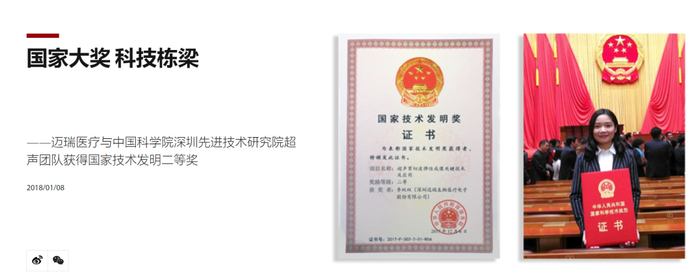
Core Viewpoint - The report emphasizes that China's modernization relies on technological advancement, highlighting the importance of original innovation and the integration of technology and industry [1] Group 1: Technological Innovation and Industry Integration - The "14th Five-Year Plan" stresses the need for high-level technological self-reliance, with a focus on original innovation and key core technology breakthroughs [1] - The integration of technology innovation and industrial innovation is crucial for enhancing productivity and addressing "bottleneck" issues in high-end chips and industrial software [2][9] - The government is encouraged to transform specific technological challenges faced by enterprises into national technology tasks and projects, facilitating innovation [2][3] Group 2: Role of Enterprises in Innovation - Enterprises are identified as the main body of technological innovation, with a need for vertical integration strategies to tackle complex interdisciplinary challenges [2][4] - The historical example of domestic innovation trust issues illustrates the importance of addressing non-technical factors that hinder the utilization of technological advancements [3][4] - The government should engage with leading enterprises and experts to collaboratively explore future industrial development directions, enhancing understanding of the industrial system [4][5] Group 3: Market Dynamics and Government Role - The government should act as a market rule designer and key buyer, creating a long-term vision for industry participants and breaking down information barriers [5] - The relationship between traditional industrial enterprises and AI companies is crucial, as traditional firms provide operational scenarios and experience data necessary for AI development [14] - Establishing demonstration projects in industrial AI can facilitate collaborative innovation and address trust issues between supply and demand sides [14] Group 4: Case Studies and Practical Applications - The collaboration between Mindray Medical and the Shenzhen Institute of Advanced Technology led to significant breakthroughs in high-end medical imaging equipment, showcasing the effectiveness of industry-academia partnerships [6][8] - The success of companies like Hisense and Gree in developing their own chips reflects the necessity of vertical integration in addressing local supply chain gaps [9] - The application of AI in industrial settings, particularly by companies with rich industry experience, is highlighted as a key factor for success in the evolving technological landscape [11][13]
