住房租赁

Search documents
“非居改租”助楼市盘活资产 业内期盼配套政策再进一步
Zheng Quan Shi Bao· 2025-07-31 21:46
Core Viewpoint - The newly released Housing Rental Regulations aim to increase the supply of rental housing through multiple channels, particularly by transforming idle non-residential properties into rental units, which has garnered significant market attention [1][2]. Group 1: Policy and Market Dynamics - The new regulations are expected to enhance the economic viability and convenience of converting idle non-residential properties into rental housing, thereby revitalizing existing assets and promoting healthy development in the real estate market [1][2]. - The regulations emphasize the need for market-oriented and professional housing rental enterprises, addressing the current issue of individual landlords dominating the rental market [2][3]. - A recent survey indicated that a significant portion of long-term rental tenants prefer professionally managed apartments, highlighting a shift in demand towards higher quality rental options [2]. Group 2: Implementation and Challenges - The implementation of the new regulations is anticipated to create opportunities for companies with asset management capabilities to thrive, especially as the market transitions to a focus on existing assets [2][3]. - Despite progress in converting idle properties, challenges remain, including high renovation costs and complex approval processes for converting non-residential buildings into rental housing [7][8]. - The industry is looking forward to streamlined compliance and approval processes to facilitate the conversion of old factories and commercial buildings into rental units [9]. Group 3: Case Studies and Innovations - Successful examples of property conversions include the transformation of office buildings into long-term rental apartments, which have been well-received by young professionals [4][6]. - Companies like Longfor and its subsidiary Longfor Crown have demonstrated effective models for revitalizing idle assets through innovative management and operational strategies [2][6]. - The modular design of rental units has been highlighted as a key feature that meets the needs of new urban residents, showcasing the potential for creative solutions in the rental market [6][7].
国内高频 | 价格法修正草案公开征求意见(申万宏观·赵伟团队)
申万宏源宏观· 2025-07-31 16:06
关注、加星,第一时间接收推送! 文 | 赵伟、贾东旭、侯倩楠 联系人 | 侯倩楠 报告正文 一、 李强总理:高质量建设雅鲁藏布江下游水电工程 7月18日至19日,李强总理在西藏调研。他强调,雅下水电工程体量大、周期长、影响远,堪称世纪工 程。要积极应用先进技术、装备、工艺、材料等,为高质量建设提供有力支撑,并引领相关领域科技创新和 产业创新。7月20日至22日,刘国中副总理前往广西调研,并强调要不误农时抓紧抓好农业生产工作,毫不 懈怠巩固拓展脱贫攻坚成果。7月21日至23日,国务委员谌贻琴到内蒙古自治区调研,她强调,要持续铸牢 中华民族共同体意识,推动退役军人工作高质量发展。 二、《住房租赁条例》公布 7月21日,李强总理签署国务院令,公布《住房租赁条例》。《条例》共7章50条,涉及规范出租承租活 动、规范住房租赁企业行为、规范经纪机构行为、强化监督管理、严格责任追究等内容。《条例》对非居住 空间的使用、住房租赁经纪机构企业资质、住房租赁相关信息安全、资金监管、住房租赁网络平台和经纪机 构等做出了详细的规定。包含住房租赁经纪机构不得发布虚假或者误导性房源信息、住房租赁企业要按照规 定设立住房租赁资金监管账户并 ...


房产新政时代,大城市60%家庭,今后不用买商品房了
Sou Hu Cai Jing· 2025-07-28 16:39
Group 1 - The core viewpoint of the article highlights a significant shift in the housing market towards a model where 60% of families in major cities may no longer rely on commercial housing, driven by new rental regulations and a focus on affordable housing [1][2][8] Group 2 - The newly implemented Housing Rental Regulations prioritize tenant rights, mandating measures such as the establishment of regulated rental fund accounts and restrictions on arbitrary rent increases, thereby enhancing tenant protection [2] - Local governments are responding with supportive policies, such as relaxing restrictions on second-hand housing sales and prioritizing families with limited living space for affordable housing [2][8] Group 3 - The housing market faces significant challenges, including high property prices that make homeownership unattainable for many families, with examples like Shanghai's average new home price reaching 72,000 yuan per square meter [3] - A slowdown in urbanization is evident, with the urbanization rate projected at 67% in 2024, marking the lowest growth in a decade, which directly impacts housing demand [6] - An oversupply of housing is apparent, with a national inventory turnover period of 18 months for commercial housing, leading to government interventions such as converting unsold properties into affordable housing [7] Group 4 - The housing system in China is evolving towards a dual-track model similar to Singapore's, where high-income groups purchase commercial housing while low-income groups rely on affordable housing, aiming for 60% of families to be included in this non-commercial housing system [8] - Various cities are implementing long-term strategies to ensure that a significant portion of the population benefits from affordable housing, with projections indicating that by 2026, affordable housing will cover 18% of the urban population [8] Group 5 - Different strategies are recommended for various groups in response to the changing market dynamics, such as multi-property owners adjusting their portfolios and first-time buyers considering affordable housing options [10] - The article emphasizes the need for market participants to recognize the implications of these trends, as the commercial housing market may become a niche for a minority, raising questions about the value of existing property ownership [10]

住房租赁新项目密集开业,友邦保险Pre-REITs收购引关注
Sou Hu Cai Jing· 2025-07-28 12:39
Core Insights - The report indicates that housing rental companies are showing significant development in scale expansion and operational efficiency under the backdrop of continuous policy support [6][8]. Group 1: Market Expansion - In the recent report, 22 new rental projects were opened by sample companies, marking a substantial increase compared to the previous reporting period, indicating a vibrant supply side in the housing rental market [2]. - The sample companies are strategically focusing on cities with high market demand and population density, primarily in economically active regions such as the Yangtze River Delta, Pearl River Delta, and central core cities [4]. Group 2: Company Performance - Vanke's rental division, Vanke Boyu, has achieved a management scale of 262,000 rooms, with a rental rate of 95.6% and a customer satisfaction rate exceeding 95% [8]. - The company has also reported a significant reduction in customer acquisition costs, with self-owned channels accounting for 88.5% of customer acquisition [8]. Group 3: Diverse Product Offerings - The new projects launched include a variety of product types such as white-collar apartments, talent apartments, hotel apartments, large rental communities, and guaranteed rental housing, catering to different residential needs [5]. Group 4: Investment Trends - The long-term rental apartment investment market is experiencing diverse participation, with entities like AIA Insurance and local state-owned enterprises actively engaging in asset acquisitions [12][14]. - AIA Insurance's acquisition of the Yumi Community in Shanghai, which offers 2,252 guaranteed rental units, exemplifies the growing interest in long-term rental assets [13]. Group 5: Future Outlook - The continuous encouragement of policies is enhancing the market's recognition of the value of long-term rental apartment assets, attracting diverse capital, including insurance and state-owned enterprise funds [14][15]. - The improvement of exit mechanisms such as REITs is expected to invigorate the long-term rental apartment investment market, potentially attracting more capital and driving industry scale expansion and operational upgrades [15].


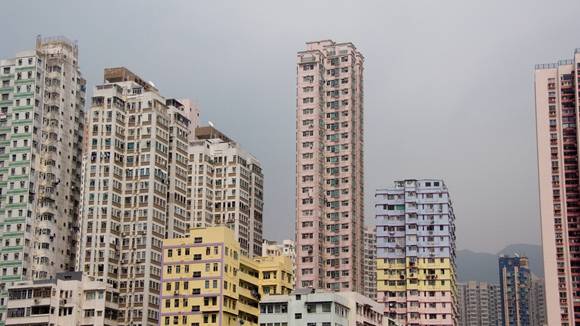
在规范化经营中寻求机遇
Jing Ji Ri Bao· 2025-07-27 22:17
Core Viewpoint - The introduction of the Housing Rental Regulations marks a significant milestone in the standardization and legalization of China's housing rental market, providing strong institutional support and guidelines for the establishment of a dual rental and purchase housing system [1][2]. Group 1: Development Opportunities for Housing Rental Enterprises - Housing rental enterprises are expected to enter a period of growth, as they are defined as companies that conduct rental business using self-owned or legally acquired housing management rights [1]. - The regulations emphasize the need for housing rental enterprises to possess sufficient self-owned funds, personnel, and management capabilities that match their operational scale [1]. - As of June 2025, the top 30 housing rental enterprises in China have a cumulative operational housing source of 1.359 million units, indicating a relatively low market share compared to developed countries, suggesting significant growth potential in the long-term rental apartment sector [1]. Group 2: Regulatory Framework and Market Discipline - The regulations implement comprehensive supervision over housing rental enterprises and brokerage agencies, requiring them to meet specific qualifications and adhere to established conduct guidelines to ensure legal and honest operations [2]. - Clear regulations are set for what housing rental enterprises and brokerage agencies can and cannot do, including requirements for accurate and complete property listings and the establishment of fund supervision accounts for subleasing operations [2]. - The introduction of penalties and administrative sanctions aims to deter improper business practices, reinforcing the responsibility of housing rental enterprises to maintain stable long-term rental relationships [2]. Group 3: Legal and Institutional Environment - The enactment of the regulations signifies the improvement of the legal framework in the housing rental sector, creating a more transparent and stable environment for industry participants [2][3]. - The combination of market-driven approaches and government guidance, along with a focus on service and governance, is seen as essential for promoting high-quality development in the housing rental market [3].
长租市场格局有何变化
Jing Ji Ri Bao· 2025-07-27 21:57
Core Viewpoint - The newly implemented Housing Rental Regulations aim to standardize the long-term rental market in China, enhancing the quality of rental housing and addressing the diverse needs of urban residents, particularly the youth and new citizens [1][12]. Group 1: Market Changes and Trends - The long-term rental market in China is experiencing significant structural changes, with a shift towards a more diversified housing supply system to meet the needs of various demographic groups [1][5]. - The demand for rental housing is increasing, with nearly 260 million new citizens and youth expected to benefit from the planned 8.7 million rental units over five years [2][5]. - The rental market is becoming more competitive, with institutional operators gaining ground, although individual landlords still dominate the market, accounting for approximately 80% of rentals [2][6]. Group 2: Rental Demand and Supply Dynamics - The rental demand in first-tier cities is particularly strong, with a significant portion of the population, including young professionals and families, seeking rental options [3][4]. - The supply of small apartments is currently insufficient to meet the high demand, with one- and two-bedroom units in first-tier cities experiencing a demand-supply gap [3][4]. - The rental population in China has reached nearly 260 million, with first-tier cities housing around 40 million renters [3][5]. Group 3: Regulatory Impact - The introduction of the Housing Rental Regulations is expected to enhance the governance of the rental market, promoting a more stable and transparent environment for both landlords and tenants [1][12]. - The regulations encourage the use of private housing for rental purposes, aiming to improve the quality and availability of rental units [8][10]. - The government is focusing on providing affordable housing options and ensuring that the rental market can support the needs of essential workers and young talent [12][13]. Group 4: Quality and Management of Rental Housing - The quality of rental housing varies significantly, with institutional operators generally providing better services and living conditions compared to individual landlords [6][7]. - There is a growing need for professional management of dispersed rental units to address issues such as price hikes and maintenance responsibilities [9][10]. - The market is witnessing a trend towards the institutionalization of rental housing, which is expected to improve service quality and operational efficiency [10][11]. Group 5: Future Outlook - The long-term rental market is anticipated to continue evolving, with increasing participation from various stakeholders, including developers, financial institutions, and professional rental operators [6][10]. - The focus on enhancing the rental experience and meeting diverse tenant needs will drive innovation and competition within the market [7][11]. - The establishment of a collaborative governance model is essential for the sustainable development of the rental market, ensuring that it meets the demands of urban populations effectively [12][13].
住房租赁新规交流
2025-07-25 00:52
Summary of Housing Rental Regulations Conference Call Industry Overview - The conference call discusses the new national housing rental regulations aimed at standardizing the market and enhancing the status of rental housing within national policy, particularly in major cities like Shanghai where the rental market is developing better than affordable housing [1][4]. Key Points and Arguments - **Regulatory Focus**: The new regulations emphasize safety and risk management, introducing new standards for gas pipelines and renovations to address safety hazards and protect tenant rights. Although funding supervision has been reduced, oversight of developers and institutions acquiring existing housing remains [1][5]. - **Balancing Landlord and Tenant Relations**: The regulations aim to balance the relationship between landlords and tenants, imposing restrictions on both parties. This includes regulations against behaviors such as throwing objects from heights and disturbing neighbors, while also emphasizing identity registration to enhance community safety [1][7]. - **Supply Strategy Shift**: The national strategy for rental housing supply has shifted from increasing land supply to revitalizing existing resources. This includes encouraging residents to rent out their own properties and supporting companies in converting old factories into rental housing, following the principle of "strictly controlling new supply, optimizing existing stock, and improving quality" [1][10]. - **Impact on Rental Enterprises**: The new regulations significantly affect rental companies operating under the subleasing model (e.g., Mofang, Ziroom), requiring them to establish fund supervision accounts, which increases financial pressure. In contrast, developers with their own land (e.g., Vanke) are not affected by these requirements [3][29]. - **Historical Context**: The introduction of the rental regulations traces back to 2015, with the aim of developing the rental market in response to rising housing prices. However, issues in the long-term rental market emerged in 2018 and 2019, leading to delays in the regulations until 2025 due to the need to address real estate company debt issues [2][4]. Additional Important Content - **Safety and Risk Management**: Recent changes in rental policies have focused on safety, particularly regarding gas pipelines and renovation standards, in response to past incidents of gas explosions and health issues related to indoor air quality [5][6]. - **Identity Registration**: The emphasis on identity registration is intended to improve community management and safety, particularly in urban areas where short-term rentals have led to mixed-use issues [9][10]. - **Challenges in Implementation**: The effectiveness of the new regulations remains to be seen, as challenges such as low rental yield ratios and varying industry demands may hinder widespread adoption [13][20]. - **Support for Affordable Housing**: The regulations encourage the use of public housing funds for rental payments, which could benefit talent housing groups and state-owned enterprises, improving their financial conditions [3][21][23]. - **Urban Development Variations**: Different cities are adopting varied strategies to enhance their rental markets, with a focus on areas with significant population inflows, such as Beijing, Shanghai, Guangzhou, and Shenzhen [16][17]. This summary encapsulates the key discussions and insights from the conference call regarding the new housing rental regulations and their implications for the rental market and related stakeholders.
3亿租客们的好时代来了
吴晓波频道· 2025-07-24 16:53
Core Viewpoint - The newly implemented Housing Rental Regulation aims to address long-standing issues in the rental market, providing clearer guidelines for landlords, tenants, and rental agencies, while also raising concerns about potential rent increases for low-income groups [1][4]. Summary by Sections Tenant Rights - The regulation enhances tenant rights by ensuring housing quality, contract clarity, and deposit management. It mandates that rental properties must meet health and safety standards, prohibiting the rental of unsuitable spaces [5][9]. - Specific regulations limit the number of occupants per room and address the issue of subdivided rooms, which have been linked to safety hazards [6][8]. Rental Agency Regulations - Rental agencies are required to protect tenant information and manage funds transparently. They must establish regulated accounts for rental transactions, reducing risks associated with financial mismanagement [10]. - The regulation aims to curb practices like collecting rent in advance without timely payments to landlords, which have previously led to financial instability in the sector [10]. Macro-Level Implications - The regulation is expected to increase tax revenue and enhance government oversight of the rental market. Non-compliance with contract registration will incur fines, promoting formal transactions over informal ones [11][14]. - A monitoring mechanism for rental prices will be established, potentially stabilizing rent increases and allowing government intervention in excessive price hikes [14][15]. Market Dynamics - The regulation is anticipated to lead to a more stable rental market, with increased supply from various sources, including the conversion of underutilized properties into rental units [20][29]. - The rental market is likely to become more centralized, with a decline in informal transactions as compliance becomes a priority for landlords [27][29]. Future Opportunities - There are opportunities for revitalizing existing properties for rental purposes and leveraging technology, such as big data and AI, to enhance operational efficiency in the rental market [29]. Challenges Ahead - The implementation of the regulation may face challenges, including the difficulty of monitoring a diverse and fragmented rental market and the increased compliance costs for rental agencies [32][34]. - The regulation does not cover informal housing arrangements, which may continue to exist in a gray area, necessitating further local regulations [32].

租房新规来了!住房租赁市场“好房子”标准出台,提灯定损、群租隔断等乱象将成历史
Hua Xia Shi Bao· 2025-07-24 06:34
Core Viewpoint - The introduction of the Housing Rental Regulations marks a significant step towards the legalization and standardization of China's housing rental market, aiming to protect the rights of both landlords and tenants while promoting high-quality market development [2][7]. Group 1: Regulation Overview - The Housing Rental Regulations consist of 7 chapters and 50 articles, focusing on standardizing rental activities, regulating rental enterprises, and enhancing supervision and accountability [2]. - The regulations prohibit landlords from deducting deposits without valid reasons beyond what is stipulated in the rental contract [2][5]. Group 2: Housing Standards - The final version of the regulations includes detailed requirements for rental housing, ensuring compliance with building, fire safety, gas, and interior decoration standards [3][4]. - Non-residential spaces such as kitchens, bathrooms, balconies, and garages are prohibited from being rented out for residential purposes [4]. Group 3: Deposit and Financial Management - The regulations require landlords to specify the amount and return timeline of deposits in rental contracts, along with conditions for any deductions [5]. - A regulatory account for rental funds must be established by rental enterprises engaged in subleasing, ensuring transparency in financial transactions [5][6]. Group 4: Contract Registration and Market Transparency - Landlords are required to register rental contracts with local property management departments, enhancing market transparency and data support for future policy-making [6]. - The implementation of contract registration is expected to better protect the rights of both landlords and tenants [6]. Group 5: Market Dynamics and Challenges - The housing rental market is evolving, with a growing recognition of rental as a viable living option, especially in first- and second-tier cities [7]. - The regulations may lead to the exit of non-compliant rental properties from the market, potentially increasing rental prices and reducing options for low-income groups [8]. Group 6: Supply and Policy Recommendations - There is a need for increased supply of affordable rental housing and supportive policies to address the challenges posed by the new regulations [8][9]. - The ongoing efforts to repurpose non-residential properties for rental use face challenges such as high renovation costs and regulatory hurdles [9].

李强签署国务院令 公布《住房租赁条例》中华人民共和国国务院令第812号
蓝色柳林财税室· 2025-07-24 00:45
Core Viewpoint - The "Housing Leasing Regulations" aims to standardize housing leasing activities, protect the legal rights of parties involved, stabilize leasing relationships, and promote high-quality development of the housing leasing market, facilitating the establishment of a dual-track housing system of renting and purchasing [4][10]. Chapter Summaries Chapter 1: General Principles - The regulations apply to housing leasing activities on state-owned land in urban areas and emphasize the combination of market-driven and government-guided approaches [5][6]. - The Ministry of Housing and Urban-Rural Development is responsible for the supervision and management of national housing leasing activities [7]. Chapter 2: Renting and Leasing - Housing for rent must comply with safety and health standards, and non-residential spaces cannot be rented out for living purposes [14][15]. - Rental contracts must be signed using real names, and landlords must register contracts with local property management departments [17][18]. - Landlords are required to provide identification and proof of ownership to tenants, while tenants must use the property safely and comply with management regulations [19][20]. Chapter 3: Housing Leasing Enterprises - The regulations encourage the development of market-oriented and professional housing leasing enterprises, which must have adequate capital and management capabilities [24]. - Housing leasing enterprises must register their business scope and report their opening information to local property management departments [26]. Chapter 4: Brokerage Institutions - Real estate brokerage institutions must have sufficient capital and personnel to conduct housing leasing business and must register their employees with local authorities [34][35]. - Brokerage institutions are prohibited from providing services for non-compliant housing and must verify the identity of clients before listing properties [38][39]. Chapter 5: Supervision and Management - Local governments are required to establish rent monitoring mechanisms and share information across various departments [43][44]. - Property management departments must strengthen supervision and address illegal activities promptly [44]. Chapter 6: Legal Responsibilities - Violations of the regulations can result in fines ranging from 20,000 to 100,000 yuan for entities and 2,000 to 10,000 yuan for individuals, depending on the severity of the offense [56][59]. Chapter 7: Supplementary Provisions - The regulations will take effect on September 15, 2025, and specific provisions for affordable housing leasing will be determined by the state [66].