矿产

Search documents
高盛称特朗普的“矿产外交”是评估铜关税影响的最大风险
news flash· 2025-07-29 07:29
Core Viewpoint - Goldman Sachs believes that the biggest risk from U.S. copper tariffs is the possibility of Trump reaching an agreement that allows a significant amount of tariff-free copper to enter the U.S. [1] Group 1: Tariff Implications - Goldman Sachs analysts, including Eoin Dinsmore, stated that agreements related to mineral diplomacy or tariff exemptions for specific assets deemed to have sufficient control by the U.S. pose an increasing risk to the expectation of comprehensive tariff imposition [1] - The analysts indicated that copper prices have not fully reflected the 50% tariff level due to high U.S. inventories and ongoing uncertainty regarding potential tariff exemptions [1]
供应扰动不断,碳酸锂期货近一个月涨幅超30%,是否可以继续追涨?
Jin Shi Shu Ju· 2025-07-24 09:45
Group 1: Market Overview - Lithium carbonate main contract surged by 7.21% to 76,680 yuan/ton, reaching a new high amid strong market sentiment and supply disruptions [1] - Concerns over mining compliance in Yichun and potential production halts contribute to market volatility [1][4] - The overall market sentiment is influenced by the "anti-involution" trend, leading to significant price fluctuations [4][6] Group 2: Supply Dynamics - Recent reports indicate production issues in lithium mining, particularly in Jiangxi, raising concerns about supply contraction [2][3] - Yichun's mining permit issues have led to stricter compliance checks, affecting operational stability for several companies [1][5] - The market is experiencing a slow recovery in warehouse receipts, which, combined with rising prices at the mining level, supports a strong price trend for lithium carbonate [1][2] Group 3: Demand Factors - The domestic electric vehicle market shows strong production and sales growth, with a 38.7% increase in new energy passenger vehicles produced in the first half of the year [2] - Anticipated government policies to encourage car consumption, such as purchase subsidies, are expected to bolster demand further [2] Group 4: Price Forecasts - Analysts predict a tight supply-demand balance in July, with lithium prices expected to remain supported due to ongoing concerns about mining operations [3][4] - Short-term price fluctuations are anticipated, with potential for wide-ranging price movements due to market sentiment and supply disruptions [4][5] - Long-term projections suggest that upcoming production from South American salt lake lithium projects may limit price rebounds [5][6] Group 5: Market Sentiment and Trading Strategies - The market is currently characterized by a "weak reality, strong expectations" dynamic, with speculative trading driving price movements [6][7] - Investors are advised to maintain a rational approach to market news and consider establishing short positions once short-term sentiment stabilizes [6][7] - The trading environment is marked by high volatility, with significant participation from speculative capital [8]
“中方严厉打击走私转运,这两种关键矿物出口大幅下降”
Sou Hu Cai Jing· 2025-07-22 06:30
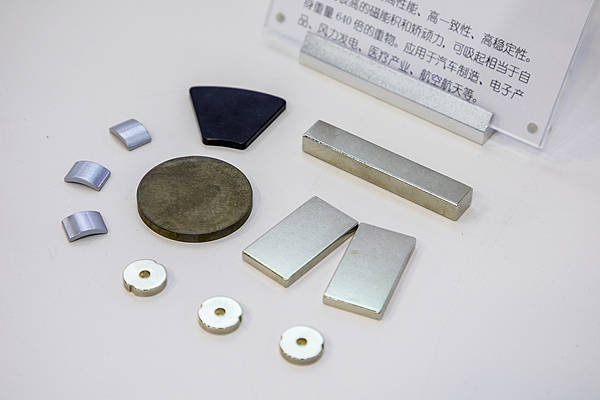
【文/观察者网 柳白】在中方战略矿物走私转运之际,中国锗和锑这两种关键矿产的出口在过去三个月 出现大幅下滑。 此前有外媒披露,为,有美国买家通过第三国转运拿到了矿物,自中国去年禁止向美国出口锑以来,仍 有大量锑从泰国和墨西哥涌入美国。 中国在锑和锗等关键矿物的供应方面处于主导地位,锗和锑广泛应用于武器、电信和太阳能电池领域。 与稀土类似,中国是这两种元素的最大开采和精炼国。 中国海关总署7月20日发布的数据称,6月锑和锗的出口量较1月分别下降了88%和95%。 数据显示,从去年12月至今年4月,美国从泰国和墨西哥进口了3834吨锑氧化物。美国海关数据显示, 这一数量几乎超过了此前三年总和。 在美国打压中国芯片产业之后,中方去年12月发布了关于加强相关两用物项对美国出口管制的公告,原 则上不予许可镓、锗、锑、超硬材料相关两用物项对美国出口。 中国今年4月将稀土纳入出口管制清单,导致出口量骤降,迫使部分欧洲和美国汽车制造商暂停部分生 产线。 随着中美达成协议,中国6月稀土出口强劲反弹,对美国的稀土磁体出口量激增至5月的七倍以上。 2023年5月10日,上海,中国品牌日,北方稀土展示的稀土产品。视觉中国 但与此同时 ...

巴西矿业协会警告:美关税及政府反制措施恐使行业每年额外损失至少10亿美元
news flash· 2025-07-22 02:36
巴西矿业协会(IBRAM)7月21日发布声明称,该协会旗下各矿业公司与巴西副总统杰拉尔多·阿尔克 明举行会议,深入探讨和评估美国8月1日起对矿产等巴西产品加征50%关税的预期影响。 IBRAM首席执行官劳尔·容曼(Raul Jungmann)表示,若美国加征关税措施生效,而巴西采取反制措 施,该国矿产行业每年恐额外损失至少10亿美元。 ...
加税160%,美国对华商品再加重税,特朗普不想来华看阅兵了?
Sou Hu Cai Jing· 2025-07-19 12:34
Group 1 - The U.S. has imposed a preliminary anti-dumping duty of 93.5% on imported anode-grade graphite from China, potentially raising the total tariff to 160% [2][4] - This move comes amidst recent high-level discussions between the U.S. and China, indicating a complex relationship where trade negotiations are ongoing while tariffs are being increased [4][5] - The U.S. aims to pressure China into concessions by leveraging tariffs, particularly on critical materials like graphite, which is essential for electric vehicle batteries [5][7] Group 2 - China is the largest producer of graphite globally, supplying two-thirds of the graphite imported by the U.S., making the tariff increase a significant cost burden for American companies [7] - The tariff increase could indirectly impact companies like Tesla, as it raises manufacturing costs for electric vehicles, leading to a decline in Tesla's stock price following the announcement [7][8] - The U.S. government's actions are perceived as contradictory to its stated desire for cooperation, raising concerns about the sincerity of its negotiation efforts with China [9]
一个危险信号出现!美公司高管亲自透露:绕过中国出口禁令,美国获得大量关键矿产,谁干的?
Sou Hu Cai Jing· 2025-07-16 05:40
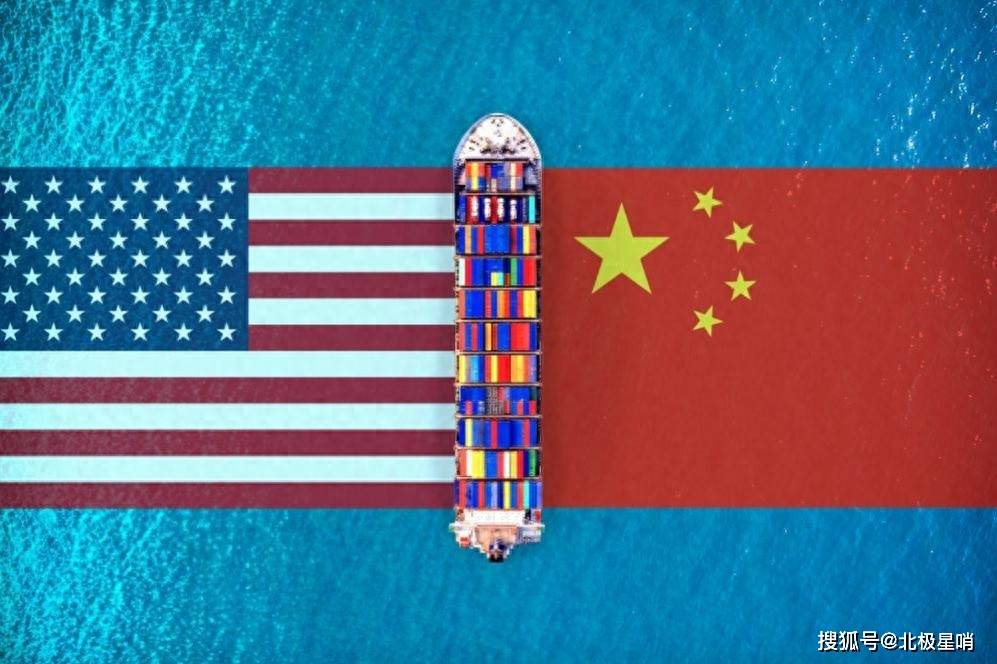
Group 1 - The Chinese government is implementing export controls on dual-use items, including rare earths, in line with global practices to ensure compliance and facilitate trade [1] - The U.S. has increased pressure on China's chip industry to reduce reliance on Chinese technology, prompting China to strengthen export controls on dual-use items, specifically targeting materials like gallium, germanium, and antimony [3] - Despite the export controls, U.S. military orders have continued to be delivered normally, indicating that the impact of these measures may not be as severe as anticipated [3] Group 2 - Following China's ban on antimony exports to the U.S., antimony prices surged to multi-decade highs, while the quantity of antimony flowing to the U.S. significantly decreased [4] - In 2024, the situation changed dramatically, with increased imports of antimony from third-party countries like Mexico and Thailand, which have now become major sources for the U.S. [4] - U.S. companies are willing to pay higher prices for these "roundabout" imports to maintain their supply chains, highlighting the critical importance of these minerals for high-tech and military industries [5] Group 3 - U.S. companies are also exploring mineral resources in Africa, but the higher extraction costs make them prefer purchasing Chinese raw materials through third countries [7] - Some Chinese minerals are being processed or repackaged in third countries to change their origin labels, which is not entirely illegal under international trade rules, but the definition of "substantial processing" varies by country [7]
危险!美国借道第三国,拿到近4000吨关键矿产,中方行动已在路上
Sou Hu Cai Jing· 2025-07-15 04:17
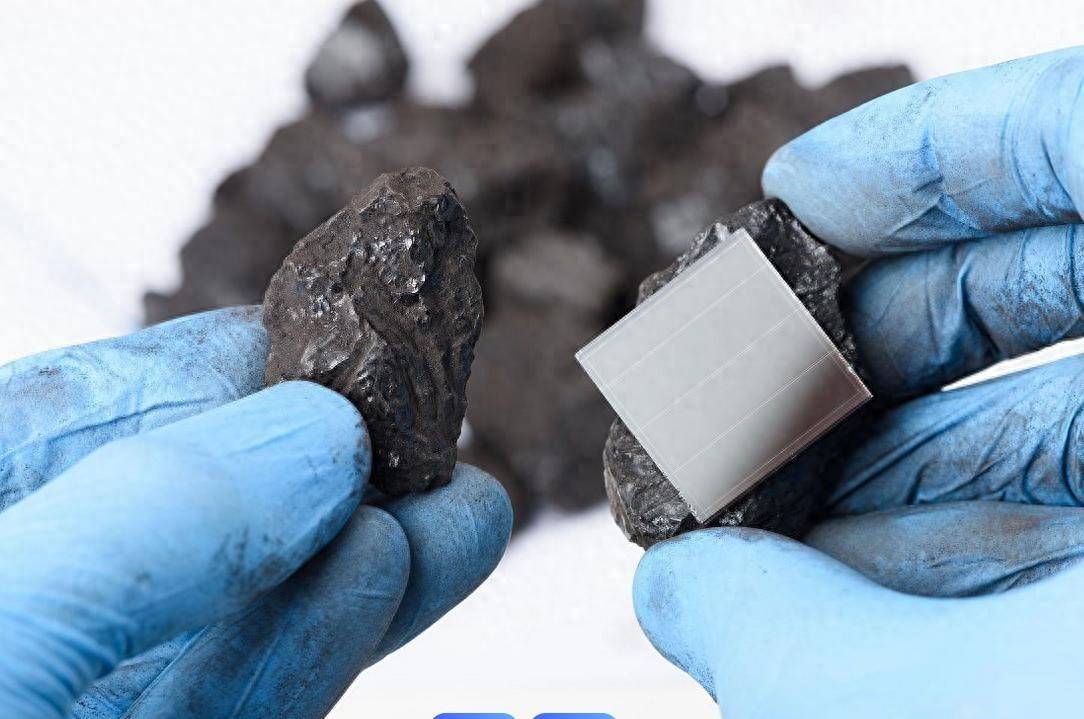
Core Viewpoint - The article highlights the U.S. circumventing China's export bans on critical minerals by sourcing nearly 4,000 tons of these minerals through third countries, prompting China to initiate a crackdown on smuggling and illegal exports [1][3]. Group 1: U.S. Actions and Strategies - The U.S. has been acquiring significant amounts of antimony oxide from Thailand and Mexico since China banned exports to the U.S., with imports reaching 3,834 tons from December to April, surpassing the total of the previous three years [3][5]. - U.S. companies are collaborating with illegal enterprises in China to mislabel controlled minerals as ordinary ones for export, which are then processed minimally in third countries before entering the U.S. market [3][5]. - The high costs associated with these methods are unsustainable for U.S. companies, as they pay significantly above market prices to maintain the supply of critical minerals essential for high-tech and military industries [5][6]. Group 2: China's Response and Regulatory Measures - In response to the U.S. actions, China has launched a special operation to combat the smuggling of strategic minerals, emphasizing strict scrutiny and regulation of circumvention behaviors [8][9]. - China is monitoring trade data from key transit countries like Thailand and Mexico to identify unusual spikes in exports, which serve as warning signals for potential smuggling activities [9]. - The Chinese government aims to enhance its technological advantages in refining critical minerals and shift from raw material exports to high-value-added processed products [10][11]. Group 3: Long-term Strategies and Industry Implications - The article suggests that addressing the issue requires not only blocking illegal channels but also enhancing regulatory frameworks and technological advancements to maintain control over critical mineral resources [11]. - Strengthening cross-departmental collaboration and developing a long-term mechanism is essential for safeguarding national interests in the critical minerals sector [11].
中方出口管制后,美财长公开对华喊话,2国帮助下,关键矿产被绕道转运美国
Sou Hu Cai Jing· 2025-07-15 03:04
Group 1 - China's announcement in December to strengthen export controls on critical minerals like antimony, gallium, and germanium is a strategic response to U.S. actions against China's chip industry, aimed at safeguarding national security and development interests [1][2][9] - The U.S. Treasury Secretary's call for China to ease restrictions reflects the anxiety of American companies that are heavily reliant on Chinese minerals while simultaneously unwilling to lift sanctions [1][2][4] - The import of antimony oxides from Thailand and Mexico surged to 3,834 tons from December 2023 to April 2024, surpassing the total from the previous three years, indicating a significant shift in supply routes due to U.S. companies' attempts to circumvent Chinese regulations [4][5] Group 2 - The prices of gallium, germanium, and antimony have reached historical highs, driven by supply chain disruptions and increased demand from U.S. companies, despite the risks associated with transporting these minerals [5][7] - China's enforcement actions against smuggling and misreporting of mineral exports demonstrate a commitment to maintaining control over its resources, with increased scrutiny at ports and higher penalties for violations [7][9] - The ongoing trade dynamics suggest that while U.S. companies are attempting to adapt to the new restrictions, the fundamental reliance on Chinese minerals remains, highlighting the need for a more cooperative approach rather than continued sanctions [9]

鹏欣资源: 2025年半年度业绩预告
Zheng Quan Zhi Xing· 2025-07-14 16:28
Core Viewpoint - The company expects to achieve a net profit attributable to the parent company of between 100 million and 150 million yuan for the first half of 2025, marking a significant turnaround from the previous year's loss [1][2] Group 1: Performance Forecast - The estimated net profit for the first half of 2025 is projected to be between 100 million and 150 million yuan, an increase of 147.73 million to 197.73 million yuan compared to the same period last year [1] - The estimated net profit after deducting non-recurring gains and losses is projected to be between 105 million and 155 million yuan, an increase of 189.77 million to 239.77 million yuan compared to the same period last year [1] Group 2: Previous Year Performance - In the same period last year, the total profit was -100.88 million yuan, with a net profit attributable to the parent company of -47.73 million yuan and a net profit after deducting non-recurring gains and losses of -84.77 million yuan [2] - The earnings per share for the previous year was -0.0216 yuan [2] Group 3: Reasons for Performance Improvement - The company achieved a turnaround and significant growth in performance due to focused efforts on stabilizing and expanding production in its resource sectors in South Africa and the Democratic Republic of the Congo [2] - Continuous enhancement of lean management and precise cost control in mining and processing operations contributed to the notable reduction in costs and increase in efficiency [2] - The company plans to actively respond to market price fluctuations and enhance the comprehensive development and utilization of mineral resources, while increasing investment in key technologies for production and processing [2]

A拆H继续升温,又有多家巨头子公司递表港股
2 1 Shi Ji Jing Ji Bao Dao· 2025-07-14 10:03
Core Viewpoint - The trend of A-share companies spinning off subsidiaries for listing in Hong Kong (referred to as "A拆H") is gaining momentum, driven by the cooling of the A-share IPO market and the warming of the Hong Kong market [1][2]. Group 1: Recent Developments - Weichai Power's subsidiary, Weichai Lovol, has submitted a prospectus to the Hong Kong Stock Exchange for a main board listing, following a previous unsuccessful attempt for an IPO on the Shenzhen Stock Exchange [1]. - Since the beginning of 2024, several A-share companies, including Zijin Mining, GoerTek, Noli Co., and Midea Group, have announced plans to spin off subsidiaries for listing in Hong Kong [1][2]. - As of the previous year, seven A-share companies have announced clear plans for spinning off subsidiaries to list on the Hong Kong main board [2]. Group 2: Financial Performance of Spin-off Candidates - GoerTek's subsidiary, Goer Micro, reported revenues of 3.348 billion yuan, 3.125 billion yuan, and 3.015 billion yuan from 2021 to 2023, with net profits of 329 million yuan, 326 million yuan, and 226 million yuan respectively [3]. - Midea Group's subsidiary, Ande Intelligent, achieved revenues of 14.189 billion yuan, 16.224 billion yuan, and 18.663 billion yuan from 2022 to 2024, with net profits of 215 million yuan, 288 million yuan, and 380 million yuan respectively [4]. - Zijin Mining's subsidiary, Zijin Gold International, reported revenues of approximately 1.818 billion USD, 2.262 billion USD, and 2.990 billion USD from 2022 to 2024, with net profits of approximately 290 million USD, 322 million USD, and 621 million USD respectively [4]. Group 3: Market Dynamics and Future Outlook - The trend of A拆H is seen as a combination of capital arbitrage and strategic adjustment, allowing parent companies to focus on core businesses and shed non-core assets [1][2]. - The Hong Kong market's recent relaxation of listing restrictions for unprofitable tech companies has opened financing channels for companies like GoerTek [1]. - Analysts suggest that if the A-share IPO market recovers, it may divert some demand from the Hong Kong market, but the unique advantages of the Hong Kong market will still attract high-growth tech and resource companies [6].