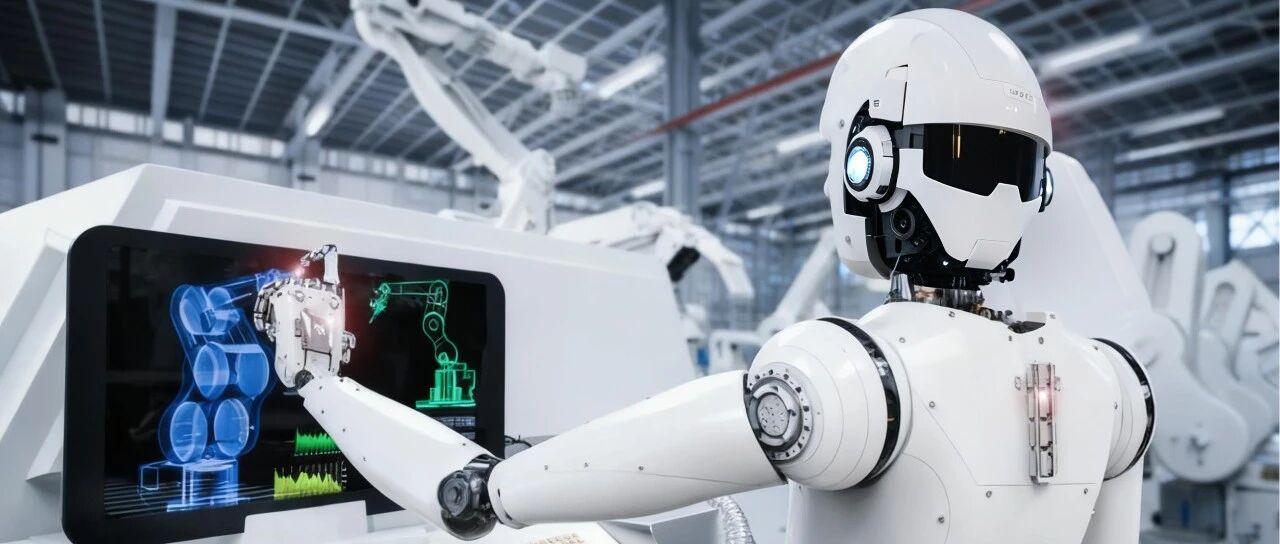
具身智能

Search documents
未来产业的现在进行时
Ren Min Ri Bao· 2025-11-20 01:05
Quantum Technology - China has established the world's largest quantum communication network, comprising 8 core sites and 159 access stations [4] - The third-generation superconducting quantum computer "Benyuan Wukong" is set to officially operate in January 2024, with over 80% domestic components [9] - "Benyuan Wukong" has been accessed over 37 million times by users from 163 countries, completing 740,000 quantum computing tasks across various fields [11] Biological Manufacturing - Biological manufacturing combines traditional fermentation and synthetic biology, opening new industrial spaces [12] - China holds over 70% of global biological fermentation capacity, leading in the production of amino acids and organic acids [12] - Challenges include the need for core strains and key enzymes, as well as the development of a robust biological information database [13] Nuclear Fusion Energy - Controlled nuclear fusion, known as "artificial sun," is advancing with significant breakthroughs in technology [14][15] - The "China Circulation No. 3" has achieved record ion and electron temperatures of 120 million and 160 million degrees Celsius, respectively [15] - By 2027, "China Circulation No. 3" is expected to conduct burning plasma experiments, moving towards commercial fusion power generation by mid-century [15] Brain-Computer Interface - Brain-computer interface technology is expanding into various fields, including medical rehabilitation and consumer electronics [17][18] - The industry is supported by a collaborative ecosystem involving research, industry, and policy frameworks [18] - Key focus areas include core technology development, innovation ecosystem enhancement, and ethical regulatory frameworks [18] Humanoid Robotics - Humanoid robots are evolving rapidly, with advancements in joint modules and motion control [19][20] - The Shenzhen area is developing a "embodied intelligence port," fostering a complete industrial chain from R&D to application [20] - The local government has introduced action plans to promote technological innovation and industry development in humanoid robotics [20] 6G Technology - 6G technology aims to enhance connectivity and integrate various technologies, supporting the development of a smart society [21][22] - It is expected to achieve 10 to 100 times the speed and reliability of 5G, covering all domains of connectivity [21] - China is advancing in 6G research and aims for commercial implementation by 2030 [22]

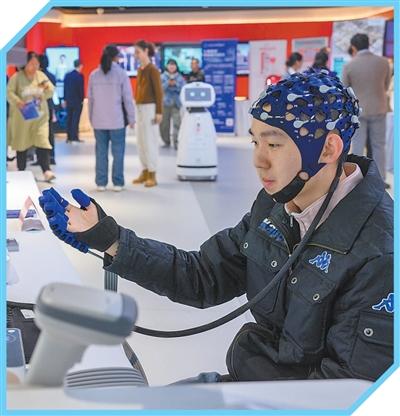
2025中国未来产业前沿进展:量子科技迅猛、脑机接口落地、具身智能蓬勃发展
3 6 Ke· 2025-11-17 04:08
Core Insights - The article emphasizes the importance of future industries driven by cutting-edge technologies, which are in the early stages of development and have significant strategic, leading, disruptive, and uncertain characteristics [1]. Government Initiatives - The Chinese government has issued multiple guiding documents to promote the development of future industries, focusing on six key areas: future manufacturing, future information, future materials, future energy, future space, and future health [2]. - The 2024 and 2025 State Council work reports highlight the need to cultivate emerging and future industries, including quantum technology and life sciences, and to establish growth mechanisms for future industry investments [2]. - The 15th Five-Year Plan emphasizes the exploration of diverse technology routes and typical application scenarios to drive new economic growth points in various future industries [2]. Industry Developments Quantum Technology - Quantum technology integrates principles of quantum mechanics with various scientific fields, aiming to revolutionize information processing and transmission [5]. - Significant advancements include the development of the "Zuchongzhi III" superconducting quantum computing prototype, which set new global records in quantum computing capabilities [6]. - By 2025, China is expected to lead in quantum computing, transitioning from "catching up" to "leading" in the field [7]. Biomanufacturing - Biomanufacturing utilizes biological processes for material processing and conversion, with applications in pharmaceuticals, new materials, and renewable energy [8]. - China has become the largest exporter of key enzyme preparations and gene components, holding a 29% share of the global market [9]. - The industry is characterized by the integration of AI in research and production, accelerating innovation and improving production efficiency [10]. Hydrogen and Nuclear Fusion Energy - Hydrogen energy is recognized as a crucial component of global energy transition, with China being the largest hydrogen producer [11]. - Major projects include the world's largest green hydrogen base and advancements in nuclear fusion technology, with significant milestones achieved in plasma control and fusion energy development [12][13]. Brain-Computer Interfaces - Brain-computer interfaces (BCIs) are emerging as transformative technologies, with successful trials and clinical applications in various fields [14][15]. - The development of both invasive and non-invasive BCIs is progressing rapidly, with applications in medical rehabilitation and research [18]. Embodied Intelligence - The embodied intelligence sector is witnessing rapid growth, particularly in robotics, with advancements in AI and sensor technologies [19][20]. - 2025 is seen as a pivotal year for humanoid robots transitioning from prototypes to mass production, with applications in various industries [21]. Sixth Generation Mobile Communication - The sixth generation (6G) mobile communication technology is expected to enhance performance metrics significantly compared to 5G, with various breakthroughs achieved in key technologies [22][23]. - Standardization efforts for 6G are underway in China, with commercial deployment anticipated around 2030 [23][24].
热词看未来|培育壮大新兴产业和未来产业
Xin Hua Wang· 2025-11-17 02:05
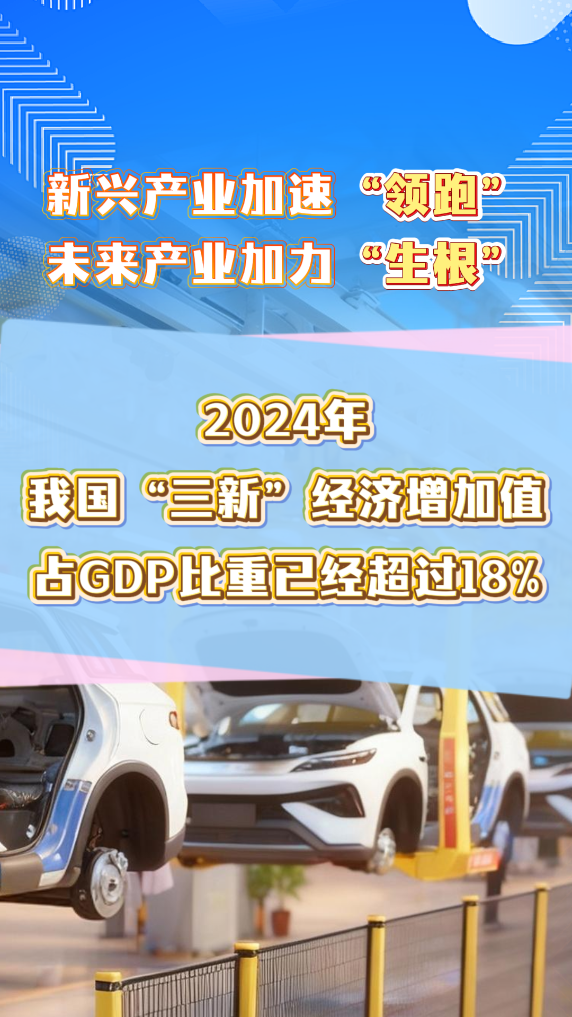
Core Insights - The central viewpoint emphasizes the cultivation and expansion of emerging and future industries in China, with a target for the "three new" economy's contribution to GDP exceeding 18% by 2024 [1] Group 1: Emerging Industries - The proposal highlights the acceleration of strategic emerging industries such as new energy, new materials, aerospace, and low-altitude economy, aiming for large-scale development through innovation and technology [4] - China has maintained its position as the global leader in new energy vehicle production and sales for ten consecutive years, with solar and wind power equipment production ranking among the highest in the world [4] - Over 60 national advanced manufacturing clusters in emerging industries have been cultivated, along with the establishment of 23 national independent innovation demonstration zones [4] Group 2: Future Industries - The proposal advocates for the advancement of future industries including quantum technology, biomanufacturing, hydrogen energy, nuclear fusion energy, brain-computer interfaces, embodied intelligence, and sixth-generation mobile communications as new economic growth points [7] - The biomanufacturing industry in China has reached a scale of nearly 1 trillion yuan, with the embodied intelligence market expected to reach 5.295 billion yuan by 2025, accounting for approximately 27% of the global market [7] Group 3: Economic Impact - The cultivation and expansion of emerging and future industries are projected to generate a new scale equivalent to recreating China's high-tech industry over the next decade, providing continuous new momentum for high-quality economic development [9]
国常会部署“促消费稳投资”,新一轮降准降息有望实施
第一财经· 2025-11-16 15:48
Core Viewpoint - The article discusses the fluctuations in major economic indicators in China due to external demand slowdown, weakened domestic demand, and high base effects from the previous year, emphasizing the need for stronger macroeconomic policies to stabilize growth [3][4]. Economic Indicators - In October, the industrial added value for large-scale enterprises grew by 4.9% year-on-year, slowing down by 1.6 percentage points from September [3]. - The total retail sales of consumer goods increased by 2.9% year-on-year, a slight decline of 0.1 percentage points from September [3]. - From January to October, fixed asset investment (excluding rural households) reached 408,914 billion yuan, a year-on-year decrease of 1.7% [3]. Government Response - The State Council, led by Premier Li Qiang, held a meeting to discuss the implementation of "two major" constructions aimed at enhancing consumption and investment [3][4]. - The government plans to enhance the adaptability of supply and demand in consumer goods to stimulate consumption and achieve a dynamic balance [3][4]. Investment Trends - Despite a decline in overall investment, emerging industries such as digital manufacturing and smart equipment are showing significant growth, with the digital industry manufacturing value-added increasing by 9.5% year-on-year [7][8]. - The investment in fixed assets has seen a historical decline, particularly in infrastructure, manufacturing, and real estate sectors [9]. "Two Major" Construction - The "two major" construction initiative is set to allocate 800 billion yuan to support 1,459 projects, focusing on strategic areas such as ecological restoration and major infrastructure [11][12]. - This initiative aims to optimize project reviews and enhance the quality of investments, promoting new productive forces [11][12]. Consumer Trends - Service consumption is becoming a significant growth point, with retail sales in services growing by 5.3% year-on-year [7]. - Digital and green consumption are expanding, with online retail sales increasing by 9.6% year-on-year, indicating a shift towards a more diversified consumption structure [8][14]. Supply and Demand Adaptability - Enhancing supply and demand adaptability is crucial for releasing consumption potential and ensuring economic circulation [13][15]. - The article highlights the need for a balance between supply and demand, with a focus on quality and personalized consumption [14][15].

星动纪元创始人陈建宇:具身智能企业第一护城河是模型与算法架构
Mei Ri Jing Ji Xin Wen· 2025-11-16 14:27
Core Insights - The embodied intelligence industry is experiencing rapid growth in 2025, with technological advancements and capital influx, but faces challenges such as the impact of major players on startups and the timeline for commercialization [1] Group 1: Industry Dynamics - Major players entering the market will not completely eliminate the space for startups, as the long-tail effect allows for a time window for growth [2] - The pace of development in embodied intelligence is slower compared to internet products, providing startups with a relatively ample time window to grow before major companies dominate [2] - The industry is characterized by a diverse range of vertical applications, allowing for multiple players to coexist, unlike the more homogeneous automotive sector [2][4] Group 2: Technological Barriers - The technological moat in the industry is multi-layered, with model and algorithm architecture determining the system's capabilities, while data and engineering capabilities dictate how close a company can get to that ceiling [4][5] - The feedback loop created by commercializing real-world data enhances the intelligence level of systems, making it increasingly difficult for newcomers to surpass established players [4] Group 3: Market Trends and Opportunities - The logistics sector is expected to be the largest business segment for companies like Star Motion Era, with comprehensive solutions already being developed [10] - The demand for automation in factories is driven by labor shortages and the need for cost reduction and efficiency improvements [10][11] - The market for embodied intelligence is anticipated to remain strong in the coming year, with a focus on commercializing products in specific scenarios [11] Group 4: Product Development Challenges - The development of dexterous hands is complex, with significant engineering challenges related to miniaturization and signal management [9] - Dexterous hands offer unique advantages over traditional grippers, particularly in handling irregular objects and performing complex tasks [8][9] Group 5: Future Projections - Achieving a scale of "ten thousand" units is seen as a critical milestone for the industry, which would lead to greater capital recognition and customer acceptance [11] - The company aims to reach a shipment target of "thousand" units next year, with the expectation that overcoming key application scenarios will facilitate this goal [11]
阿里、蔚来资本分别领投,原力灵机完成两轮融资近10亿元
Cai Jing Wang· 2025-11-14 06:09
11月14日,具身智能公司Dexmal原力灵机宣布完成数亿元A+轮融资,阿里巴巴为独家投资方;此前, 公司A轮融资由蔚来资本领投,洪泰基金、联想创投、锡创投和正景基金跟投,老股东君联资本超额追 投、启明创投和九坤创投追投;两轮融资金额近10亿元,资金主要用于具身智能机器人软、硬件技术研 发与落地。 ...

【图解】权威解读|一图秒懂“十五五”规划建议核心热词
Zhong Guo Jing Ji Wang· 2025-11-14 03:26
Core Viewpoint - The article emphasizes the importance of achieving a moderate level of development for China by 2035, with a focus on enhancing GDP and fostering emerging industries to adapt to global economic changes [2][5][14]. Group 1: Economic Development Goals - The target is to exceed the threshold of $20,000 in per capita GDP by 2020 standards and to double the per capita GDP by 2035 compared to 2020 levels [2]. - Achieving a moderate level of development is seen as crucial for China's economic strategy moving forward [2]. Group 2: Emerging Industries - The "14th Five-Year Plan" aims to develop new pillar industries such as renewable energy, new materials, aerospace, and low-altitude economy [5]. - There is a call for a focus on key areas like quantum technology, biomanufacturing, hydrogen energy, and sixth-generation mobile communication to drive future industrial growth [6]. Group 3: Regional Innovation Systems - The establishment of regional innovation systems is essential, involving collaboration among government, enterprises, universities, and research institutions to enhance innovation capabilities [9]. - A tailored approach based on local resources and industrial foundations is recommended to prevent market bubbles and ensure sustainable development [6]. Group 4: Investment Strategies - Investment in physical assets (infrastructure, buildings, machinery) is crucial for solidifying the material and technical foundation for economic development [10]. - Investment in human capital (education, healthcare, skills training) is equally important for enhancing the capabilities and potential of the population [10]. Group 5: Digital Trade - Digital trade, characterized by data as a key production factor and digital services, is rapidly growing and is identified as a new trend in international trade and economic growth [12]. Group 6: Energy Strategy - Building an energy powerhouse is highlighted as a significant goal, with energy security being critical for national stability and development [13][14]. - The transition to green and low-carbon energy sources is emphasized as a timely and necessary step in the current global context [14].

国内首个具身智能产品省级质检中心落户辽宁
Ren Min Wang· 2025-11-14 01:28
Group 1 - The establishment of the first provincial quality inspection center for embodied intelligence products in China, located in Liaoning, marks a significant development in the integration of artificial intelligence into physical entities like robots, enhancing their ability to perceive, learn, and interact with the environment [1] - The center will focus on various aspects of the embodied intelligence industry chain, including basic components, software development, and key products, aiming to create a scientific and systematic inspection and testing system [1] - The center is expected to fill a gap in domestic inspection and testing capabilities and seize competitive advantages in future industries [1] Group 2 - The new energy storage product quality inspection center in Liaoning is the first of its kind in Northern China, focusing on addressing bottlenecks in the new energy industry chain [2] - This center will emphasize high safety, long lifespan, and high efficiency in energy storage, particularly in the fields of electrochemical and hydrogen storage [2] - The center aims to provide a comprehensive inspection and testing service model that integrates detection certification, standard formulation, and industry incubation to support the high-quality development of the new energy sector [2] Group 3 - The low-altitude economic product quality inspection center in Liaoning is the first provincial center in Northeast China, focusing on inspection, technical breakthroughs, standard formulation, and quality enhancement [2] - This center will align closely with industry development directions and actual enterprise needs, promoting the integration of inspection technology with low-altitude economic applications [2] - The goal is to drive the standardization, normalization, and intelligent development of the low-altitude economy industry [2]
填补检验检测空白 抢占未来产业制高点
Liao Ning Ri Bao· 2025-11-14 01:01
Core Viewpoint - The establishment of three provincial quality inspection centers in Liaoning aims to support the development of inspection and testing institutions, promote industrial transformation and upgrading, and fill gaps in domestic inspection and testing capabilities [1][2]. Group 1: Embodied Intelligence Quality Inspection Center - The Liaoning Provincial Embodied Intelligence Product Quality Inspection Center is the first provincial quality inspection center for embodied intelligence products in China [1]. - The center will focus on the entire supply chain of the embodied intelligence industry, including basic components, software development, and key products, to establish a scientific and systematic inspection and testing system [1]. - The center aims to capture competitive advantages in future industries by addressing inspection and testing gaps in the domestic market [1]. Group 2: New Energy Storage Quality Inspection Center - The Liaoning Provincial New Energy Storage Product Quality Inspection Center is the first provincial quality inspection center for new energy storage products in Northern China [2]. - The center will focus on addressing bottlenecks in the new energy industry chain, particularly in the fields of electrochemical storage and hydrogen storage, to support high-quality development [2]. - It aims to create a three-in-one inspection and testing service model that integrates testing certification, standard formulation, and industry incubation [2]. Group 3: Low Altitude Aircraft Quality Inspection Center - The Liaoning Provincial Low Altitude Aircraft Onboard Equipment Quality Inspection Center is the first provincial quality inspection center for low-altitude economic products in Northeast China [2]. - The center will focus on key areas such as inspection and testing, technical breakthroughs, standard formulation, and quality improvement to align with industry development and enterprise needs [2]. - It aims to promote the standardized and intelligent development of the low-altitude economy by integrating inspection technology with industry applications [2]. Group 4: Overall Impact - The establishment of these three provincial quality inspection centers will enhance the quality of inspection and testing services in Liaoning, providing robust technical support for emerging and future industries [2].
前地平线副总裁张玉峰创业首秀,无界动力携3亿融资杀入具身智能战局
机器人大讲堂· 2025-11-11 15:00
11月10日,通用具身智能机器人公司无界动力完成首轮3亿元天使融资,由 红杉中国、线性资本领投,高瓴创投、地平线、华业天成、钟鼎资本、BV百度风投、 同歌创投等跟投, 在首次融资中集聚了顶级财务投资机构与多元产业资本的双重认可。与此同时,天使+轮融资已接近完成,累计融资额超5亿元。 在 具身智能行业前景暂未明朗 的当下,一家初创公司能在首轮融资中集结如此豪华的投资阵容并获巨额资金加持,这不禁让人好奇:在众多追逐风口的初创公司 中,为何无界动力能独获青睐? | 轮次 | 融资金额(人民币) | 股权占比 | 投后估值(人民币) | | --- | --- | --- | --- | | 天使轮 | 317 | 未透露 | 15 Z | ▍从地平线"悍将"到具身智能新锐领袖 无界动力备受关注,其创始人兼 CEO张玉峰的背景是关键。 翻开张玉峰的履历,这是一位典型的 "技术+商业"双栖型选手。 他早年曾在Sony、ARM等全球顶尖科技企业的总部从事研发管理工作,打下了深厚的底层技术根 基。2017年,他加入地平线,这段经历则完整塑造了他的商业化与产业化能力。 在地平线,张玉峰并非仅仅负责技术研发。作为副总裁、智能汽 ...