手机

Search documents
年末资产如何配置?科技成长板块仍是主力 联想、中芯国际等是关注重点
Ge Long Hui· 2025-11-06 05:52
Core Viewpoint - The market has experienced a significant style switch since November, with brokerages suggesting a focus on technology, consumption, and core asset industries as the year-end approaches in a bullish market environment [1] Market Valuation - As of October 31, the Hang Seng Technology PE-TTM stands at 22.9 times, which is in the 29th percentile historically [1] - Hong Kong's broad market valuation is notably low compared to global indices, with Hang Seng Technology valuations lower than the S&P 500 by 95%, Nasdaq by 88%, DAX by 79%, Nikkei 225 by 73%, and Nifty by 72% since 2005 [1] Capital Inflows - Since 2025, southbound capital inflows have exceeded 1.1 trillion yuan, primarily driven by institutional forces such as public funds and insurance capital [1] - It is anticipated that net inflows from southbound capital will exceed 1.5 trillion yuan next year [1] - In Q3 2025, both long and short-term foreign capital consistently flowed into Hong Kong's technology sector, indicating a growing consensus among foreign investors [1] Institutional Behavior - Data from China Aviation Securities indicates that in Q3, actively managed equity funds increased their positions in technology while reducing exposure to blue-chip sectors like banking [1] Investment Opportunities - Most brokerages believe that the technology growth trend is not over and still presents investment value, particularly in Hong Kong's technology, consumption, and core asset sectors [1] - The acceleration of the AI industry both domestically and internationally is expected to open new growth avenues for technology stocks, with potential for increased capital investment in the AI sector [1] Magnificent 7 in Hong Kong - The "Magnificent 7" in the Hong Kong market includes Xiaomi, Lenovo, BYD, SMIC, Alibaba, Tencent, and Meituan, which are seen as core technology assets attracting investor attention [2] Company-Specific Insights - **Xiaomi**: Expected to benefit from AI applications and successful entry into the smart electric vehicle market, with a focus on new product launches and growth in smart hardware [3] - **Lenovo**: Anticipated growth in PC and smartphone demand driven by AI investments and expansion in emerging markets, particularly in the Middle East [4] - **BYD**: Projected to achieve global sales of 4.27 million vehicles in 2024, with a focus on smart vehicle technology and international expansion [4] - **SMIC**: Positioned as a major beneficiary of global supply chain restructuring, with strong demand for localized production [5] - **Alibaba**: Expected to lead in cloud services driven by AI demand, with a focus on enhancing e-commerce market share through innovative applications [5] - **Tencent**: Anticipated to leverage AI in social advertising and gaming, with a focus on enhancing product offerings through AI integration [6] - **Meituan**: Expected to benefit from growth in the local consumption market and improvements in profitability across various business segments [6]

品牌门店成为旅行的“情绪目的地” ?泡泡玛特、MUJI的在地化新叙事
3 6 Ke· 2025-11-05 11:44
Core Insights - The article discusses how brand stores are becoming "emotional destinations" for travelers, with a significant increase in cross-regional travel during the recent holiday period, estimated at 2.433 billion trips [1] Group 1: Brand Store Trends - More tourists are not just visiting attractions but are actively seeking unique brand stores in local areas, enhancing their cultural consumption experience [1][7] - The concept of "localized storytelling" is categorized into three types: local guide stores, collector's item stores, and exhibition stores [7] Group 2: Local Guide Stores - Local guide stores integrate into new commercial districts, creating a sense of local identity. They cater to tourists' desires for both exploration and familiarity [8] - An example is the tea brand "Cha Bai Dao," which collaborates with local culture in Chengdu, incorporating traditional elements into its store design [8][12] Group 3: Collector's Item Stores - Collector's item stores use natural or cultural landscapes as their backdrop, positioning the brand as the "best viewing platform" [17] - M Stand, a coffee chain, exemplifies this by creating a store in Urumqi that features local cultural elements, attracting travelers [18][22] Group 4: Exhibition Stores - Exhibition stores, like those of MUJI and Starbucks, focus on creating immersive experiences that blend local culture with brand identity [28] - Starbucks has opened several non-heritage concept stores that showcase local craftsmanship and art, enhancing the cultural experience for customers [29][34] Group 5: Consumer Experience - The article emphasizes that providing a multi-sensory consumer experience is crucial for offline retail, with localized store designs being a key strategy [44] - The goal is to create unique environments that resonate with consumers, transforming casual visitors into brand advocates [44]



一张图戳穿G20格局:中国“通缩”躺赢,欧美工业为啥集体“发烧”?
Sou Hu Cai Jing· 2025-11-05 08:51
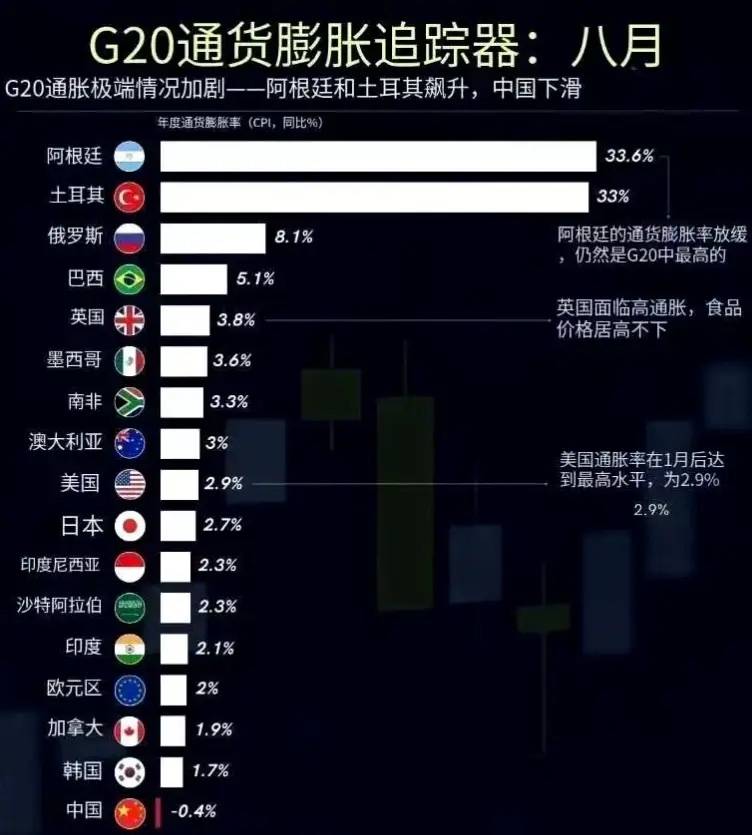
Group 1 - The G20 inflation data reveals a stark contrast between countries, with China experiencing a -0.4% CPI year-on-year, while Argentina and Turkey face inflation rates of 33.6% and 33.0% respectively, highlighting China's unique position in the global economy [1][3][4] - China's manufacturing sector accounts for 30% of global manufacturing output, surpassing the combined output of the US, Germany, and Japan, indicating its dominant role in the global supply chain [4][6] - The trade surplus with the US reached over $800 billion in the first eight months of 2025, showcasing China's strong export capabilities despite trade restrictions imposed by the US [4][6] Group 2 - The inflation crisis in the US and Europe is attributed to a lack of manufacturing strength, with the US manufacturing sector contributing only 11% to GDP, while service industries dominate [5][6] - The energy crisis in Germany has led to a significant increase in manufacturing costs, with electricity prices tripling since 2019, forcing many factories to reduce production or relocate [5][6] - China's ability to maintain low inflation is a result of its robust manufacturing capabilities and a large domestic market, which can absorb excess production, contrasting with the industrial challenges faced by Western economies [6][7]
四大证券报精华摘要:11月5日
Xin Hua Cai Jing· 2025-11-05 00:55
Group 1 - The China Securities Regulatory Commission (CSRC) plans to introduce more substantial opening measures to enhance the capital market's institutional openness, focusing on risk prevention, strong regulation, and high-quality development [1] - The CSRC aims to improve the convenience of cross-border investment and financing, ensuring policy stability, transparency, and predictability while enhancing communication with international investors [1] Group 2 - Analysts are optimistic about the Hong Kong stock market's prospects for 2026, driven by fundamental improvements rather than valuation recovery, with AI industry catalysts expected to enhance net asset return rates [2] - The inflow of foreign and southbound funds into the Hong Kong stock market is anticipated to continue, with a more balanced structure, and sectors such as technology, innovative pharmaceuticals, and brokerage firms are highlighted for investment [2] Group 3 - The China Securities Regulatory Commission has released draft guidelines for the performance comparison benchmarks of publicly offered securities investment funds, indicating a trend towards more refined and diverse benchmarks that better reflect actual investment strategies and risk-return characteristics [3] Group 4 - The National Health Commission has issued implementation opinions to promote and regulate the application of "Artificial Intelligence + Healthcare," identifying eight key application areas and setting development goals for 2027 and 2030, which may benefit companies like Yunnan Baiyao and Aojiahua [4] Group 5 - The People's Bank of China emphasizes the importance of strengthening the international financial center status of Hong Kong and enhancing the interconnectivity of financial markets between the mainland and Hong Kong [5] Group 6 - As of the end of October 2025, 2,879 companies listed on the Shenzhen Stock Exchange reported a total revenue of 15.72 trillion yuan, a year-on-year increase of 4.31%, and a net profit of 903.02 billion yuan, up 9.69%, indicating overall stable growth driven by technological innovation [6][7] Group 7 - In September, 24 companies announced share buyback plans, reflecting shareholder confidence in long-term development, with a total proposed buyback amount of 599 million yuan, highlighting companies like Hainan Huatie and Wuzhou Transportation [8] Group 8 - Foreign institutions have conducted intensive research on 309 A-share companies since October, focusing on high-growth sectors such as AI, industrial automation, and semiconductors, with an increase in foreign investment in A-shares noted [9] Group 9 - In October, public fund institutions significantly increased their research activities, covering 632 stocks across 30 industries, with a notable focus on the pharmaceutical and biotechnology sectors [12] Group 10 - Gaode Software is reportedly entering the Robotaxi sector, with plans to expand globally, indicating a strategic focus on autonomous driving services [13][14]
王腾最新动向!
Zheng Quan Shi Bao· 2025-11-02 00:59
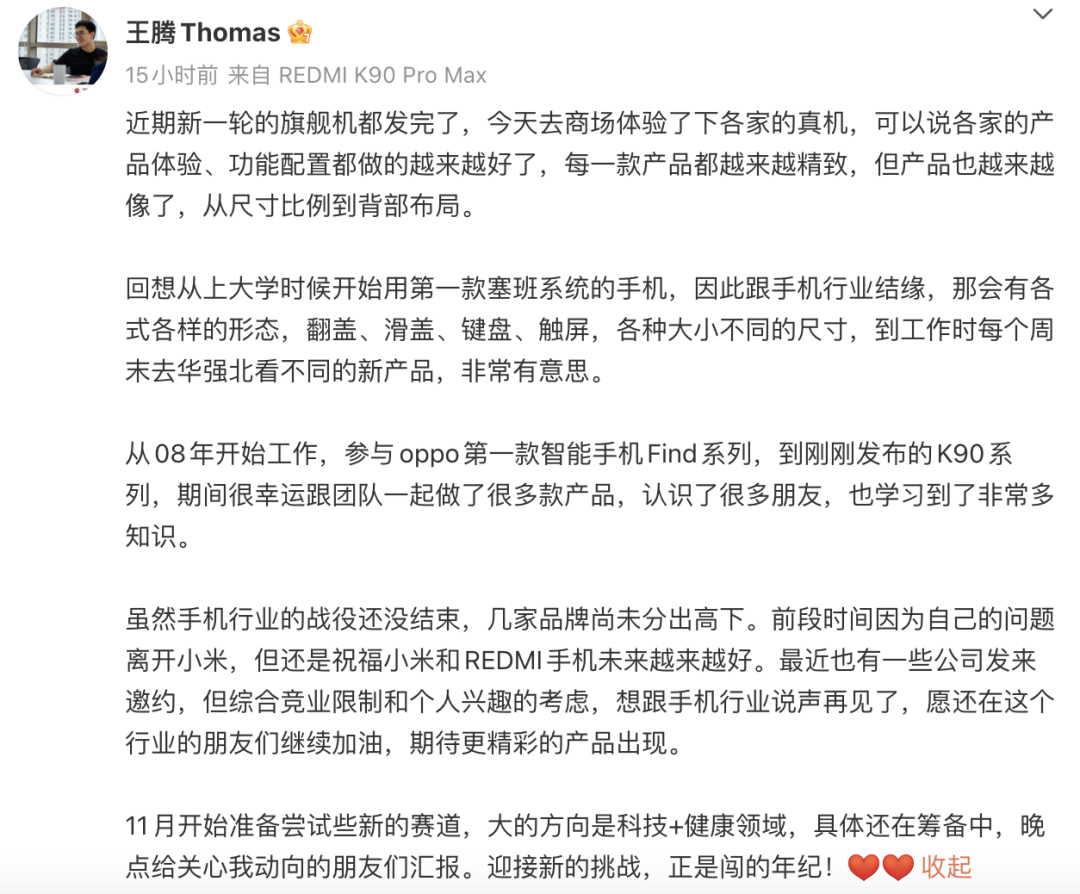
Core Viewpoint - Wang Teng, former General Manager of Xiaomi's China Marketing Department, announced his departure from the mobile industry to explore new opportunities in the technology and health sectors starting in November [1]. Group 1: Departure and Violations - Xiaomi Group issued an internal email on September 8, stating that Wang Teng was dismissed for leaking confidential company information and serious violations of company policies [2]. - Wang Teng publicly apologized for his mistakes and expressed gratitude towards the company and its leadership, indicating he would take a break before starting anew [2]. Group 2: Clarifications and Future Plans - On September 9, Wang Teng refuted rumors regarding his departure, clarifying that he did not steal company secrets or engage in illegal activities, but acknowledged some negligence [3]. - Wang Teng mentioned he is considering entrepreneurial projects and new challenges, indicating a shift in focus towards future endeavors [4].

王腾称将离开手机行业
Xin Jing Bao· 2025-11-01 11:03
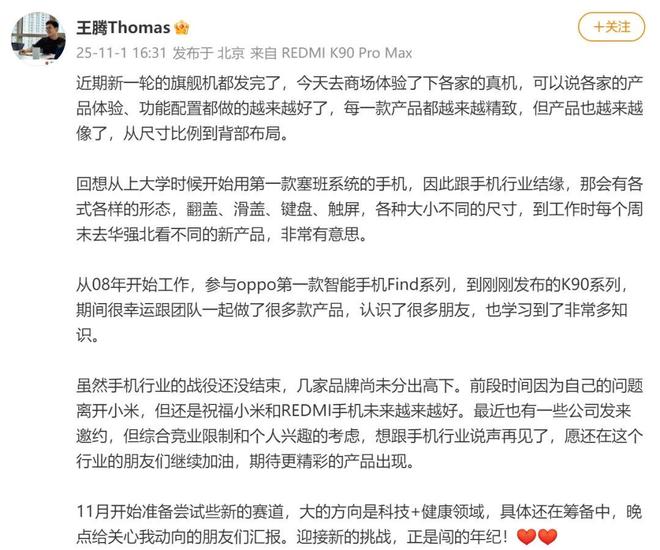
Group 1 - Wang Teng announced his departure from the mobile industry, citing competitive restrictions and personal interests, and expressed hopes for future innovations in the sector [1] - Xiaomi Group terminated Wang Teng's employment due to serious violations, including leaking confidential information and conflicts of interest, as per internal regulations [3] - Wang Teng expressed remorse for his past mistakes and gratitude towards Xiaomi's leadership, indicating a desire to support the company and its REDMI brand in the future [4] Group 2 - Wang Teng plans to explore new opportunities in the technology and health sectors starting in November [1] - His position at Xiaomi was as the General Manager of the China Marketing Department and General Manager of the REDMI brand, classified as a mid-level management role [3] - The internal email from Xiaomi's ethics committee outlined the reasons for his dismissal, emphasizing the breach of company policies [3]
多品牌手机悄然提价
21世纪经济报道· 2025-10-31 04:30
Core Viewpoint - The article discusses the challenges faced by domestic smartphone manufacturers during the Double Eleven sales period, particularly due to rising component prices and reduced consumer subsidies, leading to a focus on product quality and brand competition [1][3]. Component Price Increases - The price of storage components has significantly increased, resulting in flagship models seeing price hikes of over a hundred yuan compared to previous generations [3]. - Companies like Xiaomi and iQOO have acknowledged the impact of rising storage prices on their pricing strategies, with Xiaomi adjusting the price of its Redmi K90 series due to these cost pressures [3][4]. Market Dynamics - The overall smartphone market is experiencing intense competition, with IDC reporting a decline in shipments for six consecutive quarters, indicating a challenging environment for manufacturers [7]. - The high-end smartphone market is projected to grow, with global sales of smartphones priced above $600 expected to increase by 8% in the first half of 2025, driven largely by Chinese brands [5]. Product Strategy and Differentiation - Manufacturers are focusing on high-end models during the Double Eleven period, with companies like realme and iQOO emphasizing the importance of product quality and user experience to attract consumers [4][10]. - There is a trend towards self-research and collaboration in developing key components, with companies like vivo and realme partnering with specialized firms to enhance their product offerings [9][10]. Consumer Behavior and Market Trends - The shift in consumer behavior towards longer replacement cycles is noted, with consumers preferring more comprehensive products when they decide to upgrade [4]. - The gaming and imaging segments are highlighted as key areas for growth, with companies targeting younger demographics by enhancing performance and user experience [8][9]. Conclusion - The Double Eleven sales period is not just a battle for sales volume but also a critical test for brands to balance cost and user experience, which will determine their competitive edge in the future [11].
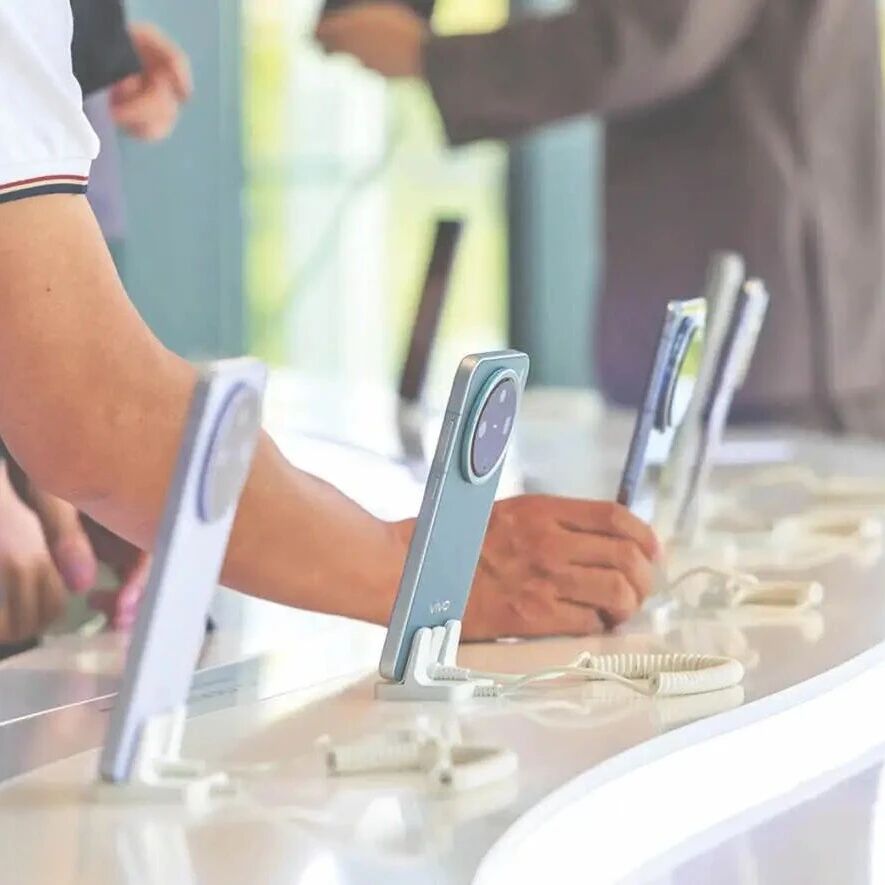
手机厂商的“芯事”:新款集体涨价数百元,高价内存拦路
Bei Ke Cai Jing· 2025-10-31 03:24
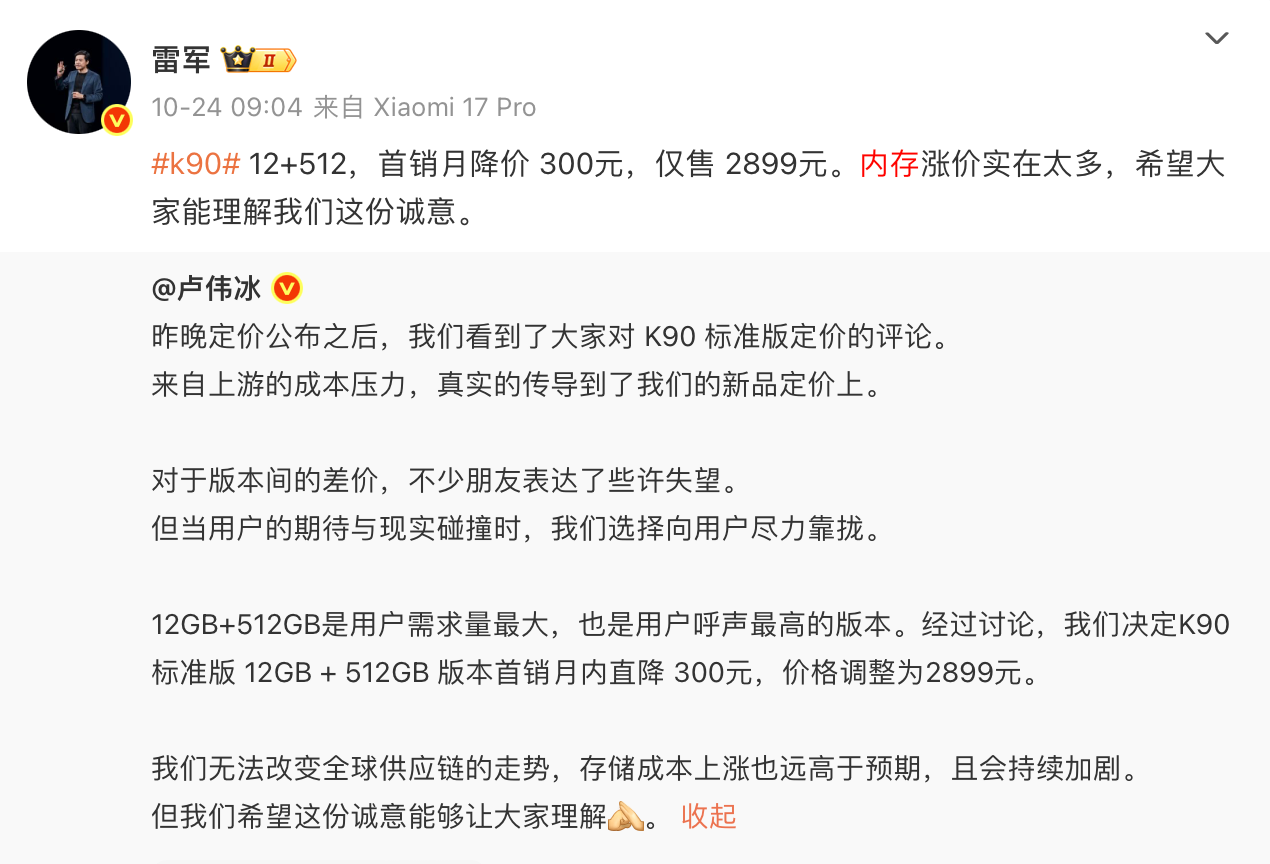
Core Viewpoint - The smartphone market is experiencing a price increase due to rising upstream costs, particularly in memory components, which has led to significant price hikes for new models from various manufacturers [3][8][9]. Group 1: Price Increases in Smartphones - Multiple new smartphone models have been released with starting prices higher than their predecessors, with the Redmi K90 starting at 2599 yuan, an increase of 300-600 yuan compared to the K80 [3][7]. - Other brands like Realme, iQOO, and OPPO have also raised prices by 200-300 yuan for their new models [3][9]. - Xiaomi's president acknowledged that the price increases are a direct result of rising storage costs, which have exceeded expectations and are expected to continue rising [3][8]. Group 2: Memory Chip Price Surge - The price of LPDDR4X memory chips has surged dramatically, with reports indicating prices have increased from 20 dollars to over 50 dollars in a short period [4][14]. - The increase in memory prices is attributed to a shift in production capacity towards higher-value products driven by AI demand, impacting the availability of lower-end memory products [16][22]. - The overall price increase for memory chips has affected the pricing strategies of smartphone manufacturers, particularly in the mid-range segment [5][10]. Group 3: Market Dynamics and Consumer Impact - The price hikes are expected to lead to a segmentation in consumer spending, particularly affecting the 3000-4000 yuan price range, where demand may shrink due to the lack of supportive policies [5][28]. - High-end users are less likely to be affected by price increases as long as the products remain attractive [27]. - The shift in memory pricing and availability is likely to influence the entire lifecycle pricing strategies of new smartphone models, including promotional pricing during sales events [10][24].
品牌控价的攻坚战:以体系化维权重塑市场价值秩序
Sou Hu Cai Jing· 2025-10-30 13:02
Core Insights - The brand pricing system is facing unprecedented challenges due to consumer upgrades and channel diversification, leading to issues like price dumping, cross-region diversion, and counterfeit products, which diminish brand premium capabilities and create consumer anxiety about price and quality [1] Group 1: Pricing Chaos - Pricing chaos is a chronic poison to brand ecosystems, causing significant trust issues among consumers, with 73% of consumers developing negative impressions due to price confusion, and the cost to repair this impression being over five times that of maintaining price integrity [3][4] Group 2: Multi-Dimensional Defense - Brands need to establish a "three-dimensional defense system" comprising legal tools, technology platforms, and channel governance to effectively control pricing. Legal actions can deter malicious low-price sales, while AI systems can enhance price monitoring efficiency by reducing response times from three days to two hours [4][5] - Implementing a tiered management system for distributors and utilizing digital tools for inventory visibility can significantly reduce diversion rates and improve distributor profits, as evidenced by a 65% decrease in diversion rates and an 18% increase in profits for a major appliance brand [4] Group 3: Value Reconstruction - The ultimate goal of price control is to shift the market focus from price competition to value co-creation. Brands can achieve this through differentiated product positioning, membership systems, and service upgrades, creating dual barriers of price anchors and experience barriers [4] - A high-end apparel brand that introduced customized services and lifetime maintenance saw a 40% decrease in price sensitivity and a 65% increase in repurchase rates, demonstrating the effectiveness of providing irreplaceable value to consumers [4] Group 4: Long-Term Perspective - Companies must view price control as a value investment rather than a cost item, leveraging legal, technological, and managerial innovations to restore price to its intrinsic value and ensure fair market competition, which is essential for brand resilience in changing market conditions [5]
2025年度「焦点」产品计划重磅启动
36氪· 2025-10-30 09:42
Core Viewpoint - The article emphasizes the significance of product innovation in driving business value and enhancing user experience, particularly in the context of the WISE2025 Annual Focus Product Awards, which aims to recognize outstanding products across various sectors [2][4]. Summary by Relevant Sections Focus Areas - The awards cover a wide range of sectors including mobile phones, home appliances, new energy vehicles, digital life, healthcare, beauty and personal care, food and beverages, clothing and accessories, as well as education, enterprise services, lifestyle, creative software, and games [2][6]. Evaluation Criteria - A multi-dimensional evaluation system is employed to assess products based on their technological advancements, design, performance, and value. Each category has specific weightings for different criteria, such as: - Mobile Phones: Performance (40%), User Experience (30%), Design (20%), Value (10%) [6][7]. - Home Appliances: Performance (40%), User Experience (30%), Design (20%), Value (10%) [7]. - New Energy Vehicles: Design (30%), User Experience (30%), Sustainability (20%), Performance (20%) [7]. - Digital Life Products: Performance (30%), User Experience (20%), Design (30%), Value (20%) [7]. Participation Invitation - The article invites innovators and product creators to participate in the awards, highlighting the opportunity to showcase their work and contribute to a narrative of innovation and user experience [4][5]. Timeline for Evaluation - The evaluation process is set to begin immediately, with nominations open until November 10, 2025. The research and assessment phase will occur from November 11 to November 24, 2025, with results to be announced in late November [19].