奢侈品

Search documents
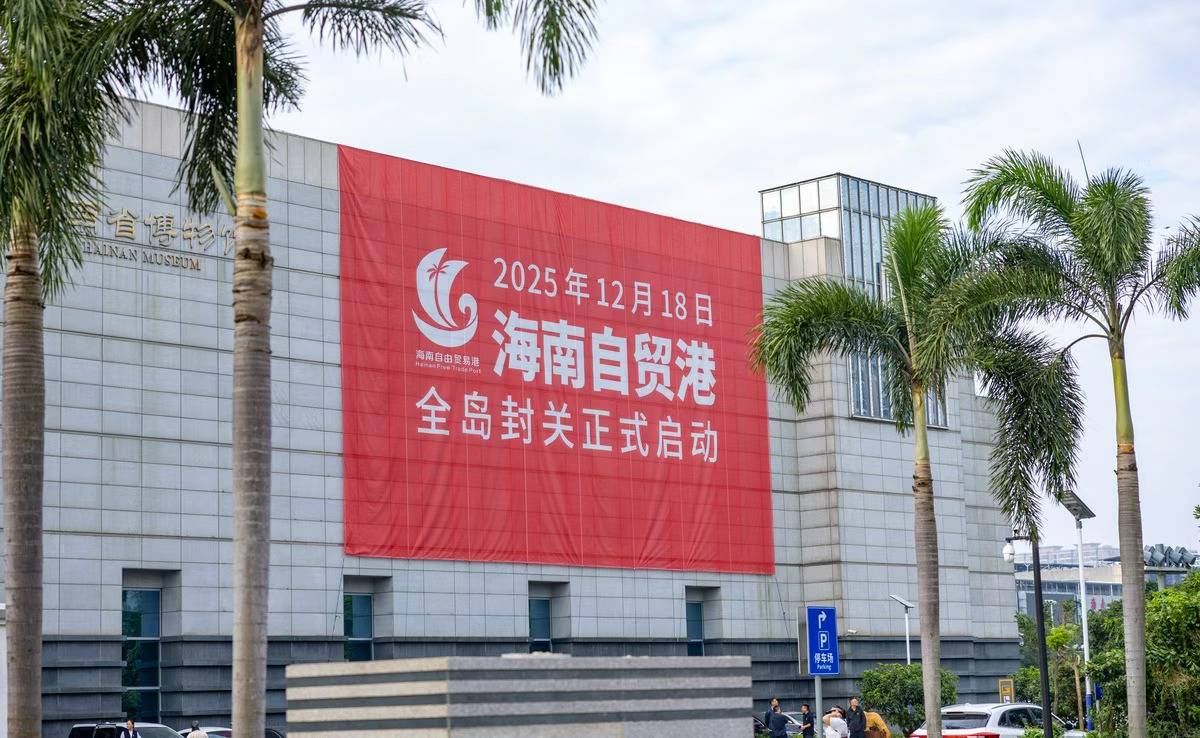
海南封关40克金饰省1万多元引关注
Sou Hu Cai Jing· 2025-12-20 05:14
Core Viewpoint - The launch of the Hainan Free Trade Port on December 18 has created a significant consumer interest in gold jewelry, particularly a 40-gram gold ornament that can save consumers over 10,000 yuan due to various discounts and price differences between Hainan and mainland China [1][2]. Group 1: Savings Logic for 40g Gold Jewelry - The basic tax-free price difference shows that gold prices in Hainan's duty-free shops are significantly lower than those in mainland China, with prices around 1180-1184 yuan per gram compared to 1353-1356 yuan per gram, resulting in a savings of approximately 6760-7040 yuan for a 40-gram piece [4][5]. - Store promotions include a tiered discount system where purchases over 10,000 yuan receive a 500 yuan discount, allowing for an additional savings of 2000 yuan on the 40-gram gold ornament, bringing total savings to over 8000 yuan [5]. - The local government is issuing daily consumer vouchers, with the highest value being a 2400 yuan discount, which, if obtained, could push total savings for the 40-gram gold ornament to over 10,000 yuan [6]. Group 2: Variables and Limitations of Actual Discounts - The difficulty in obtaining consumer vouchers is a significant variable, as they are released daily at 10 AM and are limited in quantity, directly affecting the final discount amount [7]. - There are pricing differences among brands, with some brands like Lao Miao Gold having a price difference of 176 yuan per gram, which is higher than others at 169 yuan per gram. Additionally, brands like Chow Tai Fook have raised prices in mainland China three times this year, further enhancing Hainan's price advantage [8]. Group 3: Broader Impact of the Free Trade Port Policy - The tax exemption policy for processing and value-added goods across the island allows companies to save 10% on tariffs, indirectly enhancing the competitiveness of end prices for various consumer products [10]. - The shopping process has been optimized with the introduction of an "immediate purchase and pick-up" option, allowing tourists to use their purchases directly without needing to pick them up when leaving the island [11]. - Other consumer goods, including electronics and luxury items, are also benefiting from the free trade port, with significant price reductions compared to online platforms [9].

美俄联手让欧洲变天,全新的世界格局,没给中国留位子?
Sou Hu Cai Jing· 2025-12-20 05:10
Group 1 - The article discusses the shifting dynamics in US-Russia relations, highlighting a potential collaboration aimed at weakening the European Union's cohesion through support for right-wing movements in Europe [1][3] - The US is reportedly focusing on countries like Italy, Hungary, Austria, and Poland, which align with nationalist sentiments and are critical of the EU's bureaucratic structure, to diminish the EU's overall influence [3] - Recent meetings between US officials and European right-wing leaders indicate a strategic effort to undermine EU unity and foster individual negotiations with select countries [3][5] Group 2 - Russia, despite facing economic sanctions and international isolation, is pivoting towards Asia, increasing energy exports to Asian markets and enhancing cooperation with China in various sectors [5][7] - The article notes that the US and Russia have shown unusual alignment on issues like European security, with a notable meeting in Alaska that excluded European nations, raising concerns about Europe's strategic independence [5] - The rise of right-wing parties in Europe, such as Hungary's Fidesz and France's National Rally, is seen as a potential threat to EU unity, with the US aiming to support these parties to reshape the political landscape [5][8] Group 3 - China's position in a multipolar world is emphasized, suggesting that the US-Russia alliance may not effectively marginalize China due to the inherent tensions between the two nations [7][8] - The economic interdependence between China and Europe is highlighted, with significant trade volumes and collaborative projects in sectors like new energy vehicles, indicating that political shifts may not easily disrupt these ties [8] - The article argues that the notion of a "Northern Alliance" between the US, Russia, and Europe is unrealistic, as global trends favor multipolarity and inclusive cooperation rather than exclusive alliances [8]

北京迪奥之家正式启幕
Xin Lang Cai Jing· 2025-12-20 02:40
【#北京迪奥之家正式启幕#】12月11日,北京迪奥之家正式亮相,成为迪奥品牌在中国市场持续深耕的 重要里程碑。新旗舰店以建筑师Christian de Portzamparc设计的轻盈"花瓣"立面呈现,将迪奥一贯的精 致美学融入城市肌理。街巷光影、行人步伐与街区节奏在此交汇,北京鲜活的当代表情由此延展。店内 外光影、艺术与建筑的层层互动,呈现出迪奥在中国城市语境中的又一次空间探索。走进三里屯,感受 这场品牌与北京之间展开的全新对话。#迪奥重视中国市场发展# #迪奥与北京的一场全新对话# ...
大摩:料MiuMiu收入增速进一步放缓 下调普拉达目标价至51港元
Zhi Tong Cai Jing· 2025-12-19 06:43
Group 1 - Morgan Stanley reports that the upcoming creative wave poses risks to Prada (01913) as renowned creative directors join competitive brands, making it difficult to see how Prada and Miu Miu can maintain growth momentum [1] - Despite believing in the group's good management and cheap stock price, Morgan Stanley does not foresee reasons for the group to outperform competitors in the coming months, thus lowering the target price from HKD 53 to HKD 51 and maintaining a "market perform" rating [1] - The firm anticipates that Prada will be one of the few personal luxury goods groups to report a continued slowdown in total sales and retail sales in Q4, with Miu Miu's growth rate expected to slow significantly, projecting a Q4 year-on-year growth of only 17%, down from 29% in Q3 and 49% in the first half of the year [1] Group 2 - For the Prada brand, Morgan Stanley slightly raised its Q4 organic sales growth (OSG) forecast to flat year-on-year, indicating that the brand's momentum remains robust [2] - For the Miu Miu brand, Morgan Stanley lowered its Q4 year-on-year growth forecast to 17%, indicating a continued slowdown compared to the 28.6% growth in Q3, although Miu Miu is still expected to maintain strong momentum and performance [2] - At the group level, Morgan Stanley has reduced its growth forecast for Q4 2025 to 4.4% and for the entire year to 7.6%, leading to a downward revision of the group's earnings per share forecasts by 0.6% and 2.7% for the next two years, respectively [2]

大摩:料MiuMiu收入增速进一步放缓 下调普拉达(01913)目标价至51港元
智通财经网· 2025-12-19 06:39
Group 1 - Morgan Stanley reports that the upcoming creative wave poses risks to Prada (01913) as renowned creative directors join competitive brands, making it difficult to see how Prada and Miu Miu can maintain growth momentum [1] - Despite confidence in the group's good management and cheap stock price, there is no clear reason for the group to outperform competitors in the coming months; thus, the target price is slightly reduced from HKD 53 to HKD 51, with a rating of "in line with the market" [1] - The firm anticipates that Prada will be one of the few personal luxury goods groups to report a continued slowdown in total sales and retail sales in Q4, with Miu Miu's growth rate expected to slow significantly, projecting a Q4 year-on-year growth of only 17%, down from 29% in Q3 and 49% in the first half of the year [1] Group 2 - For the Prada brand, Morgan Stanley slightly raises its Q4 organic sales growth (OSG) forecast to flat year-on-year, indicating that the brand's momentum remains robust [2] - For the Miu Miu brand, the Q4 year-on-year growth forecast is downgraded to 17%, indicating a continued slowdown compared to the 28.6% growth in Q3; however, Miu Miu is still expected to maintain strong momentum and performance due to its product appeal [2] - At the group level, Morgan Stanley lowers its growth forecast for Q4 2025 to 4.4% and for the entire year to 7.6%, leading to a reduction in earnings per share forecasts for the next two years by 0.6% and 2.7%, respectively [2]
大行评级丨大摩:即将到来的创意浪潮对普拉达集团构成风险 目标价微降至51港元
Ge Long Hui· 2025-12-19 03:24
Core Viewpoint - Morgan Stanley's report indicates that despite optimism regarding Prada's brand fundamentals in Q4, the Prada Group is expected to be one of the few personal luxury goods groups to report a continued slowdown in total and retail sales in Q4 [1] Group Performance - The growth rate of the subsidiary brand Miu Miu is anticipated to slow significantly, with a projected year-on-year growth of only 17% in Q4, compared to 29% in Q3 and 49% in the first half of the year [1] Competitive Risks - The upcoming creative wave poses risks to the group, as renowned creative directors are joining competitive brands, making it difficult for Prada and Miu Miu to maintain growth momentum [1] Management and Valuation - Although the group is believed to be well-managed and its stock is considered cheap, there is no clear reason to expect it to outperform competitors in the coming months [1] - Morgan Stanley has slightly reduced its target price from HKD 53 to HKD 51, maintaining a "market perform" rating [1]
豪掷300万瑞士留学,我成了LV柜姐
3 6 Ke· 2025-12-19 02:39
Core Insights - The article discusses the challenges faced by international students in the hospitality industry, particularly in Switzerland, highlighting the disconnect between education and job market realities [1][17][27] Group 1: Student Experiences - Xiaoyuan, a student, expresses frustration over the significant financial investment of approximately 3 million RMB for his education, which has not translated into meaningful job opportunities [3][12] - Clara, another student, attends a major recruitment fair but finds that traditional methods of job application, such as printed resumes, are outdated in favor of digital formats like QR codes [5][6] - Both students feel marginalized in the job market, with Xiaoyuan relegated to menial tasks and Clara receiving an offer for a low-level sales position instead of a management role [4][6] Group 2: Employment Market Dynamics - The Swiss employment market prioritizes local candidates, making it difficult for international students to secure jobs, as companies prefer to hire local or EU citizens first [7][8] - The economic downturn in Europe, exacerbated by the Ukraine conflict, has led to reduced hiring and training budgets in the hospitality sector, further limiting opportunities for international graduates [9][10] - Companies are increasingly opting for cheaper labor sources, such as refugees or Eastern European workers, which diminishes the value of international students' qualifications [10][11] Group 3: Educational Value and Market Trends - The article questions the return on investment for a hospitality management degree, suggesting that the skills taught are becoming commoditized and easily replaceable [19][24] - The educational model is shifting from skill acquisition to the cultivation of social capital, where connections and networks become more valuable than technical skills [20][21] - The future of the service industry is expected to see a widening gap, with standardized services being replaced by cheaper labor and AI, while high-end, personalized services will require professionals with unique emotional intelligence and aesthetic sensibility [24][25]
国际锐评丨海南封关“圈粉”全球
Sou Hu Cai Jing· 2025-12-18 11:57
Core Viewpoint - The official launch of the Hainan Free Trade Port on December 18 marks a significant step towards establishing Hainan as a key gateway for China's new era of openness and international cooperation [4]. Group 1: Economic Impact - The closure of the Hainan Free Trade Port is expected to enhance the liberalization and facilitation of trade and investment, significantly increasing the number of "zero tariff" goods and types of imported products, thereby reducing import costs [4][5]. - The tax policies in Hainan will be more favorable, with companies registered on the island required to pay only 15% corporate tax until 2027, and the number of duty-free product categories increasing from 1,900 to 6,600, raising the proportion of duty-free items from 21% to 74% [5]. - In the first three quarters of this year, actual foreign investment in Hainan grew by 42.2%, indicating strong interest from foreign investors in the opportunities presented by the Free Trade Port [5]. Group 2: Tourism and Global Positioning - Hainan is becoming an international consumption and tourism center, benefiting from duty-free policies and visa exemptions for citizens from 86 countries, which enhances its attractiveness for tourists [7]. - The geographical advantage of Hainan, located at the crossroads of the Pacific and Indian Oceans, positions it as a hub for investment that can serve the entire Chinese market and the Asia-Pacific region [7]. - The establishment of the Hainan Free Trade Port is seen as a stable platform for international economic cooperation amid rising global economic uncertainties and protectionism [7]. Group 3: Future Developments - The recent Communist Party meetings have emphasized the high-standard construction of the Hainan Free Trade Port as a key task for promoting openness in the coming year [8]. - Hainan is expected to continuously expand its open fields and improve its policy system, aiming to become a crucial hub connecting domestic and international dual circulation [8].
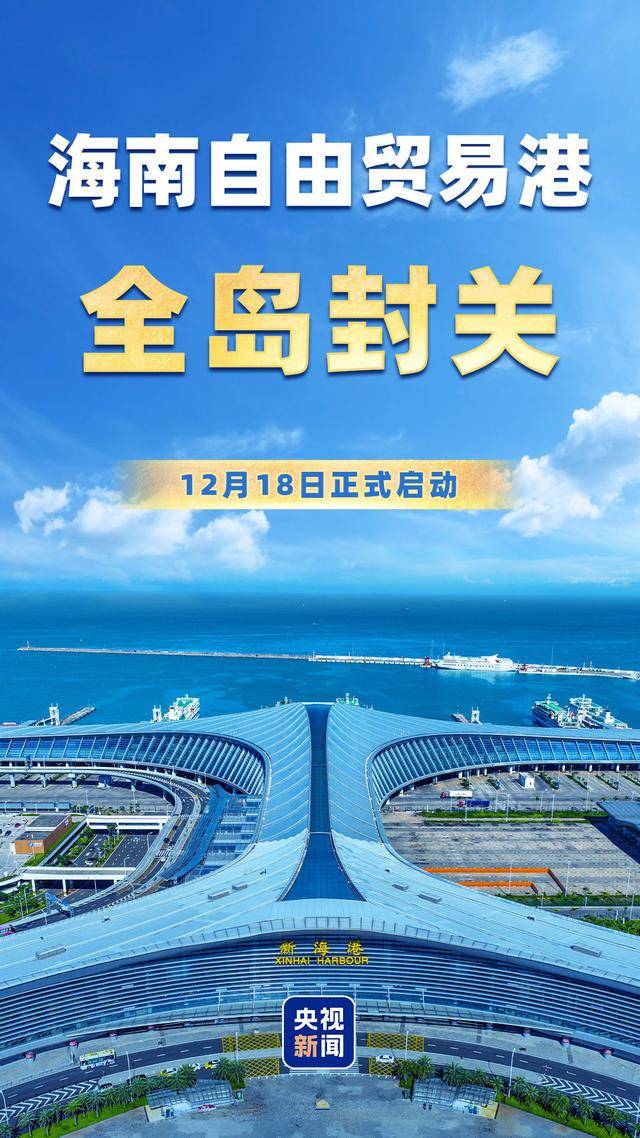
2025全球家族财富榜出炉:沃尔顿家族以5134亿美元稳居第一
3 6 Ke· 2025-12-18 07:48
Group 1 - The Walton family, founders of Walmart, tops the global wealth list with a net worth of $513.4 billion, marking the first time their wealth exceeds $500 billion [1][7] - The total wealth of the top 25 richest families globally increased by $358.7 billion over the past year, reaching a combined net worth of $2.9 trillion [2] - The entry threshold for the list reached a historical high of $46.4 billion, an increase of $9.7 billion from the previous year [2] Group 2 - Walmart generated $681 billion in revenue from over 10,750 stores worldwide in the last fiscal year, serving 270 million customers weekly [4] - The Al Nahyan family, ruling in the UAE, has significant control over the country's oil wealth and has diversified investments, including in AI [6][9] - The Koch family, through Koch Industries, has a revenue of approximately $125 billion, managing their wealth through a family office [17][24] Group 3 - The Mars family, known for their candy and pet care products, has a wealth of $143.4 billion, with pet care now accounting for over half of their revenue [20][25] - The Ambani family, controlling Reliance Industries, has a net worth of $105.6 billion, with significant assets in oil refining [23][26] - The Ferrero family, with a wealth of $54.9 billion, has expanded their business through acquisitions, including the purchase of Kellogg's US candy business [57][60]


今起海南自贸港全岛封关:不是“封岛”是“开港”,74%零关税背后的开放新局
Sou Hu Cai Jing· 2025-12-18 07:25
Core Viewpoint - The launch of the "electronic fence" system marks a historic moment for Hainan Free Trade Port, transitioning to a fully operational closed-off system that facilitates the flow of people, goods, capital, and data, representing a new model of institutional openness in China [1][4] Policy Benefits - The number of zero-tariff goods has expanded from 1,900 to 6,600, covering 74% of products, with a negative list management system implemented [3] - The "dual 15%" income tax incentives for enterprises and high-end talent have been fully implemented, significantly reducing the corporate tax rate from 25% to 15% for encouraged industries [3] - Goods with over 30% value-added can enter the mainland duty-free, and a visa-free entry policy for citizens from 86 countries has been officially enacted [3] Tax and Regulatory Framework - The core tax and regulatory documents, including the "Hainan Free Trade Port Import Tax Product Directory," came into effect on the first day of closure, clarifying the "gold content" and "conditional limitations" of policy benefits [3] - Specific conditions for tax incentives include the requirement for businesses to belong to one of 14 categories of encouraged industries and to meet operational criteria [3] Consumer Impact - While zero tariffs are expected to provide benefits, consumers should be cautious of potential price traps; for example, a Mercedes-Benz C-Class may save approximately 88,500 yuan in taxes but incurs additional costs if transported to the mainland [3] - Certain consumer goods, such as infant formula and health products, are projected to see price reductions of 15%-20% post-closure [3] Technological Innovations in Regulation - The implementation of the "electronic fence" system enhances regulatory capabilities, utilizing satellite and ground sensors for precise monitoring of goods flow [3] - The efficiency of customs clearance has significantly improved, with a reported 72% increase in processing speed for imported goods [3] International Perspective - Hainan's closure operation has garnered global attention, with comparisons to Miami and recognition as a significant step in China's openness [3][4] - The tax policies and regulatory framework in Hainan are positioned as competitive with established free ports like Hong Kong and Singapore, showcasing a unique institutional advantage [3][4] Future Outlook - The closure is seen as a new starting point for institutional openness, with plans for further development of the free trade port by 2035 and full establishment by the mid-21st century [4] - The introduction of 33 new encouraged industry categories in 2025 presents new opportunities for entrepreneurs in cross-border e-commerce and bonded maintenance sectors [4]