
支付

Search documents
PayPal(PYPL.US)一月内三遭评级下调 大摩也加入看空阵营
智通财经网· 2025-12-19 03:28
Core Viewpoint - PayPal has faced a downgrade in ratings from analysts for the third time this month, primarily due to slow progress in improving its brand payment integration features, which has not effectively driven user growth as expected [1] Group 1: Analyst Downgrades - Morgan Stanley downgraded PayPal's rating from "Neutral" to "Underweight" due to concerns over the complexity and time required for brand payment integration improvements [1] - Bank of America Securities also lowered its rating, agreeing with the assessment of slow recovery in PayPal's brand payment growth [1] - JPMorgan had previously downgraded PayPal's rating earlier in the month [1] Group 2: Challenges Ahead - Analyst James Faucette highlighted that PayPal faces additional challenges before 2026, including slow profitability progress with its younger user base, Venmo, and potential narrative risks from "smart e-commerce" developments [1] - The report indicates that due to slowing growth, there is an increasing risk of downward adjustments to PayPal's earnings per share, as the company is expected to continue investing to address these challenges and mitigate market share loss through marketing efforts [1] Group 3: Financial Management - PayPal's CFO Jamie Miller stated that the company is managing operational expenses with a high level of discipline to support growth, while maintaining strong free cash flow performance [1]

中国移动支付世界第一,欧美却还用现金?为何欧美不用移动支付?
Sou Hu Cai Jing· 2025-12-18 23:15
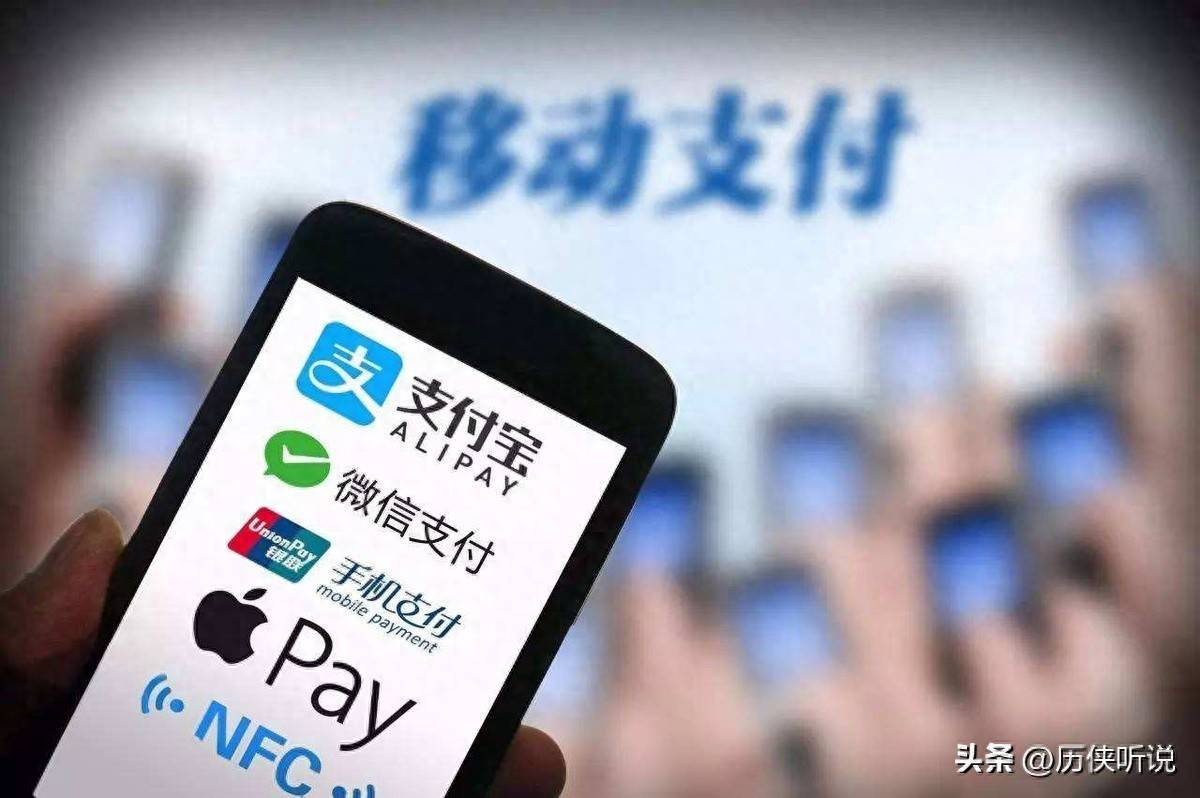
Core Viewpoint - The widespread adoption of mobile payment in China contrasts sharply with its limited use in developed countries, primarily due to concerns over data security and privacy, as well as entrenched payment habits and infrastructure issues [1][11][19]. Group 1: Data Security and Privacy Concerns - In developed countries, data security and privacy protection are major public concerns, leading to higher operational costs and legal risks for payment institutions [3]. - A data breach incident in the EU resulted in the exposure of personal information for approximately 1.2 million users, significantly eroding consumer trust in mobile payments [5]. - Continuous reports of mobile payment fraud and data breaches heighten the sensitivity around financial and personal data protection in developed nations [7]. Group 2: Infrastructure and Technological Limitations - The lack of stable network infrastructure in some developed regions, particularly rural areas, hampers the reliability of mobile payment systems [13]. - Users often experience failed transactions due to unstable signals, reinforcing the reliance on cash payments in these areas [13]. Group 3: Established Payment Habits - Consumers in developed countries have long-standing habits of using credit cards and cash, which creates a barrier to adopting mobile payment systems [15]. - Small businesses may be reluctant to invest in mobile payment technology, preferring the simplicity and lower costs associated with cash transactions [15]. Group 4: Industry Resistance and Economic Interests - The credit card industry in the U.S. generates over $80 billion annually, with a significant portion derived from transaction fees, leading to resistance against mobile payment adoption [19]. - German banks express concerns that mobile payments could disrupt the existing financial system, resulting in a lack of proactive support for mobile payment technologies [21]. Group 5: Comparative Analysis with China - In China, mobile payment has rapidly penetrated various sectors, supported by a cooperative mechanism between banks and third-party payment platforms, facilitating widespread adoption [23]. - The Chinese government has implemented measures to ensure that the promotion of mobile payment does not disrupt financial order while protecting user rights [23]. - Continuous improvements in addressing risks associated with mobile payments, such as fraud and data breaches, are being made in China, including the establishment of compensation funds and risk monitoring systems [27].


2026年商业与支付趋势报告(英文版)-Global Payments
Sou Hu Cai Jing· 2025-12-18 02:36
Core Insights - The report highlights that AI empowerment, scenario integration, and technological innovation are the core forces driving industry transformation, reshaping the commercial payment ecosystem with six major trends [1] Group 1: AI-Enabled Commerce - AI shopping agents are emerging as a new growth point, with 87% of businesses aware of them, particularly in retail (25% familiarity). These agents can reduce e-commerce cart abandonment rates by 66%, potentially generating an additional $240 billion in global e-commerce revenue [2] - Concerns regarding security fraud, dispute resolution, and algorithmic bias persist, with 42% of businesses expressing worries, and only 11% of consumers currently allowing AI agents to complete payments [2] Group 2: POS Revolution - Mobile POS and cloud systems are becoming mainstream, with 85% of mid-sized U.S. retailers relying on mobile POS solutions. Modern POS systems integrate real-time data analytics (57% prioritize this), inventory management, and CRM functionalities [3] - Biometric technologies are widely adopted, enhancing efficiency and security, with some restaurants achieving the capability to serve 40 cars in 15 minutes through voice ordering. However, system integration remains a significant pain point, with 32% of businesses citing it [3] Group 3: Embedded Finance - The embedded finance market is projected to reach $92 billion in 2024 and $228 billion by 2028, with "buy now, pay later" (BNPL) being a core application. 51% of retail businesses report revenue increases of over 25% from BNPL [4] - 71% of businesses express interest in integrating AI for real-time credit assessment and fraud detection, with significant regional differences in adoption rates [4] Group 4: Instant Payments - 31% of businesses have adopted instant payments, surpassing embedded finance (10%) and self-service technologies (5%). Key use cases include consumer refunds (72%) and gig worker payments (63% in Asia-Pacific) [5] - The rapid development of global real-time payment systems like FedNow (U.S.), UPI (India), and PIX (Brazil) is noted, although cross-border payments face limitations due to SWIFT processes [5] Group 5: Rise of Stablecoins - Stablecoins are gaining attention for their low volatility and cost advantages, with 72% acceptance among North American businesses. Large enterprises prefer them for cross-border payments and currency hedging [6] - Regulatory challenges and transparency issues hinder adoption, with stablecoins currently accounting for less than 1% of global transfer volumes [6] Group 6: Self-Service Payments - Self-service payment scenarios are expanding, with 83% of businesses planning to increase automation in the next two years. Technologies like smart kiosks and unmanned checkouts are enhancing transaction efficiency, leading to a 20% increase in order amounts at McDonald's [7] - Adoption rates vary significantly by region, with Asia-Pacific (100%) and Europe (94%) leading, while North America (79%) and Latin America (38%) lag behind [7] Conclusion - The commercial payment industry in 2026 is characterized by "technology-driven, scenario integration, and security-first" features. Businesses need to focus on technology integration and compliance management, aligning with core trends like AI agents and embedded finance to achieve efficiency and experience optimization [7]


2家机构还在整改!违规金融App,最新通报!
券商中国· 2025-12-17 09:58
Core Viewpoint - The article discusses the self-regulatory inspection results of mobile financial apps conducted by the China Internet Finance Association, highlighting compliance issues and the progress of rectification among various financial institutions [1][5]. Group 1: Rectification Progress - As of December 16, five institutions have completed rectification for their respective apps, including:掌上紫金, 银盛通, 本溪银行, 黑龙江农信, and 黄河银行 [2][3]. - Three institutions have basically completed rectification, namely: 宁夏银行, 哈密市商业银行, and 泰康在线, with their corresponding apps being 宁夏银行, 哈密市商业银行, and 泰康在线 [2][3]. - Two institutions are still in the process of rectification: 韩亚银行 and 国华人寿, with their apps being 韩亚银行 and 国华人寿 [2][3]. Group 2: Issues Identified - The self-regulatory inspection identified major issues in three areas: personal information protection, security protection, and data security [6]. - In the area of personal information protection, significant violations were found, including the lack of clear rules for collecting and using personal information, and failure to obtain user consent before data collection [7][8][9]. - Security protection issues were noted in identity authentication, logical security, and password management, such as displaying sensitive information like names and bank card numbers without masking [9]. Group 3: Industry Context - The financial sector is increasingly reliant on big data for user profiling and targeted marketing, raising concerns about excessive personal information collection and compliance risks [10]. - Public awareness regarding the protection of biometric data, such as facial recognition, remains low, with many consumers prioritizing convenience over privacy [11].

Visa(V.US)联合Circle(CRCL.US)为美国银行提供稳定币结算
Zhi Tong Cai Jing· 2025-12-17 03:41
Core Insights - Visa has announced that it will allow U.S. banks and fintech companies to use Circle Internet Group's USDC stablecoin for settlement transactions, integrating blockchain and stablecoins into the traditional financial system amid a supportive regulatory environment [1] - The initial banks participating in this service include Cross River Bank and Lead Bank, which have begun settling transactions with Visa using USDC on the Solana blockchain, with plans to expand to more U.S. institutions by 2026 [1] - Visa is also a design partner for Circle's new blockchain, Arc, which is currently in public testing, and will use Arc for USDC settlements once it goes live [1] - Circle's stock rose nearly 10% following the announcement, reflecting positive market sentiment [1] Group 1 - Visa's global head of growth products and strategic partnerships, Rubail Birwadker, stated that financial institutions are seeking faster, programmable settlement methods that seamlessly integrate with existing operations [2] - The introduction of USDC settlements has led Visa to launch a "stablecoin consulting business" to provide insights and advice on market fit, strategy, and implementation for banks, fintech companies, merchants, and enterprises [2] - Visa and its competitor Mastercard are exploring stablecoin applications to enhance payment efficiency rather than being disrupted by the technology originally intended for decentralized finance [2] Group 2 - Last month, Ripple partnered with Mastercard and Gemini Space Station to pilot stablecoin settlements on the XRPL [3] - In October, reports indicated that Mastercard was in advanced talks to acquire the crypto and stablecoin infrastructure company Zero Hash [3]


新版人民币已经落地,纸币会消失吗?苏州率先试行6年揭晓答案
Sou Hu Cai Jing· 2025-12-17 02:48
Core Viewpoint - The emergence of digital RMB (DC/EP) is not intended to eliminate cash but to coexist with it, providing a more convenient and secure payment option while maintaining the traditional cash system [4][11]. Group 1: Digital RMB Overview - Digital RMB is an electronic form of legal currency issued by the central bank and operated by commercial banks, allowing citizens to use it through bank accounts or digital wallets [3]. - The pilot program for digital RMB began in 2020 in cities like Suzhou, integrating into daily life with various payment applications [4]. - As of August 2024, over 180 million personal wallets for digital RMB have been opened, with transaction counts exceeding 360 million and total transaction amounts surpassing 7.3 trillion RMB [4]. Group 2: Relationship Between Digital RMB and Cash - The central bank's goal for digital RMB is to replace M0, which refers to cash in circulation, but this does not imply the complete elimination of cash [4][8]. - Cash will remain necessary for individuals who do not have access to smartphones or digital payment methods, particularly the elderly and those in remote areas [5]. - Digital RMB is designed to enhance payment convenience and security without completely replacing cash, allowing for a diversified payment ecosystem [8][11]. Group 3: Global Context and Historical Perspective - Many countries are developing their own central bank digital currencies (CBDCs), such as the digital dollar in the US and the digital euro in Europe, with no intention of completely abolishing cash [8]. - The evolution of currency has historically involved transitional periods, and the gradual decline of cash is expected to be a long-term process rather than an immediate shift [9]. Group 4: Current Payment Landscape - In Suzhou, despite the widespread adoption of digital RMB, cash transactions remain common, especially in local markets and among older populations [7][11]. - The coexistence of digital RMB and cash is seen as a healthy transition, providing consumers with multiple payment options based on their preferences [11].

“美版支付宝”申请成立银行
3 6 Ke· 2025-12-17 02:24
Core Viewpoint - PayPal has submitted an application to become a bank, aiming to enhance its ability to provide commercial loan solutions to small businesses in the U.S. and reduce reliance on third-party institutions [1][3]. Group 1: Company Initiatives - PayPal Holdings, Inc. announced its application to establish a Utah-chartered Industrial Loan Company (ILC) named "PayPal Bank" [1]. - The establishment of PayPal Bank is expected to improve operational efficiency and strengthen PayPal's business capabilities, particularly in supporting small business growth [3]. - PayPal has provided over $30 billion in loans and working capital to more than 420,000 business accounts globally since 2013, addressing funding gaps for small businesses [3]. Group 2: Services Offered - In addition to small business loan solutions, PayPal Bank plans to offer interest-bearing savings accounts to customers [3]. - PayPal Bank aims to directly join U.S. card organizations to complement its payment processing and settlement services conducted through existing banking relationships [3]. Group 3: Regulatory Environment - The application for a banking license comes amid a trend of increased applications for bank charters in the U.S. due to a more favorable regulatory environment since the beginning of the Trump administration [3]. - Recent approvals by the Office of the Comptroller of the Currency (OCC) for cryptocurrency companies like Ripple and Circle to establish national trust banks may further integrate digital assets into the banking system [3].
中国支付清算协会:鼓励市场主体积极参与条码支付互联互通
Bei Jing Shang Bao· 2025-12-16 11:24
Core Viewpoint - The China Payment and Clearing Association has issued an initiative to promote the healthy development of the mobile payment market, emphasizing innovation, fair competition, interoperability, and risk prevention [1] Group 1: Encouragement of Payment Innovation - The initiative encourages market participants to leverage their advantages and understand the changing needs of users and merchants, leading to continuous innovation in payment products and services [1] - It calls for increased investment in innovation while ensuring compliance with laws and regulations, aiming to optimize mobile payment offerings for consumers and merchants [1] Group 2: Maintenance of Fair Competition - Market participants are urged to strictly adhere to the Anti-Unfair Competition Law of the People's Republic of China to maintain a fair competitive market order [1] - The initiative promotes equal collaboration among businesses and encourages product innovation and technological upgrades to enhance competitiveness [1] - It prohibits practices that restrict the display of other legitimate payment products or limit business cooperation among market entities [1] Group 3: Promotion of Interoperability - The initiative encourages active participation in barcode payment interoperability, advocating for an open and equal acceptance network across various scenarios [1] - It aims to build an interconnected mobile payment industry ecosystem and contribute to the establishment of a unified domestic market [1] Group 4: Strengthening Risk Prevention - Market participants are advised to adhere to innovation while maintaining regulatory compliance, utilizing technologies like big data and artificial intelligence to enhance risk prevention capabilities [1] - The initiative emphasizes the importance of joint risk prevention and control, explicitly stating that payment channels must not be provided for illegal transactions [1]
Visa高管:2026年将是“AI导购”元年
美股研究社· 2025-12-16 10:11
Core Viewpoint - The article discusses the anticipated mainstream adoption of AI-assisted shopping by 2026, driven by collaborations between payment giants and AI companies [6][8]. Group 1: AI-Assisted Shopping - Oliver Jenkyn, President of Visa's Global Market Group, predicts that AI-assisted shopping will become a part of everyday life by 2026, with interactive shopping through platforms like ChatGPT transitioning from niche to mainstream [6][8]. - The shift from "AI-assisted decision-making" to "Agentic Commerce," where AI fully manages payments and purchases, will take time due to consumer psychological barriers [8]. Group 2: Consumer Behavior - Current obstacles to adopting AI for shopping are not technological but rather stem from consumer habits, as many users prefer to maintain control over final payment decisions [8]. - Standardized and frequently purchased items, such as laundry detergent and coffee creamer, are expected to be the first categories where AI can successfully manage orders autonomously [8]. Group 3: Payment Giants' Strategies - In response to the upcoming paradigm shift, global payment giants are accelerating their positioning to capture consumer attention as they transition to chatbots as new entry points [10]. - Visa is engaging with all major industry players, while Mastercard has partnered with Microsoft, and PayPal has signed an agreement with OpenAI to integrate its digital wallet into OpenAI's chatbot [10].

中企“出海”面临系统重构,如何规避合规风险
第一财经· 2025-12-16 05:14
Core Viewpoint - Chinese enterprises are undergoing a transformation in their internationalization process, evolving from low-value manufacturing to product export and now to brand globalization, which presents new challenges in compliance and market adaptation [3]. Group 1: System Reconstruction and Core Logic Changes - The shift in internationalization requires a comprehensive "system reconstruction" across three dimensions: moving from "single store output" to "platform-driven," from "experience-based decision-making" to "data-driven decision-making," and from "individual operations" to "ecosystem collaboration" [5]. - Companies must ensure smooth flows of capital, information, and logistics in foreign markets, which demands enhanced platform coordination and compliance capabilities [5]. - The current logic of "going global" emphasizes high value through brand and innovation, integrating cultural elements and local adaptations rather than relying solely on low-cost manufacturing [6][7]. Group 2: Compliance Risk Management - The challenges faced by Chinese companies in international markets vary significantly by region, with compliance and operational hurdles being prominent [9]. - For instance, regulatory requirements in the U.S. have extended the approval and renovation periods for new stores, while markets like Malaysia and Thailand allow for quicker expansion but present their own local operational challenges [9][10]. - Successful international expansion hinges on adapting management practices to local conditions and leveraging digital tools to optimize supply chains [10]. Group 3: Digitalization and Market Adaptation - The need for a unified digital management system is critical for managing consumer behavior, cash flow, and supply chain operations across different markets [11]. - The penetration of online ordering and electronic payments in Southeast Asia remains low, complicating the integration of local payment systems for cross-border operations [11]. - New Chinese retail and restaurant brands are leveraging their inherent digital capabilities and robust supply chain systems to establish themselves as potential global leaders [12].
