娱乐

Search documents
广西南宁推出“惠聚东博·邕城有礼”促消费措施
Zhong Guo Xin Wen Wang· 2025-09-12 08:07
Core Points - The 22nd China-ASEAN Expo will be held from September 17 to 21 in Nanning, Guangxi, with various measures to enhance the experience for domestic and international guests [1] Group 1: Accommodation and Dining - Discounts on accommodation and dining are offered during the expo period, with a 10% discount at 126 hotels and a 20% discount on dining (excluding beverages) [1][2] - Special discounts of 30% on accommodation are available for three days before and seven days after the expo [1] Group 2: Tourism and Cultural Experiences - Various scenic spots and cultural institutions will offer 50% off the first ticket for attendees from September 14 to 28 [2][3] - Local cuisine will be available at a 50% discount at designated restaurants for attendees [2] Group 3: Shopping and Entertainment - Attendees can enjoy a 10% discount on department store purchases and 5% off on specific electronics from September 14 to 28 [3] - Movie tickets will be available at 40% off, along with 50% off on selected snacks at participating cinemas during the same period [3] Group 4: Transportation and Promotions - The expo will encourage promotional activities in commercial areas and enhance public transport services, including extended metro hours and special bus routes [4]
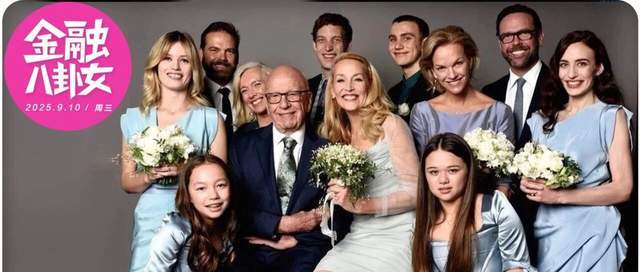
94岁富豪终结继承战!邓文迪女儿成赢家,33亿“踢走”三子女?
Sou Hu Cai Jing· 2025-09-10 06:10
Group 1 - The core point of the article is the restructuring of Rupert Murdoch's family trust, which now benefits his son Lachlan and the two daughters of Wendi Deng, while excluding his eldest daughter Prudence, second daughter Elizabeth, and youngest son James, who each receive $1.1 billion as compensation [2][6][20] - The new trust arrangement comes after a lengthy legal battle, with the court rejecting Murdoch's attempt to modify an irrevocable trust established in 1999 that granted equal control to his four children from his second marriage [4][5][6] - The new trust will hold significant voting shares in Fox Corporation and News Corp, giving Lachlan absolute control over the media empire, while the excluded siblings receive cash compensation funded by the sale of shares [6][20] Group 2 - The article outlines the background of Murdoch's family dynamics, including his five marriages and six children, which have influenced the current trust structure and inheritance disputes [2][4][12] - Lachlan Murdoch's rise to power is attributed to his long-standing relationship with his father and his ability to adapt to the family's "jungle law," while his siblings have had varying degrees of involvement and recognition within the family business [9][11][12] - The article highlights the financial implications of the new trust, with a total compensation of $3.3 billion for the excluded siblings, and the ongoing profitability of the media empire, which reported significant revenues and profits in recent years [20][21]


5家消费公司拿到新钱;珀莱雅独家投资国货彩妆品牌花知晓;茉莉奶白和上美影达成联名|创投大视野
36氪未来消费· 2025-09-06 10:48
Group 1 - Huazhixiao, a domestic cosmetics brand, completed a Series B financing round exclusively invested by Proya, aimed at global expansion and supply chain integration [3] - Wei Yi Culture, focusing on immersive panoramic entertainment experiences, secured a multi-million angel round financing to develop key projects and operate its own IP [4] - Craft beer brand TAGSIU raised nearly 10 million in a Pre-A round to expand its retail channels and supply chain [7] Group 2 - INS New Park, a nightlife complex, raised nearly 300 million in Series A funding, achieving a post-investment valuation of 2.6 billion [8] - Health drink brand Haojise received strategic investment from Guoyang Fund, focusing on health food products [9] - ByteDance issued stock options to its Seed department employees, with monthly values ranging from 90,000 to 135,000 yuan, indicating a strong focus on AI business [10] Group 3 - Xiaohongshu is expected to double its annual profit to 3 billion USD, with a valuation reaching 31 billion USD, positioning it as a leader in the visual social platform sector [12] - LeKe, a fitness brand, ranked fifth globally in store count, with over 14 million registered members, reflecting a growing trend in affordable fitness options [14][15] - Pet service brand Pet Home announced its paid membership exceeded 100,000 within five months, indicating a positive trend in the pet economy [18] Group 4 - The summer box office in 2025 reached 11.943 billion yuan, surpassing the previous year's performance [22] - The global market for smart home cleaning robots saw a shipment of 15.352 million units in the first half of the year, a 33% increase year-on-year [23] - The AR market is expected to grow significantly, with global shipments projected to reach 600,000 units by 2025, driven by new product launches and decreasing prices [24]

港股午评|恒生指数早盘涨0.62% 恒生生物科技指数续涨3.1%
Zhi Tong Cai Jing· 2025-09-05 04:08
Group 1: Market Overview - The Hang Seng Index rose by 0.62%, while the Hang Seng Tech Index increased by 0.82%, with a total turnover of HKD 124.6 billion in the morning session [1] - The Hang Seng Biotechnology Index surged by 3.1%, driven by optimism in the innovative drug sector ahead of the 2025 World Lung Cancer Conference, indicating potential for valuation recovery [1] Group 2: Company Performances - Three-Six Pharmaceutical (01530) saw a significant increase of 9.6% [1] - Hengrui Medicine-B (02142) rose by 5.82% [1] - Hutchison China MediTech (00013) increased by 6% [1] - United Laboratories (03933) gained 5% [1] - WuXi Biologics (02269) rose by 4.17% [1] Group 3: Other Notable Stocks - Chow Tai Fook (06168) surged over 13% as the gold consumption market enters a peak season, with expectations of inclusion in the Hong Kong Stock Connect [2] - FunPlus (09890) increased by over 5% after completing a name change and upgrading its overseas brand integration, with a higher proportion of overseas revenue in the first half [2] - Lehua Entertainment (02306) rose by 16%, with a nearly 90% year-on-year increase in interim profit attributable to shareholders, expanding monetization channels for its trendy IP [3] - UBTECH Robotics (09880) increased by 3%, with humanoid robot orders reaching CNY 400 million and securing a USD 1 billion strategic investment from a Middle Eastern fund [4] - Mobi Development (01860) surged over 12%, hitting a historical high with a cumulative increase of over 110% this year [5] - Goldwind Technology (02208) rose over 10%, reaching a new high as the wind power sector experiences accelerated growth, leading the industry in gross margin improvement [5] - Zhongshen Jianye (02503) experienced a significant drop, falling over 74% to a historical low, with a loss of CNY 11.81 million in the first half [5]
361度与“最快女护士”马拉松跑者已解约;苹果首款折叠iPhone明年出货量或达千万台;传字节对大模型方向加码期权激励丨邦早报
创业邦· 2025-09-04 00:12
Group 1 - 361 Degrees has terminated its partnership with marathon runner Zhang Shuihua due to adjustments in both parties' development paths, emphasizing a long-term collaboration philosophy [3] - Anthropic has raised $13 billion in a new funding round, bringing its valuation to $183 billion, nearly tripling since the beginning of the year [5] - Gu Ming, an analyst, predicts that Apple's first foldable iPhone will sell between 8 to 10 million units in 2026, with potential growth to 25 million units in 2027 [14] Group 2 - Zero Run Auto has completed a domestic stock issuance, raising a total of 2.6 billion yuan [12] - Starbucks plans to launch an AI inventory management system in over 11,000 stores in North America by the end of September [12] - SAP intends to invest over 20 billion euros in a "sovereign cloud" to support AI development in Europe over the next decade [12] Group 3 - Tesla's sales in major European electric vehicle markets have continued to decline, with an August registration drop of 39% and a year-to-date decrease of 56% [12] - The global smart home cleaning robot market saw a 33% year-on-year increase in shipments in the first half of the year, totaling 15.35 million units [20] - The Chinese passenger car new energy market retail sales reached 1.079 million units in August, a 5% year-on-year increase [21]



“漫话”年轻人消费的“心头好”
Xin Hua Wang· 2025-09-01 11:10
Group 1 - The summer consumption trends among young people reflect a vibrant market, with activities ranging from "post-exam economy" to red-themed educational experiences [1] - Young individuals are engaging in red-themed study activities at museums and memorials, fostering a sense of national pride and historical awareness [2] - There is a notable increase in young people participating in grassroots social practices and community activities, stepping out of their comfort zones for personal growth [3] Group 2 - Many young people are focusing on skill enhancement during the summer, such as obtaining driving licenses, learning dance, and improving painting skills, contributing to a unique training consumption market [4][5] - Post-exam young individuals are actively participating in fitness activities, sports, and outdoor adventures, aiming to improve their physical health and overall well-being [6] - Traveling with family and friends is seen as a reward for hard work and a means of stress relief, serving as a therapeutic journey for young people [8] Group 3 - Young people are immersing themselves in live music events, transforming personal enjoyment into collective experiences, which enhances their sense of community and self-expression [9] - Spending on pets is viewed as a worthwhile investment for emotional healing, as companionship with pets provides comfort and therapeutic benefits [10][11]

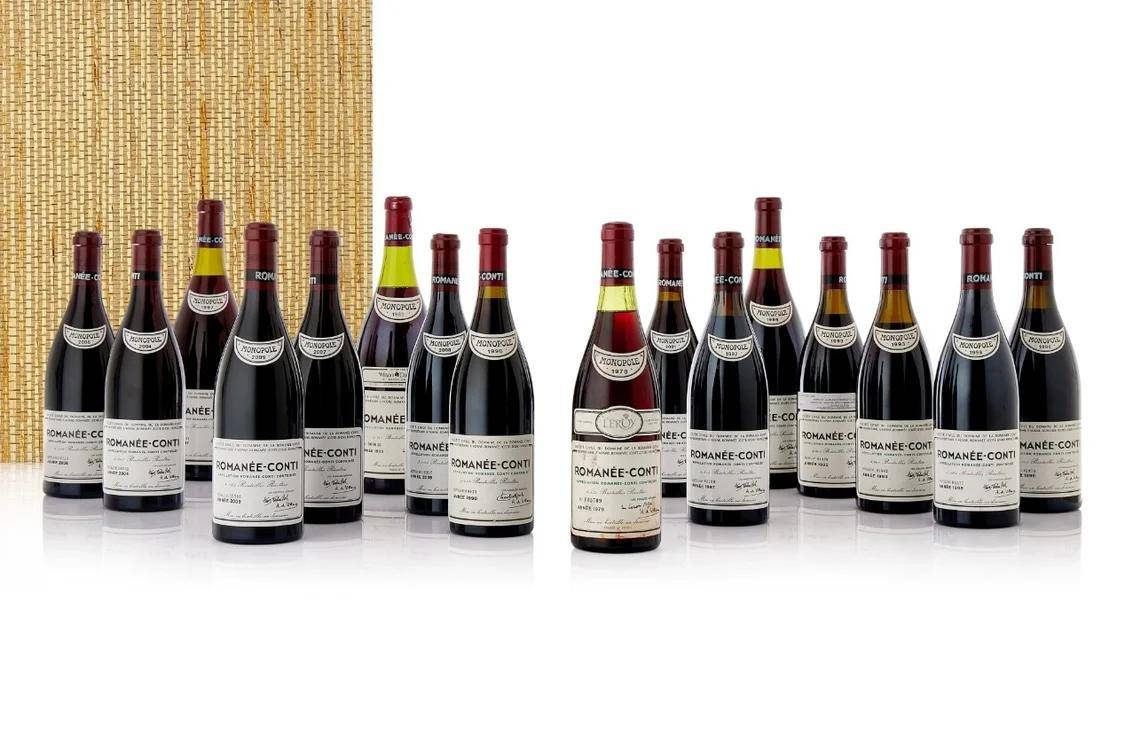
英皇深陷债务危机 老板杨受成拍卖价值千万港元的葡萄酒
Sou Hu Cai Jing· 2025-08-30 04:47
Group 1 - Hong Kong tycoon Yang Shoucheng is set to auction a collection of fine wines valued at over HKD 10 million (approximately USD 1.3 million) through Sotheby's on September 10 [1] - The collection, named "Dr. Yang Shoucheng's Supreme Cellar," includes 426 bottles from prestigious wineries such as Romanee-Conti, Petrus, and Palmer [1][3] - Sotheby's Asia head of wine, George Lacey, emphasized that the collection is not about quantity but focuses on the finest treasures in the wine world, showcasing Dr. Yang's meticulous selection [3] Group 2 - Emperor Group, led by Yang Shoucheng, operates in various sectors including real estate, watches and jewelry, entertainment, and financial services [3] - The group's listed real estate company, Emperor International, disclosed in June that as of March 31, it had overdue bank borrowings totaling HKD 16.6 billion and had violated certain loan agreement terms [3] - Bloomberg reported that the developer has submitted a revised debt restructuring proposal to some lenders, seeking to extend the maturity of its bank loans [3]
陆庆娱乐(08052)发布中期业绩,股东应占溢利747.6万港元 同比扭亏为盈
智通财经网· 2025-08-29 16:02
Group 1 - The company reported revenue of HKD 30.038 million for the six months ending June 30, 2025, representing a year-on-year decrease of 28.9% [1] - The profit attributable to the company's owners was HKD 7.476 million, a significant improvement from a loss of HKD 2.732 million in the same period last year [1] - Earnings per share were HKD 0.0136 [1]
A股中报进度跟踪:哪些行业净利润在修复
Changjiang Securities· 2025-08-28 05:22
- The report tracks the progress of mid-year financial disclosures for A-shares, noting that as of August 27, 2025, the disclosure rate is approximately 73%, which is higher than the same period from 2022 to 2024[1][3][11] - Industries with high net profit growth include agricultural products, media and internet, metal materials and mining, comprehensive finance, and electronics[1][5][17] - Secondary industries with high net profit growth include poultry farming, fiberglass and products, diversified consumer goods trade, entertainment, and rare earth magnetic materials[1][5][17] - The highest disclosure rates among primary industries are building products (85%), coal (84%), testing services (83%), oil and petrochemicals (81%), and metal materials and mining (81%)[4][15] - The lowest disclosure rates among primary industries are real estate (58%), construction engineering (57%), insurance (50%), comprehensive finance (46%), and banking (38%)[4][15]
今年上半年北京新增469家首店 Labubu成为“全球顶流”
Sou Hu Cai Jing· 2025-08-28 00:11
Core Insights - Beijing is actively promoting the construction of an international consumption center city, guided by the "Four Centers" urban strategy and aimed at expanding domestic demand and improving people's livelihoods [2][3] Policy Initiatives - Beijing has introduced numerous consumer promotion policies this year, focusing on addressing bottlenecks and enhancing urban charm through over 20 policies in fashion, culture, ice and snow, and dining sectors [2] - The city has implemented a trade-in policy for automobiles, home appliances, and digital products, with nearly 7,000 participating stores in the home appliance category, tripling from last year, and monthly sales subsidies for home appliances and smart home products doubling compared to the previous year [2] Infrastructure Development - Over the past three years, Beijing has opened an average of 1.5 million square meters of new commercial facilities annually, with notable openings this year including the Super Hypermarket and Zhongguancun Mall [2] - A new one-stop commercial complex, the Bayli project, covering nearly 500,000 square meters, is set to launch in December, featuring outlets, vacation towns, and hotels [2] Consumer Experience Enhancement - Beijing is expanding the integration of culture, commerce, tourism, and sports, with over 1,100 large-scale events organized in the first half of the year [3] - The National Stadium, known as the "Bird's Nest," is hosting a star performance season, with expected record attendance for performances [3] - The city is optimizing the consumption environment by removing regulatory barriers, such as exempting temporary commercial activities from fire safety approvals [3] Future Plans - The city aims to continue advancing the construction of an international consumption center city, ensuring a more comfortable consumption experience and improved quality of life for residents [3]