家电

Search documents
格力电器(000651.SZ)第一大股东珠海明骏拟减持不超2%股份
智通财经网· 2026-02-25 13:14
智通财经APP讯,格力电器(000651.SZ)公告,公司第一大股东珠海明骏投资合伙企业(有限合伙)(简 称"珠海明骏")拟自本公告披露之日起15个交易日后的3个月内以大宗交易方式减持公司股份不超过1.12 亿股(不超过公司剔除回购专用账户股份后的总股本的2%),减持资金将用于偿还银行贷款。 ...

精准施策聚合力,激活消费新动能
Qi Lu Wan Bao· 2026-02-25 12:58
Group 1 - The core viewpoint emphasizes that consumption is fundamental to economic growth and essential for improving people's livelihoods, with a focus on boosting consumer confidence and releasing consumption potential in Jining [1] - The "Spring Festival Consumption Season" and "Canal Grand Market" activities aim to create a vibrant consumption atmosphere with monthly themes and seasonal features to meet diverse consumer needs [1] - Jining is leveraging policy guidance, innovative scenarios, and integrated business models to stimulate market vitality and ensure that consumer benefits reach the public [1] Group 2 - The upgrade in consumption reflects the public's demand for high-quality and diverse consumption scenarios, leading to the integration of commerce, culture, tourism, and sports [2] - Major projects in the cultural and tourism consumption sector, such as Nishi Mountain Sacred Place and Liangshan Water Margin, are operational and utilize promotional strategies to convert event traffic into consumer growth [2] - New consumption initiatives, including live-streaming e-commerce festivals and online New Year goods festivals, are enhancing the online sales of "Jining Good Products" and promoting the city as a culinary destination [2]
格力电器(000651.SZ):珠海明骏拟减持不超过2%股份
Xin Lang Cai Jing· 2026-02-25 12:52
格隆汇2月25日丨格力电器(000651.SZ)公布,第一大股东珠海明骏投资合伙企业(有限合伙)(简 称"珠海明骏")的《上市公司股东股份减持计划告知函》,珠海明骏拟自本公告披露之日起15个交易日 后的3个月内以大宗交易方式减持公司股份不超过1.12亿股(不超过公司剔除回购专用账户股份后的总 股本的2%),减持资金将用于偿还银行贷款。 ...
惠而浦:全资子公司拟认购惠而浦集团发行的普通股 股票复牌
Ge Long Hui A P P· 2026-02-25 12:43
格隆汇2月25日|惠而浦公告,公司全资子公司拟认购纽约证券交易所上市公司Whirlpool Corporation (以下简称"惠而浦集团")发行的普通股之交易,惠而浦集团计划于2026年2月25日上海证券交易所收 市前披露与本次交易有关的信息。公司2026年第一次临时董事会已审议通过《关于全资子公司对外投资 暨关联交易的议案》。公司的全资子公司广东惠而浦家电制品有限公司拟直接或通过其全资子公司,以 29,999,958美元认购惠而浦集团发行的434,782股普通股股票。公司股票于2026年2月26日(周四)开市 起复牌。 ...

格力电器第一大股东珠海明骏拟减持不超2%公司股份
Bei Jing Shang Bao· 2026-02-25 12:42
格力电器表示,本次减持计划实施存在不确定性风险,珠海明骏可能根据市场情况、公司股价情况等情 形决定是否实施本次减持计划。本次减持的股份存在被质押并办理质押登记的情形,珠海明骏减持前需 先办理部分股份解除质押手续。 交易行情显示,2月25日,格力电器收涨0.16%,收于38.49元/股,总市值2156亿元。 北京商报讯(记者 马换换 李佳雪)2月25日晚间,格力电器(000651)披露公告称,公司于近日收到第 一大股东珠海明骏投资合伙企业(有限合伙)(以下简称"珠海明骏")的《上市公司股东股份减持计划 告知函》,珠海明骏拟自公告披露之日起15个交易日后的3个月内以大宗交易方式减持公司股份不超过 1.12亿股(不超过公司剔除回购专用账户股份后的总股本的2%),减持资金将用于偿还银行贷款。 公告显示,珠海明骏持有公司股份约9.02亿股,占公司总股本的16.11%。股份来源为2020年1月23日从 格力集团以协议转让方式受让的股份。 ...
格力电器:股东珠海明骏拟减持不超过2%
Xin Lang Cai Jing· 2026-02-25 12:26
格力电器公告,第一大股东珠海明骏投资合伙企业(有限合伙)持有公司9.02亿股,占16.11%,拟自本 公告披露之日起15个交易日后的3个月内,以大宗交易方式减持不超过1.12亿股,不超过公司剔除回购 专用账户股份后的总股本的2%,减持资金将用于偿还银行贷款,减持价格区间依据减持时市场价格确 定。 ...
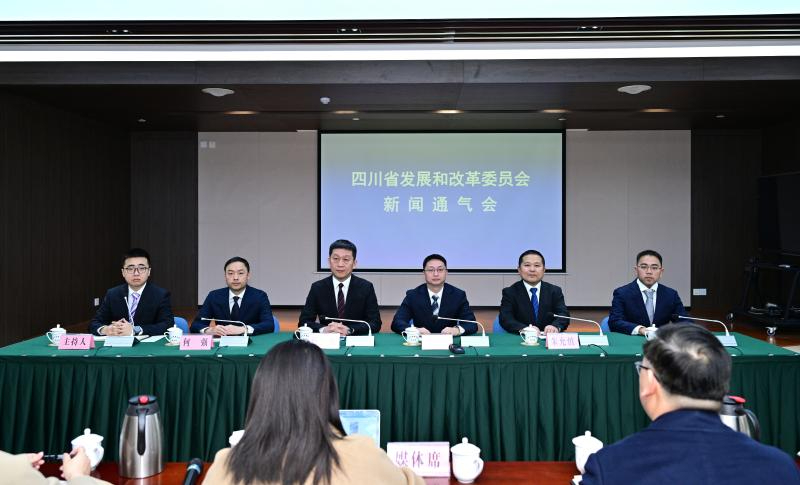
60亿省级财政加持 2026四川“两新”政策优化升级
Zhong Guo Fa Zhan Wang· 2026-02-25 11:34
Core Viewpoint - The Sichuan Provincial Development and Reform Commission has introduced a large-scale equipment update and consumer goods replacement policy for 2026, aiming to enhance consumption and investment efficiency while addressing supply-demand bottlenecks [3][4]. Group 1: Policy Overview - The policy is an upgrade from the 2025 implementation, optimizing support scope, subsidy standards, and implementation mechanisms [3][4]. - A total of 6 billion yuan will be allocated by the provincial finance to support the policy, focusing on enhancing consumption and investment [3][5]. Group 2: Achievements from 2025 - In 2025, equipment investment grew by 11.5%, while industrial and technological transformation investments increased by 7.3% and 8.4% respectively [3]. - The consumer goods replacement initiative led to approximately 13.5 million applications, driving consumption by over 167 billion yuan and benefiting over 11 million consumers [3][4]. Group 3: Key Features of the 2026 Policy - The policy emphasizes a more focused support scope, flexible subsidy standards, and convenient implementation mechanisms [4]. - New areas for equipment updates include eight directions related to livelihood, safety, and consumer infrastructure, while subsidies will target high-impact categories like automobiles and home appliances [4][5]. Group 4: Financial Support and Implementation - The provincial finance will allocate no less than 2 billion yuan annually for industrial equipment updates and technological transformations, with support for specific projects increased to 10% of equipment investment [5][6]. - The consumer goods replacement program has streamlined categories and increased subsidy amounts, with a focus on enhancing convenience for consumers [6][7]. Group 5: Automotive Replacement Policy - The automotive replacement policy features a "proportion + limit" subsidy model, with higher subsidies for new energy vehicles compared to fuel vehicles [7]. - The implementation will be managed at the municipal level, with measures in place to reduce administrative burdens and enhance regulatory oversight [7].

春节假期 家电、数码和智能产品消费增长强劲
Xin Lang Cai Jing· 2026-02-25 10:46
Core Insights - The article highlights a significant increase in the sales of home appliances, digital, and smart products during the Spring Festival, driven by government subsidies and promotional activities [1] Group 1: Sales Performance - During the 9-day Spring Festival holiday, sales of 6 categories of home appliances and 4 categories of digital and smart products reached 5.106 million units, representing a 21.7% increase compared to the previous year [1] - Offline channels accounted for 73.3% of the total sales of home appliances, digital, and smart products, indicating strong support for physical retail [1] Group 2: Consumer Trends - There is a notable surge in demand for smart products and high-quality consumption, with smart glasses being included in the subsidy program for the first time in 2026, becoming a new favorite for consumers [1] - The trend towards optimizing and upgrading consumption structures is evident, with mid-to-high-end mobile phone products making up 65.0% of sales [1]
“国补”发力:春节假期以旧换新、购新补贴产品销售增长超20%
Xin Jing Bao· 2026-02-25 10:45
Group 1 - The core viewpoint of the article highlights a significant increase in sales of home appliances and digital products during the Spring Festival holiday, with a total of 5.106 million units sold, representing a 21.7% growth compared to the previous year [1] - Offline channels accounted for 73.3% of the total sales of home appliances, digital, and smart products, indicating a strong preference for in-person shopping among consumers [1] - The introduction of new subsidy policies has stimulated consumer spending, particularly in key commercial areas like Nanjing and Guangzhou, where sales increased by over 10% year-on-year [1] Group 2 - In 2026, smart glasses will be included in the new purchase subsidy program, leading to a notable rise in inquiries and purchases of digital products in regions such as Tianjin, Chongqing, and Sichuan [1] - There is a clear trend towards the optimization and upgrading of consumption structures, with mid-to-high-end mobile phones now accounting for 65.0% of sales [1] - The average transaction value for computers, air conditioners, and televisions has seen significant growth compared to the same period last year, reflecting increased consumer spending [1]
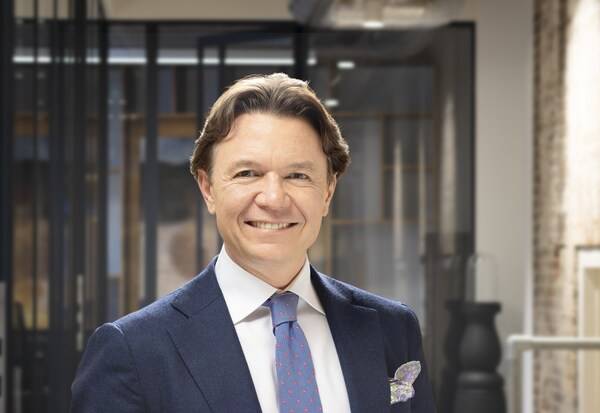
Beko宣布CEO交接
Sou Hu Cai Jing· 2026-02-25 10:42
Core Insights - Beko announces the transition of CEO Hakan Bulgurlu after 11 years, with Can Dinçer set to succeed him, emphasizing strategic continuity and sustainable development as core priorities [1][3] Leadership Transition - Hakan Bulgurlu has been with Koç Group for 32 years and will remain on the board of Beko B.V. until June 2026 to ensure a smooth transition [3] - The leadership change is based on a well-structured succession plan aimed at maintaining strategic continuity and reinforcing Beko's position as a global appliance manufacturer [3] New Leadership Experience - Can Dinçer has held various leadership roles within Beko's global operations and has a 33-year career spanning Turkey, Europe, the Americas, and Asia-Pacific [4] - Dinçer has played a key role in strengthening the company's competitive position in the Turkish market and has contributed significantly to long-term performance stability in South Asia [4] International Expansion and Sustainability - Under Bulgurlu's leadership, Beko expanded its global footprint through acquisitions and strategic partnerships, enhancing its competitive advantage in Europe and other markets [5] - Key market expansions included acquisitions in Bangladesh, Pakistan, India, and the Asia-Pacific region, along with the establishment of Beko Europe and the integration of Whirlpool's Middle East and North Africa operations [5] - Sustainability has been deeply integrated into the company's long-term strategy, aligning climate goals with international standards and continuously improving operational efficiency [5]