电动汽车

Search documents
特斯拉指控法国饮料公司恶意抢注Cybercab商标
Xin Lang Cai Jing· 2026-02-25 08:04
特斯拉表示,Unibev在申请商标时告诉美国专利商标局,"cyber"、"cab"或"cyber cab"并没有被任何人 用于类似商品,特斯拉认为这是错误的,并称自己在 2024 年就透露了这个名称,但未能及时申请商 标。 特斯拉指责Unibev抢注该商标,并表示该品牌打算向特斯拉收取该商标的费用。特斯拉在文件中还指 出,Unibev还拥有"Teslaquila"等其他商标,并申请了"Cyberquad"和"Cybertaxi"等商标。 责任编辑:于健 SF069 据电动汽车新闻网站Electrek报道,马斯克的特斯拉公司已向美国专利商标局(USPTO)提交了一份新 的申诉,针对法国饮料制造商Unibev对"Cybercab"这一商标的使用提出异议。 在向美国专利商标局提交的文件中,特斯拉对Unibev的商标提出了 5 项异议,指责该公司存在欺诈等不 当行为。 特斯拉质疑了Unibev使用该商标的意图,因为该公司并无制造或销售车辆的历史,并且Unibev的负责人 让-路易·勒塔利在社交媒体上关注了特斯拉的高管,包括马斯克,因此不可能对特斯拉的"Cybercab"计 划一无所知。 责任编辑:于健 SF069 特 ...

金龙汽车新能源申请基于实时动态参数的高压配电系统电耗管理方法专利,显著提升风险调控的安全性与可靠性
Jin Rong Jie· 2026-02-25 03:09
国家知识产权局信息显示,厦门金龙汽车新能源科技有限公司申请一项名为"一种基于实时动态参数的 高压配电系统电耗管理方法"的专利,公开号CN121562963A,申请日期为2025年10月。 专利摘要显示,本发明公开了一种基于实时动态参数的高压配电系统电耗管理方法,涉及电动汽车技术 领域,该方法核心在于通过多源数据融合与动态补偿算法,构建高压配电系统的电耗预测模型,电耗预 测模型的输入特征包括至少两个关键参数,输出标签为通过细化分项计算和损耗补偿所修正的整车总电 耗,因此具有预测精度高、预测泛化能力强等优点,为高压配电系统实现电耗的精细化动态管理提供了 准确、可靠的数据支撑。此外,该方法通过设定多个风险判断条件并结合高压附件分级调控方案实现潜 在能耗危机识别和能量分配管理,确保安全功能优先响应,有效避免因能耗过载引发的续航骤降问题, 显著提升风险调控的安全性与可靠性。 声明:市场有风险,投资需谨慎。本文为AI基于第三方数据生成,仅供参考,不构成个人投资建议。 财经频道更多独家策划、专家专栏,免费查阅>> 天眼查资料显示,厦门金龙汽车新能源科技有限公司,成立于2016年,位于厦门市,是一家以从事研究 和试验发展为主 ...

对供应链障碍的担忧挥之不去 Lucid预计2026年产量增长将放缓 公司股价下跌
Xin Lang Cai Jing· 2026-02-25 00:29
格隆汇2月25日|Lucid预计2026年的产量增速将低于去年,周二公布的第四季度亏损超过预期,原因是 各种供应链挫折和关税扰乱了生产计划并加剧了成本。Lucid 的股价在盘后交易中下跌了 5%。今年对 Lucid 来说是至关重要的一年。该公司正在加紧生产最近推出的 Gravity 运动型多用途车,并准备在今 年年底推出一个新的中型电动车平台,预计起售价将低于 50,000 美元。这被认为是吸引更多客户和塑 造豪华电动车制造商未来道路的关键。Lucid 首席执行官马克-温特霍夫(Marc Winterhoff)告诉记者, 供应挑战仍是一个令人担忧的问题,他承认,公司对今年的产量预测(25,000 至 27,000 辆)持保守态 度,这意味着增长可能超过 50%。而2025 年,产量几乎翻了一番,达到 17,840 辆。"供应链,尤其是像 我们这样的长供应链,总是容易出现意外,"他说。"这是 2025 年的教训。让我们谨慎行事。让我们制 定一个计划,无论发生什么,我们都能做到。" ...

美股全线受挫,微软特斯拉暴跌,软件外包云计算领跌,中概股小跌
Sou Hu Cai Jing· 2026-02-24 23:55
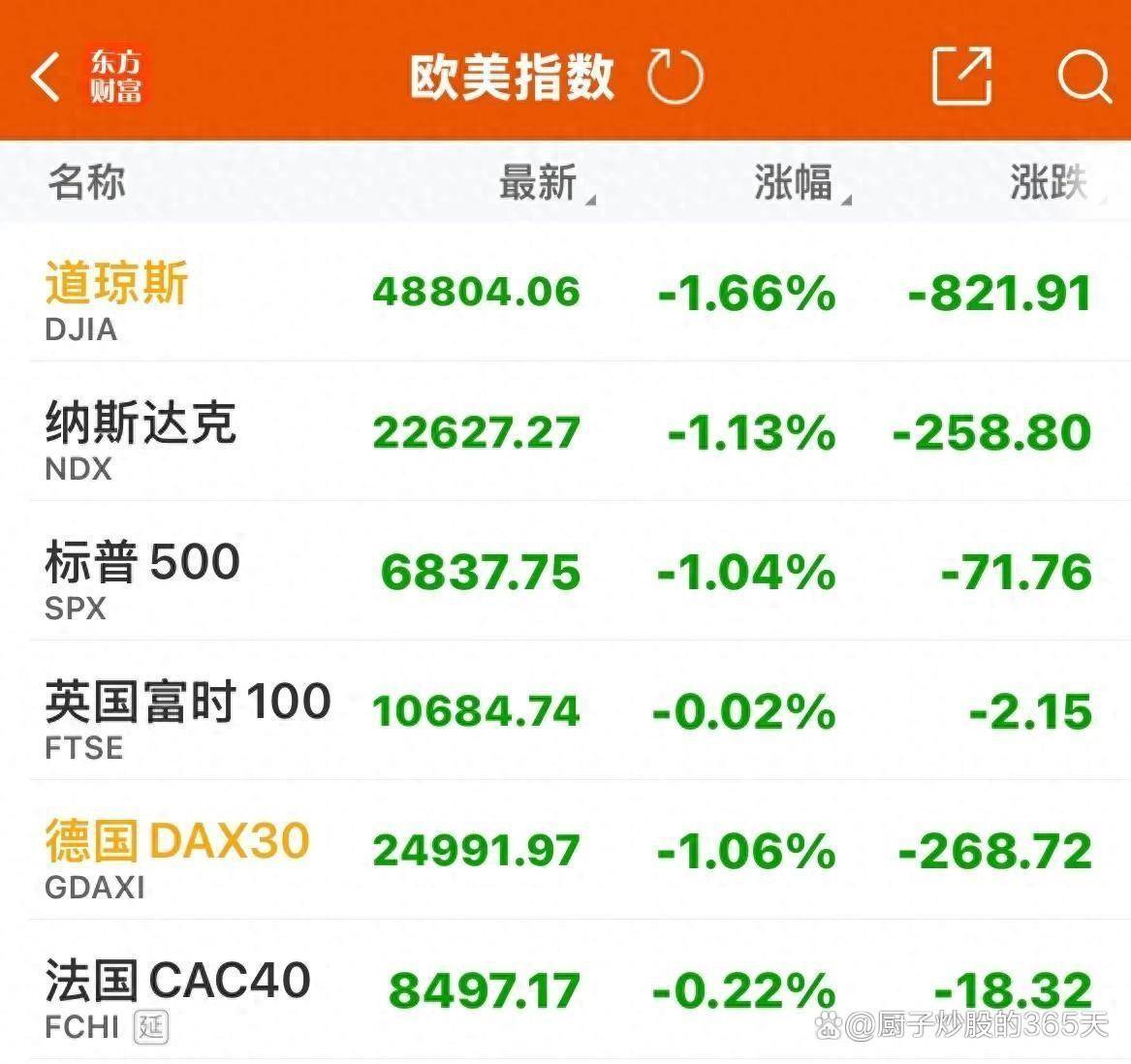
Market Overview - On February 24, 2026, U.S. stock markets experienced a significant drop, with all three major indices falling over 1%. The Dow Jones Industrial Average dropped by 821.91 points, closing at 48,804.06, a decline of 1.66%. The S&P 500 fell by 71.76 points to 6,837.75, down 1.04%. The Nasdaq Composite also declined by 258.80 points, closing at 22,627.27, a drop of 1.13% [1][2]. Sector Performance - The software services, information technology services, and financial sectors were heavily impacted, while precious metals and non-ferrous metals sectors showed resilience, indicating a shift of funds from high-risk assets to traditional safe havens like gold. The price of gold reached a critical level of $5,200 per ounce, with a daily increase of over 2% [2]. Company-Specific Impact - International Business Machines Corporation (IBM) faced a catastrophic decline, with its stock price plummeting by 13.15%, marking its largest single-day drop since March 2020. This decline was attributed to advancements in artificial intelligence, particularly a new capability from the startup Anthropic that modernizes the COBOL programming language, which is crucial for many legacy systems [3][4][5]. AI Disruption - The introduction of AI tools like Claude Code threatens traditional business models reliant on outdated technologies, as they can significantly reduce the time and resources needed for modernizing legacy systems. This has raised concerns about IBM's future, as it is a major provider of COBOL systems [5][6]. Broader Technology Sector Trends - Other major tech companies also saw declines, with Microsoft down 3.21%, Tesla dropping over 3%, and Amazon falling 2.30%. However, Nvidia and Apple managed to stay slightly positive, indicating a selective investment approach within the tech sector [8][9]. Chinese Stocks Performance - The Nasdaq Golden Dragon China Index fell by 0.95%, showing resilience compared to U.S. indices. However, individual stocks exhibited significant volatility, with declines in cloud computing and online travel sectors. Notably, NIO, a Chinese electric vehicle company, surged by 4.34% due to strong operational data [10][22]. Global Market Reaction - European markets followed the U.S. trend, with major indices like the DAX and CAC40 closing lower. The global market exhibited interconnectedness, with panic selling in the U.S. quickly affecting European stocks [13].




韩媒担忧“进入追赶中国的时代”:中国在尖端制造领域不断扩大优势
Huan Qiu Shi Bao· 2026-02-24 22:59
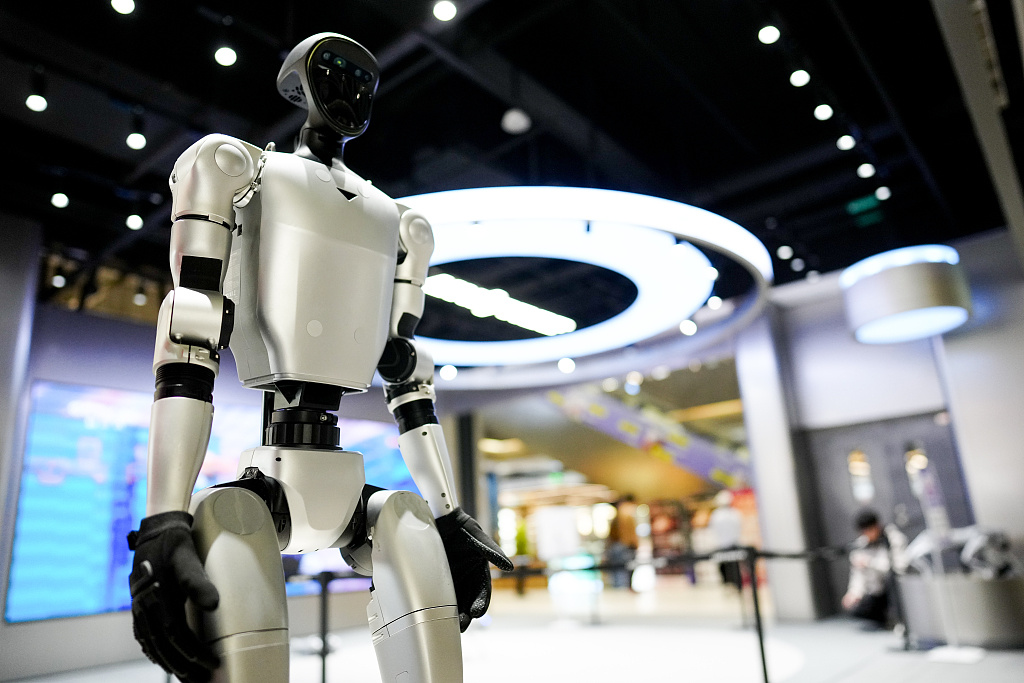
该报告基于2025年9月开展的专家问卷调查,对中韩两国产业价值链整体竞争力进行综合比较后指出,中国正由传统制造业持续向先进制造业拓 展,并在多个重点领域形成竞争优势。根据报告,在工业机器人方面,韩国在产品研发与设计环节仍保有微弱优势,但中国在零部件采购能力、 大规模量产及海外市场开拓能力等方面均处于领先位置。电动汽车领域的竞争格局也类似,韩国企业在售后维护等服务环节及部分海外市场仍具 一定竞争力,但在自动驾驶等核心技术领域,中国综合竞争优势十分明显。 【环球时报驻韩国特约记者 黎枳银】综合韩联社、《京乡新闻》、《每日经济》等韩媒24日报道,韩国产业研究院当天发布《韩中先进产业竞争 力分析及政策方向》报告,明确指出中国在机器人、电动汽车、电池以及人工智能(AI)芯片等先进制造领域竞争力快速攀升,多个核心环节已 实现对韩国的超越。这一结果引发韩国媒体及产业界对本国产业竞争力的广泛担忧。 半导体产业的竞争则呈现出明显分化。韩国在存储芯片领域依旧保持世界领先水平,但在AI芯片设计、半导体设计平台等非存储芯片领域,多数 受访专家认为中国更具优势。对此,韩媒评论称,随着中国在尖端制造领域不断扩大优势,韩国"进入需要追赶中 ...
特斯拉在欧洲的困境持续恶化,原因何在
Xin Lang Cai Jing· 2026-02-24 15:07
Core Viewpoint - Tesla's sales in Europe have declined for the 13th consecutive month, with a 17% year-on-year drop in new car registrations, while its main competitor, BYD, has seen significant growth in the same market [3][4][12]. Group 1: Tesla's Performance - In January, Tesla's new car registrations fell to 8,075 units, down from the previous year, resulting in a market share decrease from 1% to 0.8% in the EU, UK, Switzerland, Norway, and Iceland [3][11]. - Analysts indicate that Tesla's brand image has deteriorated, with increased competition from affordable electric vehicles from brands like BYD, MG, and Zeekr, while Tesla has not introduced new models [3][4][12]. - The influx of first-generation Tesla models into the second-hand market has further pressured prices, making it difficult for Tesla to maintain its market position [3][4][12]. Group 2: BYD's Growth - BYD's new car registrations in Europe reached 18,242 units in January, marking a 165% increase year-on-year, and its market share doubled from 0.7% to 1.9% [8][16]. - Analysts highlight that BYD and other Chinese manufacturers possess a significant cost advantage, which poses a long-term challenge for Tesla and European automakers [8][16]. - Despite the challenges, European manufacturers and Tesla are adapting by narrowing the cost gap in battery and vehicle production, leading to the introduction of more affordable models [8][16]. Group 3: Market Trends - Overall, car sales in the EU, UK, and EFTA countries declined by 3.5% in January, totaling 961,382 units [8][16]. - Gasoline vehicle registrations fell by approximately 26%, while sales of pure electric, plug-in hybrid, and hybrid vehicles increased by nearly 14%, 32%, and 6%, respectively [9][17].


每日投行/机构观点梳理(2026-02-24)
Jin Shi Shu Ju· 2026-02-24 11:15
国外 1. 瑞银:美联储降息及地缘政治风险加剧的背景下,金价将升至6200美元 瑞银重申对黄金的积极立场,预计未来数月国际现货黄金目标价达6200美元/盎司。分析师认为,在美 国与伊朗紧张局势下,地缘政治风险将持续高企,而美联储宽松周期预计将继续,对实际利率构成压 力。分析师指出,2025年全球黄金需求突破5000吨,瑞银预计,在更强劲的投资流动和各国央行持续购 买的推动下,金价将进一步上涨。供应方面,增长似乎受限。虽然金价高企可能激励勘探活动,但咨询 公司伍德麦肯兹估计,到2028年,约有80座矿山将耗尽当前的生产计划,这表明短期内供应弹性有限。 2. 高盛:央行购金叠加私人投资,金价年底前将缓慢攀升至5400美元 高盛预计,黄金价格将逐步攀升,到2026年底达到5400美元/盎司,多元化配置将带来上行空间。与此 同时,高盛预计2026年央行购金活动将以2025年所见的步伐再度加速。其核心观点是,央行需求加上私 人投资者增加持仓(主要因应对美联储降息而增持)支撑金价稳步上涨。高盛指出,如果私营部门的多 元化举措(尤其是看涨期权结构)有所增加,那么市场将面临显著的上行风险。此外,中期趋势虽仍呈 上升态势,但可 ...
电动汽车卖得火,保险却巨亏57亿?AI正在改写这门生意
Guan Cha Zhe Wang· 2026-02-24 09:52
根据中国精算师协会(CAA)最新数据,2024年中国内地保险公司承保电动汽车保险合计亏损57亿元 人民币——在新能源车销量持续增长的背景下,如此规模的承保亏损,一度成为资本市场关注的焦点。 导读:通过提高保费、使用AI工具以及提升理赔处理效率,为电动汽车承保的保险公司有望在今年实 现盈利。 (文 / 观察者网 周盛明 编辑 / 高莘) 据《南华早报》2月23日报道,虽然此前中国为电动汽车承保的保险公司巨亏数十亿元,但通过提高保 费、使用AI工具以及提升理赔处理效率,这些公司有望在今年实现盈利。 上海金融服务集团野狼资本(Ye Lang Capital)董事长王峰表示:"保险业务长期亏损曾是电动汽车行业 快速发展的重要障碍。一旦主要保险公司在承保业务上实现盈利,电动汽车车主也将从更低的保费中受 益。" 值得注意的是,为了让电动汽车的保费更加合理,中国的保险公司正在研究针对网约车风险制定差异化 定价体系。 据悉,多位行业人士与分析师指出,如果电动汽车保险市场能够实现扭亏为盈,那么将会加快中国电动 化转型进程,这一转变具有重要意义。 本文系观察者网独家稿件,未经授权,不得转载。 更高的事故风险、更贵的维修成本是保险 ...
韩方报告:中国先进制造技术领先韩国
Zhong Guo Xin Wen Wang· 2026-02-24 09:28
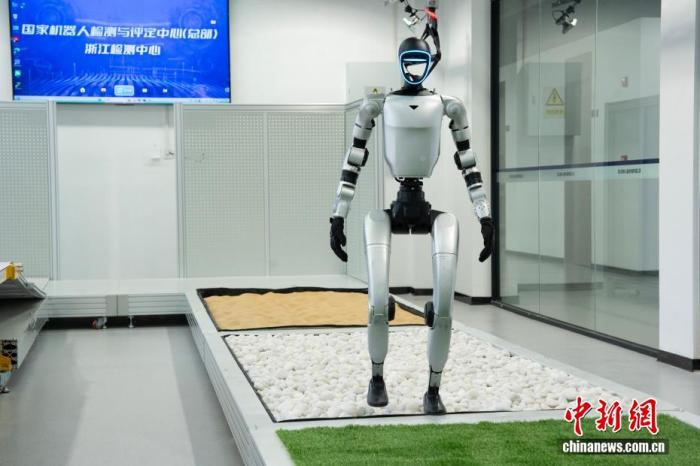
中新网2月24日电据韩联社24日报道,韩国的一份报告分析指出,在机器人、半导体、电动汽车等先进 制造业领域,中国快速形成竞争优势,技术水平领先韩国。韩国唯独在存储芯片领域占据优势。 报道称,韩国产业研究院24日发布了题为《韩中先进产业竞争力分析及政策方向》的报告。研究院在总 结2025年9月专家问卷调查结果的基础上,对韩中整体产业链的竞争优势进行对比,并得出了上述结 论。 报道指出,在工业机器人领域,中国在采购零配件、量产、市场开拓等多方面占上风。在电动汽车领 域,中国自动驾驶技术水平相对领先。在半导体领域,多数专家认为,韩国在存储芯片市场上占据优 势,但中国在人工智能(AI)芯片设计、芯片设计平台等非存储芯片领域占上风。 报道认为,该报告得出的结论暗示韩国或许将在关键芯片市场落后于中国。 (文章来源:中国新闻网) 2月12日,位于杭州市西湖区的国家机器人检测与评定中心(总部)浙江检测中心内,不少人形机器人正 接受安全等技术检测,通过者将获CR认证,如今该认证影响力渐增,已成为机器人企业"国际通行 证"。图为人形机器人在不同"路况"上进行MTBF(平均无故障间隔时间)的检测。中新社记者吴君毅摄 ...
“在可再生能源领域,若还在犹豫要不要与中国合作,将越来越被甩进尘埃里”
Xin Lang Cai Jing· 2026-02-19 14:49
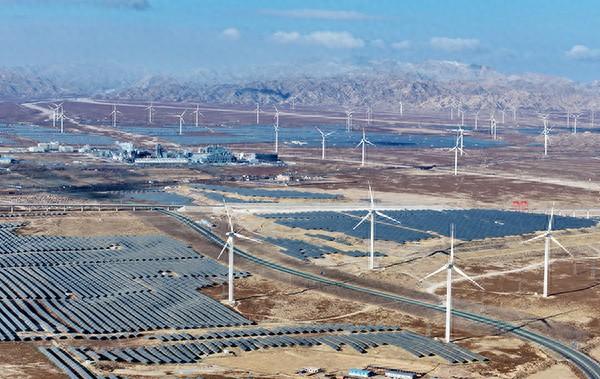
Core Insights - The article emphasizes China's leading position in the global renewable energy revolution, suggesting that countries hesitant to collaborate with China will fall behind [1][4]. Group 1: China's Renewable Energy Dominance - China has established a significant advantage in renewable energy and technology, making collaboration with China a necessity for other nations [1][4]. - According to the International Energy Agency, one in every seven solar panels globally is produced by a single Chinese factory, highlighting China's dominance in solar energy [1][4]. - China accounts for over 80% of the global solar supply chain and produces more than 70% of electric vehicles, with its clean technology exports reaching nearly every country [4][5]. Group 2: Cost Reduction and Market Impact - The cost of solar components has decreased by approximately 90% since 2010, while lithium-ion battery prices have dropped by 80% to 90%, making renewable technologies more affordable [5][6]. - China's solar power generation capacity has surged from 0.1 GW in 2010 to over 1063 GW today, showcasing rapid growth in large-scale solar installations [5][6]. Group 3: Global Energy Transition - China's clean energy development is seen as a crucial factor in reducing global carbon emissions, with exports of Chinese products contributing to billions of tons of emissions reduction [4][6]. - The construction of extensive renewable energy infrastructure in regions like Gansu and Xinjiang demonstrates China's unmatched scale in green energy development [6][7]. Group 4: Ecological Benefits - Large-scale solar installations in Inner Mongolia are contributing to ecological restoration, helping to combat desertification and improve soil conditions [7].