美业

Search documents
冯卫东:我们投的鲍师傅,找到了不依赖上市的盈利方式
创业家· 2025-11-30 10:01
Core Insights - The article emphasizes the long-term value of consumer investment despite recent challenges in the sector, suggesting that patience will lead to opportunities as other institutions exit the market [1] - The company has diversified its investment strategy by expanding into biomedicine and low-altitude economy sectors, categorizing consumer investments into technology and non-technology segments [1] - A new strategy has been established to find investment methods that do not rely on IPOs, recognizing the lengthy and uncertain nature of the IPO process [3] Investment Strategies - The first strategy involves establishing a merger and acquisition (M&A) fund, sourcing projects from diversified groups and entrepreneurs looking to sell their businesses [4][5] - The second strategy is the creation of an industrial integration fund, collaborating with industry leaders and local governments to invest in early and growth-stage companies [8] - The third strategy focuses on a pure dividend strategy, allowing for cash flow returns even when exit opportunities are limited [9] Market Conditions - The current market for leveraged financing tools is limited, resulting in low frequency of M&A transactions [6] - The company has been operating an M&A team since 2017, with only two ongoing controlling M&A projects, one being the acquisition of Yuno yogurt, which has shown significant recovery in performance [7] New Investment Products - The company has launched a SPAC product in Macau, utilizing a revenue-based financing model for investment distribution [11] - There is active subscription interest in this product, although the bottleneck lies in the availability of quality assets rather than funding [14] Strategic Adjustments - The company has adjusted its investment strategy to broaden the range of potential investments, allowing for the inclusion of previously excluded quality assets [15] - The introduction of dividend structures has enabled the company to realize returns on investments that were previously only reflected on paper [16] - The changing transaction structures and investment strategies are expected to become a consensus in the industry, with new strategies already being validated [19]


一周新消费NO.334|李锦记进军面条领域;迪桑特官宣吴磊为品牌代言人
新消费智库· 2025-11-09 13:04
Core Insights - The article highlights the latest trends and product launches in the new consumption sector, showcasing various brands and their innovative offerings [4][6][10]. New Product Launches - Huangchong launched a lightweight thermal cup weighing only 128g, designed for easy handling [6]. - Wangwang introduced a new "Black Truffle Egg Yolk Flavor Senbei," featuring a unique taste profile and approximately 29kcal per pack [6]. - Xiangpiaopiao released a new "Oriental Beauty Light Milk Tea," which contains no trans fats, artificial flavors, or vegetable fats [6]. - BeBeBus launched the "Light Enjoy Pro Waist Stool," designed for ergonomic support [6]. - Wanglaoji introduced a new "Hua Ju Hong Chen Pi" beverage, made with traditional methods and featuring zero sugar, fat, or calories [7]. - Guming launched a "Caramel Latte" that combines award-winning coffee with fresh milk and caramel [9]. - Inne introduced a liquid calcium product containing 600mg of calcium along with vitamins D3, K2, and magnesium [9]. - Guozi Shule launched a new "Cocoa Milk" series, which is free from trans fats and offers a smooth taste [9]. - Shuke Baby released a magical color-changing toothpaste for children, encouraging them to brush for two minutes [9]. Industry Events - Meituan Shangu announced plans to collaborate with thousands of brands to build official lightning warehouses, facilitating low-cost entry into instant retail [10]. - Lee Kum Kee entered the noodle market in the UK with a new original noodle series, including various types of noodles [12]. - The documentary "Joyful Mama," focusing on maternal mental health, was launched in collaboration with Beijing Television [12]. - The price of Feitian Moutai on e-commerce platforms dropped below 1600 yuan per bottle due to increased promotional efforts ahead of Double Eleven [12]. - a2 Milk Company completed the sale of its 75% stake in Mataura Valley Milk to Open Country Dairy [12]. Investment and Financing Trends - Weinan Battery announced the completion of a 670 million yuan Series C financing round, aimed at battery asset investment and technology development [17]. - The U.S. plant-based jelly brand Oddball secured $2 million in seed funding to expand retail and innovate products [19]. - Jijiashijie completed a new round of financing worth over 100 million yuan, with investments from Huawei Hubble and Huakong Fund [20]. - Kimberly-Clark announced a $48.7 billion acquisition of Kenvue, the consumer health business spun off from Johnson & Johnson [22]. - Chip Field completed nearly 100 million yuan in A+ round financing to accelerate chip development and market expansion [22]. New Consumption Trends - The article discusses the emergence of new consumption trends, including the rise of plant-based products and the focus on health and wellness in consumer goods [44][45].

盛菲雅举办抖音职人流量训练营 推动美业从业者数字化转型
Cai Fu Zai Xian· 2025-11-07 02:22
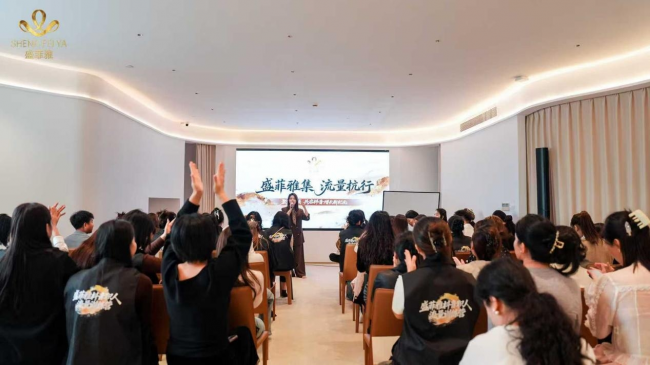
Core Insights - The event "Shengfeiya Gathering: Douyin Professional Flow Training Camp" was held in Hangzhou from October 27 to 29, focusing on new strategies and paths for the beauty industry in the short video era [1] Group 1: Training Camp Overview - The training camp emphasized "practical empowerment, content-driven, and digital intelligence symbiosis" as its core theme, covering modules on short video planning and shooting, live streaming expression and operation, and content data analysis [3] - The curriculum balanced theory and practice, with participants engaging in live training and data competitions to validate their learning outcomes in real scenarios [3] Group 2: Industry Context and Goals - The brand leader of Shengfeiya stated that as short videos become a crucial channel for industry communication, beauty professionals need systematic content expression and digital operation skills [6] - The training camp aims to help practitioners master replicable traffic growth methods, promoting higher quality development in the industry [6] Group 3: Brand Development and Digital Strategy - Shengfeiya, as an innovative beauty brand, has been actively exploring "pressure-reducing weight loss" by integrating body conditioning and emotional management, leading to service upgrades across multiple locations [8] - The event represents a practical implementation of the brand's "digital empowerment" strategy, marking a shift from single skill training to a more systematic and platform-based approach in beauty training [8] Group 4: Market Trends and Future Directions - Industry experts believe that as the market expands and consumer demands evolve, the beauty industry is transitioning from traditional service competition to a new phase of "content power competition" [10] - Digital communication methods like short videos and live streaming are becoming essential for store operations and brand building, with the training camp serving as a reference model for the industry's digital transformation [10] - Participants reported that the training helped them break preconceived notions about "traffic," allowing digital tools to return to the essence of service and enhancing their confidence in content creation and professional identity [12] - Moving forward, Shengfeiya plans to deepen its development path of "content empowerment + system upgrades," exploring new models for building a digital ecosystem in the beauty industry to support high-quality and sustainable development [13]
一周新消费NO.333|「瑞幸咖啡」x鬼灭之刃联名即将上线;Keep官宣孙颖莎出任品牌代言人
新消费智库· 2025-11-02 13:04
New Product Launches - Sanquan has launched new organic "Yami" wontons and dumplings, featuring 8 organic ingredients and a protein content of 7.8g per 100g, ready in 4 minutes without thawing [5][3] - Mengniu has introduced a new lemon-flavored drink under its "True Fruit" brand, made with Yuleke lemon pulp and real lemon juice [7][3] - Luckin Coffee has released its first savory milk tea, inspired by traditional Xilin Gol tea, featuring roasted rice and authentic milk skin flavor [5][3] - Kang Shifu has collaborated with "Zootopia" to launch a jelly drink with iced black tea flavor, offering two consumption methods [5][3] - Huayuan has launched a new jujube juice product, targeting the new Chinese health market with a juice content of 30% [9][3] Industry Events - V Rum has introduced a new pentagonal bottle made from 100% recycled glass, setting a sustainability standard in the spirits industry [10] - Taobao has announced the launch of a new convenience store brand, aiming for a 24-hour operation and 30-minute delivery service [10] - The first store of "Ruyi Sushi," a new sushi brand under Haidilao, has opened in Hangzhou, focusing on fresh and immediate dining experiences [26][10] - Miniso has opened its first MINISO LAND in Thailand, combining shopping and social experiences [35][10] Investment and Financing Trends - Keurig Dr Pepper has secured $7 billion in financing for its acquisition of JDE Peet's, valued at $18 billion [18] - Upcycled Plant Power, a UK food tech company, has raised £2.5 million in funding, including £1.5 million from a climate-focused investment firm [20] - Duck Duck Water has completed a RMB 10 million angel round financing to enhance its brand and digital systems [21] - Bryan Johnson's anti-aging company Blueprint has raised $60 million in funding [21] Food Industry Developments - Yuanqi Forest has established a dairy company with a registered capital of RMB 166 million, focusing on dairy product production [24] - Xinjiang Tianrun Dairy has launched a 200,000-ton dairy processing project, marking a significant step in its industrial development [25] - "Guozi Shule" has introduced fruit beer products, marking its first entry into the beer market with high fruit juice content [26] - Luckin Coffee is set to launch a collaboration with "Demon Slayer" on November 3, 2023, featuring themed merchandise [29]


一周新消费NO.332|「麦当劳」x「奔驰」联动上新;世喜官宣全球品牌代言人卢靖姗
新消费智库· 2025-10-26 13:03
New Product Launches - Heinz has launched organic walnut oil, claiming to use low-temperature physical extraction technology from high-quality walnut regions, with an unsaturated fatty acid content of 85% [5] - Water Otter has introduced "Oriental Matcha Light Milk Tea," featuring 2000mg of matcha per cup and less than 100 calories, providing a healthy experience [5] - YeeHoO has released a "Super Resilient Down" series, designed to retain more air and reduce heat loss without preheating [5] - Royal Baby has collaborated with Clarins to launch a gift box that includes baby formula and skincare products [7] - Oriental Supplement has launched "Six Flavors of Black Sesame Paste," made with six precious ingredients and retaining nutritional value through a unique cooking process [7] - Yili Health Science has introduced "Chongshi Probiotic Freeze-Dried Powder," containing eight active probiotics for gut health [7] - Wangwang's Aizizun has launched a low GI series, including low GI five-black cookies and black sesame walnut soft cakes [8] - Child's Face has released a children's moisturizing set, claiming double hydration and smoothness [9] - Joyoung has launched "Black Coffee Self-Discipline Soy Milk Powder," with a protein content of 20.5g per 100g [9] Industry Events - Swiss chocolate brand Lindt has announced a new brand ambassador, Wang Anyu, alongside the launch of a new chocolate product inspired by the French Pyrenees [11] - Italian fashion brand Dsquared2 has announced a global office restructuring affecting approximately 40 jobs due to market challenges [13] - RIMOWA has appointed actor Xu Guanghan as its brand ambassador for the Greater China region [14] - Italian outdoor shoe brand CRISPI has opened its first store in Shanghai [14] - Xu Fu Ji has announced a partnership with Sun Yingsha for new product endorsements [15] - Juewei has tested a new supermarket-style store model in Changsha, emphasizing fresh and short-shelf-life products [16] - Heineken will close a 700-year-old brewery in Poland by early 2026 [16] - McDonald's has collaborated with Mercedes-Benz to launch new products and set up flagship stores [18] - Haidilao has opened its first banquet restaurant in Shenzhen, designed for various events [18] - Xiangpiaopiao has announced the opening of its first offline store in Hangzhou [19] Investment and Financing Trends - Renxin Technology has completed over 100 million RMB in A+ round financing, with total financing for the year nearing 300 million RMB [21] - Leju Robotics has raised nearly 1.5 billion RMB in Pre-IPO financing, with Tencent as a shareholder [21] - American yogurt brand Chobani has raised 650 million USD (approximately 4.6 billion RMB) to support its expansion plans [21] - Damou Technology has completed nearly 100 million RMB in A+ round financing, led by CATL Capital [21] - Coinbase CEO's anti-aging company NewLimit has raised 45 million USD, with a valuation of 1.6 billion USD [21] - Haitian Flavor Industry has increased its registered capital to approximately 5.85 billion RMB, marking a 5% increase [21] Food Industry Developments - Xu Fu Ji has launched a new spring festival candy strategy for 2026, enhancing product craftsmanship and packaging [27] - Xiaoxiang Supermarket has established a new company in Wenzhou, focusing on internet sales and food delivery [27] - Taoli Bread has introduced a new family of yeast breads with seven flavors [28] - JD's Qixian Supermarket has launched a new "Cinnamon Red Wine Flavor Beer" [28] - Bawang Tea has opened its largest store in Malaysia, surpassing 200 locations [28] - Yuanqi Forest has upgraded its packaging across all products to a minimalist design [28] - Master Kong has launched a new flavor of instant noodles, "Spicy Old Hen Soup Noodles" [29] - Pizza Hut has introduced a new menu with prices starting at 9.9 RMB to cater to young consumers [29] - Dove has launched a new crispy cocoa chocolate product [29] - Master Kong's milk tea products have undergone a significant upgrade, focusing on reduced sugar content [29] Beauty Industry Updates - Nike has collaborated with Canadian brand Aritzia to create a new footwear line [31] - H&M is set to release a collaboration series with Belgian designer Glenn Martens [33] - Yili's brand INIKIN has launched a new volcanic mineral moisturizing spray [35] - Shiseido has announced actress Lu Jingshan as its global brand ambassador [36] - Lululemon has partnered with Li Yuchun to refresh its winter down jacket series [36] - Jaeger-LeCoultre has launched a new art collaboration project featuring comic designer Olivecoat [37] - Amer Sports has appointed a new executive for its Arc'teryx brand in Greater China [37] - Li Ning has entered the Meituan Flash Purchase platform, offering rapid delivery of sports gear [38] - Jujia Group has acquired Italian hair care brand Foltène [39] - House of Modo has secured a 100 million USD minority equity investment [39]



2025中国美业发展新图景:全渠道破局,驭势而上
Sou Hu Cai Jing· 2025-10-21 02:05
Core Insights - The core theme of the report is the transformation of China's beauty industry by 2025, characterized by "omnichannel breakthroughs," with significant growth in both online and offline channels [1][6]. Market Overview - By the first half of 2025, the retail sales of cosmetics in China are projected to grow by 2.9%, reaching a market size of 610 billion yuan, with a year-on-year growth rate of 12.1% [1][25]. - The beauty industry has shown resilience despite global economic pressures, indicating strong consumer vitality and potential for further growth [1]. Consumer Behavior - Chinese consumers exhibit diverse and pragmatic beauty consumption habits, with 66% making purchasing decisions across both offline and online channels [2]. - 79% of consumers turn to online platforms when products are out of stock in physical stores, significantly higher than the global average of 63% [2]. - The willingness to pay a premium for faster delivery is noted in 58% of consumers, highlighting the importance of immediacy and convenience in purchasing decisions [2][21]. Channel Dynamics - Offline channels are adapting through differentiated positioning, with cosmetic stores focusing on core categories like skincare and attracting online brands to explore physical retail [3]. - Small supermarkets are transitioning to community-focused models, while large department stores are emphasizing customization and premium offerings [3]. - Online channels, particularly emerging e-commerce platforms, are driving growth in the beauty sector, with Douyin (TikTok) becoming the leading channel with sales reaching 276 billion yuan, a 47% year-on-year increase [4][22]. E-commerce Trends - Traditional e-commerce platforms like JD and Taobao still play crucial roles, with JD's beauty sales at 54.2 billion yuan (10% growth) and Taobao at 52.2 billion yuan (1.4% decline) [5]. - The beauty sector across various channels is not merely competitive but forms a complementary ecosystem, with different channels serving unique consumer needs [5][29]. Future Outlook - The integration of technology and omnichannel strategies is expected to be central to the future of beauty retail, with AI and advanced technologies enhancing consumer experiences [6]. - There is a growing demand for "one-stop channels," with 77% of consumers preferring stores or platforms that offer a comprehensive range of products [6][21].
美团“百⼤发型师”榜单全新升级
Huan Qiu Wang· 2025-09-26 09:34
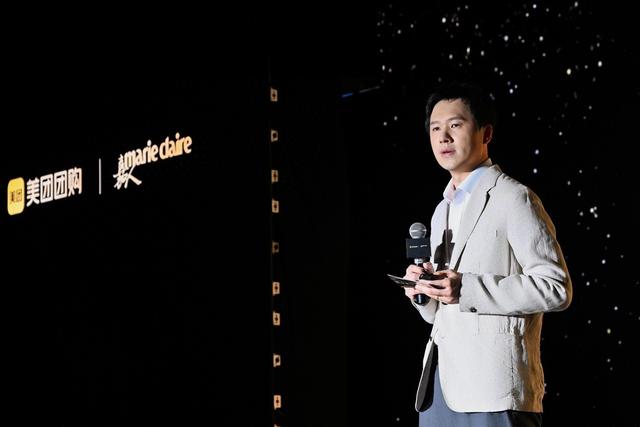
Core Insights - The event "Revive·New Life" showcased a fusion of aesthetics, technology, and craftsmanship in the hairdressing industry, emphasizing the connection between hairstyles and emotions [1][4][8] - The "Top 100 Hairdressers" list was created based on extensive user evaluations and transaction data, aiming to honor skilled professionals and enhance their visibility [4][8] Group 1: Event Overview - The event took place on September 23, 2025, in Shanghai, featuring a collaboration between Meituan and the fashion media outlet Marie Claire [1] - The show was structured around three thematic chapters: "Cutting·Emotional Contour Studies," "Dyeing·Emotional Color Spectrum Studies," and "Perming·Emotional Texture Studies," each exploring different aspects of emotional expression through hairstyles [4][5][6] Group 2: Emotional Aesthetics - The first chapter highlighted how different haircut styles can reflect various life states, using techniques like layering and asymmetry to convey emotions [4] - The second chapter focused on color, associating different shades with emotional states, from calming tones to vibrant expressions [5] - The final chapter illustrated how hair texture and curls can evoke feelings and memories, showcasing the beauty in everyday moments [6] Group 3: Industry Impact - The event marked a significant shift in the beauty industry towards a more digital and consumer-driven evaluation system, moving away from traditional word-of-mouth methods [8] - Meituan is building a supportive ecosystem for hairdressers through digital profiles, standardized evaluations, and traffic support, enhancing their growth and recognition [8] - The collaboration with leading fashion media adds authority and inspiration to the recognition of talented hairdressers, contributing to the industry's digital transformation [8]

“领航中国 新兴产业主题专区项目路演”成功举办
Shang Wu Bu Wang Zhan· 2025-09-10 15:02
Core Insights - The "Navigating China Emerging Industries Theme Zone Project Roadshow" was successfully held on September 10 at the Xiamen International Convention and Exhibition Center, focusing on emerging industries such as IoT, parks, beauty industry, and health care [1] - The event aimed to build a project display platform through specialized roadshows, facilitating industrial collaboration and high-quality development [1] IoT Application Roadshow - Changzhou Obili Intelligent Technology Co., Ltd. and Xiamen Jiajia Kang Technology Co., Ltd. presented project introductions, providing new ideas for innovation in artificial intelligence and smart health sectors [1] Park Roadshow - Tianjin Wuqing Jingjin Industrial New City Co., Ltd. showcased the core advantages of the pilot area in promoting regional scientific and technological innovation collaboration and supporting industrial landing, offering clear investment references for potential partners [1] New Consumption Sector Roadshow - Companies such as Furuoli Perfume, Guangzhou Daren Biotechnology Co., Ltd., Hanyu Guodu Medical Group, Future Guokexin (Beijing) Health Institute, AHBIC Kangmei Industry Conference, and Ding Tai Health Doctor Group shared insights during this segment [1] Future Directions - The "Navigating China" series of events will continue to gather quality resources in emerging industries, promoting cross-field communication and cooperation among enterprises, injecting new momentum into high-quality industrial development [1]
广州美博会圆满收官:链接全球,赋能美业新生态
Zhong Guo Chan Ye Jing Ji Xin Xi Wang· 2025-09-08 03:00
Core Insights - The 68th China (Guangzhou) International Beauty Expo successfully concluded, showcasing a comprehensive layout of the beauty industry and facilitating trade cooperation, trend releases, and innovative exchanges [1] Group 1: Event Overview - The expo covered an exhibition area of over 300,000 square meters, gathering more than 3,800 enterprises and brands, attracting global professional buyers, brand owners, and distributors [1] - Over 50 forums and 30 specialized exhibition areas highlighted industry trends and innovations, demonstrating the vitality and development potential of the beauty industry [1] Group 2: Business Growth - The expo served as a dual platform for expanding networks and converting orders, enabling brands to achieve both sales and brand visibility [2] - More than 90% of participating brands received over 1,000 inquiries on-site, breaking down barriers and linking resources for high traffic, exposure, and conversion [2] Group 3: International Collaboration - The expo featured significant international participation, showcasing enterprises from various countries and regions, including Indonesia, Vietnam, Malaysia, Japan, South Korea, the USA, France, Germany, India, the UAE, and Hong Kong and Taiwan [3] - The event facilitated domestic companies to connect globally and provided an important window for international brands entering the Chinese market, promoting deep integration of the global beauty industry [3] - Two overseas exhibitions were announced for the second half of the year, including the Vietnam International Beauty Expo and the Indonesia International Beauty Expo, supporting Chinese companies in showcasing their brands globally [3] Group 4: Industry Trends - The beauty and wellness industry is shifting from large-scale development to focusing on high-potential niche markets, with new emerging sectors showing robust growth [4] - The expo presented the integration of beauty, health, and wellness industries, featuring immersive displays that highlighted the commercial potential of cross-industry collaboration [4] - A special healing-themed exhibition area showcased hundreds of healing brands and innovative projects, emphasizing the integration of beauty and wellness ecosystems [4] Group 5: Specialized Exhibitions - The expo featured over 30 themed special exhibitions targeting vertical fields and emerging sectors, driving new growth in the industry [5] - Notable themed areas included immersive experiences in forest therapy, traditional Chinese medicine, and innovative health products, attracting significant attention and engagement from attendees [6] Group 6: Industry Empowerment - Over 50 events were held during the expo, covering various fields such as supply chain, beauty cosmetics, and health, fostering discussions on future trends [7] - The collaboration between Douyin Mall and the expo created a highlight event, enhancing the consumer experience and providing a new model for cross-industry cooperation [7] - The expo concluded with plans for four upcoming beauty events in the second half of the year, inviting participation to deepen domestic demand and expand globally [7]
“领航中国”再亮相,引领合作新航程
Shang Wu Bu Wang Zhan· 2025-08-27 12:11
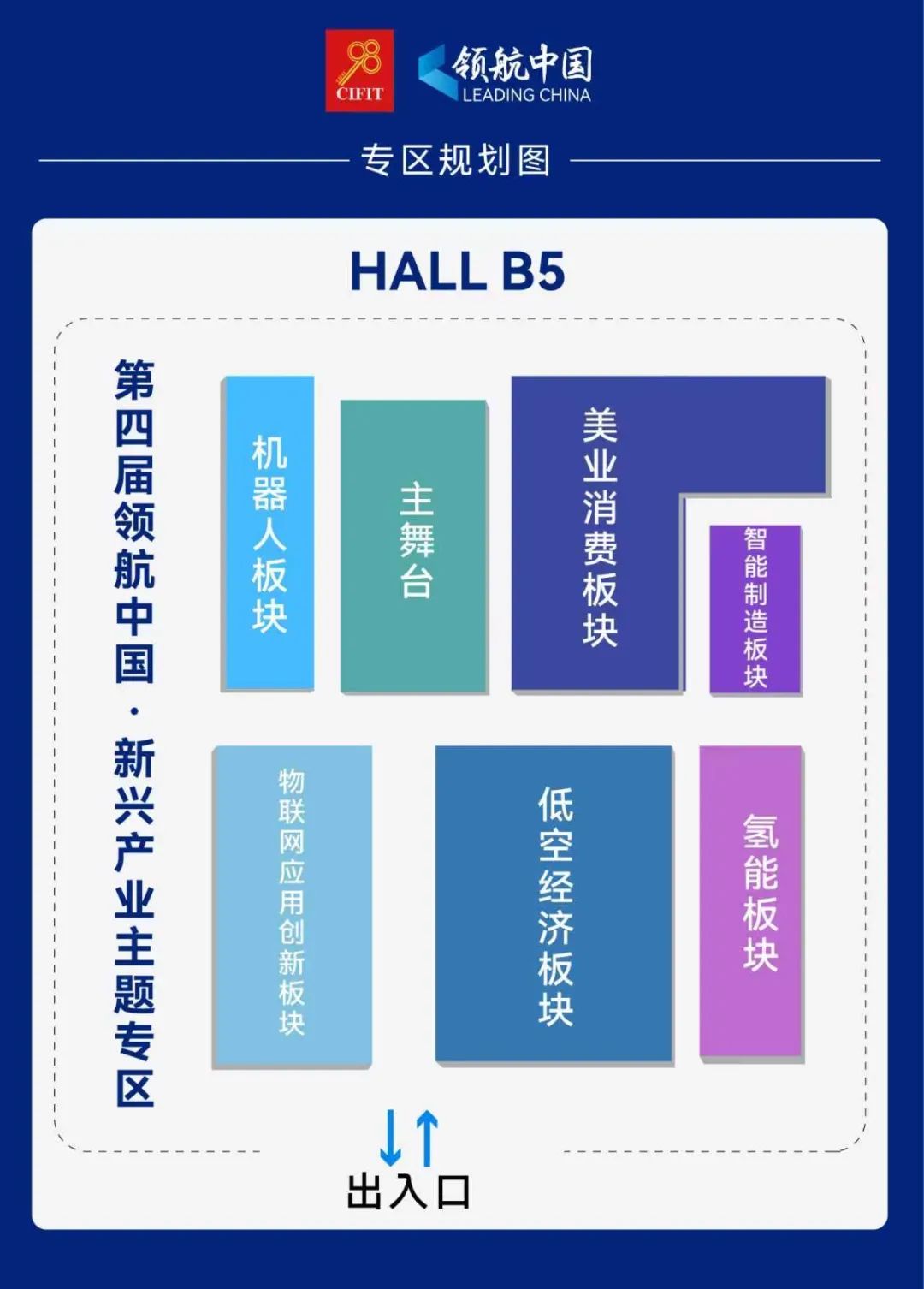
Core Insights - The 25th Investment Fair will be held from September 8-11, 2025, at the Xiamen International Convention and Exhibition Center, featuring a dedicated area for emerging industries to showcase cutting-edge projects and facilitate dialogue between global investors and innovative enterprises [1] Group 1 - The B5 hall will cover 5,600 square meters, focusing on six key areas: hydrogen energy innovation, low-altitude economy, intelligent manufacturing, Internet of Things application innovation, robotics, and new consumption in the beauty industry [2] - More than 10 professional matching activities will be organized, including overseas group enterprise roadshows to promote high-quality projects [3] - Over 50 associations and enterprises from countries such as Germany, the UK, and Austria will participate, covering fields like intelligent manufacturing, biomedicine, and green technology, providing rich overseas industrial resources [4] - A dedicated negotiation area will be set up adjacent to the "Park Matching Area" to interact with national-level economic development zones, enhancing the synergistic effects of the exhibition [5]