
6G通信

Search documents
上证早知道|央行 大消息;事关制造业中试平台建设 重要文件发布;新能源汽车行业 创新纪录
Shang Hai Zheng Quan Bao· 2025-11-11 23:01
Monetary Policy and Economic Outlook - The People's Bank of China released the monetary policy execution report for Q3 2025, indicating that the domestic economic recovery needs further consolidation. The central bank plans to deepen financial reforms and enhance high-level opening-up, aiming to build a robust monetary policy system and a comprehensive macro-prudential management framework [1][2]. Manufacturing and Infrastructure Development - The Ministry of Industry and Information Technology issued a notice to accelerate the systematic layout and high-level construction of manufacturing pilot platforms, targeting the establishment of a modern pilot platform system by the end of 2027 [1][3]. - The National Development and Reform Commission announced that the infrastructure real estate investment trusts (REITs) will enter a normalized issuance phase in 2024, with 105 projects recommended to the China Securities Regulatory Commission, totaling 207 billion yuan in funds, expected to drive over 1 trillion yuan in new project investments [3]. New Energy Vehicle Industry - The Chinese automotive industry reported record growth in the new energy vehicle sector, with October 2025 seeing monthly new car sales of new energy vehicles surpassing 50% of total new car sales for the first time [1][3]. Chemical Industry Insights - Seven chemical-themed funds have been reported since Q3, with a focus on the chemical sector's supply-side changes, including stricter approvals for new capacities. The industry is expected to see a recovery in profitability and valuation [11]. Battery and Renewable Energy Sector - The 12th China (Suzhou) Battery New Energy Industry International Summit highlighted China's competitive advantage in the lithium battery sector, with over 90% of global shipments in energy storage lithium batteries. Future demand for lithium batteries is expected to grow, particularly in energy storage applications [7]. Pharmaceutical Logistics Development - Shanghai's new guidelines aim to enhance the development of modern pharmaceutical logistics, promoting the establishment of a high-efficiency and professional logistics system to ensure drug supply and quality [6].
晚报 | 11月12日主题前瞻
Xuan Gu Bao· 2025-11-11 14:47
Quantum Computing - John M. Martinis, the 2023 Nobel Prize winner in Physics, announced the formation of the Quantum Scaling Alliance with several chip companies to develop practical, mass-producible quantum supercomputers [1] - The alliance aims to implement a blueprint for scaling quantum computers, building on previous collaborations that achieved quantum supremacy [1][2] - Quantum computing is seen as a disruptive technology that can address the limitations of traditional computing, positioning it as a strategic focus in global tech competition [2] Power Equipment - Digital Realty and Stack Infrastructure's data center projects in Santa Clara, California, are at risk of remaining idle for years due to local power supply issues [3] - The power crisis in the U.S. highlights the strategic importance of electricity in the AI era, creating significant opportunities for Chinese power equipment manufacturers [3] - By 2025, China's exports of high-power transformers to the U.S. are expected to increase by 67%, with 80% directed towards AI data centers, indicating a growing market exceeding $100 billion [3] Biopharmaceuticals - Researchers discovered a promising antibiotic during the production process of a common drug, which is effective against "superbugs" resistant to multiple antibiotics [4] - The intermediate compound, pre-penicillin C lactone, shows over 100 times higher antibacterial activity than the original antibiotic, providing a new avenue for combating antibiotic resistance [4] 6G Technology - The 2025 6G Development Conference will be held in Beijing, focusing on establishing global unified standards for 6G technology [5] - The conference aims to gather experts to discuss future applications, system technology, and standardization for 6G, emphasizing the importance of standards in driving industry growth [5] Pharmaceutical Logistics - Shanghai's drug regulatory authority issued guidelines to enhance the development of modern pharmaceutical logistics, aiming for a more efficient and standardized system [6] - The guidelines encourage the adoption of advanced logistics systems to improve drug quality and reduce operational costs, indicating a positive trend in the pharmaceutical distribution sector [6] Lithium Batteries - The 12th China (Suzhou) Battery New Energy Industry International Summit Forum was held to address industry development challenges and promote high-quality growth [7] - China's lithium battery industry holds a significant global competitive advantage, with over 90% of global shipments in energy storage batteries, indicating strong future demand [7] Robotics - Tesla is preparing to expand its Texas Gigafactory to produce its humanoid robot, Optimus, with a projected annual capacity of 10 million units [8] - The company has already established a pilot production line in Fremont, California, with plans to significantly increase production capabilities in Texas [8] Beidou Navigation - China Mobile announced an upgrade to its Beidou messaging service, adding multimedia capabilities for communication in extreme environments [9] - The upgrade enhances communication efficiency and user experience, marking a significant advancement in Beidou's capabilities [9]






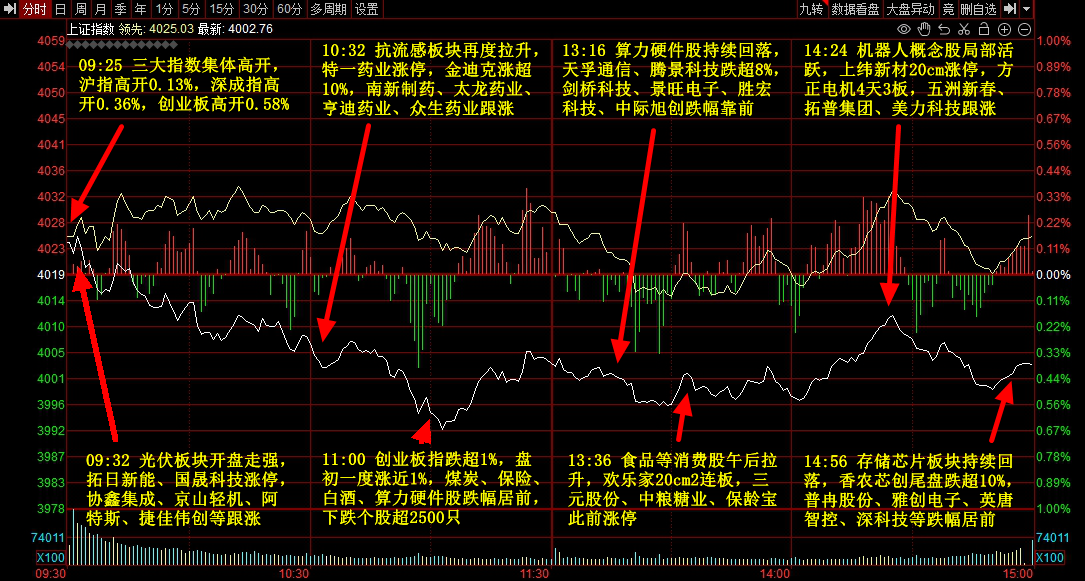
北京将从应用生态等多方面推动6G产业发展
Zhong Guo Xin Wen Wang· 2025-11-04 14:02
Core Viewpoint - Beijing aims to promote the development of the 6G industry through various aspects including application ecology, core technology, and industrial layout [1] Group 1: Application Ecology - Beijing will cultivate application ecology focused on business scenarios, leveraging advantages in integrated communication to develop typical applications such as holographic communication and autonomous driving [1] - The strategy emphasizes driving industrial development from the application end and promoting deep integration of technology with vertical industries [1] Group 2: Core Technology Development - The city will systematically promote research and development of key core technologies, focusing on critical areas such as sensing, intelligent computing, and integrated communication technology [1] - Efforts will be made to overcome technical barriers in core communication equipment development, including next-generation base stations, satellite communication terminals, and high-speed transmission modules [1] - The goal is to enhance equipment performance and stability, driving application upgrades in industries like holographic communication, autonomous driving, and smart wearables [1] Group 3: Industrial Layout Optimization - Beijing plans to create innovative outcomes around technology industry breakthroughs, results transfer and transformation, local characteristic industry layout, and the construction of a 6G innovation ecosystem [1] - The establishment of a communication and collaboration platform among upstream and downstream enterprises in the 6G industrial chain is intended to explore the potential of key enterprises in the core industrial chain [1] - The initiative aims to promote a "leading goose effect" by coordinating 6G innovation resources across the city [1]
关键词读懂“十五五”|未来产业,如何塑造中国发展新未来
Yang Guang Wang· 2025-11-04 02:55
Core Insights - The 20th Central Committee's Fourth Plenary Session approved the "Suggestions on Formulating the 15th Five-Year Plan for National Economic and Social Development," emphasizing the exploration of diverse technological routes and business models to drive economic growth through future industries such as quantum technology, biomanufacturing, hydrogen energy, nuclear fusion, brain-computer interfaces, embodied intelligence, and 6G mobile communication [1][2] Group 1: Future Industries and Economic Growth - Future industries are seen as crucial for reshaping China's economic landscape and enhancing its innovation capabilities, with a focus on building a modern industrial system and strengthening the real economy [2][3] - The "three new" economy's contribution to GDP is projected to exceed 18% in 2024, with significant breakthroughs in biomanufacturing and quantum technology indicating strong growth potential for future industries [2] Group 2: Policy and Urban Development - The growth of future industries is supported by policies and urban planning, with the Ministry of Industry and Information Technology proposing mechanisms for investment growth in sectors like brain-computer interfaces and quantum information [4] - Local governments are actively implementing policies to foster future industries, with cities like Beijing, Shanghai, and Guangzhou developing tailored strategies to leverage their unique advantages [4] Group 3: Technological Advancements and Education - Breakthroughs in 6G technology, such as the establishment of the world's first 6G test network, highlight China's leading position in future communication technologies [5] - The development of future industries is transforming the "industry-university-research" model, with universities adjusting their research focus to align with emerging technologies like brain-computer interfaces [6][7] - The demand for interdisciplinary talent that combines technical skills with social understanding is increasing, reflecting the broader impact of future industries on education and daily life [7]
产业大脑|“十五五”产业机会前瞻:哪些赛道将催生新增长极?
Sou Hu Cai Jing· 2025-10-31 13:43
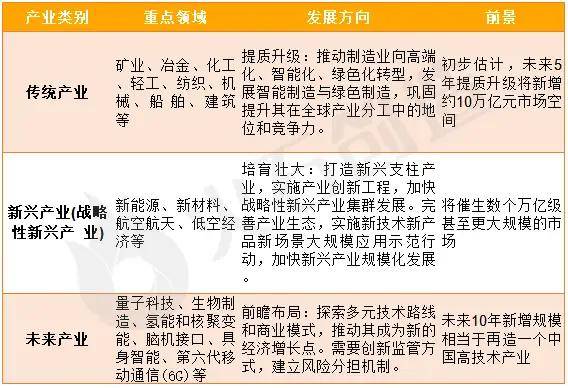
Core Viewpoint - The recently released "Suggestions on Formulating the 15th Five-Year Plan for National Economic and Social Development" lays the foundation for China's development from 2026 to 2030, highlighting the importance of a modern industrial system and the solidification of the real economy [1][2]. Modern Industrial System Framework - The plan emphasizes building a modern industrial system as a primary strategic task, focusing on the real economy's critical role in development [2]. - Four major tasks are outlined: optimizing traditional industries, nurturing emerging and future industries, promoting high-quality service sector development, and constructing a modern infrastructure system [2]. Key Areas of the 15th Five-Year Plan - Traditional industries such as mining, metallurgy, and chemicals will undergo quality upgrades, with an estimated market space of around 10 trillion yuan [3]. - Emerging industries will be supported through innovation projects and large-scale applications of new technologies [3]. - Future industries like quantum technology, biotechnology, and nuclear fusion are highlighted for their potential to drive economic growth [9]. Four Major Emerging Pillar Industries - The plan identifies four strategic emerging industries: new energy, new materials, aerospace, and low-altitude economy, which are expected to significantly contribute to the economy in the next five years [2][4]. New Energy - China has established the world's largest and fastest-growing renewable energy system, with wind and solar power capacities leading globally [4]. - The new energy sector is projected to maintain rapid growth, becoming a key economic driver under the "dual carbon" goals [4]. New Materials - The new materials industry supports the development of other emerging sectors and has made significant progress in areas like semiconductor materials and carbon fiber [5][6]. - The focus is on achieving breakthroughs in high-end materials to meet advanced manufacturing needs [6]. Aerospace - The plan emphasizes the role of commercial aerospace, with significant achievements in manned spaceflight and satellite technology [7]. - The commercial aerospace sector is expected to enter a rapid growth phase, driven by national support and market demand [7]. Low-Altitude Economy - The low-altitude economy is recognized as a strategic emerging industry, with rapid development in the drone sector [8]. - This sector is anticipated to become a new growth engine, with applications in logistics and urban air transport [8]. Six Major Future Industries - The plan highlights future industries such as quantum technology, biotechnology, hydrogen energy, brain-computer interfaces, embodied intelligence, and 6G technology, which are expected to foster long-term growth [9]. Quantum Technology - Quantum technology is prioritized for its strategic value, with China leading in quantum communication and making strides in quantum computing [10]. - The sector is expected to transition from research to industrial application, forming new high-tech clusters [10]. Biotechnology - The biotechnology sector is experiencing rapid growth, with innovations in biobased materials and pharmaceuticals [11]. - It is projected to significantly expand by 2030, contributing to a green economy [11]. Hydrogen and Nuclear Fusion Energy - Hydrogen energy is recognized as a key clean energy source, with ongoing advancements in fuel cell technology [13]. - The nuclear fusion sector is still in the experimental stage but is expected to achieve breakthroughs during the 15th Five-Year Plan [13]. Brain-Computer Interfaces - Research in brain-computer interfaces is advancing, with applications in medical rehabilitation [14]. - The technology is expected to progress from experimental to clinical use, driving new technological developments [14]. Embodied Intelligence - The embodied intelligence sector is growing, with significant advancements in robotics and autonomous driving [15]. - This industry is expected to see rapid growth, becoming a crucial driver of manufacturing and digital economy development [15]. Sixth Generation Mobile Communication - 6G technology is anticipated to surpass 5G in speed and connectivity, with global competition underway [16]. - The 15th Five-Year Plan period is critical for establishing a competitive edge in 6G technology, which will support future digital economic innovations [16].
中央定调六大未来产业,这些城市已抢先布局
第一财经· 2025-10-26 02:45
Core Viewpoint - The article emphasizes the importance of emerging industries such as quantum technology, biomanufacturing, hydrogen energy, nuclear fusion energy, brain-computer interfaces, and embodied intelligence as new economic growth points in China's future development strategy [3][4]. Quantum Technology - Quantum technology is identified as a core area of the new technological revolution, with Hefei, Beijing, and Shanghai forming the "first tier" in terms of enterprise and patent applications [6][7]. - Hefei leads the domestic quantum industry, ranking second globally after San Francisco, with 93 quantum enterprises and over 2000 related patents [7]. - Beijing focuses on foundational technology breakthroughs, leveraging its dense research resources, and aims to build a trillion-yuan industry cluster by 2030 [7][8]. - Shanghai is concentrating on neutral atom quantum computing and has established key laboratories to drive innovation [8]. Biomanufacturing - Shanghai, Beijing, Shenzhen, and Tianjin are the top four cities in biomanufacturing competitiveness, with Shanghai's industry scale expected to exceed 1 trillion yuan by 2025 [10][11]. - Shenzhen has established a national biomanufacturing innovation center and is a hub for new enterprises in synthetic biology [11]. - Tianjin is leveraging its chemical industry base to develop biomanufacturing projects, attracting multinational companies [11]. Hydrogen and Nuclear Fusion Energy - Hydrogen and nuclear fusion energy are highlighted as clean energy "dual engines," with Beijing and Shanghai leading in technology and infrastructure development [12][13]. - Beijing plans to have 1,200 hydrogen fuel cell buses and 35 hydrogen stations by 2025, while Shanghai aims for its hydrogen industry to reach international leading levels by 2035 [13]. - Hefei is making significant advancements in nuclear fusion technology, participating in key international projects [14]. Brain-Computer Interfaces - The brain-computer interface (BCI) market in China is projected to grow from 3.2 billion yuan in 2024 to 5.58 billion yuan by 2027, with Shanghai, Beijing, and Shenzhen as the leading cities [15][16]. - Shanghai is developing a comprehensive BCI ecosystem and has launched the first BCI industrial cluster [16]. - Beijing is focusing on non-invasive BCI technologies, while Shenzhen is applying BCI in various fields, including education and gaming [17]. Embodied Intelligence - Embodied intelligence, represented by humanoid robots, sees Beijing, Shenzhen, Shanghai, and Hangzhou as the leading cities in technology and industry [18][19]. - Beijing aims to achieve significant technological breakthroughs and establish a robust industrial cluster by 2027 [19]. - Shenzhen is the manufacturing hub for humanoid robots, with a goal to support over 1,200 related enterprises by 2027 [19][20]. - Shanghai is working on a complete ecosystem for robotics, targeting a core industry scale of over 50 billion yuan by 2027 [20]. 6G Technology - 6G technology is being developed with Beijing as a core hub for standard-setting and innovation, aiming to create a testing environment by 2026 [21][22]. - Shenzhen is integrating 6G with AI and plans to establish a low-altitude economy demonstration zone [21][22]. - Nanjing is focusing on terahertz communication breakthroughs and aims for a 300 billion yuan industry value within five years [22][23].

在南京,质量是什么?
Zhong Guo Jing Ji Wang· 2025-09-18 09:29
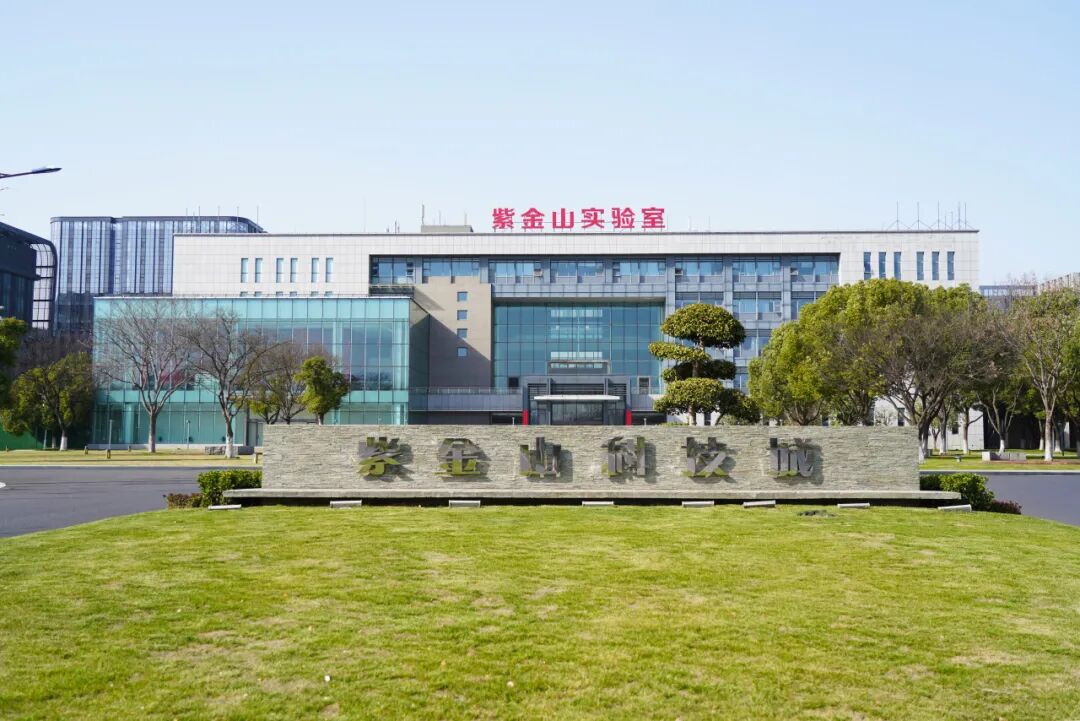
Group 1: Quality Empowering New Productive Forces - The sixth China Quality Conference will be held in Nanjing on September 16-17, emphasizing the importance of quality in various sectors, showcasing rapid advancements in technology and production [1][3] - Nanjing has achieved the world's fastest 6G transmission speed of 1Tbps, capable of downloading 40 4K movies in one second, highlighting its commitment to quality and innovation [1][3] - The city has established a comprehensive technology transfer system called "Zijin Mountain Triple Square" to accelerate the development of new productive forces [3][5] Group 2: Technological Innovations and Achievements - Nanjing's Zijin Mountain Laboratory has secured over 10 "world firsts" in 6G technology and has received national science and technology awards twice [5] - The city is home to nearly 200 robotics companies, with major players like Estun leading in industrial robot installations, showcasing a full-chain system from manufacturing to application [9] - Nanjing South Rui Electric Co., known for its high-tech products, has achieved a leading market share in various sectors and has developed domestically produced chips for power equipment [10] Group 3: Environmental and Quality Standards - Nanjing has implemented a "Quality Station" service model across 15 high-tech parks and key industrial chains, establishing 360 national standards in critical industries [12] - The city has invested 34.5 billion yuan in 69 environmental projects, significantly reducing chemical oxygen demand and other pollutants, positioning itself as a global green energy leader [18] - Local companies like Nanjing Weigang Dairy and Laoshanyao have set international standards in their respective fields, enhancing product quality and safety [19][21] Group 4: Community and Consumer Quality - Nanjing focuses on enhancing quality in daily life, with initiatives in urban construction, agriculture, and elder care, creating a safer and more enjoyable living environment [21] - The city has been recognized as "China's Most Livable City" for 15 consecutive years, reflecting its commitment to quality in various aspects of life [21] - The upcoming China Quality Conference invites participants to experience Nanjing's renewed focus on quality and innovation [22]
万和财富早班车-20250904
Vanho Securities· 2025-09-04 02:28
Core Insights - The report highlights the recent trends in the domestic financial market, indicating a slight decline in major indices, with the Shanghai Composite Index closing at 3813.56, down by 1.16% [4] - It emphasizes the impact of macroeconomic policies, including the Ministry of Finance and the State Taxation Administration's new tax policies aimed at enhancing social security funds through state-owned equity transfers [6] - The report identifies emerging sectors such as brain-computer interfaces and 6G technology, which are receiving policy support and may present investment opportunities [8] Market Overview - On September 3, the total trading volume in the two markets reached 23,641 billion, with 777 stocks rising and 4,334 stocks falling, indicating a net outflow of funds amounting to 1,022.2 billion [12] - The report notes that the market experienced a contraction in trading volume, suggesting a weakening of bearish sentiment, with potential for market recovery if it approaches key support levels [13] - Key sectors such as online gaming, photovoltaic equipment, and batteries saw significant capital inflows, while military and securities sectors faced notable declines [12] Company Focus - Daoshi Technology (300409) has signed a Pre-B round preferred stock subscription agreement with Qiang Brain Technology and its subsidiaries, indicating strategic partnerships in the tech sector [10] - Kingood Co., Ltd. (002488) is advancing applications in emerging fields such as humanoid robots and low-altitude aircraft, showcasing innovation in material technology [10]
中央汇金,大举增持ETF!三分钟看完周末发生了什么?
Sou Hu Cai Jing· 2025-08-31 08:58
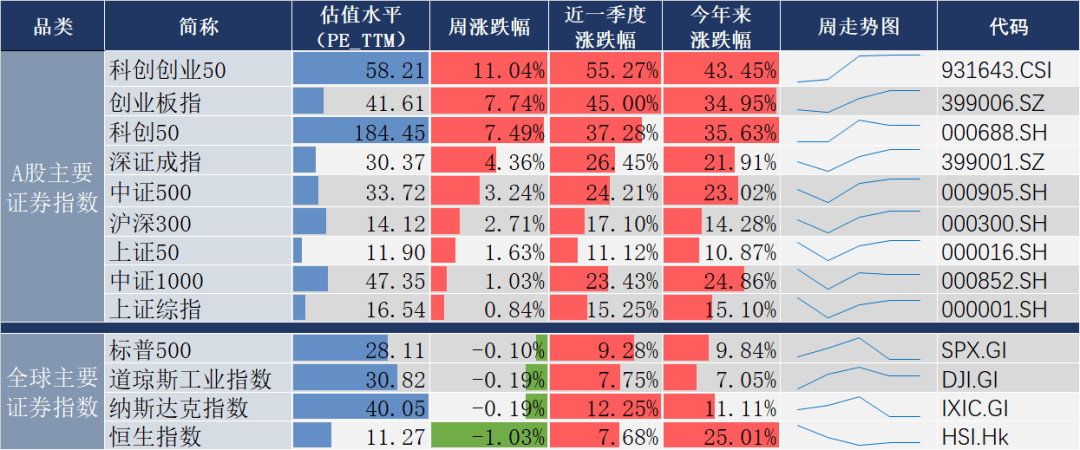
Group 1 - Central Huijin has significantly increased its holdings in ETFs, with a total market value of 1.28 trillion yuan, representing a nearly 23% increase from the end of last year [1] - Central Huijin Asset Management has increased its stock ETF holdings by 58% compared to the end of last year, with several broad-based ETFs receiving over 1 billion shares in additional purchases [1] - The securities industry reported a strong performance in the first half of 2025, with 42 listed brokerages achieving a total revenue of 251.87 billion yuan, a year-on-year increase of 30.8%, and a net profit of 104.02 billion yuan, up 65.08% [2] Group 2 - Equity funds have shown an average net value growth rate of 23.89% in the first eight months of 2025, outperforming major indices like the Shanghai Composite Index [3] - Active equity funds achieved an average net value growth rate of 23.83%, with some funds increasing by over 175% [4] - The manufacturing PMI, non-manufacturing business activity index, and composite PMI output index all showed slight increases in August, indicating continued economic expansion in China [5] Group 3 - A new ultra-broadband optoelectronic integration system has been developed, promising to enhance high-speed wireless communication for future 6G networks [6] - In July, there was a notable shift of household deposits towards funds and wealth management products, with a decrease of 1.1 trillion yuan in new household deposits and an increase of 2.14 trillion yuan in non-bank institution deposits [7] - The U.S. Federal Reserve officials have indicated a likelihood of interest rate cuts, with market expectations for a 25 basis point cut in September reaching 86.9% [8] Group 4 - The CSI 300 ETF has seen significant growth, with a total scale increase of nearly 400 billion yuan over the past year, becoming a key channel for capital entry into the market [10] - The U.S. Department of Transportation has withdrawn funding for a $679 million offshore wind project, impacting the renewable energy sector [11] - Colombia has banned coal exports to Israel, which could affect Israel's coal supply significantly [12] Group 5 - The average coal price at European ARA ports was $96.25 per ton as of August 29, reflecting a decrease of $5.00 per ton [13] - The major indices in the market have shown an upward trend, with the Shanghai Composite Index closing at 3857.93 points, up 0.84% for the week [14] - The communication, non-ferrous metals, and electronics indices have shown the highest gains, while comprehensive finance, textiles, and coal indices have seen declines [15][18]
在推动科技创新和产业创新融合上打头阵
Xin Hua Ri Bao· 2025-08-11 23:13
Core Insights - Jiangsu province is expected to play a leading role in China's modernization through its strong industrial foundation, rich educational resources, favorable business environment, and large market scale [1] Group 1: Technology Integration and Collaboration - The need for a systemic reconstruction from "dispersed operations" to "collaborative breakthroughs" is emphasized, particularly in the integrated circuit industry, which requires multi-disciplinary and multi-regional cooperation [2] - Jiangsu's integrated circuit industry has formed a complete industrial chain, but still faces technological shortcomings in key areas due to a lack of synergy among universities, research institutes, and enterprises [2] - A "whole province, one chessboard" innovation governance system is proposed to address resource dispersion, including a provincial-level innovation coordination mechanism and the establishment of "carrier-level" innovation communities [2] Group 2: Technology Commercialization - Jiangsu faces three major bottlenecks in technology commercialization: reluctance to transfer, inability to transfer, and fear of transfer, which hinder the conversion of scientific achievements into industrial applications [3] - Reforming evaluation mechanisms to incentivize technology transfer and establishing pilot projects to assess the contribution of technology commercialization are recommended [3] - The construction of pilot testing platforms tailored to specific industries and regions is essential to facilitate the transition from laboratory results to market-ready products [3] Group 3: Development of Emerging Industries - The development of strategic emerging industries is crucial for Jiangsu to transition from "follower" to "leader" in the global market, focusing on digital technology, green transformation, and cross-industry innovation [4] - Jiangsu's new energy sector is already significant, but further investments in energy storage and smart grid technologies are necessary to maintain competitive advantages [4] - A four-pronged approach involving tackling key technologies, strengthening industrial chains, fostering innovation ecosystems, and enhancing global cooperation is proposed to drive high-quality development in emerging industries [5]