
能源化工

Search documents
2025年11月17日:期货市场交易指引-20251117
Chang Jiang Qi Huo· 2025-11-17 03:44
Report Industry Investment Ratings Macro Finance - **Stock Index**: Mid-to-long term bullish, buy on dips [1][5] - **Treasury Bonds**: Range-bound [1][5] Black Building Materials - **Coking Coal**: Range trading [1] - **Rebar**: Range trading [1][7] - **Glass**: Sell call options [1][8] Non-Ferrous Metals - **Copper**: Short-term range trading [1][11] - **Aluminum**: Suggest buying on dips [1][12] - **Nickel**: Suggest waiting and seeing or shorting on rallies [1][17] - **Tin**: Range trading [1][17] - **Gold**: Range trading [1][19] - **Silver**: Range trading [1][18] Energy Chemicals - **PVC**: Range-bound with a weak bias, 01 contract pay attention to the 4700 resistance level [21][23] - **Caustic Soda**: Range-bound with a weak bias, 01 contract pay attention to the 2400 resistance level [24][25] - **Soda Ash**: Bearish strategy for the 01 contract [1][35] - **Styrene**: Range-bound with a weak bias, pay attention to the 6500 resistance level [26][27] - **Rubber**: Range-bound, pay attention to the 15000 support level [27][28] - **Urea**: Range-bound [30][31] - **Methanol**: Range-bound [31][32] - **Polyolefins**: Weak range-bound, L2601 pay attention to the 6800 support level, PP2601 pay attention to the 6500 support level [33][34] Cotton Textile Industry Chain - **Cotton and Cotton Yarn**: Range-bound [36] - **PTA**: Low-level range-bound, pay attention to the 4400 - 4700 range [36] - **Apple**: Range-bound with a strong bias [38] - **Red Dates**: Range-bound with a weak bias [38] Agricultural Livestock - **Hogs**: Rebound under pressure [1][40] - **Eggs**: Limited upside [1][43] - **Corn**: Range-bound at the bottom [46][47] - **Soybean Meal**: Range-bound [48] - **Oils and Fats**: Limited rebound [1][48] Core Views The report provides investment strategies and market analyses for various futures products across different industries. Market conditions are influenced by a variety of factors including macroeconomic policies, supply and demand fundamentals, and geopolitical events. Each product's investment strategy is based on its specific market situation and outlook [1][5][7]. Summary by Directory Macro Finance - **Stock Index**: Mid-to-long term bullish, but may range-bound in the short term due to rapid market hot - spot rotation and unclear main lines [5] - **Treasury Bonds**: Range-bound. The third - quarter monetary policy report maintains a moderately loose tone, and the possibility of using aggregate monetary policy tools this year is relatively limited. The market is in a range - bound and wait - and - see state [5][6] Black Building Materials - **Coking Coal and Rebar**: Range trading. Coking coal market has weak demand and price cuts, while rebar is undervalued but has limited upside due to weakening demand and potential production cuts [7][8] - **Glass**: Sell call options. End - of - year demand may weaken further, with high inventory and delivery pressure. Technical indicators show a bearish trend [8] Non - Ferrous Metals - **Copper**: High - level range - bound. The US government's situation and economic data add uncertainty, while the long - term demand outlook is positive but short - term consumption is suppressed [11] - **Aluminum**: Suggest waiting and seeing. Supply and demand fundamentals are complex, and there is a risk of over - trading the market's expectations [12][13] - **Nickel**: Suggest waiting and seeing or shorting on rallies. The new RKAB policy brings supply uncertainty, and the medium - to - long - term supply is in surplus [16][17] - **Tin**: Range trading. Supply is expected to improve, and downstream consumption is weak, but prices are supported [17] - **Gold and Silver**: Range trading. Uncertainty about the Fed's December interest - rate decision and concerns about the US economy support prices in the medium term but are in a short - term adjustment [18][19] Energy Chemicals - **PVC**: Range - bound with a weak bias. High supply, weak domestic demand, and uncertain export growth [23] - **Caustic Soda**: Range - bound with a weak bias. High inventory in the alumina industry and potential negative feedback in the industrial chain [25] - **Soda Ash**: Bearish for the 01 contract. Supply is in surplus, and although cost increases, supply pressure remains high [35] - **Styrene**: Range - bound with a weak bias. Weak chemical fundamentals and uncertain cost factors [27] - **Rubber**: Range - bound. High raw material prices, seasonal inventory accumulation, and weak terminal demand [28] - **Urea**: Range - bound. Supply increases, demand is driven by agriculture and industry, and inventory changes need attention [30][31] - **Methanol**: Range - bound. Supply increases, demand weakens, and inventory accumulates [31][32] - **Polyolefins**: Weak range - bound. Supply pressure increases, demand has no obvious increase, and cost pressure exists [33][34] Cotton Textile Industry Chain - **Cotton and Cotton Yarn**: Range - bound. Global cotton supply and demand are both increasing, and the end - of - season inventory is decreasing [36] - **PTA**: Low - level range - bound. Oil prices are weak, supply and demand are in a state of inventory accumulation, and downstream procurement is weak [36] - **Apple**: Range - bound with a strong bias. Production and quality decline, which may support prices [38] - **Red Dates**: Range - bound with a weak bias. Acquisition prices are slightly adjusted, and market sentiment is cautious [38] Agricultural Livestock - **Hogs**: Rebound under pressure. Short - term price fluctuations are limited, and medium - to - long - term supply remains high before the first half of next year [40][42] - **Eggs**: Limited upside. Supply is sufficient in the short term, and long - term supply pressure reduction requires time [43][45] - **Corn**: Range - bound at the bottom. Short - term supply is abundant, and long - term cost support exists, but demand growth is limited [46][47] - **Soybean Meal**: Range - bound. US soybean supply and demand are expected to tighten, but Brazilian production may limit the upside [48] - **Oils and Fats**: Limited rebound. Short - term reports have a neutral impact, and long - term potential factors need attention [54]
10月国内经济指标多数增长放缓
Dong Zheng Qi Huo· 2025-11-17 00:44
1. Report Industry Investment Ratings No investment ratings for the entire industry are provided in the report. 2. Core Views of the Report - The Fed's hawkish remarks have dampened hopes of a December rate cut, leading to tightened global market liquidity and significant market declines on Friday. The future rate - cut path still has room for debate, and market volatility remains high [2][15]. - In October, most domestic economic indicators showed a slowdown in growth, which has affected various markets such as A - shares and the bond market [3][25]. - Different commodity markets have their own supply - demand and price trends. For example, in the copper market, short - term macro factors may limit copper prices, while fundamentals may turn into a supporting factor [7]. 3. Summary by Directory 3.1 Financial News and Reviews 3.1.1 Macro Strategy (US Stock Index Futures) - Fed officials continue to make hawkish remarks, and the market is pricing in a pause in rate cuts in December. The future rate - cut path still has room for debate with the release of economic data next week. The US stock market maintains a high - level oscillation [15]. - Investment advice: Due to high market volatility, it is recommended to observe more and act less, waiting for the market to choose a direction [16]. 3.1.2 Macro Strategy (Gold) - The US adjusts agricultural product tariffs and reduces tariffs on Swiss products. Gold prices fell significantly on Friday, remaining in a short - term consolidation range. - Investment advice: Gold prices are expected to continue to fluctuate in the short term, and attention should be paid to the risk of decline [20]. 3.1.3 Macro Strategy (Foreign Exchange Futures - US Dollar Index) - Fed officials' hawkish statements have led to tightened global market liquidity, significant market declines on Friday, and the US dollar index is oscillating. - Investment advice: The US dollar is expected to oscillate in the short term [23]. 3.1.4 Macro Strategy (Stock Index Futures) - Three factors are disturbing the A - share market: increased domestic economic pressure, tense Sino - Japanese relations, and overseas companies' demand for supply - chain localization. The probability of a high - level adjustment in the market is increasing. - Investment advice: It is recommended to evenly allocate long positions in various stock indexes [27]. 3.1.5 Macro Strategy (Treasury Bond Futures) - Economic data in October was generally weaker than expected. The bond market is in a narrow - range oscillation as it has already anticipated weak data, and there is a lack of new positive drivers. - Investment advice: It is recommended to approach the market with an oscillation mindset [31]. 3.2 Commodity News and Reviews 3.2.1 Black Metals (Steam Coal) - The price of Indonesian low - calorie steam coal was stable on November 14. The overall coal price is oscillating around 850 yuan. Supply is tight, and demand is at a seasonal high, so the price has strong support but is unlikely to break through 900 yuan. - Investment advice: The coal price is expected to be strongly supported but difficult to break through 900 yuan [34]. 3.2.2 Black Metals (Iron Ore) - Norwegian iron ore producer Rana Gruber plans to produce 67% high - grade iron ore by 2029. The iron ore market has weak demand, and the price is expected to oscillate. - Investment advice: The price is expected to remain flat in the second half of November and decline slightly in December, maintaining an oscillating market [36]. 3.2.3 Agricultural Products (Soybean Oil/Rapeseed Oil/Palm Oil) - Indonesia plans to test B50 biodiesel in December. The US is urged to finalize biofuel policies. Palm oil prices may be weak due to policy uncertainties, while soybean oil prices are expected to remain firm. - Investment advice: For palm oil, do not prematurely trade potential positive expectations. For soybean oil, wait for the result of US biofuel policies [40]. 3.2.4 Agricultural Products (Sugar) - In October, Brazilian sugar production data was higher than expected, and the Brazilian sugar - making ratio is decreasing. The domestic sugar market is expected to have a strong start to the new season, but the upside is limited. - Investment advice: Zhengzhou sugar futures are expected to be strongly oscillating in the short term, and the 1 - 5 contract long - spread can be held [45]. 3.2.5 Agricultural Products (Cotton) - The USDA November report is bearish for cotton, but the market has already priced it in. The domestic cotton market has sufficient supply and weak demand, and the price is expected to be weakly oscillating. - Investment advice: Zhengzhou cotton futures are expected to be weakly oscillating in the short term [50]. 3.2.6 Agricultural Products (Soybean Meal) - The USDA lowered the ending inventory of US soybeans in the 25/26 season. US soybean crushing demand is strong, but the improvement in exports is uncertain. The domestic soybean meal supply is sufficient, and the price is in an oscillating state. - Investment advice: The futures price is expected to oscillate, and attention should be paid to China's actual purchases of US soybeans and South American production expectations [54]. 3.2.7 Black Metals (Rebar/Hot - Rolled Coil) - In early November, the daily output of key steel enterprises increased. Steel prices are oscillating without a clear trend. The market needs more steel mill production cuts. - Investment advice: Approach steel prices with an oscillating mindset [60]. 3.2.8 Agricultural Products (Corn Starch) - The price difference between corn starch and tapioca starch has widened. The starch market has positive profits, and the inventory has slightly decreased. - Investment advice: The 01 futures price difference is expected to oscillate, and it is recommended to conduct band trading [62]. 3.2.9 Agricultural Products (Corn) - The selling progress of corn in Northeast and North China is relatively fast, but the actual supply - demand situation is still tight. The price is expected to be affected by selling pressure in the future. - Investment advice: It is recommended to wait and see in the short term, and there may be opportunities to short at high prices after the situation becomes clear [64]. 3.2.10 Agricultural Products (Red Dates) - The price of red dates in Xinjiang is weakly stable. The futures price has declined, and the inventory has increased. - Investment advice: It is recommended to observe carefully until the harvesting is completed and pay attention to price negotiations and purchase progress in the production area [67]. 3.2.11 Non - Ferrous Metals (Copper) - Polish copper producer KGHM's Q3 net profit increased by 80%. Short - term macro factors may limit copper prices, while fundamentals may turn into a supporting factor. - Investment advice: It is recommended to buy on dips for single - side trading and wait and see for arbitrage [71]. 3.2.12 Non - Ferrous Metals (Polysilicon) - The first TOPCon + perovskite tandem solar cell was launched. The polysilicon spot price is expected to be stable, and the futures price is expected to oscillate between 51,000 - 56,000 yuan/ton. - Investment advice: Pay attention to range - trading opportunities [74]. 3.2.13 Non - Ferrous Metals (Industrial Silicon) - Organic silicon monomer manufacturers are jointly raising prices and considering production cuts. Industrial silicon prices are expected to have a clear lower limit, and it is recommended to buy on dips [77]. 3.2.14 Non - Ferrous Metals (Lead) - The LME lead spread is at a discount. The supply side is in the early stage of repair, and the demand side is weak. There is a risk of low inventory in the long - term. - Investment advice: The industrial side can look for opportunities to short on rallies, and wait and see for arbitrage and cross - border trading [79]. 3.2.15 Non - Ferrous Metals (Zinc) - Peruvian zinc concentrate production decreased in September. The LME zinc market has a risk of a short - squeeze, and the domestic zinc market is expected to enter a high - level oscillating adjustment stage. - Investment advice: Hold short positions in the short - term, look for long - spread opportunities in the medium - term, and pay attention to cross - border arbitrage opportunities [83]. 3.2.16 Non - Ferrous Metals (Lithium Carbonate) - The lithium price has risen recently, but short - term upward movement is limited. In the medium - term, demand may weaken. - Investment advice: Conduct range - trading in the short - term and look for opportunities to short on rallies in the medium - term [86]. 3.2.17 Non - Ferrous Metals (Nickel) - Indonesia may restrict nickel smelting investment. The nickel market has weak fundamentals, and the price may continue to be weak in the short - term. - Investment advice: In the short - term, the price may continue to decline or rebound based on production cuts. In the medium - term, pay attention to Indonesia's policies [89]. 3.2.18 Energy and Chemicals (Carbon Emissions) - The EU carbon price is oscillating. The increase in heating demand in winter will support the carbon price. - Investment advice: The EU carbon price is expected to be oscillating and strengthening in the short - term [92]. 3.2.19 Energy and Chemicals (Crude Oil) - The number of US oil rigs has increased, and the Russian Black Sea port was attacked, affecting oil exports. Geopolitical conflicts may support oil prices in the short - term. - Investment advice: Geopolitical conflicts may support oil prices in the short - term [95]. 3.2.20 Energy and Chemicals (Methanol) - International methanol production and capacity utilization have increased. The methanol price fell due to the decline in coking coal futures. The theoretical downward space is at least 100 yuan/ton. - Investment advice: The price is expected to reach 2000 yuan/ton [99]. 3.2.21 Energy and Chemicals (Bottle Chips) - Bottle chip factories have increased export quotes. The market is in a seasonal off - season, and there is a risk of supply - demand deterioration in the future. - Investment advice: Look for opportunities to short the far - month processing margin and follow the movement of polyester raw material prices [102]. 3.2.22 Shipping Index (Container Freight Rates) - ONE has cooperated with Chinese ports to promote green shipping. The EC2602 contract's delivery date has been adjusted, and its valuation may be revised. - Investment advice: The 12 - 02 contract spread is expected to return to par or a slight premium [105].
重庆举办人才创新成果转化应用对接会
Zhong Guo Xin Wen Wang· 2025-11-16 05:27
为开展精准的科技成果供需匹配对接活动,助力技术转移转化和产学研深度融合,重庆市科学技术研究 院还集中发布130余项人才创新成果。 当天,海内外知名院士专家围绕"创新成果转化"主题分享了国际经验与实践案例,在思想碰撞中凝聚共 识;欧洲人工智能研究院、法国图卢兹第三大学、中白工业园等团队展示了多个具有广阔市场前景的创 新创业项目。 会后,主办方还组织与会嘉宾和青年人才前往重庆市科学技术研究院、两江协同创新区、西部(重庆)科 学城等地开展实地考察对接,推动合作意向落地。(完) (文章来源:中国新闻网) 中新网重庆11月16日电 (记者钟旖)重庆国际人才交流大会16日继续在当地举行。其间,人才创新成果转 化应用对接会召开。多项科技合作签约落地、130余项人才创新成果集中发布、海内外知名院士专家展 开交流探讨,助力产学研深度融合。 重庆市科学技术研究院能源效率优化研究中心(下称研究中心)正式揭牌成立。据介绍,研究中心将聚焦 能源效率优化、高端装备制造及产业链协同等关键领域,吸引国内外优秀科研人才和创新团队协同攻 关,通过多尺度协同优化,破解一系列关键技术难题,实现技术突破与成果转化,加快推动重庆能源领 域的绿色低碳转型 ...
这场高校毕业生秋招很火热 2万余个岗位提供多元选择
Si Chuan Ri Bao· 2025-11-15 01:41
Group 1 - The "Golden Autumn Launch" campus recruitment event took place at Sichuan University of Light Chemical Industry, attracting over 12,000 graduates and more than 80,000 online participants, with over 20,000 job postings available [2] - The event featured 550 employers from various industries, including electronic information, equipment manufacturing, food and textiles, and energy and chemicals, providing diverse job opportunities for graduates [2] - A specific renewable energy battery materials company offered 8 types of job positions with monthly salaries ranging from 5,000 to 7,000 yuan, catering to different professional backgrounds [2] Group 2 - Eight universities, including Chengdu University of Technology and Sichuan University of Light Chemical Industry, signed agreements with eight employers, such as China Railway Fifth Bureau Group and Nongfu Spring, focusing on talent cultivation and internship employment [3] - The "Chuan Ying Wei Lai" youth employment and entrepreneurship service platform conducted live job recruitment activities, providing job information and employment consulting for graduates [3] - Sichuan plans to enhance its employment service system for graduates, aiming for high-quality and sufficient employment for the 2026 cohort through a structured approach [3]


东华能源:公司现有产品体系不包括PEEK及上游材料
Mei Ri Jing Ji Xin Wen· 2025-11-14 09:03
Core Viewpoint - The company does not currently include PEEK materials in its product system but is developing a carbon fiber project that can be combined with PEEK for various emerging applications [1]. Group 1: Company Information - The company, Donghua Energy, confirmed that its existing product system does not include PEEK or upstream materials [1]. - The company is actively promoting the construction of the Maoming carbon fiber project, which can be used in conjunction with PEEK and other materials [1]. Group 2: Industry Applications - Carbon fiber, developed by the company, can be applied in various emerging scenarios such as robotics and low-altitude flying vehicles [1].

日度策略参考-20251114
Guo Mao Qi Huo· 2025-11-14 08:40
Report Industry Investment Ratings - Not provided in the given content Core Views of the Report - The current macro - level is in a relatively vacuous period, A - shares lack a clear upward main line, market trading volume remains low, and stock indices continue to fluctuate, accumulating momentum for the next upward movement. With policy support and abundant macro - liquidity, there is still strong support below the stock indices [1] - Asset shortage and weak economy are beneficial to bond futures, but the central bank has recently warned of interest - rate risks, suppressing the upward space [1] Summary by Industry Categories Macro - Finance - A - shares lack a clear upward main line, trading volume is low, and stock indices fluctuate while accumulating upward momentum. There is strong support below the stock indices due to policy and liquidity [1] - Asset shortage and weak economy are favorable for bond futures, but short - term interest - rate risks are a concern [1] National Debt - Asset shortage and weak economy are beneficial to bond futures, but short - term central bank warnings on interest - rate risks suppress the upward space [1] Non - Ferrous Metals - High copper prices inhibit downstream demand, but improved macro sentiment may lead to a stronger copper price [1] - Limited industrial drivers but improved macro market sentiment lead to a stronger aluminum price [1] - Domestic alumina production capacity is continuously released, with both production and inventory increasing, and the price fluctuates around the cost line [1] - There is still a risk of LME zinc squeeze, and the zinc price is expected to remain high. However, due to domestic oversupply, caution is needed when chasing high prices, and low - buying opportunities can be focused on [1] - The Indonesian government has restricted nickel - related smelting project approvals again, but approved projects are currently unaffected. In the fourth quarter, attention should be paid to the nickel ore quota approval in 2026. The nickel price may fluctuate in the short term, and high inventory pressure should be noted [1] - Stainless steel social inventory has slightly decreased, and steel mills' production schedules in November have declined. Attention should be paid to actual production [1] - The tin raw material end has not recovered, and there are good expectations for new - quality demand. Long - term, attention can be paid to low - buying opportunities [1] Precious Metals and New Energy - The short - term upward trend of precious metal prices may slow down. When the government shutdown ends and missing economic data is released, it may affect precious metal prices [1] - For industrial silicon, northwest production capacity is being restored, southwest start - up is weaker than usual, and the impact of the dry season is weakening [1] - For polysilicon, production schedules in November are decreasing, the anti - involution policy has not been implemented for a long time, and market sentiment has faded [1] - For lithium carbonate, the traditional peak season for new energy vehicles is approaching, energy - storage demand is strong, but hedging pressure is high [1] Black Metals - For rebar, there are concerns about potential weakening of industrial demand in the off - season. After the macro sentiment is realized, attention should be paid to upward pressure, and the virtual value accumulated put strategy can be appropriately participated in [1] - For hot - rolled coils, the off - season effect is not obvious, but the industrial structure is still loose. Attention should be paid to the upward price pressure after the macro sentiment is realized [1] - For iron ore, the near - month is restricted by production cuts, but the commodity sentiment is good, and the far - month still has upward opportunities [1] - For activated carbon, short - term production profit is poor, cost support is strengthening, direct demand is okay, but supply is high, and the price rebound is limited [1] - For coking coal, the price is in a dilemma near the previous high. It is necessary to repeatedly test the support. The coke futures price has factored in the expectation of five rounds of price increases, but downstream steel mill profits are being squeezed, and the steel - coke game is intense. The short - term strategy is to wait and see, and the long - term strategy is to buy at low prices. Industrial customers can consider selling hedging [1] - For coke, the logic is the same as that of coking coal. The futures price is at a premium, and industrial customers can consider selling hedging when the futures price rises [1] Agricultural Products - For soybean oil, China's commitment to purchase US soybeans has no substantial impact on soybean oil, and domestic inventory is decreasing. It is more resistant to decline among the three oils and can be over - allocated in arbitrage. Attention should be paid to the USDA supply - demand report [1] - For cotton, the domestic new crop has a strong harvest expectation, and the purchase price of seed cotton supports the cost of lint. Downstream start - up is low, but there is rigid restocking demand. The cotton market is currently in a situation of "support but no driver", and future policies and demand situations should be noted [1] - For sugar, the global sugar supply has shifted from shortage to surplus, and the domestic new - crop supply pressure has increased year - on - year. The Zhengzhou sugar price is expected to follow the decline of the raw - sugar price [1] - For corn, short - term farmers are reluctant to sell, and some purchasers have restocking demand for high - quality corn. The spot price is firm, and the futures price rebounds. However, before the supply pressure is fully released, the upward drive is weak, and attention should be paid to farmers' selling rhythm [1] - For soybeans, the near - month purchase and crushing profit of both Brazilian and US soybeans in China is poor. Before the USDA report is released, the futures price is expected to fluctuate and adjust [1] Energy - Chemicals - For crude oil, OPEC + plans to maintain a small increase in production in December, short - term geopolitical tensions have cooled down, and Sino - US trade tariff policies have been temporarily suspended, easing market sentiment [1] - For fuel oil, similar to crude oil, short - term geopolitical tensions have cooled down, and Sino - US trade tariff policies have been temporarily suspended, easing market sentiment [1] - For asphalt, short - term supply - demand contradictions are not prominent, the "14th Five - Year Plan" construction demand is likely to be false, and the supply of raw - material Ma Rui crude oil is sufficient, with high profits [1] - For BR rubber, the cost - end butadiene support is insufficient, the supply of synthetic rubber is loose, and the high - inventory situation has not been the main suppressing factor. The short - term price has stopped falling, and attention should be paid to the subsequent rebound [1] - For PTA, gasoline profit and low benzene price support PX. Overseas device failures and domestic device maintenance have led to a decline in PTA production [1] - For ethylene glycol, the decline in crude - oil price leads to a decline in ethylene - glycol price, while the increase in coal price strengthens the cost support. The "Golden September and Silver October" peak season for polyester is ending, and domestic demand has not significantly declined [1] - For short - fiber, gasoline profit and low benzene price support PX, the PTA price has rebounded, and the short - fiber basis has strengthened. The short - fiber price closely follows the cost [1] - For pure benzene, the Asian benzene price is weak, the US pure - benzene price has increased, and there are more benzene - ethylene maintenance projects [1] - For urea, export sentiment has eased, domestic demand is insufficient, and there is support from anti - involution policies and the cost end [1] - For PVC, new production capacity is being released, the intensity of maintenance has weakened, downstream demand has declined, and orders are poor [1] - For caustic soda, there is a risk of squeeze due to pre - delivery of Guangxi alumina, reduced subsequent maintenance concentration, inventory reduction, and limited near - month warehouse receipts [1] - For LPG, the international oil - gas fundamentals are continuously loose, the CP/FEI price has weakened, the futures price has been re - valued, and the domestic spot fundamentals are stable [1] Others - For the container shipping European line, the macro - positive sentiment has been digested, the peak - season price - increase expectation has been priced in advance, and the shipping capacity supply in November is relatively loose [1]
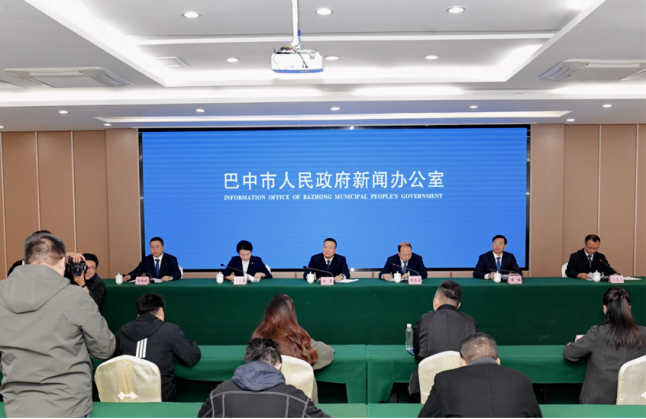
四川巴中:全国革命老区振兴发展示范市建设迈出新步伐
Zhong Guo Fa Zhan Wang· 2025-11-13 04:17
Core Insights - The article highlights the significant achievements of Bazhong City during the "14th Five-Year Plan" period, emphasizing the city's commitment to high-quality development and the implementation of the "One City, Four Districts, Three Areas" development strategy [1][3]. Economic Development - Bazhong's GDP growth rate improved from 15th among 20 revolutionary old districts in 2020 to 2nd in 2024, with the city achieving its best position in nearly a decade [4]. - The local public budget revenue has seen a continuous growth rate for 17 months, while the industrial added value has maintained double-digit growth for 18 months, placing Bazhong in the top tier of provincial rankings [4]. Industrial Development - The city has established a modern industrial system categorized as "5+2+3," focusing on ecological industry and advanced manufacturing [6]. - Key industries include advanced materials, low-altitude economy, and clean energy projects, with significant investments in wind, solar, and hydropower [6]. Urban-Rural Integration - Bazhong has promoted urban-rural integration, enhancing the quality of life in both urban and rural areas, and has seen a 4.34 percentage point increase in urbanization rate since 2020 [8]. - The city has successfully integrated into the "two-hour economic circle" of Chengdu and Chongqing, improving transportation links significantly [8]. Reform and Innovation - The city has implemented measures to create a business-friendly environment, including the introduction of local regulations to optimize services for enterprises [9][10]. - Bazhong has initiated a systematic assessment of various resources to enhance their value and promote economic development [10]. Environmental Sustainability - Bazhong has made strides in ecological development, becoming the first prefecture-level city in Sichuan to establish a national ecological civilization demonstration zone [12]. - The city has developed a GEP accounting system, achieving an ecological system production value of 2,586.36 billion yuan in 2023 [12]. Social Welfare - The city has focused on improving the quality of life for its residents, allocating over 70% of new financial resources to social welfare projects [13]. - Initiatives in education and healthcare have been prioritized, including the establishment of a cloud-based education platform and improved access to medical services [13][14].
日度策略参考-20251113
Guo Mao Qi Huo· 2025-11-13 02:59
Report Summary 1) Report Industry Investment Ratings - The report does not explicitly provide overall industry investment ratings. However, it gives outlooks for various commodities, including "看多" (bullish) for copper, nickel, stainless steel, and soybeans, and "震荡" (sideways) for most other commodities such as aluminum, zinc, gold, silver, etc. [1] 2) Core Views - The A-share market is currently in a relatively vacuous macro environment, lacking a clear upward trend. It is in a sideways movement, accumulating momentum for the next upward move. With policy support and ample macro - liquidity, the stock index has strong downside support. [1] - The bond futures are favored by the asset shortage and weak economy, but the central bank's short - term interest rate risk warning restricts the upside. [1] - For commodities, different factors affect their prices. For example, high copper prices suppress downstream demand, but the increasing acceptance of copper prices by downstream and improved macro sentiment may lead to a stronger copper price. [1] 3) Summary by Commodity Categories Macro - Financial - The A - share market is in a sideways trend, accumulating energy for an upward move. With policy and liquidity support, the downside of the stock index is limited. Asset shortage and weak economy are favorable for bond futures, but short - term interest rate risk warnings restrict the upside. [1] Non - Ferrous Metals - **Copper**: High copper prices suppress downstream demand, but the increasing acceptance of copper prices by downstream and improved macro sentiment may lead to a stronger copper price. [1] - **Aluminum**: Limited industrial drivers recently, but improved macro sentiment leads to a stronger aluminum price. [1] - **Alumina**: With production still having a small profit, domestic alumina production capacity is continuously released, resulting in a double - increase in production and inventory, and a weak fundamental pattern. [1] - **Zinc**: There is still a risk of a squeeze in LME zinc, and the zinc price is expected to remain high. However, due to the domestic supply surplus, caution is needed when chasing high prices. [1] - **Nickel**: The US Senate's progress on ending the government shutdown causes fluctuations in market risk appetite. Indonesia restricts nickel - related smelting project approvals. The nickel price may fluctuate in the short term, and high inventory pressure should be watched out for. [1] - **Stainless Steel**: The price of raw material ferronickel weakens, and the social inventory of stainless steel decreases slightly. Steel mills' production in November decreases. The stainless steel futures are looking for a bottom in a sideways movement. [1] - **Tin**: The raw material end has not recovered, and the new demand is expected to be good. It is recommended to pay attention to buying opportunities on dips in the medium - to - long term. [1] Precious Metals and New Energy - **Gold**: Supported by the dual - liquidity easing expectations of the US fiscal and monetary policies, but there are still differences within the Fed regarding a December interest rate cut. The gold price may fluctuate in a high - level range. [1] - **Silver**: Boosted by liquidity, the silver price may be stronger in the short term. [1] - **Industrial Silicon**: Northwest production capacity is recovering, and the impact of the dry season is weakening. Polysilicon production in November is decreasing. [1] - **Polysilicon**: There is an expectation of production capacity reduction in the long term, and the terminal installation in the fourth quarter is increasing marginally. [1] - **Lithium Carbonate**: The traditional peak season for new energy vehicles is approaching, and the energy storage demand is strong, but there is high hedging pressure. [1] Steel and Iron - **Rebar**: There are concerns about potential weakening of industrial demand in the off - season. After the macro sentiment is realized, attention should be paid to the upward pressure on prices. [1] - **Hot Rolled Coil**: The off - season effect is not obvious, but the industrial structure is still loose. Attention should be paid to the upward pressure on prices after the macro sentiment is realized. [1] - **Iron Ore**: The near - month contract is restricted by production cuts, but the far - month contract still has upward potential due to good commodity sentiment. [1] - **Coking Coal and Coke**: Coking coal is struggling at the previous high. Coke's price includes the expectation of five rounds of price increases, but the steel - coking game is intense. It is recommended to wait and see in the short term and go long at low levels in the medium - to - long term. [1] Agricultural Products - **Palm Oil**: A 4% production cut in Malaysia in early November fails to drive inventory reduction, and the domestic supply in the fourth quarter is relatively loose. [1] - **Soybean Oil**: China's commitment to purchase US soybeans has no substantial impact on soybean oil, and the domestic inventory is decreasing. It is recommended to be long in arbitrage. [1] - **Cotton**: The new domestic cotton harvest is expected to be good, and the purchase price supports the cost of lint. The downstream demand is weak, but there is rigid restocking demand. The cotton market is currently in a situation of "having support but no driver". [1] - **Sugar**: The global sugar supply changes from shortage to surplus, and the domestic new - crop supply pressure increases year - on - year. The Zhengzhou sugar price is expected to follow the decline of the raw sugar price. [1] - **Corn**: The short - term market has a strong willingness to purchase high - quality corn, and the spot price is firm. The upward movement of the futures price lacks strong drivers before the supply pressure is fully released. [1] - **Soybeans**: The domestic soybean purchase and crushing profit is poor, and the purchase progress for the 12 - 1 ship is slow. The domestic futures are expected to follow the US market and move sideways and strongly before the USDA report. [1] Energy and Chemicals - **Crude Oil**: OPEC+ plans to maintain a small increase in production in December. The short - term geopolitical situation cools down, and the market sentiment eases. [1] - **Fuel Oil**: Similar to crude oil, affected by OPEC+ production plans, geopolitical situation, and market sentiment. [1] - **Asphalt**: The raw material cost has strong support, the futures - spot price difference is low, and the commodity market sentiment is positive. [1] - **Natural Rubber**: The cost of butadiene provides insufficient support, the synthetic rubber supply is loose, and the price has stopped falling recently. [1] - **PTA**: Gasoline profit and low benzene price support PX. Overseas and domestic device problems lead to a decline in PTA production. [1] - **Ethylene Glycol**: The ethylene glycol price follows the decline of the crude oil price, and the coal - based cost support strengthens slightly. [1] - **Short Fiber**: The short - fiber price closely follows the cost due to the support of PX and the strengthening of the basis. [1] - **Benzene and Styrene**: The Asian benzene price is weak, the US benzene price rises, and the number of styrene overhauls increases. [1] - **Urea**: The export sentiment eases, the domestic demand is insufficient, but there is support from anti -内卷 policies and the cost end. [1] - **PP**: New production capacity is released, the overhaul intensity weakens, and the downstream improvement is less than expected. [1] - **PVC**: The market returns to fundamentals, the number of overhauls increases slightly, but demand weakens. [1] - **Caustic Soda**: Guangxi alumina starts delivery, the subsequent overhaul concentration decreases, the caustic soda inventory decreases, and there is a risk of a squeeze in the near - month contract. [1] - **LPG**: The international oil and gas fundamentals are loose, the CP/FEI price weakens, and the domestic LPG fundamentals are stable. [1] Shipping - **Container Shipping to Europe**: The macro - positive sentiment is gradually digested, the peak - season price increase expectation is priced in advance, and the shipping capacity supply in November is relatively loose. [1]
宝城期货原油早报-2025-11-13-20251113
Bao Cheng Qi Huo· 2025-11-13 01:43
1. Report Industry Investment Rating - Not provided 2. Core View of the Report - The crude oil 2601 contract is expected to run weakly in the short - term and fluctuate in the medium - term. It is likely to maintain a weak trend on Thursday, November 14, 2025 [1][5]. 3. Summary by Related Catalogs 3.1 Price Performance - On the night of Wednesday, November 13, 2025, domestic and international crude oil futures prices dropped significantly. The domestic crude oil futures 2601 contract closed down 3.22% to 453.8 yuan/barrel [5]. 3.2 Core Logic - OPEC's latest quarterly report changed the global oil market in the third quarter from "supply shortage" to "a daily surplus of 500,000 barrels", amplifying the expectation of loose supply [5]. - The US EIA lowered the price forecasts of WTI and Brent crude oil for this year and next year. Although the latest weekly inventory continued to decline, the decline was weaker than expected [5]. - There is a lack of new demand drivers at the macro - level, coupled with a slight strengthening of the US dollar. Speculative funds reduced their positions, and the WTI far - month contract showed a contango structure, increasing short - term selling pressure [5].
面向“十五五”,全国“智囊团”来建言献策 川渝携手提升成渝地区双城经济圈发展能级
Si Chuan Ri Bao· 2025-11-13 00:29
Core Insights - The Chengdu-Chongqing Economic Circle has achieved significant economic growth, with GDP projected to reach 8.7 trillion yuan in 2024, marking a substantial increase and accounting for 6.5% of the national GDP and 30.3% of the western region's GDP [1][2] Economic Development - The Chengdu-Chongqing Economic Circle has crossed two "trillion yuan" thresholds in GDP since its establishment in 2020, indicating robust economic progress [2] - The region's development is increasingly vital for high-quality growth in both the western region and the nation as a whole [1][2] Modernization and Growth Dynamics - The modernization level of the Chengdu-Chongqing Economic Circle is improving, but the growth rate is slowing down, particularly since 2022, transitioning from rapid expansion driven by policies and investments to a phase focused on structural optimization and endogenous growth [2][3] - The internal spatial structure of the economic circle is stabilizing into a "spindle-shaped" configuration, with new growth poles emerging, such as Mianyang, while absolute disparities between regions are widening [2] Innovation and Industrial Development - Innovation is identified as a critical driver for future high-quality development, with a focus on establishing a nationally influential technology innovation center [4] - The region's higher education institutions have strong complementary capabilities, but there is an imbalance in discipline development and a need for more advanced scientific infrastructure [4][5] - Strategic emerging industries and green transformation are essential for enhancing development quality and efficiency, leveraging the region's rich ecological resources and solid industrial foundation [5] Urbanization and Integration - There is significant potential for economic growth in the western region through urbanization, emphasizing the need to enhance the comprehensive carrying capacity of urban clusters and improve urbanization levels [6]