广告

Search documents
国泰海通|海外科技:腾讯业绩全面提速,AI垂直需求井喷
国泰海通证券研究· 2025-08-18 13:56
Core Viewpoint - Tencent's performance shows significant improvement driven by AI, enhancing various business segments and indicating a positive trend in the industry [2][4]. Group 1: Tencent's Financial Performance - Tencent reported a revenue of 364.5 billion yuan (+14%) for the first half of the year, with a net profit of 124.4 billion yuan (+16%) [2]. - In Q2, Tencent's revenue reached 184.5 billion yuan (+15%), with a non-IFRS operating profit of 69.25 billion yuan (+18%) and a net profit of 63.1 billion yuan (+10%) [2]. - The growth in Q2 was driven by increased revenue from value-added services in gaming, advertising, and fintech, with gaming revenue at 91.37 billion yuan (+16%) and international gaming revenue at 18.8 billion yuan (+35%) [2]. Group 2: AI's Impact on Business - AI is significantly enhancing Tencent's vertical business areas, leading to improved efficiency and quality across its services [2]. - The monthly active users of WeChat reached 1.411 billion (+3%), highlighting the importance of AI in social networking applications [2]. Group 3: U.S. Government's Investment in Intel - The Trump administration plans to invest national funds directly into Intel, focusing on reviving its Ohio wafer plant and boosting domestic advanced manufacturing capacity [3]. - This initiative is expected to alleviate Intel's cash flow pressures and signal strong support for the semiconductor industry, with Intel's stock price rising by 8.9% following the announcement [3]. Group 4: AI Infrastructure and Demand - There has been an explosive growth in inference demand, with Google reporting a consumption of 48 trillion inference tokens in May and 98 trillion in July [4]. - Google plans to invest $9 billion in expanding its cloud and AI infrastructure over the next two years to meet this demand [4]. - In China, the daily consumption of inference tokens is projected to grow from 100 billion to over 30 trillion by mid-2025, reflecting rapid growth in AI applications [4].




北京朝阳:规上广告经营单位727家!占全市六成以上
Sou Hu Cai Jing· 2025-08-18 06:30
Core Insights - The advertising industry in Chaoyang District has shown strong growth in the first half of the year, with revenue reaching 74.902 billion yuan, a year-on-year increase of 27% [1] - Chaoyang District has over 727 registered advertising companies, accounting for more than 60% of the total in the city, maintaining its position as the leading district in Beijing [1] Group 1: Industry Development - Chaoyang District is focusing on creating a digital advertising industry hub, attracting both international and local leading companies such as Publicis, Dentsu, BlueFocus, and Kuaishou [1] - The district has introduced the first district-level digital advertising industry special plan in the country, titled "Chaoyang District Digital Advertising Industry Development Three-Year Action Plan (2025-2027)," which outlines a "1234" development path [1] Group 2: Policy and Financial Support - The establishment of the digital advertising industry park in July marks a new phase in the district's industrial cluster development, emphasizing digital transformation [3] - Continuous upgrades in policy support and financial investment are being implemented to meet the development needs of advertising companies [3]
巴菲特最后一笔投资
阿尔法工场研究院· 2025-08-18 00:06
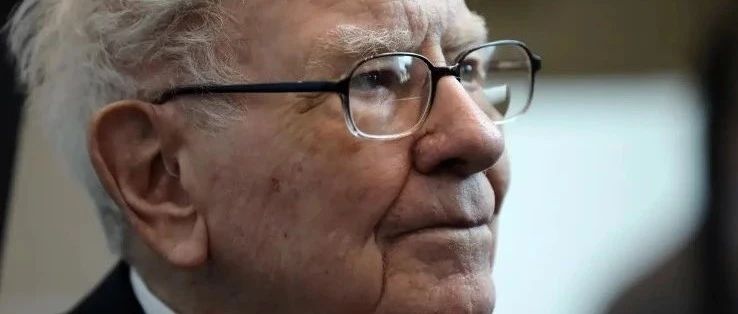
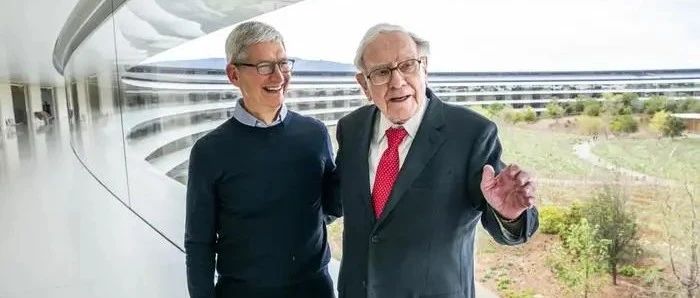
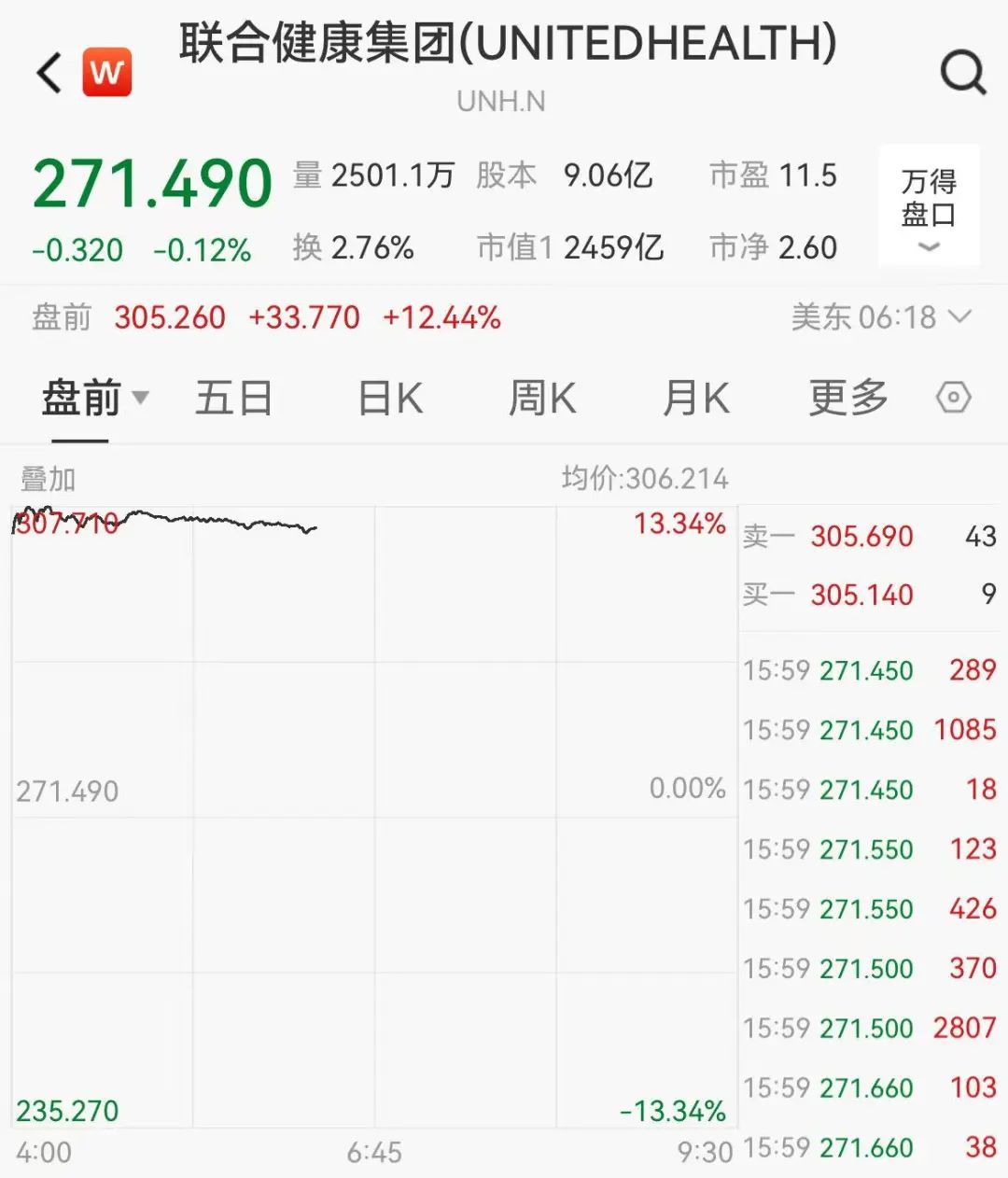
Core Viewpoint - Berkshire Hathaway's cash reserves have increased to $344 billion, surpassing the market value of Coca-Cola, indicating a strategic shift in investment focus towards the healthcare sector as Warren Buffett approaches retirement [1][3]. Group 1: Investment Activities - Berkshire Hathaway purchased approximately 5 million shares of UnitedHealth Group, valued at around $1.6 billion as of June 30, reflecting Buffett's belief that the stock was undervalued following a significant price drop [1][2]. - The company reduced its stake in Apple by 7% to 280 million shares, with a market value of $57 billion, having sold over two-thirds of its holdings since the beginning of 2024 [2]. - New positions were disclosed in Lamar Advertising and Allegion, while increasing stakes in Chevron, Constellation Brands, and Domino's Pizza [2][3]. Group 2: Market Reactions - Following the announcement of Buffett's investment in UnitedHealth, the stock price surged over 10% in after-hours trading, demonstrating the market's trust in Buffett's investment decisions [1][2]. Group 3: Financial Performance - Berkshire Hathaway reported a net sale of $3 billion in stocks last quarter, with purchases totaling $3.9 billion and sales reaching $6.9 billion, marking the 11th consecutive quarter as a net seller of stocks [3].

研报掘金|华泰证券:上调腾讯目标价至742.19港元 射击游戏前景可期
Ge Long Hui· 2025-08-16 10:44
Core Viewpoint - Huatai Securities reports that Tencent Holdings' revenue for the second quarter increased by 14.5% year-on-year, driven by growth in various business segments [1] Revenue Growth - Tencent's revenue growth is attributed to the following segments: - Value-added services grew by 16% - Advertising revenue increased by 20% - Financial technology revenue rose by 10% - Corresponding gross profit margins improved by 3.4, 1.9, and 4.5 percentage points respectively [1] Long-term Outlook - Tencent is positioned as a leading developer in the shooting game sector, with expectations for dual growth from players and commercialization due to rapid domestic penetration - Notable game releases include "Delta Action" in July and the upcoming mobile version of "Valorant" on August 19 - Future game reserves include several important shooting and open-world games [1] Revenue Forecast Adjustments - Huatai Securities has raised Tencent's revenue forecasts for 2025, 2026, and 2027 by 2.7%, 4.7%, and 4.8% respectively - The primary driver for this adjustment is the continued expansion of WeChat stores, which is expected to boost advertising and financial technology growth - The company is also anticipated to benefit from ongoing developments in AI products [1] Target Price and Valuation - Based on a sum-of-the-parts (SOTP) valuation, Huatai Securities has increased Tencent's target price from 614.34 HKD to 742.19 HKD - This new target price corresponds to a 2025 price-to-earnings (PE) ratio of 24.3 times, up from the previous 19.9 times - The rating remains "Buy" [1]

深圳市海铭鸥工业有限公司成立 注册资本20万人民币
Sou Hu Cai Jing· 2025-08-16 06:15
Core Viewpoint - Shenzhen Haimingou Industrial Co., Ltd. has been established with a registered capital of 200,000 RMB, indicating a new player in the industrial sector focusing on various manufacturing and service activities [1] Company Summary - The legal representative of the company is Pan Xinkui [1] - The company’s registered capital is 200,000 RMB [1] - The business scope includes sales of traffic and public management signs, wholesale and retail of hardware products, and research and development of hardware products [1] - Additional activities include sales of high-performance non-ferrous metals and alloys, special steel materials, and various industrial components [1] - The company also engages in advertising services, digital content production, and industrial design services [1] Industry Summary - The establishment of Shenzhen Haimingou Industrial Co., Ltd. reflects ongoing developments in the industrial sector, particularly in manufacturing and service provision [1] - The diverse range of activities suggests a strategic positioning to cater to multiple market needs, including industrial automation and advertising [1]
巴菲特减持苹果和美国银行|首席资讯日报
首席商业评论· 2025-08-16 04:34
Group 1 - The Trump administration is in talks to potentially acquire a stake in Intel to support its domestic manufacturing efforts, particularly for a planned factory cluster in Ohio [2] - The film "浪浪山小妖怪" has surpassed previous Japanese animated films to become the highest-grossing 2D animated film in Chinese history [3] Group 2 - Keling AI has launched a new feature for its 2.1 model, enhancing video generation capabilities and addressing issues like abrupt transitions and insufficient text responses, making it suitable for professional creative scenarios [4] - Berkshire Hathaway has reduced its holdings in Apple and Bank of America while initiating positions in companies like UnitedHealth and Nucor [5][6] Group 3 - As of the end of July, the nationwide unsold commercial housing area in China has decreased for five consecutive months, totaling 76,486 million square meters, down by 462 million square meters from June [7] - At the World Humanoid Robot Sports Competition, Yushun's robot H1 won first and third place in the 1500-meter race, with the CEO expressing excitement for future 100-meter races [8] Group 4 - The American Bitcoin company, backed by the Trump family, is looking to acquire a Japanese listed company and expand into the Hong Kong market [9] - Samsung's market share in DRAM memory and smartphone display panels has declined, with DRAM dropping from 41.5% to 32.7% and smartphone displays from 50.1% to 39.9% [10] Group 5 - Customs authorities in Dongguan seized 1,992 counterfeit "Labubu" blind boxes, indicating significant infringement concerns [11] - IDC predicts that China's spending on generative AI-related network hardware will increase from 6.5 billion yuan in 2023 to 33 billion yuan by 2028 [12] Group 6 - Huawei has launched the MatePad 11.5 S, starting at 2,199 yuan, featuring a high-precision screen designed to reduce environmental interference [13] - The China Consumers Association has released a draft of the "Green Consumption Guide" to promote sustainable consumption practices among consumers [14]



大涨,巴菲特“抄底”保险巨头
Zheng Quan Shi Bao· 2025-08-15 12:07
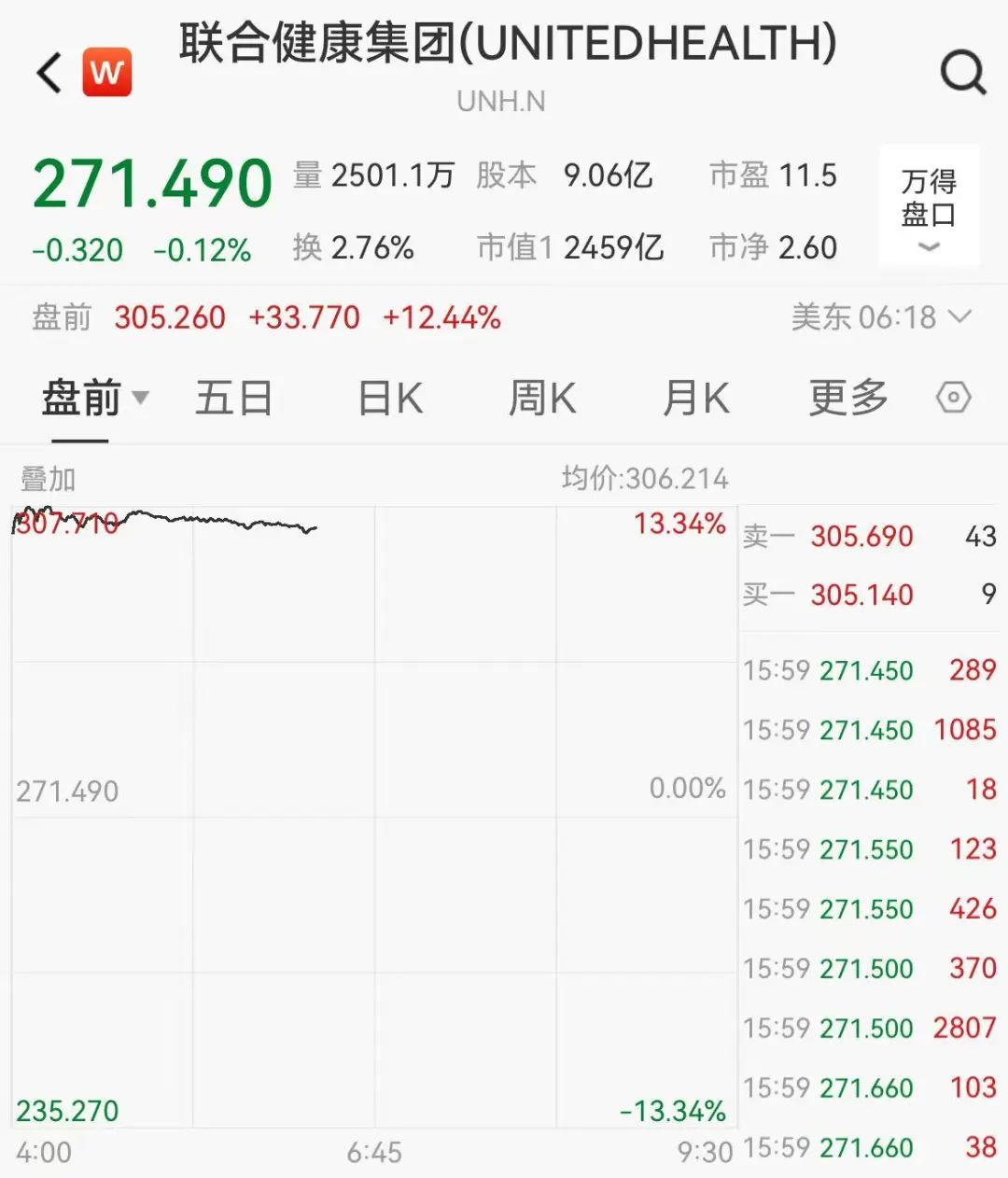
Core Viewpoint - Despite nearing retirement, Buffett's ability to identify valuable investments remains strong, as evidenced by significant stock purchases in the second quarter by Berkshire Hathaway, particularly in UnitedHealth Group, which saw a notable pre-market surge of over 12% [1][4]. Group 1: UnitedHealth Group - UnitedHealth Group's stock price has experienced a dramatic decline of over 50% in the past 12 months, resulting in a market value loss of nearly $270 billion [4]. - The company is currently under investigation by the U.S. Department of Justice regarding its Medicare Advantage billing practices, with allegations of improper diagnosis coding to inflate patient risk scores for higher reimbursements [6]. - Following a series of scandals and disappointing earnings reports, UnitedHealth's management underwent significant changes, including the appointment of a new CEO after a 27% stock price drop in May [6][4]. - Buffett's Berkshire Hathaway acquired over 5 million shares of UnitedHealth in the second quarter, with a market value of approximately $1.57 billion at the end of the quarter [7]. Group 2: Other Stocks Purchased by Berkshire Hathaway - In addition to UnitedHealth, Berkshire Hathaway also made significant purchases in six other stocks during the second quarter, including Nucor Steel (over 6.6 million shares), Lennar (over 7 million shares), and D.R. Horton (148,500 shares) [10]. - The total market value of these new positions at the end of the second quarter was approximately $3.65 billion [10]. - Other stocks that saw price increases in the pre-market include Nucor Steel (over 7%), Lennar (over 6%), and D.R. Horton (over 5%) [10].
大涨!巴菲特“抄底”保险巨头
Zheng Quan Shi Bao· 2025-08-15 11:33
Group 1 - Despite nearing retirement, Buffett's investment prowess remains strong, as evidenced by significant stock purchases in the second quarter [1] - Berkshire Hathaway made substantial investments in six stocks during the second quarter, with UnitedHealth Group seeing a pre-market surge of over 12% [1][3] - UnitedHealth's stock price rebounded significantly after a series of scandals and a sharp decline, attracting attention from major investors [3][6] Group 2 - The U.S. Department of Justice is investigating UnitedHealth's billing practices related to Medicare Advantage, raising concerns about potential overbilling [5] - UnitedHealth has faced multiple challenges, including a recent lawsuit aimed at blocking its acquisition of Amedisys and disappointing quarterly earnings [5] - In the second quarter, Buffett acquired over 5 million shares of UnitedHealth, with a market value of approximately $1.57 billion at the end of the quarter [6] Group 3 - In addition to UnitedHealth, Berkshire's second-quarter investments included Nucor Steel, Lennar, D.R. Horton, Lamar Advertising, and Allegion, with a total market value of approximately $3.65 billion [8] - Berkshire also reduced its holdings in Apple and Bank of America, while increasing positions in Chevron and other companies [9]
广告法如何回应新技术?
3 6 Ke· 2025-08-15 11:18
引言: 本文是新《中华人民共和国广告法》实施十周年系列文章的第四篇。 十年来,中国广告业在法治保障下实现了规模与质量的双重跃升,逐步构建起健康有序的市场生态。市场监管总局针对互联网广告、医疗美 容、明星代言等新兴业态,出台《互联网广告管理办法》等专项规范,填补监管空白;北京、上海、深圳等地依托《广告法》推出数字广告发 展政策,专项合规指引形成"全国统筹+地方创新"的法治网络。广告从业者在发展的浪潮中,不断推陈出新。 近期,我们通过广告监管部门、专家学者的视角,回顾这十年来制度的不断完善,展望广告行业未来发展的方向,需要聚焦的难点与问题,持 续以法治为基、导向为魂,为"十五五"产业布局,为经济高质量发展注入行业视角。 转眼间,新《广告法》已实施十年了。2013-2015年间修法过程中争执不下的问题还历历在目,各种研讨的场景仿佛还在昨日,但日历显示,这些都是十 年前的往事了。在"成熟一个制定一个"的实用主义立法习惯下,修法时面临的一系列新问题和新挑战,部分已在新法中加以解决,还有一部分因无法达成 共识而不得不留待实践逐步探索。如今,十年过去了,信息技术和广告市场也发生了翻天覆地的变化,《广告法》修订时争执不下的那 ...

广告法如何回应新技术?
腾讯研究院· 2025-08-15 09:33
Core Viewpoint - The article reflects on the ten-year implementation of the new Advertising Law in China, highlighting the dual leap in scale and quality of the advertising industry under legal protection, and the ongoing evolution of regulatory frameworks to address emerging challenges in the digital advertising landscape [2][3]. Summary by Sections Introduction - The article marks the tenth anniversary of the new Advertising Law, emphasizing the establishment of a healthy and orderly market ecology in China's advertising industry [2]. Historical Context - The original Advertising Law, enacted in 1994, aimed to address public trust issues arising from the commercialization of media, which led to a crisis of confidence among the public [5][6]. Regulatory Evolution - Over the past decade, the regulatory framework has evolved to include specific guidelines for internet advertising, medical aesthetics, and celebrity endorsements, filling regulatory gaps [2][3][11]. Challenges of Internet Advertising - The rapid advancement of information technology and the internet has posed significant challenges to the existing Advertising Law, which was primarily designed for traditional media [9][10][14]. Legislative Process - The revision process for the Advertising Law began in 2003, primarily to address the challenges posed by internet media, but it took over a decade to finalize due to the complexity of the issues involved [10][11]. New Regulatory Frameworks - The new Advertising Law, enacted in 2015, introduced provisions for internet advertising but largely retained old regulatory approaches, indicating a need for ongoing adaptation [11][12]. Emerging Issues - The rise of live-streaming commerce and social media has created new advertising paradigms, complicating the regulatory landscape and raising questions about the applicability of traditional advertising laws [14][15][16]. Future Directions - The article suggests that while new technologies and market dynamics present challenges, they also offer opportunities for legal adaptation and innovation in regulatory practices [21][22].