
高端制造

Search documents
中金 | 深度布局“十五五”:策略篇
中金点睛· 2025-11-12 23:26
Core Viewpoint - The "15th Five-Year Plan" emphasizes the importance of capital market reforms to promote high-quality development, focusing on enhancing the inclusiveness and adaptability of the capital market system, and improving the coordination between investment and financing functions [1][11][12]. Group 1: Key Tasks and Measures - The China Securities Regulatory Commission (CSRC) outlines key tasks for the "15th Five-Year Plan" period, including the active development of direct financing through equity and bonds, fostering high-quality listed companies, and creating a more attractive environment for long-term investments [1][11]. - The plan aims to enhance the scientific and effective regulation of the capital market, steadily expand high-level institutional openness, and create a standardized, inclusive, and vibrant capital market ecosystem [1][11][12]. Group 2: Market Outlook - The capital market is expected to show a "long-term" and "steady" trend during the "15th Five-Year Plan" period, driven by government emphasis on capital market development and the fundamental strengths of Chinese assets [1][20]. - The overall valuation of A-shares is considered reasonable and not overvalued, with the current P/E ratio of the CSI 300 at approximately 14.2x, compared to higher ratios in other major markets [22][24]. Group 3: Structural Opportunities - Key sectors to watch include digital technology, space economy, high-end manufacturing, domestic consumption, and biotechnology, which align with the policy directions of developing new productive forces and expanding domestic demand [1][24]. - The focus on technological innovation and self-reliance is expected to drive significant investment opportunities in these sectors, particularly in areas like AI, quantum technology, and advanced manufacturing [1][24]. Group 4: Financial Ecosystem and Investor Engagement - The plan emphasizes the need for a more attractive long-term investment environment, promoting the development of institutional investors and enhancing the role of long-term capital in stabilizing the market [15][19]. - Measures to improve investor protection and enhance market transparency are also highlighted, aiming to build a more robust legal framework and encourage a culture of innovation and risk tolerance [19][20].


粤苏鲁浙4省GDP达46.73万亿,若当成一个国家,全球属于什么水平?
Sou Hu Cai Jing· 2025-11-12 21:57
Core Insights - The combined GDP of Guangdong, Jiangsu, Shandong, and Zhejiang provinces reached 46.73 trillion yuan in 2024, accounting for over 35% of China's total GDP, highlighting significant regional economic concentration [3][4]. Economic Performance - In 2024, Guangdong's GDP was 14.16 trillion yuan, Jiangsu's was 13.7 trillion yuan, Shandong's was 9.86 trillion yuan, and Zhejiang's was 9.01 trillion yuan [4][5]. - By 2025, the GDP figures for these provinces are projected to continue growing, with Guangdong at 10.52 trillion yuan and Jiangsu at 10.28 trillion yuan in the first three quarters [6][8]. Global Economic Standing - The combined GDP of these four provinces, approximately 6.54 trillion USD, positions them as the third-largest economy globally, surpassing Germany and following the United States and China [4][8]. Factors Contributing to Economic Strength - Geographic advantages, such as coastal access, have facilitated trade and foreign investment [5]. - Strong industrial bases and manufacturing systems are evident, with Jiangsu's industrial output growing by 7.7% in 2024, outperforming the national average [5]. - Innovation is a key driver, with cities like Shenzhen and Hangzhou leading in technology and e-commerce [5]. - The vibrant private sector, particularly in Zhejiang, significantly contributes to economic growth, with private enterprises accounting for 79.4% of the province's industrial growth [5]. Future Projections - By the end of 2025, the combined GDP of these provinces is expected to reach around 50 trillion yuan, or approximately 7 trillion USD, further solidifying their global economic position [8]. - The economic growth rates for these provinces are projected to remain above the national average, with Zhejiang and Shandong showing particularly strong growth [6][8]. Socioeconomic Considerations - Despite high GDP figures, there remains a notable gap in per capita GDP compared to developed nations, with an average of 17,300 USD for the combined population of approximately 378 million [9][11]. - The focus on improving living standards, environmental protection, and sustainable development is emphasized as essential for long-term growth [11].
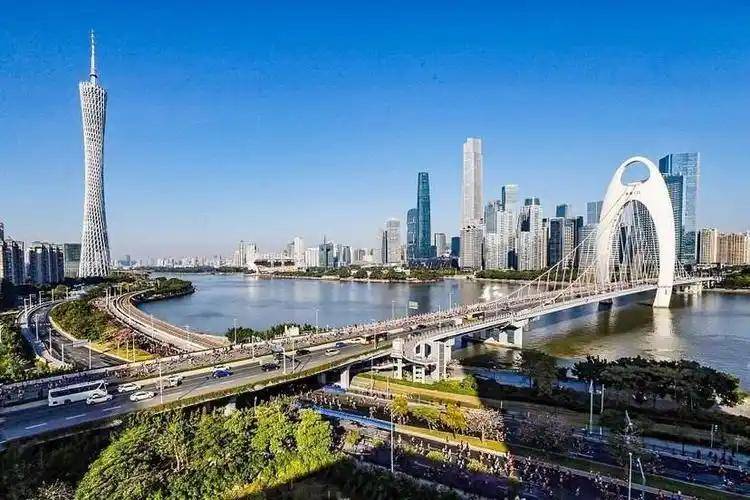
深市上市公司主动“走出去”:中国“科技叙事”增强外资信心
Zheng Quan Shi Bao Wang· 2025-11-12 02:22
Core Insights - The interest of foreign investment institutions in Chinese companies is increasing as Chinese enterprises continue to "go global" [1] - The Shenzhen Stock Exchange organized a roadshow in Hong Kong featuring seven representative companies from various sectors, facilitating direct communication between company executives and international investors [1][4] - The event highlighted the growing confidence of foreign investors in China's economic transformation and technological advancements, particularly in artificial intelligence [1][2] Group 1: Company Innovations and Developments - Shenghong Technology collaborates with global tech giants to develop high-performance PCB technology, establishing a foundation for AI computing hardware [2] - Lens Technology is defining next-generation AI hardware products in collaboration with clients, transitioning from "manufacturing" to "intelligent manufacturing" [2] - Leyi Intelligent Manufacturing is increasing R&D investment in high-value AI terminal hardware products, driving a new development cycle [2] - Dazhu Laser provides precision processing equipment for AI computing and collaborates on AI-driven automation solutions [2] - BOE Technology Group is building an IoT ecosystem centered around display technology, collaborating with partners in various sectors [2] - Aier Eye Hospital is exploring AI applications in healthcare, launching AierGPT and digital human models to reshape traditional medical services [2] Group 2: Market Expansion and Globalization - Chinese companies are diversifying their market and supply chain strategies to enhance international competitiveness and sustainable development [3] - Focus on domestic and international dual circulation is emphasized in the 14th Five-Year Plan, promoting market diversification and integration of domestic and foreign trade [3] - Focus Media has expanded its business to 11 countries, deploying over 180,000 media devices to support Chinese brands' internationalization [3] - Zhongchong Co. has established a supply chain system with 22 pet food production bases globally, achieving stable revenue growth [3] - XWANDA is responding to global customer needs by establishing 25 major production bases across several countries [3] Group 3: Investor Sentiment and Market Outlook - Foreign investors express strong interest in the technological capabilities of Chinese companies, perceiving them as undervalued [2][4] - The overall competitiveness of China's technological innovation is recognized globally, with a shift in focus from scale to productivity in industrial policies [4] - Macquarie Securities notes that international investors are increasingly focused on China's A-share market due to the leading advantages in new productivity and technological innovation [4] - The Shenzhen Stock Exchange continues to facilitate communication and trust-building between international investors and Shenzhen-listed companies [4][5]
硬科技持续领跑,众凌科技完成超4亿元新融资
2 1 Shi Ji Jing Ji Bao Dao· 2025-11-11 06:04
Group 1 - The core focus of financing is in the technology and manufacturing sectors, with significant activity in integrated circuits, high-end manufacturing, artificial intelligence, and commercial aerospace [1] - In the past week, there were 52 financing events in the domestic primary market, with a total disclosed amount of approximately 5.319 billion RMB [1] - The advanced manufacturing sector led with 14 financing events totaling about 1.857 billion RMB, followed by the biomedicine sector with 9 events totaling approximately 1.568 billion RMB, and the artificial intelligence sector with 6 events totaling around 644 million RMB [3][4] Group 2 - The financing activities were concentrated in Zhejiang Province, Shanghai, and Jiangsu Province, with 11, 9, and 8 events respectively [5][6] - Active investment institutions included Yuanhe Origin, Cornerstone Venture Capital, and Zhongke Chuangxing, each completing 2 financing events primarily in technology and manufacturing as well as healthcare sectors [7][8] Group 3 - Notable financing events included: - Chip manufacturer Xinzhenwei completed several hundred million RMB in Series A financing [27] - Chichip Semiconductor raised nearly 200 million RMB in Series A financing [55] - Agile Medical secured several hundred million RMB in Series B financing [13] - Weitao Bio received over 100 million RMB in angel round financing [15] - Micromedical completed a Series A+ financing of 100 million RMB [16]

从“世界好物”到“全球商机” 进博八年交出亮眼“成绩单”
Yang Shi Xin Wen Ke Hu Duan· 2025-11-11 01:31
Core Points - The 8th China International Import Expo (CIIE) was held in Shanghai from November 5 to 10, with participation from 155 countries and regions, showcasing a record 4,108 overseas enterprises and achieving a transaction intention amount of $83.49 billion, a 4.4% increase from the previous year [1][3][4] - The expo serves as a platform for global goods to enter China, promoting the country as a prime destination for exports and investment, and facilitating domestic and international dual circulation [4][12] - The event has become increasingly attractive to foreign enterprises, with many returning year after year, indicating the tangible business returns and opportunities within the Chinese market [8][27] Industry Insights - The exhibition area exceeded 367,000 square meters, with over 600 new exhibitors added to the previous year's total of 3,496, including 290 Fortune 500 companies [4][27] - The expo has seen significant participation from companies in various sectors, including high-end medical devices, innovative pharmaceuticals, and AI technologies, reflecting the diverse interests of global enterprises [3][5][14] - The event highlighted the growing integration of foreign companies into the Chinese ecosystem, with long-term investments in local industries and a focus on innovation and quality [7][14] Economic Impact - The CIIE has contributed to a notable increase in exports for participating countries, such as Nicaragua, which reported a 34% growth in exports, equivalent to approximately $72 million [22][24] - The expo has also facilitated the entry of products from developing countries, with a 23.5% increase in participation from the least developed countries and an 80% increase from African nations [20][25] - The overall openness of China has improved significantly, with the openness index rising by 29.6% from 1990 to 2024, positioning China as a leader in global trade openness [10][13]
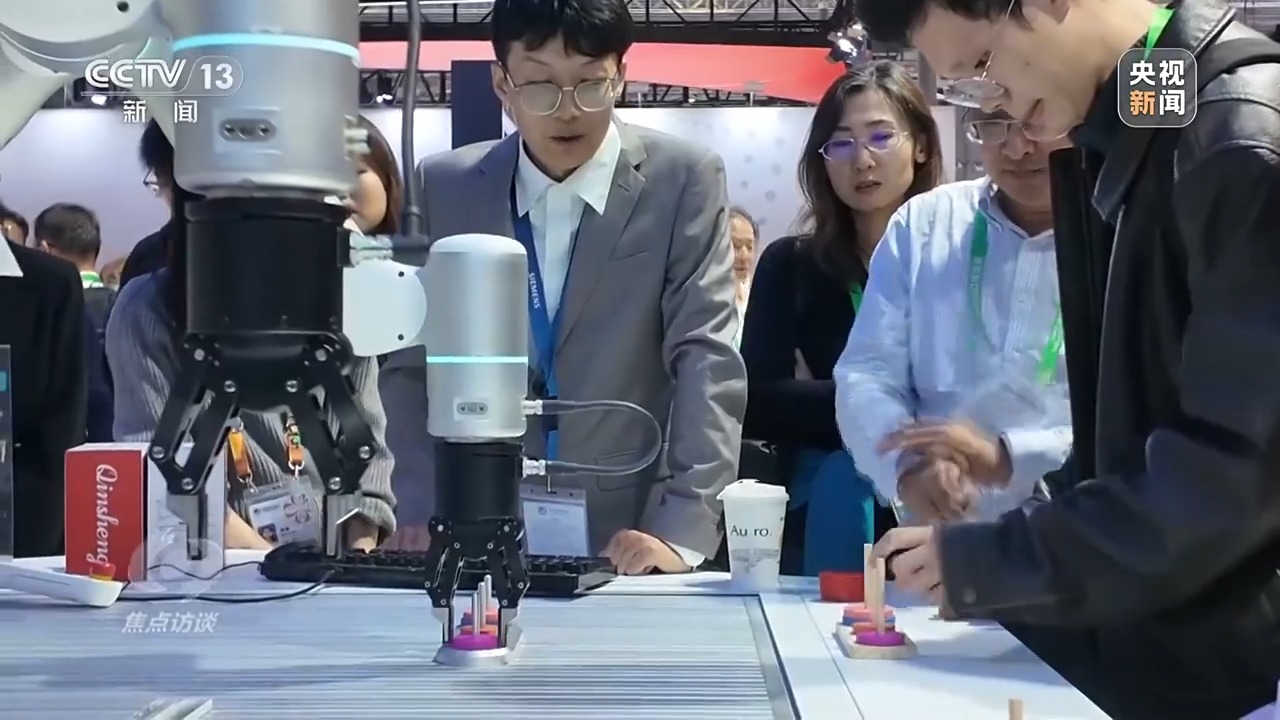
航天彩虹:当前公司现金流健康充裕,具体投资计划请以公司正式公告为准
Zheng Quan Ri Bao· 2025-11-10 08:44
Group 1 - The company is actively planning the extension and upgrade of its high-end manufacturing industry chain [2] - The company will promote relevant industrial layout according to its strategic plan in a timely manner [2] - The current cash flow of the company is healthy and abundant [2]

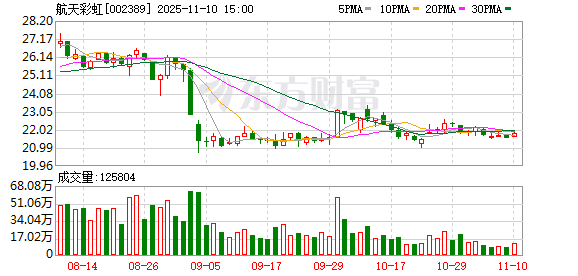
恒生指数高开0.3%,外资机构预计科技股引领的港股行情仍具持续性
Mei Ri Jing Ji Xin Wen· 2025-11-10 01:49
Core Insights - The Hang Seng Index opened up 0.3% and the Hang Seng Tech Index rose 0.36%, with strong performance in lithium batteries and photovoltaic concepts, while innovative drugs, new energy vehicles, and robotics showed weakness [1] - Since the beginning of 2024, the Hong Kong stock tech sector has exhibited a "leading stocks driving the market" trend, becoming one of the most prominent themes in the market [1] - Foreign institutions, including JPMorgan and Aberdeen Investment, have expressed a bullish outlook on Chinese assets, highlighting the growth potential of the tech industry and the valuation advantages of the Hong Kong market [1] Industry Summary - The tech sector in Hong Kong is experiencing a positive cycle of "rising prices - capital inflow - performance," attracting more funds and expanding investment opportunities across the entire sector [1] - Foreign institutions expect the tech-driven market rally in Hong Kong to continue, with a focus on two types of opportunities: leading companies in high-end manufacturing such as AI and semiconductors, and growth companies with reasonable valuations and competitive advantages [1] - The dual drivers of "technological innovation + valuation recovery" are anticipated to continue generating excess returns for investors in the Hong Kong tech sector [1] Related ETFs - The Hong Kong Stock Connect Technology ETF (159101) covers the entire tech industry chain [2] - The Hang Seng Internet ETF (513330) focuses on leading internet companies [2]
投资者关注AI投资机遇
Shen Zhen Shang Bao· 2025-11-09 22:20
Core Viewpoint - The Shenzhen Stock Exchange recently held the 2025 4th "Investing in New Opportunities in China" event in Hong Kong, focusing on cultivating new productive forces among listed companies in Shenzhen [1] Group 1: Event Overview - The event featured nine representative companies from sectors such as artificial intelligence and high-end manufacturing, engaging in in-depth exchanges with nearly 30 international asset management and insurance representatives [1] - The participating foreign investors expressed that face-to-face interactions with Shenzhen company management and site visits significantly enhanced their confidence in the "technology narrative" and long-term participation in the A-share market [1] Group 2: Company Engagement - Seven Shenzhen representative companies, including Shenghong Technology, Lens Technology, BOE Technology Group, Xinwanda, Aier Eye Hospital, Focus Media, and Zhongchong Co., engaged in discussions with foreign investors regarding their operational status and strategic layouts [1] - Foreign investors showed particular interest in the innovation strategies of listed companies in the field of artificial intelligence [1] Group 3: Company Visits - Foreign investors visited two Shenzhen companies, Han's Laser and Lianyi Intelligent Manufacturing, to gain a closer understanding of their development strategies, business models, and innovative achievements [1]
在开放的大舞台上相向而行、相互成就
Ren Min Ri Bao· 2025-11-09 22:20
Group 1 - The eighth China International Import Expo (CIIE) features 67 participating countries and international organizations, with Thailand, UAE, Nigeria, Georgia, Sweden, and Colombia as guest countries [1] - The event serves as a platform for showcasing unique products and innovative achievements, promoting cooperation and mutual development among participating nations [1][2] - Colombia's participation includes 29 companies from agriculture, handicrafts, and cosmetics, marking a record number for the country at the expo [2] Group 2 - Kyrgyzstan, as a first-time participant, highlights natural products like honey and handmade soap, emphasizing the expo as an excellent platform for visibility and collaboration [2] - Sweden focuses on green technology, digital transformation, and high-end manufacturing, viewing the expo as a vital opportunity for bilateral trade and cultural exchange [2][3] - The expo facilitates connections for African SMEs, with the Democratic Republic of Congo's exhibitor expressing optimism about leveraging the event for business growth [3][4] Group 3 - Sri Lanka promotes its Ceylon tea at the expo, viewing it as a bridge for discovering business opportunities and enhancing cooperation among global southern countries [4] - Armenia showcases products like mineral water and wine, with participants expressing hope for increased recognition and orders from Chinese consumers [4] - The expo blends commerce and culture, with immersive experiences in various national pavilions, enhancing cultural exchange and understanding [5] Group 4 - The "Charming Friendly Cities" section at the expo highlights local cooperation achievements, featuring twin city exhibitions that showcase diverse cultural and economic ties [5]
超万亿元资金南下 港股生态重塑进行时
Shang Hai Zheng Quan Bao· 2025-11-09 17:29
Core Viewpoint - The Hong Kong stock market is undergoing a significant value reassessment driven by industrial transformation, policy expectations, and changes in liquidity structure, with both the Hang Seng Index and Hang Seng Tech Index gaining over 30% this year, indicating a major shift in the pricing of Chinese assets [1][2]. Group 1: Market Performance - As of November 6, both the Hang Seng Index and Hang Seng Tech Index have increased by over 30% year-to-date, outperforming many global indices [1]. - Notable individual stocks such as SMIC, Zijin Mining, Chow Tai Fook, and Alibaba have seen their year-to-date gains exceed 100% [1]. Group 2: Driving Factors - The rise in the Hong Kong stock market is attributed to three main factors: the upward valuation of the tech sector driven by domestic AI models, the historical low valuations attracting global funds for reassessment, and expectations of further economic stimulus policies from the government [2][3]. - Recent domestic policies, including interest rate cuts and increased fiscal support, have positively impacted market sentiment, while the Fed's shift towards a rate-cutting cycle has alleviated global liquidity pressures [2]. Group 3: Investor Dynamics - There has been a significant inflow of southbound funds, with nearly 1.2 trillion yuan net inflow year-to-date, leading to a notable increase in the shareholding ratios of southbound funds in key Hong Kong stocks [4][5]. - The shareholding ratio of southbound funds in Alibaba has risen from 4.69% at the end of last year to 10.89%, and in SMIC from 23.26% to 30.29% [4]. Group 4: Valuation and Future Outlook - Current valuations in the Hong Kong market are seen as recovering from "extreme undervaluation" to "near normal," suggesting further room for valuation improvement [2][3]. - The market is expected to focus on three core investment themes: leading internet and tech companies, high-dividend assets, and small to mid-cap companies benefiting from the transfer of pricing power to domestic investors [7][8]. Group 5: Sector Opportunities - The AI industry is expected to continue its growth, with the internet sector benefiting from improved competitive dynamics under new policies [8]. - High-end manufacturing and hard technology sectors are projected to have promising prospects, while the biopharmaceutical industry is gaining more market attention due to improved policies and competitive advantages [8].