火锅

Search documents
锚定精致餐饮 海底捞全场景布局再进阶
Bei Jing Shang Bao· 2025-07-30 13:28
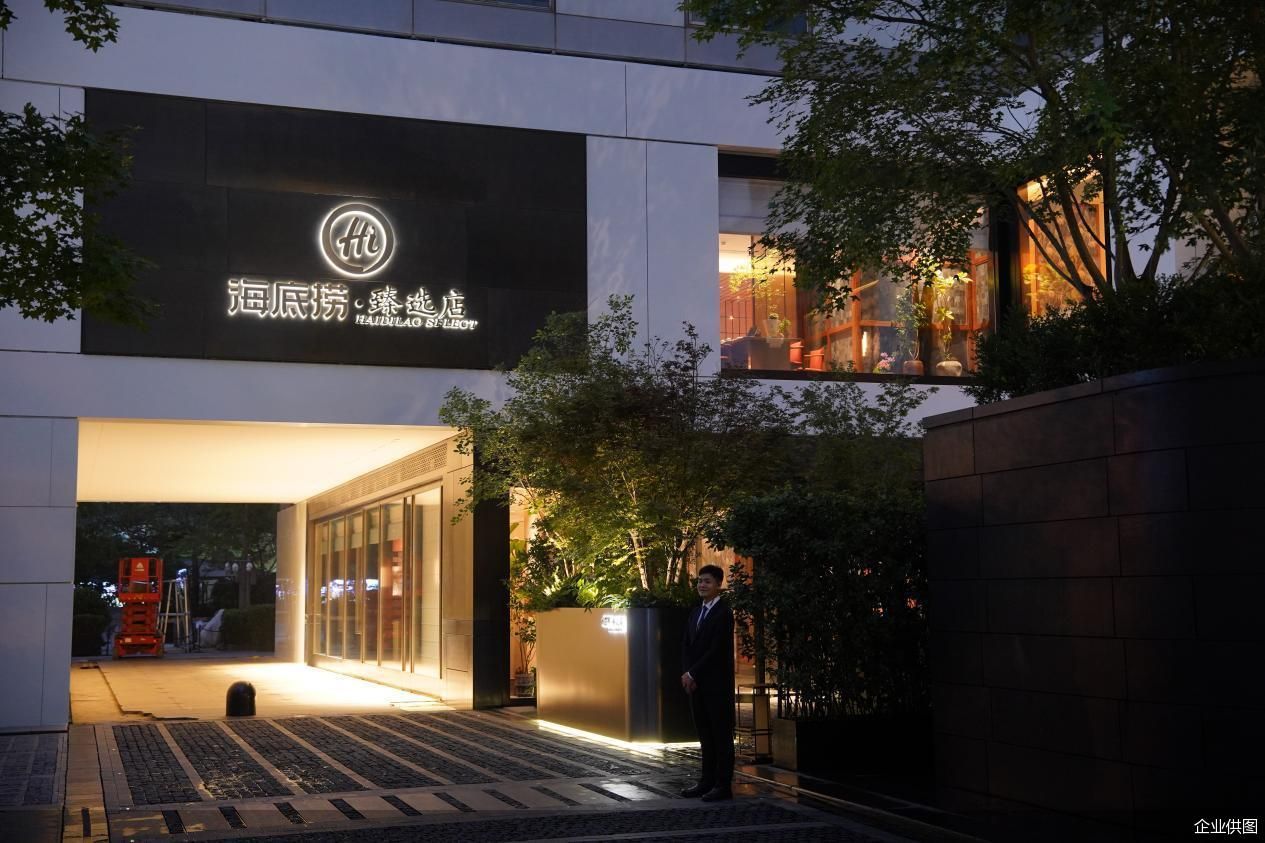
Core Insights - Haidilao has launched its first high-end "Selected Store" in Beijing, focusing on premium Cantonese hot pot with top-quality ingredients like Australian Wagyu M9+, Canadian abalone, and Alaskan king crab, aiming to create a refined dining experience [1][3][5] - The introduction of the Selected Store is seen as a strategic move to capture the emerging market for upscale dining, enhancing Haidilao's brand matrix and high-end image, potentially reshaping the competitive landscape of the high-end hot pot sector [1][14] Group 1: Store Concept and Offerings - The Selected Store features a sophisticated environment with a black-and-white color scheme, private dining rooms, and dedicated tea and cocktail areas, catering to a diverse clientele including office workers and business diners [3][5] - The menu emphasizes freshness, with signature broths made from high-quality ingredients and a seafood farming area for live catches, alongside premium offerings like Australian Wagyu and Spanish 5J ham [5][12] - Service quality is elevated with staff trained in fine dining etiquette, including tea masters and sommeliers from Michelin-starred backgrounds, aiming to provide an exquisite dining experience [5][12] Group 2: Consumer Response and Future Plans - The Selected Store has received enthusiastic consumer interest, with a reservation system initially in place to refine the dining experience, and it has since opened fully with high occupancy rates [7][11] - Future plans include optimizing the store model based on consumer feedback and potentially expanding services like private chef offerings, with a focus on major cities [7][10] Group 3: Broader Strategic Initiatives - The Selected Store is part of Haidilao's broader strategy to innovate and diversify its offerings, including the "Pomegranate Plan" aimed at incubating new restaurant brands and enhancing service innovation [10][11] - Haidilao's financial performance reflects its vitality, with 2024 revenues reaching 42.755 billion yuan, a 3.1% increase year-on-year, and a net profit of 4.7 billion yuan, up 4.6% [11][12] - The company is focusing on personalized dining experiences to meet the evolving demands of consumers, particularly in celebratory contexts, indicating a shift from traditional business dining to family and social gatherings [14][15]


海底捞“鲜”主题店矩阵全国蔓延:从海鲜池到透明厨房的沉浸式餐饮革命
Jiang Nan Shi Bao· 2025-07-30 05:39
Group 1 - Haidilao is enhancing customer experience by introducing themed restaurants that focus on fresh ingredients, such as the seafood-themed restaurant in Wenzhou, which features a live seafood market within the hotpot dining environment [1][2] - The company is expanding its themed restaurant matrix across the country, with various concepts like fresh-cut chicken, beef, and fish, all adhering to the principle of "made-to-order and transparent" food preparation [1][2] - The introduction of interactive activities, such as the "sticky fish" event, aims to increase customer engagement and enjoyment during dining experiences [1] Group 2 - The hotpot industry is facing homogenization, prompting Haidilao to differentiate itself by combining local ingredients with standardized management practices, ensuring quality control while maintaining regional flavors [2] - The company's mature supply chain and food safety management systems contribute to a reliable dining experience, allowing customers to witness the entire cooking process, thus making the concept of "fresh" a tangible experience [2]
四个自家,撑起一口鲜:左庭右院鲜牛肉火锅的十年重构
3 6 Ke· 2025-07-30 05:39
Core Insights - The article highlights the significance of the ten-year milestone for the restaurant industry, particularly for brands that have maintained their position in a rapidly changing market [1] - Left Garden Right Courtyard (左庭右院) celebrated its tenth anniversary by unveiling its comprehensive supply chain for fresh beef, emphasizing its commitment to "antibiotic-free fresh beef" [1][4] Group 1: Company Development - Left Garden Right Courtyard was founded in 2015, twelve years after its founder Zheng Jian first arrived in Shanghai, marking a return to his original vision [4] - The brand's initial focus was on freshness, leading to the establishment of its own slaughtering system to ensure quality control over ingredients [5][6] - The company has developed a unique supply chain model known as the "four self-supplies": self-owned pastures, self-raised cattle, self-slaughtering facilities, and self-logistics [6] Group 2: Industry Positioning - The brand's investment in its supply chain was initially seen as unconventional, as most competitors focused on marketing and store operations [5] - Left Garden Right Courtyard's commitment to quality has created a significant barrier to entry for competitors, establishing a strong market position [7][14] - The company has positioned itself as a leader in the fresh beef hot pot segment, responding to increasing consumer demand for quality ingredients [6][13] Group 3: Consumer Trends and Brand Strategy - The brand emphasizes the importance of freshness, health, and quality, which have become key consumer concerns in the post-pandemic era [8][15] - Left Garden Right Courtyard has engaged in community initiatives, such as collaborating with the China Children’s Foundation to promote healthy eating among families [15] - The company is exploring new market segments by partnering with grocery delivery services and expanding its offerings to B2B clients [16][17] Group 4: Future Outlook - The company aims to continue refining its supply chain while enhancing customer experience in its restaurants [16] - Left Garden Right Courtyard is cautious about expansion, focusing on sustainable growth rather than rapid market penetration [17] - The next decade is viewed as a new beginning, with a commitment to maintaining its core values of freshness, health, and quality [18]
海底捞,新动作!
中国基金报· 2025-07-29 07:56
Core Viewpoint - Haidilao is testing the high-end market with its new store model, Haidilao · Zhenxuan, which has an average spending of nearly 700 yuan per person, significantly higher than its regular outlets [2][7][10]. Summary by Sections New Store Model - The first Haidilao · Zhenxuan store has opened in Beijing's Guomao business district, focusing on high-quality seafood and Wagyu beef, with a more refined environment and service [4][10]. - The store spans over 1,000 square meters but has only 26 tables, featuring a low-key luxury design with nine private rooms and various dining areas [10][11]. Consumer Response and Market Positioning - Initial consumer feedback has been mixed, with some praising the quality of ingredients and ambiance, while others criticize the service and perceived value compared to regular outlets [11]. - The store has adopted a limited reservation model during its trial phase, which has now transitioned to full operations with high occupancy during dinner hours [11]. Market Trends and Strategic Direction - The launch of the Zhenxuan store reflects a broader trend in the hot pot market towards premiumization, as consumer demand for quality dining experiences increases [12][14]. - The hot pot industry is experiencing polarization, with mid-to-high-end establishments gaining traction among consumers seeking quality and service [14]. - Haidilao plans to diversify its offerings by introducing various themed restaurants and enhancing customer engagement to meet specific dining needs [15].

海底捞的跨界图鉴:火锅局头开始玩转副业
Xi Niu Cai Jing· 2025-07-29 07:45
Core Viewpoint - Haidilao is actively expanding its business lines to seek new growth opportunities amid increasing competition in the hot pot market, which has seen a decline in net store openings [2][3][4]. Group 1: Business Expansion - Haidilao has launched a new self-service hot pot concept called "Juhighao Self-Service Hot Pot" in cities like Changsha, Ningbo, and Nanjing, priced at 59.9 yuan per person, attracting significant consumer interest despite long wait times [2]. - The company has been diversifying its offerings since 2024, introducing new brands in various categories such as spicy hot pot, clay pot dishes, grilled fish, and baking, indicating a strategic move to explore multiple revenue streams [2][4]. - The hot pot market is becoming increasingly competitive, with new brands emerging and traditional restaurant giants entering the space, leading to a challenging environment for established players like Haidilao [3][4]. Group 2: Market Challenges - The hot pot industry has experienced a net decrease of 29,676 stores over the past year, highlighting a trend where the number of closures exceeds openings, which poses a significant challenge for all brands, including Haidilao [3]. - Despite achieving a service volume of 414 million and an average of 303,000 service visits per store in 2024, Haidilao's revenue growth has slowed, with a reported revenue of 42.75 billion yuan, a mere 3.1% increase year-on-year, compared to much higher growth rates in previous years [4][3]. Group 3: Diversification Strategy - Haidilao's diversification strategy includes launching a baking brand "Schwasua," which has seen initial success but faces challenges in maintaining consumer interest and differentiation in a crowded market [5][7]. - The company is also transforming its hot pot restaurants into nightlife venues, offering a broader range of services and products, such as DJ performances and themed food items, to attract a different customer base [5][6]. - The "Red Pomegranate Plan" aims to develop multiple brands and ecosystems with minimal costs, allowing Haidilao to experiment and adapt its offerings based on market feedback [7][9]. Group 4: Future Outlook - While the expansion into new business lines is intended to alleviate growth anxiety, the effectiveness of these initiatives in driving significant revenue growth remains uncertain and will require time to evaluate [8][9]. - The dual nature of expanding into new lines presents both opportunities and challenges, particularly concerning supply chain and operational costs, which could impact the overall success of these ventures [8][9].
外卖大战背面故事:举步维艰的火锅店与倔强反抗的川菜馆
Di Yi Cai Jing· 2025-07-25 13:31
Core Viewpoint - The ongoing food delivery subsidy war is significantly impacting the pricing power of restaurant businesses, leading to a struggle for survival in a highly competitive environment [1][4]. Group 1: Impact on Traditional Dining - Restaurant owners are facing challenges as low-priced delivery options are eroding the customer base for dine-in services, with some customers opting for cheaper delivery meals even when dining nearby [3]. - High average order values in certain food categories, like hot pot, make it difficult for these businesses to compete with lower-priced items offered through delivery platforms [3][4]. - The pressure to participate in delivery platform promotions creates a vicious cycle where restaurants must sacrifice profitability to gain visibility [3]. Group 2: Profitability Concerns - The profit margins for restaurants are declining due to heavy subsidies, with some businesses reporting that they receive as little as 1.69 yuan from a 19 yuan drink after accounting for various costs [4]. - Some restaurant owners are resorting to using cheaper ingredients to maintain profitability, which raises concerns about food quality [4]. - Despite the challenges, some businesses see potential benefits in consumer education and increased brand visibility through delivery platforms [4]. Group 3: Alternative Strategies - Some restaurant owners are opting out of the delivery platform wars and instead focusing on direct customer relationships through private channels like WeChat [6][8]. - By reducing reliance on third-party platforms, businesses can regain pricing power and control over customer interactions, leading to a more sustainable business model [8][12]. - The shift towards direct sales and building a private customer base is seen as a viable path for restaurants to navigate the current market challenges [8][13]. Group 4: Industry Dynamics - The competition among delivery platforms is reshaping consumer behavior and may lead to a long-term shift in shopping habits from physical stores to online platforms [11]. - The ongoing subsidy wars are prompting calls from industry associations for more sustainable practices and a reduction in aggressive competition among delivery platforms [12]. - The balance between leveraging platform benefits and maintaining independent operations is a critical challenge for many small and medium-sized enterprises in the industry [13].

全产业链赋能商业价值,左庭右院开启品质新征程
Sou Hu Wang· 2025-07-25 08:56
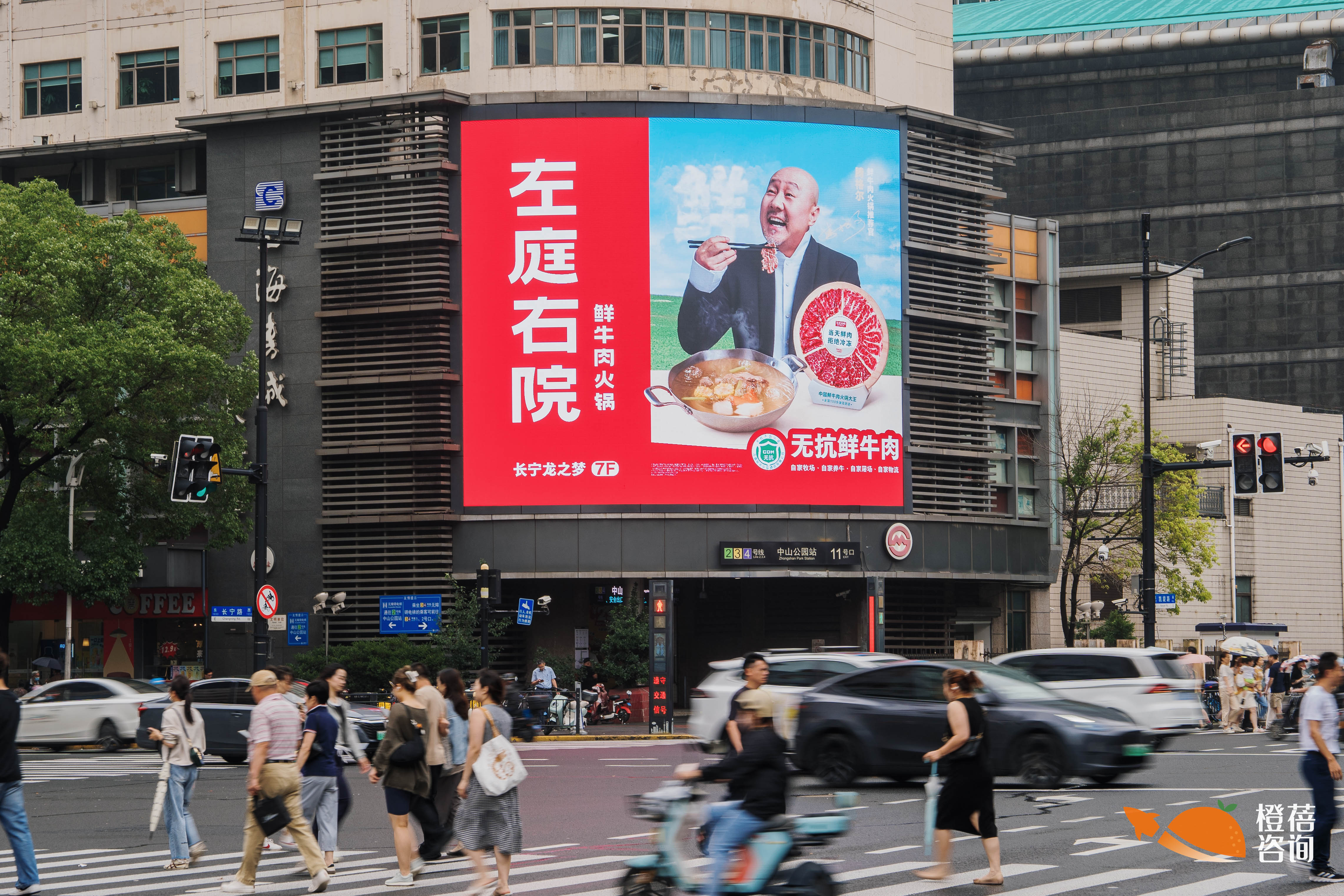
Core Insights - The article highlights the successful development and strategic positioning of the brand Zuo Ting You Yuan in the fresh beef hotpot industry, marking its 10th anniversary in 2025 [1] Policy Guidance: Seizing New Opportunities - The brand has effectively aligned its development strategy with national policies aimed at enhancing the beef cattle industry, demonstrating a commitment to high-quality development [2] - Zuo Ting You Yuan's proactive approach in constructing the "Four Self-Family" full industry chain system serves as a model for the industry [2] Full Industry Chain Layout: Best Practice for Policy Implementation - The "Four Self-Family" full industry chain system exemplifies the practical application of national policies, with a self-owned ranch in Inner Mongolia covering 360,000 acres providing an ideal environment for cattle growth [3] - The scientific breeding methods employed, including approximately 500 days of meticulous care and antibiotic-free preventive measures, significantly enhance beef quality, offering replicable experiences for the industry [3] Quality Control: Industry Benchmark for Policy Standards - Zuo Ting You Yuan is the first restaurant brand in China to have all its fresh beef products certified as antibiotic-free, achieving industry-leading quality control [4] - The brand's self-owned slaughterhouse and logistics system comply with national food safety policies, featuring a modern slaughterhouse of 6,000 square meters that ensures traceability and efficiency [4] Innovative Development: Brand Upgrade under Policy Trends - The brand has undergone a comprehensive upgrade, including the appointment of Tengger as a spokesperson and strategic partnerships with new retail platforms, reflecting a diversified business approach [5] - New product offerings, such as the "Hot Pot Cup" with calorie labeling, cater to consumer demands while aligning with national policies promoting consumption upgrades [5] Empowerment and Co-creation for a New Industrial Future - The ten-year development of Zuo Ting You Yuan represents a successful combination of policy empowerment and corporate innovation, establishing a benchmark for the industry [6] - The brand aims to continue responding to national policy calls and deepen its industry chain advantages to promote high-quality development in the beef cattle industry [6]
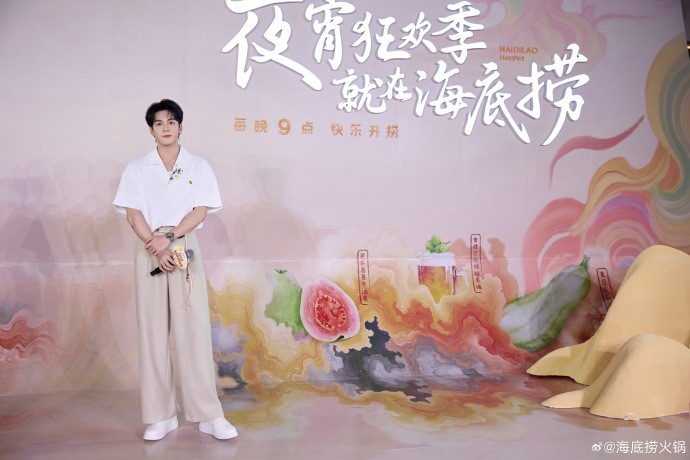
曾舜晞空降海底捞夜宵季:非遗锅底+Livehouse场景,魔都夏夜被“点燃”
Cai Fu Zai Xian· 2025-07-25 02:43
Core Insights - The "Shanghai Summer" International Consumption Season in 2025 is actively promoting night economy as a key driver for domestic demand and consumption [1] - Haidilao is enhancing its night-time offerings with new products and experiences, including a celebrity endorsement from actor Zeng Shunxi [1][3] Product Innovations - Haidilao has launched new items for the night snack segment, such as the "Jumping Frog Fish Hotpot," featuring unique broth made from traditional pickled vegetables and self-brewed lager beer [3] - The ingredients are carefully selected, including A-grade bullfrogs and black fish from Hunan and Hubei, along with creative dipping items like waterfall squid slices and various vegetable combinations [3] - New refreshing drinks and desserts have also been introduced, such as guava berry avocado drinks and coconut grapefruit ice cream [3] Scene Innovations - In response to policies encouraging night scene innovation, Haidilao has opened nearly 30 night snack-themed stores nationwide [3] - These stores can switch to "night snack mode" during specific hours, incorporating elements like DJ dance floors and bar stations to create a lively social atmosphere [3] - Data shows that the customer flow at the first night snack-themed store in Shanghai increased by approximately 15% during peak hours after the transformation [3] Experience Enrichment - Haidilao is integrating cultural and entertainment elements into its dining experience, such as the "Tang Dynasty Poetry Contest" and collaborations with popular shows for themed events [5] - The company offers services like themed private rooms and sound equipment rentals for concert fans, positioning itself as a "second venue" for live events [5] - This combination of food, social interaction, and entertainment is continuously revitalizing the summer night economy [5]
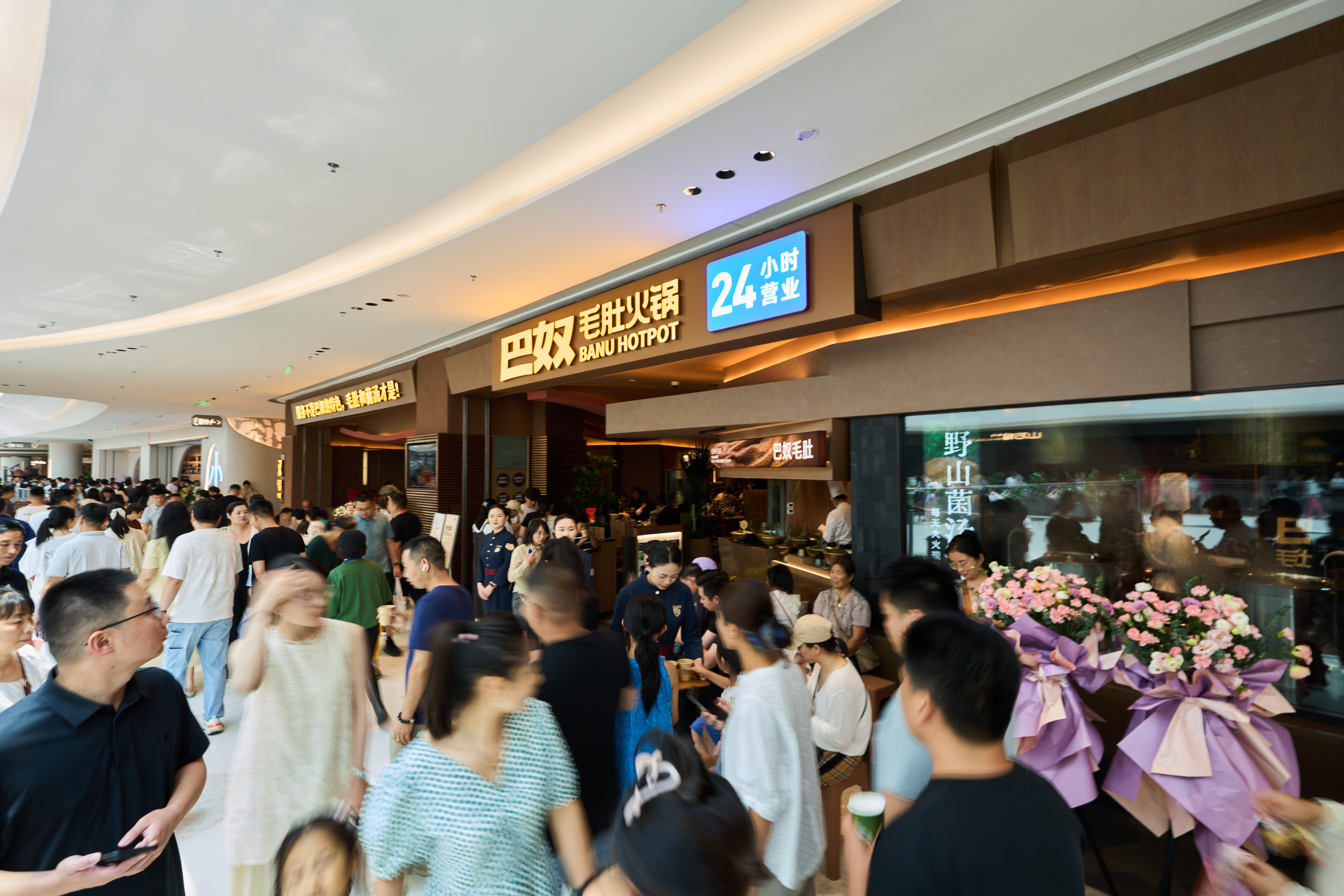
巴奴人均138元,排长队反引黄牛钻空,回应“将加速开店!”
Bei Ke Cai Jing· 2025-07-20 12:11
Core Viewpoint - The restaurant market during the summer is thriving, highlighted by a recent incident involving a foreign individual being scammed by a scalper for a "queue-jumping ticket" at a popular hotpot chain, which sparked discussions on social media about queuing culture in China [1][2]. Group 1: Company Overview - Banu, a prominent hotpot brand, plans to increase its store openings in the second half of the year to improve operational efficiency and reduce customer wait times [2]. - Banu's Beijing stores have seen an average daily customer count exceeding 400, with some key locations achieving a table turnover rate of over 8 times in June [7][13]. - The company submitted its prospectus for an IPO on June 16, aiming to become the first high-quality hotpot stock in Hong Kong, following competitors like Haidilao and Xiaobawang [7][11]. Group 2: Market Position and Strategy - Banu has maintained a unique market position by focusing on high-quality ingredients and customer experience, contrasting with other brands that prioritize scale and low prices [7][12]. - The brand's strategy emphasizes "productism," with a focus on quality over quantity, which has resonated with consumers seeking value in their dining experiences [12][20]. - Banu's financial data indicates that its profit margins in first-tier cities are 20.7%, while second-tier cities show 24.5%, both exceeding the industry average [13]. Group 3: Expansion Plans - In 2024, Banu plans to open 35 new stores, expanding its network to 145 locations across 39 cities, representing a 74.7% increase since the end of 2021 [16]. - The company aims for steady growth, with plans to add approximately 40, 50, and 60 new stores in the following years [16]. - Banu's new store openings have seen immediate success, with locations like the one in Zibo achieving over 1,000 customers on opening day [16]. Group 4: Product Strategy - Banu has introduced 44 new products in the past six months, showcasing its commitment to seasonal offerings and high-quality ingredients [23]. - The brand's focus on a limited SKU strategy has allowed it to concentrate on core products like tripe, which has a high order rate in the hotpot market [17][18]. - Banu's innovative techniques, such as the use of papaya protease for tenderizing tripe, highlight its dedication to quality, despite higher production costs [18][20].
《餐饮行业产品上新报告(2025年6月)》:785 款新品涌现!一文读懂6大品类
Sou Hu Cai Jing· 2025-07-19 05:21
Core Insights - The report from Hongcan Industry Research Institute highlights the trends in new product launches within the restaurant industry, focusing on six major categories as of June 2025 [1][3]. Group 1: Overall Market Trends - In June 2025, 177 out of 330 monitored brands launched new products, representing 53.6% of the sample [3]. - A total of 785 new products were launched across the six categories, showing a decrease of 14.1% compared to May [5]. - The categories of Western fast food, noodle dishes, tea drinks, coffee drinks, bakery, and hot pot were monitored, with varying trends in new product launches [3][5]. Group 2: Category-Specific Insights Western Fast Food - 20 brands launched 66 new products, with desserts leading at 24.2% of the total, followed by pizza at 21.2% [8][10]. - Innovations focused on ingredient fusion and local flavors, with significant emphasis on filling and flavor innovations [10] [11]. Noodle Dishes - 21 brands introduced 65 new products, with mixed noodles and drinks being the core focus, accounting for over 40% of new launches [11][13]. - Local and wild ingredients were highlighted as key innovation points in toppings [13]. Tea Drinks - 64 brands launched 245 new products, with fruit tea leading the category [16]. - The price range for new tea products was primarily between 15-20 yuan and 10-15 yuan, indicating a focus on affordability [16]. Coffee Drinks - 23 brands introduced 78 new products, with fruit elements dominating at 71.2% of the total [20][23]. - The trend shows an increase in the use of coffee liquid bases combined with other bases [23]. Bakery - 33 brands launched 263 new products, with cakes being the most popular category at 57.8% [25]. - Seasonal and health-oriented products were emphasized, particularly for summer [25]. Hot Pot - 16 brands introduced 68 new products, with hot pot ingredients making up 54.4% of the new launches [26][29]. - Emphasis was placed on the quality of ingredients and traditional preparation methods [27][29].