石油

Search documents
能源早新闻丨全球最大,顺利点火!
中国能源报· 2026-03-19 22:33
News Highlights - In February 2026, the National Energy Administration issued 198 million green certificates, involving 610,200 renewable energy projects, with 150 million being tradable, accounting for 75.49% [2] - The green certificates issued in January 2026 corresponded to 155 million renewable energy electricity, with a higher percentage of 78.13 [2] - A total of 7.548 million green certificates were traded in February 2026, including 2.996 million green electricity trading certificates [2] Domestic News - The world's largest electronic-grade glass fiber production line was successfully ignited on March 18, 2026, with an annual capacity of 390 million meters, representing 9% of the global market [2] - The project utilizes advanced technologies such as high-performance glass formulas and large energy-saving furnaces, with completely independent intellectual property rights [2] - The production of electronic-grade glass fiber and electronic cloth will support industries like new energy vehicles and photovoltaics [2] - Beijing's ecological environment bureau announced measures for carbon emission unit management and carbon trading for 2026, including CO2 emission accounting and reporting requirements [3] - Jiangsu province is implementing an "AI+" initiative to foster emerging industry clusters in biomedicine, new energy, integrated circuits, and low-altitude economy [3] Infrastructure Developments - The Haoji Railway has surpassed a cumulative freight volume of 500 million tons since its operation began, enhancing the "North Coal South Transport" strategy [4] - The railway, spanning 1,813.5 kilometers, significantly reduces logistics costs and ensures energy transportation security [4] - The Tianshan gas field in Xinjiang has produced over 1 billion cubic meters of industrial natural gas, showcasing advancements in complex gas reservoir development technology [4] International News - Former President Trump stated he was unaware of Israel's attack on Iranian oil and gas facilities, denying any involvement from Qatar [5] - France has initiated the construction of a new nuclear-powered aircraft carrier named "Charles de Gaulle," which will be the largest warship in Europe [6] - U.S. gasoline prices have reached their highest level in 2023 due to Middle Eastern conflicts, prompting government discussions with oil industry executives [6] - Oil exports from Gulf countries have dropped by over 60% compared to February averages due to ongoing conflicts in the region [6] Corporate News - China's first ammonia fuel ship engine has been successfully delivered in Qingdao, filling a gap in zero-carbon ship power applications [7]


WHITE HOUSE SCRAMBLE: Oil markets ERUPT after Iran STRIKES major LNG hub
Youtube· 2026-03-19 16:30
Core Insights - The U.S. may unsanction Iranian oil on the water soon, which could impact global oil prices positively [2][20] - Oil prices are currently trending higher, with Brent crude up 5.67% at approximately $113 and crude oil at $96.71 [3] - The U.S. is considering another release from the Strategic Petroleum Reserve to prevent further price increases [2][20] Oil Market Dynamics - Targeted strikes from Israel on Iran's South Pars gas field have led to retaliatory actions from Iran, affecting oil supply dynamics [4] - The meeting of top oil executives with U.S. officials aims to address current oil market challenges and strategies [5] - The Jones Act waiver is expected to lower transportation costs, contributing to reduced prices for consumers [8][13] Strategic Initiatives - The U.S. is pursuing energy dominance through policies that promote increased production and reduced regulations [6][15] - Recent lease sales in Alaska have attracted significant bids, indicating strong interest in U.S. energy production [7] - The U.S. has secured $57 billion in energy deals with Japan, highlighting the growing demand for U.S. energy supplies [14][17] International Relations and Energy Security - Japan's reliance on oil and gas imports through the Strait of Hormuz emphasizes the importance of U.S. energy production for its security [18] - Strengthening trade relations with Japan is a priority, with potential announcements expected following meetings with Japanese officials [19]

Middle East chaos continues to drain your pocketbook
Yahoo Finance· 2026-03-19 16:10
Group 1: Oil Price Increases - Crude oil prices have risen significantly, with light sweet crude up 69% and Brent crude up 93% this year [3] - As of March 19, light sweet crude reached $97.26 per barrel, while Brent crude jumped to $117.54 per barrel, with expectations of hitting $120 [2][3] - Gasoline prices in the U.S. have increased by over 30% since the end of February, averaging $3.884 per gallon, with a year-to-date increase of nearly 37% [2] Group 2: Geopolitical Tensions - The recent spike in oil prices is attributed to Israel's attack on Iran's South Pars gas field and Iran's retaliatory actions against Qatar's Ras Laffan industrial area [4][6] - Qatar, the world's largest exporter of liquefied natural gas, is affected as the Strait of Hormuz is effectively shut, impacting gas shipments [5][6] - Iran has threatened to target energy sites in the Persian Gulf, prompting Saudi Aramco to evacuate several facilities [8] Group 3: Market Reactions - Global markets are experiencing significant declines, with Japan's Nikkei 225 Index down 3.4%, Germany's Dax Index down 2.3%, Britain's FTSE 100 Index down 2%, and India's Sensex Index down 3.3% [9]
Silver & Gold Plunge, Brent & WTI Spread "Not Normal," Other Warning Signs to Watch
Youtube· 2026-03-19 15:40
Economic Data Summary - New home sales in January dropped to 587,000, significantly below the expected 722,000, indicating a 17.6% month-over-month decline [2][3] - December's new home sales were revised down from 745,000 to 712,000, reflecting a 6.8% decrease compared to the previous month [2][3] - The US leading index decreased by 0.1%, aligning with market expectations, but may decline further if S&P 500 losses continue [5] Housing Market Insights - The decline in new home sales may be attributed to rising interest rates and consumer concerns regarding the labor market [4][7] - The Federal Reserve has flagged the housing market as a concern, although it is offset by a stronger economy in other areas [8] Wholesale Inventory Trends - Wholesale inventories experienced a surprise drop of 0.5%, better than the expected 0.2%, which may indicate demand is holding up or a shift towards equilibrium [6] Energy Market Dynamics - A significant spread between Brent and WTI crude oil prices has emerged, the largest since 2012, driven by discrepancies in financial and physical markets [10][11] - Potential US export restrictions and tariffs on oil imports could pressure both consumers and energy companies [13][14] - The Iranian foreign minister's comments about potential restraint in energy infrastructure strikes may provide some market stability [15][16] Metals Market Overview - Industrial metals, including aluminum and copper, are experiencing significant declines due to economic growth concerns, with aluminum seeing one of its largest drops in 15 years [20][21] - The current market conditions reflect a rare combination of a declining dollar, rising yields, and falling equity markets, raising liquidity concerns [19] Geopolitical Factors - Ongoing conflicts in the Middle East are impacting energy facilities, with reports of damage to significant infrastructure [22] - Iran's potential law to charge ships for safe passage may influence crude oil market dynamics [23][26] - The trajectory for oil prices remains upward, influenced by both technical and fundamental factors [28]

What smart people are saying about oil's latest spike to nearly $120 a barrel
Business Insider· 2026-03-19 15:29
Core Viewpoint - The recent surge in oil and gas prices, driven by geopolitical tensions, could lead to significant market volatility and economic repercussions for consumers and growth [1][2][3]. Group 1: Price Movements - Brent crude oil prices increased by over 11% to exceed $119 per barrel, marking the highest levels in nearly four years [1]. - European natural gas futures rose by 35% to above 70 euros per megawatt-hour at their peak [1]. - West Texas Intermediate crude and US natural gas futures also experienced significant increases following attacks on energy infrastructure [2]. Group 2: Geopolitical Context - The escalation of conflict between Iran and the US and Israel has contributed to rising oil and gas prices, particularly due to Iran's actions in the Strait of Hormuz, a critical shipping route for global LNG supplies [3][8]. - The ongoing blockade of the Strait of Hormuz could lead to a supply shock worse than historical events in 1973 or 1979 [8][9]. Group 3: Economic Implications - The combination of rising energy prices and stagnating growth raises concerns about stagflation, reminiscent of the 1970s [4][14]. - Higher energy costs are expected to dampen consumer spending and business investment, exacerbating economic uncertainty [14]. - Disruptions in fertilizer exports from the Middle East could lead to increased food prices, impacting agricultural markets [13][15]. Group 4: Market Reactions - European markets are particularly vulnerable due to their reliance on energy imports, with potential for a shift from 'worried' to 'panic' in global equities [6]. - The volatility in oil and gas markets is likely to persist until stability is restored in the region [18]. - A potential agreement between the US and China could ease geopolitical tensions and lower energy prices, leading to a relief rally in global equities [18].
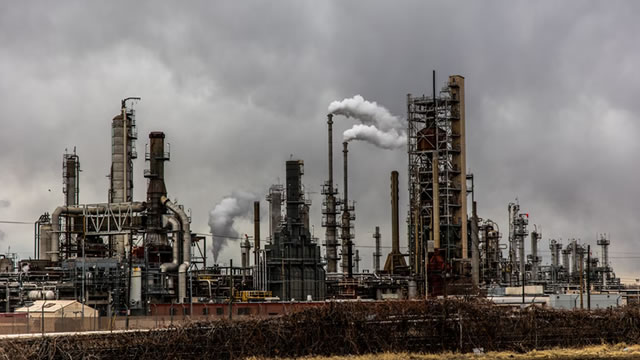
华尔街“灵魂拷问”:油价究竟能涨到多高?
华尔街见闻· 2026-03-19 14:29
Core Viewpoint - The article discusses the impact of the ongoing conflict in Iran on global oil prices, emphasizing that the duration of the blockade of the Strait of Hormuz is a critical variable that will determine future oil price trends [1][11]. Scenario Analysis - Bernstein Energy Team has developed three scenarios based on the duration of the blockade: - If the blockade lasts one month, Brent crude could peak at around $100 per barrel [7]. - If it extends to three months, the peak could rise to $140 per barrel, with a significant risk of global economic recession [7]. - In an extreme scenario of a six-month blockade, prices could reach $170 per barrel, with demand potentially shrinking by 2.3 million barrels per day, nearing the demand destruction seen during the 2008 financial crisis [7][8]. Supply Impact - A complete closure of the Strait of Hormuz could lead to a daily supply gap of up to 15.3 million barrels, with OPEC's crude and condensate loading already down by 13.8 million barrels per day [3][4]. - Current buffer mechanisms, including floating storage and strategic petroleum reserves, are insufficient to cover the long-term supply gap created by a prolonged blockade [3][10]. Market Sentiment - The market currently leans towards a "short conflict" scenario, with oil stocks pricing in an implied oil price range of $80 to $100 for 2026, not fully accounting for recession risks [2][10]. - Morgan Stanley warns that the current stability of Brent prices is misleading, as it is supported by short-term factors that may not last, and a significant price adjustment could occur if Atlantic basin inventories deplete [10]. Conclusion - The reopening of the Strait of Hormuz is the key variable that will ultimately dictate the trajectory of global oil prices through 2026 [11].

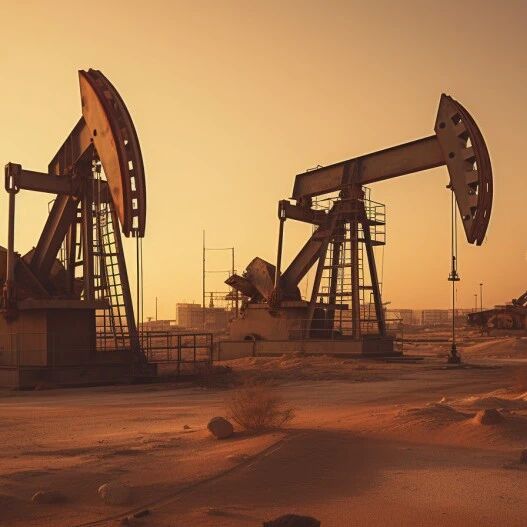
1970年代重演?市场热议:美国会实施“石油出口禁令”吗?
华尔街见闻· 2026-03-19 14:29
Core Viewpoint - The article discusses the recent military strike on Iran's South Pars gas field by Israel, which has led to a surge in oil prices and reignited discussions about the potential reintroduction of U.S. oil export bans, reminiscent of the 1973 oil embargo [4][5][10]. Group 1: Military Actions and Market Reactions - The Israeli military's attack on the South Pars gas field resulted in Brent crude oil prices soaring by over 6%, nearing $110 per barrel [5]. - This attack marks a significant escalation in the ongoing conflict, as it is the first direct military strike on Iran's upstream oil and gas assets during this round of hostilities [6]. - Analysts highlight the potential long-term damage from such attacks, as destroying production capacity could take years to recover, unlike temporary disruptions like blocking shipping routes [7][8]. Group 2: Historical Context and Policy Implications - The article references the 1973 oil embargo, which led to the U.S. Congress implementing an oil export ban that lasted over 40 years until its repeal in 2015 [10][11]. - Current discussions suggest that the U.S. government retains the legal authority to impose export restrictions under the International Emergency Economic Powers Act (IEEPA) [12]. - Although the Biden administration has not prioritized export bans, the rising oil prices may force the government to consider unconventional measures if prices remain high [13][14]. Group 3: Economic Impact of Potential Export Restrictions - Goldman Sachs indicates that even if an export ban is enacted, its effectiveness may be limited, as the U.S. remains a net importer of crude oil, which could lead to increased domestic inventories and reduced shale oil production [15][16]. - The widening price differential between WTI and Brent crude, which has increased by $2.5 over the past week, reflects market concerns about potential export restrictions [17]. - The impact of restrictions on refined oil exports would vary regionally, with Gulf Coast refiners facing profit pressures while East Coast consumers' benefits would depend on external supply dynamics [18][19]. Group 4: Broader Market Dynamics and Risk Premiums - The ongoing conflict has led to a significant reduction in oil flow through the Strait of Hormuz, with current levels down approximately 98% from normal [21]. - The cost of shipping oil has surged, with Middle Eastern tanker rates tripling compared to pre-war levels, and insurance premiums for shipping in the region have skyrocketed [22][23]. - The options market is also reflecting heightened uncertainty, with the probability of Brent crude exceeding $100 per barrel increasing from 15% to 21% in just five days [24].

隔夜对伊朗能源设施袭击后冲突有升级态势
Tian Fu Qi Huo· 2026-03-19 13:27
Report Industry Investment Rating - Not provided in the content Core Viewpoints - After the overnight attack on Iranian energy facilities, the conflict shows an escalating trend. Crude oil and oil - chemical products are likely to rise and difficult to fall in the short term. The supply concerns of liquefied gas, methanol, and ethylene glycol are heating up again, and they are also likely to rise and difficult to fall before the conflict cools down [2]. - The supply contraction expectations of pure benzene, styrene, PX, PTA, PP, etc. are being realized, giving them short - term strong support, and the sustainability depends on the conflict progress [6][10][20]. - Synthetic rubber is supported by cost due to raw material reduction, and its price is likely to rise and difficult to fall [16]. - The supply of ethylene glycol is shrinking, making it bullish and difficult to fall in the short term [33]. - Plastic follows the cost - side drive of crude oil and the expectation of Asian refinery production cuts, and the end of the event means the peak of the market [35]. - The cost increase expectation and chemical sentiment resonance drive the soda ash market to strengthen in the first two weeks, but the over - supply situation restricts its upward space, and it is still likely to fall and difficult to rise in the medium term [40]. - PVC is likely to rise and difficult to fall in the short term due to supply disturbances caused by geopolitical factors [41]. Summary by Directory Crude Oil - Logic: The conflict between the US - Israel and Iran escalated overnight. After the attack on Iranian energy facilities, the probability of further escalation of the conflict increased. Although Trump expressed the hope of not launching more attacks on Iranian energy facilities, the market reaction was flat. The conflict shows no sign of cooling down, and crude oil and oil - chemical products are likely to rise and difficult to fall in the short term [3]. - Technical Analysis: The daily - level of crude oil shows a medium - term upward structure, and the hourly - level shows a short - term upward structure. Today, there is an increase in positions and a long positive line, and the short - term support below moves up to the 710 level. The strategy is to wait and see in the hourly cycle [4]. Benzene Ethylene - Logic: The load reduction of Asian petroleum benzene was obvious last week. The domestic pure benzene start - up rate dropped from 79% to 74% in two weeks, and the benzene ethylene start - up rate dropped by 2.3% to 71.79% in one week. The exports of benzene ethylene were not at a high level, and the port inventory started to decrease. The supply contraction expectation gave short - term strong support to pure benzene and benzene ethylene, and the sustainability depends on the conflict progress [6]. - Technical Analysis: The hourly - level of benzene ethylene shows a short - term upward structure. Today, it rose and then fell, and the short - term support below is at the 9200 level. The strategy is to wait and see in the hourly cycle [8]. Pure Benzene - Logic: Similar to benzene ethylene, the supply contraction expectation gave short - term strong support to pure benzene and benzene ethylene, and the sustainability depends on the conflict progress [10]. - Technical Analysis: The hourly - level of pure benzene shows a short - term downward structure. Today, it rose and then fell, and the short - term support below is at the 7270 level. The strategy is to wait and see in the hourly cycle [10]. Rubber - Logic: Natural rubber is supported by the strength of synthetic rubber, but its own supply - demand contradiction is not significant, and it is necessary to verify the tapping enthusiasm at high prices after the tapping season starts [13]. - Technical Analysis: The daily - level of rubber shows a medium - term upward structure, and the hourly - level shows a downward structure. Today, it decreased in volume with a long negative line, breaking through the short - term support below the 16250 level. The short - term structure turns down, and the upper pressure is at the 16500 level. The strategy is to pay attention to the short - selling signal after the rebound fails to break through the pressure in the hourly cycle [13]. Synthetic Rubber - Logic: The conflict between the US - Israel and Iran has entered the third week. The raw material reduction has led domestic petrochemical plants to reduce production. The output of butadiene has started to decline, and the inventory has decreased significantly, supporting the synthetic rubber price from the cost side [16]. - Technical Analysis: The daily - level of synthetic rubber shows a medium - term upward structure, and the hourly - level shows a short - term upward structure. Today, it rose and then fell, and the short - term support below is at the 15000 level. The strategy is to wait and see in the hourly cycle [16]. PX - Logic: The supply problem of naphtha raw materials has affected the supply of polyester PX and PTA. The start - up rate of PX dropped from 93.2% to 89.2% in two weeks, and the start - up rate of PTA dropped to 80%. The import expectation from South Korea also decreased. The supply tightening expectation gave short - term strong support to PX and PTA [20]. - Technical Analysis: The daily - level of PX shows a medium - term upward structure, and the hourly - level shows a short - term structure. Today, it rose and then fell, and the short - term support below is at the 9570 level. The strategy is to wait and see unilaterally in the hourly level [20]. PTA - Logic: Similar to PX, the supply tightening expectation gave short - term strong support to PX and PTA [23]. - Technical Analysis: The daily - level of PTA shows a medium - term upward structure, and the hourly - level shows a short - term upward structure. Today, it rose and then fell, and the short - term support below is at the 6720 level. The strategy is to wait and see unilaterally in the hourly cycle [23]. PP - Logic: The operating load of polyolefins has been continuously declining. The start - up rate of PP dropped from 75% to 70% in two weeks, and the start - up rate of PE dropped from 88% to 82% in two weeks. The supply contraction expectation gave short - term strong support to PX and PTA [27]. - Technical Analysis: The hourly - level of PP shows a short - term upward structure. Today, it increased in volume, and the short - term support below is at the 8250 level. The strategy is to continue to wait and see in the hourly cycle [27]. Methanol - Logic: The expectation of a reduction in methanol imports from the Middle East is still fermenting. If the conflict cannot end before the end of March, there is a large expectation of a reduction in methanol imports. Currently, methanol is still supported by bullish sentiment [29]. - Technical Analysis: The short - term of methanol shows an upward structure. Today, it increased in volume with a long positive line, and the short - term support below is at the 2860 level. The strategy is to wait and see in the hourly cycle, and stop the loss of the previous 05P2400 put option [31]. Ethylene Glycol - Logic: The weekly start - up rate of ethylene glycol dropped to 66.7%, a 7.2% decline from the previous period. The inventory has entered a pattern of reduction, and combined with the spring maintenance of coal - chemical plants, the supply contraction makes ethylene glycol bullish and difficult to fall in the short term [33]. - Technical Analysis: The hourly - level of EG shows a short - term upward structure. Today, it increased in volume with a long positive line, and the short - term support below is at the 4760 level. The strategy is to wait and see in the hourly cycle [33]. Plastic - Logic: It follows the cost - side drive of crude oil and the expectation of Asian refinery production cuts. The current market is a game of events, and the end of the event means the peak of the market [35]. - Technical Analysis: The hourly - level of plastic shows an upward structure. Today, it increased in volume with a long positive line, and the short - term support below is at the 8350 level. The strategy is to wait and see in the hourly cycle [35]. Soda Ash - Logic: The cost increase expectation and chemical sentiment resonance drive the soda ash market to strengthen in the first two weeks, but the over - supply situation restricts its upward space, and it is still likely to fall and difficult to rise in the medium term [40]. - Technical Analysis: The hourly - level of soda ash shows a short - term downward structure. Today, it fluctuated within the day, and the short - term upper pressure is at the 1265 level. The strategy is to hold short positions in the hourly cycle, and the stop - profit reference is at the 1265 level [40]. PVC - Logic: Although the real - estate demand is still weak year - on - year, due to the geopolitical influence, domestic ethylene - based plants have started to reduce production, and overseas chlor - alkali plants have also reduced their loads. The supply disturbances caused by geopolitics make PVC likely to rise and difficult to fall in the short term [41]. - Technical Analysis: The daily - level of PVC shows a medium - term upward structure, and the hourly - level shows a short - term upward structure. Today, it rose and then fell, and the short - term support below is at the 5600 level. The strategy is to wait and see in the hourly cycle [41].
牛津经济研究院:油价长期维持高位可能会让美国经济“陷入停滞”
财富FORTUNE· 2026-03-19 13:04
Core Viewpoint - The ongoing conflict in Iran has led to a significant global energy crisis, causing oil prices to surge to their highest levels in four years, with Brent crude oil prices fluctuating between $90 and $100 per barrel after peaking near $120 [2][3]. Group 1: Impact on Oil Supply and Prices - The conflict has effectively blocked the Strait of Hormuz, disrupting the transport of approximately 20 million barrels of oil per day, resulting in a global daily supply reduction of about 8 million barrels, marking it as the most severe oil supply crisis in history [2]. - Prior to the conflict, Brent crude oil was priced around $70 per barrel, highlighting the dramatic increase in prices due to the geopolitical tensions [2]. Group 2: Economic Implications - According to Oxford Economics, if oil prices average around $100 per barrel for two months, global GDP growth could decline slightly, but a recession may still be avoided [4]. - The critical threshold for economic impact is identified at an average oil price of approximately $140 per barrel over two months, which could lead to economic contractions in regions like the Eurozone, the UK, and Japan, while the US economy may approach stagnation [5]. Group 3: Inflation and Monetary Policy - The potential for US inflation to rise from the current 2.4% to around 5% by Q2 2026 is noted, which could prompt the Federal Reserve to adopt a more hawkish stance on interest rates [6]. - The report emphasizes that sustained high oil prices could lead to broader inflationary pressures beyond just fuel and energy, affecting consumer behavior and overall economic activity [5][6]. Group 4: Market Reactions and Future Outlook - Recent measures announced by the US, including easing sanctions on Russian oil exports and allowing Iranian tankers to leave the Gulf, have led to a temporary decline in oil prices [6]. - The future trajectory of oil prices largely depends on the resolution of the conflict and the reopening of the Strait of Hormuz for safe passage of oil and gas exports [6].

伊朗议员:拟征收霍尔木兹海峡通行费
21世纪经济报道· 2026-03-19 11:52
Group 1 - The Iranian parliament is promoting a bill that mandates countries using the Strait of Hormuz for shipping, energy, and food transport to pay tolls and taxes to Iran [1] - Oil prices have surged by 8%, surpassing $110 per barrel, with Citigroup predicting prices could rise to $130 [2] - The U.S. intelligence director stated that the Iranian regime is "intact but severely weakened" [2]