
即时零售

Search documents
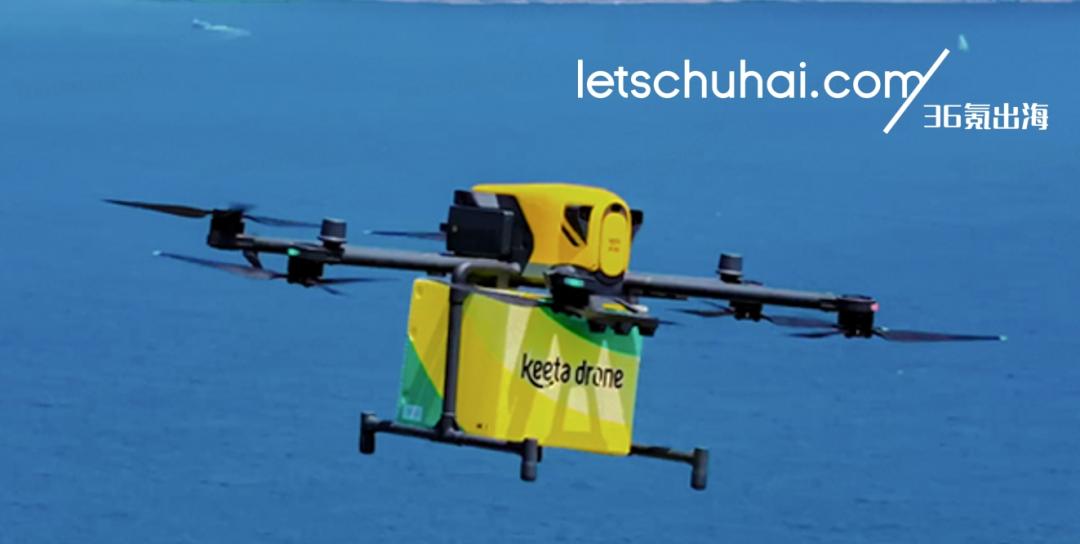
36氪出海·全球化公司|美团Keeta中东提速,阿联酋卡塔尔开城在即
3 6 Ke· 2025-08-07 05:35
Core Insights - Meituan has successfully established its presence in Saudi Arabia within a year of launching its international expansion, and is now accelerating its growth in other Middle Eastern markets [2] Group 1: Meituan's Expansion in Saudi Arabia - Meituan's service in Saudi Arabia has expanded to cover 20 cities, including 11 new cities, and has partnered with nearly 7,500 merchants [3] - The company has deployed over 18,000 additional riders, creating flexible employment opportunities and new economic prospects [3] - Meituan's entry into the Saudi market has led to a market share of approximately 10% for its platform Keeta within five months, ranking it third in the market [3][5] Group 2: Market Dynamics and Competition - The entry of Keeta has stimulated growth in the overall food delivery market in Saudi Arabia, with an expected GMV growth of about 23% in 2024 [3] - Major competitors in the region include Hungerstation and Jahez, which have seen minimal impact on their market shares so far, but are expected to face increased competition as Keeta expands [5][10] - The GCC region, while having a population of under 60 million, boasts high GDP per capita and strong consumer spending power, making it an attractive market for instant delivery services [9] Group 3: Broader Middle Eastern Strategy - Beyond Saudi Arabia, Meituan is planning to enter additional Middle Eastern markets, including the UAE, Qatar, and Kuwait, with a three-year plan to cover all six Gulf Cooperation Council (GCC) countries [7] - Keeta has initiated a "Founding Vendor Program" in the UAE and Qatar, offering incentives for early merchant partnerships [7] - The GCC market presents opportunities for growth due to its digital infrastructure and high acceptance of instant delivery services, despite existing local competition [9][10] Group 4: Global Expansion Efforts - Meituan has also entered the Hong Kong market, achieving a market share of 44% within a year, and is planning to invest $1 billion in Brazil over the next five years [11] - The company is focusing on enhancing its supply chain capabilities through its retail business, Keemart, which has launched in Riyadh [6]


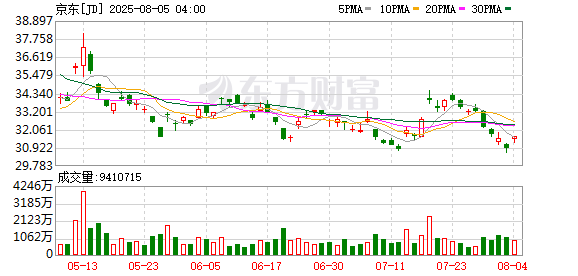
达达更名为本地生活服务事业群?京东即时零售战略再升级
Nan Fang Du Shi Bao· 2025-08-05 10:47
Core Insights - JD's Dada division has been officially renamed to the Local Life Services Group, indicating a strategic shift towards integrating local services into JD's ecosystem [2] - The renaming signifies Dada's full integration into JD's operations and the advancement of JD's instant retail strategy, creating a closed-loop ecosystem of "instant retail + local life" [2] Group 1: Company Developments - Dada was founded in 2014 and has received investments from top-tier funds, accumulating approximately $1.3 billion before its IPO [4] - Dada merged with JD's O2O subsidiary in 2016, forming a dual-driven model of "home delivery + in-store" [4] - After going public in 2020, Dada faced continuous losses due to rising sales and marketing expenses, with only a brief profit in Q1 2023 [4] Group 2: Strategic Moves - In 2024, Dada fully integrated into JD's ecosystem, rebranding its instant retail services as "JD Seconds" [5] - JD's acquisition of Walmart's shares in Dada increased its stake to 63.2%, further accelerating the integration process [5] - JD's CEO emphasized the importance of the food delivery business as a high-frequency service in the instant retail landscape, aiming to enhance user experience and engagement [5] Group 3: Market Competition - JD is expanding into the local life services market, including food delivery and hotel services, to compete with Meituan and Alibaba [6][7] - The "Quality Life" section on JD's app highlights the company's focus on integrating various local services, such as dining and travel [7] - JD's business model is centered around supply chain management, with plans to expand into more niche areas of local services [7] Group 4: Industry Trends - The competition among internet platforms is evolving beyond traditional e-commerce and local services, aiming to create a comprehensive ecosystem that meets diverse consumer needs [8] - The concept of instant retail is expected to expand, with food delivery platforms evolving into complex online-offline hybrids that enhance consumer experiences [8]


淘宝×饿了么×1688合体出“供应链采购中心”,中小商家采购直接“开上帝视角”?
Sou Hu Cai Jing· 2025-08-05 02:59
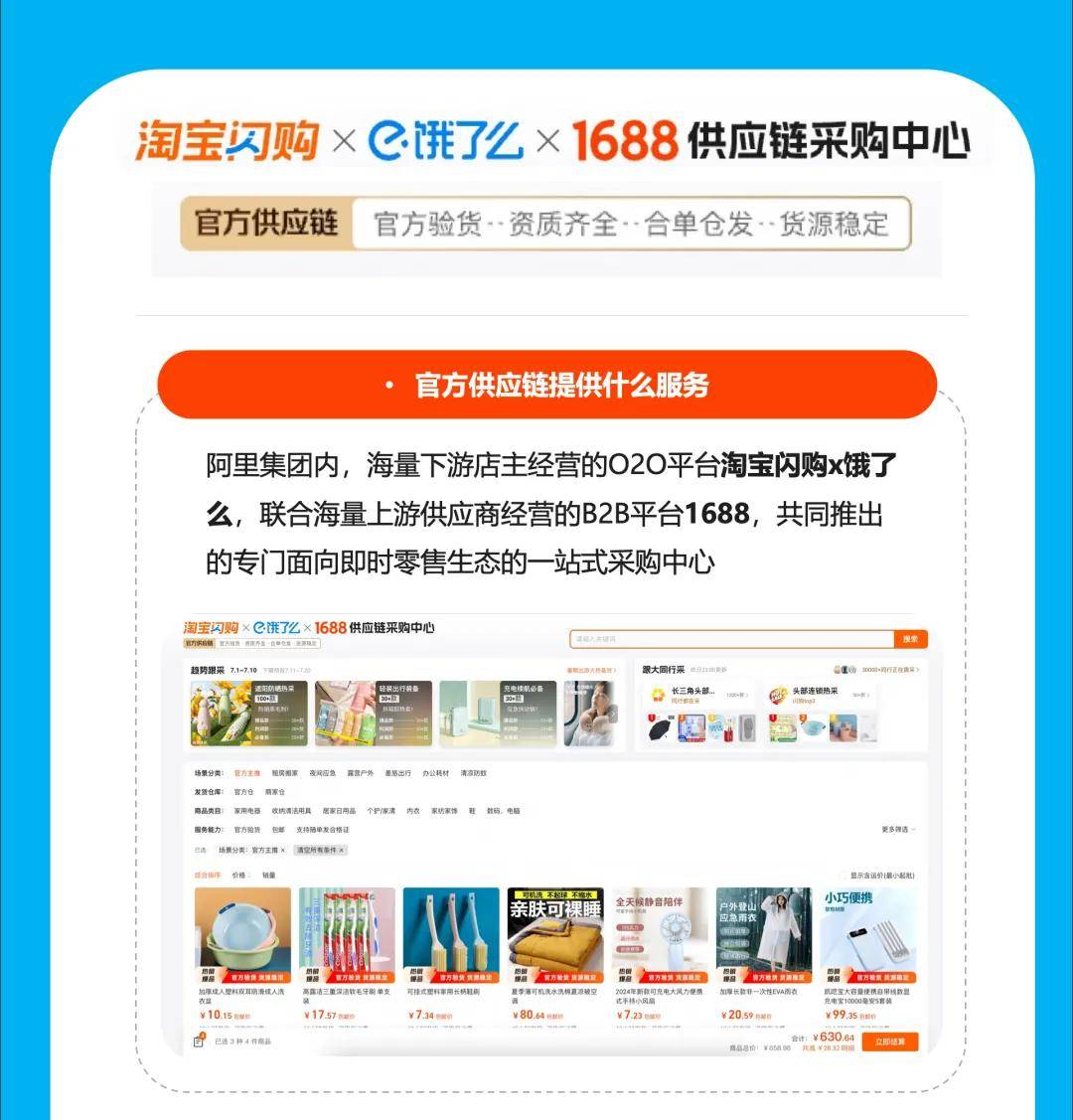
大家好,我是专注即时零售领域的刘老实。 即时零售是否真正进入"黄金时代",正倒逼行业向供应链要答案。当消费者愈发习惯"线上下单、分钟级收货",前置仓及上翻的超市、便利店、夫妻老婆 店等商家却在选品、成本、货源稳定性上面临重重挑战。 基于此,日前阿里集团宣布,整合淘宝闪购、饿了么、1688三大平台,推出面向即时零售生态的"供应链采购中心",以生态级协同破局行业痛点,也为零 售业供应链变革写下新注脚。 即时零售的增长势能已无需赘言。据相关数据显示,2030年即时零售行业市场规模将达到2万亿,年度增长超20%。从暴雨天的应急雨衣,到深夜便利店 的网红零食,"即时性"需求正渗透进生活的每一个角落。 然而前端履约的火爆,却与后端供应链的滞后形成鲜明反差。多数即时零售商家面临三重困境:选品难——泛品类批发难以匹配"即时场景化"需求,比如 差旅人群对一次性床品的需求,往往找不到针对性好货盘;成本高——中小商家采购量小,在B2B平台议价能力弱,只能接受偏高的采购价;信任弱—— 食品、个护等商品对资质要求高,小商家难辨供应商资质真伪,货源稳定性缺乏保障。 正是在这样的行业背景下,阿里启动了一场生态级的供应链整合实验。淘宝闪购( ...

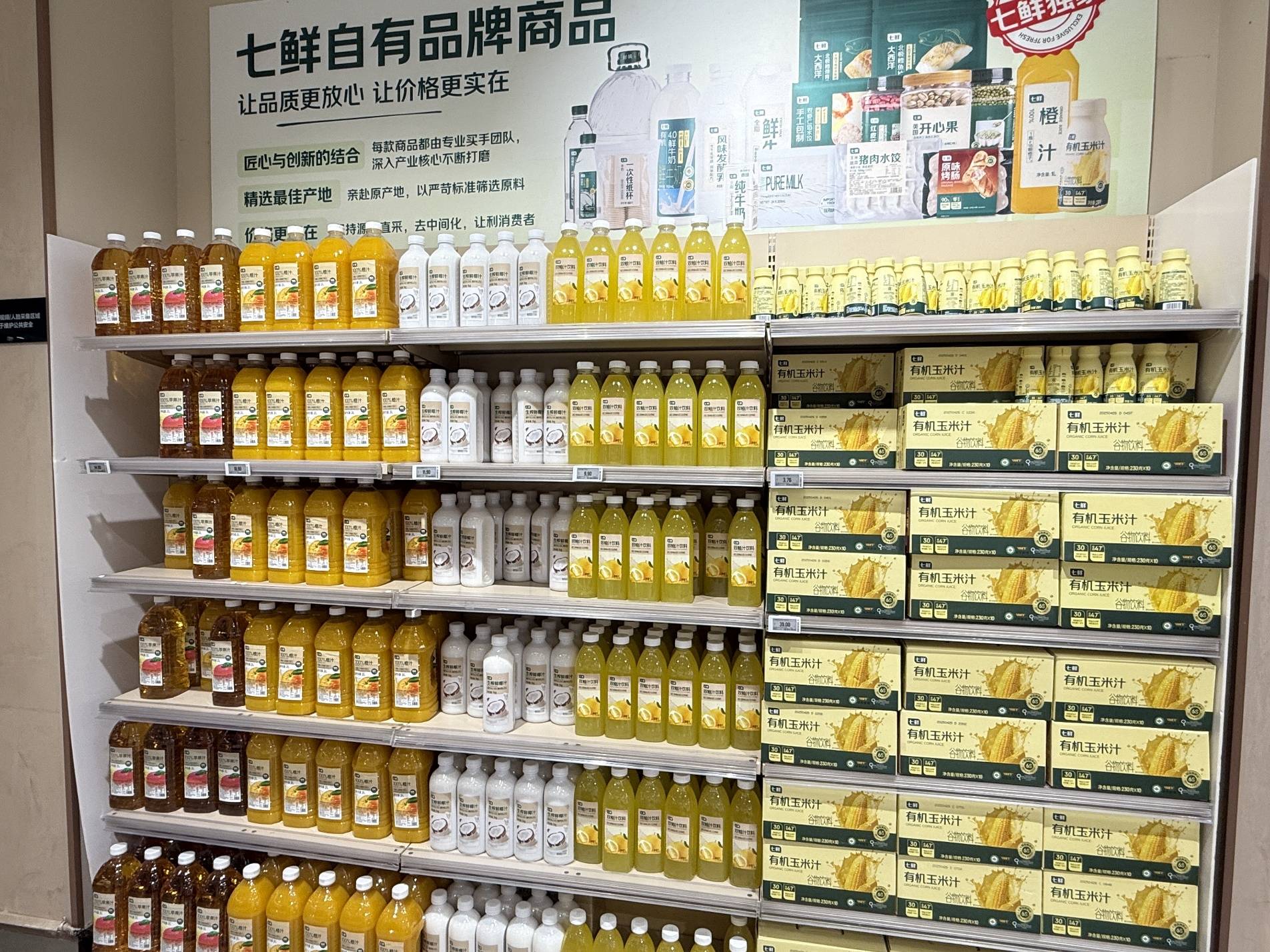
从东哥同款啤酒到风油精软糖,京东七鲜如何打造爆款自有品牌商品矩阵?
Sou Hu Cai Jing· 2025-08-04 11:26
Core Insights - JD Qixian's private label products are gaining popularity among consumers due to their quality and affordability, supported by JD's robust supply chain [1][5] - The product range includes dairy, beverages, grains, snacks, and more, with several items quickly becoming social media hits, indicating strong consumer recognition [3][5] - The success of products like the "wind oil candy" reflects a deep understanding of Gen Z consumers' needs for novelty and functionality [5][7] Product Offerings - JD Qixian offers a variety of private label products, including 100% coconut water, organic milk, and Pilsner beer, all priced competitively [1][3] - Unique items such as the "wind oil candy" and "whole lychee cocktail" have become popular among young consumers, showcasing innovative flavors and concepts [3][5] Consumer Engagement - The company has effectively tapped into the curiosity and social attributes of Gen Z, leading to viral trends and increased product visibility [5][7] - The focus on product repurchase rates and user feedback highlights the company's commitment to quality and customer satisfaction [5] Industry Trends - The rise of private label brands in instant retail is becoming a trend, with companies needing to prioritize product innovation and quality control to stand out in a competitive market [7]
抖音一级流量入口,可能要改了
Sou Hu Cai Jing· 2025-08-04 09:30
Core Viewpoint - Douyin is reportedly merging its self-operated business "Douyin Supermarket" with the instant delivery service "Douyin Xiaoda," raising speculation about its strategy in the instant retail market amidst competition with Meituan and Taobao [2][3] Group 1: Business Strategy and Market Position - The merger may aim to eliminate internal competition and enhance resource allocation to create a unified instant retail brand, improving consumer experience by optimizing entry paths [2][6] - Some experts suggest this could be a routine organizational adjustment rather than a full commitment to instant retail [3][6] - If Douyin decides to enter the instant retail space, its significant advantage lies in its user base of over 700 million daily active users, which can drive impulsive purchases through content-driven marketing [7][8] Group 2: Competitive Landscape - The instant retail market in China reached a scale of 650 billion yuan in 2023, growing by 28.89% year-on-year, indicating a robust growth opportunity [10] - Competitors like Meituan, JD.com, and Taobao are focusing on different strategies: Meituan emphasizes local services, JD.com leverages supply chain advantages, and Taobao utilizes its ecosystem for delivery capabilities [10][11] - Douyin's instant retail services are seen as less threatening to established players due to its current performance and reliance on third-party logistics [9][11] Group 3: Operational Challenges - Douyin faces challenges in supply chain and fulfillment capabilities compared to competitors, which may hinder its ability to compete effectively in the instant retail space [8][13] - The reliance on third-party delivery services increases operational costs, raising questions about the sustainability of its business model [8][9] - Experts highlight that Douyin's content-driven approach may not be sufficient to meet the immediate purchasing needs of consumers, suggesting a need for deeper partnerships with established instant retail companies [9][12] Group 4: Future Outlook - The future of Douyin's instant retail strategy may depend on its ability to enhance logistics and supply chain capabilities while maintaining its content advantages [13] - The market is expected to evolve with a focus on specific segments like instant beauty products and fresh produce, which align with consumer demand for immediate satisfaction [12][13]
2025年即时零售行业规模消费场景及头部平台美团京东淘宝对比分析报告
Sou Hu Cai Jing· 2025-08-04 09:15
Core Insights - Instant retail is emerging as a new growth engine in the e-commerce sector, with a market expected to exceed 2 trillion yuan by 2030, capturing 12% of the physical e-commerce market [2][11][22] Market Size and Growth - The instant retail market in China is projected to reach 780 billion yuan in 2024, marking a 20% year-on-year growth, while traditional physical goods online retail is only expected to grow by 0.8% [2][11] - By 2030, the instant retail market is anticipated to surpass 2 trillion yuan, increasing its share of physical e-commerce from 6% in 2024 to 12% [2][11] Consumer Behavior and Demographics - The consumer base for instant retail is diversifying, with individuals aged 31-45 expected to account for 55% of the market by 2024, up from 72.5% being primarily aged 21-35 in earlier years [3][17] - The county-level market contributed 23.1% to the instant retail transaction scale in 2023, indicating significant growth potential in lower-tier cities [3][21] Category Performance - Fast-moving consumer goods (FMCG) and emergency products are leading the growth in instant retail, with snack food sales projected to reach 564 million yuan in 2024, a 46.5% increase [4][29] - The pharmaceutical retail sector is also experiencing rapid growth, with a projected market size of 487 million yuan in 2024, reflecting a 31.3% increase [4][29] Competitive Landscape - Major players like Meituan, JD.com, and Taobao are competing aggressively in the instant retail space, each leveraging their unique strengths [5][6] - Meituan leads the market with its "store + warehouse" model, while JD.com focuses on integrating its logistics with local supermarkets, and Taobao capitalizes on its vast user base [5][6] Future Growth Drivers - The expansion of flash warehouses in lower-tier markets is seen as a key growth driver for instant retail, with Meituan planning to add 1,866 new convenience store flash warehouses in 2024 [7] - The entry of brand manufacturers into the instant retail space is expected to enhance product offerings and improve customer experience [7]
外卖大战停火?输家,已下线
Sou Hu Cai Jing· 2025-08-03 12:58
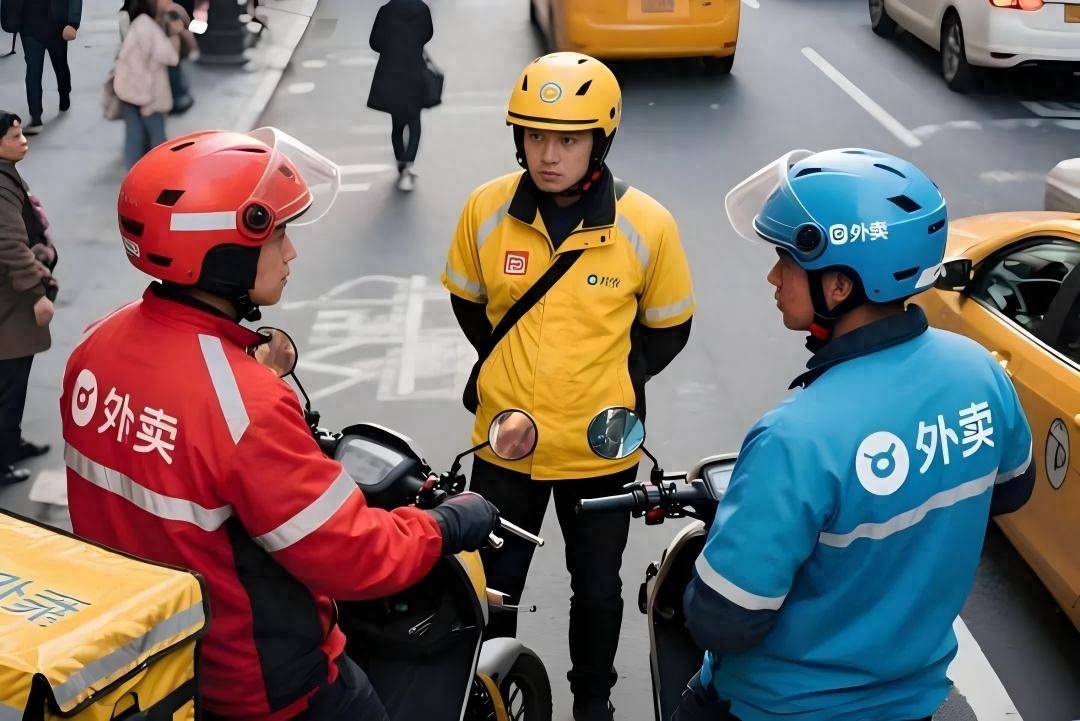
Group 1 - The core point of the articles is the ongoing competition among major food delivery platforms like Meituan, Taobao, and Ele.me, which are shifting from aggressive zero-cost promotions to more regulated subsidy strategies while still engaging in significant promotional activities [1][2][7] - On July 18, the State Administration for Market Regulation urged food delivery platforms to further standardize promotional behaviors and engage in rational competition to promote the healthy and sustainable development of the catering service industry [2] - The "first cup of milk tea in autumn" event, which has become a marketing staple since 2020, is set to kick off on August 7, with Taobao already launching its promotional activities [2][3] Group 2 - Despite the cessation of zero-cost promotions, platforms are still engaging in substantial subsidies, with merchants bearing around 70% of the costs [2][5] - Taobao's goal of achieving 100 million orders during its flash sale indicates a dual strategy: maintaining its dominance in e-commerce and rapidly cultivating consumer habits in instant retail [7] - The overlap of consumer bases between food delivery and e-commerce is not a concern, as the industry aims to expand consumption frequency through diversified shopping scenarios [9] Group 3 - The ongoing subsidy war is expected to continue until the end of the year, with the need to cultivate high-loyalty consumer habits within a short timeframe to avoid failure [9] - The true victims of the subsidy war are offline supermarkets, which are increasingly becoming storage facilities for instant retail rather than active participants in the market [10][12] - Major supermarkets with established brands, such as Walmart and Pang Donglai, are refraining from participating in the subsidy war as a strategic self-preservation measure [12]
即时零售带来购物新体验
Jing Ji Ri Bao· 2025-08-02 21:47
Core Insights - The online retail sales in China reached 74,295 billion yuan in the first half of the year, with a year-on-year growth of 8.5%, indicating a robust market performance [1] - Instant retail is reshaping the competitive landscape of the retail industry, driven by policy support and market demand [1] - The market size of instant retail is expected to exceed 2 trillion yuan by 2030, highlighting its growth potential [1] Group 1: Market Performance - The physical goods online retail sales amounted to 61,191 billion yuan, growing by 6.0%, accounting for 24.9% of the total retail sales of consumer goods [1] - The report from the Ministry of Commerce and other departments emphasizes the support for the integration of online and offline instant retail [1] Group 2: Consumer Behavior - Over 50% of consumers born after 1995 prefer to receive their purchases on the same day or within half a day, indicating a strong demand for speed in delivery [2] - The core competitiveness of instant retail lies in the ability to deliver orders within 30 minutes, catering to the time-sensitive needs of younger consumers [2] Group 3: Industry Trends - The variety of products available through instant retail has expanded significantly, with a compound growth rate of 45% in categories like fresh produce and pharmaceuticals over the past three years [3] - Major platforms are enhancing their service experience and shopping assurance systems, including features like seven-day no-reason returns and official after-sales support [3] Group 4: Challenges and Infrastructure - The instant retail industry faces challenges such as high delivery costs relative to low average order values, which complicates logistics efficiency [3] - New infrastructure, including logistics facilities and software, is essential for the quality development of instant retail, requiring collaboration between government and enterprises [4]
美团筹备大学校园即时零售新项目“校园mini仓”
Xin Lang Cai Jing· 2025-08-02 04:00
Core Viewpoint - Meituan is preparing a new instant retail project called "Campus Mini Warehouse" targeting university campuses to meet the growing demand for instant consumption among students [1] Group 1: Project Overview - The project involves setting up small lightning warehouses on or near campuses to cover high-frequency needs such as snacks, beverages, stationery, and daily necessities [1] - The aim is to achieve "instant ordering and fast delivery" to cater to students' needs [1] Group 2: Market Demand - There is a significant increase in the demand for instant consumption of snacks and daily necessities among the student demographic [1] - Traditional retail models face challenges such as fragmented supply, limited service hours, and insufficient price competitiveness, making it difficult to fully meet students' diverse instant needs [1] Group 3: Strategic Approach - Meituan's solution focuses on optimizing a localized service network with core principles of "convenience, low price, and variety" [1] - The strategy is designed to fulfill students' core demands for "rapid response and flexible choices" [1]
外卖平台破内卷言自律 即时零售赛道将迎“持久战”
Zheng Quan Shi Bao· 2025-08-02 03:20
Core Viewpoint - Major food delivery platforms including Meituan, Taobao, Ele.me, and JD.com have collectively announced their commitment to resist malicious competition and promote fair industry practices, following regulatory discussions aimed at curbing unhealthy competition in the market [1][2]. Group 1: Industry Regulation and Self-Discipline - The State Administration for Market Regulation has conducted talks with major platforms to enforce compliance with fair competition standards, addressing issues like fake reviews and price manipulation [2][3]. - The recent increase in subsidies and promotional activities by platforms is seen as a strategy to attract more users and enhance retail activity, despite leading to resource wastage and reduced profits for merchants [2][3]. Group 2: Market Dynamics and Future Trends - The competition in the food delivery sector is primarily focused on beverage sales, which are less time-sensitive, allowing for significant customer engagement [4]. - The instant retail market in China is projected to exceed 2 trillion yuan by 2030, with the current competition in food delivery serving as a gateway to broader non-food retail opportunities [4][5]. Group 3: Strategic Differentiation Among Major Players - Alibaba, Meituan, and JD.com are adopting distinct strategies based on their strengths, such as Alibaba's integration of e-commerce and delivery, JD's supply chain management, and Meituan's extensive merchant network [5][6]. - The emergence of Generation Z as a consumer group is influencing the market, as they demand immediate gratification and are less patient with traditional delivery timelines [6]. Group 4: Growth Potential of Third-Party Delivery Services - The growth of instant retail is expected to be significant, with third-party delivery services gaining traction as they offer neutral and specialized solutions to brands and retailers [7]. - The penetration rate of instant retail platforms among online shoppers is anticipated to rise from 49% in 2023 to 59% in 2024, indicating a growing consumer base [7].