
食品工业

Search documents
壹快评|守护百姓餐桌,拥抱“科技”拒绝“狠活”
第一财经· 2025-09-16 10:24
Core Viewpoint - The article discusses the public's reaction to the pre-prepared food controversy, emphasizing the need to differentiate between legitimate technological advancements in the food industry and illegal practices aimed at cost-cutting and profit maximization [2][3]. Group 1: Technology in Food Industry - The term "technology" in the food and catering sector refers to scientific advancements such as high-pressure sterilization, vacuum freeze-drying, membrane separation technology, and sterile packaging, which enhance food safety, quality, and production efficiency [2]. - Examples of beneficial technology include Tetra Pak packaging for liquid milk and cold chain logistics for fresh products, showcasing how technology can improve quality of life [2][3]. Group 2: Illegal Practices - "Henkai" refers to illegal practices that prioritize profit over consumer health, such as the misuse of preservatives and industrial gelatin, which pose direct risks to consumer health and disrupt market order [3]. - Such practices must be strictly prohibited and punished due to their harmful effects on consumers [3]. Group 3: Pre-prepared Food - Pre-prepared food exemplifies the necessity for standardized and industrialized production in the catering industry, especially in modern fast-paced lifestyles where fresh cooking for every meal is impractical [3][4]. - This approach enhances safety while effectively reducing costs, making dining out or convenient eating more accessible to the public [3]. Group 4: Consumer Needs and Technological Solutions - Consumers may need to compromise on taste and nutrition for safety, speed, and price when opting for pre-prepared food, highlighting the need for advanced technology to address these conflicting demands [4]. - Ensuring the quality of pre-prepared food and maintaining consumer rights to information are essential considerations [4]. Group 5: Overall Technological Impact - Technological advancements have significantly contributed to food supply, from agricultural practices to food processing, improving nutrition and ensuring food safety [5]. - The article argues that technology should not be demonized; instead, the industry should adopt beneficial practices while discarding harmful ones, promoting a safer and more sustainable food system [5].

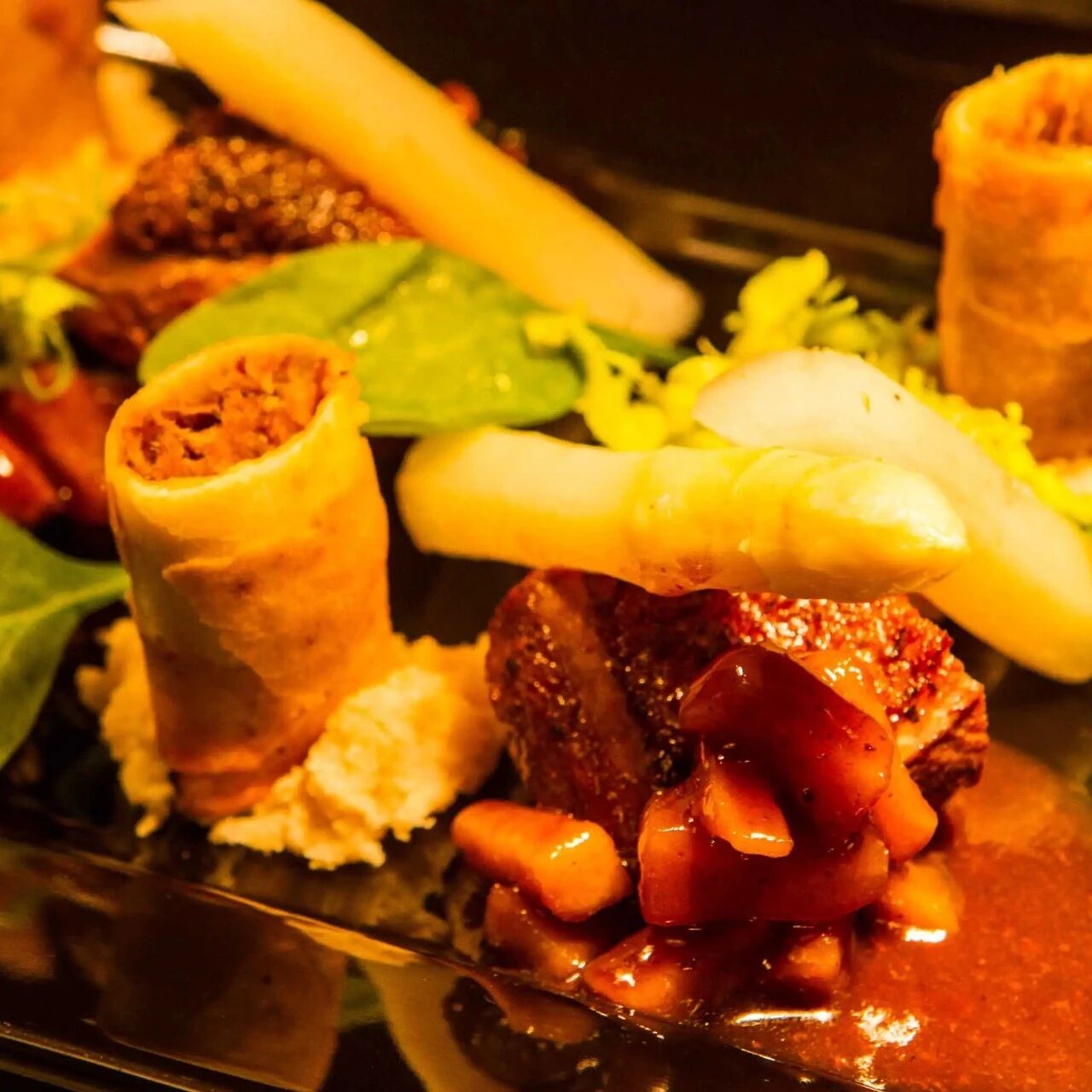
壹快评|守护百姓餐桌,拥抱“科技”拒绝“狠活”
Di Yi Cai Jing· 2025-09-16 09:21
Core Viewpoint - The article emphasizes the importance of distinguishing between beneficial technological applications in the food and beverage industry and harmful practices, advocating for a rational acceptance of technology while rejecting illegal activities [1][2][3] Group 1: Technology in Food and Beverage Industry - Technological advancements in the food industry, such as high-pressure sterilization and vacuum freeze-drying, are essential for improving food safety, quality, and production efficiency [1][2] - The use of technology in food production, like standardized production and cold chain logistics, enhances consumer experience and safety, making it a necessary aspect of modern dining [2][3] Group 2: Illegal Practices and Their Impact - "Harmful practices" refer to illegal activities aimed at reducing costs or extending shelf life through the misuse of additives, which pose direct health risks to consumers and disrupt market order [2][3] - Strict measures are necessary to combat these illegal practices, as they undermine consumer health and safety [2] Group 3: Consumer Needs and Technological Solutions - Pre-prepared meals meet consumer demands for safety, speed, and affordability, although they may compromise taste and nutrition, highlighting the need for advanced technology to address these trade-offs [3] - The article argues that technology should not be demonized, as it plays a crucial role in ensuring food supply and safety from production to consumption [3] Group 4: Future Directions - The industry should focus on adopting beneficial technologies while establishing robust regulatory frameworks to prevent harmful practices, ensuring a safe and sustainable food environment [3]
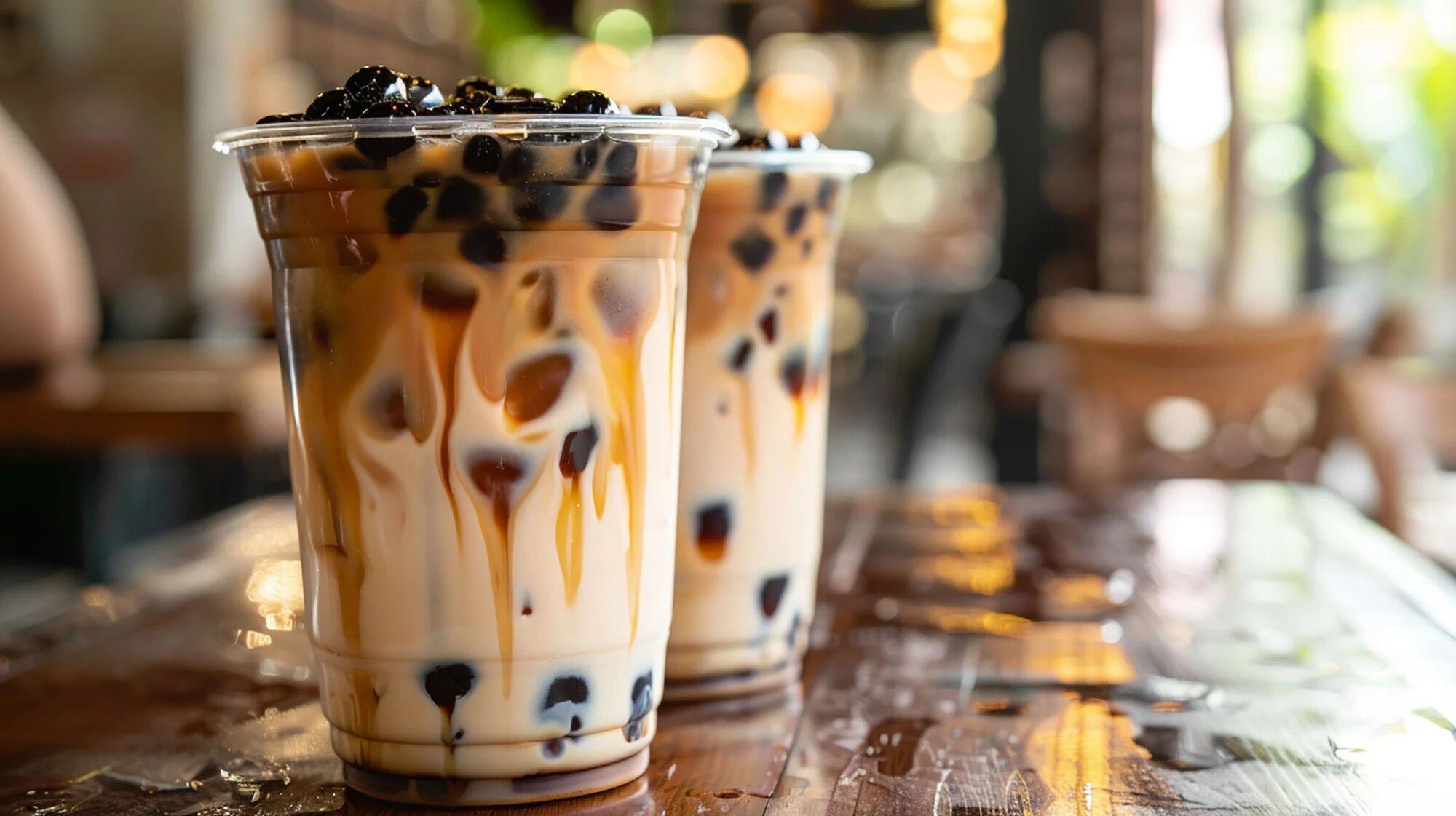
合理膳食、看好食品成分表 几步教你远离反式脂肪酸威胁
Yang Shi Xin Wen· 2025-09-14 09:24
Core Viewpoint - Recent reports about trans fatty acids in certain milk tea products have raised widespread consumer concern, prompting discussions on their health risks and sources [1] Group 1: Understanding Trans Fatty Acids - Trans fatty acids (TFA) are unsaturated fatty acids with one or more non-conjugated trans double bonds, primarily derived from two sources: industrial processing and natural sources [3] - Industrial sources include partial hydrogenation of unsaturated fatty acids in vegetable oils, high-temperature processing, and prolonged frying at temperatures above 220°C [3] - Natural sources come from ruminant animals, where bacteria in their stomachs convert polyunsaturated fatty acids from feed into trans fatty acids, which are then stored in their meat and dairy products [3] Group 2: Health Risks and Recommendations - WHO identifies excessive intake of trans fatty acids as a risk factor for cardiovascular diseases, raising total cholesterol and LDL-C levels while lowering HDL-C levels; adults should limit their intake to no more than 1% of total daily energy (approximately 2.2 grams) [5] - In China, the intake level of trans fatty acids in residents' diets is currently low and manageable, with regulations mandating labeling of trans fatty acid content in pre-packaged foods [6] - The trend in the food industry is to eliminate industrial sources of trans fatty acids, with significant reductions achieved in the use of partially hydrogenated oils in products like margarine and refined vegetable oils [6] Group 3: Consumer Guidance - Consumers can avoid excessive intake of trans fatty acids by maintaining a balanced diet, increasing the consumption of vegetables, fruits, dairy, beans, and whole grains, and limiting cooking oil usage to 25-30 grams per day [8] - When purchasing pre-packaged foods, consumers should check ingredient lists and nutrition labels to select products low in trans fatty acids [8] - For freshly made milk tea, consumers should choose vendors with proper licenses and clean environments, and pay attention to the ingredients used [9]
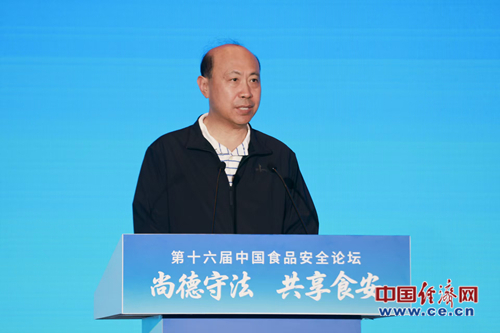
任发政:科技赋能、夯实责任、共治共享,守护“舌尖上的安全”
Zhong Guo Jing Ji Wang· 2025-09-11 09:40
Core Insights - The 16th China Food Safety Forum was held in Beijing, focusing on the theme "Integrity and Lawfulness, Shared Food Safety" [1][3] - Professor Ren Fazheng from China Agricultural University highlighted that the food safety inspection pass rate is expected to remain above 97% in both 2023 and 2024, showcasing significant achievements in food safety in China [1][3] Industry Challenges - The Chinese food industry is undergoing a critical transformation phase, facing challenges such as the restructuring of global supply chains, the emergence of new business models, and increasingly diverse health demands from consumers [3] - Key challenges include controlling source pollution, precise regulation during production, risk assessment of new materials and processes, and ensuring precise nutritional health guarantees [3] Recommendations for Improvement - Emphasize "technology empowerment" to drive modernization in food safety governance [3] - Strengthen "industry responsibility" to build a solid first line of defense for food safety through integrity [3] - Promote "co-governance and shared responsibility" to collaboratively construct a community for food safety [3] Vision for the Future - The ongoing commitment to food safety is emphasized, with a call for collaboration to safeguard public health and advance the construction of a healthy China, fulfilling the people's aspirations for a better life [3]
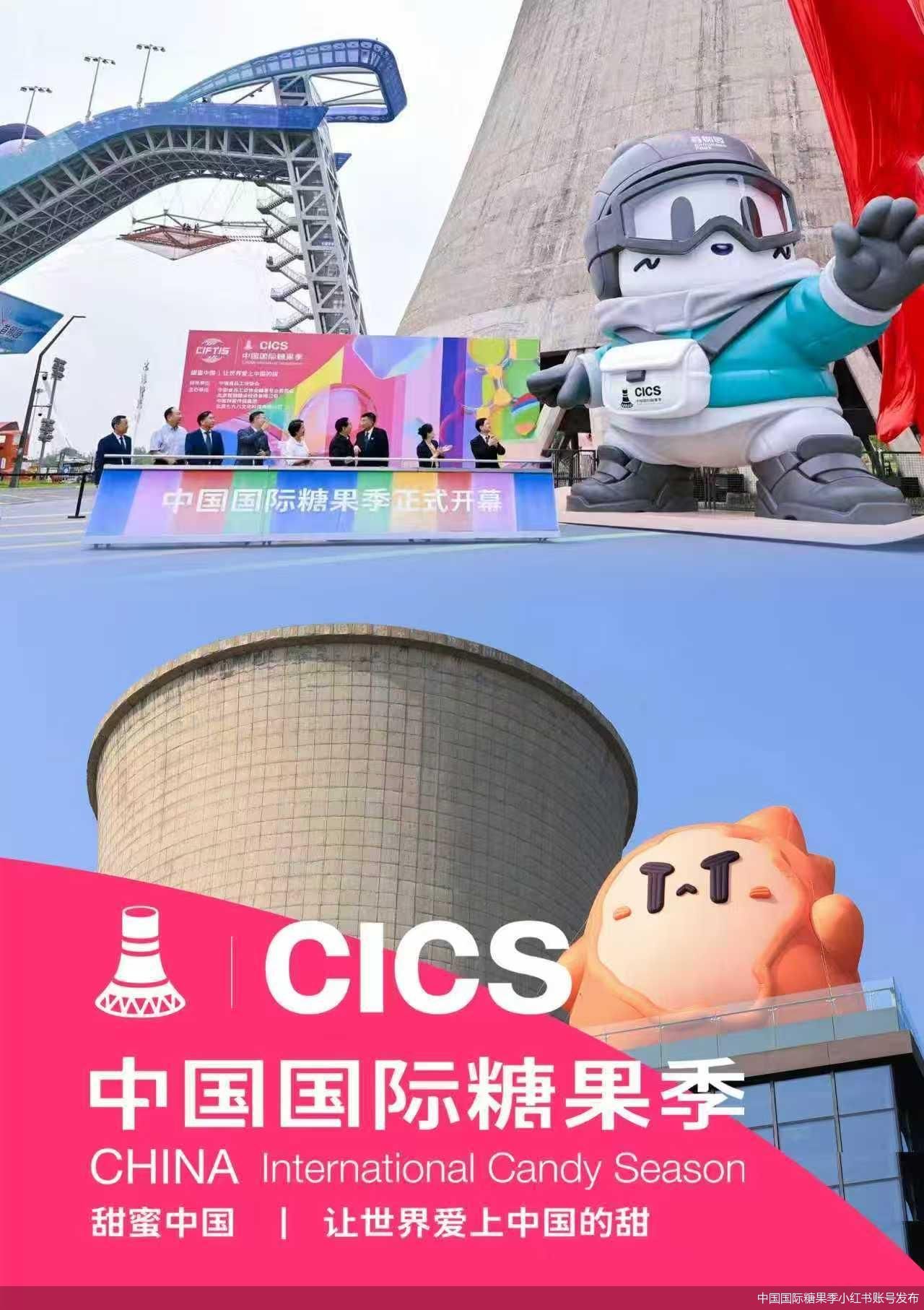
2025服贸会|从“制造”到“品牌”,中国食品工业的升维之路
Bei Jing Shang Bao· 2025-09-10 15:04
Core Viewpoint - The Chinese food industry is at a critical juncture for high-quality development, transitioning from "Made in China" to "Chinese Brands" is a pressing issue that needs to be addressed [1] Group 1: Policy Guidance and Industry Growth - The leisure food industry in China has seen rapid growth, expanding from 784.5 billion yuan in 2020 to 1,009.3 billion yuan by 2024, with a compound annual growth rate of 6.5% [3] - The candy and chocolate segment, while decreasing in market share from 15.2% in 2020 to 14.5% in 2024, continues to grow in absolute terms [3] - The report released at the forum provides new insights for traditional candy companies, suggesting a combination of food industry and cultural creativity [3] Group 2: Brand Innovation and Market Expansion - The collaboration between candy companies and cultural IPs has deepened, with co-branded products achieving a premium price increase of 40% to 60% [3] - Instant retail has significantly boosted the growth of leisure food categories, with brands like "Hao Xiang Lai" seeing monthly orders reach nearly 2 million within four months of collaboration with Meituan [4] - The partnership between Meituan and Xu Fu Ji has created a phenomenon in marketing, enhancing both brand visibility and sales [4] Group 3: Heritage and Innovation - The transition from "Made in China" to "Chinese Brands" emphasizes the importance of cultural heritage and product innovation [5] - The food industry is focusing on health and digital transformation, with innovations in reducing salt, sugar, and oil content while enhancing product health value [5] - Traditional brands like Ma Da Jie are integrating intangible cultural heritage with modern consumer demands, launching low-sugar products to meet health needs [6] Group 4: International Market Opportunities - Chinese brands face challenges in international markets, including regulatory barriers and differing consumer preferences, but companies like Xu Fu Ji have achieved significant overseas growth [7] - The establishment of overseas factories is crucial for localizing operations and penetrating global markets, with companies like COFCO Sugar increasing imports and exploring international cooperation [8] - The trend of empowering brand value through cultural creativity, enhancing product capabilities through technological innovation, and expanding markets with an international perspective is becoming the core driving force for the Chinese food industry [9]
活力中国调研行丨智能制造加力消费潜能释放
Jing Ji Ri Bao· 2025-09-08 00:34
Group 1: Manufacturing and Economic Contribution - Fujian is a major manufacturing province, producing 1 in 5 pairs of sports shoes and 1 in 3 automotive glass globally, with the new energy vehicle battery market share being the largest in the world [1] - In 2024, the revenue of Fujian's consumer goods industry is expected to reach nearly 2.5 trillion yuan, accounting for 42% of the province's industrial revenue, laying a solid foundation for boosting consumption [1] Group 2: Technological Integration and Innovation - The establishment of the global fashion industry brain in Fujian integrates data from 1.27 million designers, covering popular styles, global trade trends, and consumer preferences in the sportswear sector [1][2] - The innovation center combines 12 different spaces, including trend libraries and AI design centers, to merge fashion with technology, aiming to explore consumer growth and accelerate traditional industry transformation [2] Group 3: Food Industry Development - Fujian's food industry is undergoing smart upgrades, with companies like Panpan Food utilizing 5G and AI to monitor production and reduce energy consumption by approximately 28% [3] - The promotion of traditional dishes like Buddha Jumps Over the Wall is being scaled up through modern techniques and national patents, making it more accessible to the public [4] Group 4: Consumer Market Performance - In the first seven months of the year, Fujian's total retail sales of consumer goods reached 1.456 trillion yuan, showing a year-on-year growth of 5.8%, indicating a vibrant consumer market [5]
智能制造加力消费潜能释放
Jing Ji Ri Bao· 2025-09-06 22:11
Group 1: Manufacturing and Industry - Fujian is a major manufacturing province, producing 1 in every 5 pairs of sports shoes and 1 in every 3 automotive glass globally [1] - In 2024, the revenue of Fujian's consumer goods industry is expected to reach nearly 2.5 trillion yuan, accounting for 42% of the province's industrial revenue [1] - The province has cultivated 33 national-level smart manufacturing factories and 354 provincial-level digital benchmark enterprises [1] Group 2: Innovation and Technology - The WhatsPOP Innovation Center in Jinjiang integrates 12 spaces, including a global fashion industry brain and AI design empowerment center, to merge fashion with technology [2] - The use of 5G and AI in food production has led to a 28% reduction in energy consumption through real-time monitoring and intelligent control [3] Group 3: Food Industry Development - The promotion of Fujian cuisine, such as the mass production of Buddha Jumps Over the Wall, is supported by over 20 national patents for rapid freezing technology [4] - In the first quarter, Fujian issued over 10 million yuan in dining consumption vouchers, covering more than 16,000 restaurants, contributing to a 6.1% increase in dining revenue in the first half of the year [4] Group 4: Market Performance - In the first seven months of the year, Fujian's total retail sales of consumer goods reached 1.456 trillion yuan, with a year-on-year growth of 5.8% [5]
波黑第52届梅子交易会在格拉达查茨开幕
Shang Wu Bu Wang Zhan· 2025-08-30 01:33
Core Points - The 52nd International Agriculture and Food Industry Fair, known as the Plum Fair, has opened in Gradačac, Bosnia and Herzegovina, with significant attendance from guests and officials [1] - Over 150 exhibitors from Bosnia and surrounding regions, including Germany, Croatia, Serbia, Montenegro, Slovenia, and Turkey, are participating in the event, showcasing their products in a 5,000 square meter indoor and outdoor exhibition area [1] - The event will feature multiple sub-exhibitions, including the 8th International Beekeeping Fair, the first Dairy Cattle Breed Competition, and a series of professional and scientific conferences [1] - The outdoor exhibition area will display agricultural machinery and greenhouse production [1] - Irfan Halilagić, the Governor of Tuzla Canton, emphasized the government's role as a key partner in the event and expressed hopes for its success in bringing new value, ideas, and cooperation to Bosnia and the region [1] - The Plum Fair is the oldest professional trade fair in Bosnia and will remain open until August 30 [1]
6 个项目将落户苏哈尔工业区,总投资额超过 2700 万阿曼里亚尔
Shang Wu Bu Wang Zhan· 2025-08-29 02:12
Group 1 - The core viewpoint of the article is that six localization projects will be launched in the Sohar Industrial Area in the second half of 2025, with a total investment exceeding 27 million Omani Rials [1] - The total area of these projects will exceed 162,000 square meters, covering various sectors including oil, steel, food, marble, tiles, and wood [1] - The projects include a 25 million Omani Rials investment by the National Petrochemical Investment Company for an oil industry project [1] Group 2 - Sultan Al-Shidi Engineering is investing 1 million Omani Rials in a steel industry project [1] - Al-Soulb Trading Investment Company is investing 600,000 Omani Rials in another steel industry project [1] - ASAAS International Company is investing 400,000 Omani Rials in a marble and tile manufacturing project [1] Group 3 - Al Rawda International Trading Company is investing 150,000 Omani Rials in a food industry project [1] - United Wooden Platform is investing 150,000 Omani Rials in a wood processing project [1]
四川贝亮食品工业有限公司成立 注册资本1000万人民币
Sou Hu Cai Jing· 2025-08-26 07:52
Core Viewpoint - Sichuan Beiliang Food Industry Co., Ltd. has been established with a registered capital of 10 million RMB, focusing on various food-related activities and products [1] Company Summary - The legal representative of Sichuan Beiliang Food Industry Co., Ltd. is Liu Shoumei [1] - The company has a registered capital of 10 million RMB [1] - The business scope includes general projects such as food import and export, initial processing of agricultural products, sales of food additives, and retail of pet food and supplies [1] - The company is authorized to engage in several licensed projects, including food production, seasoning production, grain processing food production, and infant formula production [1] Industry Summary - The company operates in the food industry, which encompasses a wide range of activities from production to retail [1] - The scope of operations includes both general and licensed projects, indicating a diverse engagement in the food supply chain [1] - The establishment of the company reflects ongoing developments in the food sector, particularly in specialized food products and import/export activities [1]