
航运

Search documents
中远海运暂停多个航线新订舱业务
Di Yi Cai Jing Zi Xun· 2026-03-05 13:07
Core Viewpoint - The shipping sector in A-shares has experienced significant volatility due to ongoing conflicts in the Middle East, impacting business operations and investor sentiment [2][7]. Group 1: Impact on Shipping Companies - China Ocean Shipping Group (COSCO) announced the suspension of all new bookings for routes to the UAE, Qatar, Bahrain, Iraq, Saudi Arabia, and Kuwait due to restrictions in the Strait of Hormuz [2][4]. - A senior industry insider indicated that all routes to the Middle East are currently suspended, with some vessels turning back mid-journey [3]. - COSCO's fleet capacity is 135 million deadweight tons across 1,660 vessels, ranking first globally, with operations covering over 1,500 ports in more than 160 countries [4]. Group 2: Company Responses - COSCO Shipping Energy Transportation stated that while the Strait of Hormuz is blocked, their operations remain normal, but the impact on financial data is yet to be assessed [4]. - COSCO Shipping Specialized Carriers mentioned that the Middle East's shipping volume is a small part of their business, thus the revenue impact is expected to be limited [5]. - Other companies like China Merchants Energy Shipping and Shenghang Co. reported that their operations are stable, with no direct impact from the Middle East conflict, although they are monitoring oil price fluctuations [6]. Group 3: Market Reactions and Trends - The shipping sector has seen dramatic fluctuations, with the shipping index experiencing multiple reversals within a short period [7]. - The recent escalation in the Middle East has led to increased oil prices and a shift in pricing models to "negotiated per customer" [3][8]. - Analysts suggest that the geopolitical situation is likely to elevate global shipping prices in the short term, benefiting various sub-sectors within the industry [8][9]. Group 4: Future Outlook - The VLCC (Very Large Crude Carrier) market is expected to see demand exceed expectations due to geopolitical tensions, potentially driving freight rates higher [9]. - The current high freight rates are anticipated to persist in the short term, with a significant increase in profits expected for 2026 compared to 2025 [9].


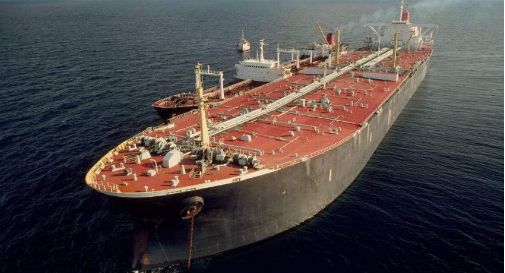
中远海运暂停多个航线新订舱业务,上市公司集体回应对业务影响
Di Yi Cai Jing· 2026-03-05 12:28
Core Viewpoint - The shipping sector in A-shares has experienced significant volatility due to the ongoing conflict in the Middle East, prompting institutions to advise investors to differentiate between "emotional speculation" and "fundamental logic" [1][6]. Group 1: Impact of Middle East Conflict - The conflict has led to substantial disruptions in shipping routes, with China COSCO Shipping Group announcing the suspension of new bookings for several routes to the UAE, Qatar, Bahrain, Iraq, Saudi Arabia, and Kuwait due to restrictions in the Strait of Hormuz [1][3]. - A senior industry insider indicated that all routes to the Middle East are currently suspended, with some vessels already turning back [2]. - The oil prices and war surcharges have increased, and the pricing model has shifted to "negotiated per customer" [2]. Group 2: Company Responses - China COSCO Shipping reported that its fleet has a total capacity of 135 million deadweight tons across 1,660 vessels, ranking first globally, and that its operations remain normal despite the conflict [3]. - China COSCO Shipping Energy stated that the blockade in the Strait of Hormuz has significantly impacted global energy transport, but its operations are currently unaffected [3]. - China COSCO Shipping Specialized Carriers mentioned that the impact on revenue from the route adjustments is expected to be limited, as the Middle East shipping volume constitutes a small portion of its business [3]. - Other companies like Zhenhua Logistics and Shenghang Co. have also reported that their operations remain stable, with limited direct impact from the conflict [5]. Group 3: Market Reactions and Predictions - The shipping sector has seen dramatic fluctuations, with the shipping index experiencing multiple reversals within a short period [6]. - Analysts from CITIC Futures noted that the recent surge in the shipping index was driven by the conflict, but the risk transmission path remains unclear due to differences in shipping routes [7]. - Huatai Securities highlighted that geopolitical events have led to a tightening of compliant market capacity, significantly driving up shipping rates [7]. - ICBC Credit Suisse Fund indicated that the VLCC market is experiencing unexpected demand due to the geopolitical situation, which may further elevate freight rates in the short term [8].
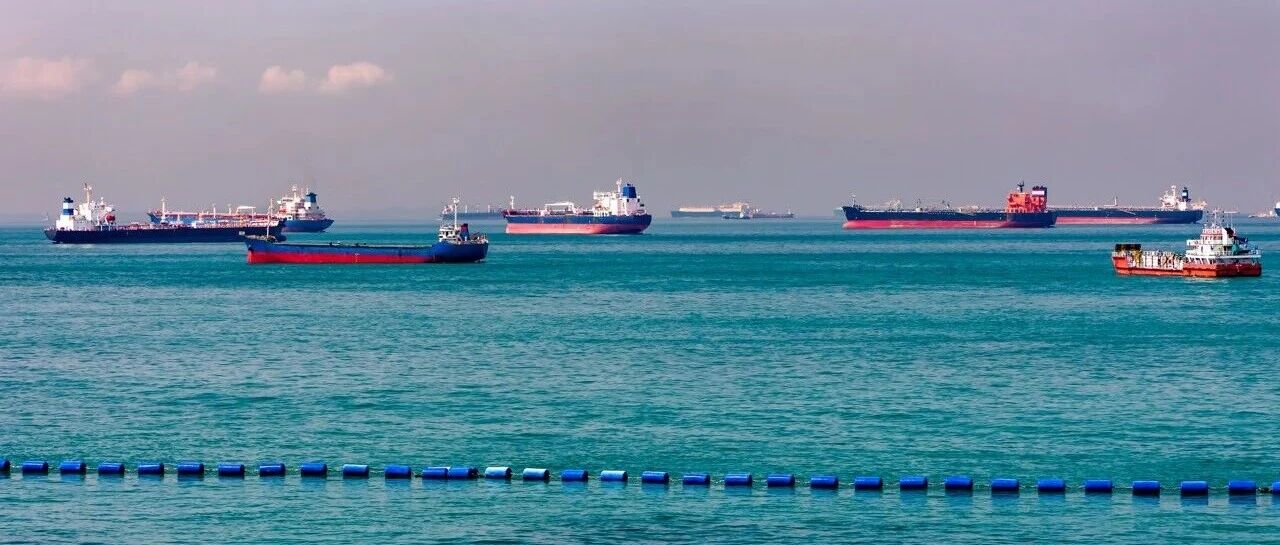
霍尔木兹海峡航运受阻,运费飙升!有海事服务商赴港IPO
格隆汇APP· 2026-03-05 09:36
Core Viewpoint - The article discusses the impact of disruptions in the Strait of Hormuz on shipping costs, highlighting a significant increase in freight rates and the potential for maritime service providers to pursue IPOs in Hong Kong due to these market conditions [1] Group 1: Industry Impact - Shipping costs have surged due to disruptions in the Strait of Hormuz, a critical maritime route for global oil transportation [1] - The increase in freight rates is attributed to heightened geopolitical tensions and supply chain challenges in the region [1] Group 2: Company Opportunities - Maritime service providers are considering initial public offerings (IPOs) in Hong Kong as a response to the rising demand for shipping services amid the current market conditions [1] - The article suggests that the IPO market may see increased activity from companies in the maritime sector due to favorable conditions created by the disruptions [1]
小摩:太平洋航运(02343)2025年业绩逊预期 惟基本面改善 维持“增持”评级
Zhi Tong Cai Jing· 2026-03-05 06:57
Core Viewpoint - Morgan Stanley reports that Pacific Basin Shipping (02343) is expected to underperform in fiscal year 2025, but anticipates a significant reduction in relocation costs in fiscal year 2026, alongside a strengthening freight market in early 2026, suggesting that the current underperformance is unlikely to recur [1] Group 1: Company Performance - Pacific Basin Shipping remains the only Hong Kong/China-listed company focused on small bulk shipping, benefiting from fundamental improvements [1] - The firm maintains a positive outlook on the company, with net profit forecasts for fiscal years 2026, 2027, and 2028 projected to increase by 0%, 1%, and decrease by 5% respectively [1] Group 2: Valuation and Rating - The target price based on price-to-earnings ratio remains unchanged at HKD 4.1, with a rating of "Overweight" [1]


小摩:太平洋航运2025年业绩逊预期 惟基本面改善 维持“增持”评级
Zhi Tong Cai Jing· 2026-03-05 06:56
Core Viewpoint - Morgan Stanley's report indicates that Pacific Basin Shipping (02343) is expected to underperform in fiscal year 2025, but significant reductions in relocation costs and a strengthening freight market in early 2026 suggest that this underperformance is unlikely to recur. The mid-term investment thesis for the company remains intact [1] Group 1: Financial Performance - The company is the only Hong Kong/China-listed firm focused on small bulk shipping, benefiting from fundamental improvements in the sector [1] - Forecasted net profit after tax for fiscal years 2026 to 2028 is expected to increase by 0%, 1%, and decrease by 5% respectively [1] Group 2: Valuation and Rating - The target price based on price-to-earnings ratio remains unchanged at HKD 4.1, with a rating of "Overweight" maintained [1]
日度策略参考-20260305
Guo Mao Qi Huo· 2026-03-05 06:34
Report Industry Investment Rating No relevant content provided. Core Viewpoints of the Report - The report analyzes various commodities in different sectors, including macro - finance, non - ferrous metals, precious metals and new energy, industrial products, and agricultural products, under the backdrop of the escalating Middle - East situation and other factors. It provides trend judgments and logic viewpoints for each commodity, suggesting corresponding investment strategies [1]. Summary by Related Catalogs Macro Finance - **Stock Index**: Pay attention to the emotional resonance of Asia - Pacific stock markets, especially the market - rescue strategies in South Korea, and the evolution of the Middle - East conflict. If the geopolitical situation eases, the short - term adjustment of the stock index will bring good long - position layout opportunities [1]. - **Treasury Bonds**: Asset shortage and weak economy are beneficial to bond futures, but the central bank has indicated short - term interest rate risks. Pay attention to the Bank of Japan's interest rate decision recently [1]. Non - Ferrous Metals - **Copper**: The deterioration of the Middle - East situation has suppressed market risk appetite, and the continuous accumulation of copper inventories at home and abroad has led to a weak adjustment of copper prices [1]. - **Aluminum**: Although the Middle - East situation has suppressed market risk appetite, the supply disturbance of electrolytic aluminum in the Middle - East has been increasing, and the rising energy prices have increased costs, so aluminum prices have continued to rise. Keep an eye on the supply disturbance in the Middle - East [1]. - **Alumina**: The operating capacity of domestic alumina has decreased, but the inventory has further accumulated, and it will operate in the short - term in a volatile manner [1]. - **Zinc**: The escalation of the conflict between the US, Israel and Iran has raised concerns about zinc ore supply in Iran, which may boost zinc prices in the short term. After the holiday, pay attention to the resumption of work and production of downstream industries [1]. - **Nickel**: Geopolitical risks have increased market risk aversion. The expectation of tightened RKAB quotas for nickel mines in Indonesia has resurfaced, and the approval of RKAB quotas is slow during Ramadan. Nickel ore premiums remain high. The nickel price may fluctuate widely, mainly affected by the resonance of the non - ferrous sector. It is suggested to go long at low prices and control risks [1]. - **Stainless Steel**: Raw material prices have risen after the holiday. Steel mills reduced production in February but plan to increase production significantly in March. Social inventories have increased after the holiday. The stainless - steel futures will fluctuate widely. Pay attention to the demand recovery after the holiday. It is recommended to look for long - position opportunities at low prices and control risks [1]. - **Tin**: The escalation of the Middle - East situation is beneficial to war metals, and tin is expected to continue to strengthen. In the short - term high - volatility situation, it is recommended that investors focus on risk management and profit protection [1]. Precious Metals and New Energy - **Precious Metals (Gold, Silver, Platinum)**: The inflation risk has eased, the conflict between the US and Iran continues, the US dollar index has declined, and precious metal prices have rebounded from the bottom. They are expected to stabilize and fluctuate in the short term [1]. - **Industrial Silicon**: Production in the northwest has increased while that in the southwest has decreased. The production schedules of polysilicon and silicone in December have declined [1]. - **Polysilicon**: It is recommended to take a wait - and - see attitude due to liquidity risks [1]. - **Lithium Carbonate**: Energy storage demand is strong, there is battery export rush, and there are disturbances at the mining end [1]. Industrial Products - **Steel Products (Rebar, Hot - Rolled Coil)**: The inventory of rebar is at a low level with weak demand expectations, and the price will fluctuate. The inventory of hot - rolled coil is at a historically high level, and it is necessary to test the de - stocking pressure. The price will fluctuate. After taking profit on the long - basis position, wait for the next entry opportunity [1]. - **Iron Ore**: There is significant upward pressure, and the oversupply logic remains unchanged. Wait for the price to rebound to the pressure level and then enter short - positions [1]. - **Coking Coal and Coke**: The fermentation of the geopolitical conflict has driven up the prices of energy - chemical products, which in turn has led to the strengthening of coking coal and coke. Although there is news of the first - round price cut for spot goods, the market is focused on the development of the Middle - East situation. Avoid short - positions in energy - related varieties and reduce long - positions in a timely manner. The industry can establish a cash - and - carry arbitrage position in the 05 contract [1]. - **Glass and Soda Ash**: The short - term supply and demand of glass are both weak, the expected reduction in supply has increased, and the cost is supported by the strengthening of energy prices due to the intensified geopolitical conflict. Soda ash mainly follows the trend of glass. In the short term, it is affected by the geopolitical conflict, and in the medium term, the supply - demand situation is looser, and the price is under pressure [1]. Agricultural Products - **Oils and Fats**: The sharp increase in crude oil prices will drive up the prices of oils and fats by increasing the demand expectation from the biodiesel end. However, the current fundamentals of oils and fats are under pressure, such as the high inventory of palm oil in Malaysia, the pressure of the production season and consumption off - season. Be vigilant against the decline of oils and fats after the stagnation of crude oil prices [1]. - **Cotton**: There is a strong expectation of a domestic new - crop harvest, and the purchase price of seed cotton supports the cost of lint. The downstream operating rate remains low, but the inventory of spinning mills is not high, and there is a rigid restocking demand. The cotton market is currently in a situation of "having support but no driving force". In the future, pay attention to the policies in the No. 1 Central Document in the first quarter next year, the intention of cotton - planting area next year, the weather during the planting period, and the demand during the peak seasons [1]. - **Sugar**: The global sugar market is in surplus, and the domestic new - crop supply has increased. There is a strong consensus among short - sellers. If the futures price continues to fall, there will be strong cost support below, but the short - term fundamentals lack continuous driving force. Pay attention to the changes in the capital side [1]. - **Corn**: The progress of grain sales at the grassroots level in the Northeast is relatively fast, and the pressure of ground - stored grain is expected to be limited. The downstream aquaculture inventory has not significantly decreased, which supports the feed demand. After the holiday, the inventories of channels and downstream are low, and the restocking demand supports the futures price to be strong in a volatile manner. However, be vigilant against the negative feedback of high corn prices, such as the release of policy grains like aged rice and the change in import policy orientation. Be cautious when going long unilaterally [1]. - **Soybean Meal**: The Middle - East conflict has brought a risk premium to commodities and increased freight rates. However, under the pressure of the Brazilian harvest, the FOB price of soybeans is under pressure. Under the suppression of the global large supply, the upward space of the soybean meal futures price is limited in the short term. In the later stage, pay attention to the release of Brazilian selling pressure, Sino - US trade dynamics, and domestic reserve release [1]. - **Paper Pulp**: There is no obvious positive news for softwood pulp during the Spring Festival, and the previous positive factors on the supply side have basically faded. It is expected to fluctuate in the range of 5200 - 5400 in the short term. Pay attention to the port inventory after the holiday [1]. - **Logs**: The spot price of logs has risen. The log arrival volume in February has decreased, and the expectation of an increase in the overseas offer price is relatively clear, so the futures price has an upward driving force [1]. - **Hogs**: The spot price has gradually stabilized recently. Supported by demand, the slaughter weight has not been fully cleared, and the production capacity still needs to be further released [1]. Energy Chemical - **Fuel Oil**: The escalation of the Middle - East situation due to the war between the US, Israel and Iran, the concern of oil and gas supply interruption caused by the obstruction of the Strait of Hormuz transportation, and the positive sentiment in the commodity market with the recovery of capital risk - appetite have affected the price [1]. - **Asphalt**: The import of Iranian asphalt has little impact on the domestic market, but the price of crude oil, which affects the cost, is transmitted to asphalt, and the impact in the energy varieties is relatively weak [1]. - **BR Rubber**: The cost end of butadiene has strong support, and the profit of private cis - butadiene rubber plants is still in a loss state, with an increased expectation of maintenance and production reduction. There is an expectation of phased inventory accumulation in the fundamentals of both BD and BR. Affected by the Middle - East geopolitics, the short - term futures price is expected to fluctuate widely, and there is an upward expectation in the long - term [1]. - **PTA**: Asian aromatics have been significantly strengthened by geopolitics, some overseas PTA factories are facing operational pressure due to poor profits, and the supply is expected to tighten from March to May when the major refinery turnaround season comes [1]. - **Ethylene**: Although the situation in Iran is unclear and the crude oil market is tense, the production profit rate of naphtha cracking has declined, and the demand for naphtha is continuously weak. Some large - scale ethylene production facilities are restarting or newly supplying [1]. - **Short - Fiber**: The domestic PTA maintains high - level operation, and the domestic demand has declined. The tense geopolitical situation in the Middle - East brings short - term energy price fluctuation risks, and the short - fiber price will continue to closely follow the cost fluctuations [1]. - **Styrene**: Geopolitical factors have worried the market about refinery load reduction. Although the production economy of factories remains stable, the demand is expected to gradually recover from the end of February [1]. - **Methanol**: The export sentiment has eased, and the domestic demand is insufficient, so the upward space is limited, but there is support from anti - dumping and the cost end. The Iranian import has a significant impact, and the conflict has caused some domestic methanol production facilities to stop work, but the domestic production is at a high level, and the inventory is at a historically high level [1]. - **PVC**: In 2026, there will be less global production capacity put into operation, and the differential electricity price in the Northwest is expected to be implemented, which will force the clearance of PVC production capacity, and the future expectation is optimistic. The intensification of geopolitical conflicts has increased freight rates, and the ethylene - based method is facing a shortage of raw materials [1]. - **LPG**: The 3 - month CP price is flat, and the near - month purchase is still relatively tight. The premium of the Middle - East geopolitical conflict has rebounded, and the PG trend is strong. The overseas cold - wave driving logic is gradually weakening, and the basis is expected to repair and expand. The domestic PDH operating rate has declined, and the profit is expected to seasonally recover, which suppresses the upward movement of the LPG futures price in the short term. The ports are continuously de - stocking, but the domestic civil LPG is sufficient, resulting in the differentiation of the internal and external market trends [1]. Others - **Shipping**: The price increase has generally stabilized, but it is currently affected by the war sentiment and is quite enthusiastic. The Houthi armed forces have regained control of the Red Sea, and airlines are expected to have a strong willingness to stop the price decline and increase prices after the off - season in March [1].
化工中游分化,农业上游回落
Hua Tai Qi Huo· 2026-03-05 06:30
Report Summary 1) Report Industry Investment Rating No information provided regarding the industry investment rating. 2) Core Viewpoints - The development of the green fuel industry is of great significance, which can replace oil, ensure energy security, reduce carbon emissions, and promote green development. It is an important direction for the development of new - quality productive forces in the energy field [1] - Due to the continuous escalation of the conflict in the Middle East, COSCO Shipping Lines has suspended new booking services for relevant routes [2] - The prices of international crude oil and liquefied natural gas continue to rise, while the pork price declines. In the mid - stream, the PX operating rate increases while the PTA operating rate is at a low level. The power plant coal consumption increases, and the road asphalt operating rate declines. In the downstream, the sales of commercial housing in first - and second - tier cities decline seasonally, and the number of domestic flights decreases [3][4] 3) Summary by Related Catalogs A. Production Industry - The National Energy Administration held a special symposium on the development of the green fuel industry, emphasizing its importance in energy substitution, carbon reduction, and new - energy utilization [1] B. Service Industry - COSCO Shipping Lines suspended new booking services for routes to and from some Middle - Eastern countries due to the conflict escalation. The new booking suspension includes routes to and from most parts of the UAE, Qatar, Bahrain, Iraq, Saudi Arabia (except Jeddah), and Kuwait. - The price of Seedance 2.0 is announced. The price is 28 yuan per million tokens for video input and 46 yuan per million tokens without video input. A 15 - second video costs about 15 yuan at the 46 - yuan price [2] C. Upstream - Energy: The prices of international crude oil and liquefied natural gas continue to rise [3][36] - Agriculture: The pork price declines [3][36] D. Mid - stream - Chemical: The PX operating rate increases, while the PTA operating rate is at a low level [4] - Energy: The power plant coal consumption increases [4] - Infrastructure: The road asphalt operating rate declines [4] E. Downstream - Real Estate: The sales of commercial housing in first - and second - tier cities decline seasonally [4] - Service: The number of domestic flights decreases [4] F. Key Industry Price Indicators | Industry | Indicator | Value (3/4) | YoY | | --- | --- | --- | --- | | Agriculture | Corn spot price | 2298.6 yuan/ton | 0.88% | | | Egg spot price | 6.3 yuan/kg | 3.46% | | | Palm oil spot price | 8960.0 yuan/ton | 3.58% | | | Cotton spot price | 16582.8 yuan/ton | - 0.80% | | | Average pork wholesale price | 17.2 yuan/kg | - 4.07% | | Non - ferrous Metals | Copper spot price | 101851.7 yuan/ton | - 0.29% | | | Zinc spot price | 24470.0 yuan/ton | - 0.22% | | | Aluminum spot price | 23966.7 yuan/ton | 2.44% | | | Nickel spot price | 140883.3 yuan/ton | - 2.05% | | | Aluminum spot price (daily) | 16650.0 yuan/ton | 0.04% | | | Rebar spot price | 3142.8 yuan/ton | 0.54% | | Ferrous Metals | Iron ore spot price | 769.7 yuan/ton | 0.79% | | | Wire rod spot price | 3317.5 yuan/ton | - 0.23% | | | Glass spot price | 13.4 yuan/square meter | 0.00% | | Non - metals | Natural rubber spot price | 16625.0 yuan/ton | 2.92% | | | China Plastics City price index | 825.6 | 5.25% | | Energy | WTI crude oil spot price | 74.6 dollars/barrel | 13.61% | | | Brent crude oil spot price | 81.4 dollars/barrel | 15.33% | | | Liquefied natural gas spot price | 3538.0 yuan/ton | 20.67% | | | Coal price (coal) | 793.0 yuan/ton | - 0.63% | | | PTA spot price | 5515.7 yuan/ton | 3.69% | | Chemical | Polyethylene spot price | 7325.0 yuan/ton | 8.73% | | | Urea spot price | 1865.0 yuan/ton | 1.91% | | | Soda ash spot price | 1202.9 yuan/ton | 0.00% | | Real Estate | National cement price index | 128.2 | - 0.90% | | | Building materials composite index | 113.6 points | - 0.22% | | | National concrete price index | 89.8 points | 0.00% | [36]
太平洋航运再跌超4% 全年纯利同比腰斩 指引显示TCE上行空间有限
Zhi Tong Cai Jing· 2026-03-05 05:52
Core Viewpoint - Pacific Shipping (02343) experienced a decline of over 4%, with a current price of HKD 3.06 and a trading volume of HKD 64.69 million [1] Financial Performance - The company reported an annual revenue of USD 2.081 billion, a year-on-year decrease of 19% [1] - Shareholder profit attributable to the company was USD 58.2 million, down 56% year-on-year [1] - Basic earnings per share were HKD 0.089, with a proposed final dividend of HKD 0.06 per share [1] Share Buyback and Future Outlook - The company plans to repurchase up to USD 40 million of its own shares [1] - According to Daiwa's report, Pacific Shipping's 2025 earnings are expected to be below market expectations, indicating that the recent strong rebound in stock price may not be sustainable [1] - The management's commentary and forward contract rates suggest a relatively optimistic outlook for TCE this year; however, the expected daily net charter rates for 2026 are projected to be lower than those for 2025, indicating limited upside potential for TCE [1]
港股异动 | 太平洋航运(02343)再跌超4% 全年纯利同比腰斩 指引显示TCE上行空间有限
智通财经网· 2026-03-05 05:49
Group 1 - The core viewpoint of the article indicates that Pacific Shipping (02343) has experienced a decline of over 4%, with a current price of HKD 3.06 and a trading volume of HKD 64.69 million [1] - The company reported an annual revenue of USD 2.081 billion, a year-on-year decrease of 19%, and a net profit attributable to shareholders of USD 58.2 million, down 56% year-on-year [1] - The basic earnings per share are HKD 0.089, and the company plans to distribute a final dividend of HKD 0.06 per share [1] Group 2 - The company intends to repurchase up to USD 40 million of its own shares [1] - According to a report from Daiwa, Pacific Shipping's earnings for 2025 are expected to be below market expectations, suggesting that the recent strong rebound in stock price may not be sustainable [1] - The management's commentary and forward contract rates indicate a relatively optimistic outlook for TCE this year; however, the expected daily net charter rates for 2026 show limited upside potential compared to 2025 [1]
大行评级丨美银:太平洋航运下半年业绩好坏参半,目标价上调至3.7港元
Ge Long Hui· 2026-03-05 05:29
Core Viewpoint - Bank of America Securities reports that Pacific Shipping's performance in the second half of 2025 is mixed, with earnings weaker than expected, but shareholder returns are surprising with a dividend payout ratio increased from 50% to 100% [1] Group 1: Financial Performance - Earnings performance for Pacific Shipping is expected to be weaker than anticipated for the second half of 2025 [1] - The company has increased its dividend payout ratio to 100%, supporting a projected dividend yield of 5.6% for 2026 [1] - There is an additional share buyback capacity of up to $40 million [1] Group 2: Market Outlook - Management acknowledges an oversupply in dry bulk shipping capacity for 2026 but remains confident in the market's performance and ability to overcome pressures [1] - Geopolitical tensions, particularly in the Middle East, may exacerbate trade flow disruptions, which could impact the shipping industry [1] - The outlook for freight rates is improving under geopolitical disruptions, aligning with good freight rates locked in for Q1 2026, with daily rental rates increasing by $1,500 [1] Group 3: Earnings Forecast and Valuation - The earnings forecast for the company for the next two years has been raised by an average of 50% [1] - Considering valuation factors, the rating is maintained at "Neutral," with the target price increased from HKD 2.75 to HKD 3.7 [1]