
云计算

Search documents
安踏进军美国市场;OpenAI首款AI硬件曝光丨Going Global
创业邦· 2026-02-08 11:49
Key Insights - Temu and SHEIN have suspended their cross-border operations in Turkey, shifting towards localized operations due to regulatory changes [5] - Hungarian Post has signed a memorandum of understanding with Temu to enhance cross-border logistics cooperation [6] - TSMC's 2nm production capacity has been fully booked by major tech companies, indicating strong demand for advanced semiconductor technology [7] - Hesai Technology has partnered with Grab to accelerate the deployment of LiDAR technology in Southeast Asia [8] - Anta is set to open its first store in the United States, marking a significant step in its global expansion strategy [10][13] - Baiotai has signed a licensing agreement for its BAT3306 injection in the Middle East and North Africa, with a potential transaction value of up to $7 million [15] - Alibaba Cloud has been recognized as the global leader in cloud service adoption for Chinese enterprises going abroad [16][18] - OpenAI's first AI headset, Dime, has been revealed, although its initial capabilities may be scaled back due to supply chain challenges [20][22] - Tesla plans to increase investments in AI hardware and energy sectors in China, with a projected capital expenditure exceeding $20 billion by 2026 [24]





2026年海外宏观环境展望:增长格局延续,资产范式渐变
GF SECURITIES· 2026-02-08 10:29
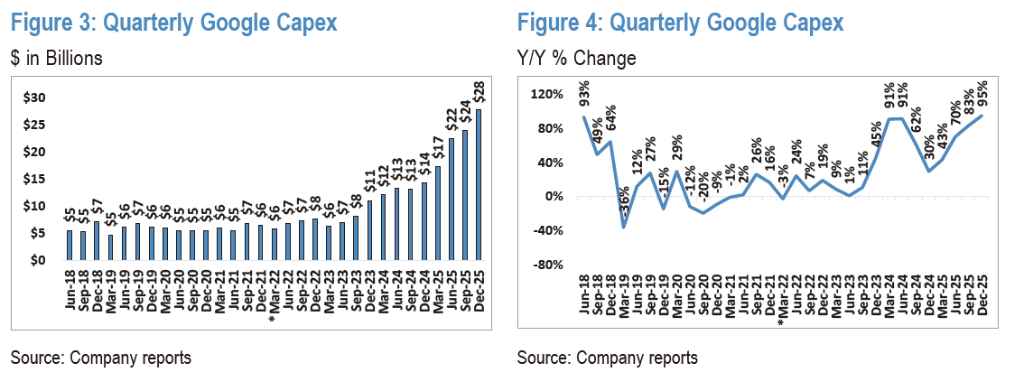
Economic Growth Outlook - The global economic growth rate is projected to stabilize at approximately 3.2% in 2025, similar to 2024, with resilience stemming from tariff impacts being offset by imports and AI investments[3] - The U.S. GDP growth is expected to decline from 2.8% in 2024 to 2.0% in 2025, while the Eurozone rebounds from 0.9% to 1.4% and Japan improves from 0.1% to 1.1%[3] - Emerging markets are anticipated to maintain a growth rate of 4.2%, with India leading at 6.6% and an IMF forecast adjustment to 7.3% for FY2025-26[3] Monetary Policy Divergence - The European Central Bank (ECB) is expected to cut rates by 100 basis points in the first half of 2025, while the Federal Reserve will lower rates by 75 basis points to a range of 3.50%-3.75%[4] - The Bank of Japan is projected to raise rates by 50 basis points, reaching 0.75%, marking a 30-year high[4] Trade and Tariff Dynamics - The effective U.S. tariff rate surged from 2.5% at the beginning of the year to a peak of approximately 27% in April, before normalizing to 16.8% by November[4] - The WTO has revised the global goods trade growth forecast from -0.2% to 0.9% due to the "rush effect" from tariff changes[4] AI Investment Trends - Major cloud service providers are expected to invest around $370 billion in AI capital expenditures, with Microsoft, Google, Amazon, and Meta collectively contributing approximately $366 billion to $374 billion, reflecting a year-on-year growth of about 58%[5][6] - This investment is projected to account for nearly 1.9% of the U.S. GDP[6] Asset Pricing and Market Trends - The S&P 500 is forecasted to rise by 16.4% in 2025, with precious metals leading the asset classes; gold is expected to increase by about 70% and silver by 132%[6] - The U.S. dollar index (DXY) is anticipated to decline by approximately 9.6% throughout 2025, marking its worst performance since 2017[7] Inflation and Labor Market Dynamics - Core CPI is projected to slightly decrease to around 2.7% in 2026, with upward risks remaining due to supply-side inflation pressures[11] - The unemployment rate is expected to stabilize around 4.4%, with potential upward pressure from AI-driven labor market changes[25] Geopolitical Considerations - The geopolitical landscape is shifting towards a "transactional diplomacy" model led by the U.S., with significant implications for resource control in Latin America and ongoing tensions in Europe and the Middle East[11][41]
亚马逊签署海上风电购电协议!
Xin Lang Cai Jing· 2026-02-08 09:08
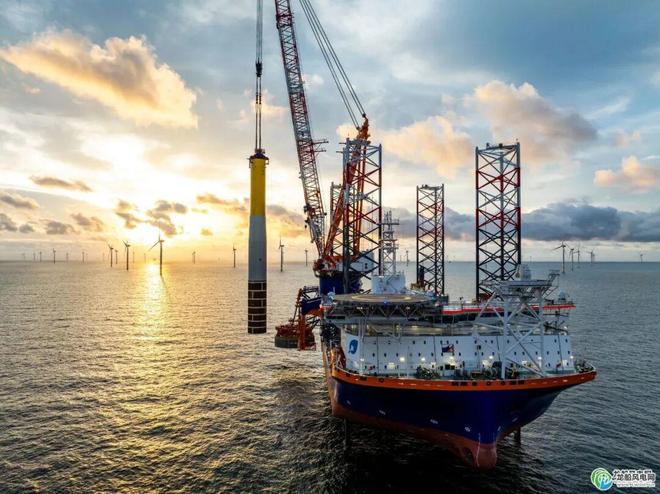
Core Insights - Amazon has signed a Power Purchase Agreement (PPA) with RWE to procure 110MW of electricity from the Nordseecluster B offshore wind farm in the North Sea, Germany [1][3] - The agreement supports Amazon's goal of achieving zero carbon energy and involves AWS providing cloud services, AI, and data analytics to assist RWE in its digital transformation [3] - The 110MW of electricity is expected to meet the annual power needs of over 139,000 German households [3] Project Details - The Nordseecluster B project is part of the second phase of the Nordseecluster offshore wind complex, co-owned by RWE and Norway's NBIM, located approximately 46 kilometers north of Borkum Island and 50 kilometers north of Juist Island, with a total capacity of 1600MW [3] - The first phase, Nordseecluster A, has a total capacity of 660MW and is currently under construction, with plans to be operational by early 2027 [3] - The Nordseecluster B project includes two wind farms (N-3.5 and N-3.6) with a total capacity of 900MW, expected to be commercially operational by 2029 [3] Previous Agreements - This PPA marks Amazon's fourth large offshore wind power purchase agreement in Germany, following agreements with Iberdrola for the Baltic Eagle and Windanker projects, and Ørsted for the Borkum Riffgrund 3 project [4]

中国公司全球化周报|阿里云出海竞争力增长指数登全球榜首/Temu与匈牙利邮政达成合作
3 6 Ke· 2026-02-08 08:59
Group 1: Events and Forums - The "Dubai Business Forum - China" will take place in Shenzhen on May 14, 2026, focusing on economic collaboration and investment opportunities between China and Dubai [2] - A closed-door sharing session on Japanese robot market entry will be held in Shenzhen on March 12, organized by JETRO and 36Kr [3] Group 2: Company Developments - Alibaba Cloud ranks first globally in the comprehensive competitiveness growth index, serving over 300,000 Chinese enterprises going abroad [4] - Temu has signed a memorandum of understanding with Hungary Post to enhance logistics for Hungarian e-commerce businesses [5] - TikTok Shop Southeast Asia has released guidelines for the use of AI-generated content, emphasizing transparency and authenticity [6] - Pop Mart has chosen London as its European headquarters, planning to open seven stores in the UK [7] - Hesai Technology has partnered with Grab for exclusive distribution of its LiDAR products in Southeast Asia [7] - Baidu's autonomous driving platform, Loobot, served as the only fully autonomous vehicle fleet at the World Government Summit in Dubai [7] - Caocao Travel has launched its ride-hailing service in approximately 16,000 cities across 42 countries [8] - IM Motors plans to achieve full coverage in the Middle East market within the year [8] - Anta will open its first flagship store in the U.S. on February 13, 2023 [8] - Baotai has signed a licensing agreement with Avalon Pharma for the commercialization of BAT3306 in the Middle East and North Africa [9] Group 3: Investment and Financing - Zhijidong completed a $200 million Series B financing round, with investments from UAE-based Stone Venture and others [10] - WoFei ChangKong raised nearly 1 billion yuan to accelerate its commercial delivery of eVTOL aircraft [10] - Weidu Technology initiated a $100 million Series C financing round to expand its electric heavy truck deliveries in global markets [10] - Lanjing Technology secured several million yuan in A+ round financing to enhance its overseas market expansion [11] Group 4: Market Trends and Policies - The global AI computing power construction is accelerating, with transformer factory orders in China extending to 2027 [12] - China's service trade is projected to reach 80,823.1 billion yuan by 2025, with a year-on-year growth of 7.4% [12]

大手笔AI投资之后:亚马逊、谷歌、Meta要花光现金流了?
硬AI· 2026-02-08 06:18
Core Viewpoint - The article highlights a looming cash flow crisis for major tech companies, with a projected capital expenditure of $645 billion by 2026, raising concerns about their ability to convert investments into tangible revenue growth [2][34]. Group 1: Capital Expenditure Projections - The total capital expenditure for the four major U.S. cloud giants—Amazon, Google, Meta, and Microsoft—is expected to reach $645 billion by 2026, a 56% year-over-year increase, with an additional $230 billion in new spending [3]. - Google's capital expenditure guidance has been raised to between $175 billion and $185 billion for 2026, reflecting a staggering 97% year-over-year growth [5]. - Amazon's capital expenditure is projected at approximately $200 billion for 2026, a 52% increase, but its operating cash flow is estimated to be only $178 billion, leading to a significant cash outflow [10]. Group 2: Financial Health and Cash Flow - Meta's capital expenditure is expected to grow by 75% to between $115 billion and $135 billion, which will nearly eliminate its free cash flow, straining its previously strong financial position [15]. - Microsoft is projected to have a capital expenditure exceeding $103 billion, a growth of over 60%, but is expected to generate around $66 billion in free cash flow, allowing it to cover its substantial spending [23]. - Oracle's net debt has surged to $88 billion, more than double its EBITDA, serving as a cautionary example of excessive leverage [29][30]. Group 3: Shareholder Returns and Financial Strategies - The ability of tech giants to return capital to shareholders through stock buybacks is under pressure, with Meta likely to reduce its buyback efforts due to shrinking free cash flow [21]. - Google and Meta paid approximately $10 billion and $5 billion in dividends, respectively, which may further strain their cash flow in the coming year [22]. - Amazon has not engaged in stock buybacks since 2022 and has never paid dividends, making it less vulnerable to cash flow pressures in this regard [22]. Group 4: Debt Management and Future Outlook - Google maintains a "zero net debt" status, with cash reserves of $127 billion exceeding its $47 billion debt, indicating a strong financial position despite increased spending [32]. - Amazon holds $123 billion in cash and has issued $15 billion in bonds, preparing for potential large-scale debt issuance to manage its cash flow challenges [32].



大手笔AI投资之后:亚马逊、谷歌、Meta要花光现金流了?
Hua Er Jie Jian Wen· 2026-02-08 05:23
Group 1 - The core point of the article highlights a concerning turning point for investors as major tech companies like Amazon, Google, and Meta face the risk of depleting or even overdrawing their free cash flow to support AI infrastructure demands [1][24]. - According to a Morgan Stanley report, total capital expenditures for the four major cloud giants—Amazon, Google, Meta, and Microsoft—are expected to reach $645 billion in 2026, a staggering 56% increase year-over-year, with an additional $230 billion in spending [1]. Group 2 - Google is aggressively increasing its capital expenditures, with guidance raised to $175 billion to $185 billion for 2026, reflecting a 97% year-over-year growth as funds are directed towards servers and technological infrastructure [2]. - Amazon's capital expenditure guidance for 2026 is approximately $200 billion, a 52% increase, but its operating cash flow is projected to be around $178 billion, indicating a cash burn situation where expenditures exceed cash inflow [7][12]. - Meta's capital expenditures are expected to grow by 75% to between $115 billion and $135 billion in 2026, which will nearly eliminate its free cash flow, straining its previously robust financial position [12]. Group 3 - As cash flow diminishes, shareholder return plans are under pressure, with major tech companies likely to adjust their stock buyback strategies. Amazon has not engaged in stock buybacks since 2022 and is unlikely to restart them due to cash deficits [17]. - Microsoft, despite a projected capital expenditure exceeding $103 billion (over 60% growth), is expected to generate around $66 billion in free cash flow, allowing it to cover its substantial expenditures while facing higher dividend commitments [17]. Group 4 - Investors are cautioned to be vigilant about balance sheets in 2026, as the situation mirrors the "Oracle trap," where excessive debt to fund infrastructure led to a significant drop in stock price [20][23]. - The article emphasizes that the $645 billion expenditure is a critical juncture for Silicon Valley giants, as failure to convert this investment into tangible revenue growth could lead to a cash flow crisis in 2026, marking the beginning of a valuation restructuring [24].

豪赌!四家巨头狂砸4.6万亿押注AI!“没有一家愿意输!”黄仁勋力挺:AI需求火爆,庞大支出合理、可持续
雪球· 2026-02-08 05:04
Group 1 - The core viewpoint of the article is that major tech companies are significantly increasing their capital expenditures on AI infrastructure, with a total expected spending of $660 billion (approximately 4.58 trillion RMB) this year, which is a 60% increase compared to 2025 and more than double the spending of 2024 [4][5] - Companies like Amazon, Google, Meta, and Microsoft are leading this investment trend, with Amazon projected to spend $200 billion by 2026, exceeding analyst expectations by 38% [5] - The competition among these tech giants has shifted from business operations to a focus on the underlying computational power needed for AI, indicating a strategic pivot in the industry [5][6] Group 2 - The massive capital expenditures have raised concerns about the financial performance of these companies, leading to a collective decline in their stock prices, with Google, Microsoft, Amazon, and Meta experiencing drops of 4.48%, 6.77%, 12.11%, and 7.68% respectively [8] - Analysts predict that these high capital expenditures may negatively impact free cash flow, with forecasts indicating Amazon's free cash flow could be -$17 billion by 2026 and Alphabet's could plummet nearly 90% this year [10] - The market sentiment has shifted rapidly from fear of missing out (FOMO) to a defensive stance against tail risks, reflecting growing concerns over the sustainability of such high spending [8] Group 3 - NVIDIA's CEO Jensen Huang supports the substantial investment in AI infrastructure, describing it as reasonable and sustainable, driven by high demand for computational power [12][15] - Huang emphasizes that as long as companies continue to profit from AI, they will keep increasing their investments, highlighting the potential for ongoing growth in the sector [15] - He notes that this investment wave represents one of the largest infrastructure builds in human history, driven by the needs of AI companies and large-scale enterprises [15]


上海,书写新一页传奇|上海两会
Guo Ji Jin Rong Bao· 2026-02-08 03:46
Core Insights - Shanghai aims for a GDP of 5.67 trillion yuan by 2025, with a growth rate of 5.4%, exceeding expectations [3] - The "15th Five-Year Plan" outlines a target of approximately 5% annual GDP growth over the next five years [13] Economic Performance - Shanghai's GDP increased from 4.16 trillion yuan to 5.67 trillion yuan during the "14th Five-Year Plan," marking a significant milestone as the first city in China to surpass a GDP of 5 trillion yuan [3] - The city's public budget revenue reached 850 billion yuan, with a growth of 1.5% [3] - The average urban unemployment rate was 4.2%, and consumer prices rose by only 0.1% [3] Industrial Development - R&D expenditure reached 4.5% of GDP, nearing levels of major innovative countries [4] - The output of strategic emerging industries grew by 6.5%, accounting for 45% of industrial output [4] - Key industries such as integrated circuits, biomedicine, and artificial intelligence surpassed a combined scale of 2 trillion yuan [4] Trade and Investment - Total foreign trade volume reached 4.51 trillion yuan, with exports growing by 10.8% [4] - Actual foreign investment amounted to 16.06 billion USD, equivalent to 114.8 billion yuan [4] Social Welfare - Per capita disposable income for residents reached 92,000 yuan, growing by 4.1% [6] - PM2.5 concentration averaged 26.3 micrograms per cubic meter, a decrease of 7.4% [6] - The city added 127 parks, achieving a total of 1,100 parks, with 89.4% open 24 hours [6] Strategic Initiatives - The construction of the "Five Centers" (international economic, financial, trade, shipping, and technological innovation centers) is a key strategic mission for Shanghai [7] - The eighth China International Import Expo achieved record participation and transaction amounts, with intent sales reaching 83.49 billion USD, a 4.4% increase [7] Future Outlook - The "15th Five-Year Plan" emphasizes the importance of technological innovation as a driving force for development [10] - Representatives expressed a strong desire for advancements in sectors like biomedicine, integrated circuits, and artificial intelligence [13] - The focus on enhancing the financial system to support innovation and industry integration is crucial for future growth [12]
云智能资产申请命令调度方法专利,降低主机读取命令的延迟
Jin Rong Jie· 2026-02-07 10:21
Core Viewpoint - The article discusses a patent application by Cloud Intelligent Asset Holdings (Singapore) Private Limited for a method, device, and equipment related to command scheduling, aimed at reducing command read latency and meeting service quality requirements [1]. Group 1: Patent Details - The patent, titled "Command Scheduling Method, Device, and Equipment," was published under CN121478177A and filed on August 2024 [1]. - The method involves recording historical system clock values, pause operation counts, and slow read command quantities for solid-state drives (SSDs) in a mixed command state [1]. - It determines scheduling methods for write and slow read commands based on current and historical system clock values, aiming to optimize command execution [1]. Group 2: Technical Implications - The proposed scheduling method is designed to lower the latency of host read commands, thereby enhancing overall service quality [1].
云智能资产申请故障诊断方法专利,实现了及时的故障诊断
Jin Rong Jie· 2026-02-07 04:30
Core Viewpoint - The article discusses a patent application by Cloud Intelligent Asset Holdings (Singapore) Private Limited for a fault diagnosis method, device, and electronic equipment, indicating advancements in technology for timely fault diagnosis in clustered control nodes [1]. Group 1: Patent Details - The patent, titled "Fault Diagnosis Method, Device, and Electronic Equipment," was published under the number CN121462374A and was applied for on August 2024 [1]. - The method is designed for use in a cluster of control nodes, which includes a control node and multiple task nodes, with each task node running one or more processes [1]. Group 2: Technical Aspects - The method involves obtaining a set of communication statistics for processes within a communication subgroup, which consists of processes participating in collective communication [1]. - The communication statistics include algorithm layer statistics and/or transport layer statistics, where algorithm layer statistics pertain to the processes calling the collective communication interface, and transport layer statistics relate to the transmission of collective communication data [1]. - Based on the collected communication statistics, the method assesses whether there are faults in the task nodes corresponding to each process, enabling timely fault diagnosis [1].