造船业

Search documents
从修船所到造船巨头,山东以巨轮为尺丈量中国造船全球疆界
Sou Hu Cai Jing· 2025-07-13 01:22
Core Viewpoint - China has emerged as a global leader in shipbuilding, with significant market shares in various metrics, marking a transformation in the industry [3][4][12]. Group 1: Industry Overview - In 2024, China's shipbuilding completion volume, new orders, and order backlog will account for 55.7%, 74.1%, and 63.1% of the global market, respectively [3]. - The North Sea Shipbuilding has grown from a small repair yard to a major player, leading in the order volume and delivery of large bulk carriers [3][12]. - The shipbuilding industry is characterized as capital-intensive, technology-intensive, and labor-intensive, making it a core area for national industrial competition [5][12]. Group 2: Historical Development - The North Sea Shipbuilding faced significant challenges in its early years, with outdated technology and equipment, limiting its ability to compete internationally [6]. - A pivotal relocation in 2004 to the Haixi Bay shipbuilding base allowed for significant upgrades in facilities, enabling the construction of larger vessels [7][12]. - The first 180,000-ton bulk carrier launched in 2009 marked a turning point, showcasing North Sea Shipbuilding's technical capabilities [9][12]. Group 3: Current Achievements - North Sea Shipbuilding has achieved a record of completing 9 vessels, launching 9 vessels, and delivering 12 vessels in the first half of the year, setting historical records for both quantity and deadweight tonnage [12][26]. - The company has diversified its product offerings, now capable of constructing bulk carriers, oil tankers, container ships, and specialized vessels [12][17]. - The collaboration with Shandong Steel Group has resulted in a significant increase in local supply chain integration, enhancing operational efficiency [18][19]. Group 4: Technological Advancements - North Sea Shipbuilding is at the forefront of the transition to green technologies, developing LNG, methanol, and ammonia-fueled vessels [25][26]. - The company has designed and delivered 16 ammonia-reserved vessels, with nearly 60 more on order, indicating a strong commitment to low-carbon shipping solutions [26][28]. - The development of ammonia fuel technology is seen as a critical step in meeting global maritime decarbonization goals [24][25]. Group 5: Future Outlook - The shipbuilding industry is positioned to play a crucial role in the global transition to low-carbon and zero-carbon shipping, with North Sea Shipbuilding leading the charge [27][28]. - The company's proactive approach to innovation and technology development is expected to secure its competitive advantage in the evolving maritime landscape [31][32].


370艘!上半年中国船企新接订单量蝉联全球榜首|2025中国经济半年报
Hua Xia Shi Bao· 2025-07-13 00:03
Core Viewpoint - The global shipbuilding market has experienced a significant downturn in the first half of 2025, with new ship orders dropping by 54% compared to the same period last year, yet Chinese shipbuilding companies maintain a strong market presence with a 52% share of new orders [1][2][3] Group 1: Market Overview - In the first half of 2025, global new ship orders totaled 19.38 million gross tons (647 vessels), a sharp decline from 42.58 million gross tons (1,788 vessels) in the same period of 2024, marking a 54% decrease [2][3] - The global shipbuilding industry is projected to see a 30% decline in new ship orders for the entirety of 2025 compared to the high levels of 2024, influenced by geopolitical uncertainties and a softening shipping market [2][3] Group 2: Chinese Shipbuilding Performance - Chinese shipbuilding companies secured 10.04 million gross tons (370 vessels) in new orders during the first half of 2025, maintaining a 52% market share despite a 65% year-on-year decrease [3][4] - Major Chinese shipyards are adapting to the demand for larger and greener vessels, with companies like China Shipbuilding Group's Huangpu Wenchong achieving significant order volumes in various ship types [4][6] Group 3: Financial Performance and Future Outlook - Chinese shipbuilding companies are expected to report substantial profit increases for the first half of 2025, with China Shipbuilding forecasting a net profit between 2.8 billion to 3.1 billion yuan, representing a year-on-year increase of 98.25% to 119.49% [6][7] - The shipbuilding sector is anticipated to continue its growth trajectory, supported by a robust order backlog and an increasing proportion of high-value vessels, which will contribute to revenue growth and profit margin recovery [6][7] Group 4: Technological Advancements and Market Strategy - Chinese shipyards are focusing on technological innovation and the construction of high-end vessels to enhance their competitive edge in the global market, particularly in response to the rising demand for green shipping solutions [7][8] - Companies are actively exploring new markets and enhancing their capabilities in smart manufacturing and digital technologies to improve shipbuilding efficiency and performance [7][8]
中国重工(601989):业绩预增超预期 船价已现企稳迹象 重组事项提上日程
Xin Lang Cai Jing· 2025-07-11 10:33
Group 1 - The core viewpoint of the news is that China Heavy Industry has announced a significant increase in its expected performance for the first half of 2025, with net profit forecasted to rise by 182%-238% year-on-year [1] - The company expects a net profit of 1.5 to 1.8 billion yuan for 2025H1, and a net profit of 0.981 to 1.281 billion yuan for Q2 2025, indicating a substantial increase compared to the previous year [1] - High-priced orders are being delivered, leading to improvements in both revenue and cost, with a projected 6% decrease in average steel prices for delivered orders in 2025 [1] Group 2 - The impact of the 301 tariff on shipyards has significantly weakened, with the U.S. canceling fees on new ship orders from China, which is expected to release pent-up demand and stabilize order volumes and ship prices [2] - In June, new ship prices showed signs of stabilization, with a 0.22% month-on-month increase in the new ship price index, and a 180% increase in new orders by deadweight tonnage [2] - China maintained its position as the global leader in new orders, accounting for 70% of global deadweight tonnage and 61% of order value in June, indicating a potential recovery in ship prices and order volumes [2] Group 3 - Following the merger with China Heavy Industry, the combined capacity of China Shipbuilding will reach 33% of global capacity by deadweight tonnage and 18% by compensated gross tonnage [3] - The company has exceeded profit expectations and maintains a "buy" rating, with projected net profits of 3.7 billion, 7.2 billion, and 11 billion yuan for 2025E-2027E, corresponding to PE ratios of 29, 15, and 10 [3] - The current price-to-order ratio is at a historical low of 0.71, indicating potential for growth in the company's valuation [3]

关税加到25%,日本给了世界什么启示?
Hu Xiu· 2025-07-10 07:16
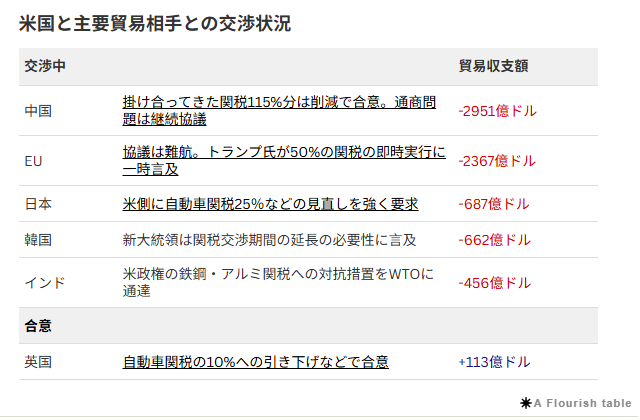
Core Points - The U.S. has announced a 25% tariff on Japanese imports, with Japan still having a chance to negotiate before the official implementation on August 1 [1][16] - Japan's historical trade relations with the U.S. have often involved negotiations that appear to be losses but ultimately maintain profitability for Japan [1][7] - Current negotiations are complicated by the difficulty of achieving profit margins that can offset the new tariff rates, particularly in the automotive sector [2][9] Group 1: Trade Negotiations - Japan's trade negotiations with the U.S. have historically involved a strategy of focusing on one industry while making concessions in others, with automobiles being a significant export category [8][9] - The Japanese government has made extensive preparations for negotiations, including understanding Trump's personality and previous successful strategies used by former Prime Minister Abe [4][6] - Despite these efforts, the U.S. has shown little willingness to lower the proposed tariffs, leading to frustration within Japan [3][15] Group 2: Economic Context - Japan's trade deficit with the U.S. is significantly lower than that of China and the EU, suggesting that Japan should not be subjected to high tariffs [7][8] - The U.S. is facing economic challenges, including a substantial national debt of $37 trillion, which limits its ability to offer favorable trade terms to Japan [14][15] - Japan has proposed to import significant amounts of U.S. defense equipment as part of the negotiations, which could help balance trade but may not address the underlying tariff issues [11][12] Group 3: Political Implications - The upcoming Japanese Senate elections could influence the urgency and outcomes of the trade negotiations, as success could bolster the current administration's standing [17] - The relationship between Japan and the U.S. is marked by uncertainty, with Japan feeling the pressure of a changing global trade landscape [17][18] - Japan's attempts to align its military procurement with U.S. interests are seen as a strategy to strengthen the bilateral alliance amid rising tensions with China [11][14]
港股国企ETF(159519)涨超1.2%,供给收缩预期或催化周期行情
Sou Hu Cai Jing· 2025-07-10 05:36
Group 1 - China Shipbuilding's merger with China State Shipbuilding Corporation was approved by the Shanghai Stock Exchange on July 9, 2025, marking the conclusion of the largest capital operation in the domestic shipbuilding industry [1] - The Chinese commercial aerospace industry is experiencing a wave of securitization, with Jiangsu Deep Blue Aerospace completing nearly 500 million yuan in financing for reusable rocket development, and Chengdu Guoxing Aerospace submitting a listing application to the Hong Kong Stock Exchange [1] - Yunnan's state-owned enterprises are driving investment growth through major projects, while China FAW's vehicle sales exceeded 1.57 million units in the first half of 2025, and the State Grid's 140 peak summer projects have all been put into operation, demonstrating the ongoing efforts of state-owned enterprises in industrial upgrading and public welfare [1] Group 2 - GF Securities indicates that the "anti-involution" policy in 2025 has initiated a new round of supply contraction across industries such as steel, cement, automotive, and photovoltaic [2] - The Steel Association is calling for resistance against "involution-style" competition, while the cement industry is promoting the implementation of capacity replacement policies, and automotive companies are adjusting supplier payment terms and sales strategies [2] - Photovoltaic glass companies collectively reduced production by 30% to alleviate low-price competition, with historical cases of supply contraction indicating that market sentiment typically remains cautious at the policy's onset [2]
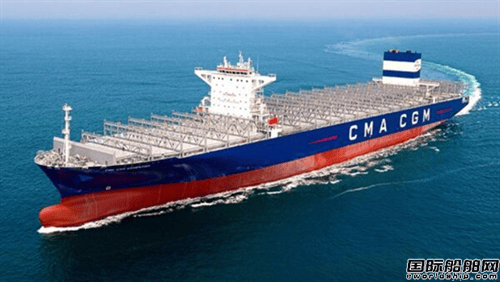
再获箱船订单!这家船厂百日接单247亿元
Sou Hu Cai Jing· 2025-07-09 09:29
Group 1 - HD Hyundai Heavy Industries announced a contract for the construction of 4 container ships with a total value of 834.8 billion KRW (approximately 6.1 million USD) [2] - The ships, each with a capacity of 13,000 TEU, will be built at HD Hyundai's facility in South Korea and are scheduled for delivery by the end of 2028 [2] - This contract marks the third batch of container ship orders for HD Hyundai this year, bringing the total to 10 ships [3] Group 2 - The company has secured new ship orders worth 3.45 billion USD (approximately 24.7 billion RMB) since the second quarter, including various types of vessels [3] - As of now, HD Hyundai has achieved approximately 76.7% of its annual order target of 4.5 billion USD within less than 100 days [4] - The total number of new ship orders received this year has reached 80, amounting to 11.11 billion USD (approximately 79.7 billion RMB), which is about 61.5% of the annual target of 18.05 billion USD [4]
印度扶持造船业仍有多重难题待解
Jing Ji Ri Bao· 2025-07-07 22:12
Core Viewpoint - The acquisition of a 51% stake in Colombo Dockyard by Mazagon Dock Limited (MDL) marks a significant step in the internationalization of India's shipbuilding industry, representing the first cross-border acquisition by a major Indian shipbuilding company [1][2]. Group 1: Acquisition Details - MDL announced the acquisition for $52.96 million, primarily through purchasing shares from Japan's Onomichi Dockyard and subscribing to new shares [1]. - Colombo Dockyard, established in 1974, is Sri Lanka's largest and oldest shipbuilding and repair company, with four dry docks capable of handling vessels up to 125,000 tons [1]. Group 2: Financial Context - Colombo Dockyard faced financial difficulties, reporting a record loss of $38 million in 2023, prompting its largest shareholder, Onomichi Dockyard, to seek an exit [1][2]. - Despite losses, the shipyard has a customer base across Europe, Asia, and Africa, with an order backlog of approximately $300 million [2]. Group 3: Strategic Implications - The acquisition is expected to enhance MDL's commercial shipbuilding capabilities, complementing its role as a significant manufacturer of naval vessels [2]. - By integrating Colombo Dockyard's customer resources and repair expertise, MDL aims to strengthen its service capabilities in the Indian Ocean region and improve competitiveness in the international commercial shipping market [2]. Group 4: Government Initiatives - The Indian government has set a goal to become one of the top five shipbuilding nations by 2047, with plans to build medium-sized container ships by 2030 and large vessels by 2032 [3]. - A $3 billion Maritime Development Fund has been established to finance ship acquisitions, aiming to increase India's share in global shipping to 20% by 2047 [3]. Group 5: Support for Domestic Shipbuilding - The Indian government is implementing a tiered subsidy policy for shipbuilding, offering 20% to 30% subsidies for different types of vessels, alongside a $700 million investment to upgrade shipyard facilities [4]. - Plans include modernizing major ports and enhancing infrastructure to support the shipbuilding industry [4]. Group 6: Current Challenges - Despite ambitions, India's shipbuilding industry currently holds less than 0.2% of the global order book, with the largest domestic oil tanker only capable of carrying 93,000 tons, indicating a significant gap in capabilities for larger vessels [5]. - The industry faces challenges such as a weak foundation, insufficient capacity for large commercial vessels, and a lack of domestic demand [5].
印度网友:为什么印度不斥资300亿美元去争取造船业第一?国外网友回复:跟中国差距太大
Sou Hu Cai Jing· 2025-07-07 02:51
Core Viewpoint - The article discusses the competitive landscape of the shipbuilding industry, highlighting the significant investments planned by the U.S. to surpass China's dominance, while questioning India's potential to invest similarly and achieve its ambitious goals in shipbuilding [1][3]. Investment Plans - The U.S. plans to invest $30 billion to revitalize its shipbuilding industry and surpass China's leading position, which currently holds a 53% market share in global shipbuilding [3]. - India aims to become a top ten shipbuilding nation by 2030 and a top five by 2047, reflecting a strong ambition despite its current market share of only 0.05% [3]. Market Share and Production Capacity - As of now, China's shipbuilding industry dominates with a 53% share, while the U.S. holds 0.1% and India 0.05% [3]. - In 2024, the U.S. constructed five large ships with a total tonnage of approximately 76,000 tons, while India produced vessels totaling 25,500 tons [8]. Competitive Challenges - South Korea's shipbuilding industry has benefited from U.S. policies, increasing its market share from 19% to 25% due to orders shifting away from China [5]. - Despite the increase in orders, South Korea faces challenges with production capacity and technological gaps compared to China, which has a 15% to 20% technology advantage in high-end shipbuilding [5]. Future Projections - China's state-owned shipbuilding enterprise plans to increase its production from 250 ships in the previous year to 300 ships by 2025, with a projected total tonnage of 16 million tons [8]. - The average annual launch of naval vessels by China exceeds ten, while the U.S. manages fewer than three, illustrating a significant disparity in shipbuilding capabilities [9]. Global Maritime Competition - The article emphasizes that the current maritime competition is taking place within national shipyards rather than on the open seas, indicating a strategic focus on domestic production capabilities [11].

特朗普突然翻脸,石破茂收到直白警告,日本前首相直言:要搞好中日关系
Sou Hu Cai Jing· 2025-07-07 02:39
Group 1 - The U.S. government, under President Trump, is considering imposing a 25% tariff on Japanese cars due to Japan's lack of imports of American vehicles, indicating a strong stance on trade relations with Japan [1][5] - Japan's automotive industry is crucial to its economy, employing 8.3% of the workforce and contributing approximately 10% to the GDP, making the potential tariffs a significant threat to Japan's economic stability [5] - The U.S. tariffs could result in a $17 billion impact on Japanese automotive exports, highlighting the severity of the situation for Japan's economy [5] Group 2 - Japan's Prime Minister, Shigeru Ishiba, has expressed a commitment to protecting national interests and prefers trade negotiations over tariff increases, indicating a diplomatic approach to the trade tensions [3] - The automotive sector is not the only area at risk; South Korea also faces potential economic repercussions from Trump's tariffs, particularly in its automotive and electronics industries, which are vital to its GDP [6] - The ongoing trade negotiations between Japan and the U.S. have been a focal point, with Japan seeking to eliminate automotive tariffs as a primary goal [5]