
白酒

Search documents
五粮液:回应打假投诉渠道及品牌保护工作相关问题
Xin Lang Cai Jing· 2026-02-19 04:37
Core Viewpoint - The company emphasizes its commitment to brand protection and the importance of addressing counterfeit products, assuring investors and consumers of its proactive measures against such activities [1] Group 1: Brand Protection Efforts - The company takes reports of counterfeit activities seriously and encourages the public to report any leads through its official channels, including the consumer hotline 95195 and the "complaint against counterfeiting" section on its website [1] - The company has a "zero tolerance" policy towards the production and sale of counterfeit products, highlighting its ongoing efforts to combat such activities [1] - The company has increased its investment in anti-counterfeiting measures and collaborates with market regulation and law enforcement agencies to conduct special rectification actions against infringement and counterfeiting [1] Group 2: Communication and Feedback - The company aims to enhance feedback channels for reporting counterfeit activities and strengthen its anti-counterfeiting efforts to create a cleaner market environment [1] - The company is committed to maintaining the brand's reputation and protecting the legitimate rights of consumers and investors [1]

机构节后怎么投?信号出现
Xin Lang Cai Jing· 2026-02-19 01:00
Core Viewpoint - Fund managers are focusing on domestic demand and AI-driven sectors as key investment opportunities in the current market environment, with a particular emphasis on consumer sectors and technology applications [1][2][4]. Group 1: Domestic Demand Focus - Fund managers are optimistic about the domestic consumption sector, highlighting a potential turning point driven by the release of household wealth and an upgrade in high-end consumption and service demand [2][7]. - The investment strategy emphasizes identifying companies benefiting from domestic demand expansion and those showing profit recovery amid a "de-involution" backdrop, which could significantly influence market indices [2][7]. - Traditional industries, such as liquor and real estate, are being closely monitored for potential investment opportunities, especially as some real estate companies show signs of recovery [2][7][8]. Group 2: New Consumption Trends - The recovery and expansion of offline commercial sectors are seen as critical investment themes, supported by a stable online-to-offline market transition and lower commercial real estate rents [3][8]. - High-end consumer goods, particularly in outdoor sports and cosmetics, are gaining traction, with domestic brands showing competitive advantages through innovation and market understanding [3][8]. - The international expansion of Chinese consumer brands is shifting from price competitiveness to cultural and service-based differentiation, enhancing their global appeal [3][8]. Group 3: AI and Technology Sector - AI remains a crucial structural investment direction, with expectations for significant applications in hardware and software, particularly in consumer electronics and robotics [4][9]. - The ongoing technological advancements and increased capital expenditure from major players are expected to sustain the momentum in the tech sector through 2026 [4][9]. - Investment opportunities in AI applications, smart driving, and semiconductors are anticipated to grow, despite potential market fluctuations [4][9].
酒价内参2月19日价格发布 整体价格持平于年内高点
Xin Lang Cai Jing· 2026-02-19 00:49
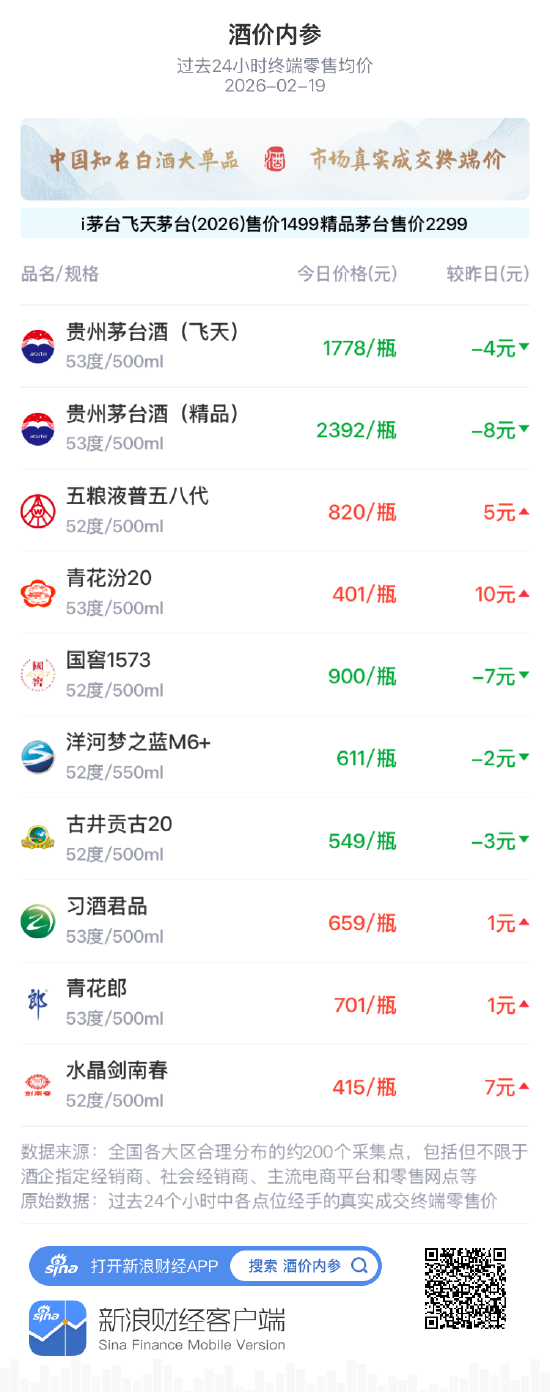
Core Viewpoint - The Chinese liquor market is experiencing a mixed trend in retail prices for the top ten products, with the overall price remaining stable at 9226 yuan, maintaining the highest level since 2026. The market is currently in a high-level consolidation phase with balanced bullish and bearish forces [1][7]. Price Movements - The market shows a balanced distribution with five products increasing in price and five decreasing. Notable price increases include: - Qinghua Fen 20, up 10 yuan per bottle, reaching a new high of 401 yuan [1][3] - Shuijing Jian Nan Chun, up 7 yuan per bottle, returning above 415 yuan [1][4] - Wuliangye Pu Wu 58, up 5 yuan per bottle [1][3] - Xijiu Junpin and Qinghua Lang, both up 1 yuan per bottle [1][4] - Decreasing products include: - Jingpin Moutai, down 8 yuan per bottle [1][3] - Guojiao 1573, down 7 yuan per bottle [1][4] - Feitian Moutai, down 4 yuan per bottle [1][3] - Gujing Gong Gu 20, down 3 yuan per bottle [1][4] - Yanghe Dream Blue M6+, down 2 yuan per bottle [1][4] Market Analysis - The overall market analysis indicates that previously strong products are undergoing a short-term adjustment, while some mid-range products are taking the lead in price increases. The overall price center remains stable [1][7]. Data Collection Methodology - The "Liquor Price Reference" collects data from approximately 200 sampling points across various regions, including designated distributors, social distributors, e-commerce platforms, and retail outlets. The data aims to provide an objective and traceable representation of the market prices for well-known liquors [5][10]. Financial Performance of the Industry - According to statistics, the net cash flow from operating activities of A-share listed companies (excluding banks and non-bank financial industries) reached 3.61 trillion yuan in the first three quarters of 2025, a 16.98% increase year-on-year. This indicates a significant improvement in cash generation capabilities, with the food and beverage sector, including liquor, showing positive free cash flow [6][10].


最吸睛的一抹红!集“深度、温度、广度”于一身,红花郎红动马年春晚
Xin Lang Cai Jing· 2026-02-18 12:08
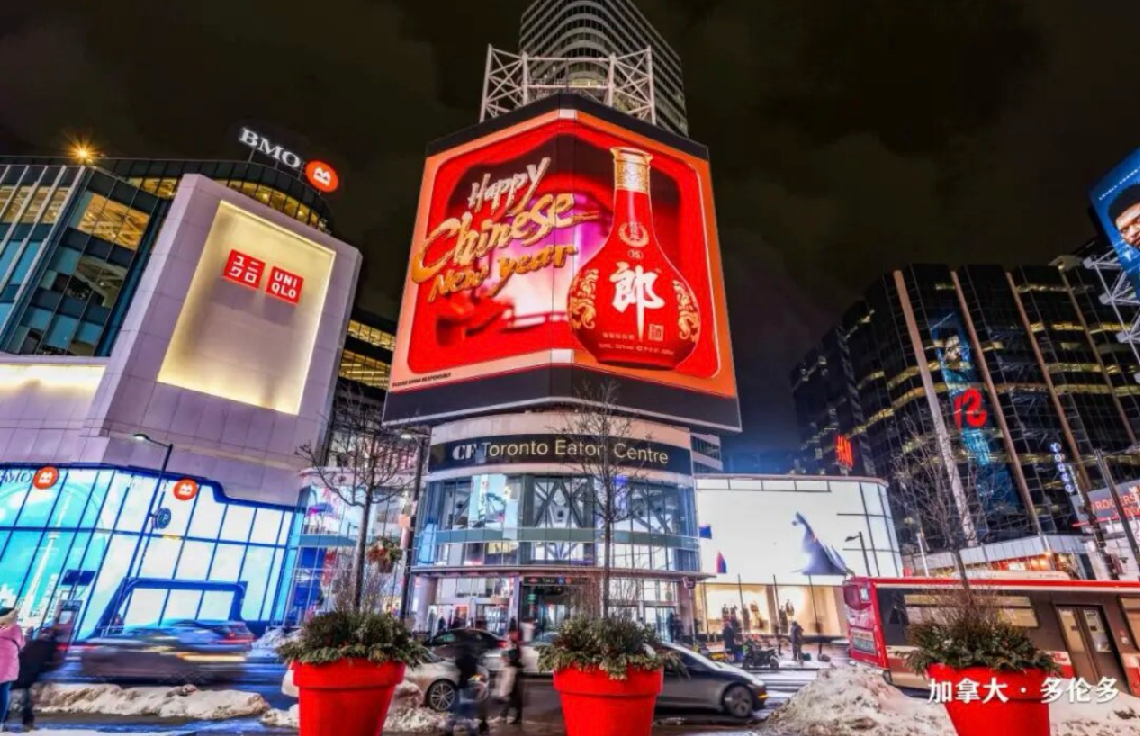
Core Viewpoint - The article highlights the partnership between Honghua Lang and CCTV's Spring Festival Gala, emphasizing the brand's cultural significance and its role in celebrating the Chinese New Year with global audiences [1][6]. Group 1: Brand Presence and Cultural Significance - Honghua Lang is featured prominently in various segments of the Spring Festival Gala, reinforcing the message that "accompaniment is the longest confession of love" [3]. - The brand's presence is marked by innovative stage designs and cultural elements, particularly in the program "He Huashen," which showcases the beauty of seasonal changes and aligns with the brand's brewing philosophy [4]. - The brand's message of "Red flowers bloom, the country welcomes spring" resonates throughout the gala, enhancing its image and connection with the audience [4][6]. Group 2: Engagement and Global Outreach - Following the gala, the brand received widespread praise on social media, indicating a successful engagement with audiences and a connection to classical culture [6]. - Honghua Lang's initiatives, such as the promotional video "Chinese Red in Time," aim to share authentic Sichuan New Year traditions with a global audience, showcasing the brand's commitment to cultural exchange [6]. - The brand's efforts to illuminate global landmarks on New Year's Eve, including Times Square in New York and Leicester Square in London, signify its ambition to connect with Chinese communities worldwide [7]. Group 3: Integration of Tradition and Modernity - The brand successfully merges traditional cultural elements with modern technological advancements, as seen in its participation in programs celebrating Chinese manufacturing and innovation [6]. - Honghua Lang's activities during the Spring Festival reflect a deep integration of cultural heritage and contemporary themes, positioning the brand as a bridge between the past and the future [6][9]. - The brand's commitment to spreading Chinese culture globally is evident in its events at the United Nations, showcasing a blend of national pride and international appeal [6].
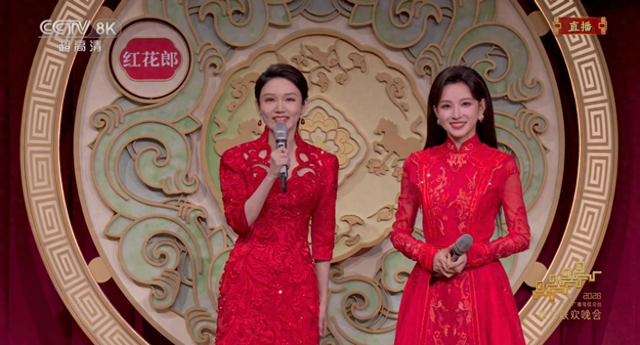
郎酒在春晚“贺花神”中惊艳露出:历史经典产业的文化高度拉满!
Xin Lang Cai Jing· 2026-02-18 11:09
Core Viewpoint - The integration of traditional culture and modern technology is exemplified by the collaboration between the brand Red Flower Lang and the Spring Festival Gala, showcasing the potential for classic brands to innovate and resonate in contemporary society [3][9]. Group 1: Brand Integration and Cultural Significance - The performance "He Hua Shen" at the Spring Festival Gala featured the Red Flower Lang brand, which creatively merged with traditional cultural elements, prompting industry reflections on how classic brands can thrive in the modern era [3][5]. - The program drew inspiration from historical artifacts, utilizing advanced AIGC technology to create an immersive experience that revitalizes traditional cultural narratives [3][7]. Group 2: Brand Messaging and Visual Presentation - The portrayal of the September flower deity by an actor dancing with a Lang wine jar symbolized the harmony between the purity of chrysanthemums and the elegance of the brand, delivering a heartfelt New Year message to global Chinese communities [5][9]. - The visual spectacle combined "Chinese Red" and "Chinese Style," creating a captivating experience that celebrates both cultural heritage and modern aesthetics [5][10]. Group 3: Innovation and Global Vision - The brand's commitment to innovation is reflected in its "wine estate" development approach, which integrates ecological practices with traditional brewing methods, aligning with contemporary consumer expectations [7][9]. - Red Flower Lang has expanded its global presence, showcasing its products at international venues like the United Nations headquarters and major global landmarks, thus promoting Chinese culture on a worldwide stage [9][10]. Group 4: Industry Perspective - The white liquor industry is positioned to balance tradition and innovation, demonstrating its ability to connect with both local and global audiences while maintaining cultural significance [10].
梦之蓝香伴春晚,航天梦闪耀九天
Xin Lang Cai Jing· 2026-02-18 09:13
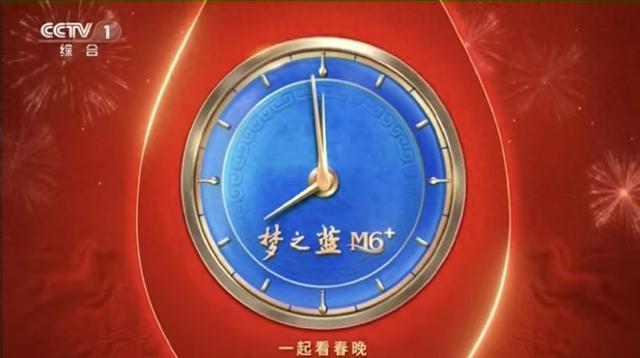
Core Viewpoint - The article highlights the deep cultural connection between the Yanghe brand and the Chinese New Year Gala, emphasizing its role as a cultural symbol and a bridge for emotional resonance among Chinese people globally [1][5][10]. Group 1: Brand and Cultural Significance - Yanghe's Dream Blue M6+ has become an emotional anchor for Chinese families during the New Year's Eve, marking its seventh consecutive year as the timekeeper for the Spring Festival Gala [2][4]. - The brand's partnership with the Spring Festival Gala reflects a profound alignment with national sentiments, capturing the essence of family reunion and national pride [5][6]. - Yanghe's commitment to quality and tradition is evident in its use of non-heritage handcraft brewing techniques, which resonate with Chinese consumers' taste preferences [5][6]. Group 2: International Expansion and Cultural Exchange - Yanghe has expanded its brand presence internationally, engaging in cultural exchange activities in countries like Thailand and Singapore, thereby transforming festive emotional resonance into sustainable brand assets [6][8]. - The establishment of overseas cultural exchange centers in various countries has allowed Yanghe to integrate Chinese liquor culture into local communities, enhancing its global brand narrative [8][9]. - Yanghe's participation in high-profile events, such as the APEC summit and international wine expos, has elevated its status as a cultural ambassador for Chinese liquor [9][10]. Group 3: Market Performance and Growth - Despite industry challenges, Yanghe achieved a 23% growth in overseas sales in 2025, positioning itself as a leader in the international market for Chinese liquor [10]. - By the end of 2025, Yanghe's products were available in 86 countries and regions across six continents, establishing it as a benchmark for Chinese liquor exports [10].

再融资新政来袭,用数据看清新增量的行动
Sou Hu Cai Jing· 2026-02-18 04:16
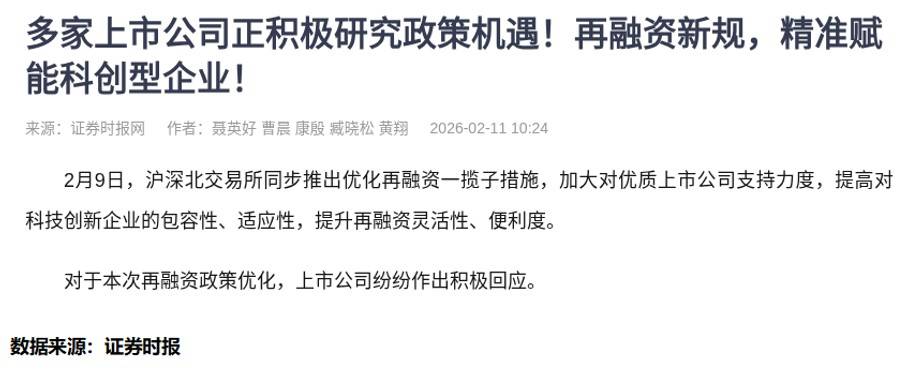
Core Viewpoint - The recent introduction of refinancing optimization measures by the Shanghai and Shenzhen Stock Exchanges aims to support high-quality listed companies, particularly in the technology sector, facilitating faster access to funding for research and development [1] Group 1: Understanding "Institutional Inventory" - "Institutional inventory" reflects the active participation of institutional funds in trading, serving as an indicator of market engagement rather than mere holding positions [3][5] - The presence of "institutional inventory" can indicate that institutions are actively involved in a stock, even during periods of price fluctuations, suggesting a strategic accumulation rather than a lack of interest [3][8] Group 2: Avoiding Misconceptions - Having institutional holdings does not guarantee safety; active participation is crucial. A stock may have institutional investors but lack active trading, leading to poor market performance [6][10] - The concept of "false consolidation" can mislead investors; a stock may appear stable while lacking institutional engagement, which can result in disappointing market outcomes [10][12] Group 3: Practical Application of Data - Investors should focus on "institutional inventory" as a key metric to gauge institutional activity, helping to identify potential investment opportunities and avoid pitfalls associated with superficial market trends [12]
节前探访茅台门店:i茅台拉动门店客流,即买即用成新趋势
Bei Ke Cai Jing· 2026-02-18 03:12
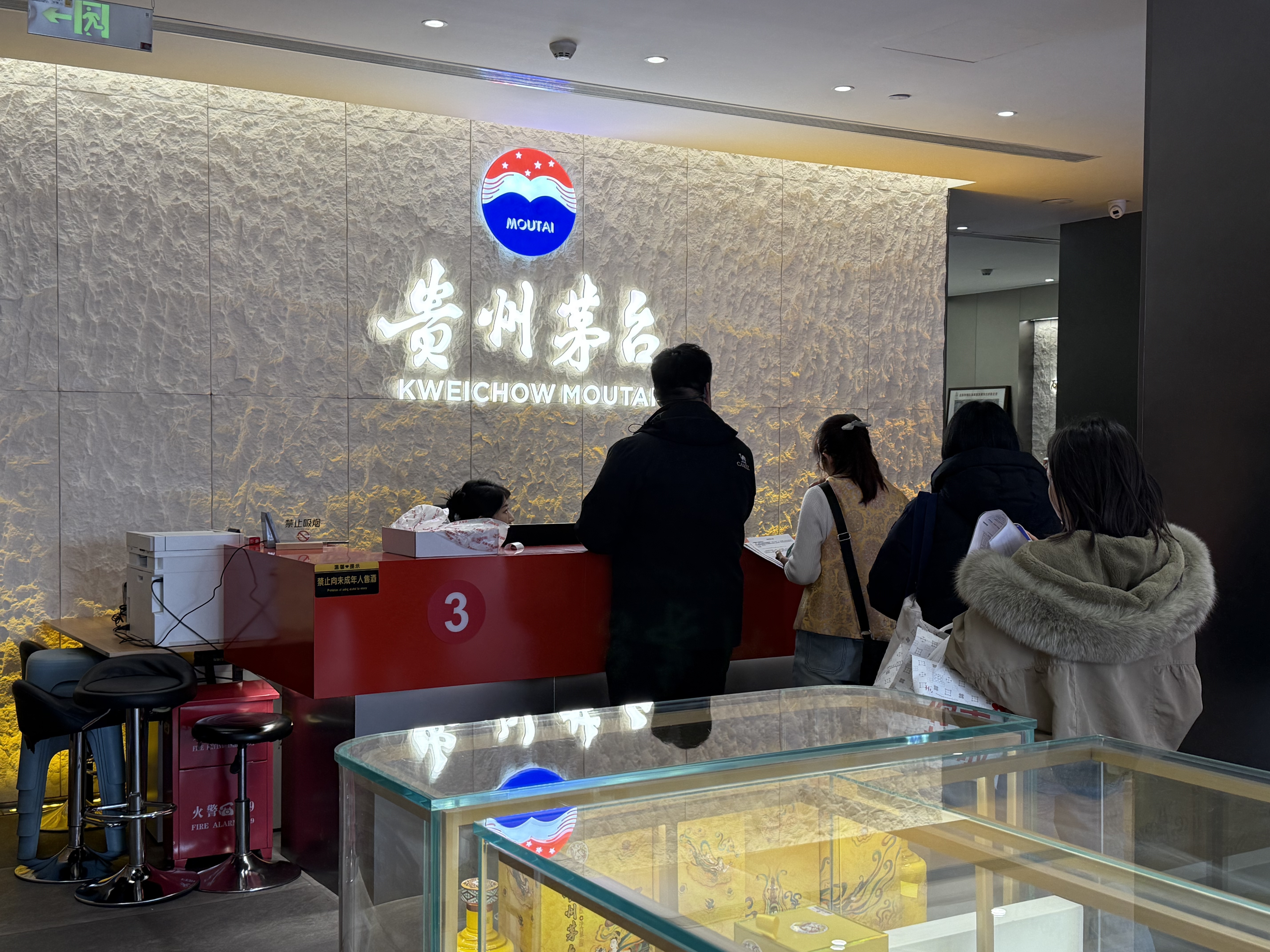
Core Insights - The popularity of Moutai continues to rise as key products like the 53-degree 500ml Flying Moutai are quickly sold out on the "i Moutai" platform, indicating strong consumer demand and successful market transformation efforts by the company [1][18][26] Group 1: Market Transformation - Moutai has launched a market-oriented transformation plan that adjusts its product system, operational model, channel layout, and pricing mechanism, significantly lowering the purchasing threshold for ordinary consumers [1][23] - The company aims to focus on consumer needs and enhance its market-oriented transformation, marking a significant shift in its marketing strategy [22][26] Group 2: Consumer Behavior - The consumer base is shifting towards younger demographics, with 80s and 90s consumers making up over 80% of recent buyers, indicating a trend towards immediate consumption rather than stockpiling [12][15] - Many consumers are opting for smaller packaging for personal use, reflecting a change in consumption patterns towards immediate enjoyment rather than long-term storage [16][17] Group 3: Sales Performance - The "i Moutai" platform has seen significant user growth, with over 6.28 million new users in January and a total of 15.31 million monthly active users, leading to a substantial increase in sales orders [18][19] - Sales data from Moutai stores indicate that the demand for the 53-degree 500ml Flying Moutai has led to a near sell-out of inventory, with some stores already utilizing March's product allocation due to high demand [10][11] Group 4: Pricing and Market Dynamics - The recent market strategy has led to a stabilization and increase in retail prices for Moutai products, with the price of the 53-degree 500ml Flying Moutai rising from over 1700 yuan to nearly 1900 yuan in just two weeks [24][25] - Analysts believe that the demand for Moutai will continue to grow, especially during festive seasons, as the company successfully expands its consumer base and increases purchase frequency [25][26] Group 5: Retail Strategy - Moutai stores are enhancing customer experience by creating festive atmospheres and offering complimentary gifts, which helps to attract and retain new customers [21][20] - The company is actively engaging with new consumer groups through innovative marketing strategies, including the use of social media and personalized service offerings [22][20]
春晚40年赞助商变迁史,从康巴丝到机器人见证中国经济跃迁
Sou Hu Cai Jing· 2026-02-18 02:17
Group 1 - The article discusses the evolution of sponsorship in the CCTV Spring Festival Gala over the past 40 years, reflecting changes in Chinese society and consumer behavior [2][3] - The first sponsor, 康巴丝 (Kambas), set a precedent in 1984 by using 3,000 quartz watches as payment, marking the beginning of brand sponsorship in the gala [6][8] - The transition from watches to bicycles as the next major sponsor in 1995 illustrates the shift in consumer goods that represented status during the era of material scarcity [10][12] Group 2 - The late 1990s saw a surge in consumer spending on new household appliances, with 山东孔府宴酒 (Shandong Confucius Banquet Wine) becoming the first "mark king" of the gala in 1995, paying 30.79 million yuan [10][12] - The rapid growth of the liquor industry during this period was fueled by "human consumption," where premium liquor became a social currency [12][14] - The article highlights the consequences of over-reliance on advertising without maintaining product quality, as seen in the case of 秦池酒 (Qin Pool Wine), which faced a significant drop in sales after quality issues emerged [14][15] Group 3 - From the early 2000s, the focus shifted to home appliances, with 美的 (Midea) becoming a prominent sponsor, securing 16 sponsorships from 2003 to 2019 [17][19] - The cost of advertising during the gala increased significantly, with Midea's sponsorship fee rising from 6.8 million yuan in 2005 to 57.2 million yuan in 2011, reflecting the growing viewership [17][19] - The brand storytelling approach adopted by companies like 海尔 (Haier) and 格力 (Gree) during this period indicates a shift towards building emotional connections with consumers [20] Group 4 - The rise of internet companies post-2010 transformed the gala's advertising landscape, with platforms like WeChat leveraging the event for massive user engagement through interactive features like the "red envelope battle" [21][23] - The article notes that the 2015 Spring Festival Gala saw WeChat's user engagement peak, with over 10.1 billion red envelopes sent, showcasing the event's potential as a digital marketing platform [21][23] - The involvement of tech giants in the gala reflects a broader trend of digital economy reshaping traditional advertising methods, with companies like 快手 (Kuaishou) and 抖音 (Douyin) entering the sponsorship arena [25][27] Group 5 - The article concludes by emphasizing the transition from showcasing products to highlighting technological advancements, as seen with the introduction of robots in recent galas [27] - This shift signifies a broader change in China's economic landscape, moving from manufacturing to innovation-driven growth, with a focus on high-tech industries [27] - The future of the Spring Festival Gala sponsorship landscape remains uncertain, raising questions about which industries will dominate the next decade [27]




春晚的广告牌 印刻着中国经济的一次次跃迁
Nan Fang Du Shi Bao· 2026-02-17 15:27
Core Insights - The sponsorship history of the CCTV Spring Festival Gala reflects China's economic development and industrial upgrades over the past four decades, showcasing three major transitions: from basic needs to consumer electronics and automobiles, from virtual economy to hard technology, and from demographic dividend to engineer dividend [1][2]. Group 1: Historical Sponsorship Trends - In the 1980s, the main sponsors represented basic household needs, with brands like 康巴丝 leading the way, highlighting the public's desire for precision and the prosperity of light industry [1]. - The 1990s saw a shift towards quality consumption, with liquor brands and home appliance giants like 美的集团 becoming prominent sponsors, marking a transition from survival to quality-focused consumption [1]. Group 2: The Rise of Internet and Technology - The year 2015 marked a turning point with the emergence of internet giants like WeChat and Alipay, initiating a "red envelope war" that transformed user engagement and payment methods [2]. - As the internet traffic peaked, the focus shifted to hard technology, with a notable increase in sponsorship from the electric vehicle sector, indicating a fundamental shift in China's competitive edge from demographic to engineer dividends [2]. Group 3: Future Trends and Cultural Consumption - The upcoming 2026 Spring Festival Gala will feature new partnerships with brands like 名创优品 and 卡游, suggesting a potential shift towards "emotional value" and "cultural consumption" as new wealth drivers in a mature market [3]. - The evolution of sponsors serves as a "value anchor" migration, reflecting China's economic transitions from production capabilities to creative intelligence, providing a lens to observe the pulse of the times [3].