锂电池

Search documents
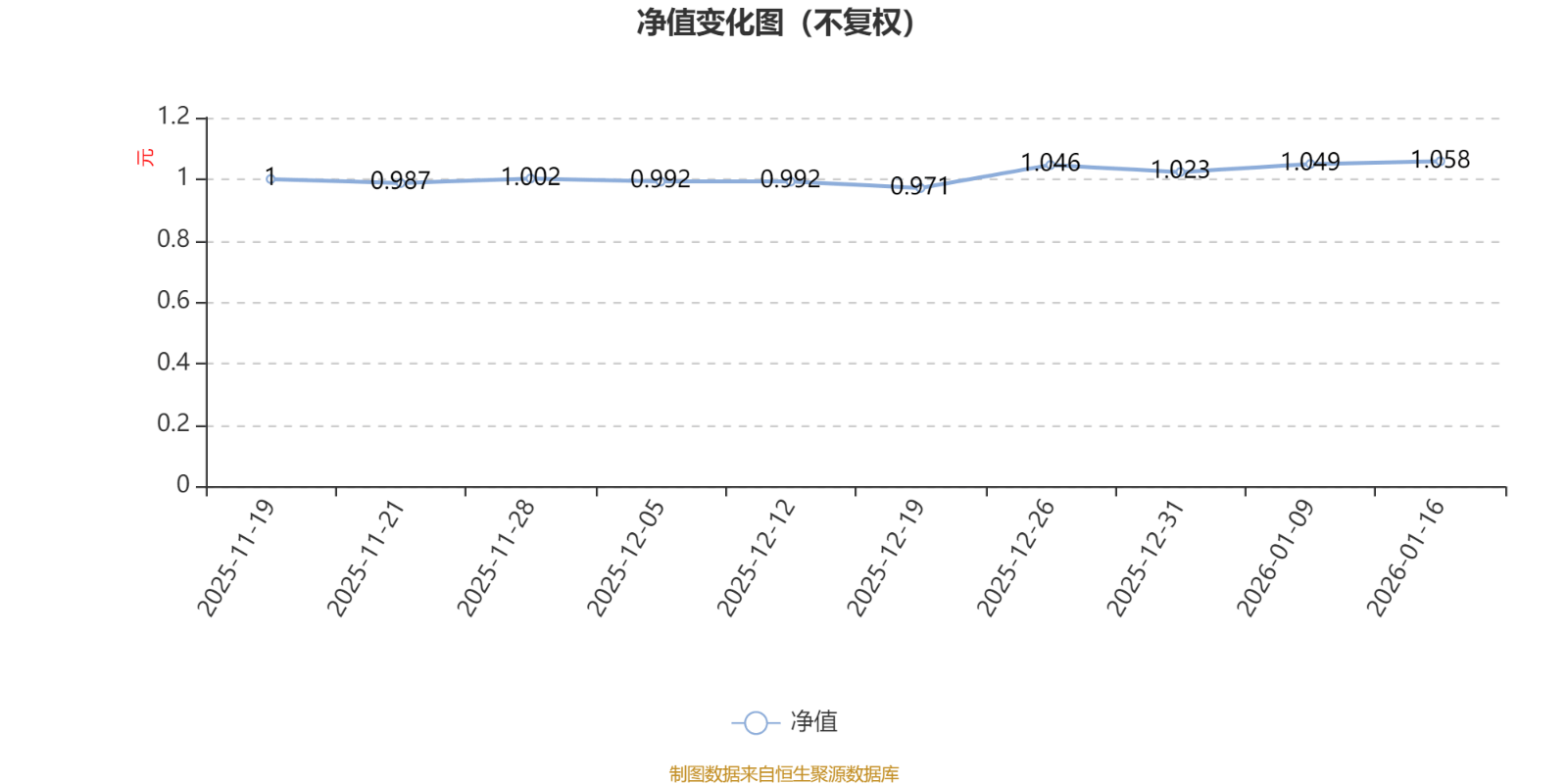
中欧新能源主题混合发起A:2025年第四季度利润25.99万元 净值增长率2.33%
Sou Hu Cai Jing· 2026-01-17 15:07
Core Viewpoint - The AI Fund, China New Energy Theme Mixed Fund A, reported a profit of 25.99 thousand yuan for Q4 2025, with a net asset value growth rate of 2.33% and a fund size of 11.4381 million yuan as of the end of Q4 2025 [3] Group 1: Lithium Battery Industry Outlook - The fund manager anticipates an improvement in supply and demand within the lithium battery industry over the next year, driven by a growing demand for energy storage, which now accounts for over 30% of total lithium battery demand [3] - Factors contributing to this demand include the maturation of domestic independent energy storage business models, continued growth in overseas energy storage, and the demand from AI data centers in the U.S. [3] - On the supply side, the expansion capacity and willingness in the upstream resources and midstream materials of lithium may be limited due to a prolonged period of declining profits over the past three years [3] - The industry is expected to enter a profit-up cycle, particularly in segments with hard supply gaps, such as lithium hexafluorophosphate and lithium ore, which may exhibit significant price and profit elasticity [3] Group 2: Power Supply and Equipment Demand - Domestic power supply and equipment are likely to benefit from global electricity supply bottlenecks, driven by large-scale construction of AI data centers and re-industrialization [4] - The demand for flexible power sources (e.g., gas turbines, energy storage systems) and electrical equipment (e.g., transformers) is expected to rise due to challenges in global electricity supply [4] - As overall power generation shifts from low-speed growth to rapid development, domestic companies may leverage capacity support, responsiveness, and cost advantages to penetrate the global supply chain and achieve rapid profit growth [4] Group 3: Solid-State Battery Technology - Solid-state batteries are recognized as a long-term important direction for lithium battery iteration, despite recent stock performance not outperforming benchmarks due to the lengthy industrialization cycle and potential short-term setbacks [4] - The solid-state battery sector is viewed as a long-term trend with significant growth potential, with leading domestic and international battery manufacturers increasing R&D investments in this area [4] - There may be opportunities for new companies to emerge in the equipment and materials segments as the industry grows, and the fund is considering increasing its focus and allocation towards solid-state battery technology [4] Group 4: Fund Holdings Concentration - As of the end of Q4 2025, the fund has a high concentration of holdings, with the top ten stocks including Yangguang Electric, CATL, Yahua Group, Kodali, Zhongmin Resources, Tianci Materials, Guocheng Mining, Fosptech, Zhenhua Co., and Siyuan Electric [4]






龙蟠科技与宁德时代再度联姻!
起点锂电· 2026-01-17 11:10
Group 1 - The core point of the article is that Longpan Technology has signed a continuous related transaction agreement with CATL, with a procurement transaction limit of up to 7 billion RMB for the year 2026 [2] - The new procurement framework agreement focuses on the domestic market for Longpan's products, differentiating it from the previous overseas supply agreement signed in September 2025, which had a transaction limit of 2.2 billion RMB per year [2] - Longpan Technology expects that the signing of the new agreement will leverage CATL's sales network and large customer base, increasing the market coverage and demand for its lithium iron phosphate cathode materials, thus benefiting the company's business growth [2] Group 2 - Historical transaction data shows that the procurement amounts from CATL's related parties to Longpan Technology were approximately 7.799 billion RMB, 3.501 billion RMB, 3.111 billion RMB, and 2.593 billion RMB for the years ending December 31, 2022, 2023, 2024, and the eleven months ending November 30, 2025, respectively [3] - The company plans to redirect the previously planned investment of 198 million HKD for a new manganese iron lithium production line in Hubei to a high-performance lithium battery cathode material project in Jiangsu, pending approval from a temporary shareholders' meeting [3]


孚能科技与巴斯夫杉杉深化战略合作
起点锂电· 2026-01-17 11:10
Group 1 - The core viewpoint of the article highlights the significant progress made between Funeng Technology and BASF Shanshan in their collaboration, achieving milestone agreements on multiple key projects [2] - The 6-series platform has delivered high-quality samples for Funeng Technology's heavy truck project, which will support mass production [2] - In the 3C safety certification area, both parties will collaborate on the validation of new battery cells for two-wheeled vehicles [2] - The 8-series platform's quality products will quickly integrate into Funeng Technology's related projects [2] - The 9-series platform focuses on overcoming technical challenges together, developing innovative solutions, and validating products in cutting-edge fields such as humanoid robots and eVTOL [2] - Ongoing deepened cooperation in the solid-state battery sector aims to explore development potential [2]


射洪58亿大圆柱电池项目迎新进展!
起点锂电· 2026-01-17 11:10
Core Viewpoint - The article highlights the rapid development of the lithium battery industry in Suining, particularly in Shihong, with significant investments and the establishment of a complete industrial chain from materials to recycling [4][6][8]. Group 1: Project Developments - Tianlai New Energy's lithium battery production base in Shihong is progressing, with the first phase of construction expected to be completed by June and trial production by September. The total investment for the project is approximately 58 billion yuan, with the first phase alone costing 26 billion yuan and featuring 12 cylindrical battery production lines capable of producing 5 million units daily, leading to an expected annual output value exceeding 5 billion yuan [2]. - The second phase of the project will invest 32 billion yuan to establish larger cylindrical battery production lines [2]. Group 2: Industry Background - Tianlai New Energy, established in 2020 with a registered capital of 30 million yuan, focuses on the research and production of cylindrical batteries for applications in power, energy storage, and electric tools [3]. - The lithium battery industry in Shihong has evolved into a closed-loop system, contributing significantly to China's new energy manufacturing history [4]. Group 3: Industrial Ecosystem - Suining's lithium battery industry exhibits high collaborative efficiency, with upstream suppliers like Tianqi Lithium providing lithium carbonate directly to local manufacturers, creating a seamless supply chain [6][8]. - The city has attracted nearly 40 lithium battery projects and over 50 construction projects, positioning itself as the largest lithium battery shipping hub in the Sichuan-Chongqing region [7]. Group 4: Market Trends - The article discusses the emergence of large cylindrical batteries as a new hope for the lithium battery industry, with several leading companies focusing on this product line to achieve growth [9][10]. - By 2025, large cylindrical batteries are expected to see significant development, with domestic companies rapidly increasing production capacity for applications in automotive, small power, and energy storage sectors [10][11].
2025年进出口总值创历史新高 中国外贸展现韧性与活力
Ren Min Ri Bao Hai Wai Ban· 2026-01-17 07:10
Core Viewpoint - China's foreign trade demonstrates resilience and vitality, achieving a record high in total import and export value in 2025, maintaining its position as the world's largest goods trading nation [1][2]. Group 1: Trade Performance - In 2025, China's total import and export value reached 45.47 trillion yuan, a year-on-year increase of 3.8%, marking nine consecutive years of growth [1]. - Exports amounted to 26.99 trillion yuan, growing by 6.1%, while imports were 18.48 trillion yuan, with a modest increase of 0.5% [1]. - The growth in high-tech product exports was notable, with a year-on-year increase of 13.2%, contributing 2.4 percentage points to overall export growth [2]. Group 2: Import Trends - China maintained its status as the world's second-largest import market for 17 consecutive years, with imports reaching a historical high in 2025 [4]. - Import growth was driven by a recovering economy, with a continuous increase in imports for three consecutive quarters starting from Q2 [4]. - The 8th China International Import Expo saw record participation, with intended transaction amounts exceeding 80 billion USD [4]. Group 3: Trade Partnerships - China's trade partnerships expanded significantly, becoming a major trading partner for over 160 countries and regions, an increase of more than 20 since 2020 [6]. - Trade with ASEAN countries and Central Asian nations saw substantial growth, with imports from these regions increasing by 3.9% and over 1 billion USD in trade volume, respectively [6][7]. - In 2025, trade with countries involved in the Belt and Road Initiative reached 23.6 trillion yuan, growing by 6.3%, which is 2.5 percentage points higher than the overall trade growth rate [7].
去年外贸创新高 今年还有新王牌 顶压前行 上海实现进出口四点五一万亿元 同比增百分之五点六
Jie Fang Ri Bao· 2026-01-17 03:09
Core Insights - In 2025, Shanghai's foreign trade is projected to reach 4.51 trillion yuan, a year-on-year increase of 5.6%, with imports at 2.49 trillion yuan and exports at 2.02 trillion yuan [1] - Shanghai's foreign trade is expected to achieve historical highs in all three metrics, with a growth of 1 trillion yuan compared to the end of the 13th Five-Year Plan in 2020 [1] - The trade structure shows significant growth in exports to emerging markets, with double-digit growth rates in trade with Africa, India, and ASEAN [1] Trade Performance - Shanghai's foreign trade has shown resilience, with 10 out of 16 districts achieving foreign trade volumes exceeding 100 billion yuan [2] - Notable districts include Pudong, which is advancing the integrated circuit industry, and Songjiang, which capitalized on artificial intelligence opportunities [2] - The export of high-value products such as lithium batteries, LNG vessels, and surgical robots has significantly contributed to Shanghai's export growth [1][2] Product and Market Dynamics - The export of lithium batteries increased by over 30%, while the export of LNG vessels reached 37.87 billion yuan, doubling in growth [1] - Surgical robots saw an impressive export growth rate of 370% [1] - Shanghai's exports include both large-scale equipment with over 70% global market share and popular domestic products [1] Policy and Future Outlook - The customs authority has proposed tax policy recommendations to support the export of intelligent bionic robots and clean robots, which have been adopted in the 2026 tariff adjustment plan [2] - The strong capabilities of China's manufacturing sector and global consumer demand are expected to support stable growth in Shanghai's exports [2] - The emergence of high-value products like large-scale energy storage systems and humanoid robots indicates a promising future for Shanghai's foreign trade [2]
2025年进出口总值创历史新高,连续9年实现增长——中国外贸展现韧性与活力
Xin Hua Wang· 2026-01-16 23:47
Core Insights - In 2025, China's foreign trade maintained stable growth despite external pressures, with total import and export value reaching 45.47 trillion yuan, a year-on-year increase of 3.8% [4][5] - High-tech product exports grew by 13.2%, contributing 2.4 percentage points to overall export growth, with significant increases in specialized equipment, high-end machine tools, and industrial robots [5][6] - China has become the world's second-largest import market for 17 consecutive years, with imports reaching a historical high in 2025 [7][8] Group 1: Trade Performance - In 2025, China's exports amounted to 26.99 trillion yuan, up 6.1% year-on-year, while imports reached 18.48 trillion yuan, a 0.5% increase [4] - The import growth trend has been consistent, with a notable acceleration in December 2025, where the growth rate reached 4.4% [8] - The successful hosting of the 8th China International Import Expo resulted in a record number of participating companies and an intended transaction amount exceeding 800 billion USD [8] Group 2: Sectoral Highlights - Exports in the green energy sector saw significant growth, with lithium batteries and wind turbine exports increasing by 26.2% and 48.7%, respectively [6] - The export of electric motorcycles and bicycles grew by 18.1%, while railway electric locomotives saw a 27.1% increase [6] - Traditional industries are also evolving, with innovations such as desert air conditioners and culturally integrated ceramics gaining traction in international markets [5] Group 3: Trade Partnerships - China's trade partnerships have expanded, with over 160 countries and regions now considered major trading partners, an increase of more than 20 since 2020 [9] - Trade with ASEAN countries has deepened, and trade with Central Asian nations has surpassed 100 billion USD [9][10] - In 2025, trade with countries involved in the Belt and Road Initiative reached 23.6 trillion yuan, growing by 6.3%, which is higher than the overall foreign trade growth rate [10]
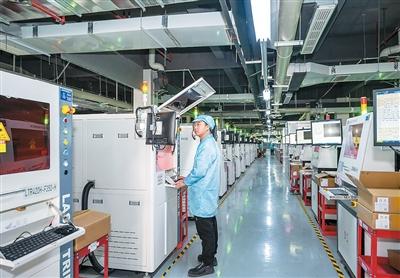
聚焦“稳扩提” 青海推动外贸实现新突破
Xin Lang Cai Jing· 2026-01-16 18:01
Core Viewpoint - Qinghai's business department aims to enhance foreign trade by focusing on stabilizing existing markets, expanding new markets, and improving product quality, particularly in the chemical and renewable energy sectors [1][2] Group 1: Export Focus - By 2026, Qinghai will support salt lake chemical enterprises in increasing exports of PVC, soda ash, and high-end magnesium products [1] - The province will ensure stable orders for leading new energy companies and maintain lithium battery export volumes [1] - Qinghai aims to achieve breakthroughs in the export of "dual cold" products [1] Group 2: New Growth Points - The business department will promote the export of high-value new products such as energy storage batteries, lithium iron phosphate materials, and aluminum foil [1] - There will be an expansion of imports for resource-based products like refined oil and recycled aluminum, as well as high-quality consumer goods to promote trade balance [1] - A "specialty industry foreign trade empowerment plan" will be implemented to create export industry clusters [1] Group 3: Regional Development - The focus will be on supporting the export of high-value products like food-grade/magnesium oxide and boric acid from Haixi Mongolian and Tibetan Autonomous Prefecture [1] - Hainan Tibetan Autonomous Prefecture will be developed into a "China high-end cold-water fish export industry cluster" [1] - The city of Haidong will be cultivated as a "highland cool vegetable and specialty agricultural product export industry cluster" [1] Group 4: Logistics and Market Support - Qinghai will optimize international logistics channels and match them with the production and sales cycles of specialty products [2] - The province will explore the operation of dedicated trains for specialty products and provide greater support for companies in market expansion and overseas warehouse construction [2] - A collaborative model will be formed between Xining's foreign trade service platform and various industrial bases in the cities and states, achieving complementary advantages and win-win cooperation [2]
碳中和50ETF(159861)盘中涨超1.1%,能源与电池技术进展推动行业景气
Mei Ri Jing Ji Xin Wen· 2026-01-16 13:15
Group 1 - The core viewpoint is that the demand for lithium batteries is expected to maintain a high growth trend, with a projected year-on-year growth rate of 26% by 2026, driven by factors such as the electrification transformation of car manufacturers in Europe and the improvement of economic viability in the energy storage battery sector due to new policies [1] - The supply side of lithium battery materials is undergoing optimization, with previous capacity expansions and low-price competition leading to pressure on corporate profits and high debt ratios, resulting in a significant weakening of expansion capabilities and intentions, with no large-scale expansion plans expected by 2025 [1] - The industry is experiencing a tightening supply-demand balance, supported by the exit of tail-end capacities and increased environmental and energy consumption requirements, which raise industry entry barriers and enhance rigid constraints on the supply side [1] Group 2 - Technological iterations such as high-voltage lithium iron phosphate and ultra-thin separators are further driving industry reshuffling, leading to a concentration of orders among leading companies [1] - The Carbon Neutrality 50 ETF tracks the Environmental Protection 50 Index, which selects listed companies involved in clean energy, pollution prevention, and resource recycling from the Chinese A-share market to reflect the overall performance and development trends of securities in the green economy sector [1]
万亿顺差的危险信号
财富FORTUNE· 2026-01-16 13:06
Core Viewpoint - The article discusses China's increasing trade surplus, which is projected to grow by 20% to $1.19 trillion by 2025, despite high tariffs and trade barriers, indicating a shift in China's trade dynamics and its self-sufficiency in manufacturing [2][5]. Group 1: Trade Surplus and Export Dynamics - China's trade surplus is expected to reach $1.19 trillion in 2025, a significant increase from previous years, with daily earnings from trade exceeding $3 billion [2]. - The growth in exports is primarily driven by the manufacturing sector, with machinery and electrical products accounting for over 60% of total exports, and a notable rise in exports of solar panels, lithium batteries, and electric vehicles by nearly 30% [4]. - Despite a 20% decline in direct exports to the U.S., exports to Africa, Southeast Asia, and Europe have surged, indicating China's ability to reroute trade effectively [12]. Group 2: Import Stagnation and External Pressures - China's imports have only increased by 0.5%, largely due to export restrictions imposed by other countries, particularly the U.S. and its allies, on high-tech products [5]. - The Chinese government has also implemented soft barriers to imports for security and self-sufficiency reasons, further contributing to the stagnation of imports [5]. - The rising trade surplus has raised concerns in the international community, with European leaders expressing anxiety over trade imbalances and potential retaliatory measures [5]. Group 3: Historical Context and Future Implications - The article draws parallels between China's current trade situation and historical instances of trade imbalances, suggesting that excessive trade surpluses can lead to external pressures and conflicts [9][11]. - China's current economic structure, characterized by a significant trade surplus, may indicate underlying issues in domestic distribution, innovation, and consumption [18]. - The article warns that if trade imbalances persist, external pressures may force adjustments that could have severe consequences for China's economy [11][19].