手机

Search documents
vivo成立机器人Lab:不逐一阵风,要造一片林
雷峰网· 2025-03-27 10:21
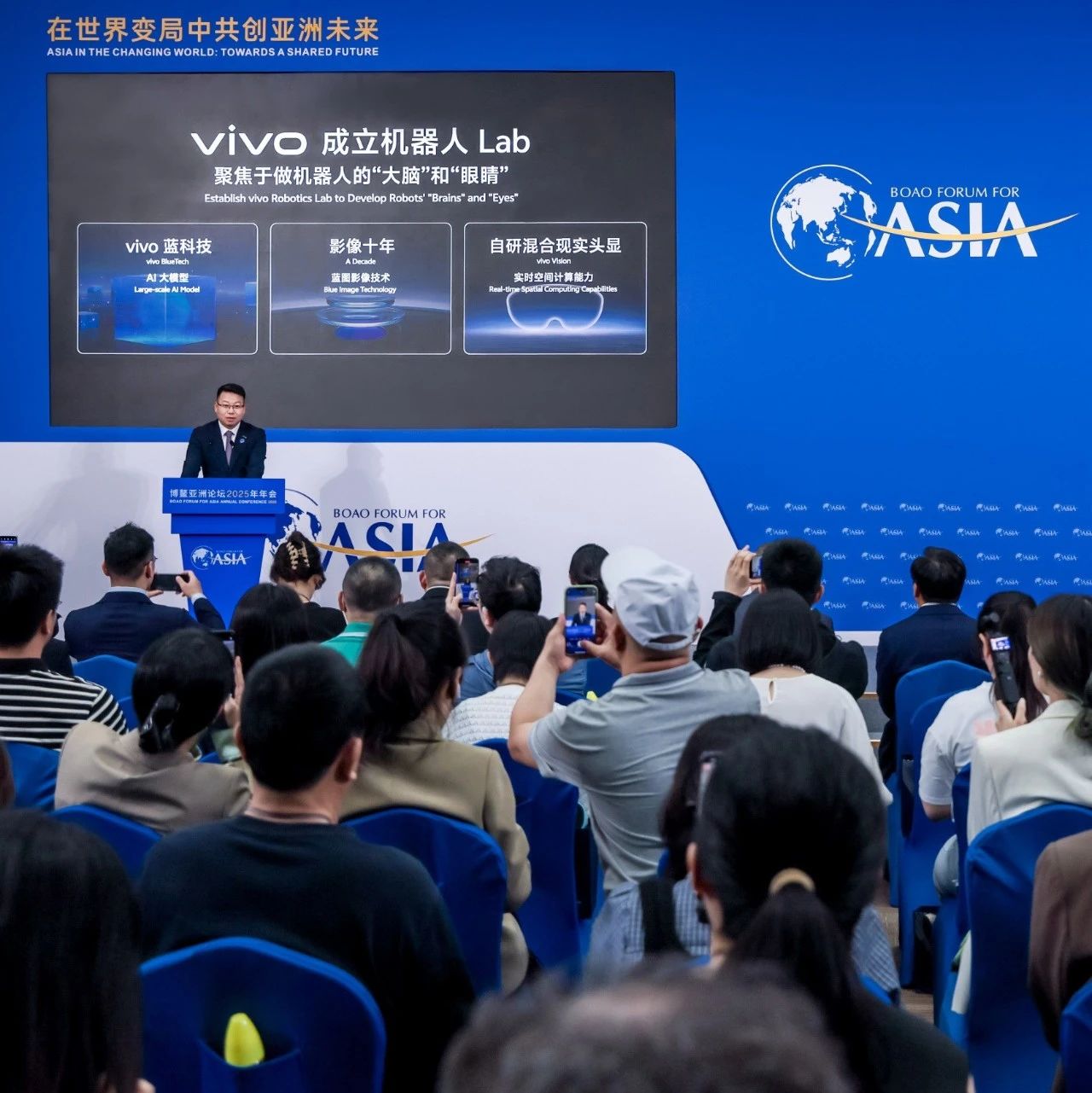
1.主攻消费级市场,做个人和家庭场景的机器人; 在友商扎堆电动汽车时,vivo选择了一条更"硬核"的路——做聚焦个人和家庭场景的消费级机器人。 在博鳌亚洲论坛2025年年会,vivo官宣成立机器人Lab(实验室),正式进军机器人行业。 从我们了解到的信息,vivo的机器人业务,划重点就是: " 划重点:vivo主攻消费级市场,只做最核心的「大脑」+「眼 睛」。 " 作者丨量衡 编辑丨布朗 2.vivo只做最核心的"大脑"+"眼睛",其他的交给供应链。 01 特斯拉、宇树、智源、波士顿动力等涉足机器人领域的大公司都曾表示,现在距离家用机器人落地还很 远,乐观估计需要3年,保守估计是5到10年。而机器人领域群雄角逐的时间点,应该会在3到5年之后。 但这种行业的突破点往往不是均匀的,而是会在某个时刻突然爆发,就像大模型的发展一样。2022年、 2023年的时候,根本没人想到AI会达到现在的高度。 而vivo做机器人的逻辑,类似vivo的自研芯片,专注大脑+眼睛,不做全身硬件,其他的交给供应链。 人是赚不到自己认知之外的钱的——探索和成长要走出舒适区,但商业,就应该在自己的"舒适区"把长处 发挥到极致。 vivo的入 ...

2025年,高贸易顺差能否延续?——“反脆弱”系列专题之二
申万宏源宏观· 2025-03-26 16:01
Trade Surplus Trends - China's trade surplus remains high, primarily due to the shift from processing trade to general trade, which has reduced import dependency [1][7][8] - From 2013 to 2015, despite a decline in export growth from 7.8% to -2.9%, the trade surplus increased by $192.94 billion [1][7] - The proportion of general trade surplus rose from 24.5% to 73.1% over the past decade, while processing trade fell from 60.4% to 10.4% [1][8] Industry Structure - Trade surpluses are concentrated in consumer goods and capital goods, with significant surpluses in textiles, electrical machinery, and automobiles [1][13][14] - The average surplus for textiles and clothing since 2017 has been $339 billion, showing stability [1][13] - Capital goods such as transportation equipment and electrical devices have seen surpluses increase by 6.7, 2.9, and 3.0 times since the first trade war [1][14] Country Structure - The largest trade surplus is with "Belt and Road" countries, followed by the United States, with the former primarily involving general trade and the latter processing trade [2][24] - As of June 2023, the surplus with "Belt and Road" countries surpassed that with the U.S. for the first time, accounting for 39.0% and 38.5% of total surplus, respectively [2][24] Formation of High Trade Surplus - Consumer goods maintain high surpluses due to self-sufficiency and price advantages, particularly in textiles where China produces 26% of global cotton [3][43] - The automotive sector benefits from technological advancements and cost advantages, with new energy vehicle exports increasing by 355.5% since 2018 [3][54] - In capital goods, the high surplus is driven by reduced processing trade imports and enhanced export competitiveness, with a notable decline in imports of electromechanical products [3][65] Future Surplus Prospects - Industries expected to maintain high surpluses include consumer goods like automobiles and mobile phones, as well as capital goods such as electrical equipment [5][93] - The transition from processing trade to general trade is a key factor in the expanding trade surplus, supported by industrial upgrades and price advantages [5][87] - The automotive sector's import dependency has significantly decreased, with a notable increase in export growth, indicating a strong competitive position [5][93]
言短意长|雷军回母校武大为何被热情包围?
Sou Hu Cai Jing· 2025-03-25 04:47
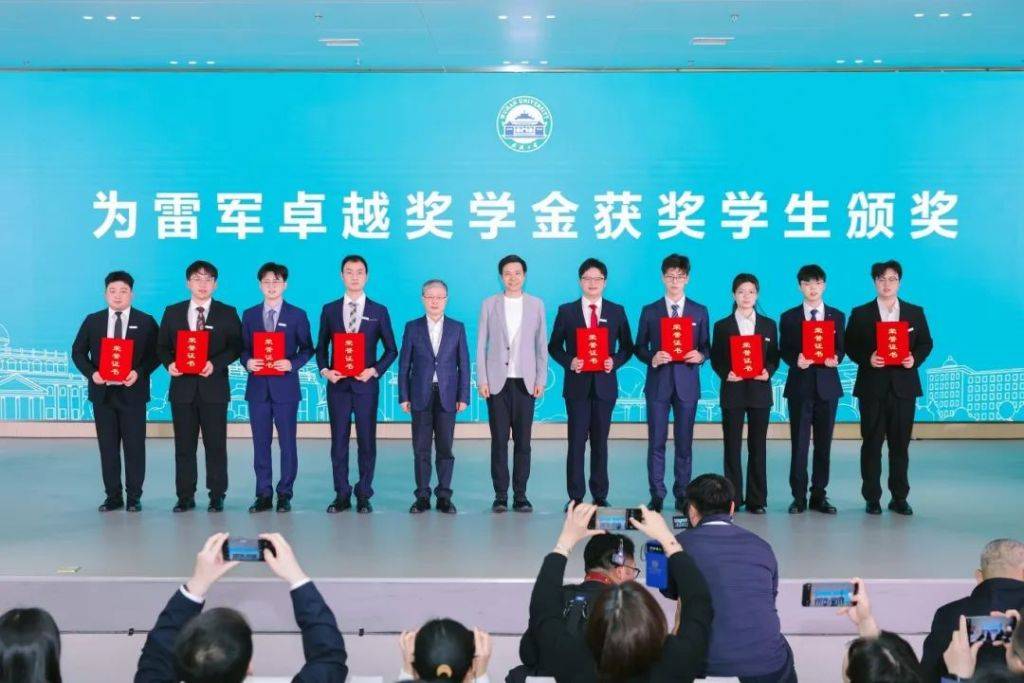
任何线上的流量都可能转化为线下的热情。 3月24日,武汉大学杰出校友雷军回母校了。根据官方披露出来的信息,雷军此次回武大主要是给"雷军奖学金"获得者颁奖并与首届"雷军班"学生 举行主题班会。 我注意到的一个细节是,当雷军参加完主题班会从武大计算机学院大楼里面走出去乘车离去的时候,武大的同学们围了个水泄不通,呼喊声此起 彼伏。 那股热情溢出了观看者的手机屏幕,堪比追星现场。那个1987年入读武大计算机系的湖北乡间少年可能当时想象不到会有这样的一天。 高清 倍速 00:00 00:20 视频来源:抖音账号"小王同学又饿了"(00:20) 企业家像明星一样被追捧、被排山倒海般的热情包围,并非坏事。它寄托了当代学生的一种价值取向,更是对当代企业家形象的一种框定。 为什么是雷军,而不是其他企业家会被母校学子的热情包围?我相信,今日之雷军无论到哪个大学,迎接的可能都是这样的热情。 热情的背后,实际上代表了当代学生的一种"好的企业家"的想象。 言短意长|雷军回母校武大为何被热情包围? 第一,雷军代表了一个寒门奋斗成功的典型。 雷军是一个完全没有"背景"的人,出身于湖北仙桃农家,凭借自身的努力考到了武大,28岁就做到了金山C ...
出海的尽头是非洲?实地考察东非机遇与挑战
吴晓波频道· 2025-03-10 15:02
Core Insights - The article highlights the significant opportunities for Chinese companies in Africa, particularly in sectors like construction, consumer goods, and technology, as the continent experiences rapid urbanization and industrialization [1][2][3] African Consumer Market - The construction industry in Africa is thriving, with Chinese building materials companies achieving high profit margins, such as 43.3% for Keda Manufacturing, which is significantly higher than domestic competitors [2] - The low urbanization level and fast urbanization rate in Africa present a unique opportunity for Chinese building material companies to expand and profit [2] - The consumer goods market, particularly in household appliances, is rapidly evolving, with rising incomes transforming previously luxury items into necessities [2][3] Internet and E-commerce Opportunities - The telecommunications and internet sectors in Africa are experiencing rapid growth, with companies like Transsion achieving a 30% increase in mobile phone shipments, securing a 50% market share [5] - The e-commerce market in Africa is projected to grow at an annual rate of 15.5%, reaching a market size of $40.758 billion by 2025, indicating a significant opportunity for Chinese brands to establish a strong presence [5][6] Strategic Layout and Local Adaptation - Chinese companies are encouraged to understand local market dynamics and establish a presence in Africa through partnerships and local manufacturing, as demonstrated by companies like Anqi Yeast and SHEIN [6][11] - The article emphasizes the importance of engaging with local governments and understanding investment policies to facilitate smoother market entry for Chinese enterprises [12] Conclusion - The article concludes that Africa represents a promising frontier for Chinese companies, with the potential for substantial growth and profitability as they navigate the unique challenges and opportunities presented by the continent [13]

雷军的高端化战略,步步为营
36氪· 2025-02-28 14:28
Core Viewpoint - Xiaomi is strategically positioning itself in the high-end automotive market, differentiating its approach from its smartphone business, which initially focused on cost-effectiveness and performance [2][11]. Group 1: Xiaomi's Automotive Strategy - Xiaomi's first electric vehicle, the SU7, launched at a starting price of 214,900 yuan, quickly gained popularity due to its design and performance, achieving 135,000 deliveries in 2024 and a staggering order volume of 248,000 units [6][7]. - The recent launch of the SU7 Ultra, priced at 529,900 yuan, has further solidified Xiaomi's entry into the luxury car segment, with over 10,000 orders placed within two hours of its release [3][10]. - Xiaomi's automotive strategy is characterized by a focus on high performance and technology, with significant investments in R&D, including a 10 billion yuan commitment to develop the SU7 [6][12]. Group 2: Market Positioning and Competition - The automotive market is highly competitive, with Xiaomi aiming to establish a strong brand presence by leveraging high-performance vehicles to attract consumer attention, similar to strategies employed by established brands like Tesla [8][9]. - Xiaomi's approach contrasts with traditional methods where companies typically launch high-end models first before introducing lower-priced options, indicating a unique market entry strategy [8][9]. - The company is targeting the luxury market segment, specifically the price range of 200,000 to 500,000 yuan, which is crucial for achieving both sales volume and profit margins [12]. Group 3: Technological Innovation and Brand Image - The SU7 Ultra's performance, including a 0-100 km/h acceleration time of 1.98 seconds and a lap time that surpasses Porsche, highlights Xiaomi's commitment to technological excellence [3][10]. - Xiaomi's focus on building a high-end image is supported by its technological advancements, such as the development of a self-researched electric motor capable of 27,000 RPM, which sets a new industry standard [6][10]. - The successful launch of the SU7 Ultra marks a significant step in Xiaomi's high-end strategy, aiming to shift consumer perception from a value-oriented brand to a premium automotive manufacturer [12][14].
雷军,一度登顶中国首富!
21世纪经济报道· 2025-02-27 04:51
Group 1 - Nvidia reported a staggering revenue of $39.3 billion, highlighting an unprecedented demand for its products [13] - The company faces three unresolved questions regarding its future growth and market strategy [13] Group 2 - Xiaomi's stock price initially surged over 4%, reaching a historical high, with a market capitalization nearing HKD 1.5 trillion [1] - Following the peak, Xiaomi's stock quickly dropped nearly 9%, resulting in a current market value of approximately HKD 1.3 trillion [2] - Xiaomi's founder, Lei Jun, briefly became the richest person in China before being surpassed again by Zhong Shanshan [2] Group 3 - Xiaomi is set to launch its high-end car model, the Xiaomi SU7 Ultra, with a pre-sale price of CNY 814,900 [6] - The SU7 Ultra aims to compete with luxury brands like Porsche and Tesla, positioning itself as a premium product in the automotive market [7] - The company is also expected to increase prices for its high-end smartphone series, the Xiaomi 15 Ultra, due to rising research and component costs [7] Group 4 - The A-share market experienced fluctuations, with the ChiNext index leading the decline [9] - The total trading volume across the market reached CNY 133.73 billion, an increase of CNY 16.11 billion from the previous day [9] - Various sectors showed mixed performance, with the Hainan Free Trade Zone and solid-state battery sectors gaining, while others like copper cable and AI mobile phone sectors faced declines [10][11]

三大理由,感觉牛市要来
集思录· 2025-02-26 14:29
Group 1 - The core viewpoint is that China's economy is transitioning from being driven by real estate to relying on technological advancements, with the pessimism surrounding real estate now dissipating [1][2] - Real estate prices have reached a point where they are considered affordable, with examples from Wuhan indicating that a family's annual income can now cover the cost of a home [1][2] - The article suggests that the current market conditions, including a daily transaction volume of 2 trillion, signal the onset of a bull market, with various sectors having undergone sufficient corrections [2][3] Group 2 - The sentiment around real estate has shifted, with previous fears about depreciation and rental income being dismissed as exaggerated, leading to increased consumer confidence [2] - The article highlights that most sectors have rebounded significantly, except for pharmaceuticals, photovoltaics, aquaculture, liquor, and consumer goods, which are still at the bottom [2] - The discussion emphasizes the importance of maintaining equity positions in anticipation of a bull market, suggesting that investors should focus on core assets [10][11]