水泥

Search documents
财通证券:成本构筑建材护城河 新场景新业务打开空间
智通财经网· 2025-12-09 06:39
Group 1: Cement Industry - Domestic supply and demand for cement may stabilize in the long term, primarily due to supply contraction driven by new supply-side reform policies focusing on capacity control and reducing competition [1] - Incremental growth in the cement sector is expected to come mainly from overseas markets, with Africa showing advantages in competitive landscape, profit margins, and demand potential [1] - Cement stocks are viewed as high dividend investments, with overseas contributions to performance and a domestic price recovery expected to support the fundamentals [1] Group 2: Glass Industry - The glass industry is at the bottom of its economic cycle, with cost support helping companies navigate through this period [2] - Demand in the real estate sector, which accounts for 80.8% of the market, has significantly declined due to reduced construction area, while growth in automotive, electronics, and photovoltaic sectors (19.2% combined) is insufficient to offset this decline [2] - The number of operational production lines has decreased from 266 in September 2021 to 224, indicating that high-cost and non-competitive capacities will likely exit the market, benefiting leading companies with strong cost control and diversified operations [2] Group 3: Glass Fiber Industry - Glass fiber is widely used across various industrial sectors, with traditional applications in construction (25%), transportation (24%), and electronics (18%) [2] - The introduction of anti-competition measures in the glass fiber industry is expected to stabilize prices, while advancements in AI technology are driving demand for low dielectric electronic fabrics, leading to product upgrades and increased profitability for companies [2] Group 4: Consumer Building Materials - A turning point is emerging in the consumer building materials sector, with reduced competition as smaller companies face losses and exit the market, allowing leading firms to enhance market concentration [3] - The focus of leading companies is shifting from volume growth to high-quality development, with improvements in channel structure, a return to value-based pricing, and cost reduction strategies [3] - The restructuring of competition is expected to enhance profitability in niche segments like coatings and waterproofing, with companies such as Sanhe Tree, Oriental Yuhong, Rabbit Baby, and Keshun Holdings recommended for attention [3]

中国银河证券:建材业淡季需求承压 电子纱高景气支撑玻纤韧性
Zhi Tong Cai Jing· 2025-12-09 06:25
中国银河(601881)证券发布研报称,2026年去产能效果有望显现,行业供需格局改善预期增强,价格 有望回升,企业盈利有望逐步修复。此外,水泥龙头企业加速海外产能布局,将贡献更多业绩增量,拉 开龙头企业盈利差距。玻璃纤维下游新兴产业发展势头较好,AI算力需求驱动下,特种玻纤纱高景气 有望持续;城市更新驱动消费建材在旧改、修缮市场的需求释放,消费升级将带动高品质绿色建材需求 提升;终端需求改善预期较弱,"反内卷"有望加速玻璃供给侧优化。 消费建材:10月家装零售需求走弱,高品质存量需求托底消费建材市场 2025年1-10月建筑及装潢材料类零售额同比增长0.5%,其中10月单月同比下降8.3%,环比下降2.1%。 随着地产销售的走弱,存量家装市场需求有所减弱,且因新房需求大幅缩减,今年消费建材需求不及往 年同期。后续城市更新战略的持续落地将释放修缮、旧改等需求,"好房子"建设标准的推进将提升高品 质绿色建材的市场渗透率。 浮法玻璃:供给缩减,但提振效果有限,11月价格继续承压 11月浮法玻璃市场刚需变化不明显;月产能减少,行业总供给收缩;企业库存虽有所下降,但仍处于历 史高位;浮法玻璃价格进一步下滑。后续来看, ...


港股水泥股跌幅扩大
Mei Ri Jing Ji Xin Wen· 2025-12-09 05:57
Core Viewpoint - The Hong Kong cement stocks experienced a significant decline in the afternoon trading session, indicating a bearish trend in the sector [1] Company Performance - China National Building Material (03323.HK) fell by 4.62%, trading at HKD 4.96 [1] - Anhui Conch Cement (00914.HK) decreased by 3.46%, with a price of HKD 22.88 [1] - Western Cement (02233.HK) dropped by 3.26%, now priced at HKD 2.97 [1] - China Resources Cement Technology (01313.HK) saw a decline of 1.89%, trading at HKD 1.56 [1]
水泥股跌幅扩大 中国建材跌近5% 后期水泥价格或维持震荡调整走势
Zhi Tong Cai Jing· 2025-12-09 05:50
Group 1 - Cement stocks experienced a significant decline in the afternoon, with China National Building Material (03323) down 4.62% to HKD 4.96, Anhui Conch Cement (600585) (00914) down 3.46% to HKD 22.88, Western Cement (02233) down 3.26% to HKD 2.97, and China Resources Cement Technology (01313) down 1.89% to HKD 1.56 [1] - Dongwu Securities reported a slight recovery in cement demand in southern regions in late November, while northern regions faced weakened demand due to colder weather, leading to a 0.5 percentage point decrease in the shipment rate of major cement companies nationwide [1] - Price adjustments were noted as previous price increases in several provinces failed to stabilize, resulting in price corrections in some areas and an overall downward trend in market prices [1] Group 2 - Ping An Securities indicated a weakening outlook for the cement industry in 2025, with prices expected to peak and then decline, and a cumulative year-on-year decrease of 6.7% in cement production from January to October [1] - Looking ahead to 2026, the industry may see slight improvements in profitability if strict production limits are enforced and seasonal price increases are more effective, alongside monitoring industry consolidation progress [1]
港股异动 | 水泥股跌幅扩大 中国建材(03323)跌近5% 后期水泥价格或维持震荡调整走势
智通财经网· 2025-12-09 05:47
Group 1 - Cement stocks experienced a significant decline in the afternoon, with China National Building Material down 4.62% to HKD 4.96, Anhui Conch Cement down 3.46% to HKD 22.88, Western Cement down 3.26% to HKD 2.97, and China Resources Cement Technology down 1.89% to HKD 1.56 [1][1][1] - According to Dongwu Securities, cement demand in southern regions showed a slight recovery in late November, while northern regions faced weakened demand due to colder weather, leading to a nationwide decrease in cement companies' shipment rates by approximately 0.5 percentage points [1][1][1] - Price adjustments were noted as several provinces' previous price increases failed to stabilize, resulting in price corrections in some areas and an overall downward trend in market prices [1][1][1] Group 2 - Ping An Securities indicated that the cement industry's prosperity is expected to weaken in 2025, with prices anticipated to peak and then decline, as cement production from January to October saw a year-on-year decrease of 6.7% [1][1][1] - Looking ahead to 2026, considering the current weak profitability of companies and the restrictions on overproduction, the supply-demand relationship in the industry may improve, with a slight recovery in cement profitability expected compared to the second half of 2025 [1][1][1] - The industry is advised to monitor the progress of consolidation while also considering the potential for price increases during peak seasons if daily overproduction is strictly limited [1][1][1]
泥坑打架,哪有赢家
Jing Ji Ri Bao· 2025-12-08 22:17
Core Viewpoint - The article discusses the phenomenon of "involution" in various industries, characterized by chaotic competition that undermines cost and quality standards, prompting calls for reform and regulatory action to address low-price disorderly competition [1][2]. Industry Overview - Over 20 national and local industry associations have called for a "counter-involution" movement across sectors including steel, automotive, photovoltaic, catering, finance, logistics, and beauty services, indicating widespread concern about the impact of this competition on industry transformation and development [1]. - The current competitive landscape has shifted from external expansion to internal exploration, leading to intensified competition among domestic firms as external competitors diminish [2]. Competitive Dynamics - The average gross profit margin for five leading wind power companies has plummeted from 19.2% in 2021 to 5.5% in 2024, with many firms reportedly operating at a loss [3]. - Quality and safety standards are under threat as companies cut costs in materials and processes to remain competitive, resulting in a significant number of substandard products in the market [3]. - Research and development expenditures among 30 major photovoltaic companies fell by 18.12% year-on-year in the first half of 2025, jeopardizing the industry's innovation capabilities [4]. Types of Competition - The article identifies four distinct forms of competition within the current landscape: - **Rule-breaking competition**: Involves illegal practices such as false advertising and substandard products, which undermine market fairness [5]. - **Internal consumption competition**: Characterized by homogenous competition in a limited market, leading to price wars without significant technological advancements [5]. - **Strategic investment competition**: Involves companies accepting short-term losses for long-term market positioning [5]. - **Innovation-driven price reduction**: Results from technological advancements that lower costs, indicating a healthy competitive environment [6]. Regulatory and Governance Actions - The government aims to create a fair competitive environment while companies focus on innovation and efficiency [8][12]. - New policies are being implemented to address issues such as "below-cost sales" and to enhance the regulation of unfair pricing practices [9]. - Industry associations are playing a crucial role in promoting self-regulation and rational pricing among companies [10]. Future Outlook - Despite the current challenges, companies express optimism about future growth, particularly in the renewable energy sector, with projections for significant increases in installed capacity by 2035 [12]. - Companies are adapting by focusing on cost efficiency, technological advancements, and exploring new markets, indicating a shift towards a more sustainable competitive strategy [11][12].
有地区推涨50元/吨!全国水泥价格最新变动→
Xin Lang Cai Jing· 2025-12-08 17:25
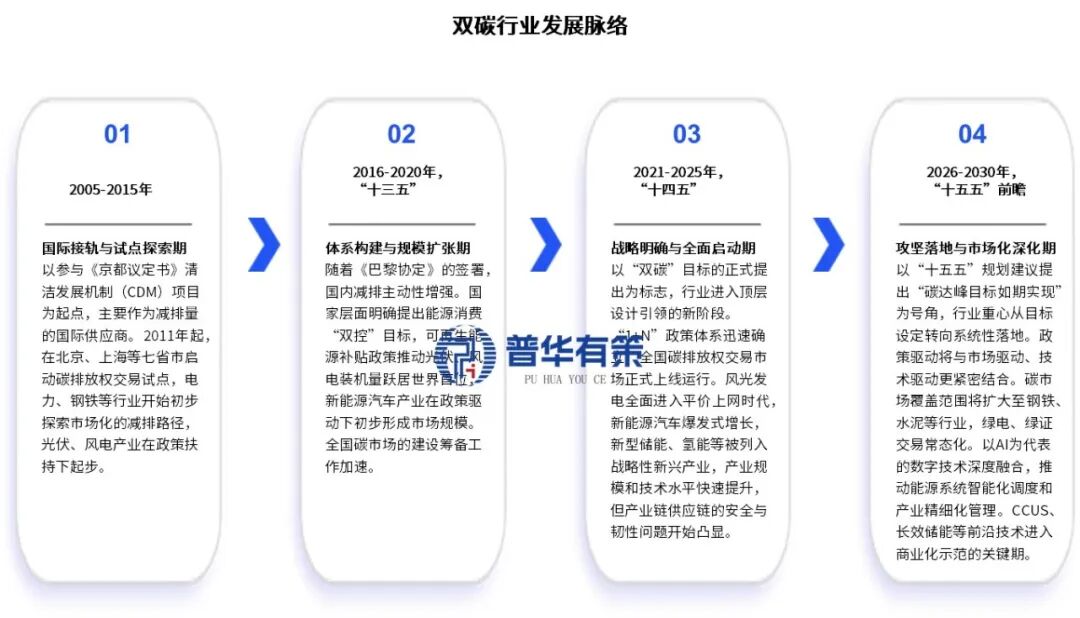
来源:市场资讯 (来源:水泥网APP) 中南地区 12月5日,全国水泥价格指数报收308.79点,环比下跌0.1%,同比下跌23.82%。 华东地区 江苏:11月底江苏多地市场主要企业推涨水泥价格10-30元/吨后,主导企业对外报价暂稳为主。目前江 苏终端需求改善有限,库存压力较大,部分企业尚在积极落实价格,最终能否全幅落地还待观察。 浙江:11月底浙江地区主导企业针对各地通知上调水泥价格20-30元/吨左右。市场了解来看,浙北及浙 中南市场目前涨后报价暂稳为主,沿海市场或受外围低价冲击,部分企业实际成交幅度有所收窄,价格 区域分化明显。 安徽:短期内安徽地区水泥价格将仍趋稳为主,企业可能会继续尝试试探性调价,但难以形成持续上涨 的趋势。 上周全国水泥市场整体呈现稳中分化态势,区域表现差异显著。华北地区石家庄虽再次尝试推涨50元/ 吨,但受天气转冷与需求收缩影响,落实难度较大,市场整体维持弱稳;东北市场基本结束,进入有价 无市的收尾阶段;华东地区江西等地在成本推动下继续提价,长三角整体趋稳;中南市场需求依旧不 济,多地推涨后出现回落;西南市场受环保督察影响供应收缩,价格涨跌互现;西北地区全面进入冬季 淡季,市 ...

上市后分红未中断,10年平均股息率高于6%的15家公司
Sou Hu Cai Jing· 2025-12-08 16:31
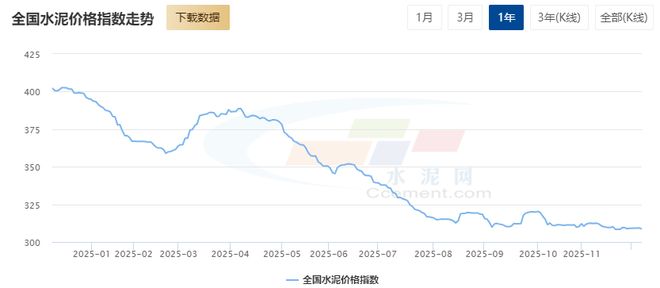
Core Viewpoint - The article discusses the phenomenon of high dividend yields in certain A-share companies, highlighting how consistent dividends can lead to a situation where investors effectively receive stocks for free, as their cost basis becomes negative over time due to accumulated dividends. Group 1: High Dividend Companies - Yanzhou Coal Mining Company has maintained an average dividend yield of 8.85% over the past decade, allowing early investors to accumulate over 80,000 yuan in dividends from an initial investment of 100,000 yuan [3] - Jizhong Energy, another coal company, has an average dividend yield of 7.19% over the past decade and has never reported a loss in its annual reports [3] - Daqin Railway, which transports coal, has an average dividend yield of 7.59% and is currently trading at a three-year low, making its dividend yield more attractive [5] - Huafa Group, a real estate company, has maintained an average dividend yield of 8.29% despite its stock price hitting a ten-year low [6] - Tianjian Group has not reported annual losses for nearly 20 years and has an average dividend yield of 6.59% [6] - Wan Nian Qing, a cement company, has an average dividend yield of 7.42% and has been consistent in returning profits to shareholders [6] - Other notable companies include Fusenmei, Hailan Home, and Yagor, which have maintained stable dividend yields in their respective industries [6] Group 2: Characteristics of High Dividend Companies - Most of the companies in the high dividend club are "old brands," having been listed for over 20 years, demonstrating resilience through multiple market cycles [7] - These companies primarily operate in traditional industries such as coal, railways, cement, retail, and banking, which have stable demand and do not require excessive reinvestment of profits [7] - All 15 companies listed have never reported annual losses since their IPOs, which is crucial for sustaining dividends [7] Group 3: Market Perception and Challenges - Despite their strong dividend records, many of these companies face declining stock prices, leading to a "dividend paradox" where high dividends do not correlate with stock performance [8] - The market tends to favor high-growth sectors like AI and renewable energy, often overlooking traditional industries, which are perceived as "old economy" [8] - High dividend yields can sometimes be misleading, as they may result from falling stock prices rather than increased dividend payouts, posing risks for investors [10] - Investors need to assess whether high dividends are supported by solid cash flows or if they are merely a result of asset liquidation or debt financing [10] Group 4: Investment Strategy - Investing in high dividend companies requires patience and a deep understanding of the underlying business and industry dynamics [11] - The focus should be on the cash flow generated by the business rather than short-term stock price fluctuations, which can provide a sense of security during market downturns [11] - The list of 15 companies serves as a starting point for further research into sustainable dividend-paying companies [11]


利好!中央政治局会议精神解读
2025-12-08 15:36
利好!中央政治局会议精神解读 20251208 摘要 政策聚焦基本面,消费端关注纺织服饰、轻工制造、家电和农业等板块 的阿尔法机会,供给侧关注有色金属、石油化工等上游资源品及钢铁、 水泥等 PPI 修复逻辑板块,以及机械设备和电力设备等中国制造。 优增量与盘活存量政策旨在推动新旧动能转换,重点发展新质生产力, 战略新兴产业和未来产业是两大方向,尤其关注量子科技、生物制造、 氢能、核聚变、脑机接口及 6G 等六大未来产业。 货币政策预计延续适度宽松,降准降息概率较低,倾向于通过买入回购 或购入国债保持流动性,一季度或配合财政发力降准一次,下半年可能 降息一次。财政政策保持连续性和平稳性,赤字率预计维持在 4%左右, 增加超长期国债和地方政府专项债额度。 扩大内需旨在提升消费和保持投资合理增长,以实现 5%左右的经济增 长目标,通过消费品以旧换新和服务消费专项方案提振消费,并以基建 为抓手稳定固定资产投资。 培育壮大新动能需推动科技创新与先进制造业发展,在中美暂缓期,加 快推进十四五规划中的科技加制造战略,支持科技研发,促进高质量的 新质造业发展。 Q&A 如何解读近期中央政治会议对 A 股市场的影响? 从整体框 ...
“十五五”双碳行业全产业链研究与前景趋势预测预判专项报告
Xin Lang Cai Jing· 2025-12-08 12:25
Core Viewpoint - The dual carbon industry is positioned as a strategic emerging industry aimed at achieving carbon peak and carbon neutrality, encompassing a range of economic activities, technological research, industrial manufacturing, and service provision to build a green low-carbon circular economy [1][12]. Industry Development History - The industry has evolved through various stages, transitioning from pilot projects to comprehensive efforts in carbon reduction [92]. Industry Chain Analysis Upstream - Resources, Materials, and Core Equipment - The upstream sector includes critical mineral resources such as lithium, cobalt, nickel, rare earths, and silicon materials, which are essential for production equipment and software. This sector is capital and technology-intensive, directly influencing cost control and technological advancement in the midstream manufacturing sector. China has significant advantages in photovoltaic silicon materials and rare earth permanent magnets, but still faces risks in high-end chips and precision instruments [3][95]. Midstream - Manufacturing, Integration, and Services - The midstream sector is the core of the industry chain, covering the manufacturing of photovoltaic modules, wind turbines, energy storage systems, and various digital solutions. Chinese companies have established a global advantage in this area, particularly in photovoltaic modules and power batteries. The trend is shifting from providing single devices to integrated solutions that combine wind, solar, storage, and hydrogen [4][96]. Downstream - Application and Operation - The downstream sector includes renewable energy power station operations, grid companies, and high-energy-consuming industries such as steel, chemicals, and cement. The demand from these sectors, driven by transformation needs and compliance pressures, is a fundamental driver of industry growth. The EU's Carbon Border Adjustment Mechanism (CBAM) is pushing Chinese export-oriented companies to procure green electricity and implement energy-saving modifications, creating substantial market demand [5][96]. Major Industry Development Trends - AI and digital technologies will deeply empower the industry, driving an intelligent revolution. AI will be integrated into various applications, including power forecasting and carbon management, transforming digitalization from a supportive tool to a core element of productivity and business model reconstruction [6][97]. - The construction of new energy systems will accelerate, shifting focus from single-point breakthroughs to system collaboration, emphasizing large-scale energy storage and smart grids [7][98]. - The decarbonization process in high-carbon industries such as steel and cement will accelerate, supported by technological innovation and financial tools [8][99]. - The carbon market will mature and become a core regulatory tool, with innovations in green financial products [9][100]. - International competition over green standards will intensify, with Chinese companies leveraging their full industry chain advantages to participate in global green supply chain restructuring [10][102].