零食

Search documents
主业萎缩!“红枣大王”002582,上半年继续亏损!7亿投资鸣鸣很忙,竟这样被“拖累”
Zhong Guo Ji Jin Bao· 2025-08-17 01:30
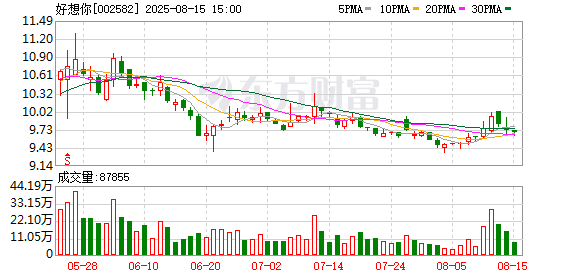
Core Viewpoint - The company "Hao Xiang Ni" continues to face significant challenges, reporting a net loss of 19.84 million yuan in the first half of 2025, with revenue declining by 15.64% to 689 million yuan, following three consecutive years of losses [2][5]. Financial Performance - Hao Xiang Ni's revenue for the first half of 2025 decreased by 15.64% to 689 million yuan, while the net profit loss reached 19.84 million yuan [2]. - The change in accounting method regarding the investment in "Ming Ming Hen Mang" led to a reduction in investment income by 77.31 million yuan, directly impacting the net profit attributable to the parent company [5][4]. Investment and Accounting Changes - The company changed its accounting method for its investment in "Ming Ming Hen Mang" from equity method to fair value measurement, which significantly affected its financial results [5]. - In December 2023, Hao Xiang Ni invested 700 million yuan to acquire a 6.64% stake in "Ming Ming Hen Mang," but later reduced its stake to 6.2881% and withdrew from the board, necessitating the accounting change [5][4]. Business Challenges - The core business of red dates continues to decline, with revenue from red date products dropping by 16.38% to 500 million yuan and health preservation products declining by 26.13% to 25.81 million yuan in the first half of 2025 [8]. - Despite launching innovative products like "Hong Xiao Pai," which generated nearly 200 million yuan in its first year, the overall performance of the red date product line remains weak [8]. New Product Development - The company has recently entered the craft beer market with a new series of products, including red date-flavored beer, but the impact on overall performance is expected to be minimal as production is outsourced [9]. - The introduction of the "Bao Xi Jiu" series is part of the company's strategy to diversify its product offerings based on consumer demand [9]. Market Position - As of August 15, 2025, Hao Xiang Ni's stock price was 9.68 yuan, with a market capitalization exceeding 4.3 billion yuan [10].


主业萎缩!“红枣大王”002582,上半年继续亏损!7亿投资鸣鸣很忙,竟这样被“拖累”
中国基金报· 2025-08-17 01:24
Core Viewpoint - The article discusses the financial struggles of the company "好想你" (Hao Xiang Ni), highlighting a significant decline in revenue and net profit due to changes in accounting methods and ongoing challenges in its core business of red dates [2][3][4]. Financial Performance - In the first half of 2025, the company's revenue decreased by 15.64% to 689 million yuan, with a net loss of 19.84 million yuan [3]. - The change in accounting method for its investment in "鸣鸣很忙" (Ming Ming Hen Mang) led to a reduction in investment income by 77.31 million yuan, directly impacting the net profit attributable to the parent company [8]. Accounting Method Change - The company switched from equity method to fair value measurement for its investment in "鸣鸣很忙," which resulted in a significant impact on its financial statements [7]. - The decision to change accounting methods was influenced by the company's reduced stake in "鸣鸣很忙" and the withdrawal of its board member position [7]. Core Business Challenges - The core business of red dates continues to face challenges, with revenue from red date products and health preservation products declining by 16.38% and 26.13%, respectively [11]. - Despite attempts to innovate with new products like "红小派" (Hong Xiao Pai), which generated nearly 200 million yuan in its first year, the overall performance of the red date product line remains weak [12][13]. Market Position and Future Outlook - The company has ventured into new product categories, including a series of craft beers, but these initiatives are not expected to significantly impact overall performance [13]. - The company’s stock price was reported at 9.68 yuan, with a market capitalization exceeding 4.3 billion yuan as of August 15 [14].

奶茶零食万店时代:“量产甜蜜”的代价谁买单?
Hua Er Jie Jian Wen· 2025-08-16 03:16
Core Viewpoint - The article discusses the rapid expansion of the tea and snack industry in China, driven by low-cost, high-sugar products that have become a significant part of consumer habits, particularly among the youth. This trend raises concerns about public health, particularly regarding diabetes and obesity, as the industry thrives on a "sugar addiction" model that may lead to long-term health costs for society. Group 1: Industry Growth and Trends - The tea and snack industry has seen explosive growth, with brands like Mixue Ice City expanding to over 46,000 stores by the end of 2024, achieving a revenue of 24.83 billion yuan with a growth rate exceeding 22% [9][10] - The "0 yuan purchase" subsidy wars among major delivery platforms have led to increased consumption of sugary drinks, with many consumers unaware of the long-term health implications [2][6] - The rapid expansion of snack stores, such as Wanchen Group, which grew from 7,000 to 15,000 stores in less than a year, highlights the effectiveness of the low-cost, high-volume business model [11][12] Group 2: Health Implications - Excessive sugar intake from beverages and snacks poses significant health risks, including obesity, insulin resistance, and chronic diseases, which are becoming a public health crisis in China [5][35] - The average sugar consumption from tea drinks alone could lead to an additional 1.3 kg of sugar intake per person annually, contributing to rising diabetes rates [19][44] - The prevalence of insulin resistance has increased significantly, with a reported rate of 39.1% among adults, indicating a growing health crisis linked to high sugar consumption [38][42] Group 3: Economic and Social Costs - The healthcare costs associated with diabetes and related diseases are projected to reach 1.2 trillion yuan in 2024, reflecting the financial burden on the healthcare system due to rising sugar consumption [45][49] - The rapid growth of the tea and snack industry, while profitable for companies, is shifting health costs to the public healthcare system, creating a hidden burden on society [49][50] - The government's initiatives to manage weight and reduce sugar intake highlight the urgent need for intervention in the face of rising obesity rates and related health issues [41][60] Group 4: Consumer Behavior and Market Dynamics - The addictive nature of sugary products drives high-frequency consumption, particularly among young consumers, who are often unaware of the health risks associated with their habits [22][26] - The industry's focus on low prices and high availability has led to a significant shift in consumer behavior, with many opting for sugary drinks as a primary source of refreshment [31][32] - Despite some brands attempting to reduce sugar content, consumer preferences for sweet flavors complicate efforts to promote healthier options [51][52]
门店辐射半径扩大两倍 好想来接入淘宝闪购2个月登上零食品类第一
Yang Guang Wang· 2025-08-15 08:41
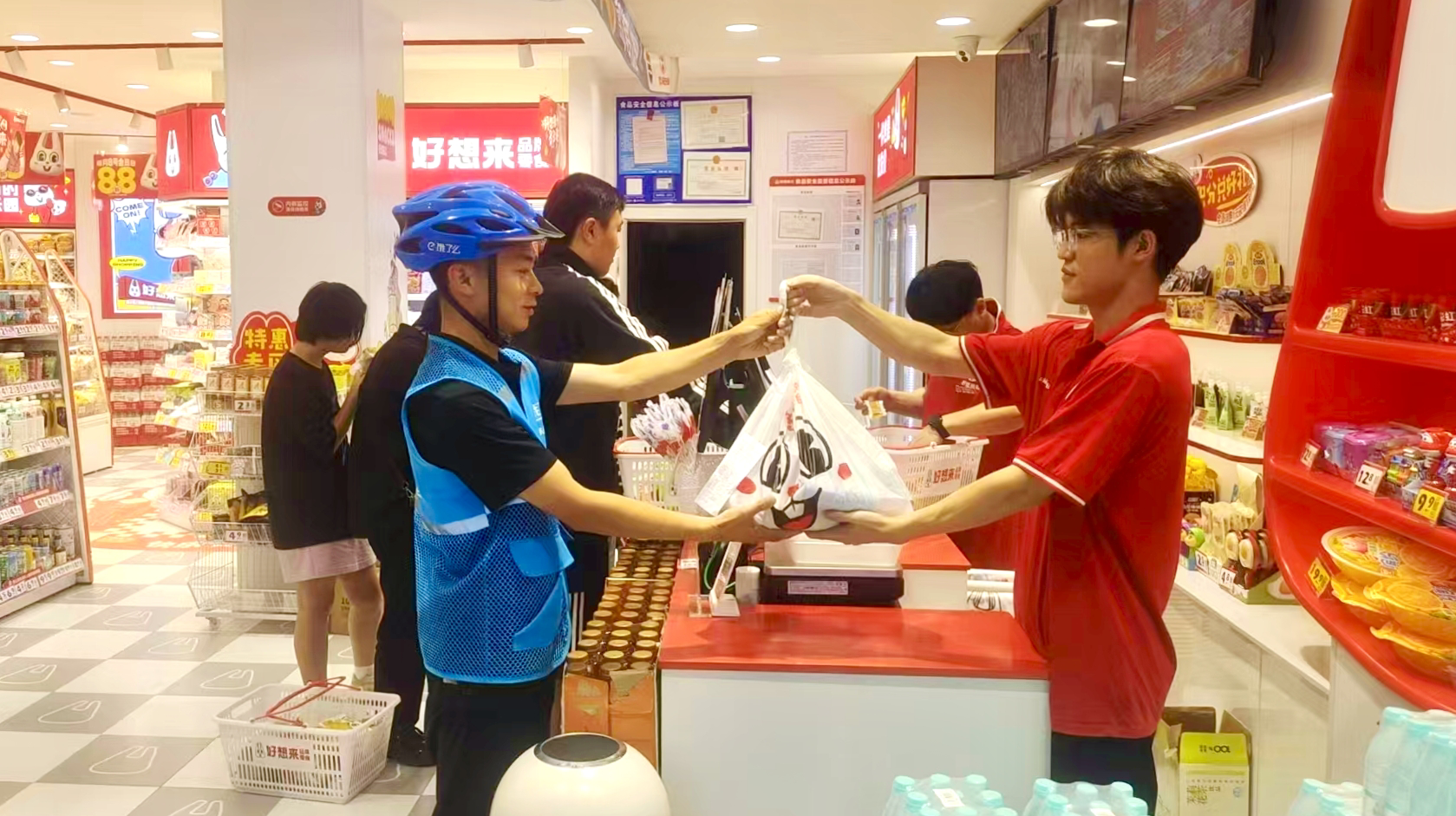
Core Insights - The leading snack brand, Hao Xiang Lai, has successfully entered the Taobao Flash Purchase platform, significantly increasing its market reach and sales volume [1][4] - The brand has experienced over 200% growth in order volume for three consecutive months, with online sales of various snack categories reaching new highs [1][4] - The expansion into the 3-5 kilometer market has allowed Hao Xiang Lai to tap into new customer segments, with over 90% of online customers being new users [1][3] Group 1 - Hao Xiang Lai's entry into Taobao Flash Purchase has led to nearly 5,000 stores being connected by the end of July [1] - The brand has optimized its product structure and warehousing strategies to match the instant retail consumption characteristics, with each store offering an average of 1,500 to 2,000 SKUs [3] - Seasonal promotions and scenario-based product combinations have been introduced, such as summer drink packages and autumn snack gift boxes, enhancing conversion rates and brand recognition [3] Group 2 - The rapid development of Taobao Flash Purchase has created significant growth opportunities for brands, with plans for over 15,000 stores to join the platform, covering a wider range of snack categories [4] - The collective entry of snack brands into Taobao Flash Purchase has stimulated demand for leisure snacks, with July seeing triple-digit growth in various snack categories [4] - Since its launch in May, Taobao Flash Purchase has driven a significant upgrade in the consumer platform, with 395 non-food brands achieving over one million in monthly transactions [4]
食品饮料行业双周报(2025、08、01-2025、08、14):白酒加速出清,大众品关注景气细分-20250815
Dongguan Securities· 2025-08-15 08:07
Investment Rating - The report maintains an "Overweight" rating for the food and beverage industry, expecting the industry index to outperform the market index by more than 10% in the next six months [57]. Core Insights - The report highlights that the liquor sector is experiencing accelerated clearance, while consumer goods are focusing on segments with strong demand [52]. - The SW food and beverage industry index rose by 1.06% from August 1 to August 14, 2025, underperforming the CSI 300 index by approximately 1.33 percentage points [14][15]. - The report indicates that about 69% of stocks in the industry recorded positive returns during the same period, with notable gainers including Gui Fa Xiang (+40.38%) and Zi Yan Food (+13.31%) [19]. Summary by Sections Market Review - The SW food and beverage industry index underperformed the CSI 300 index, with a rise of 1.06% compared to a 2.39% increase in the CSI 300 index [14]. - Most sub-sectors underperformed the CSI 300 index, with the baking sector showing the highest increase of 3.55%, while the dairy sector had the largest decline of -0.98% [15]. Industry Data Tracking Liquor Sector - Guizhou Moutai reported a total revenue of 91.094 billion yuan for the first half of 2025, a year-on-year increase of 9.16%, and a net profit of 45.403 billion yuan, up 8.89% [52]. - The report notes that the second quarter's performance in the liquor sector is under pressure due to ongoing challenges in consumption scenarios [52]. Seasonality and Consumer Goods - The report anticipates a boost in demand for beer and soft drinks as the consumption peak season approaches [52]. - The introduction of a childcare subsidy starting January 1, 2025, is expected to enhance dairy product demand [52]. Price Trends - As of August 14, 2025, the price of fresh milk was 3.02 yuan per kilogram, showing a month-on-month decrease of 0.01 yuan [40]. - The average wholesale price of pork was 20.23 yuan per kilogram, down 0.22 yuan from the previous month [42]. Important News - The report mentions that the national liquor price index remained stable in July, with a slight decrease in early August [45][46]. - Qingdao's beer production increased by 2.8% in the first half of 2025, indicating a positive trend in the beer sector [47]. Company Announcements - Guizhou Moutai announced a share buyback plan, having repurchased 6.96 million shares by early August 2025 [48]. - Yanjing Beer reported a revenue of 8.558 billion yuan for the first half of 2025, a year-on-year increase of 6.37% [51].





食品饮料周报:机构“消费观”分歧加大 消费白马股或存在估值修复空间
Zheng Quan Zhi Xing· 2025-08-15 07:22
Market Performance - The Shanghai and Shenzhen 300 Index increased by 0.82% during the week of August 11 to August 15, 2025, with the Shenwan Food and Beverage Index also rising by 0.82% [1] - The top five performing stocks in the food and beverage sector were Guifaxiang, Angel Yeast, Tianwei Food, Gujing Gongjiu, and Shanxi Fenjiu [1] Institutional Insights - Guizhou Moutai is facing short-term demand pressure in the liquor market but is committed to deepening reform and focusing on sustainable development, with an increased dividend payout ratio [2] - Shanxi Fenjiu is also experiencing short-term demand challenges but has strong medium-term growth potential due to product upgrades and accelerated national expansion [2] - Ximai Food is seeing stable growth in its oat business, with improvements in raw material costs expected to enhance profitability [2] - Wancheng Group is expanding its snack retail operations and introducing new discount supermarket formats targeting young consumers [2] - Bairun Co. is witnessing an improvement in its pre-mixed cocktails segment, with a focus on enhancing cash flow from new products [2] Macro Events - The State Administration for Market Regulation reported a 0.57% defect rate in beverage products from 111,900 batches tested, indicating overall good quality and safety in the beverage sector [4] Global Food Prices - The FAO reported that global food prices reached a two-year high in July 2025, driven by rising meat and vegetable oil prices, with the FAO Food Price Index averaging 130.1 points, up 1.6% from June [5] Industry Trends - There is a growing divergence in views among public and private equity institutions regarding traditional consumer stocks, with some seeing potential for valuation recovery [7] - Major liquor brands are shifting towards lower-alcohol products to attract younger consumers, with Moutai, Wuliangye, and Luzhou Laojiao introducing new low-alcohol offerings [10] Company Developments - Guizhou Moutai reported a net profit of 45.4 billion yuan for the first half of 2025, a year-on-year increase of 8.89%, with total revenue reaching 91.09 billion yuan, up 9.16% [11] - Moutai's new product, the "Moutai Five-Star 70th Anniversary Commemorative Wine," has seen significant market speculation, with prices on secondary markets soaring [12] - Moutai has announced a partnership with Meituan Flash Purchase to enhance consumer access to its products through certified stores [13]



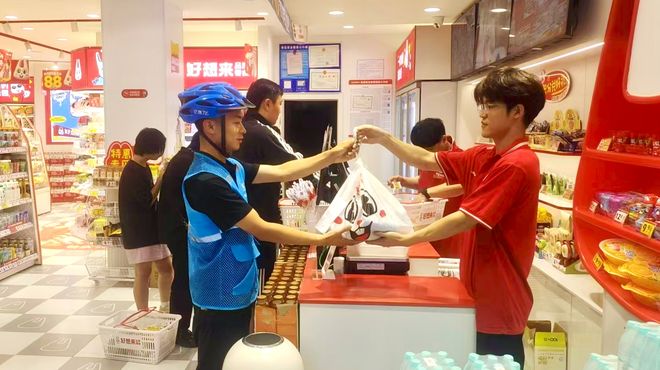
零食领军品牌好想来入驻淘宝闪购,订单量连续3个月保持200%以上增速
Guan Cha Zhe Wang· 2025-08-15 05:32
Core Insights - The leading brand in the bulk snack industry, "好想来," has successfully entered the Taobao Flash Purchase platform, significantly increasing its market reach and sales volume [1][4] - The brand has experienced over 200% growth in order volume for three consecutive months since joining the platform, with online new customer acquisition exceeding 90% [1][4] Group 1: Market Expansion - "好想来" has integrated nearly 5,000 stores into Taobao Flash Purchase by the end of July, effectively tapping into a new market within a 3-5 kilometer radius [1][3] - The platform has allowed "好想来" to reach new users beyond the traditional 1-2 kilometer range, enhancing customer base expansion and channel upgrades [3][4] Group 2: Product Strategy - The company has optimized its product structure and warehousing strategy to align with instant retail consumption patterns, offering an average of 1,500-2,000 SKUs per store [3][4] - Seasonal and scenario-based product offerings have been introduced, such as summer ice cream combinations and autumn snack gift boxes, which have boosted conversion rates and brand recognition [3][4] Group 3: Sales Performance - Since the launch of Taobao Flash Purchase, there has been a three-digit growth in orders for various snack categories, including processed foods, snacks, and desserts [4] - The platform has enabled 395 non-food brands to achieve monthly sales exceeding one million, with 66 brands surpassing ten million, indicating a robust growth environment for snack brands [4]
【私募调研记录】丹羿投资调研甘源食品
Zheng Quan Zhi Xing· 2025-08-15 00:10
上海丹羿投资管理合伙企业是国内私募投资管理机构,成立于2015年4月,实缴资本金1000万。公司于 2015年在中国证券投资基金业协会管理备案编号:P1015236公司核心高管均从事投研工作十年以上, 在华宝兴业基金、国投瑞银基金、国金证券等机构担任过投资经理或首席研究员,期间管理基金规模数 十亿,名列前茅 以上内容为证券之星据公开信息整理,由AI算法生成(网信算备310104345710301240019号),不构成投资建议。 调研纪要:甘源食品积极拓展新产品,从单一豆类产品品牌转型为多品类零食品牌,加大品牌营销及新 品推广费用投入,合理规划销售费用投放。公司与国内主流渠道建立稳定合作,积极沟通新品合作,海 外市场强化豆类核心产品布局。公司应用新技术提升产品健康属性,推出"臻果"子品牌,加强与年轻消 费者联动。电商是重要销售渠道,公司持续丰富线上产品品类,加强电商自营渠道合作。面对原材料成 本上涨,公司通过套期保值、逢低买入等方式降低采购成本波动风险。 机构简介: 根据市场公开信息及8月14日披露的机构调研信息,知名私募丹羿投资近期对1家上市公司进行了调研, 相关名单如下: 1)甘源食品 (上海丹羿投资管理 ...

【私募调研记录】同犇投资调研甘源食品
Zheng Quan Zhi Xing· 2025-08-15 00:10
机构简介: 根据市场公开信息及8月14日披露的机构调研信息,知名私募同犇投资近期对1家上市公司进行了调研, 相关名单如下: 1)甘源食品 (上海同犇投资管理中心(有限合伙)参与公司电话会议&网络线上) 调研纪要:甘源食品积极拓展新产品,从单一豆类产品品牌转型为多品类零食品牌,加大品牌营销及新 品推广费用投入,合理规划销售费用投放。公司与国内主流渠道建立稳定合作,积极沟通新品合作,海 外市场强化豆类核心产品布局。公司应用新技术提升产品健康属性,推出"臻果"子品牌,加强与年轻消 费者联动。电商是重要销售渠道,公司持续丰富线上产品品类,加强电商自营渠道合作。面对原材料成 本上涨,公司通过套期保值、逢低买入等方式降低采购成本波动风险。 同犇投资是一家有特色的阳光私募。公司成立于2014年1月,实缴资本1000万,2014年5月4日获得私募 投资基金管理人登记证书,是为数不多的由新财富最佳分析师创建的阳光私募,也是"五年金牌分析师 转型阳光私募"的唯一团队。公司总经理、投资总监童驯先生02-13年曾在上海申银万国证券研究所工作 12年,08-12年连续五年荣获新财富食品饮料行业最佳分析师第一名,擅长大消费投资。 以上内 ...
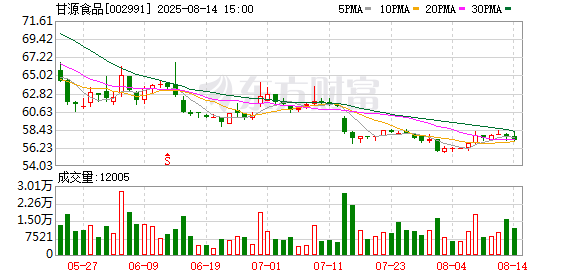
甘源食品:公司近年来积极拓展新产品
Zheng Quan Ri Bao· 2025-08-14 11:13
Core Viewpoint - The company has transformed from a single bean product brand to a multi-category snack brand, focusing on flavored beans, nuts, and snacks, which is expected to enhance sales scale [2] Product Development - The company is actively expanding its product range to include various new products, which will support further sales growth [2] - The brand has shifted towards a multi-category snack brand, indicating a strategic diversification of its product offerings [2] Marketing and Promotion - To enhance product competitiveness, the company has increased its investment in brand marketing and new product promotion [2] - The company plans to improve the precision and effectiveness of its sales expense allocation based on market conditions and product promotion rhythms [2] Channel Expansion - The company has increased upfront expenses to support overseas and direct sales channel expansion, with some of these initial investments not requiring ongoing expenditure [2] - Future planning will consider market conditions and channel development to optimize promotional strategies [2]