
奢侈品

Search documents
国货黄金品牌“冲顶”奢侈品还差什么?
Mei Ri Jing Ji Xin Wen· 2025-10-12 13:54
Core Viewpoint - The recent investment by Lao Feng Xiang in Maybach Luxury Goods Asia Pacific is seen as a significant step towards high-end transformation in the gold and luxury goods sector, sparking discussions about the potential dilution of gold attributes and the strategic motivations behind the partnership [1][2][7]. Company Summary - Lao Feng Xiang plans to invest $24 million (approximately 170 million RMB) to acquire a 20% stake in Maybach Luxury Goods Asia Pacific, along with securing distribution rights in the Asia Pacific region [1][3]. - The partnership aims to enhance Lao Feng Xiang's brand image and expand its product offerings, while also facilitating its entry into international markets [3][5]. - The collaboration includes a brand agency agreement with a subsidiary, allowing Lao Feng Xiang to act as the exclusive distributor in Shanghai and a non-exclusive distributor in other Asia Pacific regions [3][4]. Industry Summary - The gold jewelry industry is currently facing profitability challenges due to high gold prices and increasing product homogeneity, leading to a decline in consumer demand [7][8]. - Lao Feng Xiang's revenue dropped by 16.52% to 33.356 billion RMB, with net profit decreasing by 13.07% to 1.22 billion RMB in the first half of 2025 [8]. - In contrast, competitors like Lao Pu Gold have seen significant growth, with a 251% increase in revenue to 12.354 billion RMB and a 285.8% rise in net profit to 2.268 billion RMB, indicating a potential shift towards high-end strategies in the industry [8][9]. - The luxury goods sector is entering a high-end development phase, with expectations that over 50% of luxury brands will introduce pure gold jewelry in the next two years, intensifying competition with Chinese gold jewelry brands [11].

一边是老铺黄金引LV老板打卡,一边是老凤祥拟以1.7亿元入股迈巴赫奢品 国货黄金冲顶奢侈品还差什么?
Mei Ri Jing Ji Xin Wen· 2025-10-11 13:49
Core Viewpoint - The recent investment by Lao Feng Xiang in Maybach Luxury Goods Asia Pacific is seen as a significant step towards high-end branding in the gold and luxury goods sector, sparking discussions about the potential dilution of gold's intrinsic value [1][5][6]. Group 1: Investment Details - Lao Feng Xiang plans to invest $24 million (approximately 170 million RMB) for a 20% stake in Maybach Luxury Goods Asia Pacific, which will enhance its presence in the luxury market [2][3]. - The partnership includes a brand agency agreement that grants Lao Feng Xiang exclusive distribution rights in Shanghai and non-exclusive rights in other Asia-Pacific regions [3][4]. - The procurement commitments from Lao Feng Xiang to Maybach include a minimum purchase of $1 million in 2025, increasing to at least $200,000 every six months in 2026, and quarterly purchases starting in 2027, totaling no less than $13 million over three years [3]. Group 2: Market Context and Challenges - The gold jewelry industry is facing challenges such as high gold prices and increasing product homogeneity, leading to declining demand and profitability for companies like Lao Feng Xiang and Zhou Dashing [1][7]. - Lao Feng Xiang's revenue fell by 16.52% to 33.356 billion RMB in the first half of the year, while its net profit decreased by 13.07% to 1.22 billion RMB [7]. - In contrast, Lao Pu Gold, another competitor, reported a 251% increase in revenue and a 285.8% rise in net profit, indicating a potential shift towards high-end branding strategies in the industry [7]. Group 3: Strategic Implications - The collaboration is viewed as a dual necessity, with Lao Feng Xiang seeking high-end market penetration and Maybach aiming to expand its presence in China [5][6]. - Experts suggest that the partnership could allow Lao Feng Xiang to learn luxury brand management while also raising expectations for its own brand's high-end development [4][5]. - The future success of this collaboration will depend on effective brand management and the ability to navigate cultural and operational differences between the two companies [5][6]. Group 4: Future Outlook - The integration of gold and luxury brands is anticipated to create significant opportunities in both sectors, with predictions that over 50% of luxury brands will introduce pure gold jewelry in the next two years [8][9]. - The collaboration between Lao Feng Xiang and Maybach is expected to lead to co-branded products, which is a key objective of their partnership [9]. - The Chinese gold jewelry sector is seen as being on the verge of a high-end breakthrough, but it still faces challenges in achieving true luxury brand status due to operational expertise gaps [8][9].
秋招宣讲会,把大学生当猴耍?
虎嗅APP· 2025-10-10 13:43
Core Viewpoint - The article discusses the challenges faced by university students during the autumn recruitment season, highlighting the disparity between expectations and reality in corporate recruitment presentations, particularly focusing on LVMH's recent event at Fudan University, which was criticized for lacking substance and practical recruitment information [5][12][20]. Group 1: Recruitment Events - The autumn recruitment season is characterized by a high volume of corporate presentations, with students attending to gather information and opportunities [7][32]. - LVMH's presentation at Fudan University was noted for its lack of tangible recruitment information and excessive focus on brand promotion, leading to student dissatisfaction [12][20]. - In contrast, other companies like Miniso and L'Oréal provided more engaging and informative sessions, including direct interactions with HR and clear details on job opportunities [19][21]. Group 2: Student Expectations - Students expect recruitment events to provide concrete information about job roles, salary, and career development paths, rather than vague statements about passion and beauty [38][42]. - The presence of promotional gifts at recruitment events has become a common expectation, with students often attending for the giveaways as much as for job opportunities [21][22]. - The article notes that students are increasingly viewing recruitment events as opportunities to "stock up" on promotional items, leading to a perception of these events as "shopping trips" rather than serious recruitment opportunities [22][30]. Group 3: Corporate Strategies - Companies are using recruitment events to enhance their brand image and attract talent, often incorporating promotional gifts to create a positive impression [21][25]. - The article highlights a trend where companies are adopting various strategies for distributing promotional items, including limited quantities and social media engagement to increase participation [25][30]. - The effectiveness of recruitment events is being scrutinized, with some students questioning their value compared to online application processes, especially when events fail to provide meaningful engagement [31][42].


为什么别人家的产品又贵又好卖?
虎嗅APP· 2025-10-10 13:43
Core Viewpoint - The article discusses the phenomenon where higher prices can lead to increased sales, challenging the common belief that lower prices always drive better sales performance. It highlights the concepts of Veblen Effect and Giffen Goods to explain consumer behavior regarding pricing and demand. Group 1: Veblen Effect and Luxury Goods - The Veblen Effect suggests that consumers may demand more of a product as its price increases, particularly for luxury goods, as higher prices can enhance perceived value and status [11][14][20]. - Examples include a warming underwear factory in China that raised prices from 50 yuan to 140-150 yuan, resulting in a 30% increase in orders [9]. - Similarly, luxury brands like Chanel and Van Cleef & Arpels have successfully increased prices while boosting sales, demonstrating the effectiveness of this pricing strategy [12][13]. Group 2: Giffen Goods and Consumer Behavior - Giffen Goods illustrate a scenario where demand for a product increases as its price rises, contrary to typical economic expectations. This phenomenon was observed during the Irish Potato Famine [22][24]. - The article explains that when essential goods like potatoes become more expensive, consumers may buy more of them due to the lack of affordable alternatives, showcasing a unique consumer psychology [28][36]. Group 3: Price Elasticity and Market Dynamics - The concept of price elasticity is crucial in understanding consumer behavior. Products with high elasticity see demand fluctuate significantly with price changes, while necessities tend to have inelastic demand [56][57]. - The article warns that relying solely on a low-price strategy can lead to detrimental price wars, ultimately harming the industry as a whole [59]. Group 4: Consumer Preferences and Pricing Strategies - The article argues that consumers do not always prefer cheaper options; instead, they may seek products that offer perceived value, even at higher prices [44][45]. - It emphasizes the importance of aligning product pricing with its perceived value and utility, suggesting that higher prices can sometimes lead to better sales if consumers recognize the product's worth [60].
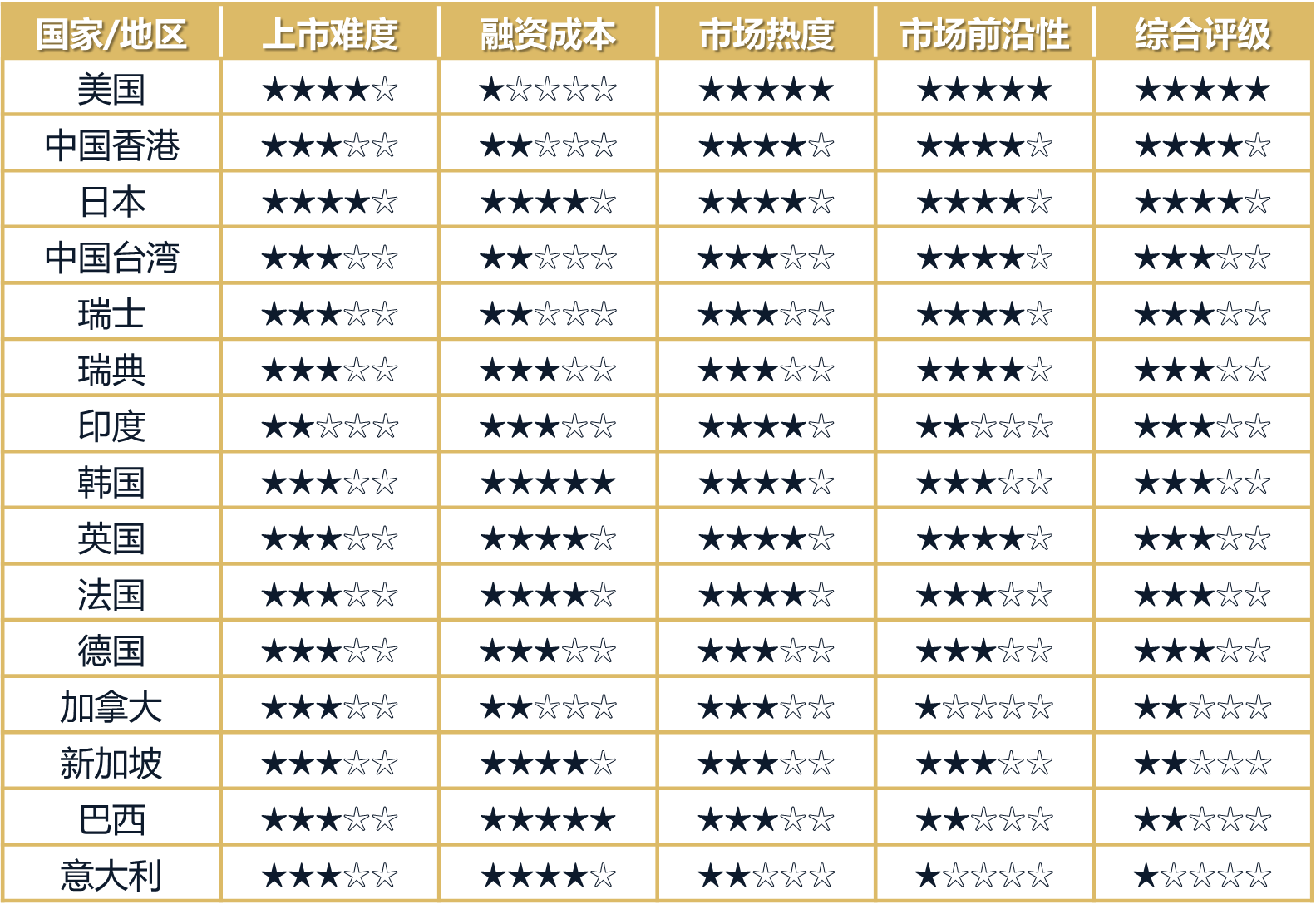
全球交易所四类图谱与资本竞合:从上市特点看大国竞争中的产业主导权
Sou Hu Cai Jing· 2025-10-10 10:16
Core Insights - The article discusses the rise of the Chinese stock market, particularly the A-shares, in the context of global capital flow and industrial competition, highlighting the strategic positioning of various global exchanges [1][2][3]. Group 1: Global Exchange Characteristics - Major exchanges have evolved beyond mere trading venues to reflect national economic strategies and support industrial upgrades [1][2]. - Developed countries exhibit two main paths: some focus on leading global technology (e.g., the US, UK, Nordic countries), while others aim to become global consumption and entertainment hubs (e.g., Italy) [2][3]. - Developing countries also show two strategies: attracting external capital to strengthen foundational industries (e.g., Brazil, India) or merely using stock markets to support existing advantages (e.g., South Africa) [3]. Group 2: Exchange Classification - Global exchanges can be categorized into four types: 1. **Forward Technology Exchanges**: Includes Shanghai, Shenzhen, Hong Kong, and major US exchanges like NASDAQ and NYSE [3]. 2. **Entertainment and Consumption Exchanges**: Primarily the French and Italian exchanges [3]. 3. **Resource and Infrastructure Exchanges**: Includes Canadian and Indian exchanges [3]. 4. **Regional Support Exchanges**: Such as the Johannesburg Stock Exchange [3]. Group 3: A-share Market Overview - The A-share market has seen 50 companies listed from early 2025 to July 2025, primarily in information technology and industrial sectors, showcasing strong support for advanced manufacturing [6][7]. - Notable companies include Huazhi Technology (lithium battery management), Sikan Technology (3D vision systems), and Hanbang Technology (chromatography equipment) [6][7]. Group 4: Hong Kong Stock Exchange - The Hong Kong Stock Exchange serves as a bridge for Chinese capital to go global and for foreign capital to enter China, with a focus on industrial, consumer, financial, real estate, and technology sectors [8][10]. - From early 2025 to July 2025, 16 companies were listed, with significant contributions from healthcare and industrial sectors, including major fundraising from companies like Heng Rui Pharmaceutical and Ningde Times [10][11]. Group 5: Taiwan Stock Exchange - The Taiwan Stock Exchange has three boards: main, innovation, and emerging, focusing on large enterprises and startups, with a strong emphasis on technology and healthcare sectors [14][15]. - In the same period, 11 companies were listed, primarily in information technology, healthcare, and consumer sectors [15][16]. Group 6: US Exchanges - The NYSE and NASDAQ serve distinct roles, with NYSE focusing on traditional industries and NASDAQ on technology and innovation [18][21]. - From early 2025 to July 2025, 12 companies were listed on NYSE, mainly in finance and real estate, while NASDAQ saw 16 listings, emphasizing technology and healthcare [19][23]. Group 7: European Exchanges - The London Stock Exchange attracts global capital, focusing on finance and healthcare, with 20 companies listed from 2024 to July 2025 [25][26]. - The Frankfurt Stock Exchange supports traditional and high-tech industries, with a focus on transparency and regulatory standards [29][31]. - The Swiss Exchange is becoming a hub for international companies, particularly in high-tech sectors, while the Swedish Exchange emphasizes healthcare and technology [32][35]. Group 8: South Korean Exchange - The Korean Exchange mirrors the US structure, with a focus on industrial and internet sectors, and has seen 12 companies listed in 2025, primarily in healthcare and finance [39][40].


老凤祥拟2400万美元入股迈巴赫奢侈品亚太,拓展高端业务
Xin Lang Cai Jing· 2025-10-10 08:24
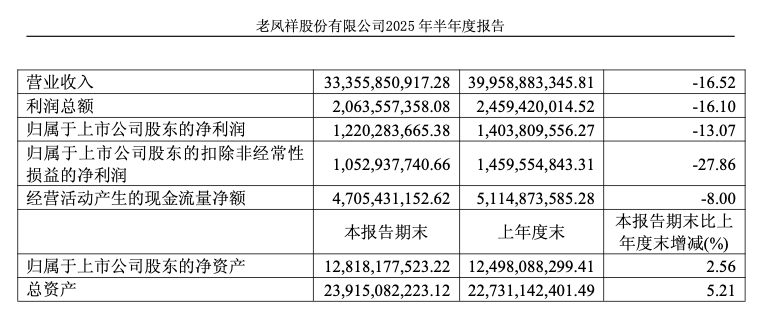
Core Viewpoint - The company is strategically investing in high-end luxury markets through partnerships and new ventures to enhance its brand image and market presence in the luxury sector [1][2][3] Group 1: Investment and Strategic Partnerships - The company plans to invest $24 million through its subsidiary, LFXHK, to acquire 20% of MAP, a luxury goods company, aiming to develop the high-end luxury market in the Asia-Pacific region [1] - A brand agency agreement has been signed between MAP and the company's affiliate, Shanghai Laofengxiang Zhenpin Trading Co., to establish strategic cooperation in brand agency business [1] Group 2: Market Position and Financial Performance - The company reported a 16.52% year-on-year decline in revenue to 33.356 billion yuan and a 13.07% drop in net profit to 1.22 billion yuan in the first half of the year, indicating challenges in relying solely on its traditional brand [2] - The gold price has increased by 30% this year, yet the company is adapting to changing consumer preferences, particularly among younger buyers who favor lightweight and design-oriented products [2] Group 3: High-End Market Ambitions - The frequent mention of "high-end" in recent announcements indicates the company's ambition to pursue a high-end market strategy [3] - The company is also collaborating with ByteDance to launch AI glasses, showcasing its commitment to innovation and integration of technology in its product offerings [3]
2400万美元!老凤祥下注奢侈品
Shen Zhen Shang Bao· 2025-10-10 06:59
Group 1 - The company plans to invest $24 million through its subsidiary, LFXHK, to acquire 20% of Maybach Luxury Asia Pacific Co. Limited (MAP) [1][2] - The investment aims to develop the high-end luxury goods market in the Asia-Pacific region and enhance the company's product offerings and operational capabilities [2] - MAP focuses on luxury goods excluding Maybach automobiles, including categories such as optical products, fashion apparel, and home goods [2] Group 2 - In the first half of the year, the company reported a revenue of 33.356 billion yuan, a year-on-year decrease of 16.52%, and a net profit of 1.22 billion yuan, down 13.07% [3] - The revenue decline is attributed to decreased sales from its subsidiaries, Shanghai Laofengxiang Co., Ltd. and Shanghai Laofengxiang Silver Building Co., Ltd. [4] - As of October 10, the company's stock price was 50.02 yuan, with a total market capitalization of 26.17 billion yuan [4]
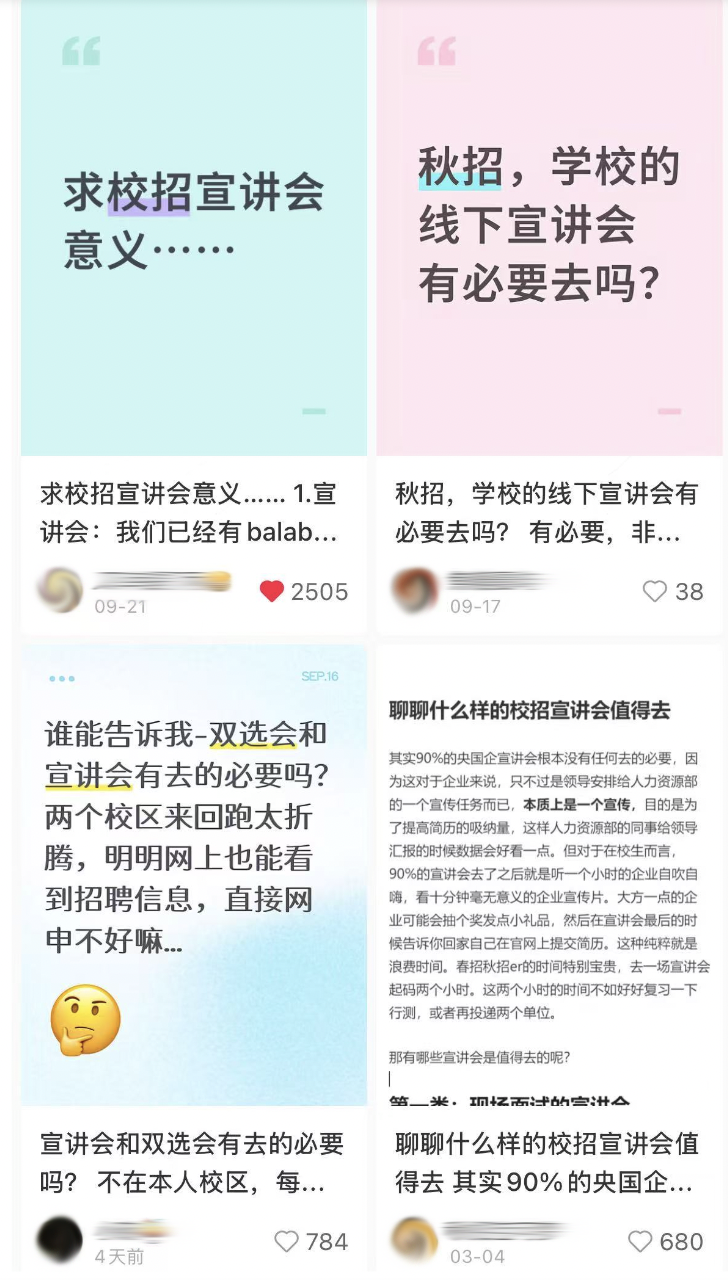
秋招宣讲会,大学生还有必要去吗?
Hu Xiu· 2025-10-10 06:41
Group 1 - The article discusses the challenges faced by university students during the autumn recruitment season, highlighting the intense competition and pressure they experience [1][2][32] - It emphasizes the significance of campus recruitment presentations, which have become a hot topic as companies seek to attract talent [4][32] - The article critiques the recent LVMH recruitment presentation at Fudan University, noting the lack of tangible benefits for students, such as gifts or useful recruitment information [7][21][20] Group 2 - The article provides insights into the structure and expectations of recruitment presentations, indicating that students generally seek clear information about salaries, career paths, and immediate feedback on applications [41][50] - It mentions that a significant number of recruitment presentations are scheduled across the country, with over 7,977 events expected to take place from September 22 to October 23, involving more than 2,200 companies [33][36] - The article highlights the trend of companies using gifts and incentives to attract students to their presentations, with various strategies employed, such as limited giveaways and interactive social media campaigns [25][29][50]
为什么别人家的产品又贵又好卖?
Hu Xiu· 2025-10-09 23:31
Group 1 - The article discusses the misconception that lower prices lead to higher sales, highlighting instances where raising prices has stimulated demand instead [1][4][40] - The concept of the Veblen effect is introduced, where higher prices can increase consumer demand for luxury goods, as seen in examples from the clothing and toy industries [5][6][10] - The article cites specific cases, such as the price increase of warming underwear and collectible toys, which resulted in significant order growth and resale value appreciation [6][8][9] Group 2 - The article contrasts the Veblen effect with the Giffen phenomenon, where demand for a staple good like potatoes can increase despite rising prices due to lack of alternatives [25][26][34] - It explains that the Giffen phenomenon occurs under specific conditions, such as when consumers are forced to buy more of a staple as other food prices rise [27][28][36] - The article emphasizes that consumer behavior is influenced by both horizontal and vertical comparisons, affecting purchasing decisions based on perceived future price trends [30][34][37] Group 3 - The article argues that consumers do not always prefer cheaper options, as demonstrated by the evolution of consumer behavior towards higher-priced, high-quality products over time [56][58][60] - It introduces the "V-shaped price curve," suggesting that consumers may initially reject high prices but eventually seek out premium products once low prices become normalized [57][59] - The article highlights the importance of perceived value in consumer purchasing decisions, indicating that consumers are willing to pay more for products they deem valuable [61][62] Group 4 - The article discusses the concept of price elasticity of demand, explaining that products with high elasticity can benefit from a low-price strategy, while essential goods tend to have inelastic demand [76][79][80] - It warns that relying solely on a low-price strategy can lead to industry-wide price wars, ultimately harming profitability for all players involved [81][82] - The article concludes that raising prices can be beneficial if aligned with product value and consumer expectations, suggesting that higher prices can lead to better sales outcomes [83][84]
老凤祥:子公司拟投资迈巴赫奢侈品亚太公司
Bei Ke Cai Jing· 2025-10-09 14:53
新京报贝壳财经讯 10月9日,老凤祥公告,拟通过下属控股子公司老凤祥香港有限公司投资认购迈巴赫 奢侈品亚太有限公司,向LFXHK发行及配发的共2000股有投票权普通股,占发行及配发后MAP股权的 20%。本次投资合计总投资额为2400万美元。 ...