茶饮

Search documents
突然火了!随手扔掉的东西,有人靠它赚了近千元
第一财经· 2025-11-13 02:34
Core Insights - The article discusses the rising trend of collecting and trading milk tea packaging, with some individuals making significant profits from selling these items on second-hand platforms [2][5][8]. Group 1: Market Trends - There is a growing market for milk tea packaging, with prices ranging from 1 yuan to over 100 yuan for limited edition items [2]. - Some sellers offer bulk deals, such as 50 bags for 59.9 yuan, indicating a diverse pricing strategy in the market [2]. Group 2: Consumer Behavior - Consumers are motivated by limited editions and collaborations with popular IPs, leading to high resale values for certain items, such as a cup sleeve from a collaboration that sells for 40 yuan [5]. - Collectors often purchase multiple drinks to obtain specific packaging, with one individual reporting a collection of over 1,000 bags, driven by new product releases [8]. Group 3: Social and Psychological Aspects - The act of collecting milk tea bags is compared to stamp collecting, serving as a social activity among peers [8]. - The phenomenon reflects a broader trend where young consumers seek emotional fulfillment and a sense of ritual through collecting, which can alleviate anxiety [9]. Group 4: Marketing Implications - Brands are leveraging limited edition packaging to enhance consumer loyalty and create a secondary market, with predictions that packaging collection could become a new marketing strategy in the beverage industry [9].


看“旧”品“新”话老街(现场评论)
Ren Min Ri Bao· 2025-11-12 22:19
Core Insights - The revitalization of the Ximen Street area in Qujing, Yunnan, showcases a blend of historical preservation and modern commercial development, transforming a once-neglected area into a vibrant cultural and economic hub [1][2] Group 1: Historical and Cultural Significance - Ximen Street has over 600 years of history and contains more than 2,000 modern buildings, representing the city's cultural heritage [1] - The approach to revitalization emphasizes preserving the original architectural style while introducing modern business elements [1] Group 2: Economic Impact - The revitalization has led to an increase in daily visitors to approximately 10,000 and an annual consumption boost of over 30 million yuan, creating more than 900 job opportunities for local residents [1] - The area has become a hub for innovation and entrepreneurship, attracting young people and fostering new business models [2] Group 3: Community Engagement and Governance - The local government plays a crucial role in guiding the revitalization process, shifting from "one-way management" to "co-governance" by involving community input and establishing a dedicated urban management team [2] - Initiatives such as community merchant alliances and regular public consultations are implemented to address local concerns and promote shared responsibilities [2] Group 4: Future Development and Policy - The "14th Five-Year Plan" emphasizes the effective protection and active inheritance of historical cultural cities and districts, highlighting the importance of balancing respect for history with innovative development [3]
财经聚焦|“双十一”购物车 透出国潮消费新趋势
Xin Hua She· 2025-11-12 13:43
Core Insights - The "Double Eleven" shopping festival serves as a significant indicator of new consumption trends in China, highlighting the rise of domestic brands and cultural products [1][2]. Group 1: Domestic Brand Performance - On Tmall, the beauty brand Proya ranked first in sales, with 9 out of the top 10 clothing brands being domestic [2] - On JD.com, the original Chinese brand Sanji Black Flower saw a sales increase of over 10 times, while the Hanfu brand Chixia's sales grew by 300% year-on-year [2] - The popularity of domestic products is reflected in consumer reviews, with terms like "high quality" and "national pride" frequently mentioned [2]. Group 2: Cultural and Traditional Products - The sales of cast iron pots that incorporate intangible cultural heritage techniques increased by 127.9% on Douyin during the festival [2] - Tmall reported that the traditional gold shop's sales reached 2.9 billion yuan, with products like diamond butterfly chains and Vajra pestle rings becoming bestsellers [2]. - The integration of traditional craftsmanship with modern design is driving consumer interest in high-quality cultural products [3]. Group 3: Consumer Behavior and Trends - Consumers are increasingly focused on craftsmanship, materials, and cultural significance, making national trends a vital part of high-quality living [3]. - The rise of cultural confidence and identity among consumers is reshaping consumption patterns, with a growing preference for products that reflect traditional culture [5][6]. Group 4: Industry Innovation and Cross-Industry Integration - National trends are evolving beyond mere representation of Chinese elements, becoming a blend of modern design, industrial manufacturing, and cultural expression [6]. - The digital strategy in cultural industries is guiding traditional cultural innovation, with consumers willing to pay for products that combine craftsmanship, culture, and practicality [6]. - The emergence of new Chinese brands and the revitalization of old brands are indicative of a cultural awakening in the industry [6]. Group 5: Global Expansion and Cultural Exchange - The growth of national trends is supported by new cultural business models, with exports of holiday goods and toys exceeding 50 billion yuan, reaching over 200 countries [7]. - The success of domestic games and films on global platforms highlights the international appeal of Chinese culture [7]. - National trends are not just about product export but also about the dissemination of cultural values and identity [7]. Group 6: Challenges and Recommendations - There are concerns regarding product homogenization, aesthetic convergence, and a lack of innovation within the national trend market [8]. - Experts suggest the need for a robust intellectual property protection system and industry standards to foster healthy development [8]. - Collaboration between leading brands, design institutions, and cultural research organizations is recommended to enhance innovation and cultural recognition [8].
突然暴涨!新消费巨头,尾盘异动
证券时报· 2025-11-12 11:54
Core Viewpoint - The stock of Hu Shang A Yi (02589.HK) has shown significant volatility, with a recent surge of 28.96% to HKD 116.9 per share, marking a rebound of over 45% from its lows since listing [1][3]. Group 1: Company Developments - Hu Shang A Yi announced a ten-year H-share incentive plan, with a cap of 5% of the total share capital, aimed at incentivizing core talent through restricted stock [3]. - The company is launching a sub-brand "Tea Waterfall" targeting Gen Z and students, focusing on products priced below 10 yuan, differentiating from the main brand [3]. - As of now, Hu Shang A Yi has 10,739 stores nationwide, an increase of 1,303 stores from 9,436 in June, achieving its "10,000 store plan" set by the founder in April 2023 [3]. Group 2: Financial Performance - The average daily GMV per store for Hu Shang A Yi was 4,109 yuan in 2022, 4,270 yuan in 2023, and 3,753 yuan in 2024 [4]. - For the first half of 2025, the company reported a gross profit of 572 million yuan, a 10.4% increase from 518 million yuan in the same period last year, maintaining a gross margin of 31.4% [4]. Group 3: Industry Context - The challenges faced by Hu Shang A Yi reflect a broader trend in the new tea beverage industry, transitioning from rapid growth to a more refined operational focus [5]. - The tea beverage industry is entering a "Warring States" period, with growth rates slowing down and competitive dynamics intensifying, leading to a forecasted revenue growth rate of 28%, 19%, and 15% for 2025-2027, with net profit growth rates of 46%, 33%, and 17% respectively [5].
沪上阿姨再涨超20% 公司推出H股激励计划 子品牌茶瀑布官宣代言人毛不易
Zhi Tong Cai Jing· 2025-11-12 01:58
Core Viewpoint - The company "沪上阿姨" (Hushang Ayi) has seen a significant stock price increase of over 20%, currently trading at 106.1 HKD, with a trading volume of 48.31 million HKD, following the announcement of a ten-year H-share incentive plan aimed at retaining core talent [1] Group 1: Company Developments - The company plans to adopt a ten-year H-share incentive plan with a cap of 5% of the total share capital to incentivize core talent through restricted stock [1] - As of now, "沪上阿姨" has successfully entered the "10,000 store club" with a total of 10,739 stores nationwide [1] Group 2: Brand Strategy - On October 17, the singer Mao Buyi became the spokesperson for the new tea brand "茶瀑布" (Chapu Bu) under "沪上阿姨" [1] - The new brand "茶瀑布" will officially launch in March 2024, targeting Generation Z and student demographics, focusing on products priced below 10 HKD, creating a distinct positioning from the main brand "沪上阿姨" [1]
港股异动 | 沪上阿姨(02589)再涨超20% 公司推出H股激励计划 子品牌茶瀑布官宣代言人毛不易
智通财经网· 2025-11-12 01:55
Group 1 - The core point of the article is that Hu Shang A Yi (02589) has seen a significant stock price increase, rising over 20% and currently trading at 106.1 HKD with a transaction volume of 48.31 million HKD [1] - The company announced a ten-year H-share incentive plan, with a cap of 5% of the total share capital, aimed at incentivizing core talent through restricted stock [1] - As of now, Hu Shang A Yi has reached a total of 10,739 stores nationwide, successfully entering the "10,000-store club" [1] Group 2 - On October 17, the celebrity Mao Bu Yi became the spokesperson for Hu Shang A Yi's new tea brand, Cha Pu Bu [1] - The new brand "Cha Pu Bu" will officially launch in March 2024, targeting Generation Z and student demographics, focusing on products priced below 10 HKD, creating a distinct positioning from the main brand [1]
突然火了!大批人开始囤 有人靠它赚了近千元
Zhong Guo Jing Ying Bao· 2025-11-11 23:55
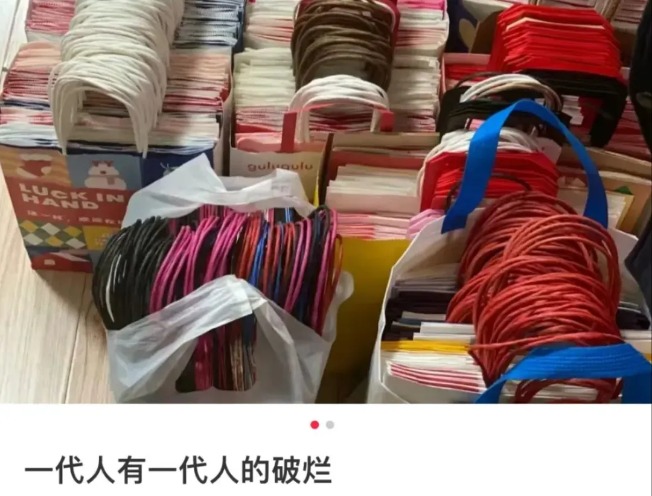
Core Insights - The trend of collecting milk tea packaging has gained significant popularity, with individuals sharing their collections online and some making substantial profits from selling these items [1][3][6] - The second-hand market for milk tea bags and related items has emerged, with prices ranging from 1 yuan to over 100 yuan for limited edition items, indicating a growing interest in these collectibles [3][5] Market Trends - The second-hand trading platforms are seeing a surge in listings for milk tea bags, cups, and related accessories, with some sellers capitalizing on limited editions and collaborations to drive prices up [3][5] - Data indicates that the coffee industry is projected to exceed 1 trillion yuan by 2025, while the new-style tea beverage market is expected to reach 354.72 billion yuan in 2024, highlighting the expanding market for these beverages beyond mere consumption [6] Consumer Behavior - Young consumers are increasingly motivated by the emotional and social value associated with collecting milk tea packaging, with some individuals reporting extensive collections and profits from reselling [6][8] - The phenomenon of "packaging collection" is seen as a potential new marketing strategy within the tea beverage industry, with brands exploring limited edition packaging to enhance consumer engagement and loyalty [7][8]
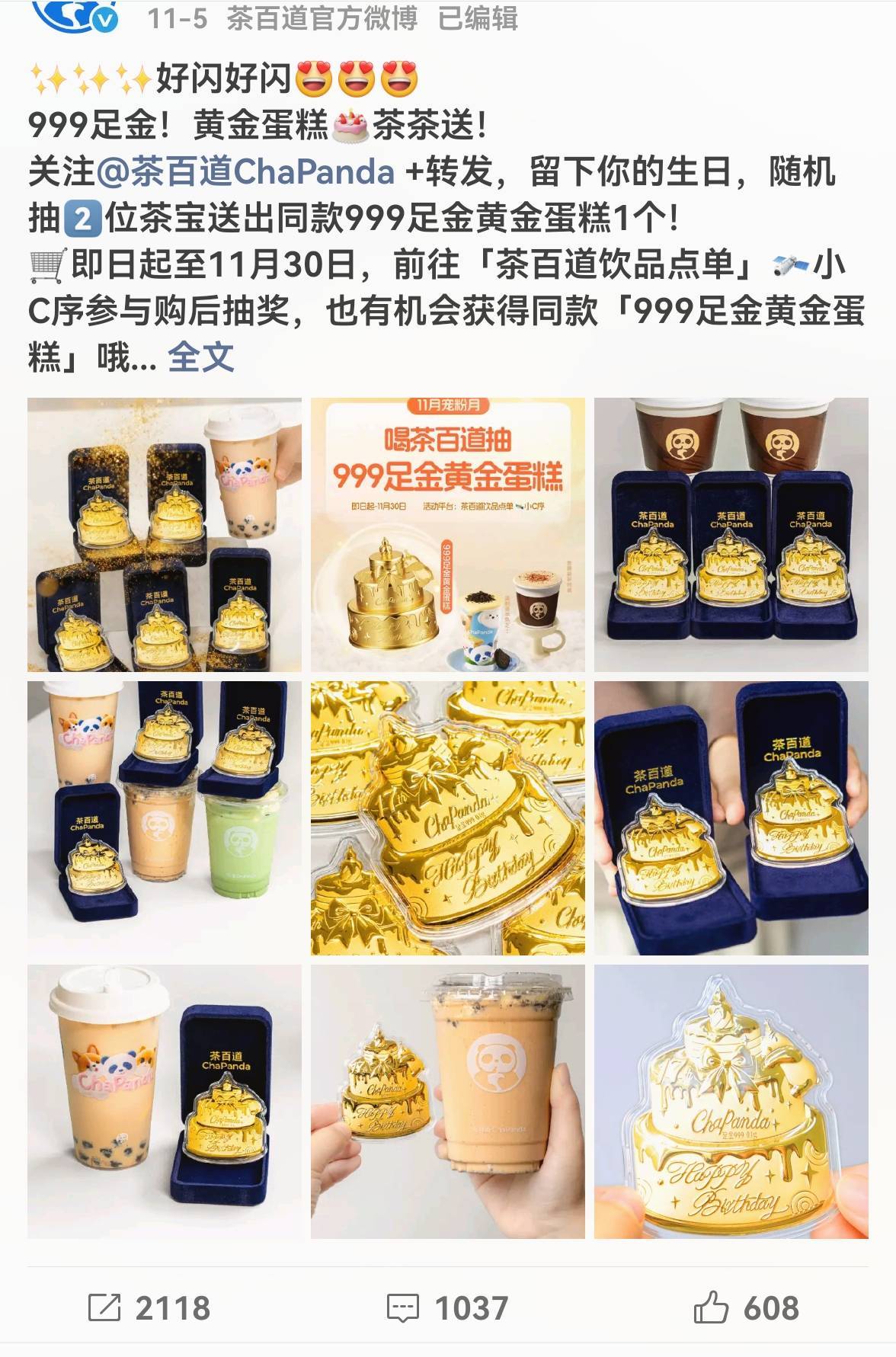
“冬天的第一杯黄金奶茶”,一场正盛的黄金消费“狂欢”
Sou Hu Cai Jing· 2025-11-11 12:50
Core Insights - The rise of "golden milk tea" has become a significant social trend among young consumers, with brands like Cha Baidao launching promotional activities that integrate gold-themed products [1][4][5] - Traditional gold brands are actively exploring collaborations with tea beverage companies to appeal to younger consumers, shifting the perception of gold from a mere asset to a symbol of emotional satisfaction and social recognition [4][9][18] Industry Trends - The collaboration between gold brands and tea drinks is seen as a strategy to attract a younger demographic, with products like the 0.1-gram golden cake piece becoming popular entry points for young consumers to engage with gold investment [5][9] - The trend is supported by social media, with platforms like Xiaohongshu witnessing a surge in discussions and engagement around gold-themed tea drinks, indicating a growing interest in gold consumption among the youth [15][17] Market Dynamics - Young consumers aged 18 to 34 contribute over one-third of gold jewelry sales, reflecting a shift in consumer behavior towards valuing personal expression and social sharing over traditional asset preservation [17][18] - The sales performance of gold brands during promotional events, such as the "Double 11" shopping festival, highlights the increasing market potential, with Old Puhuang's Tmall flagship store achieving over 300 million yuan in sales within ten minutes [17][18]

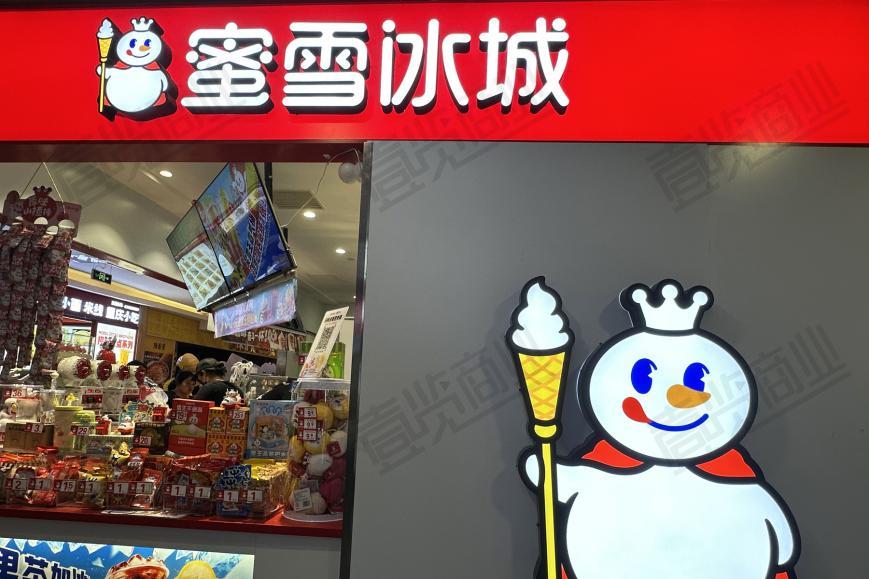
一天拆三家店,茶咖设备回收商快忙不过来了
3 6 Ke· 2025-11-11 12:17
Core Insights - The tea beverage industry is experiencing a significant downturn, with many franchise stores closing down due to a combination of high operational costs and declining consumer spending [1][2][4] - The number of tea beverage stores has increased dramatically, but this expansion is not sustainable as many new stores are failing shortly after opening [2][4][11] - The industry is witnessing a shift from individual franchisees to more professional "super franchisees" who can manage multiple brands and adapt quickly to market changes [15][17] Industry Trends - The tea beverage market saw a 32.5% increase in store numbers from 78,324 at the end of 2022 to 103,783 by the end of 2023, despite a decline in consumer spending [2][4] - Price wars have erupted, with brands like Heytea and Nayuki reducing prices significantly, leading to a departure from the previous pricing norms [4][6] - The closure of stores is becoming a common trend, with many brands experiencing high turnover rates among their franchisees [11][12] Market Dynamics - The supply chain and brand loyalty are critical factors, with brands like Gu Ming showing high equipment resale value due to better management and profitability [6][11] - Overexpansion has led to a decline in brand reputation for some companies, such as Heytea, which has had to halt franchise openings and focus on store quality [6][8] - Regional market differences are evident, with certain areas like Jiangxi being difficult for new brands to penetrate due to strong local competition [12][14] Equipment Recovery and Services - The second-hand equipment recovery market is booming, with companies like the Octopus team expanding their operations significantly to accommodate the influx of closed store equipment [4][18] - The industry is evolving from simple equipment recovery to providing comprehensive services, including store planning and operational consulting [22] - The emergence of collaborative networks among equipment recovery companies is fostering a more supportive industry environment [22] Future Outlook - The tea beverage industry is undergoing a transformation, with a focus on sustainability and efficiency as it moves away from rapid expansion to a more stable operational model [20][22] - The trend of offering second-hand equipment on a rental or installment basis is likely to grow, reflecting a shift in how businesses manage costs [18][20] - The ongoing consolidation and "survival of the fittest" mentality may ultimately benefit the industry by promoting healthier competition and innovation [22][23]
告别“地板价”:中国新消费的海外溢价战争
3 6 Ke· 2025-11-11 09:47
Core Insights - The article highlights the transformation of Chinese brands in the global market, moving from low-cost manufacturing to a focus on value and brand identity, reshaping the perception of "Made in China" [2][3][5] Group 1: Market Performance - Pop Mart's revenue in the Americas for Q3 increased by 1265%-1270% year-on-year, showcasing the popularity of its products [2] - Bawang Chaji's overseas GMV reached RMB 235.2 million in Q2, a year-on-year increase of 77.4% [2] - Anker Innovations reported a revenue of RMB 3.427 billion in Europe for the first half of the year, marking a 66.96% year-on-year growth [2] Group 2: Brand Strategy - The shift in Chinese brands' strategy emphasizes "value export" rather than competing solely on price, indicating a deeper engagement in global markets [3][20] - Brands are focusing on emotional connections and cultural narratives, moving from a "function economy" to an "emotional economy" [15][17] - The success of these brands is attributed to their ability to resonate with global consumers' emotional and cultural needs [10][15] Group 3: Consumer Trends - The rise of Generation Z, which constitutes about 25% of the global population, is reshaping consumption patterns, emphasizing individuality and brand values [11][15] - Z generation consumers are willing to pay a premium for brands that align with their values and provide quality experiences [11][15] Group 4: Localization and Cultural Integration - Anker Innovations has tailored its products to local markets, enhancing brand affinity through localized designs and marketing strategies [19] - Bawang Chaji's store designs and product names reflect Chinese cultural elements, appealing to consumers' aesthetic and cultural curiosity [17][18] Group 5: Future Outlook - The article suggests that the future of Chinese brands lies in defining new lifestyles and cultural identities, moving beyond mere product sales to lifestyle and cultural representation [21][25] - The concept of "value export" is seen as a critical phase for Chinese companies to enhance their global competitiveness and influence [20][25]